Choose the right outdoor base
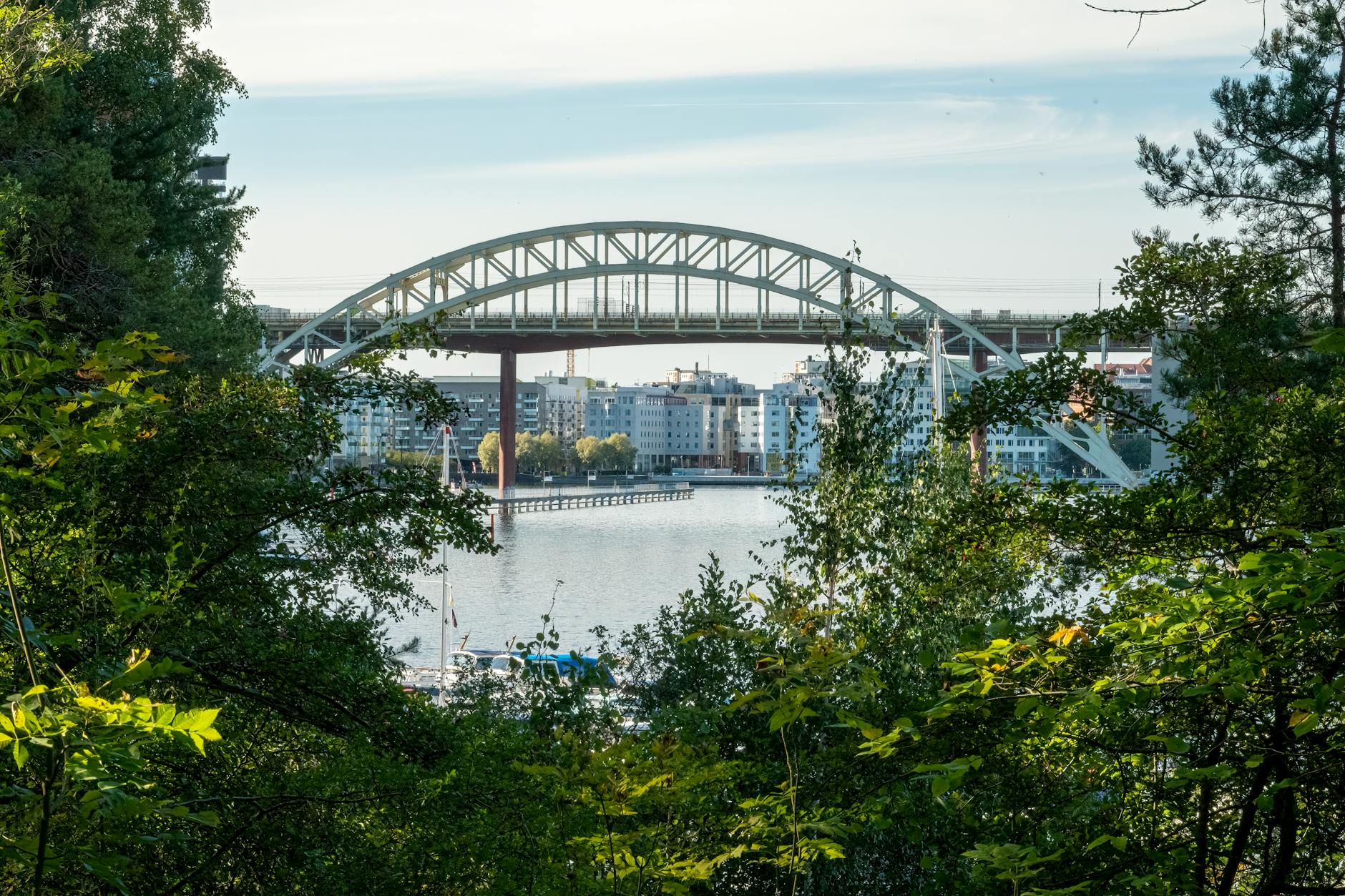
The traveler's hotel or apartment should fit the outdoor plan. A good base makes it easier to reach ferries, parks, waterfront routes, rental points, early departures, and recovery meals without wasting the day on cross-city movement.
Outdoor time starts with location.
- Choose lodging near the main outdoor route, ferry link, rental point, or transit corridor.
- Check whether the room can handle wet shoes, layers, packed snacks, and early starts.
- Keep grocery, breakfast, laundry, and transit access in the lodging decision.
Match activities to season and weather
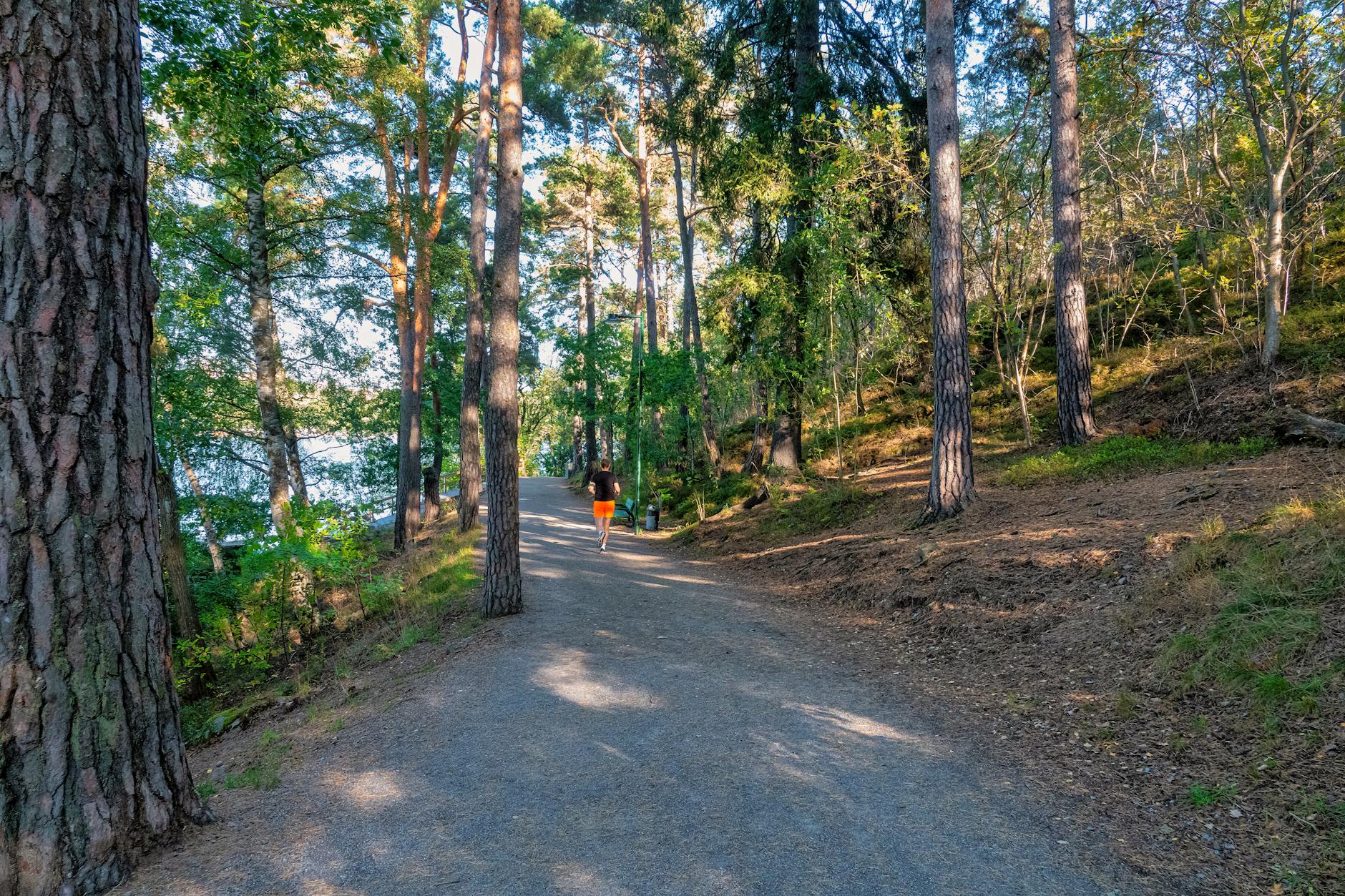
Stockholm outdoor plans change with daylight, wind, rain, snow, ice, water temperature, and summer crowds. The traveler should not treat kayaking, ferries, forest runs, cycling, and long walks as interchangeable in every season.
Weather is a planning input, not a surprise.
- Check daylight, wind, rain, temperature, ice, and trail conditions before fixing the day.
- Keep a lower-exposure option ready for heavy wind, rain, cold, or low visibility.
- Plan clothing by activity and recovery, not only by the forecast high temperature.
Use archipelago time honestly
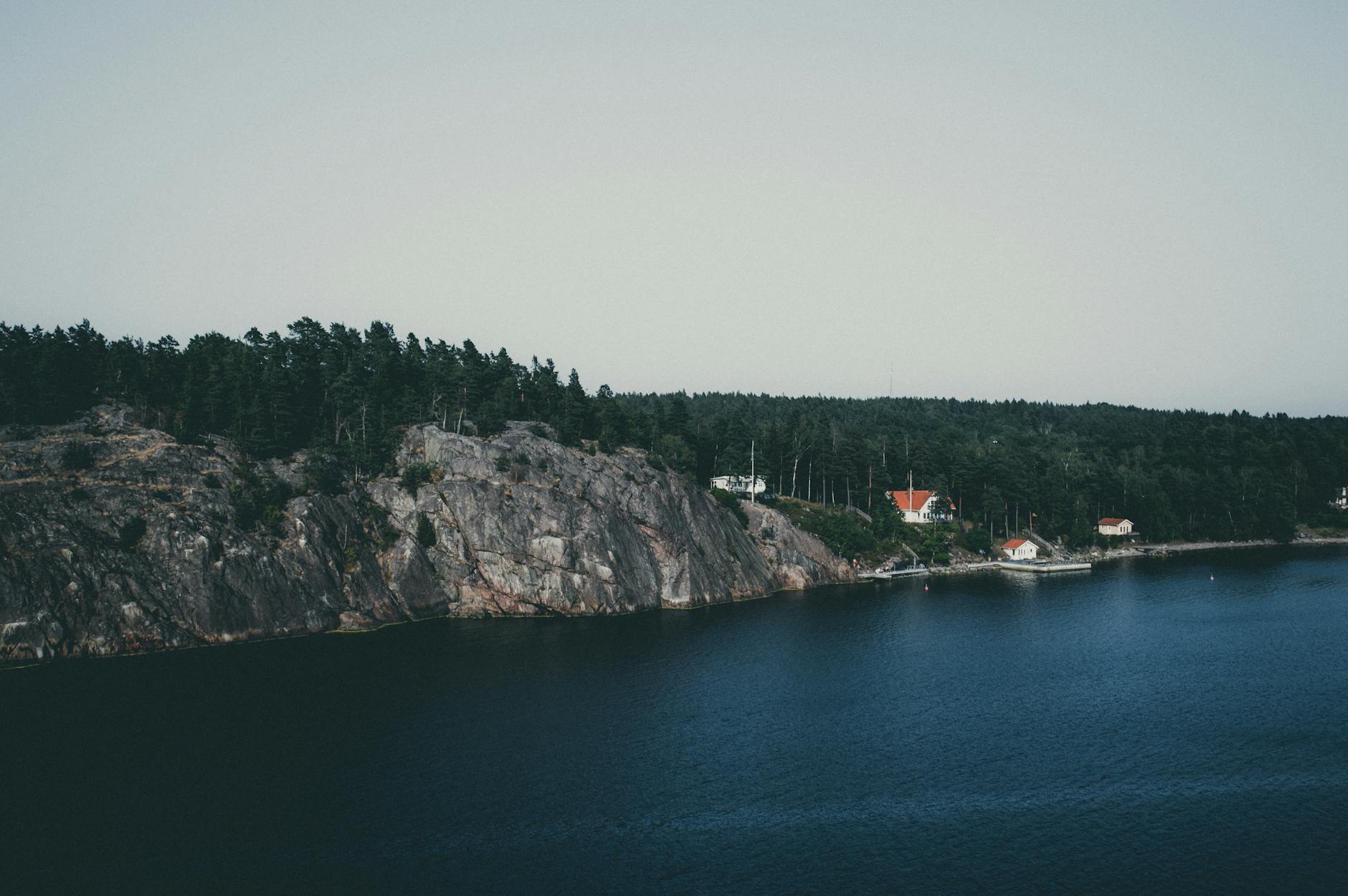
The archipelago can be the highlight of a Stockholm outdoor trip, but ferry schedules, transfers, daylight, weather, and return timing need respect. A short stay may be better served by one well-chosen island or water route than a rushed attempt to see too much.
Island time should have enough margin.
- Check outbound and return ferry times before committing to an island route.
- Choose one strong archipelago plan rather than several fragile connections.
- Pack layers, water, snacks, phone power, and a backup return plan.
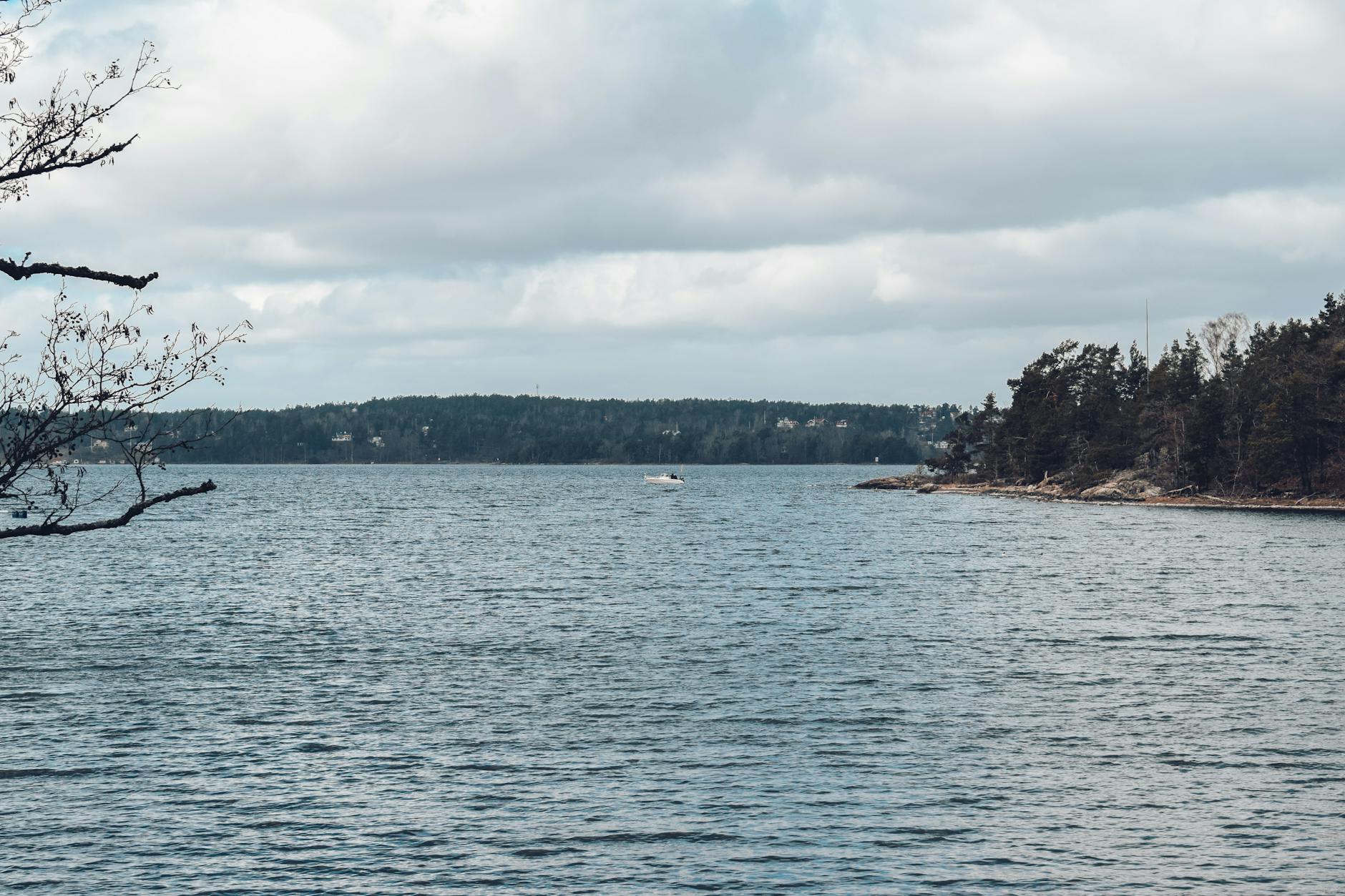
Plan water activities carefully
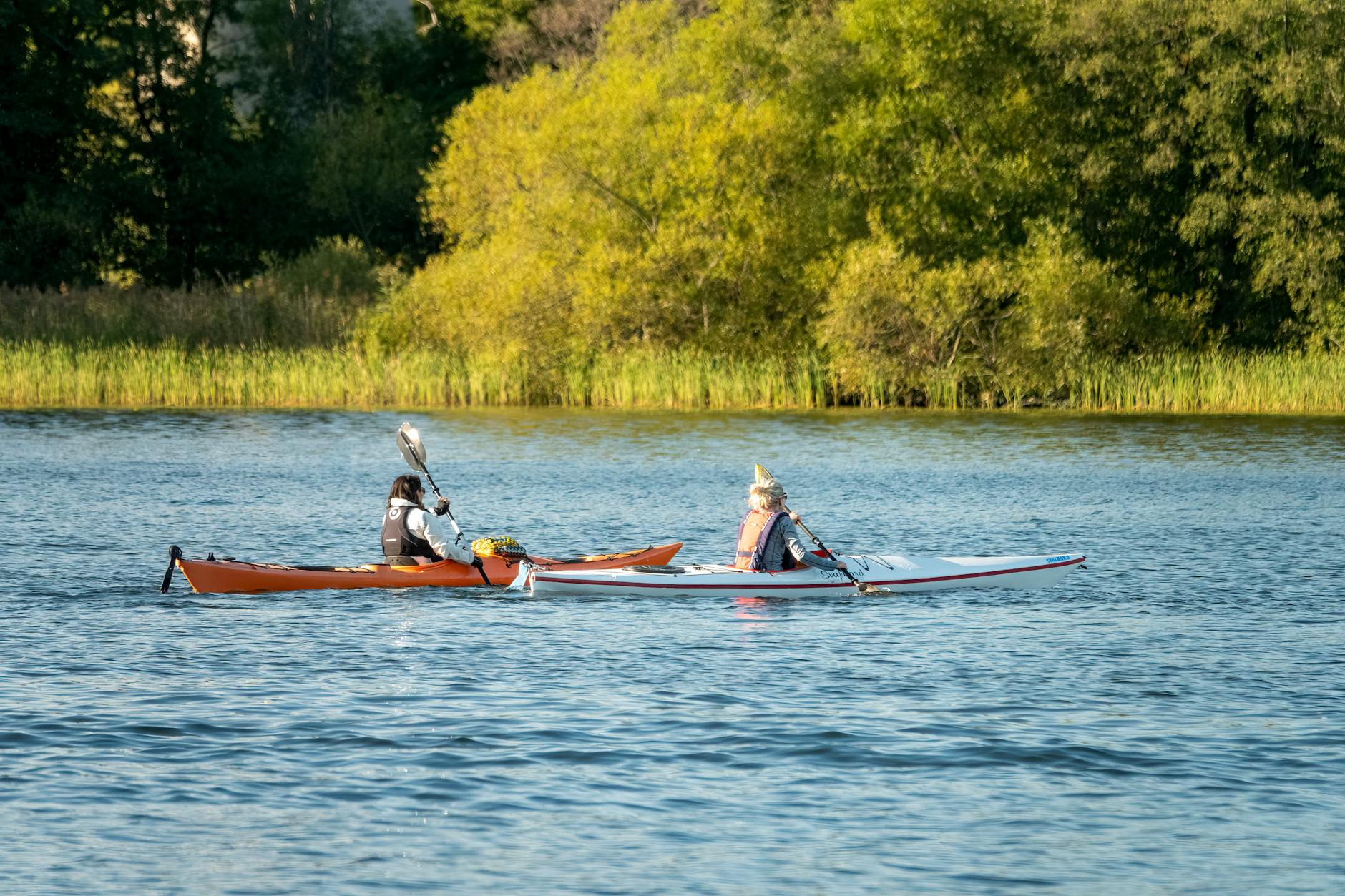
Kayaking, boating, swimming, and waterfront routes can be excellent in Stockholm, but water temperature, wind, rental rules, life jackets, route difficulty, and phone protection matter. A beautiful day on the water still needs safety planning.
The water plan should be conservative when conditions are unfamiliar.
- Check rental hours, route guidance, life jacket rules, water temperature, and wind exposure.
- Protect phones, documents, medication, and dry layers before getting on the water.
- Avoid scheduling a tight dinner, train, or flight immediately after a water activity.
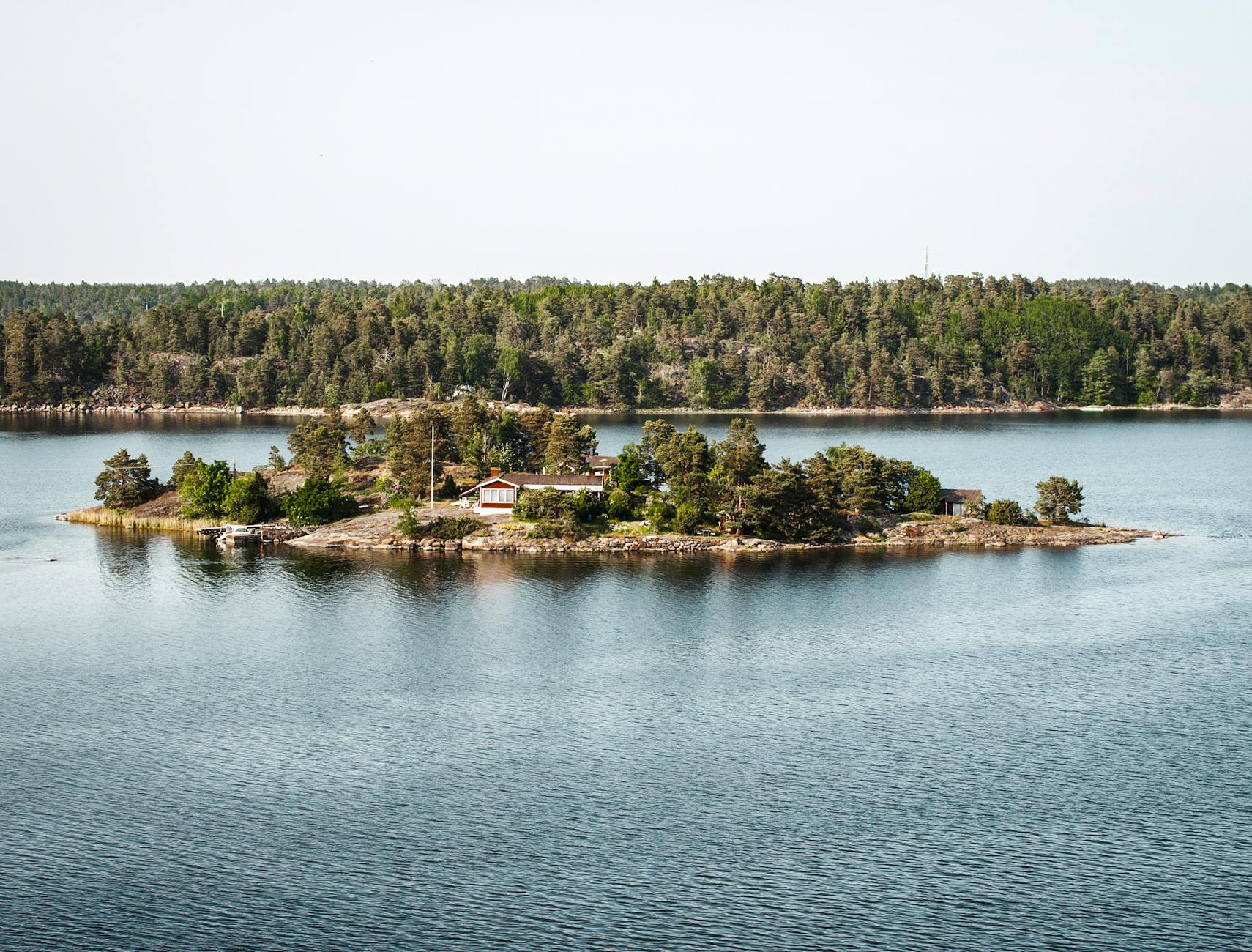
Keep city links and gear practical
Outdoor travelers still need to move through a city with bags, wet layers, rented equipment, and sometimes tired legs. Transit, taxis, storage, lockers, and simple meal stops should be planned before the route becomes inconvenient.
Gear logistics decide how smooth the day feels.
- Confirm where gear can be rented, stored, dried, returned, or carried on transit.
- Plan luggage storage if outdoor time sits before check-in or after checkout.
- Keep one taxi or direct transit fallback for tired legs, rain, or heavy gear.
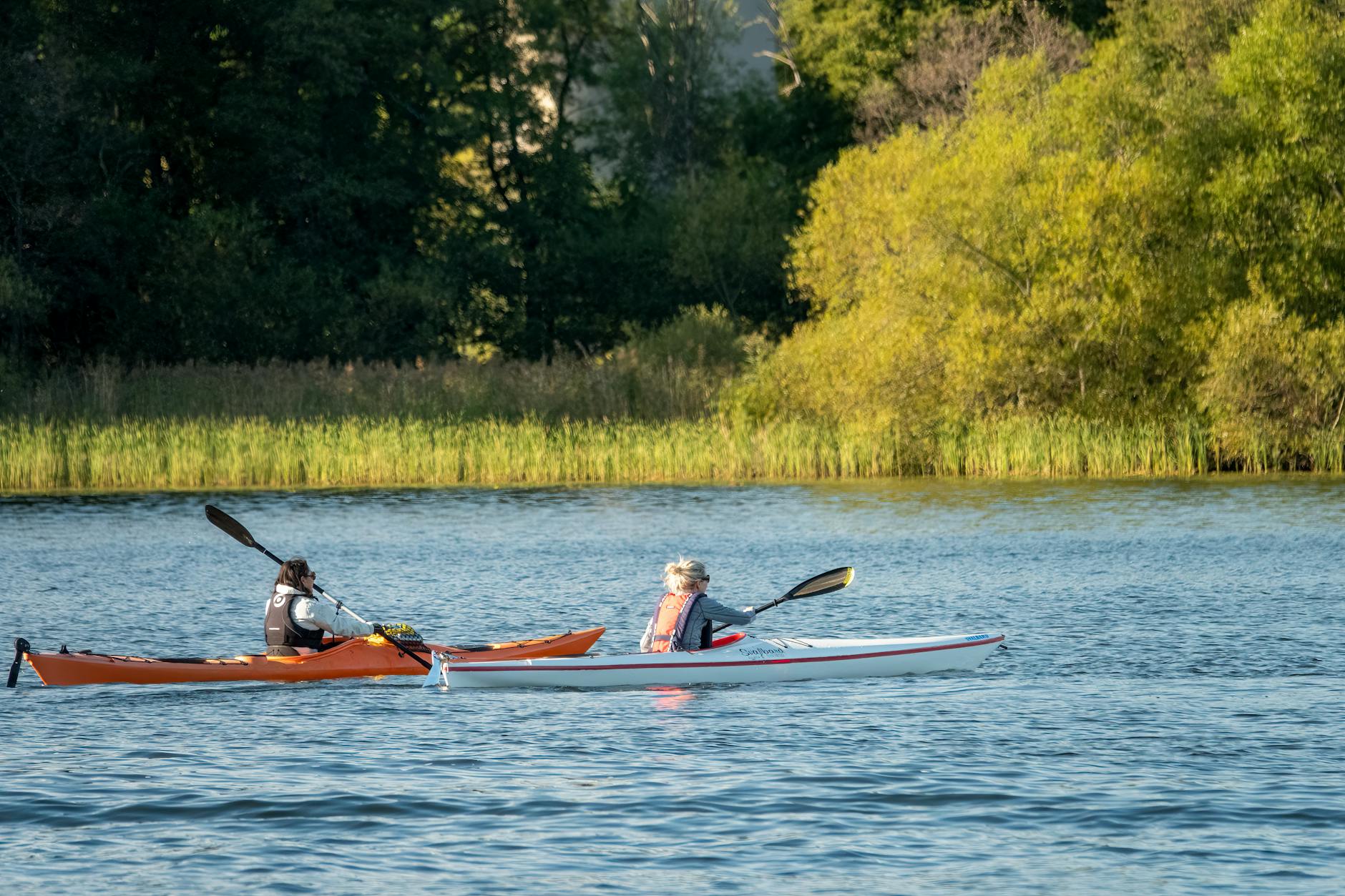
Build recovery into the trip
A short outdoor trip can become less enjoyable when every day is physically full. The traveler should plan meals, warm-up time, showers, laundry, sleep, and lighter city moments around the most demanding activity.
Recovery is part of the adventure.
- Place harder outdoor activities before easier evenings, not before complicated transfers.
- Build in meals, hydration, stretching, laundry, and warm layers after wet or cold routes.
- Keep one low-effort waterfront walk, museum, or cafe plan for a tired or rainy day.
When to order a short-term travel report
An outdoor traveler with flexible plans and good local knowledge may not need a custom report. A report becomes useful when archipelago timing, gear, weather, ferries, water activities, lodging, or recovery windows need to work within a short stay.
The report should test lodging base, ferry schedules, outdoor route sequence, weather exposure, rental logistics, water safety, transit links, meal stops, luggage storage, recovery time, and departure buffers. The value is a Stockholm outdoor trip that feels active without being brittle.
- Order when archipelago plans, kayaking, trails, lodging, weather, gear, ferries, recovery, or departure timing need coordination.
- Provide dates, fitness level, activity interests, gear needs, lodging options, arrival details, risk tolerance, and must-do outdoor priorities.
- Use the report to make the Stockholm adventure trip efficient, weather-aware, and easier to enjoy.