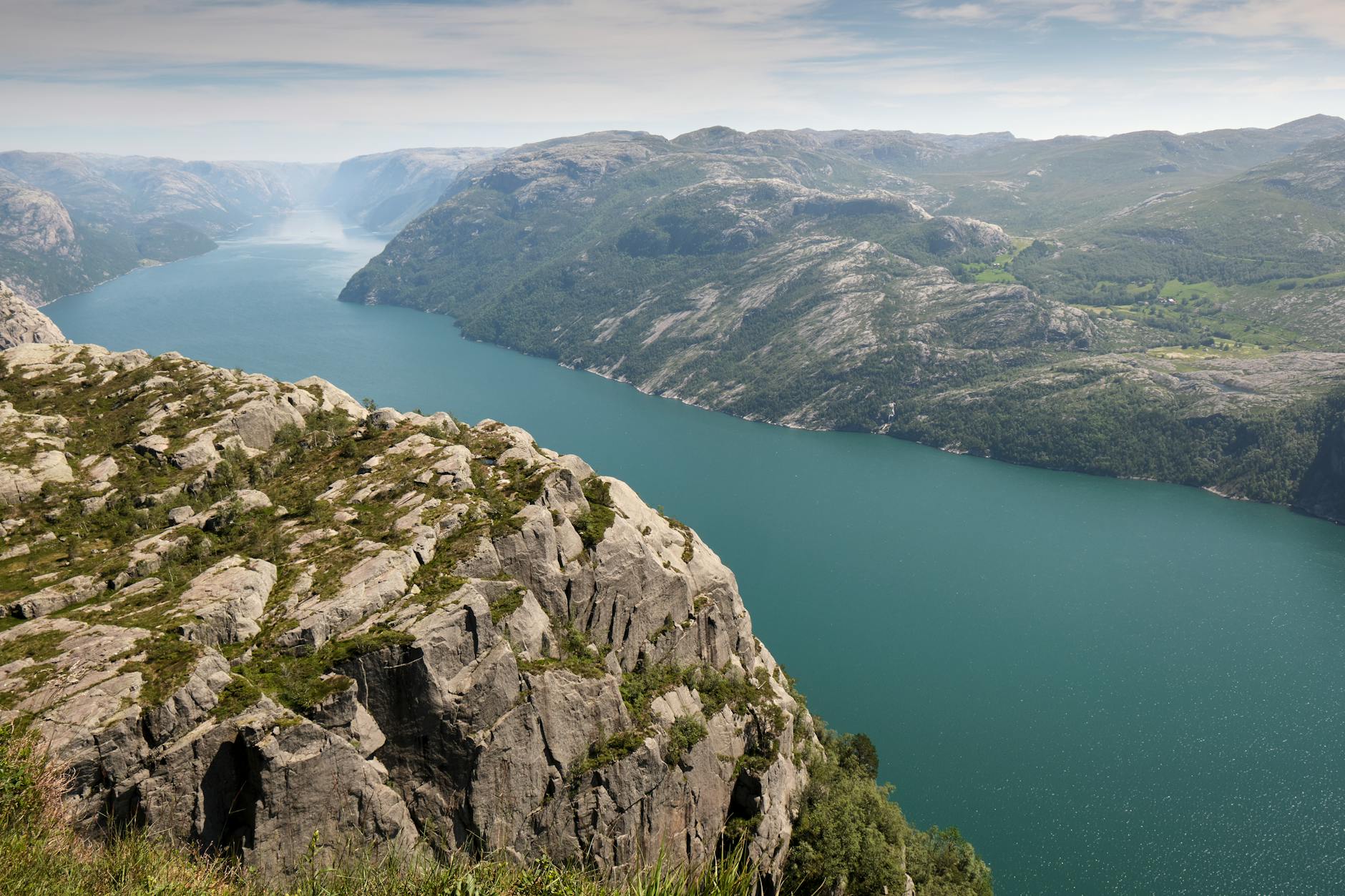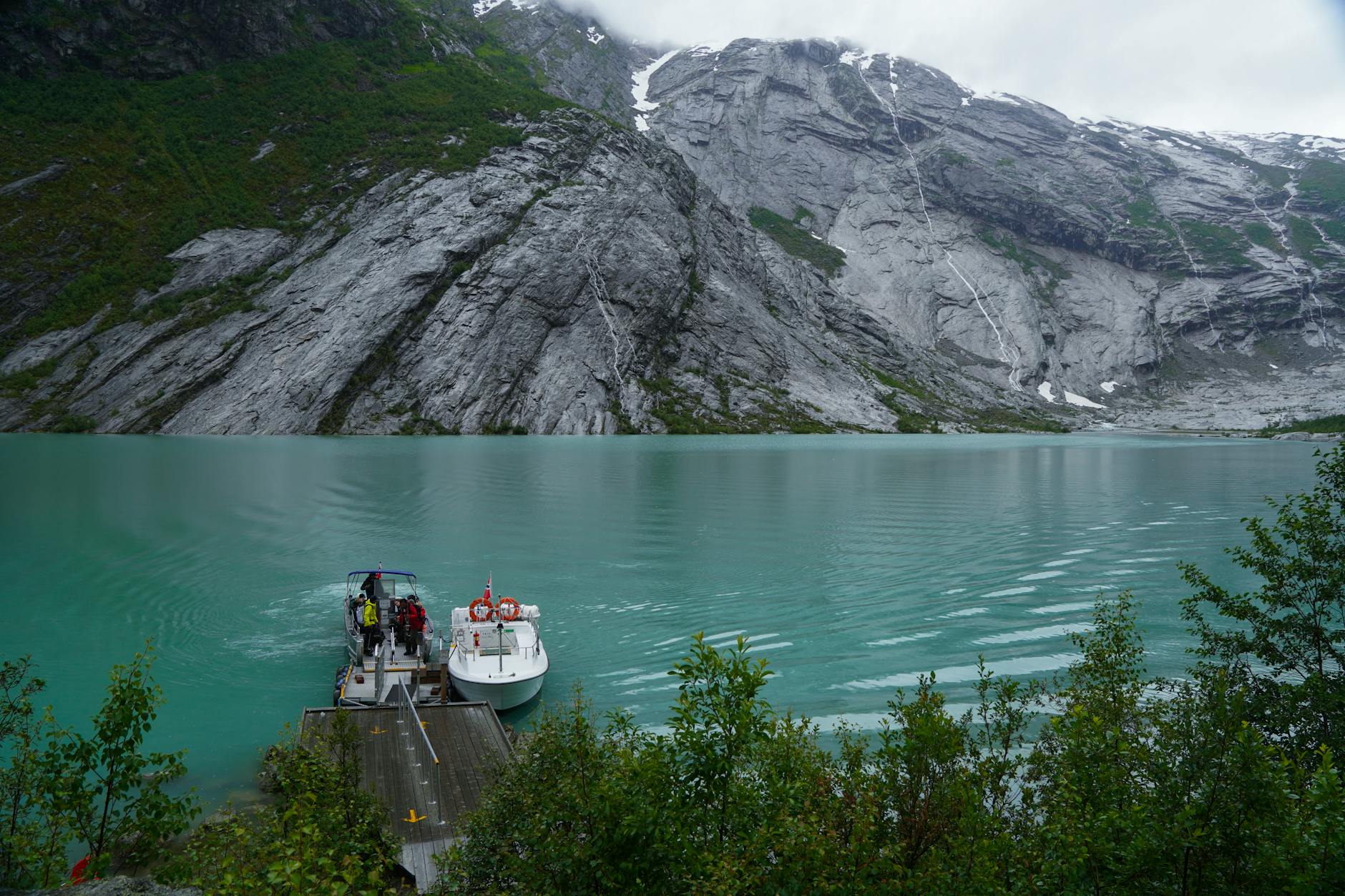
Stavanger can be manageable for a traveler with mobility limitations when the trip is planned around access instead of only distance. The city is compact, but cobblestones, slopes, rain, harbor edges, hotel entrances, taxis, and regional outings can change the real effort of the stay. The right plan keeps routes short, recovery easy, and backup choices visible.
Define the exact access needs
Mobility limitations vary widely, so the Stavanger plan should start with the traveler's actual needs. Walking distance, standing tolerance, stairs, slopes, wet pavement, wheelchair dimensions, pain patterns, and fatigue timing should shape the route before attractions are chosen.
Specific needs make the plan usable.
- List the limits that affect hotel choice, transfers, meals, sightseeing, and rest breaks.
- Confirm whether the traveler needs step-free access, a lift, a roll-in shower, seating, or close taxi access.
- Avoid assuming that a compact city automatically means an easy day.

Choose lodging around access, not charm
A charming hotel or apartment can become a poor choice if the entrance, elevator, bathroom, bed height, or taxi approach does not fit. The traveler should verify access details directly rather than relying only on broad accessibility labels.
The room should reduce daily strain.
- Check entrance steps, elevator size, bathroom layout, bed height, room distance, and taxi drop-off.
- Ask for written confirmation of the specific access details that matter.
- Choose a base that supports midday rest and short returns from the harbor or venue.

Test streets, slopes, and surfaces
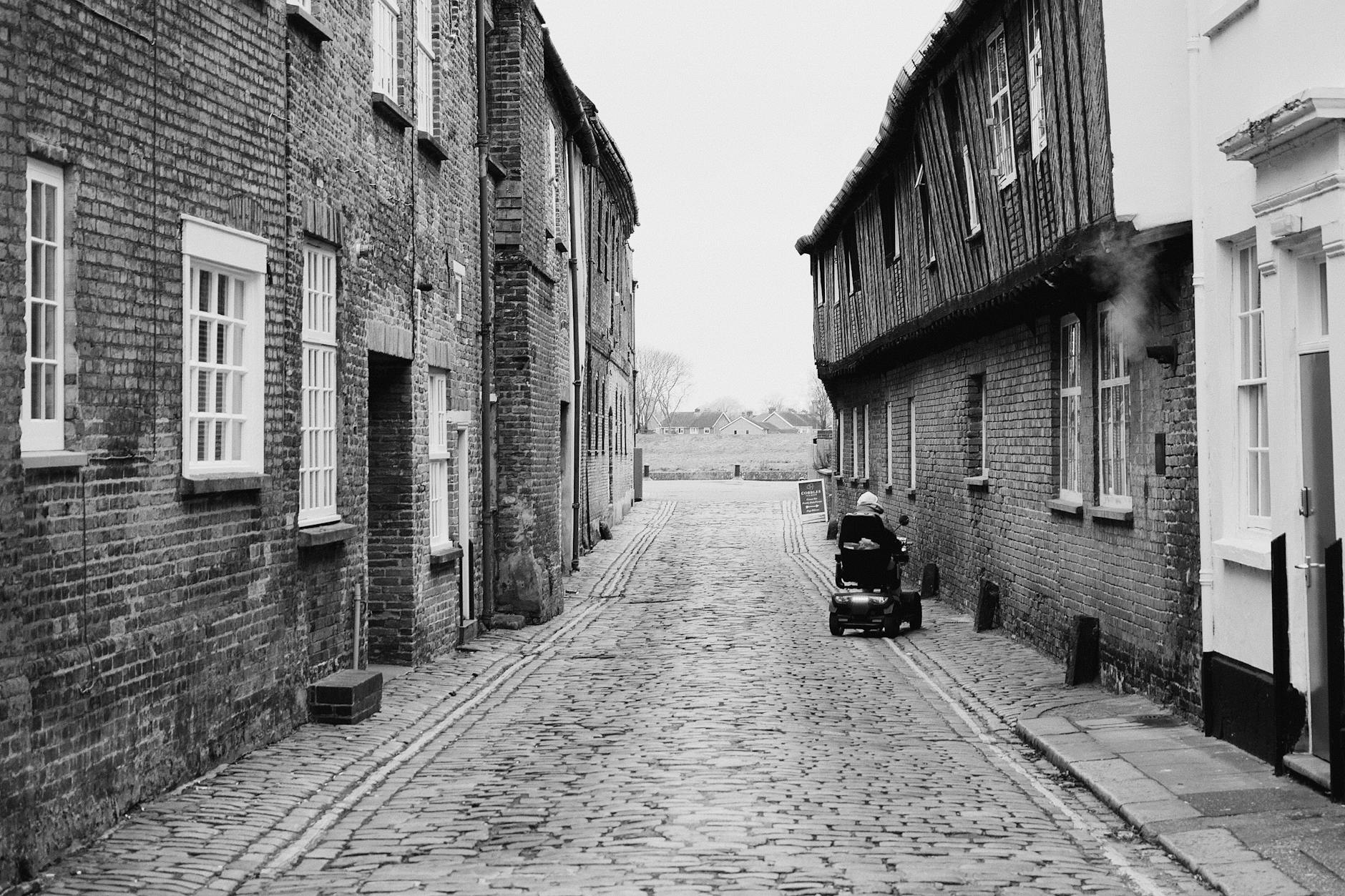
The real challenge in Stavanger may be surface quality rather than distance. Cobblestones, wet stone, curbs, harbor edges, construction, and slopes can all affect comfort and safety for travelers using canes, walkers, wheelchairs, or limited walking capacity.
Routes need surface checks.
- Map the route by surface, slope, curb cuts, seating, restroom access, and taxi pickup points.
- Keep the first city route short enough to learn how the surfaces feel.
- Use taxis or shorter loops before pain, fatigue, or weather narrows the options.
Build a low-friction harbor route
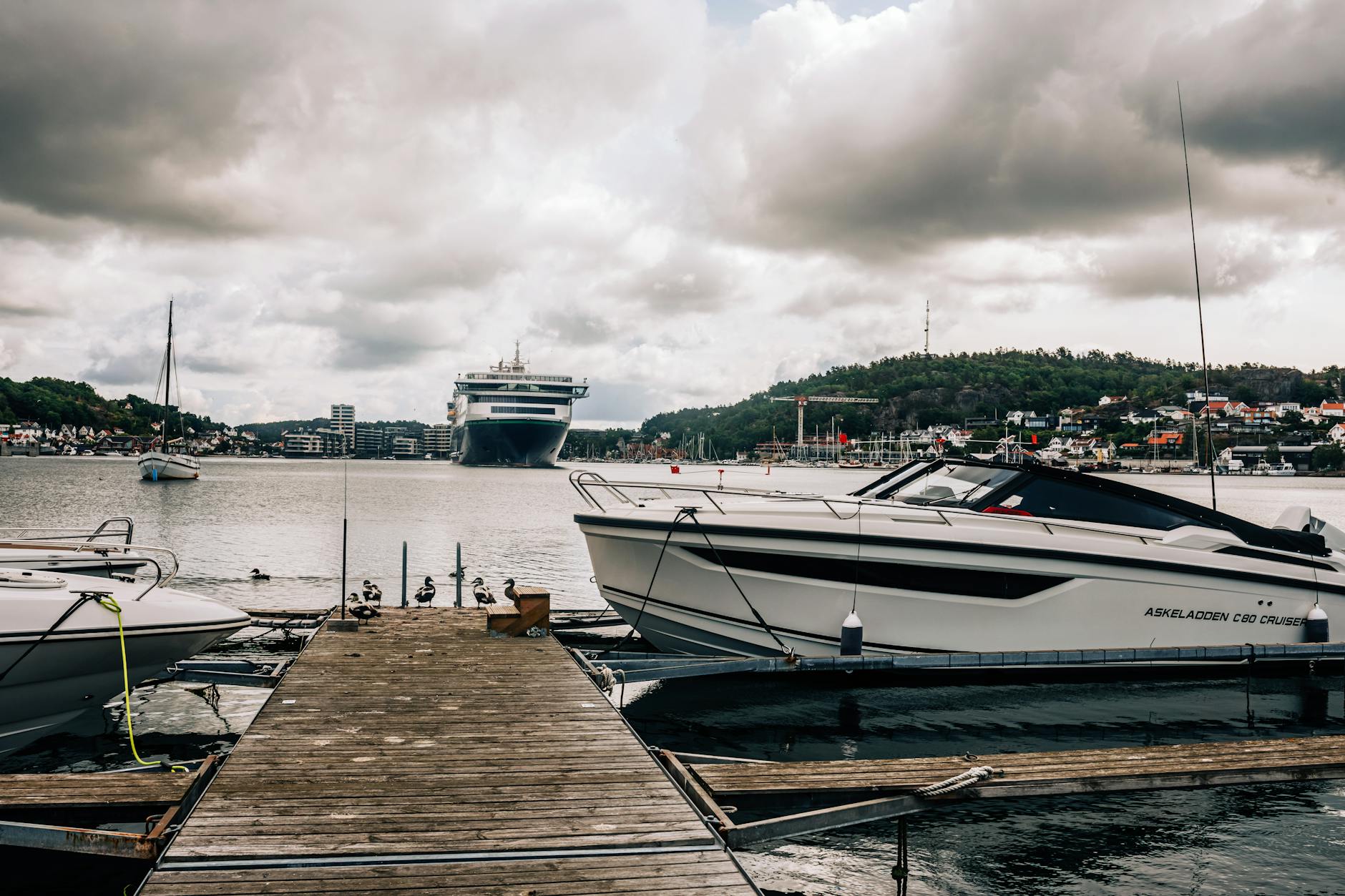
The harbor can be the most rewarding part of a short Stavanger stay if the route is chosen carefully. The traveler should know where to pause, turn back, find a restroom, get a taxi, or shelter from rain before the walk begins.
A good harbor route has exits.
- Link a short waterfront segment with seating, restrooms, food, and a clear return path.
- Avoid long continuous routes with no practical pause points.
- Check whether any museum, restaurant, or ferry plan has steps, ramps, narrow doors, or difficult boarding.
Treat rain as an access issue
Rain and wind can make ramps slick, cobblestones harder, taxi waits longer, and fatigue worse. Weather planning should be part of access planning, especially if the traveler uses mobility equipment or has balance, pain, or endurance constraints.
A dry route is often a safer route.
- Pack rain protection, traction-friendly footwear, equipment covers, medication access, and warm layers.
- Keep indoor alternatives close to the planned route.
- Move earlier to taxis or hotel rest when weather starts making surfaces harder to manage.

Screen coastal outings carefully
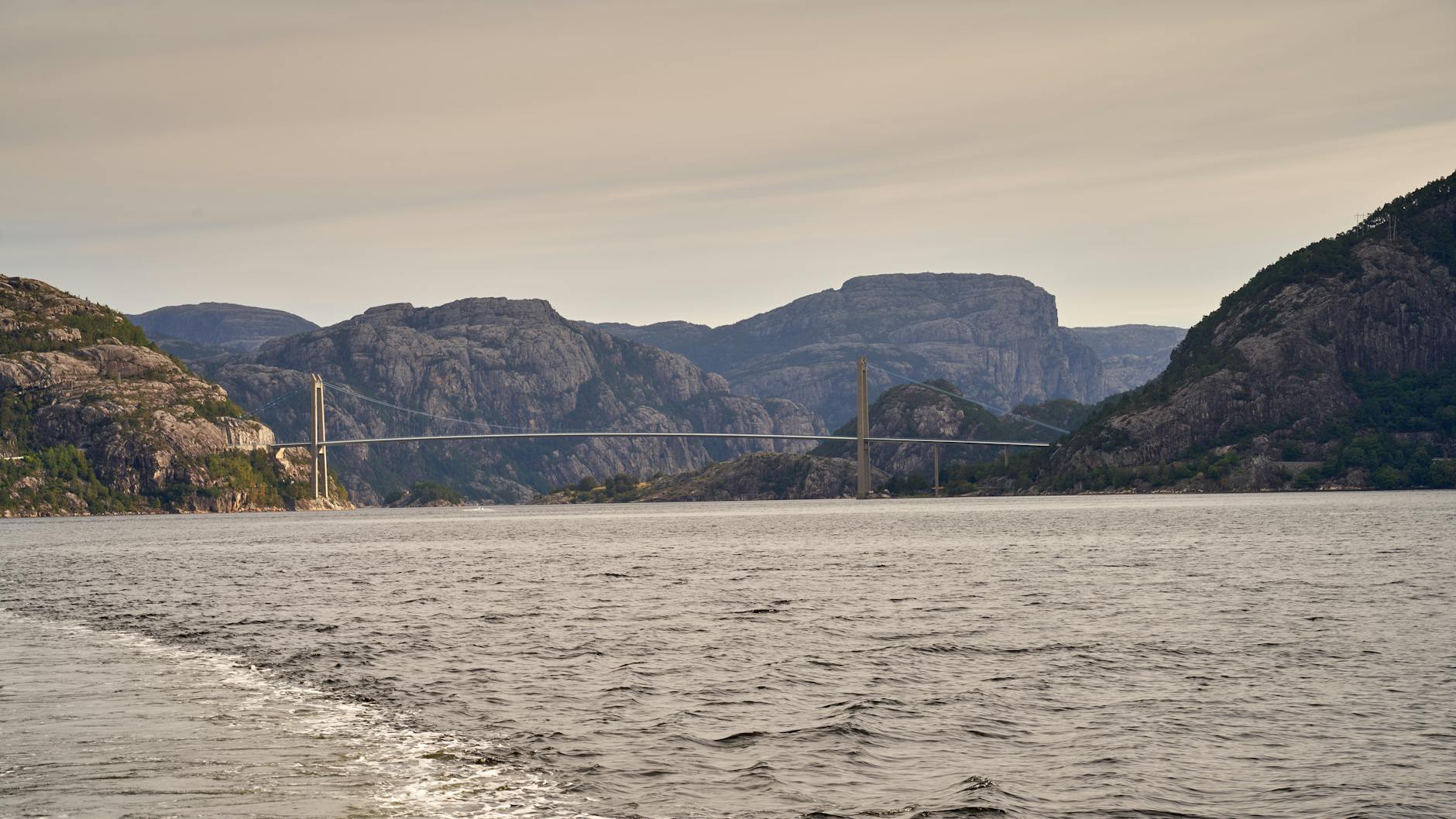
Rogaland scenery can be tempting, but not every coastal or fjord outing fits a traveler with mobility limitations. Boarding steps, vehicle access, restroom availability, terrain, wind, trail surface, and recovery time should be checked before committing.
The outing should fit the body, not the brochure.
- Confirm step-free boarding, vehicle access, restroom access, seating, weather exposure, and cancellation rules.
- Choose viewpoints, drives, or short waterfront stops when trails would be too demanding.
- Leave recovery time after any outing that requires more effort than a normal city route.
When to order a short-term travel report
A traveler with mild mobility limitations and a confirmed accessible hotel may not need a custom report. A report becomes useful when access details are uncertain, hotel choice could make or break the stay, weather may affect surfaces, harbor routes need testing, or regional scenery is important but physically complicated.
The report should test hotel access, transfer options, step-free routes, surface quality, seating, restrooms, meal locations, rain alternatives, coastal outing feasibility, and departure buffers. The value is a Stavanger stay that is realistic, comfortable, and still visually rewarding.
- Order when hotel access, transfers, surfaces, weather, restrooms, meals, coastal outings, or departure timing need exact planning.
- Provide dates, mobility equipment details, walking tolerance, hotel candidates, transfer needs, budget, and scenic priorities.
- Use the report to keep the Stavanger mobility-limited stay practical, calm, and enjoyable.