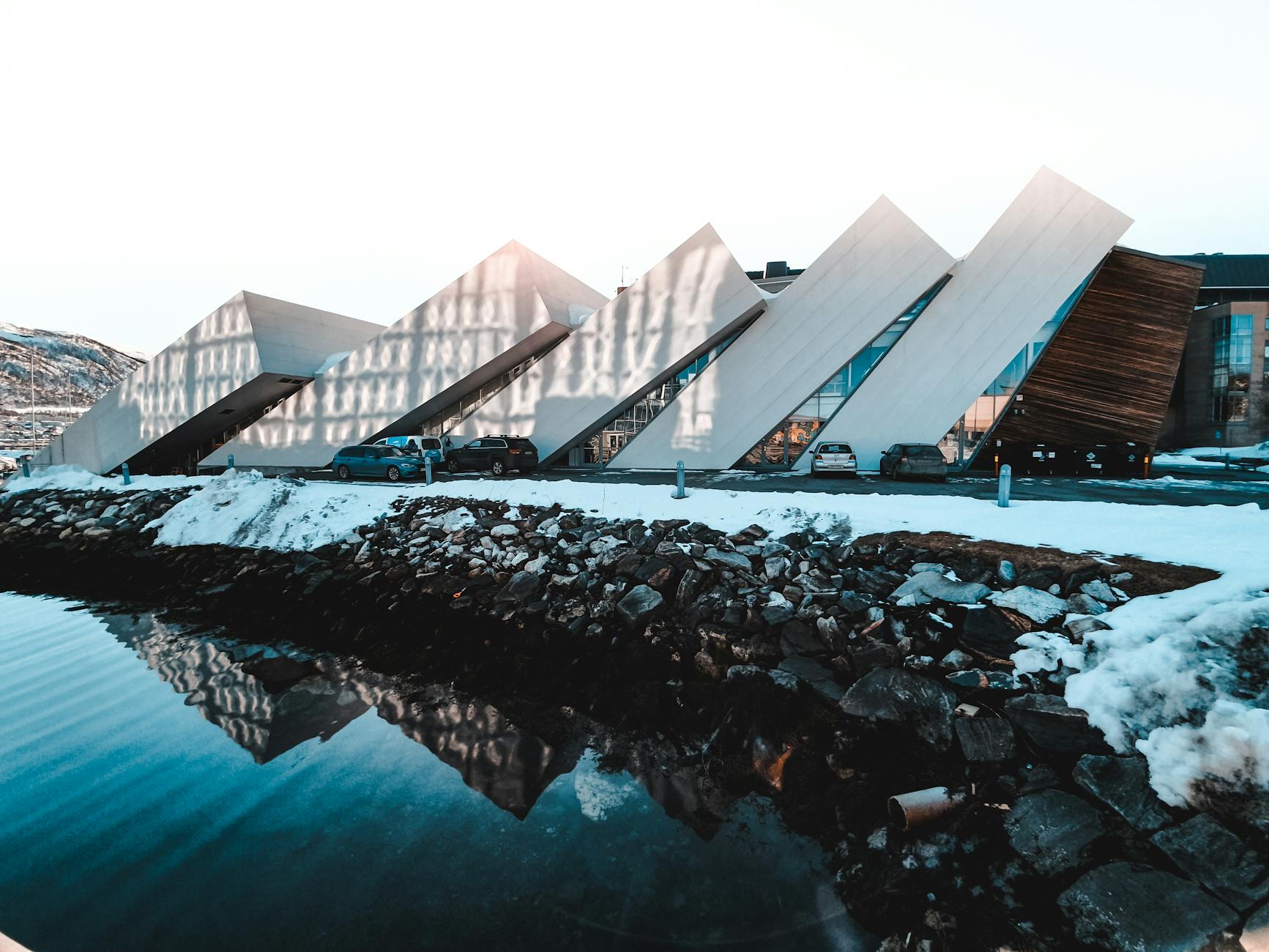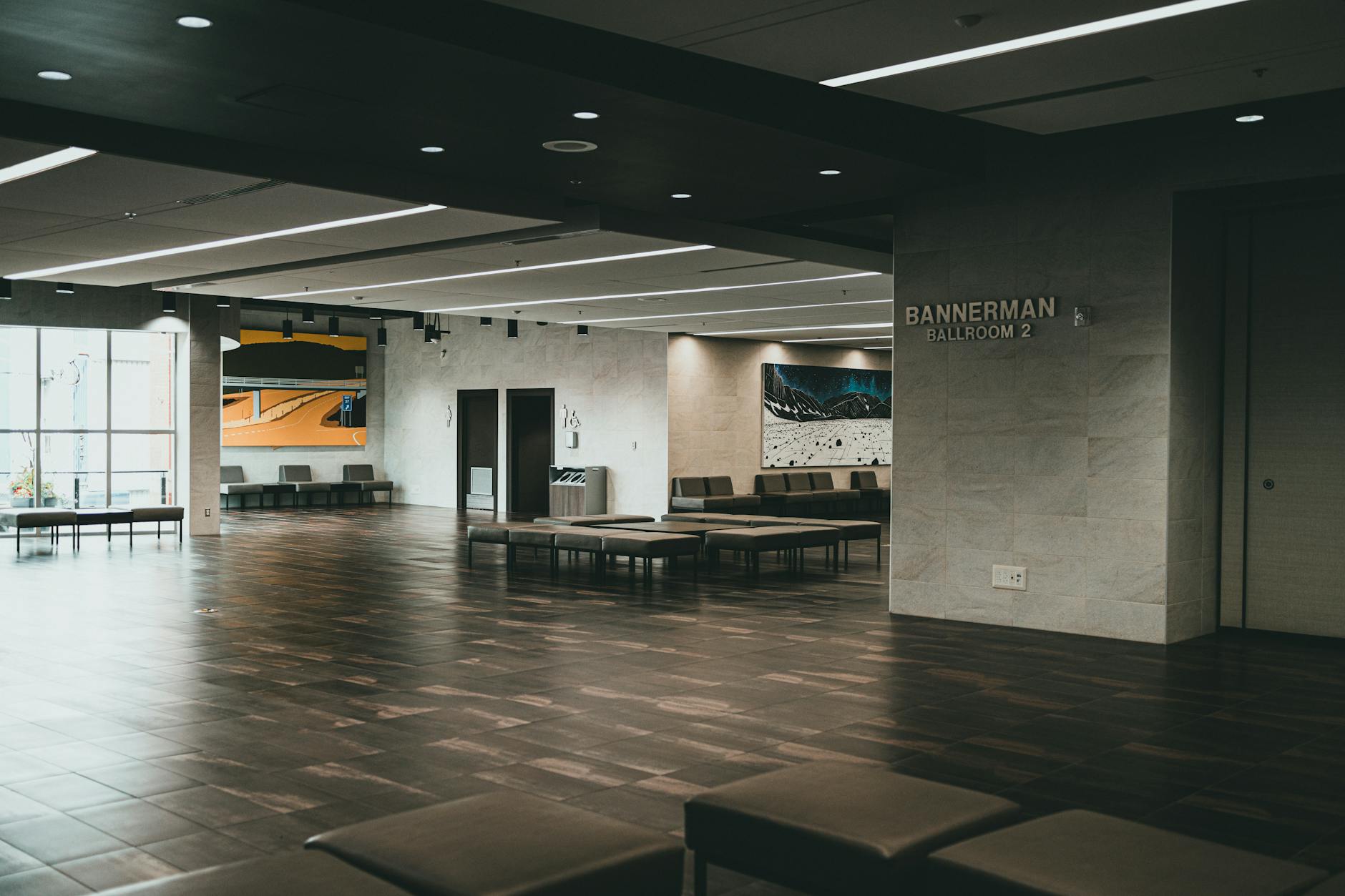
A Stavanger trade-show trip should be planned around the operational demands of the event. Booth materials, venue access, badge pickup, side meetings, client dinners, weather, and energy-sector context can all matter as much as the flight and hotel. The goal is to protect the commercial purpose of the trip while keeping the city logistics simple.
Start with the venue operating plan
A trade-show attendee should begin with the venue, hall access, registration timing, exhibitor rules, and where meetings will happen. Hotel charm matters less than whether the attendee can get to the show floor reliably with equipment, samples, or presentation material.
The venue should drive the trip design.
- Confirm venue address, exhibitor entrance, setup hours, badge pickup, storage, and loading rules.
- Check whether the hotel supports early starts, late returns, taxis, luggage, and work calls.
- Avoid a base that adds uncertainty to booth setup or client meetings.
Plan booth materials and freight early
Trade-show travel can fail through small logistics: delayed samples, missing adapters, display damage, poor storage, or unclear delivery rules. The attendee should separate what travels by hand from what ships ahead.
Materials need their own itinerary.
- Confirm shipping deadlines, customs requirements, delivery address, storage, return labels, and onsite contacts.
- Carry essential small items, adapters, printed backups, QR codes, and emergency repair supplies.
- Leave time to inspect the booth before client traffic begins.
Protect meeting and lead quality
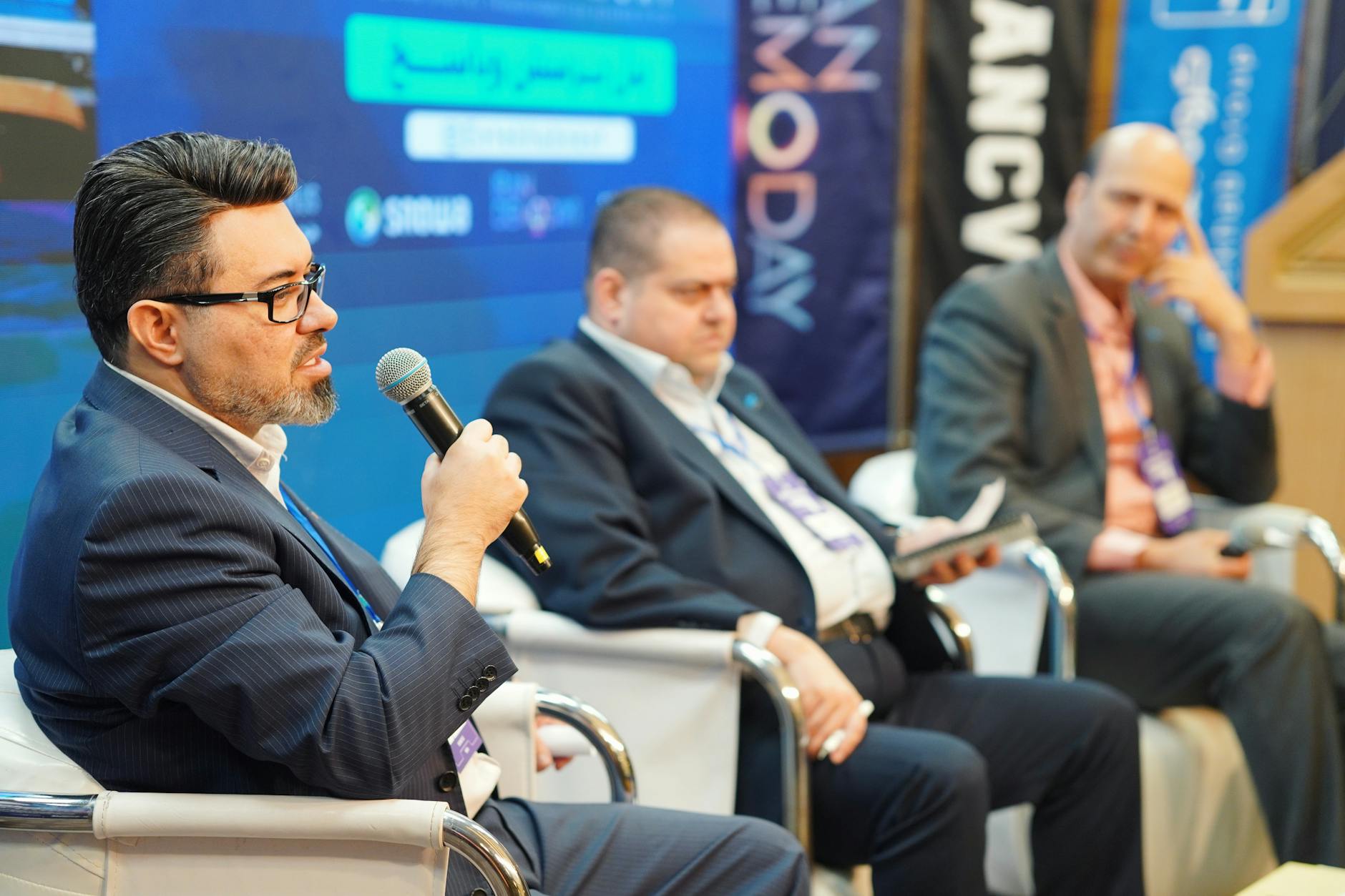
A trade show is often measured by the quality of meetings, not the number of people met. The attendee should plan how prospects, partners, suppliers, and internal colleagues will be prioritized before the event begins.
The calendar should leave room for useful conversations.
- Pre-book important meetings and keep short open blocks for unexpected high-value conversations.
- Identify quiet places near the venue for deeper discussions.
- Plan lead capture, note taking, and same-day follow-up while details are fresh.
Use meals and receptions strategically
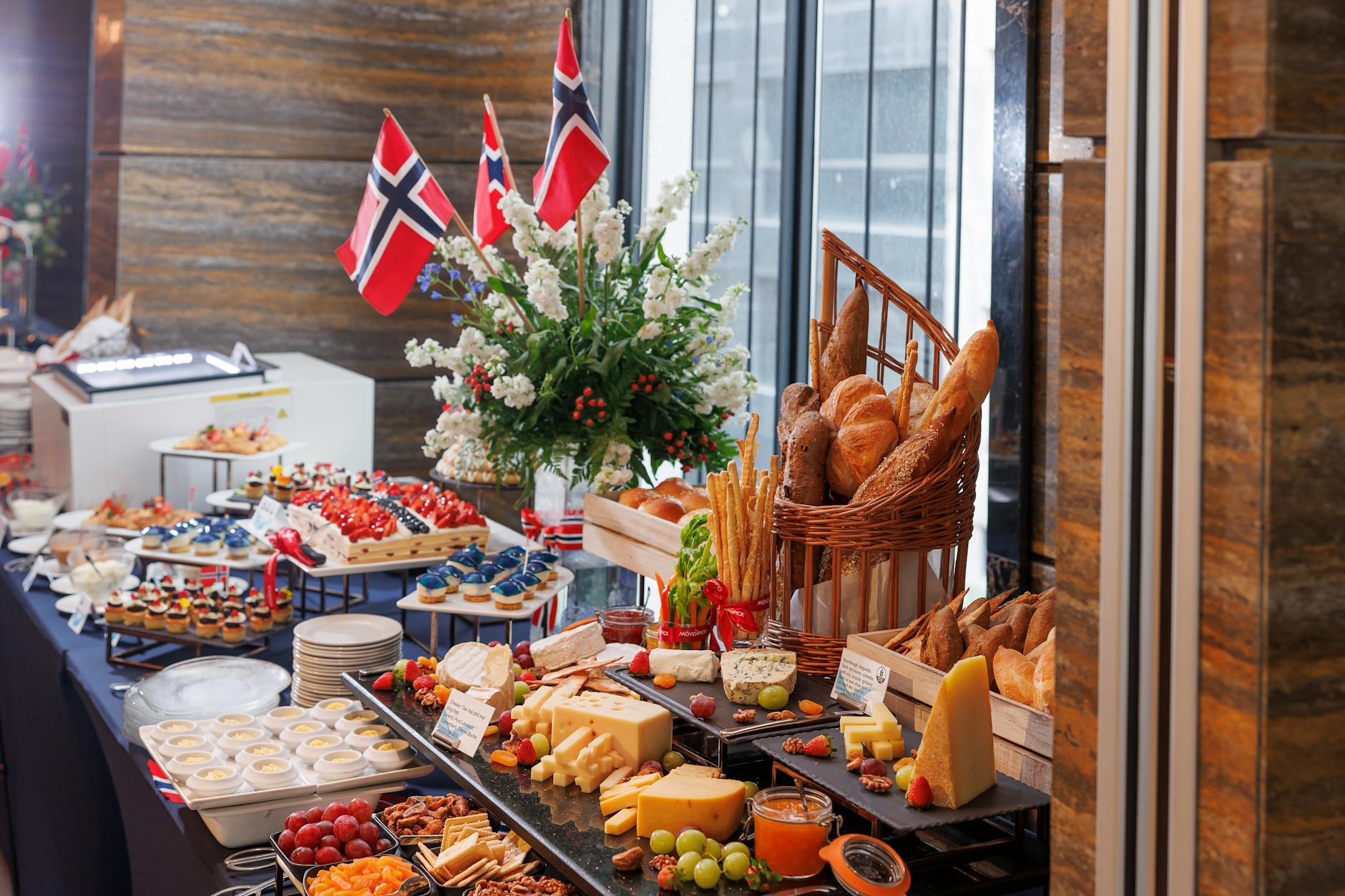
Stavanger dinners, receptions, and informal drinks can carry a lot of business value during a trade-show trip. They still need planning around group size, reservation timing, dietary needs, noise, and the return route after a long event day.
Networking should be intentional.
- Reserve meals for priority clients or partners before schedules fill.
- Choose venues that support conversation rather than only atmosphere.
- Protect one quiet evening or short reset if the show runs across multiple days.
Understand the local industry context
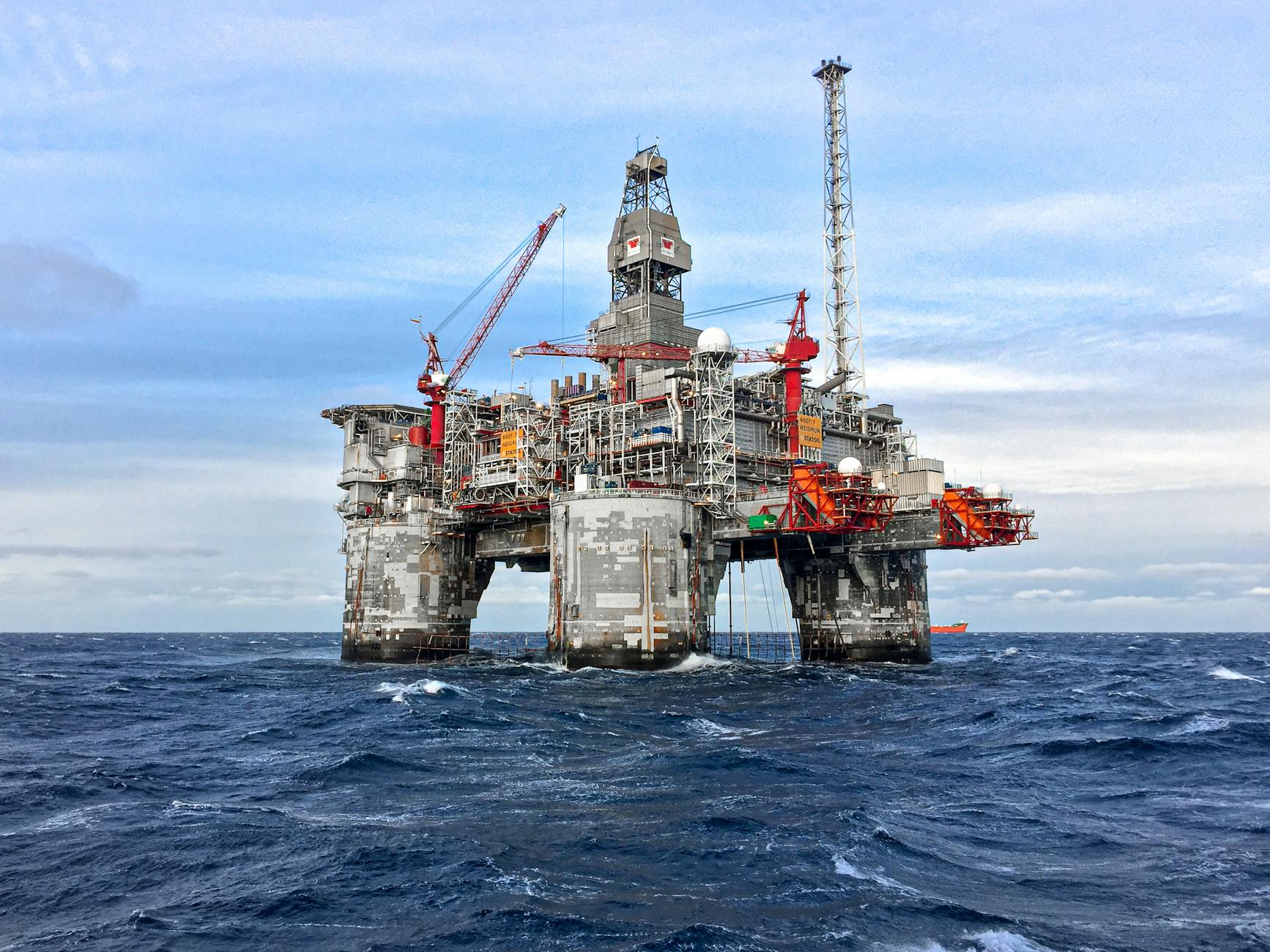
Stavanger's energy, maritime, engineering, and regional business context can shape trade-show conversations. A visitor who understands that context can ask better questions and choose better side meetings.
Local context can sharpen the commercial value.
- Review whether the show connects to energy, maritime, technology, renewables, academia, or supply-chain work.
- Use local context to prioritize meetings, dinners, and short client visits.
- Avoid treating Stavanger as only a venue stop when sector relationships matter.
Leave room for weather and waterfront logistics
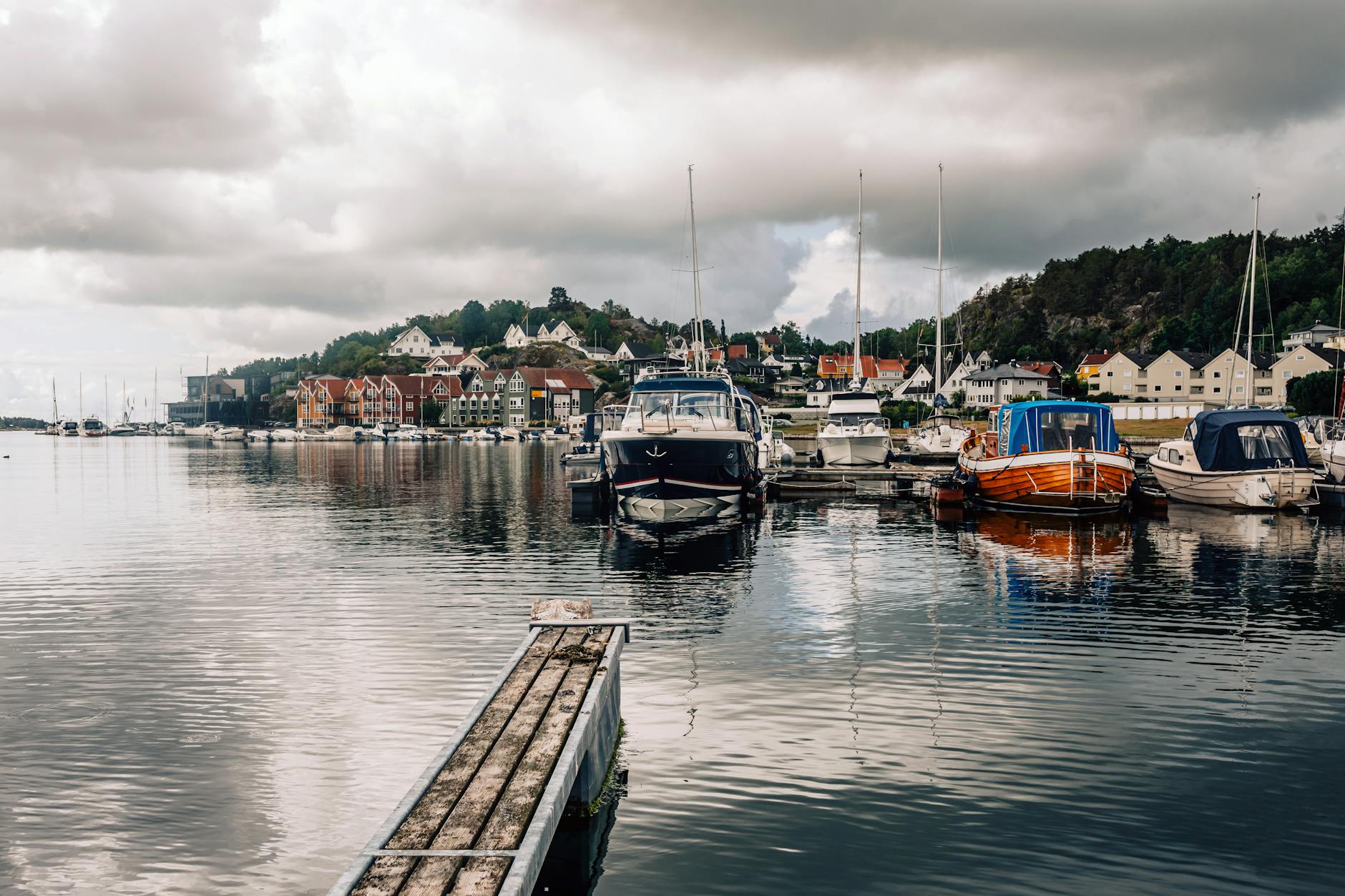
Rain, wind, and short transfer windows can complicate booth clothing, sample movement, and client dinners. The attendee should keep the daily route simple and avoid carrying fragile materials through avoidable weather exposure.
Operational comfort protects the event.
- Plan taxis, covered routes, waterproof packing, and spare presentation clothing if weather is likely.
- Keep waterfront or old-town sightseeing short and close to a meal or hotel return.
- Avoid adding scenic plans that threaten setup, meetings, or departure timing.
When to order a short-term travel report
A trade-show attendee with a venue hotel and simple meeting schedule may not need a custom report. A report becomes useful when booth logistics, freight, side meetings, client dinners, weather, or industry context need coordination across a compressed stay.
The report should test venue access, hotel fit, exhibitor timing, material movement, meeting windows, meal reservations, lead follow-up time, weather contingencies, short city routes, and departure buffers. The value is a Stavanger trade-show trip that protects commercial outcomes and reduces operational drag.
- Order when venue access, booth setup, freight, meetings, meals, weather, industry context, or departure timing need exact planning.
- Provide dates, venue details, exhibitor role, material needs, meeting goals, hotel candidates, and budget.
- Use the report to keep the Stavanger trade-show stay focused, efficient, and commercially useful.