
A short study stay in Stavanger works best when the everyday routine is clear before arrival. Campus location, housing, transport, meals, weather, laundry, study time, and social plans can all shape whether the student feels settled quickly. The goal is to make the program easy to attend while leaving enough room to enjoy the city and nearby scenery.
Start with the program location
A student should begin with the exact class, campus, studio, lab, or meeting location rather than assuming that all Stavanger addresses are equally convenient. A short program has little room for daily transport mistakes.
The first week should feel easy to repeat.
- Confirm the program address, class hours, first-day check-in, ID rules, and where orientation happens.
- Choose housing by the daily route, not only by price or photos.
- Test the first morning route before committing to evening plans or weekend trips.

Choose housing around budget and routine
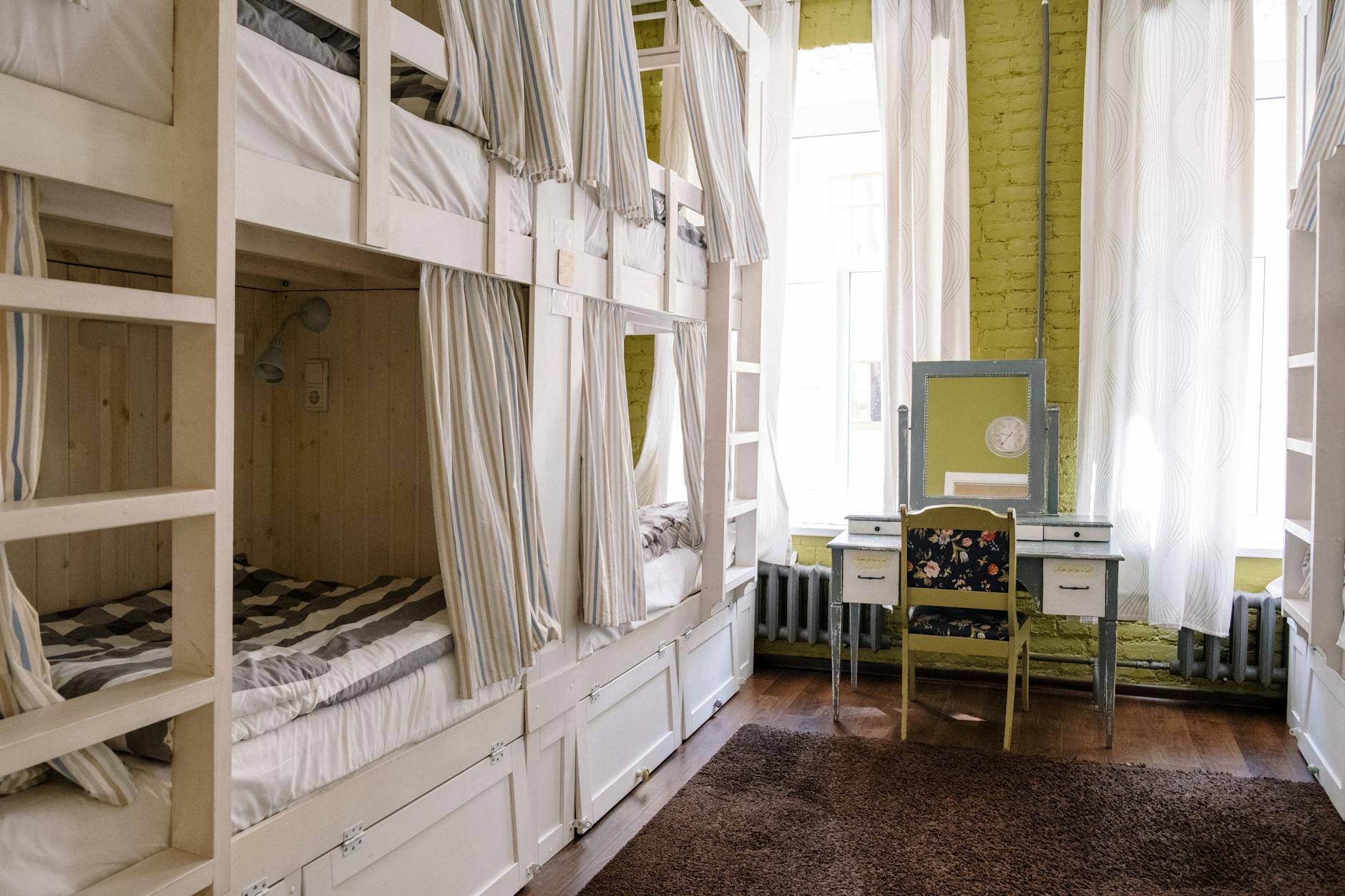
Student housing for a short stay should support sleep, laundry, study, groceries, and easy arrivals. The cheapest bed can become expensive if it creates long daily transfers, poor rest, or no space to prepare for class.
Routine is part of the budget.
- Check commute time, kitchen access, laundry, quiet hours, desk space, heating, luggage storage, and cancellation terms.
- Compare the total cost of housing, transport, meals, and laundry rather than the nightly rate alone.
- Avoid accommodation that makes late arrival or early checkout difficult around program dates.
Plan transport and first-week logistics
A student should know how to get from the airport or station to housing, from housing to class, and from class to groceries before arrival. Short programs are easier when the first few practical steps are already decided.
Arrival day should be simple.
- Confirm airport transfer, local ticketing, bus routes, walking time, payment methods, and late-arrival options.
- Save offline maps and addresses in case mobile data setup takes longer than expected.
- Keep the first evening light so the next morning route can be handled calmly.

Control food and daily costs
Stavanger can feel expensive to a student if every meal is improvised. A short-program plan should identify groceries, simple breakfasts, packed lunches, affordable cafes, shared cooking options, and one or two planned treats.
Daily spending should not be a surprise.
- Find grocery stores near housing and class before arrival.
- Budget separately for groceries, coffee, transit, laundry, study supplies, social meals, and weekend outings.
- Use a kitchen or simple meal routine when class days are long.

Balance study, social time, and rest
A short program can tempt students to fill every evening because time in Norway is limited. That can work for some travelers, but class quality drops quickly if sleep, reading, laundry, and recovery are ignored.
The schedule should protect the reason for the trip.
- Block study time, assignment time, laundry, and one quiet evening before adding social plans.
- Choose social plans near housing or transit when the next class starts early.
- Keep weather-appropriate clothing ready so rain does not derail the daily routine.

Choose weekend scenery carefully
Rogaland scenery is a major reason students may want extra time around Stavanger, but hikes, fjord outings, ferries, and weather-exposed trips need realistic screening. A short program does not leave much room for exhaustion or missed transport.
The outing should fit the calendar and the student's experience level.
- Check weather, daylight, transport, trail difficulty, footwear, food, water, and cancellation rules before booking.
- Choose a shorter waterfront or fjord plan if coursework or weather makes a major outing risky.
- Leave recovery time before the next class or departure day.

When to order a short-term travel report
A student with program housing and a clear class location may not need a custom report. A report becomes useful when housing options are uncertain, budget is tight, public transport is unfamiliar, weekend scenery matters, or a parent, sponsor, or school wants the plan checked before travel.
The report should test housing, daily commute, airport transfer, grocery options, budget pressure, study rhythm, safe evening routes, weather contingencies, weekend outing choices, and departure timing. The value is a Stavanger short-program stay that feels manageable from the first day.
- Order when housing, transport, budget, class routine, safety, weather, weekend outings, or departure timing need exact planning.
- Provide program dates, class address, housing candidates, budget, mobility needs, study requirements, and outing priorities.
- Use the report to keep the Stavanger student stay organized, affordable, and program-centered.