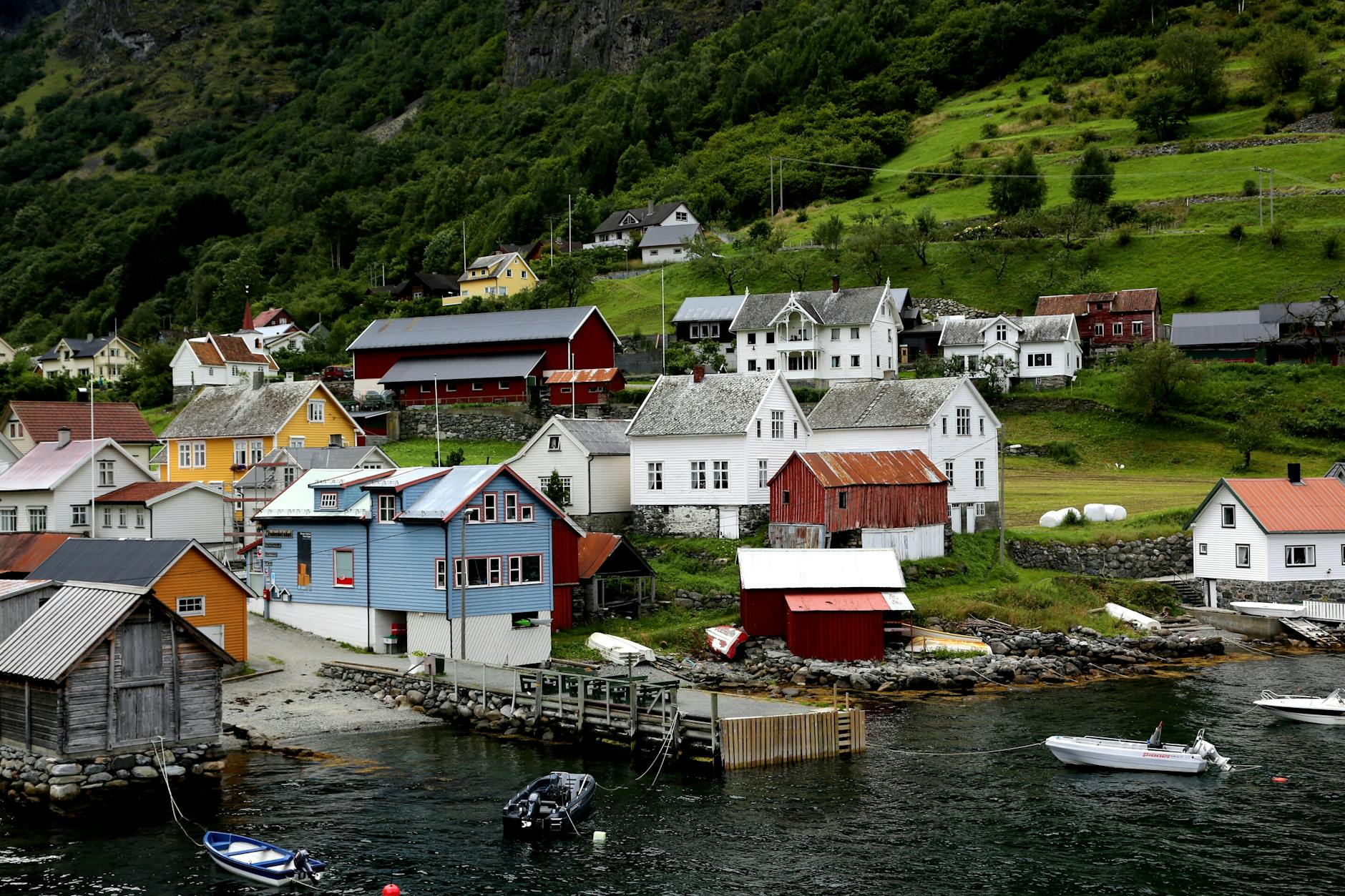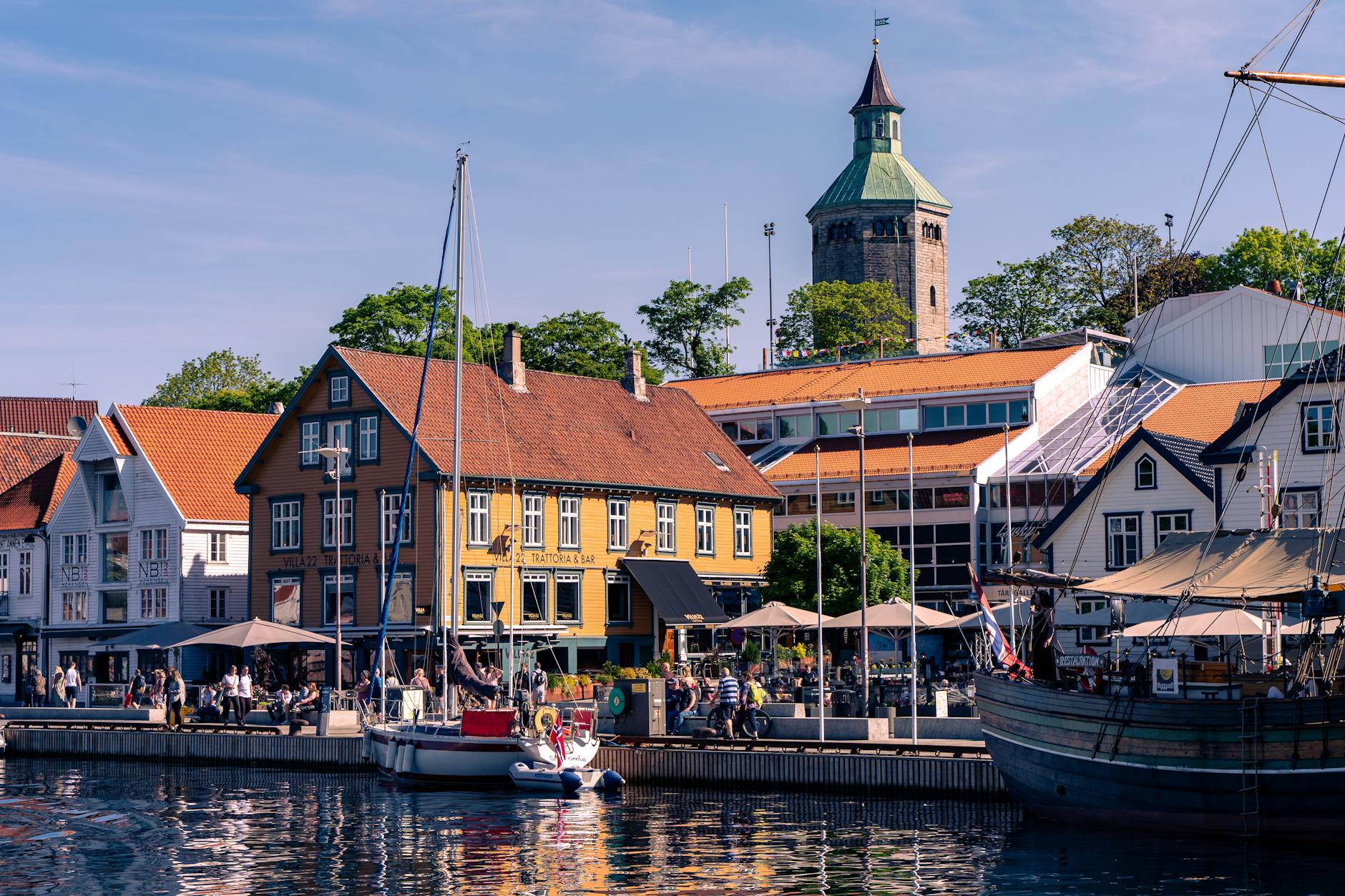
A Stavanger sales trip should be designed around the revenue work first. Prospect locations, meeting order, hotel workspace, weather, samples, notes, and client meals can all affect whether the visit produces useful momentum. The best short stay keeps travel friction low and makes each client interaction easier to prepare for and follow up.
Map the sales territory before booking
A sales traveler should start with the actual prospect map, not the city name. Stavanger meetings may sit near the harbor, in the center, near business parks, near energy-sector offices, or outside the compact visitor area.
The hotel and transport plan should follow the account list.
- Plot confirmed meetings, likely prospect calls, client dinners, and airport transfers before choosing lodging.
- Group meetings by area so the day does not disappear into repeated cross-city movement.
- Leave slack for a useful meeting that runs long or a prospect who can only meet at short notice.
Choose a hotel that protects client calls
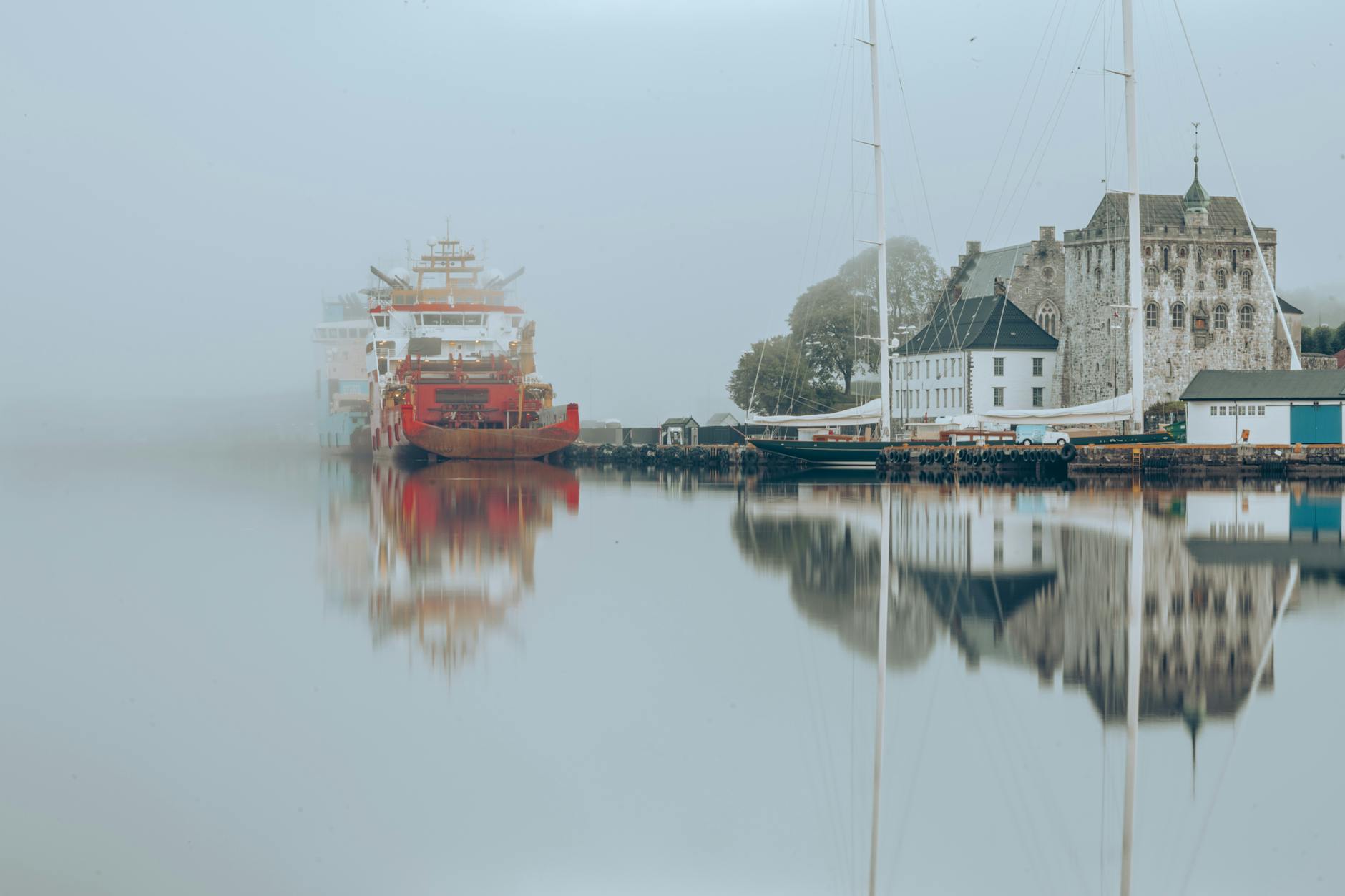
The room may become the place where proposals are adjusted, notes are cleaned up, and client calls happen between meetings. Desk quality, quiet, Wi-Fi, breakfast timing, taxi access, and luggage storage matter more than a scenic address.
A sales base should make the next conversation easier.
- Check desk space, Wi-Fi reliability, room quiet, early breakfast, late checkout, and luggage storage.
- Know where private calls can happen if the room is not ready or checkout is early.
- Avoid a hotel that adds transfer uncertainty before important morning meetings.
Sequence meetings by geography
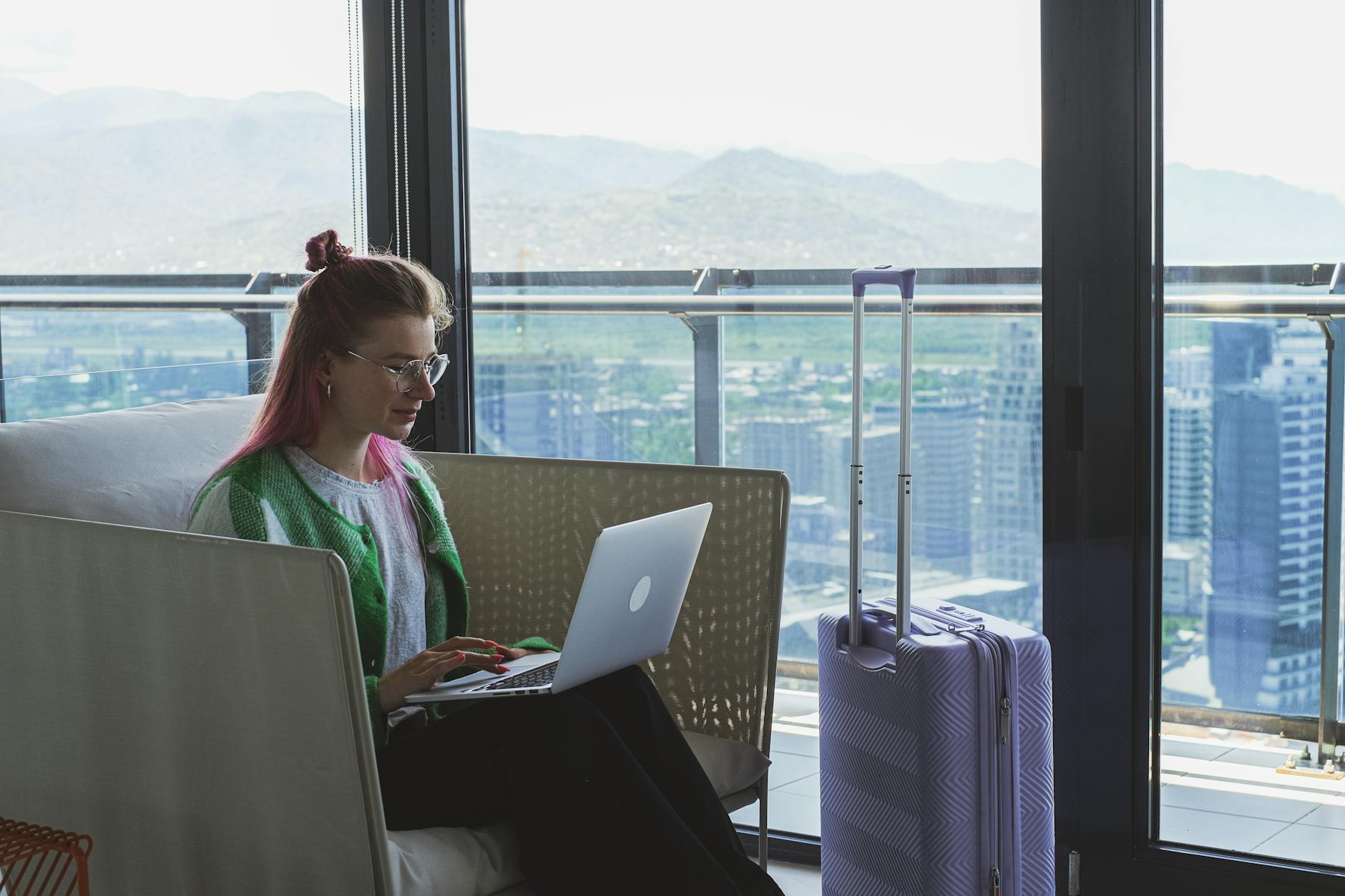
Sales days often look efficient on a calendar and feel inefficient on the ground. A realistic Stavanger schedule should account for reception time, weather, taxi availability, walking exposure, note taking, and the emotional cost of rushing into a high-value meeting.
The best sequence protects attention.
- Place the most important client or prospect meeting where arrival risk is lowest.
- Reserve short cleanup blocks after meetings so next steps are captured while details are fresh.
- Avoid stacking distant meetings without a transfer buffer and a fallback contact method.

Prepare materials and follow-up windows
A short sales trip can lose value when samples, price sheets, adapters, demo files, or follow-up notes are treated as afterthoughts. The traveler should decide what travels by hand, what stays digital, and when each account will receive the next message.
Follow-up should be built into the itinerary.
- Carry essential samples, adapters, demo files, printed backups, business cards, and account notes.
- Block same-day time for CRM updates, promised documents, and internal handoffs.
- Keep proposal or pricing work off public screens when customer information is sensitive.

Use Stavanger's business context
Stavanger's energy, maritime, engineering, and regional business environment may shape what clients care about and how meetings should be framed. A sales traveler should understand whether the visit connects to operations, procurement, technology, sustainability, supply chains, or professional services.
Local context helps the conversation sound specific.
- Review the client's sector, site location, purchasing structure, and likely operational constraints before arrival.
- Use Stavanger's energy and maritime context where it helps explain value or ask better questions.
- Avoid generic pitches when the buyer's local context is part of the opportunity.

Plan meals and weather-proof movement
Client meals can be useful in Stavanger, but they need the same discipline as meetings. Group size, reservation timing, noise, dietary needs, rain, wind, and the return route all affect whether dinner strengthens the relationship or drains the traveler before the next day.
Hospitality should support the sales objective.
- Reserve client meals early when timing, privacy, or conversation quality matters.
- Keep waterproof clothing, compact luggage, and taxi plans ready for wet or windy transitions.
- Protect one reset window if the trip spans several demanding meeting blocks.
When to order a short-term travel report
A sales traveler with one known meeting and a familiar hotel may not need a custom report. A report becomes useful when several prospects, client dinners, samples, transfers, weather risk, or account-specific context need to work together across a compressed stay.
The report should test prospect geography, hotel fit, meeting sequence, transport options, sample handling, meal choices, private work locations, weather contingencies, CRM time, and departure buffers. The value is a Stavanger sales trip that turns limited time into better client contact.
- Order when prospect geography, hotel choice, meetings, samples, meals, weather, follow-up, or departure timing need exact planning.
- Provide dates, account list, meeting goals, hotel candidates, material needs, privacy needs, and budget.
- Use the report to keep the Stavanger sales stay focused, practical, and commercially useful.