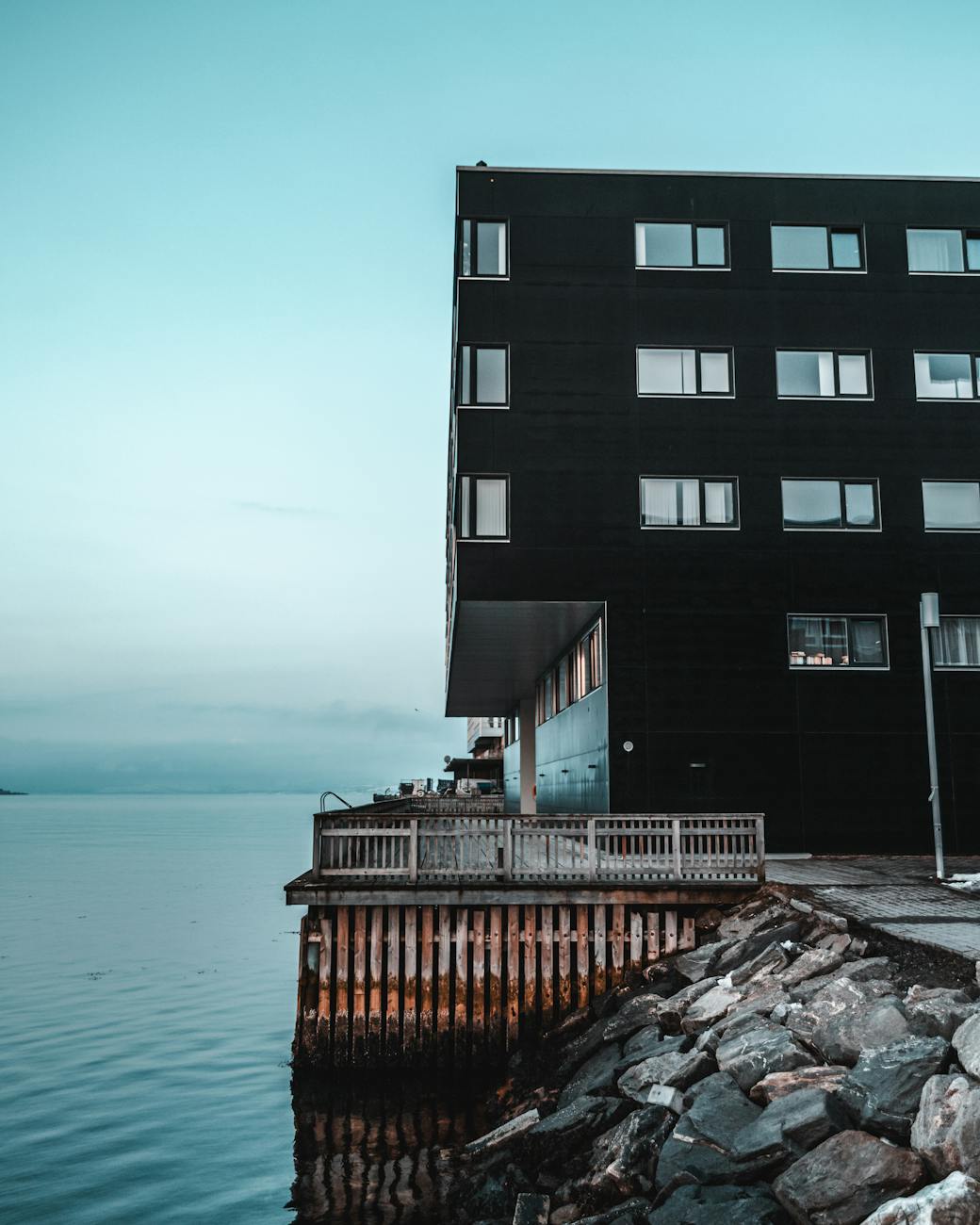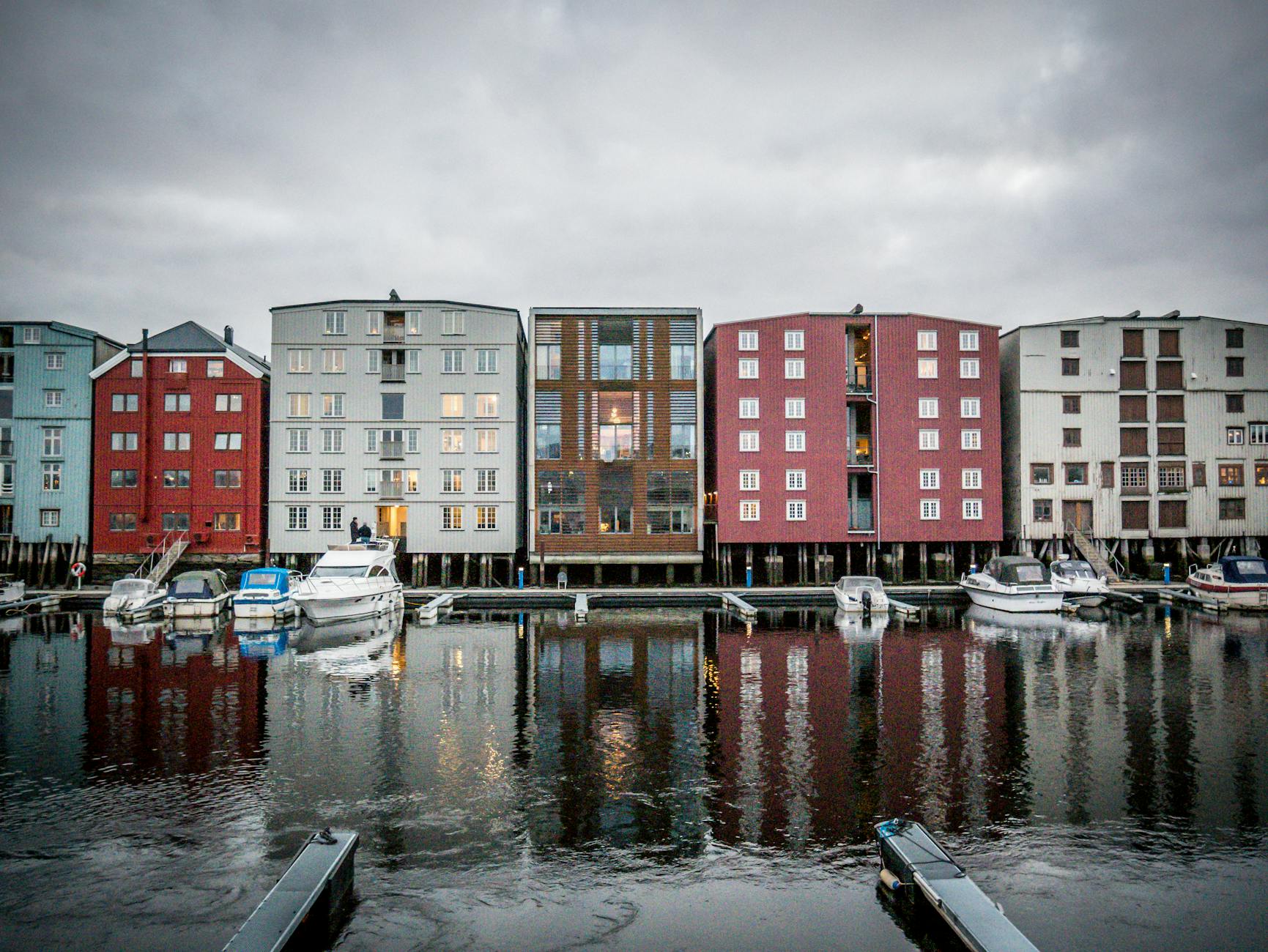
Luxury travel in Stavanger is not mainly about spectacle. The better version is controlled ease: a strong room, clean harbor access, thoughtful dining, weather-aware transfers, selective regional scenery, and enough quiet to let the coastal setting feel refined. A short stay should spend on precision and comfort rather than excess movement.
Decide what luxury should mean
A Stavanger luxury trip should define its standard before booking. The trip may be about a calm harbor base, private transfers, excellent dining, coastal scenery, architectural hotels, quiet service, or simply removing friction from a short Norway stay.
Luxury works best when it has a purpose.
- Decide whether the priority is room quality, views, dining, privacy, scenery, or recovery.
- Spend on fewer high-value decisions rather than scattering money across weak extras.
- Avoid turning a refined short stay into a rushed attempt to prove status.
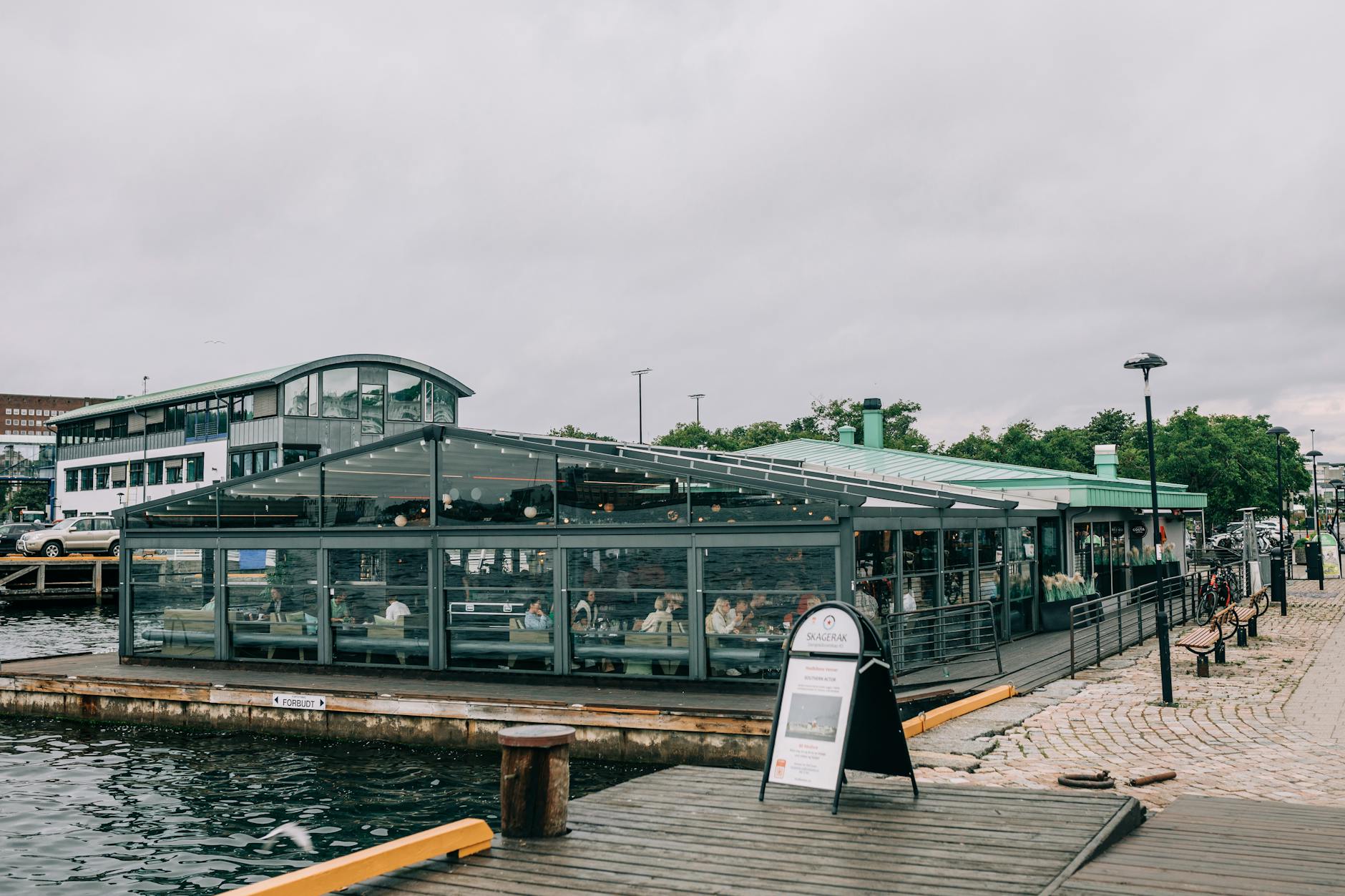
Choose a base for calm access
The hotel should make Stavanger feel effortless. A luxury traveler should check room quietness, view quality, breakfast, late arrival, luggage handling, taxi pickup, walkability, room service, and whether the hotel supports a graceful return after dinner or rain.
The base carries the whole stay.
- Choose lodging by harbor access, room quality, service reliability, transfer ease, and evening return route.
- Confirm desk support, storage, breakfast timing, and help with taxis or private transfers.
- Do not accept a pretty location if it adds wet walks or awkward logistics.
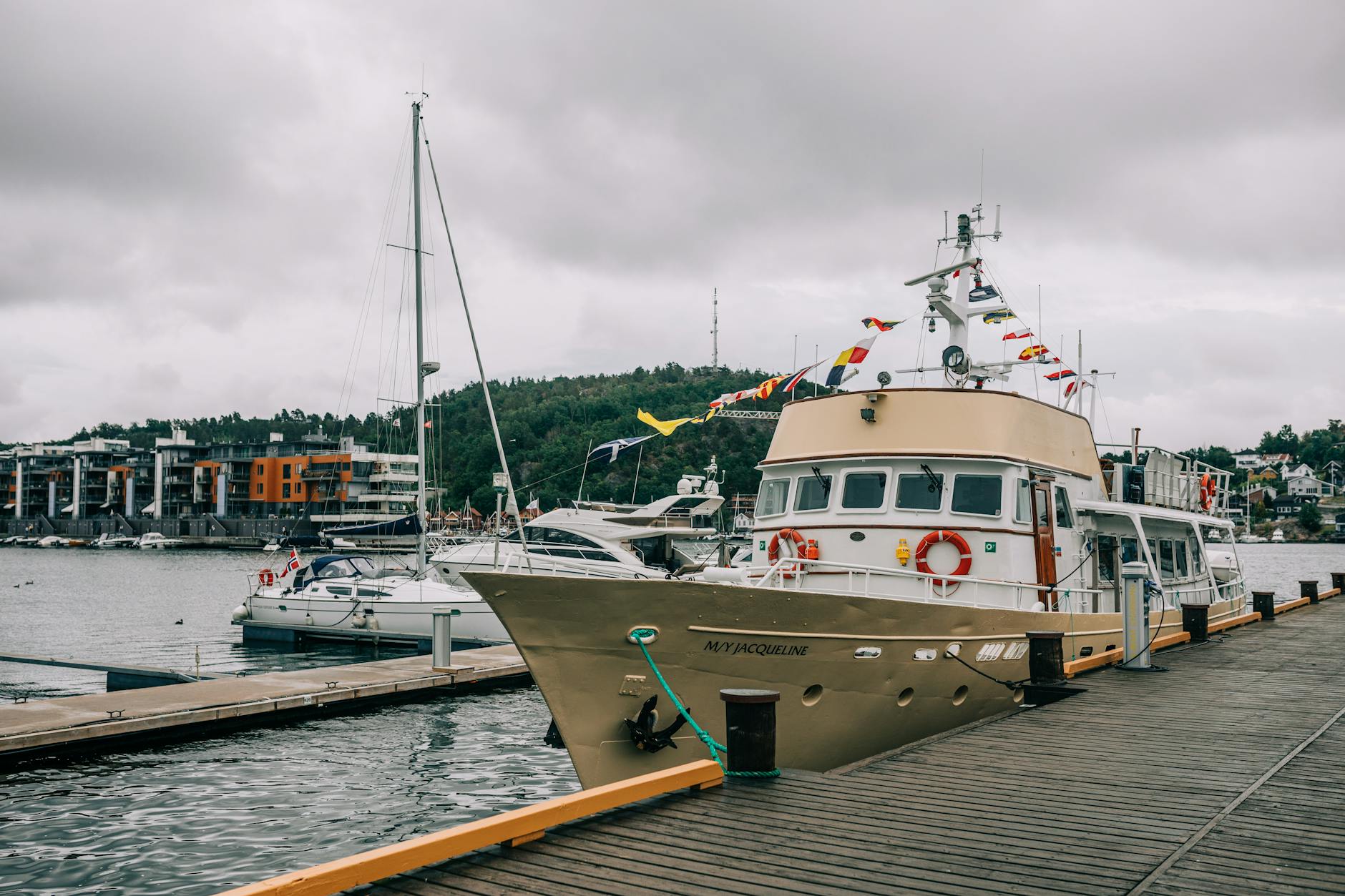
Spend on timing and control
The most valuable luxury in a short Stavanger stay may be clean timing. Private transfers, prearranged taxis, flexible dining, and a route with slack can matter more than a longer list of sights.
Control makes the trip feel expensive in the right way.
- Use private or prearranged transport when rain, luggage, formal clothing, or timing make it worthwhile.
- Leave deliberate gaps around arrival, dinner, excursions, and departure.
- Keep one flexible block so weather or fatigue does not compromise the best part of the stay.
Use dining and harbor evenings well
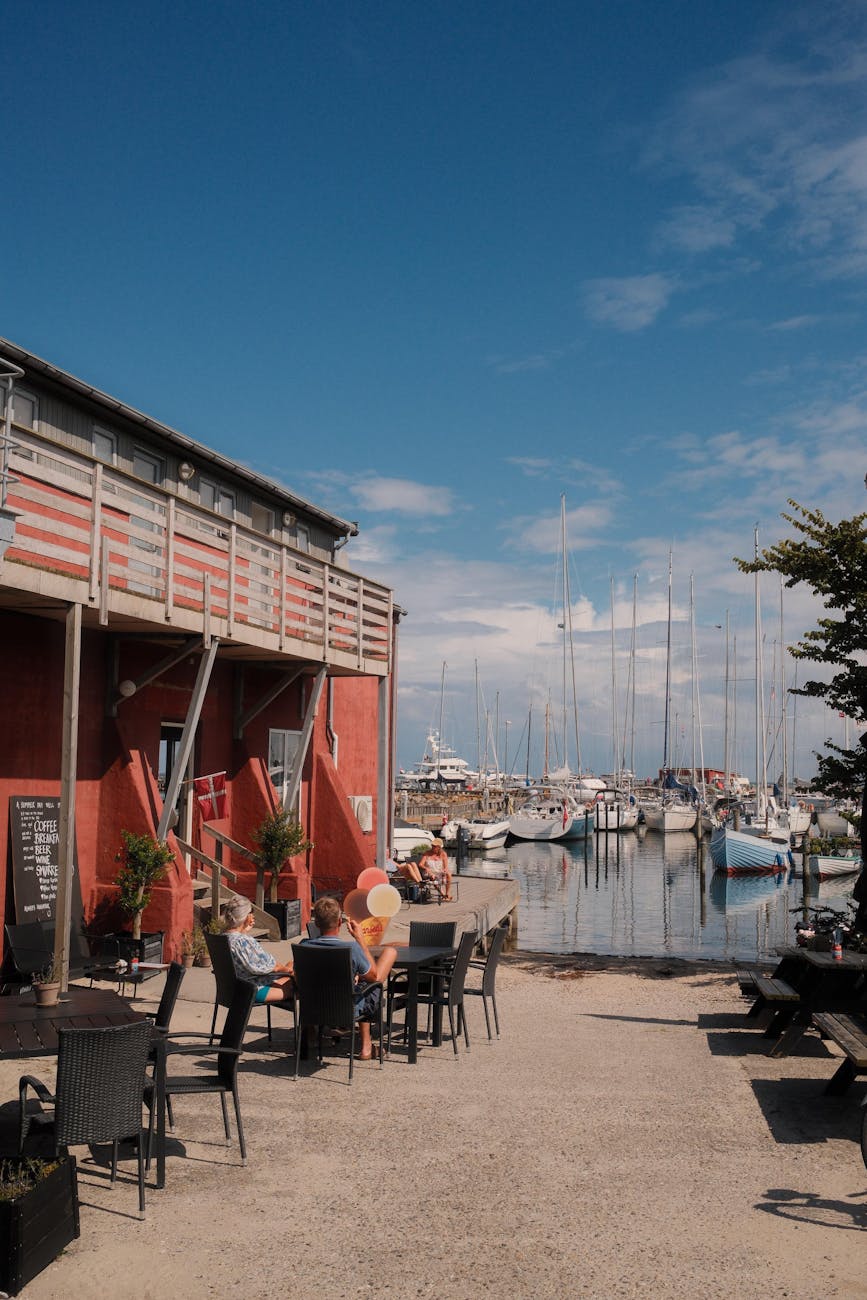
A luxury Stavanger evening should feel composed, not complicated. Dinner, a harbor walk, a quiet drink, or a hotel return can be enough when the timing and setting are right. The mistake is chasing too many reservations or views in one night.
The evening should preserve the mood.
- Choose dinner by service quality, reservation reliability, dietary fit, noise level, and return route.
- Keep late plans close to the hotel if the next day includes scenery, work, or departure.
- Use the harbor as part of the evening rather than adding a separate performance of activity.
Respect weather without losing polish
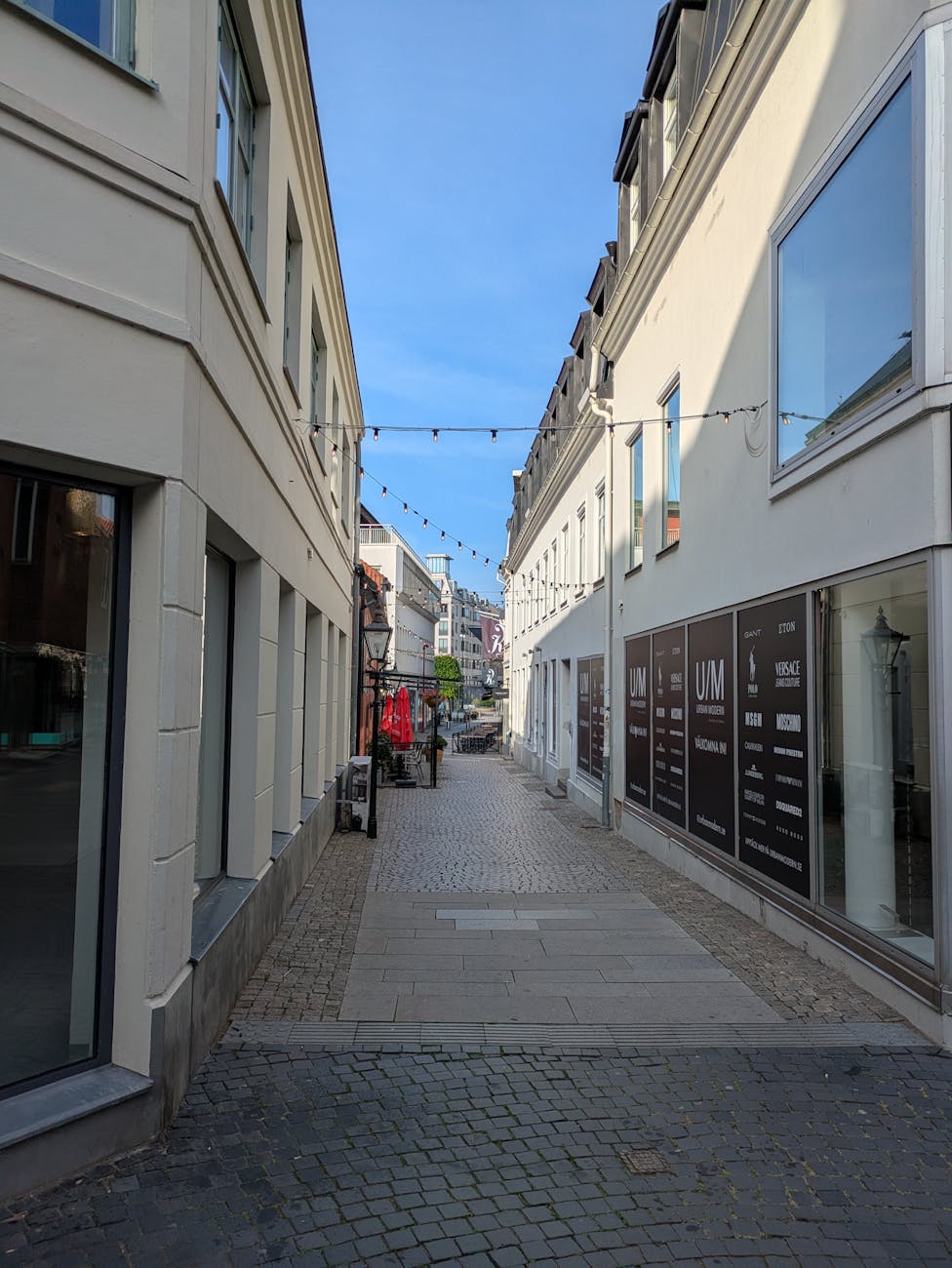
Rain and wind can make Stavanger atmospheric, but they also affect shoes, hair, clothing, cameras, transfers, and mood. A luxury traveler should not have to improvise weather protection after stepping out of the hotel.
Comfort should be planned in advance.
- Pack polished rainwear, shoes with grip, warm layers, and protection for phones or cameras.
- Arrange transport or shorter routes when weather would make walking feel inelegant.
- Choose sheltered alternatives that still match the tone of the trip.
Add regional scenery selectively
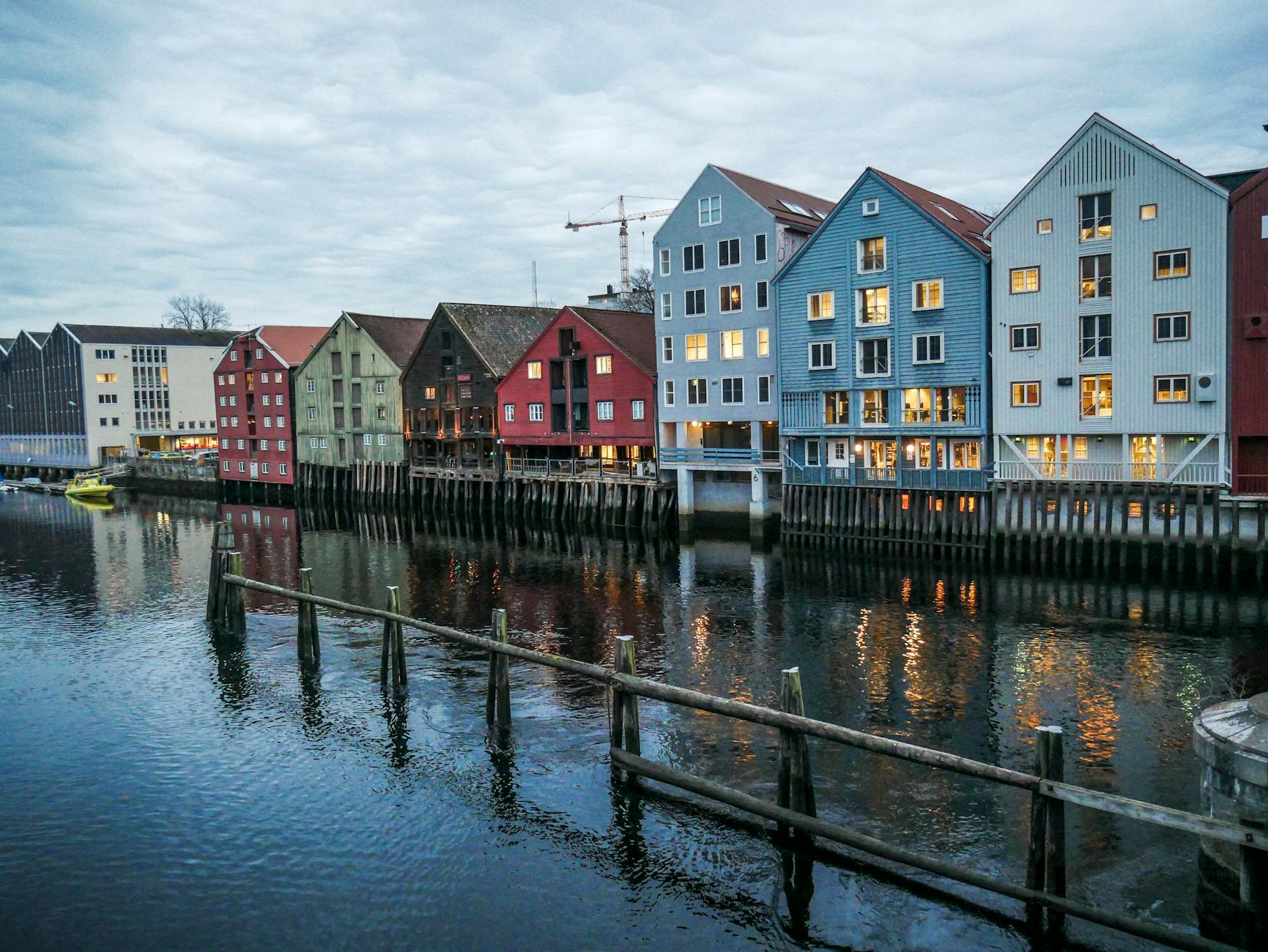
A luxury Stavanger trip may include coastal drives, beaches, fjord-linked outings, or a private guide, but those additions should not hollow out the city stay. Regional scenery is strongest when transport, weather, food, and recovery are handled cleanly.
The wider region should feel effortless, not extracted.
- Check guide quality, vehicle comfort, pickup timing, weather exposure, meal plans, and cancellation rules.
- Avoid long outings when the stay is too short to recover afterward.
- Spend on one well-run excursion instead of several fragile scenic ambitions.

When to order a short-term travel report
A luxury traveler with a trusted hotel and flexible time may not need a custom report. A report becomes useful when room choice matters, private transfers are needed, dining should be reserved carefully, weather could change the route, regional scenery is being considered, or the traveler wants a Stavanger stay that feels quietly premium rather than busy.
The report should test hotel fit, arrival handling, private transfer options, harbor routes, dining timing, weather alternatives, coastal excursions, service needs, budget tradeoffs, and departure buffers. The value is a Stavanger luxury trip that spends well and moves cleanly.
- Order when hotel fit, transfers, dining, weather, excursions, service needs, or departure timing need exact planning.
- Provide dates, hotel preferences, arrival details, dining priorities, mobility needs, budget, and scenic interests.
- Use the report to keep the Stavanger luxury stay polished, quiet, and precisely paced.