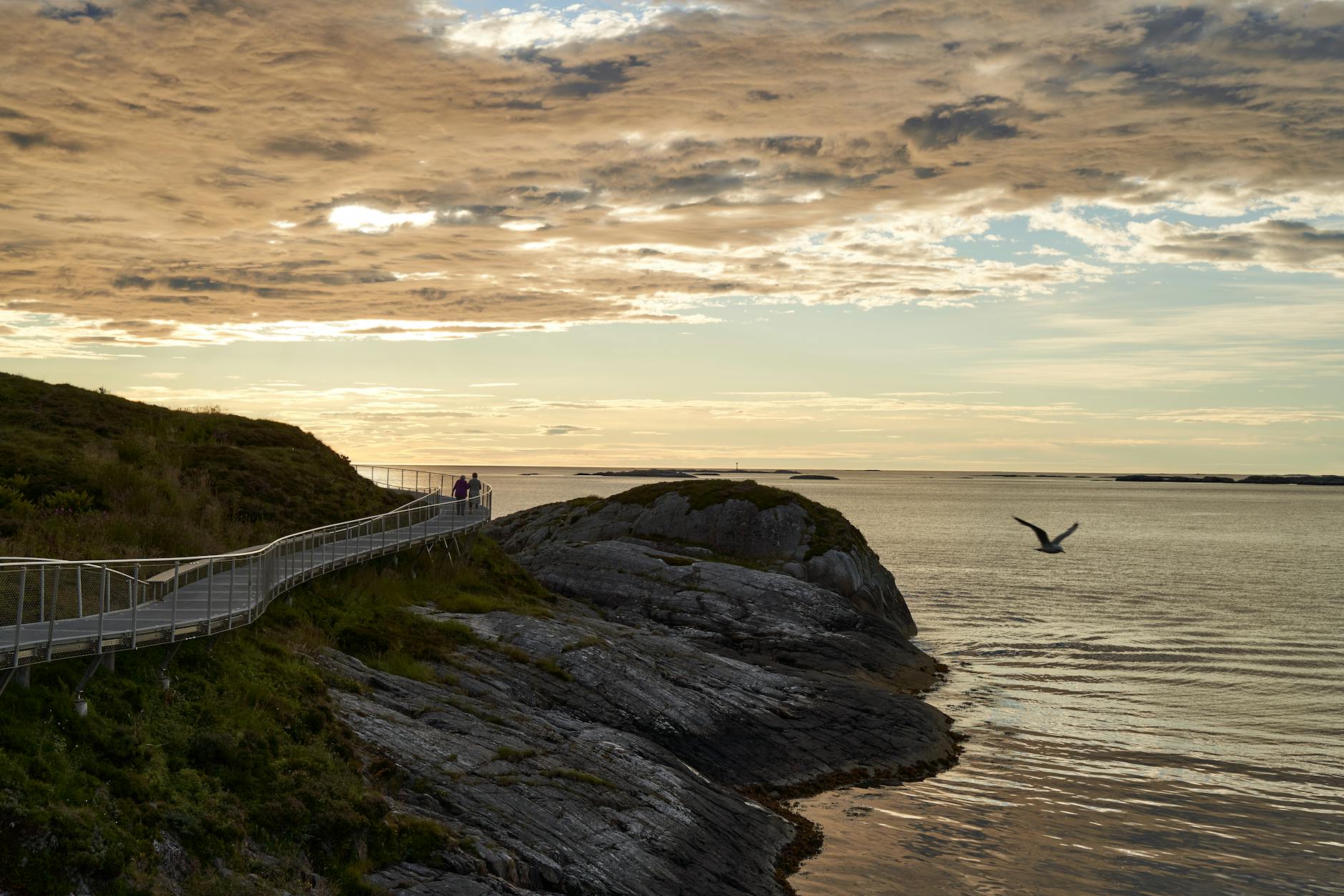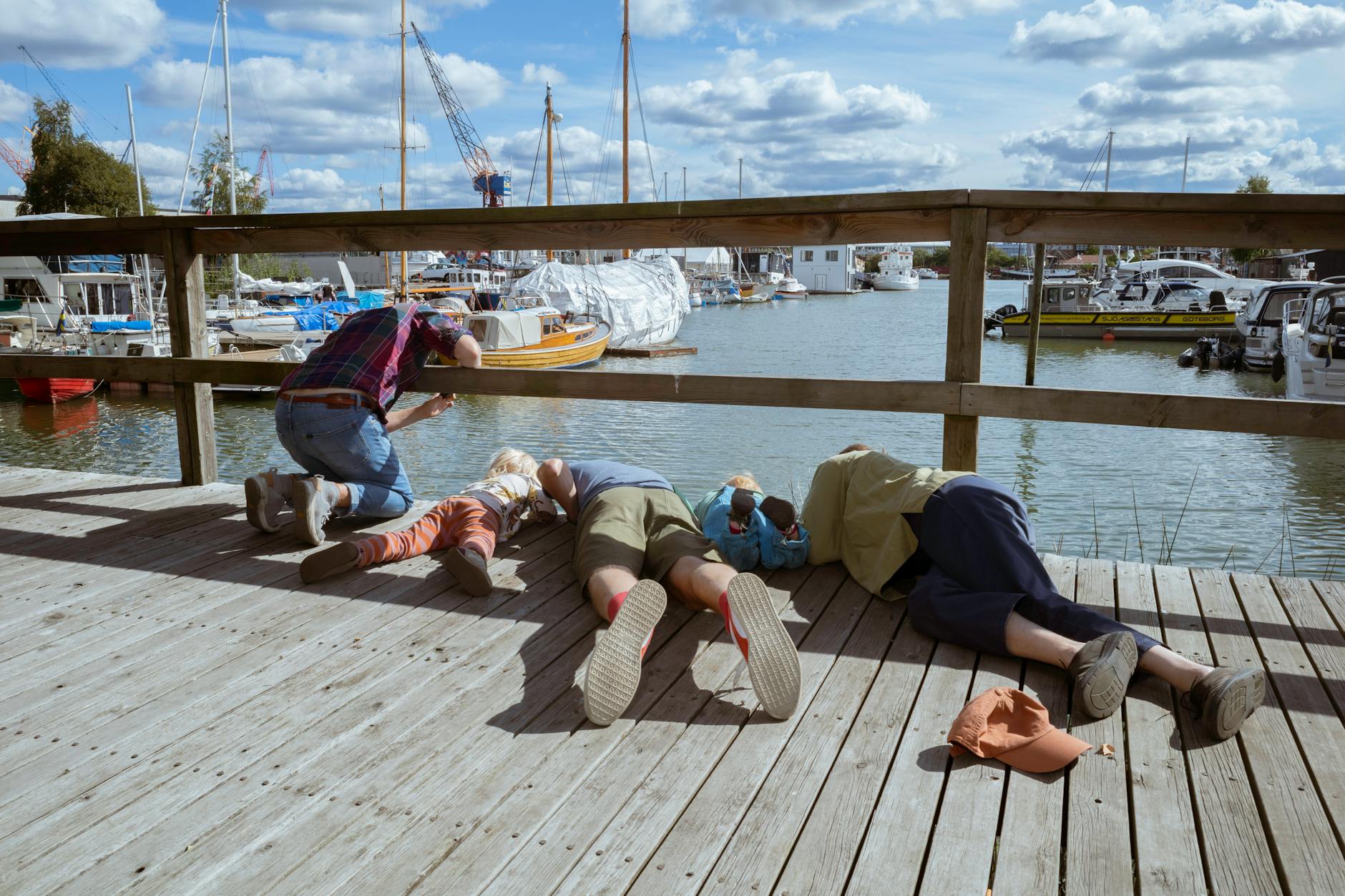
Stavanger can work well for families because the city is compact, scenic, and easier to navigate than many larger urban destinations. The trip still needs family-specific planning. Child ages, sleep, meals, strollers, wet streets, restrooms, harbor edges, and excursion ambition all shape whether the short stay feels smooth.
Match Stavanger to child ages
A family Stavanger plan should start with the ages, walking tolerance, nap needs, food needs, and attention span of the children. The right trip for teenagers may look very different from the right trip for a stroller or early reader.
The family rhythm should lead the itinerary.
- Plan each day around the youngest or most tired traveler, then add optional extras.
- Choose one main route and one backup rather than a full adult sightseeing list.
- Make room for sleep, snacks, weather changes, and simple play.
Choose lodging for recovery
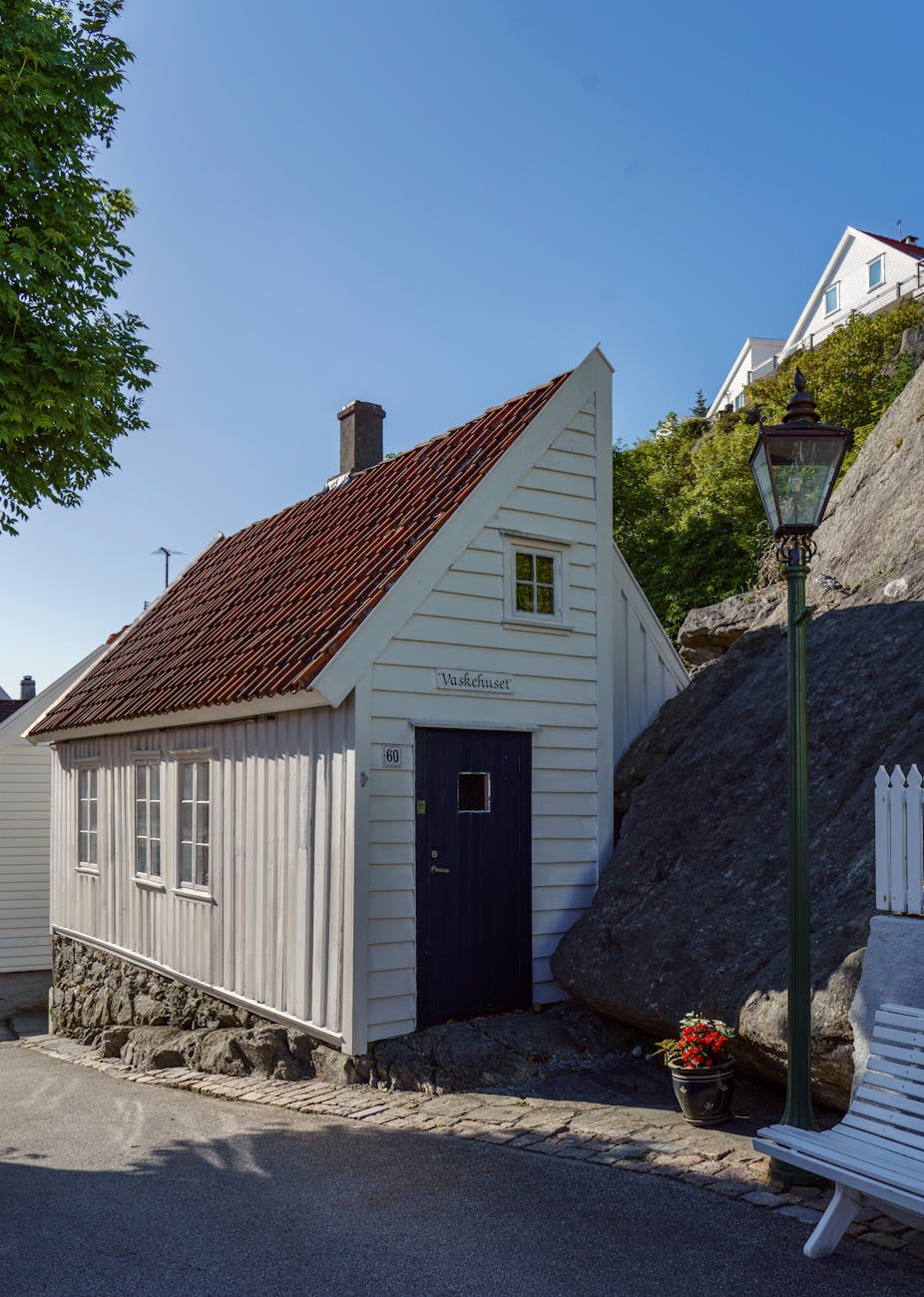
Family lodging should be judged by recovery as much as location. Room layout, extra beds, breakfast, laundry, elevator access, quiet, luggage storage, stroller storage, and a short return route can determine how usable Stavanger feels.
The room is part of the family plan.
- Check bed setup, bathroom layout, elevator, breakfast hours, laundry, fridge access, and noise.
- Choose a base that makes midday returns and early nights realistic.
- Avoid lodging that saves money but adds wet walks, stairs, or poor sleep.

Build a short harbor and old-town route
Stavanger's harbor and old-town streets can make a satisfying family loop when the route is short enough. The family should know where to pause, eat, use restrooms, and turn back before everyone is tired.
A compact loop beats an overlong day.
- Link harbor, old-town streets, a snack stop, restroom access, and a simple return route.
- Watch harbor edges, steps, wet stones, and traffic when children are excited or tired.
- Use short discoveries rather than long explanations if children are losing focus.

Plan meals, snacks, and restrooms
Family travel often fails when meals and restrooms are treated as details. Stavanger restaurants, cafes, and grocery stops should be planned around children's timing, dietary needs, price, seating, and how quickly the family can reset.
Food logistics protect the day.
- Identify child-friendly meal options, grocery stops, snacks, restrooms, and backup cafes near the route.
- Check reservation needs, high-chair or seating constraints, dietary requirements, and closing hours.
- Use meals as recovery blocks rather than squeezing them between too many stops.

Respect weather and stroller realities
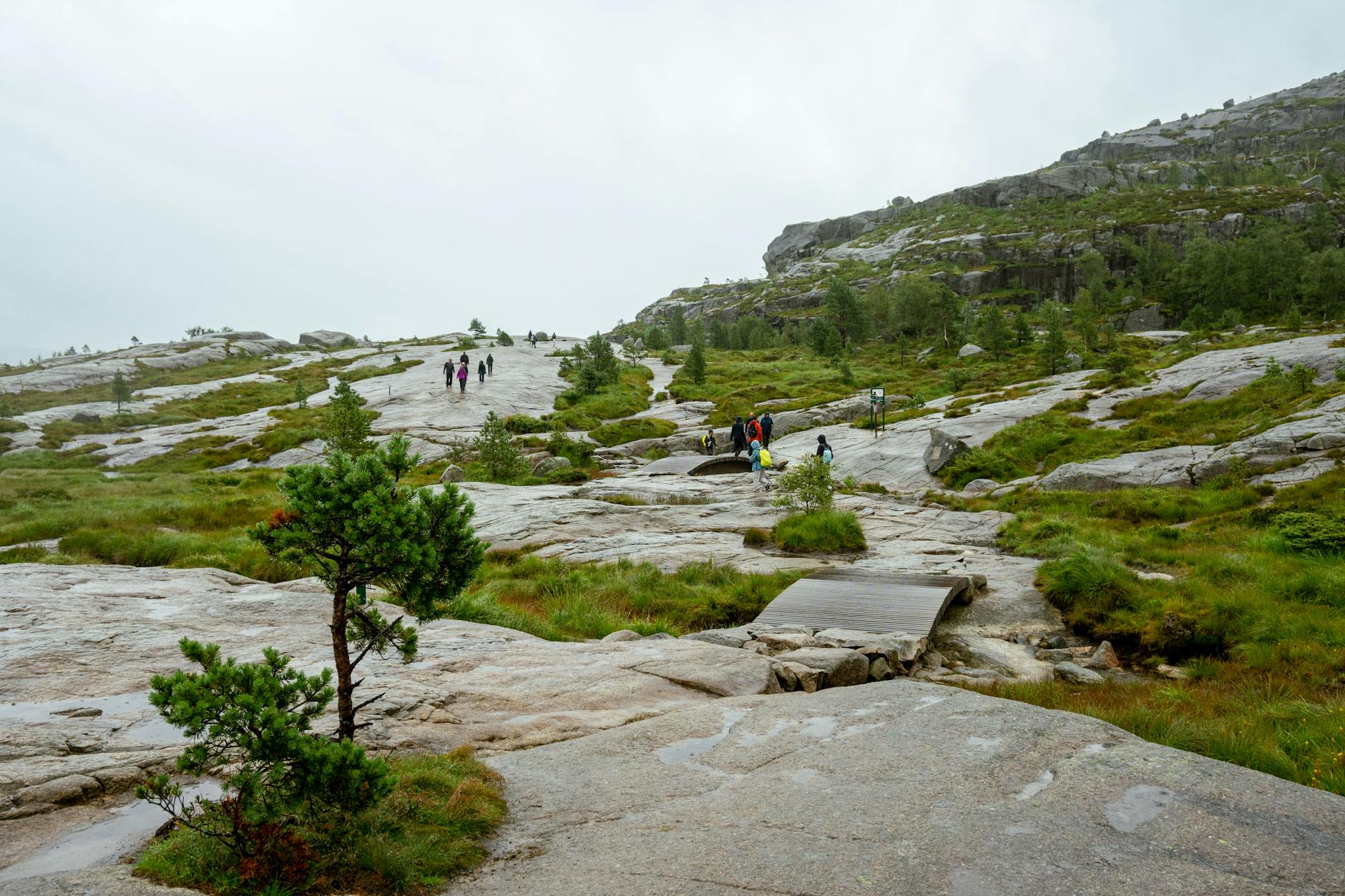
Rain, wind, cobblestones, steps, and slick surfaces matter more with children. Families should decide whether a stroller, carrier, rain cover, or shorter route is the right tool for the day.
Weather planning is family comfort planning.
- Pack rain layers, spare socks, stroller rain cover if needed, snacks, medication, and dry bags.
- Check whether old-town streets, museums, restaurants, and transport fit the stroller or carrier plan.
- Drop outdoor extras quickly when weather starts consuming energy.

Select excursions carefully
A family may want coastal paths, fjord-linked scenery, beaches, museums, or a boat outing from Stavanger. Those can be worthwhile, but the plan should account for duration, motion sensitivity, restrooms, food, weather exposure, and how children recover afterward.
Excursions should fit the family, not the other way around.
- Check duration, boarding steps, seating, restroom access, food options, weather exposure, and cancellation rules.
- Avoid long outings immediately after arrival or before an early departure.
- Choose one strong family outing instead of several fragile plans.
When to order a short-term travel report
A family with a central hotel, flexible timing, and older children may not need a custom report. A report becomes useful when child ages vary, stroller access matters, weather could change the day, meals need planning, excursions are tempting, arrival is late, or departure leaves little room for mistakes.
The report should test hotel setup, family routes, stroller or carrier needs, restrooms, meal timing, wet-weather alternatives, safe harbor movement, excursion demands, downtime, and departure buffers. The value is a Stavanger family trip that stays manageable while still feeling like a real coastal visit.
- Order when hotel setup, stroller needs, weather, meals, restrooms, excursions, safety, or departure timing need exact planning.
- Provide dates, child ages, hotel candidates, mobility needs, meal needs, budget, and arrival details.
- Use the report to keep the Stavanger family stay calm, flexible, and realistic.