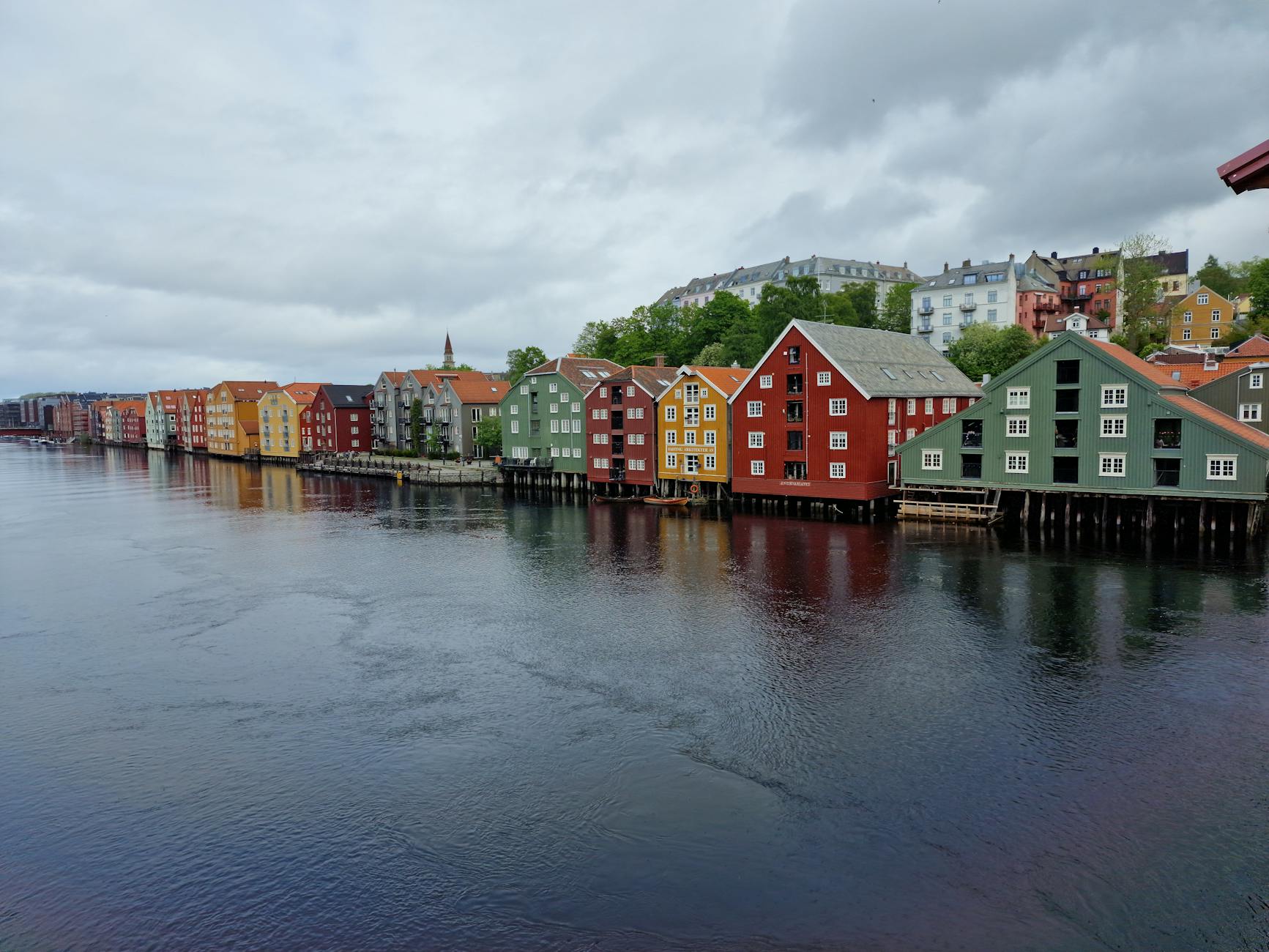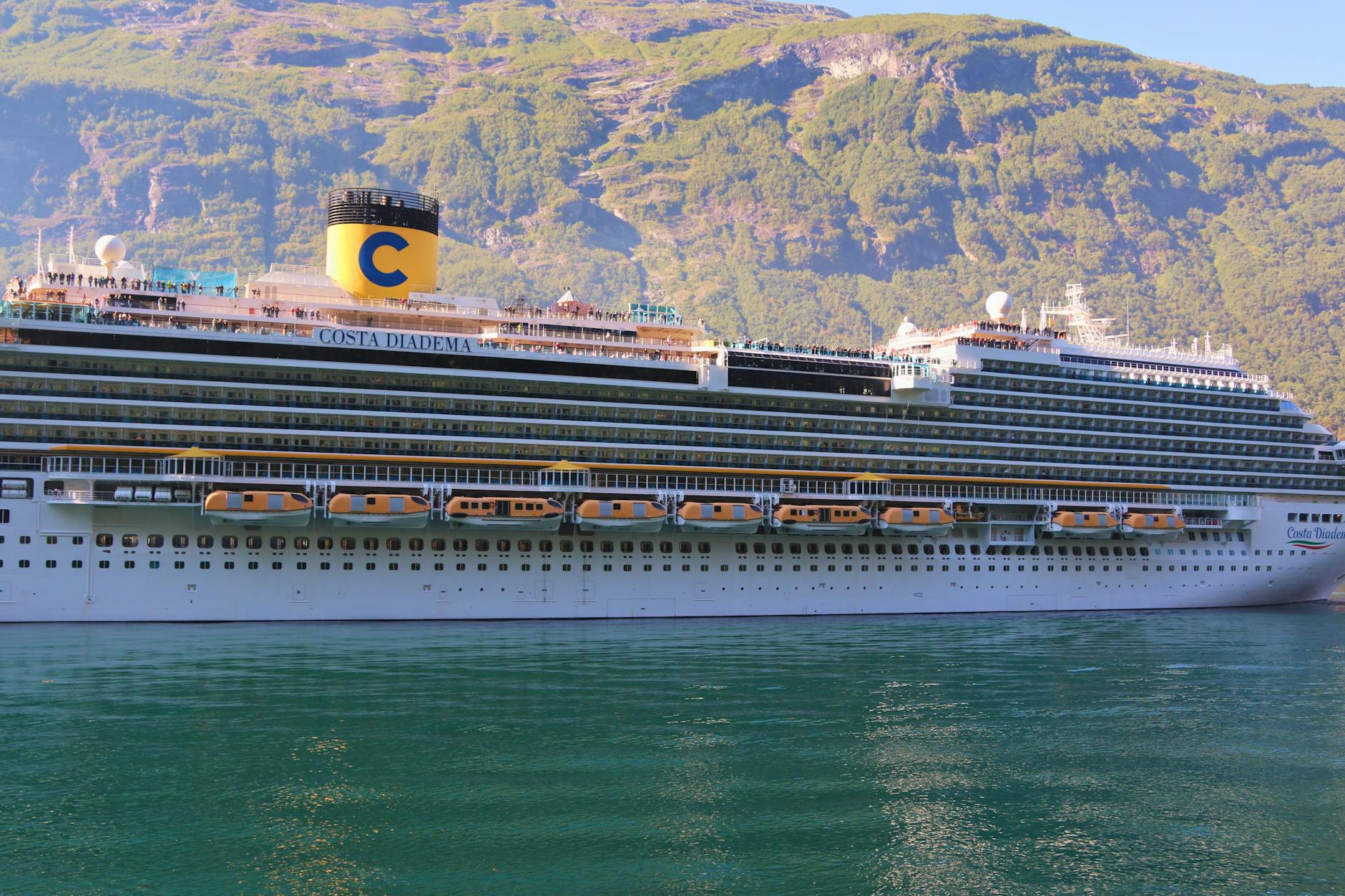
A Stavanger port call can be one of the easier Norwegian cruise stops, but only if the day is planned around the ship clock. Pier location, all-aboard time, old-town walking routes, fjord excursions, weather, mobility, lunch, shopping, and the return buffer all shape how much of the city can be enjoyed without stress.
Build the day around the ship clock
A port-call traveler should start with docking time, all-aboard time, pier location, gangway rules, and whether the ship uses any shuttle or controlled disembarkation process. Stavanger can feel compact, but the ship schedule remains the most important constraint.
The clock should decide the ambition.
- Confirm docking, disembarkation, all-aboard time, pier address, and ship emergency contact before leaving.
- Keep the highest-priority plan early in the day.
- Leave a return buffer that still works if weather, crowds, or mobility slows the route.
Keep the pier route compact
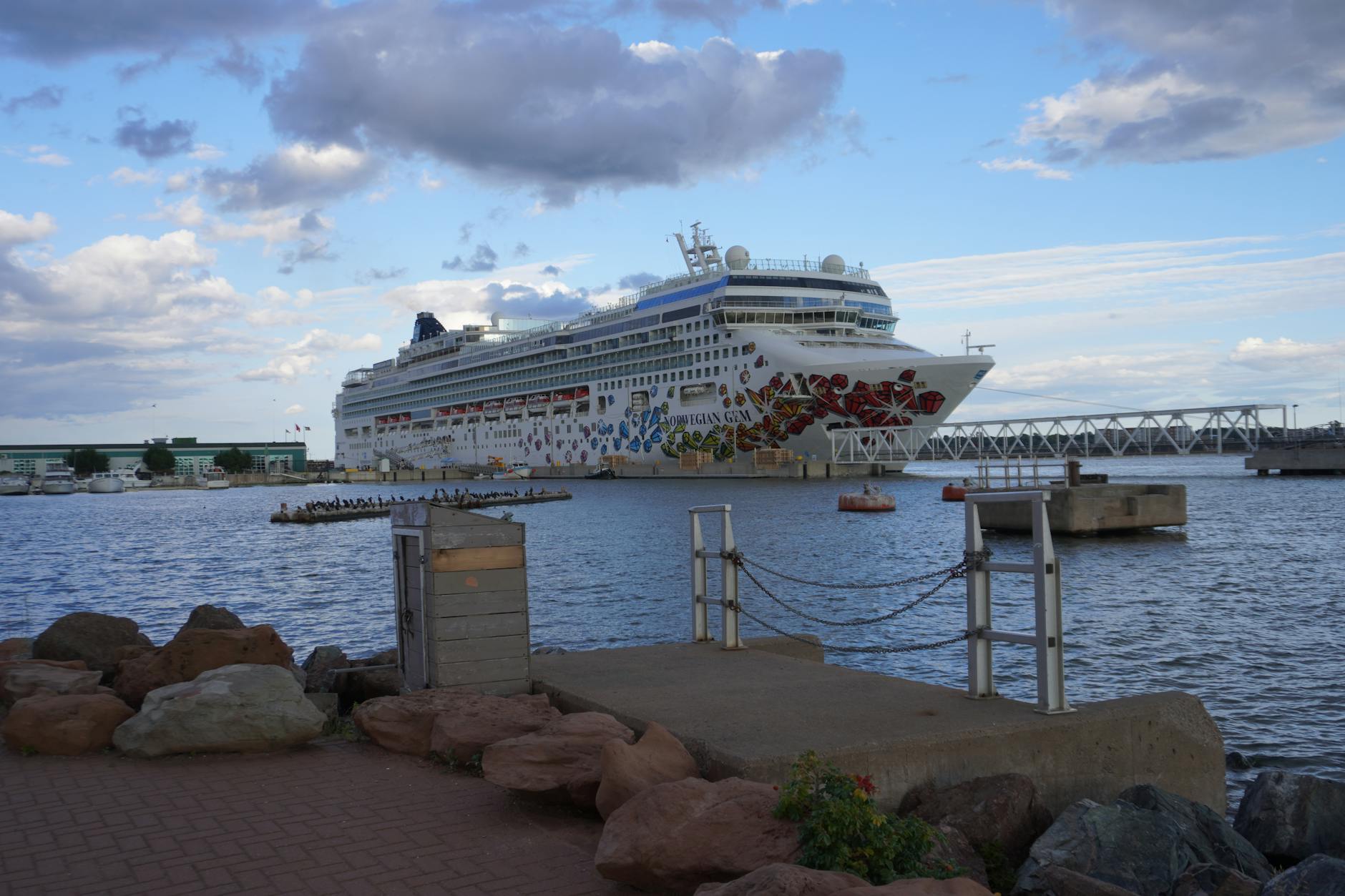
Many Stavanger port-call days work best when the traveler keeps the first route close to the harbor, old wooden streets, waterfront, shops, and cafes. A compact route protects time for weather changes and avoids turning the visit into a rushed transfer exercise.
The best first plan should be walkable from the ship when possible.
- Map the pier, old town, harbor, cafes, restrooms, and ship return route before going ashore.
- Avoid crossing back and forth between distant sights without a clear reason.
- Keep a short route for travelers who tire quickly or need frequent seating.
Screen fjord excursions carefully
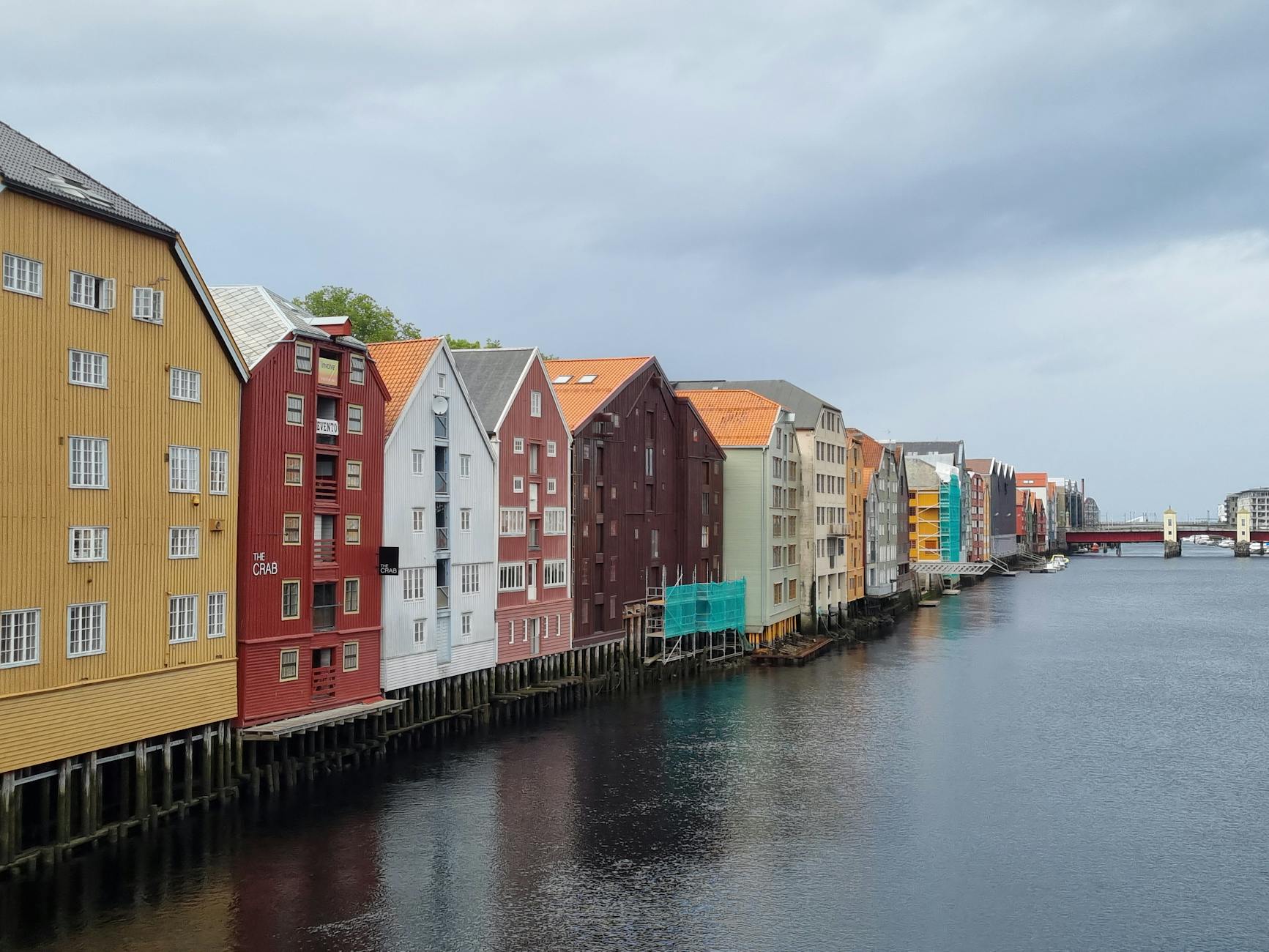
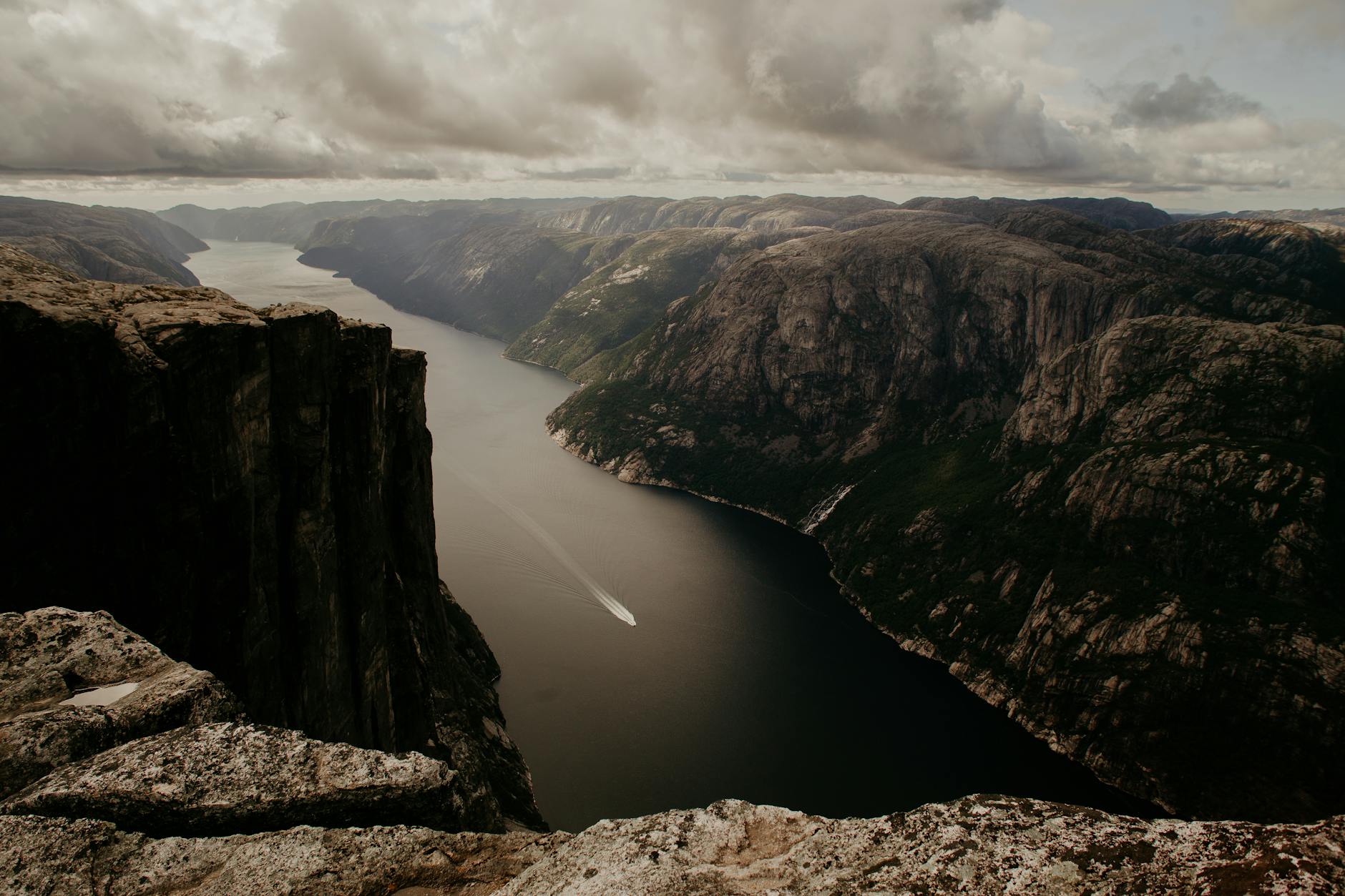
A fjord cruise or regional outing can be a strong use of a Stavanger port call, but it should be tested against the ship's schedule, cancellation rules, boarding point, weather, restroom access, and the return route. The excursion has to fit the ship day, not just the brochure.
The fjord plan should have a hard return margin.
- Confirm tour duration, departure point, return time, boarding rules, restroom access, and cancellation policy.
- Avoid independent excursions that return too close to all-aboard time.
- Choose a shorter harbor or old-town day if weather makes the fjord plan fragile.
Plan for weather and mobility
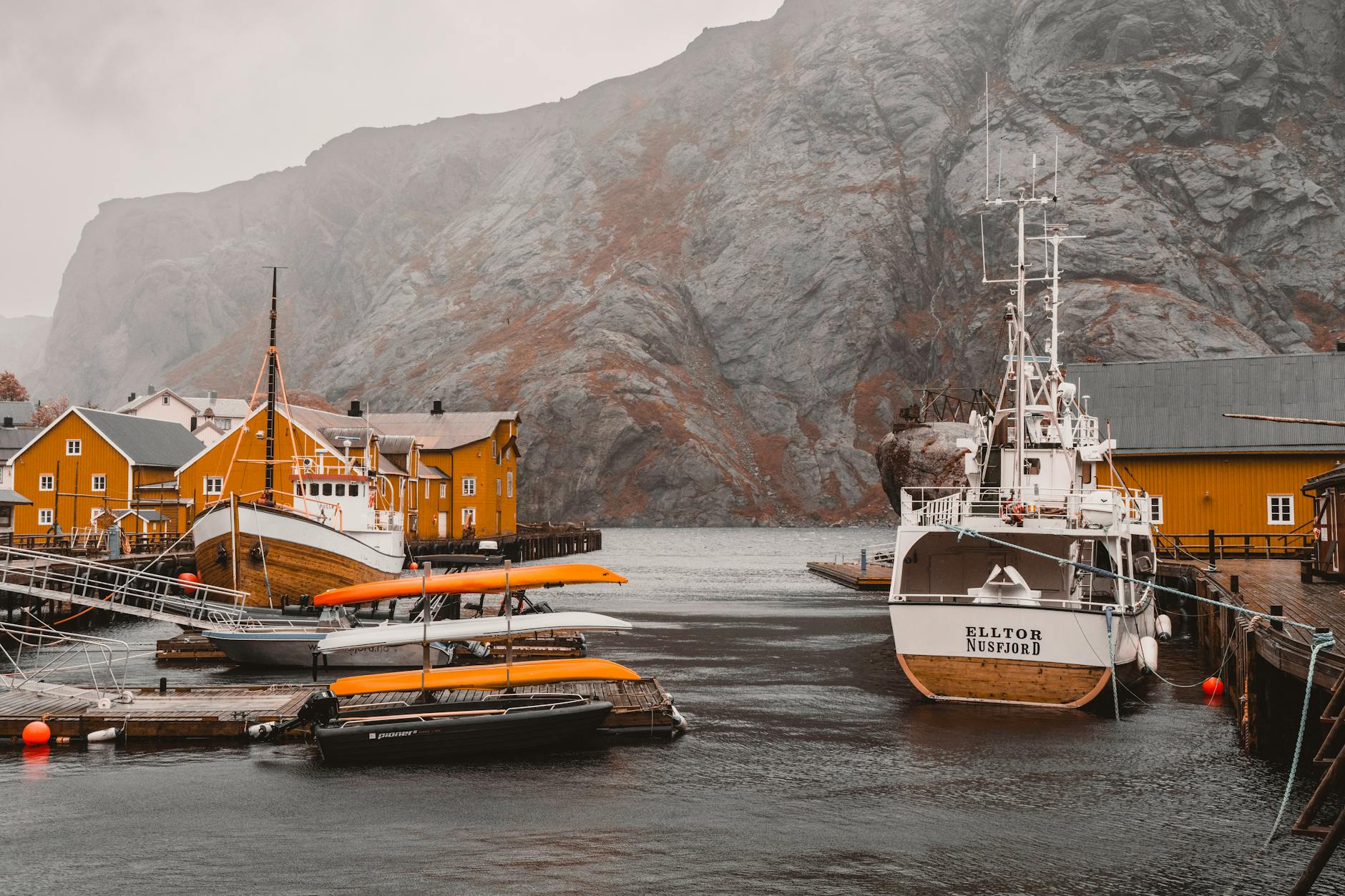
Rain, wind, cobblestones, crowds, gangways, and waterfront surfaces can make a short port day more demanding than expected. Cruise travelers should choose clothing, footwear, and route length that fit the forecast and the slowest person in the group.
Comfort keeps the day usable.
- Wear shoes suitable for wet pavement and bring a compact waterproof layer.
- Check steps, slopes, seating, restroom locations, and walking distance before committing to a route.
- Keep the ship return simple if mobility, fatigue, or weather is uncertain.
Choose meals and shopping close to the route
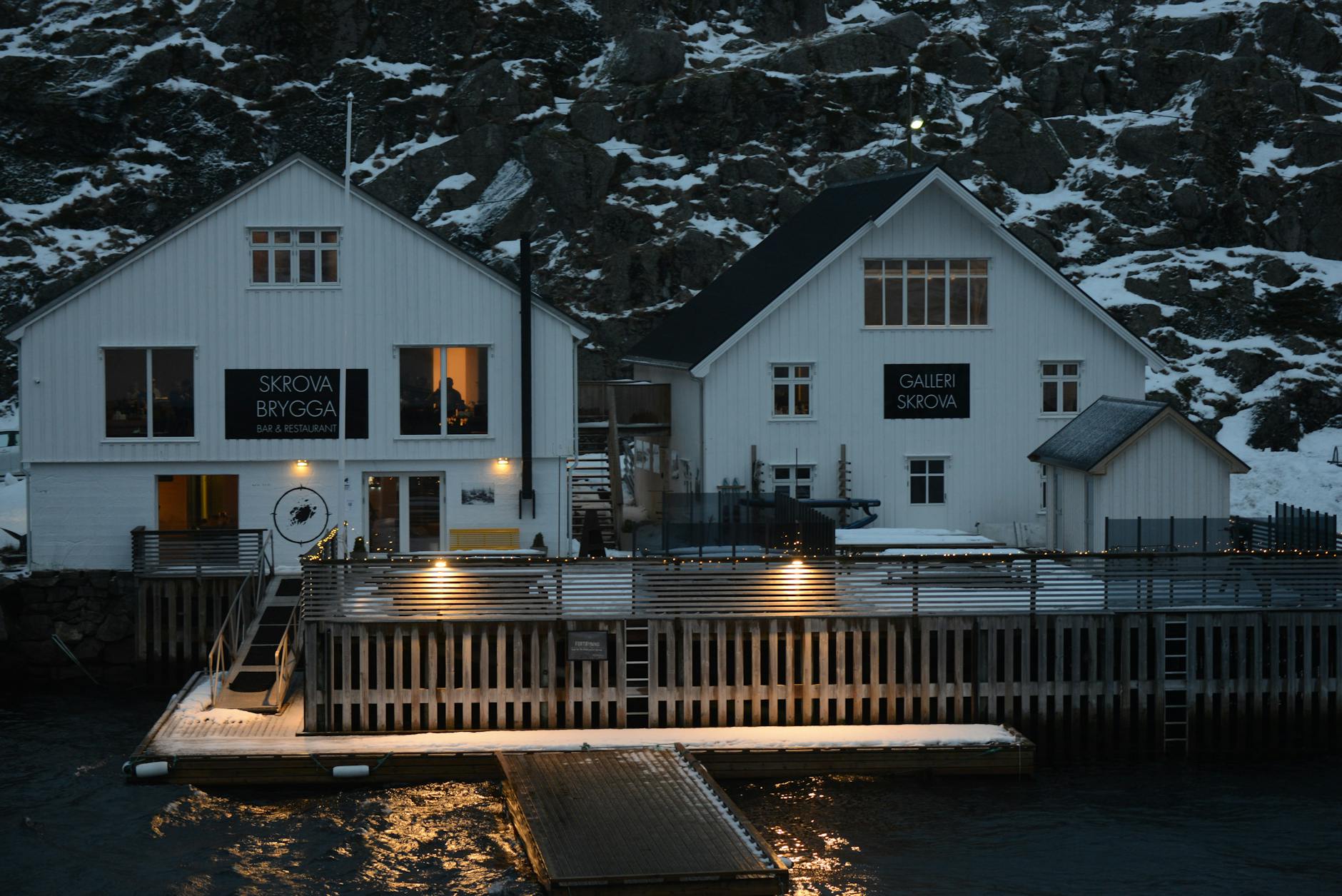
A port day can become inefficient if lunch, coffee, souvenirs, and restrooms pull the traveler away from the ship-return path. Meals and shopping should be placed where they support the route rather than interrupt it.
Small choices can protect the whole visit.
- Choose cafes or restaurants near the harbor or old-town route if the ship schedule is tight.
- Leave time for payment, queues, tax-free forms if relevant, and a calm return to the pier.
- Avoid carrying fragile or heavy purchases if the day includes rain or a longer walk.
Protect the final hour ashore
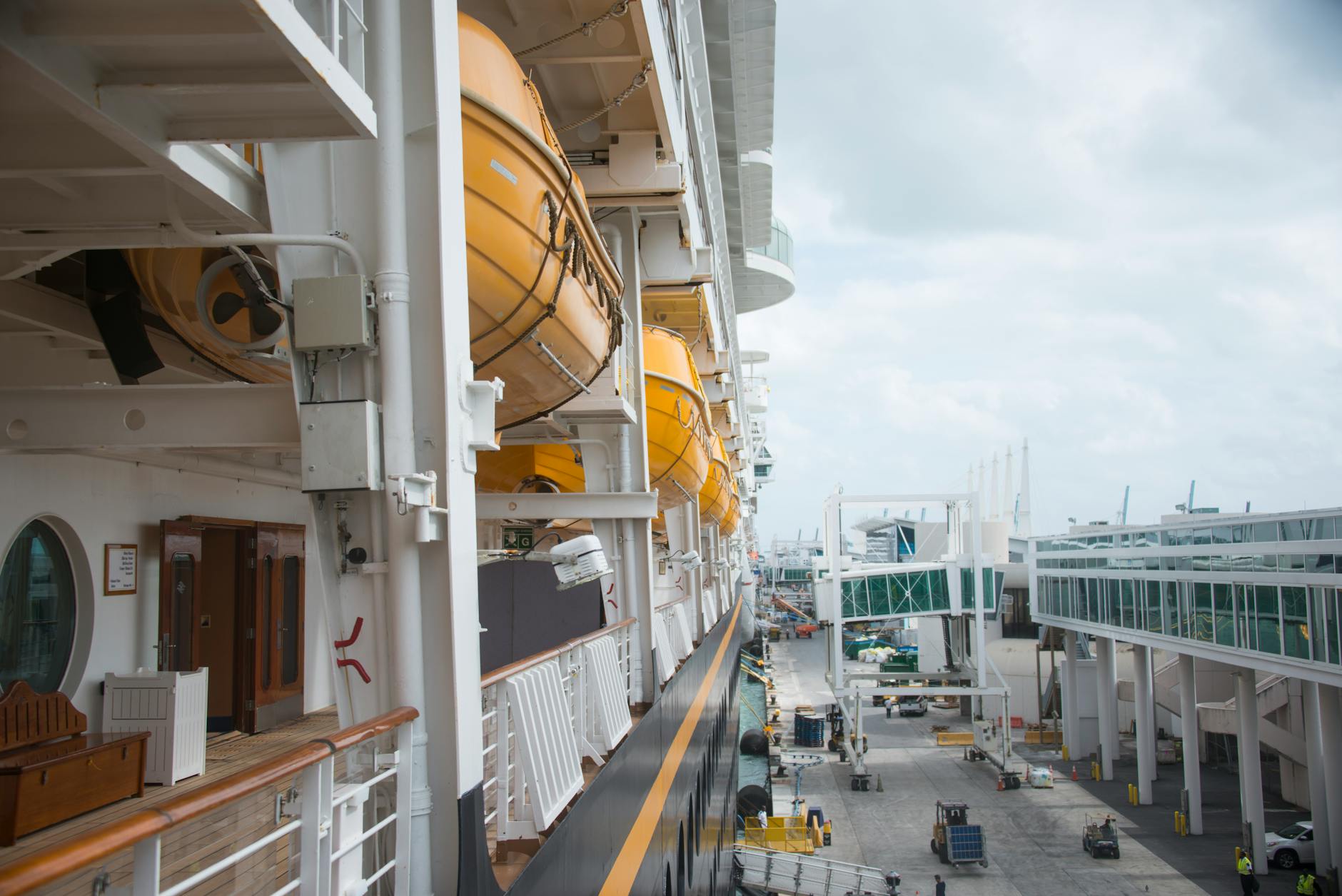
The final hour of a port call should be boringly reliable. The traveler should know the return path, gangway location, ship identification, and what to do if a phone dies or a group member separates.
The return should not depend on last-minute decisions.
- Set a latest-return-to-pier time that is earlier than all-aboard time.
- Keep the ship card, ID, phone battery, and emergency contact accessible.
- Avoid last-minute detours once the return buffer has started.
When to order a short-term travel report
A cruise traveler staying near the pier with a simple walk may not need a custom report. A report becomes useful when the port day includes a fjord excursion, mobility concerns, tight all-aboard timing, independent touring, meal reservations, or several travelers with different energy levels.
The report should test pier location, ship timing, walking route, fjord options, weather contingencies, restrooms, mobility constraints, meals, shopping, and return buffers. The value is a Stavanger port call that feels full without risking the ship return.
- Order when ship timing, pier geography, excursions, mobility, meals, weather, shopping, or return timing need exact planning.
- Provide ship name, port date, docking hours, mobility needs, excursion interests, meal preferences, and budget.
- Use the report to keep the Stavanger port call compact, enjoyable, and ship-clock safe.