
A consultant's Stavanger trip should be built around the work, not around a generic city break. Client-site location, visitor access, workshop timing, hotel desk quality, secure calls, rain, and evening recovery can all affect the project outcome. A good short stay makes the client day dependable and uses the city only where it supports the trip.
Anchor the trip to the client site
A consultant should begin with the exact client address, entrance, visitor process, and meeting room plan. Stavanger-area work may sit in the center, near business parks, near energy-sector sites, or outside the city core, and that geography changes the hotel decision.
The commute should be designed before the evening plan.
- Confirm client address, reception process, ID requirements, arrival time, and onsite contact.
- Choose lodging that makes the repeated commute reliable in rain and traffic.
- Avoid central lodging if the client day depends on costly or uncertain transfers.
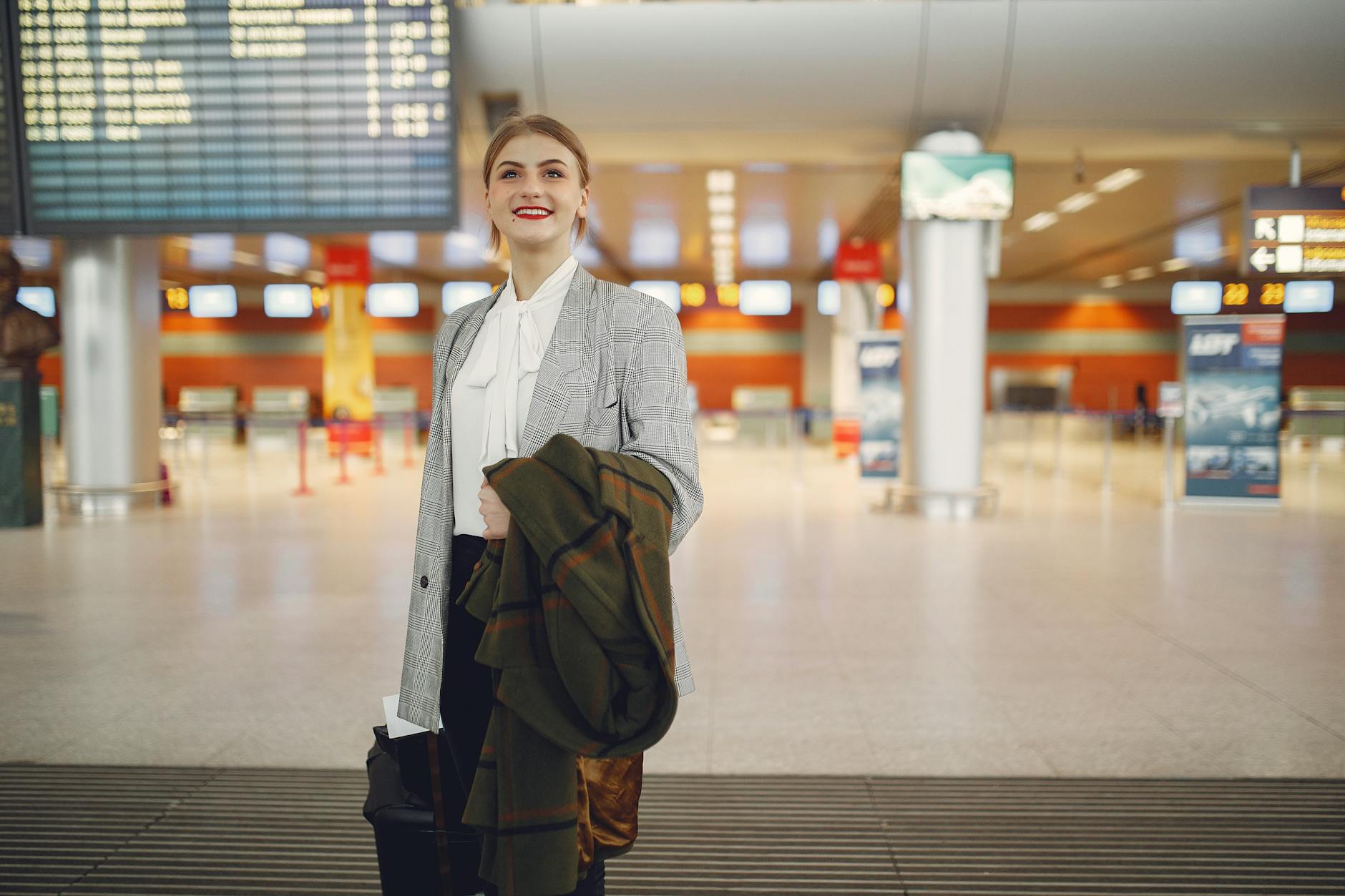
Make the hotel a working base
Consultants often turn the hotel into a second workplace. Desk height, chair comfort, Wi-Fi, outlets, quiet, breakfast timing, laundry, and late checkout can affect the quality of prep, synthesis, and client follow-up.
The room should support the project.
- Check desk space, Wi-Fi reliability, quiet rooms, outlets, breakfast hours, and luggage storage.
- Plan where private calls and late edits can happen without using noisy public areas.
- Protect sleep if the trip includes early workshops or evening deliverable work.

Structure meetings before arrival
A consulting visit can include interviews, workshops, steering meetings, site walks, informal meals, and internal prep. The traveler should know which sessions are decision-critical and which can move if flights, weather, or stakeholder availability changes.
The meeting flow needs a hierarchy.
- Separate must-happen client sessions from optional interviews and internal working time.
- Build short breaks for note cleanup, synthesis, and stakeholder follow-up.
- Confirm room setup, screen sharing, visitor Wi-Fi, remote attendees, and materials.

Protect presentation quality
The final hour before a client meeting is usually the wrong time to discover adapter, room, printing, or version-control problems. Consultants should bring redundancy for the work artifacts that matter.
Presentation logistics deserve their own checklist.
- Carry adapters, offline files, printed essentials, backup links, and a clean local copy of the deck.
- Confirm screen, sound, remote-call setup, room layout, and who controls the meeting.
- Leave time to adjust for client-specific information learned onsite.

Handle confidential work deliberately
Consultants may carry sensitive notes, models, diligence files, organizational data, or commercial recommendations through airports, taxis, hotel lounges, cafes, and client reception areas. The travel plan should reduce accidental exposure.
Confidentiality is part of the logistics.
- Decide where sensitive calls, edits, and document review can happen privately.
- Use screen privacy, secure connectivity, locked devices, and minimal printed material.
- Avoid working on sensitive files in public spaces just because time is tight.

Use local context without overextending
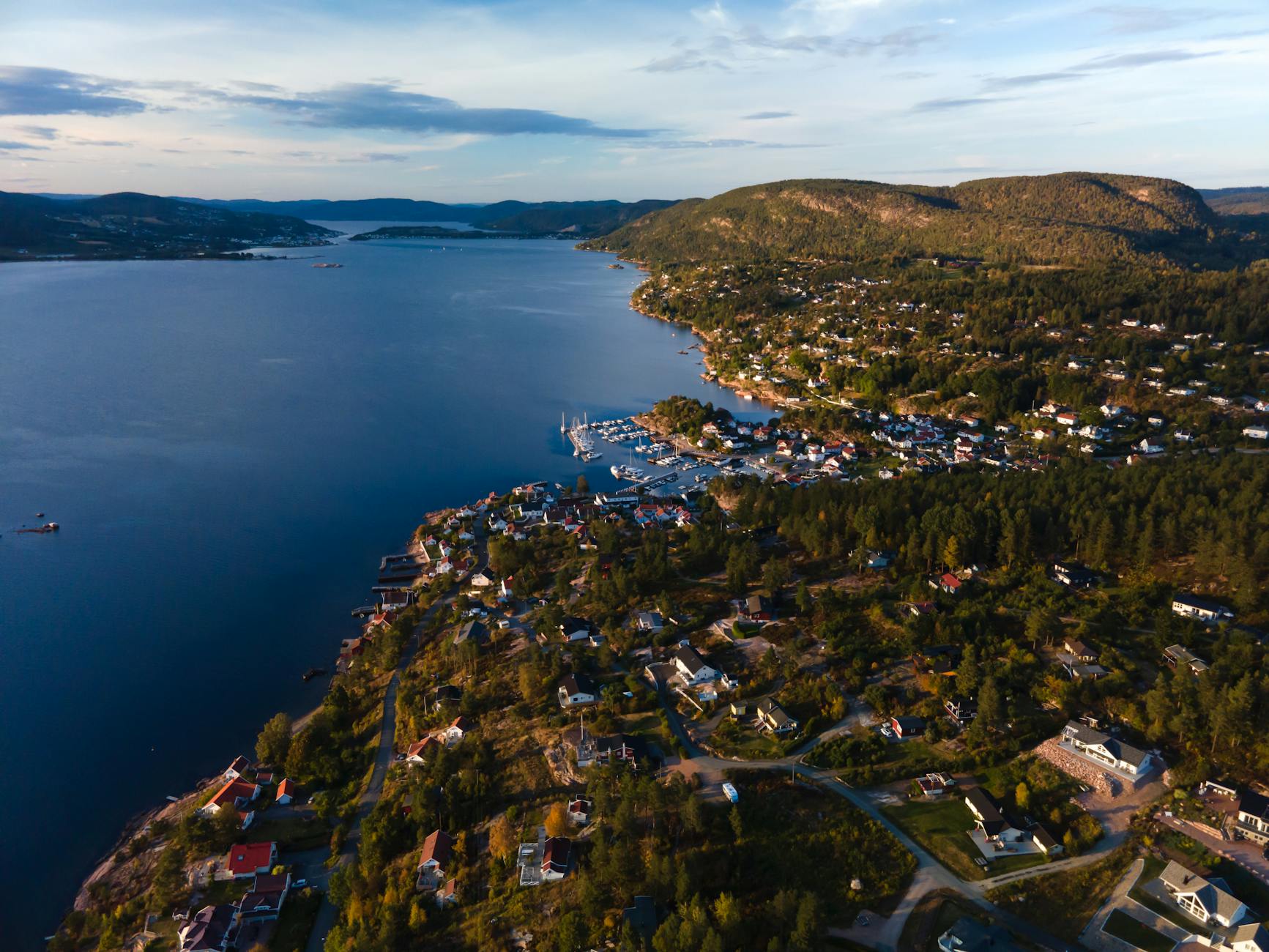
Stavanger's energy, maritime, coastal, and regional business context may be directly relevant to the consulting assignment. The traveler can use a short walk, dinner, or client route to understand that context without letting sightseeing crowd the work.
Context should serve the project.
- Note whether the assignment connects to energy, maritime, supply chain, technology, or regional development.
- Choose one compact city or waterfront route that supports orientation and recovery.
- Avoid scenic outings that reduce preparation, sleep, or client responsiveness.
When to order a short-term travel report
A consultant with a known client site and trusted hotel may not need a custom report. A report becomes useful when client geography is unclear, hotel workability matters, meeting timing is tight, weather could slow transfers, confidential work needs private space, or the traveler wants a small amount of local context without compromising the project.
The report should test client commute, hotel work setup, transfer options, meeting flow, private work locations, meal choices, weather contingencies, local business context, budget, and departure buffers. The value is a Stavanger consulting trip that supports delivery instead of distracting from it.
- Order when client-site access, hotel workability, transfers, meetings, confidentiality, meals, weather, or departure timing need exact planning.
- Provide dates, client address, meeting schedule, work requirements, hotel candidates, privacy needs, and budget.
- Use the report to keep the Stavanger consultant stay focused, resilient, and project-centered.