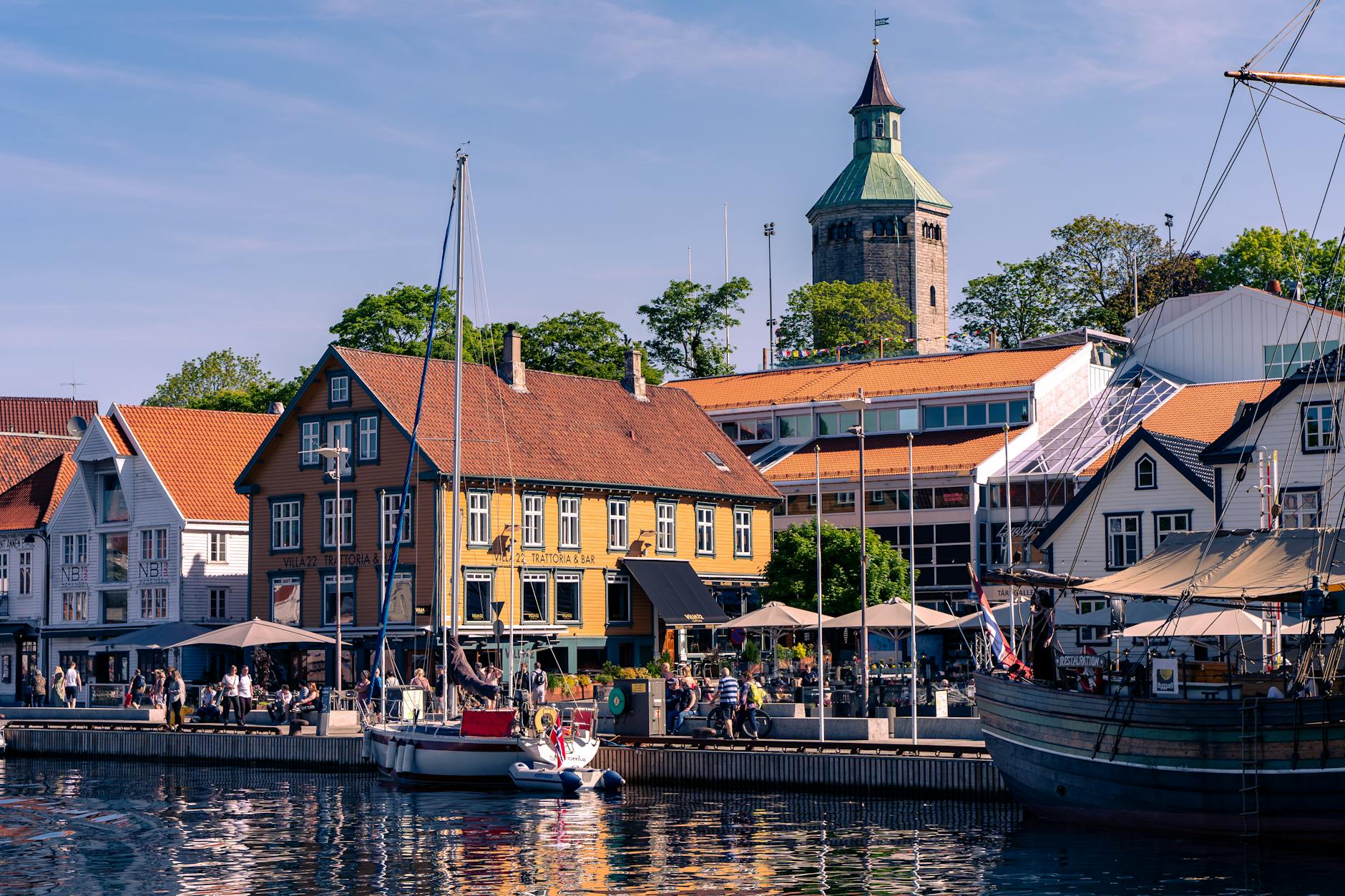
Stavanger can be efficient for a short business trip, especially when meetings are tied to the harbor, city center, conference hotels, energy-sector offices, or a wider southwest Norway route. It still needs careful planning. Airport transfers, rain, client meals, meeting locations, hotel work setup, and onward travel can make the difference between a polished visit and a trip that feels like pure logistics.
Start with the meeting map
A Stavanger business trip should begin with the actual meeting geography: city-center offices, harbor sites, conference hotels, energy-sector locations, client dinners, and any site visits outside the center. A central hotel is useful only if it fits those addresses.
The work map should lead the travel map.
- Plot office entrances, hotel candidates, client meal locations, airport route, and onward transport before booking.
- Separate city-center meetings from suburban, industrial, port, or regional site visits.
- Leave enough time for badge checks, security desks, taxis, rain, and meeting overruns.
Choose lodging by work rhythm
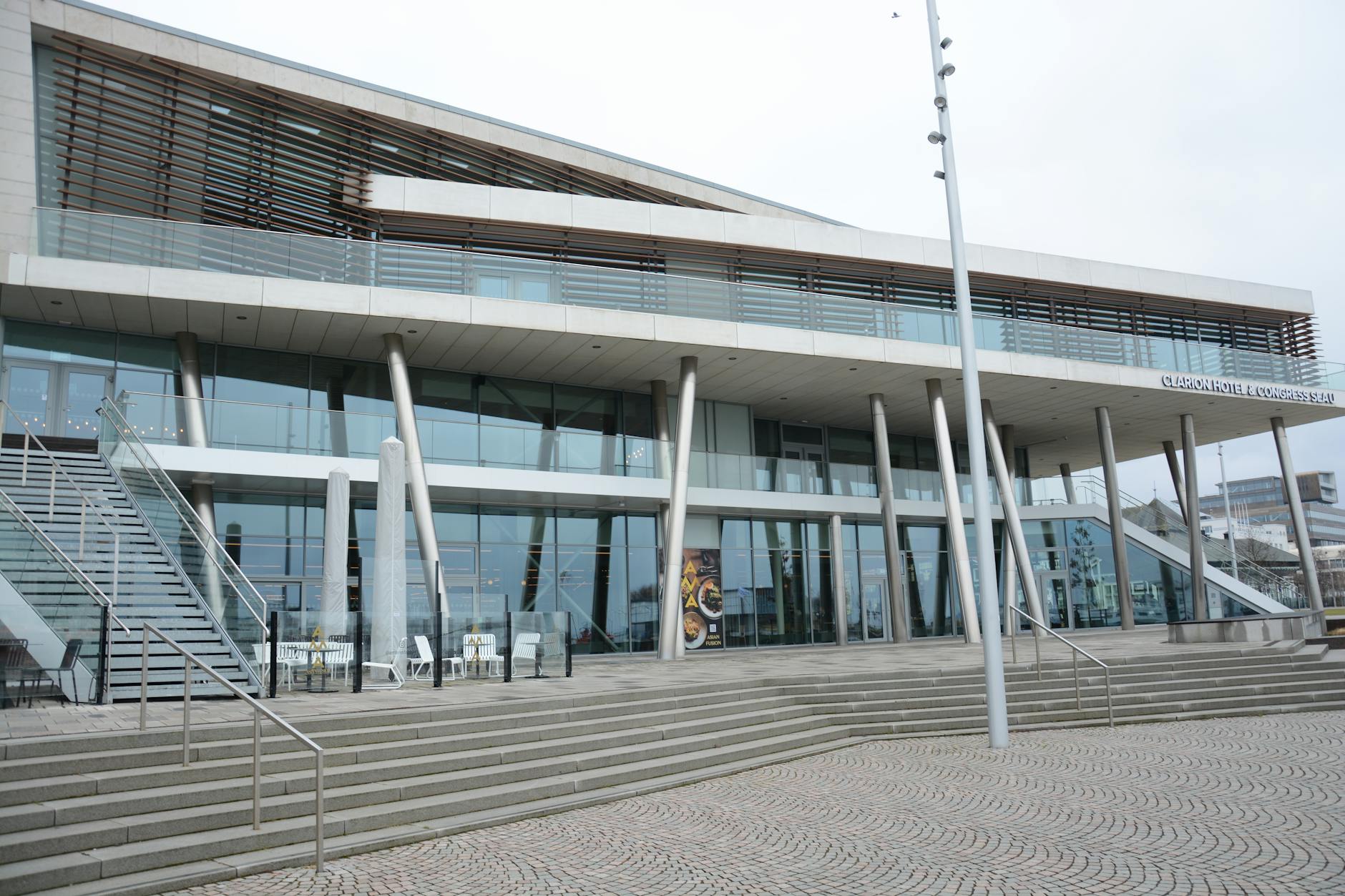
The best Stavanger hotel is not always the prettiest harbor view. A business visitor should judge lodging by desk quality, Wi-Fi, breakfast timing, quiet calls, ironing, late check-in, luggage storage, taxi access, and distance from the first meeting.
The room should support the workday.
- Check desk, Wi-Fi, outlets, breakfast hours, call privacy, gym or recovery needs, and laundry or ironing.
- Choose a harbor, central, airport-adjacent, or conference-hotel base according to the meeting pattern.
- Avoid a charming location if it creates wet walks or awkward transfers before formal meetings.

Protect arrival and first meeting
Short business trips often fail on the first transfer. Stavanger arrival should account for flight timing, airport transfer, taxi availability, late check-in, meal needs, presentation clothing, and whether the traveler has to perform well the next morning.
The first meeting needs margin.
- Confirm airport transfer options, hotel check-in, breakfast, and the route to the first meeting.
- Carry presentation files, chargers, medication, and one meeting-ready clothing option in hand luggage.
- Avoid scheduling a high-stakes meeting immediately after a fragile arrival unless there is backup time.
Plan movement, weather, and presentation
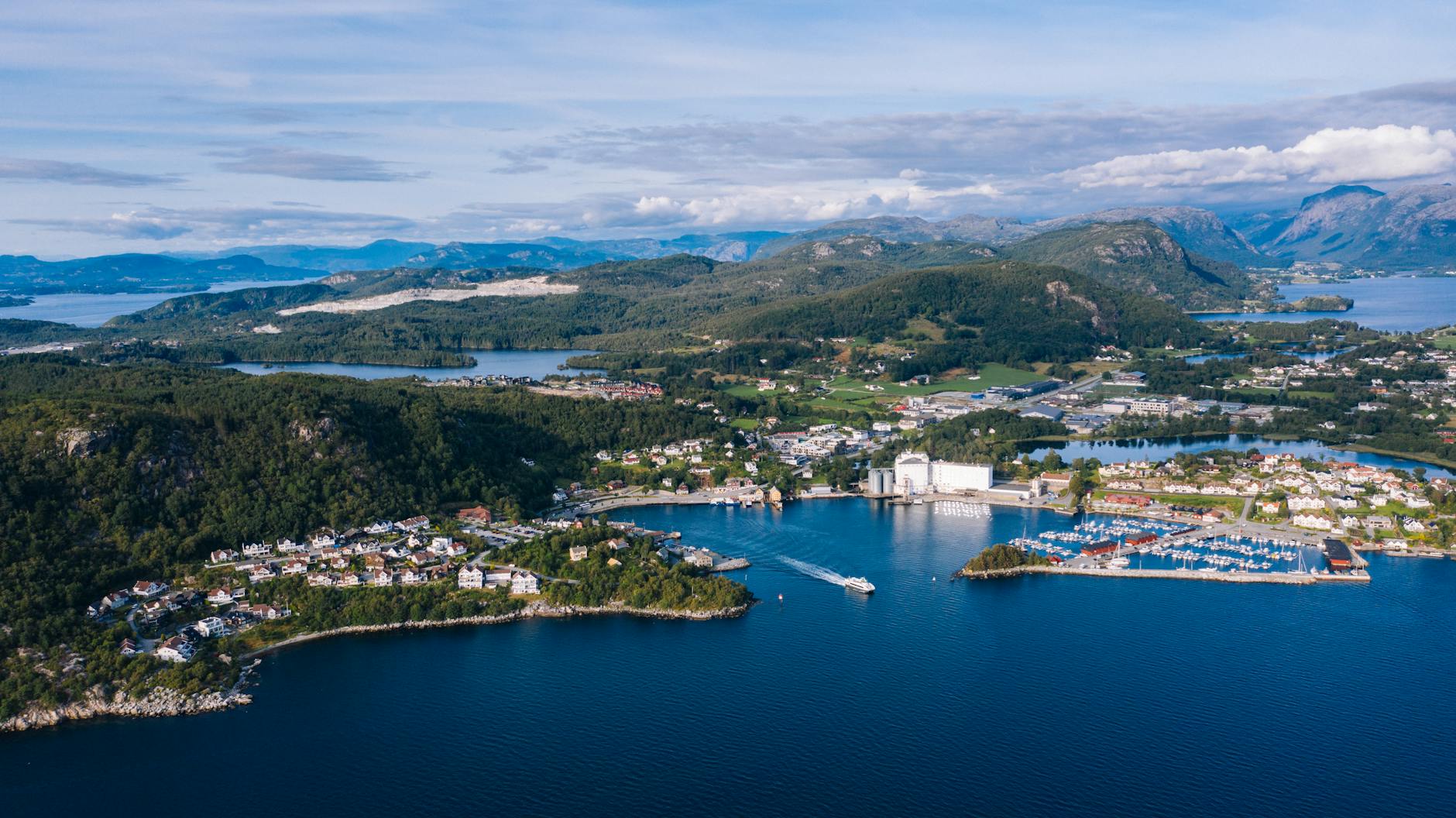
Stavanger's compact scale can make travel feel easy, but weather, wet streets, hills, wind, taxis, and site-visit clothing still matter. A business visitor should plan movement so the traveler arrives dry, punctual, and ready to speak or negotiate.
Presentation quality depends on logistics.
- Check walking distance, taxi pickup points, rain exposure, footwear, coat storage, and meeting-room arrival time.
- Use taxis or arranged transfers when weather, equipment, formal clothing, or site access makes walking weak.
- Keep digital and offline versions of slides, documents, addresses, and contact details.
Use meals and limited city time deliberately
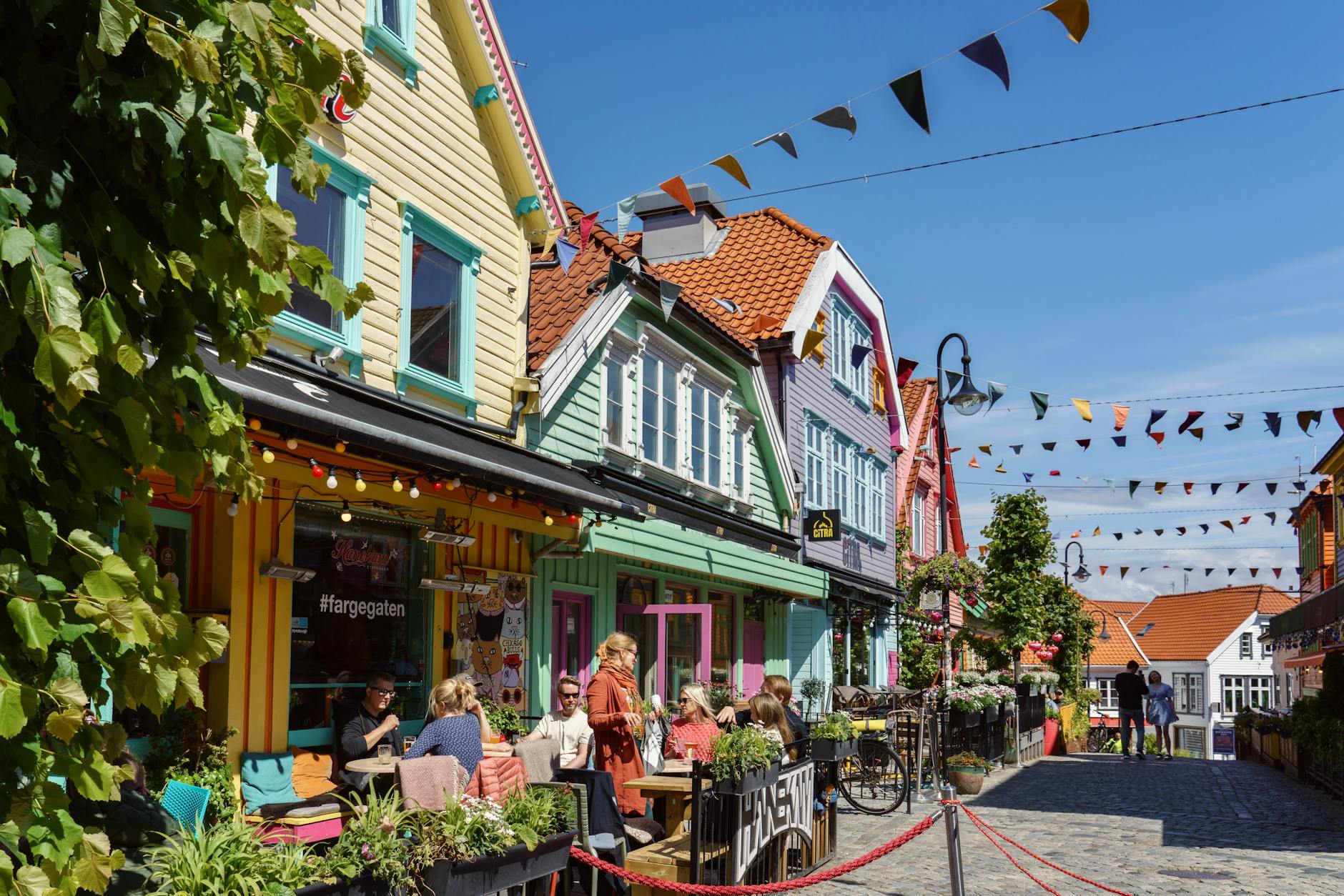
Client meals, informal drinks, and a short walk through Stavanger can strengthen a business visit, but they should be placed around energy and timing. A business traveler should decide whether the evening is for relationship-building, recovery, or quiet preparation.
Limited free time should have a job.
- Choose meals by distance, noise level, reservation reliability, dietary needs, and expense rules.
- Keep evening plans close to the hotel if the next morning starts early or involves a site visit.
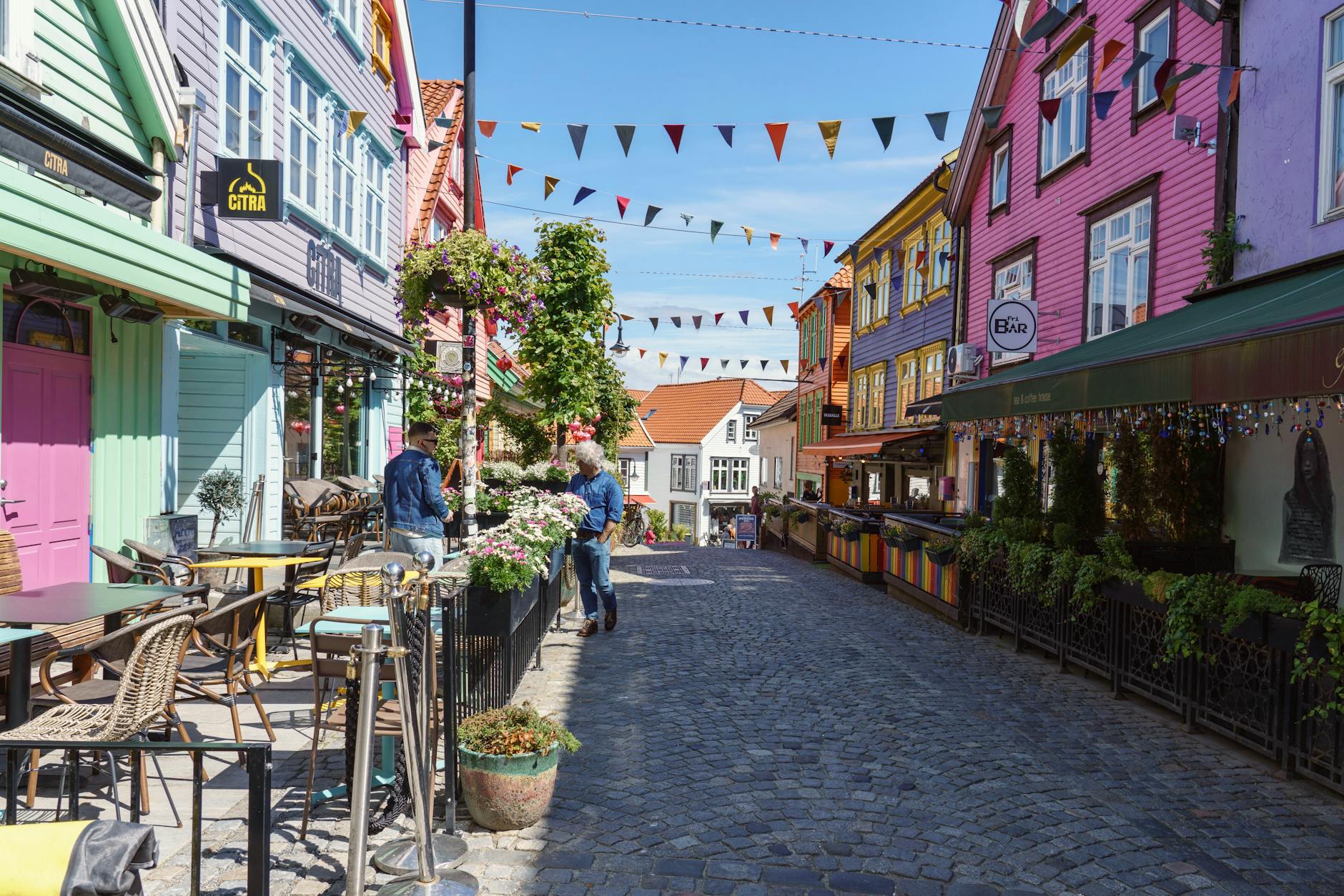
- Use a short harbor or old-town walk when it supports recovery instead of adding fatigue.
Protect departure and follow-up
A Stavanger business trip may end with a flight, train, ferry, rental car, or a wider Norway itinerary. Departure planning should leave room for meeting overruns, weather, packing, expense receipts, final calls, and follow-up notes.
The close of the trip should not be improvised.
- Set a firm departure buffer around the last meeting, hotel checkout, luggage pickup, and transport.
- Keep receipts, business cards, notes, action items, and follow-up files organized before leaving.
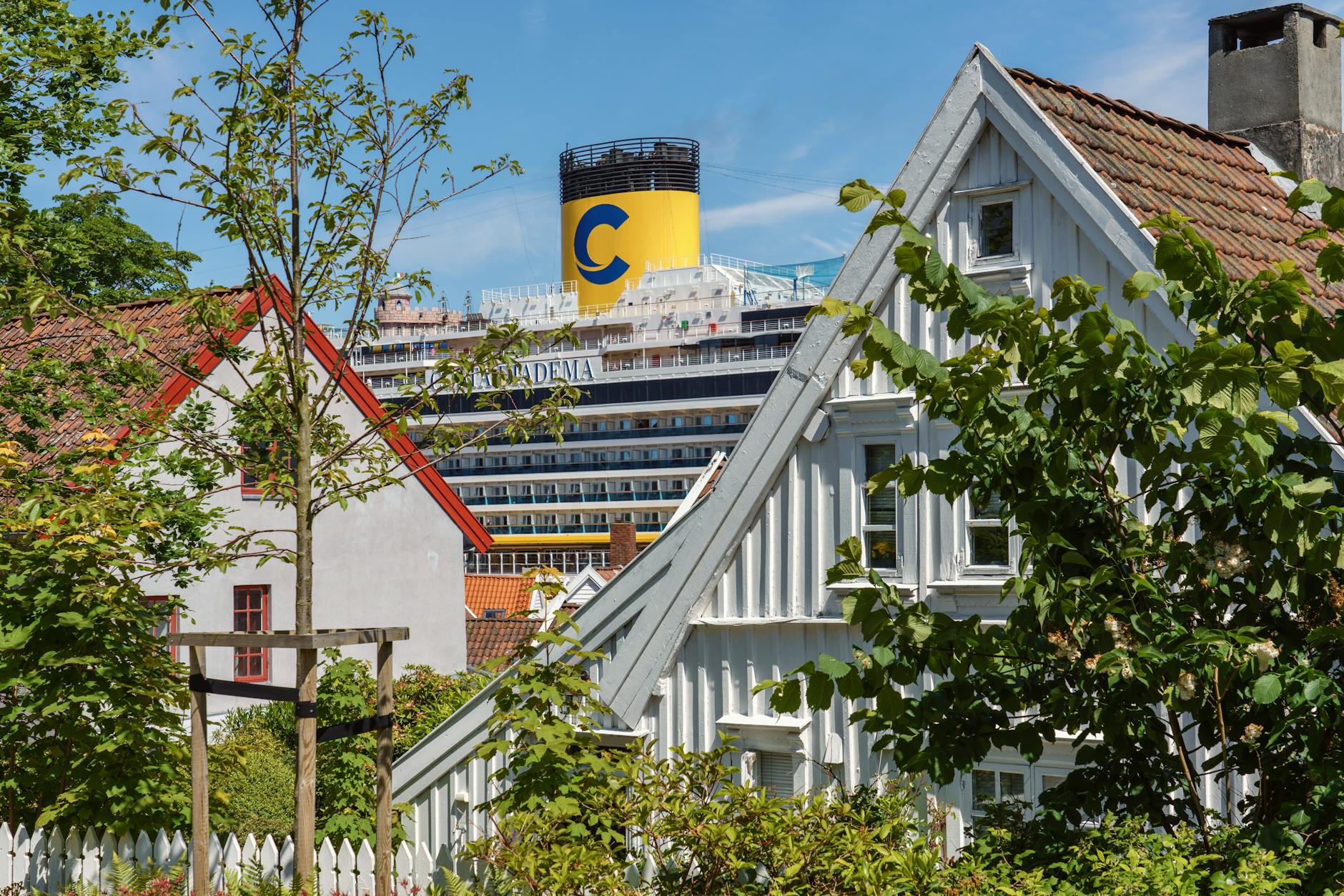
- Avoid adding a scenic detour before departure unless the onward leg has generous slack.
When to order a short-term travel report
A business visitor with one central meeting and a familiar hotel may not need a custom report. A report becomes useful when meetings are spread out, the trip involves energy-sector or port locations, weather could affect formal arrival, the first meeting is high-stakes, client meals matter, or onward travel leaves little recovery time.
The report should test meeting geography, airport transfer, hotel work setup, walking and taxi routes, weather, presentation needs, client meals, expense pressure, site-visit logistics, medical fallback, and departure buffers. The value is a Stavanger business trip that stays productive instead of becoming a chain of small preventable frictions.
- Order when meeting geography, weather, transfers, hotel setup, client meals, site visits, or departure timing need exact planning.
- Provide dates, meeting addresses, hotel candidates, arrival details, equipment needs, meal plans, and onward travel.
- Use the report to keep the Stavanger business visit punctual, prepared, and easy to recover from.