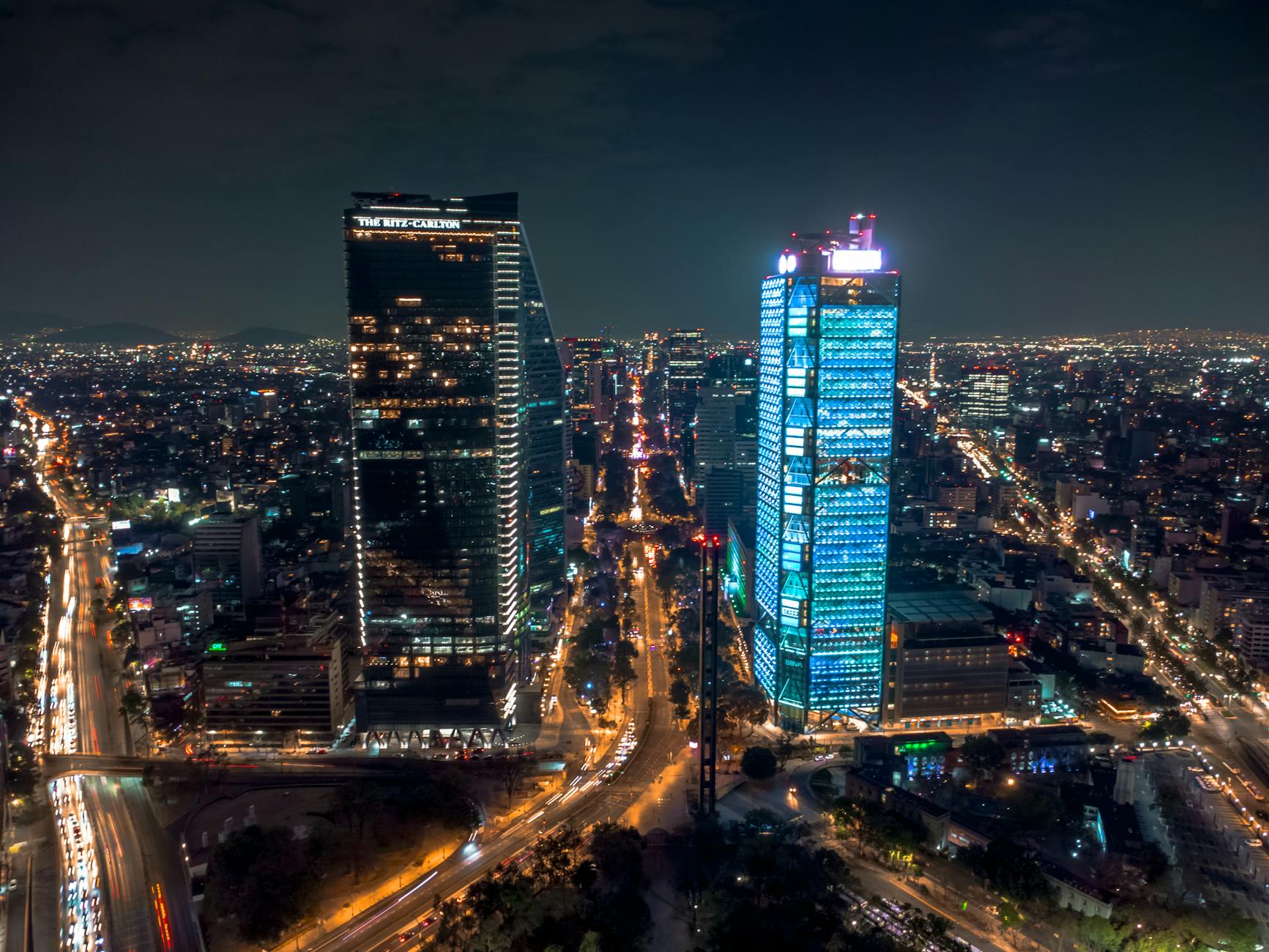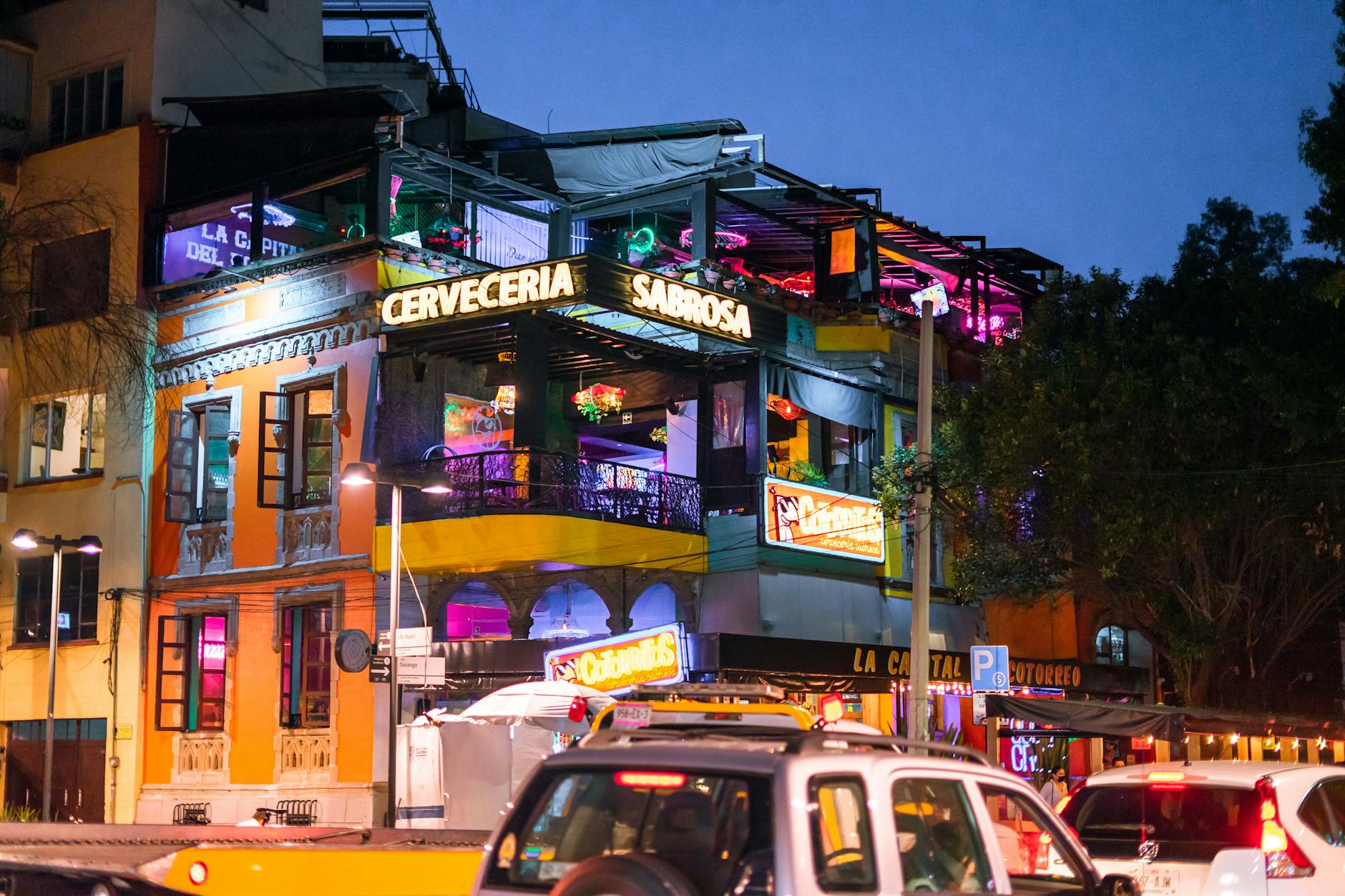
Mexico City can be a strong nightlife destination for a short trip because the evening scene is not one thing. A traveler may be looking for cocktail bars, mezcal, live music, clubs, rooftops, queer nightlife, late dinners, taquerias, neighborhood bar-hopping, or a specific party. Roma, Condesa, Juarez, Zona Rosa, Centro, Polanco, San Rafael, and other areas can all matter, but they do not create the same night. The wrong location choice can turn a good evening into too much traffic, unclear pickup points, or an awkward late return. A nightlife-focused traveler should plan the night as a route rather than a list of venues. Dinner timing, reservation rules, cover charges, ID, cash, rideshare pickup, phone battery, hotel location, group communication, alcohol pace, and after-dark walking all matter. Mexico City rewards travelers who leave room for spontaneity inside a practical structure, especially when the trip is short and the next morning still matters.
Choose nightlife geography before choosing venues
Mexico City nightlife is easier when the traveler starts with geography. A Roma or Condesa evening can feel different from a Juarez, Zona Rosa, Centro, Polanco, or San Rafael night. Some areas work well for dinner and a short walk between bars. Others are better for a specific reservation, music event, hotel bar, rooftop, or club, with transport arranged around that anchor. The best choice depends on who is traveling, how late the night may run, and where the hotel is.
A short trip should avoid scattering the evening across too many districts. Crossing town between dinner, drinks, dancing, and late food can consume the night and complicate the return. A tighter route with one primary area and one backup usually creates a better night than a famous-venue checklist.
- Pick the primary nightlife district before booking dinner, bars, clubs, or rooftops.
- Match Roma, Condesa, Juarez, Zona Rosa, Centro, Polanco, or San Rafael to the traveler's style and return needs.
- Avoid crossing town repeatedly after dark unless the route and transport are deliberate.
Plan the return before the night starts
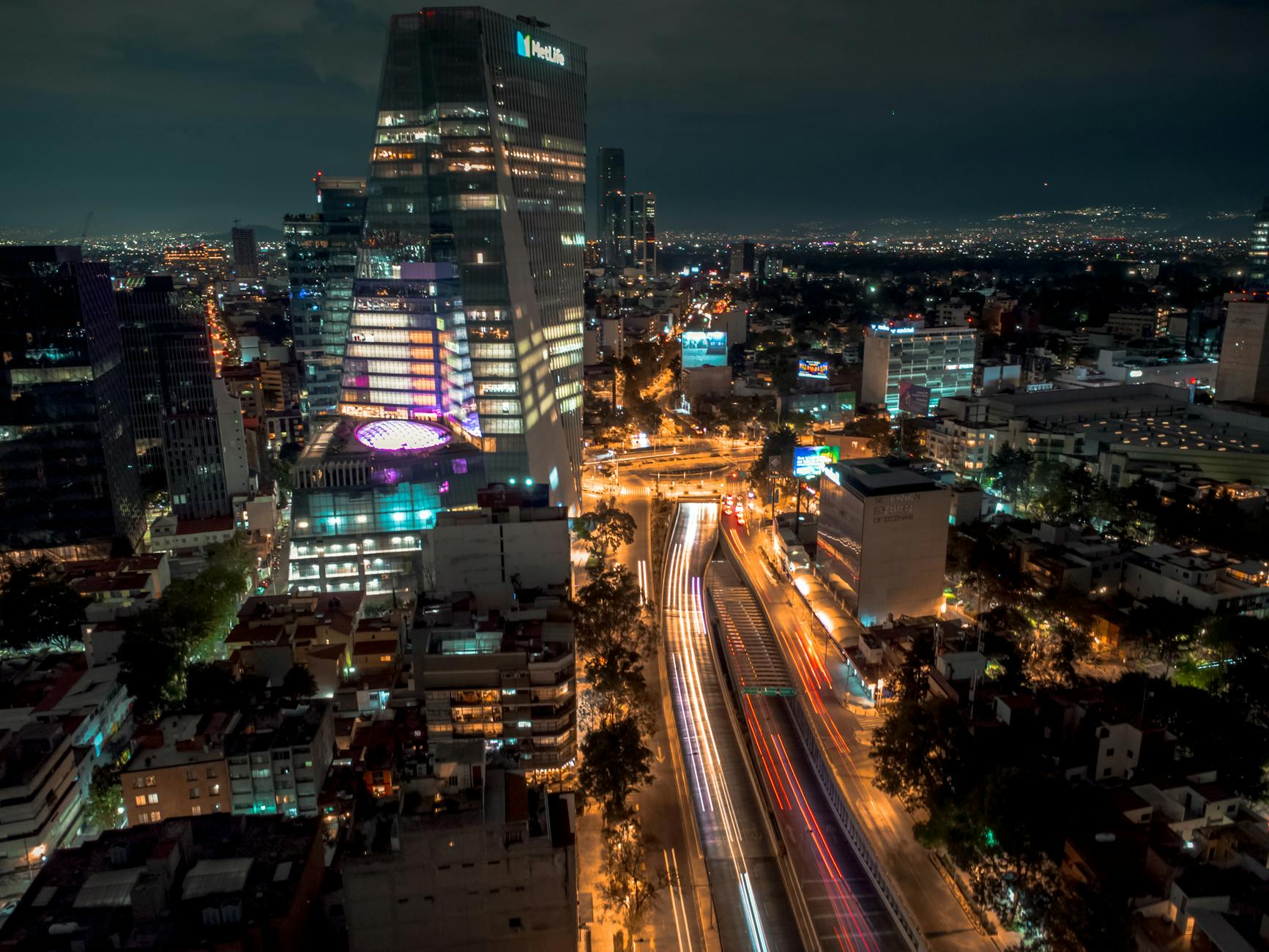
Late-night transport should not be an afterthought. The traveler should know whether they will use rideshare, a trusted taxi plan, a driver, or a short walk only in a well-understood area. Pickup points can be messy near busy bars, crowded streets, events, or venues on narrow roads. Phone battery, mobile data, hotel address, and a backup way to reach the hotel matter more after midnight than they do at dinner.
Groups should agree on whether anyone can leave separately, how check-ins work, and what happens if a phone dies. A nightlife trip can stay flexible without being careless. The point is to make the return predictable enough that the traveler can enjoy the night rather than renegotiate safety while tired or affected by alcohol.
- Decide on rideshare, taxi, driver, or a short known walk before starting the evening.
- Keep phone battery, mobile data, hotel address, and backup contact options available.
- Set group rules for splitting up, check-ins, and early returns before anyone is tired or drinking.
Check venue style, reservations, and door rules
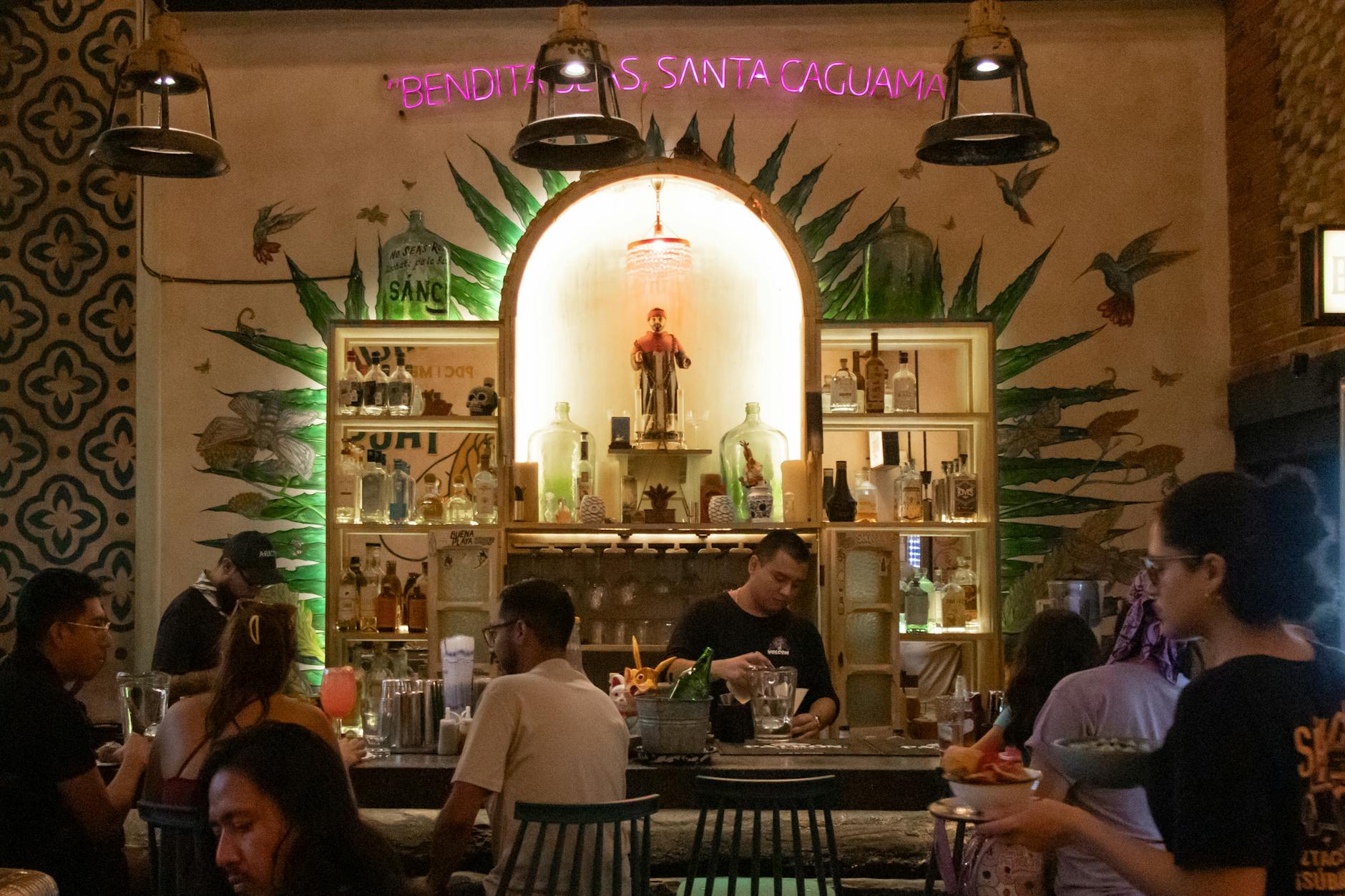
A Mexico City night can involve a low-key cantina, cocktail bar, mezcaleria, live music room, dance club, rooftop, hotel bar, queer venue, private event, or restaurant that becomes a late-night anchor. Each has different expectations. Some need reservations, some have covers, some require ID, some care about dress, some are cash-light, and some are better with Spanish-language coordination. A traveler should verify current hours and rules directly before building the night around one place.
The traveler should also think about sound, crowds, smoking areas, stairs, bathroom access, and whether the venue is right for the group. A bar that is perfect for two adults may be wrong for a larger group, a solo traveler, someone with hearing sensitivity, or a traveler who needs an easy exit.
- Confirm current hours, reservations, covers, ID, dress, cash/card expectations, and entry rules before relying on a venue.
- Separate cantina, cocktail, mezcal, rooftop, live music, club, hotel bar, and queer-nightlife plans.
- Consider group size, stairs, noise, bathrooms, smoking areas, and easy exits when choosing the venue.
Account for alcohol, altitude, and pace
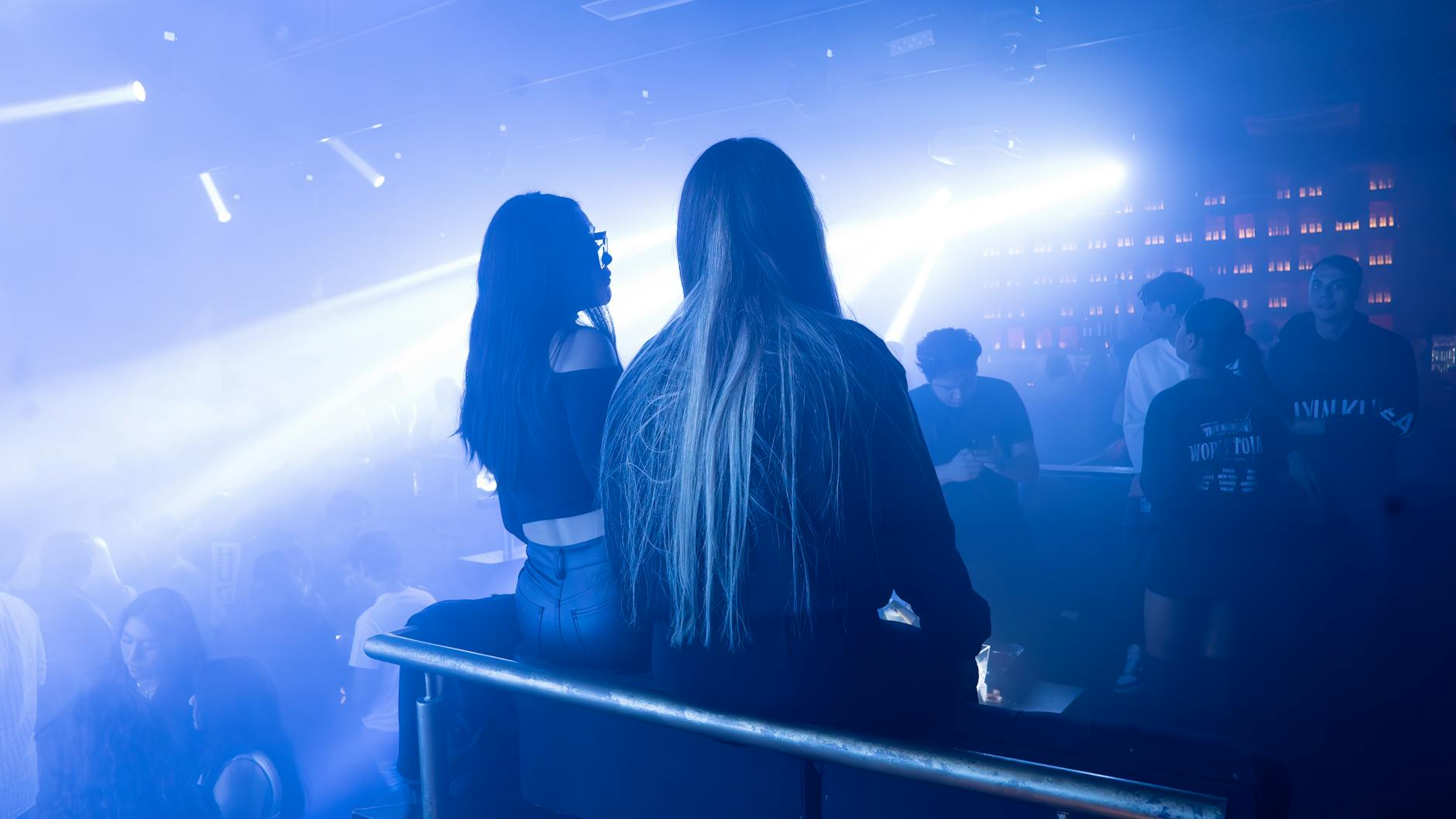
Mexico City's altitude can make a late night feel heavier for some travelers, especially after a flight, a long walking day, spicy food, dehydration, or several drinks. A nightlife-focused trip should still include water, food, rest, and a realistic next morning. The traveler should avoid planning the hardest museum day, business meeting, hike, or airport transfer immediately after the biggest night out.
Basic drink safety matters. Travelers should keep control of their own drinks, avoid accepting unknown substances, watch how alcohol interacts with medication, and leave if a room or companion dynamic feels wrong. The goal is not to make the night cautious to the point of dullness. It is to avoid letting the city's scale and altitude turn a good plan into a preventable problem.
- Plan water, food, pacing, and recovery around altitude and long travel days.
- Avoid putting critical commitments immediately after the latest or heaviest night.
- Keep control of drinks, avoid unknown substances, and account for medication or health constraints.
Make late-night food part of the route
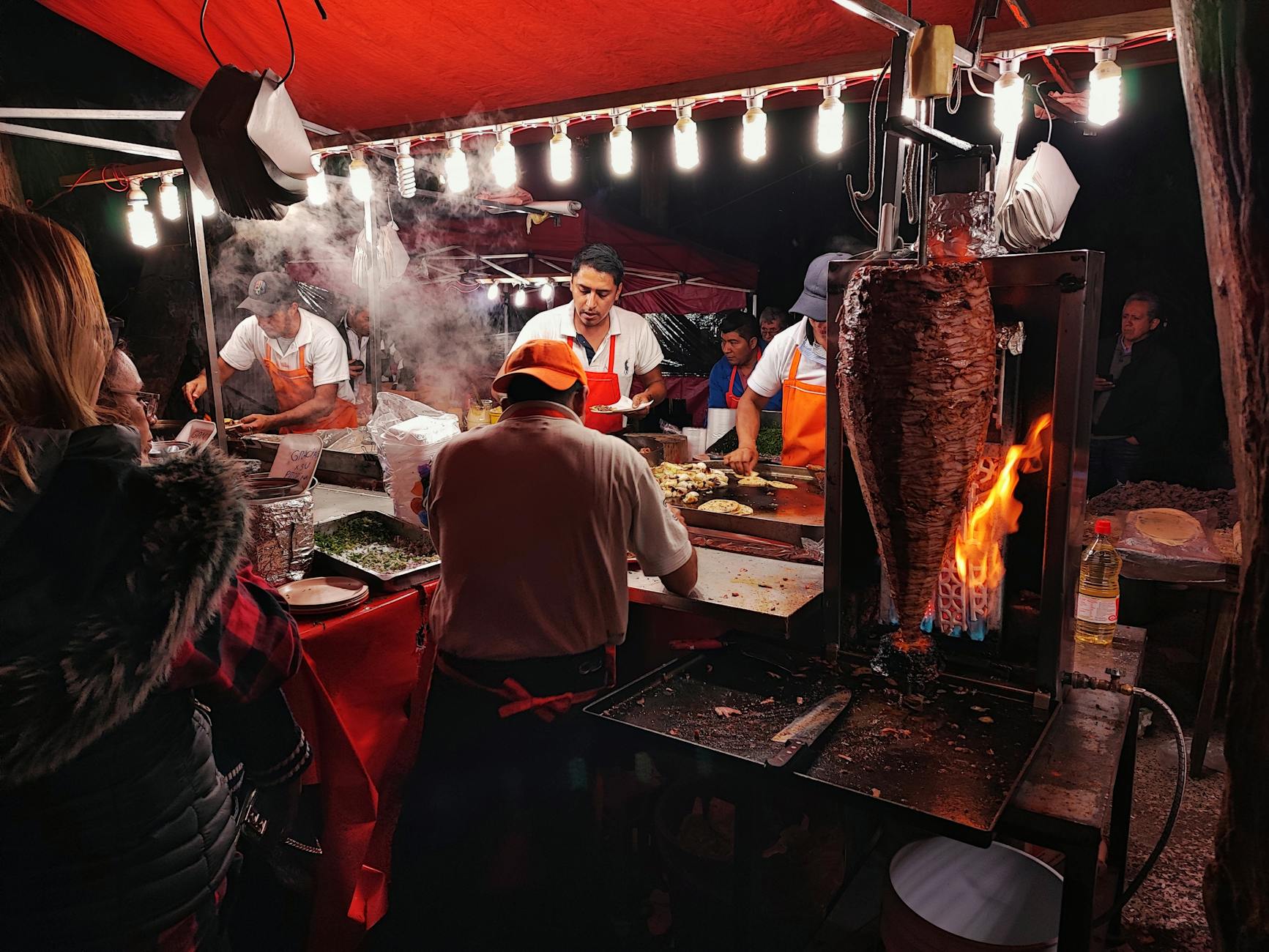
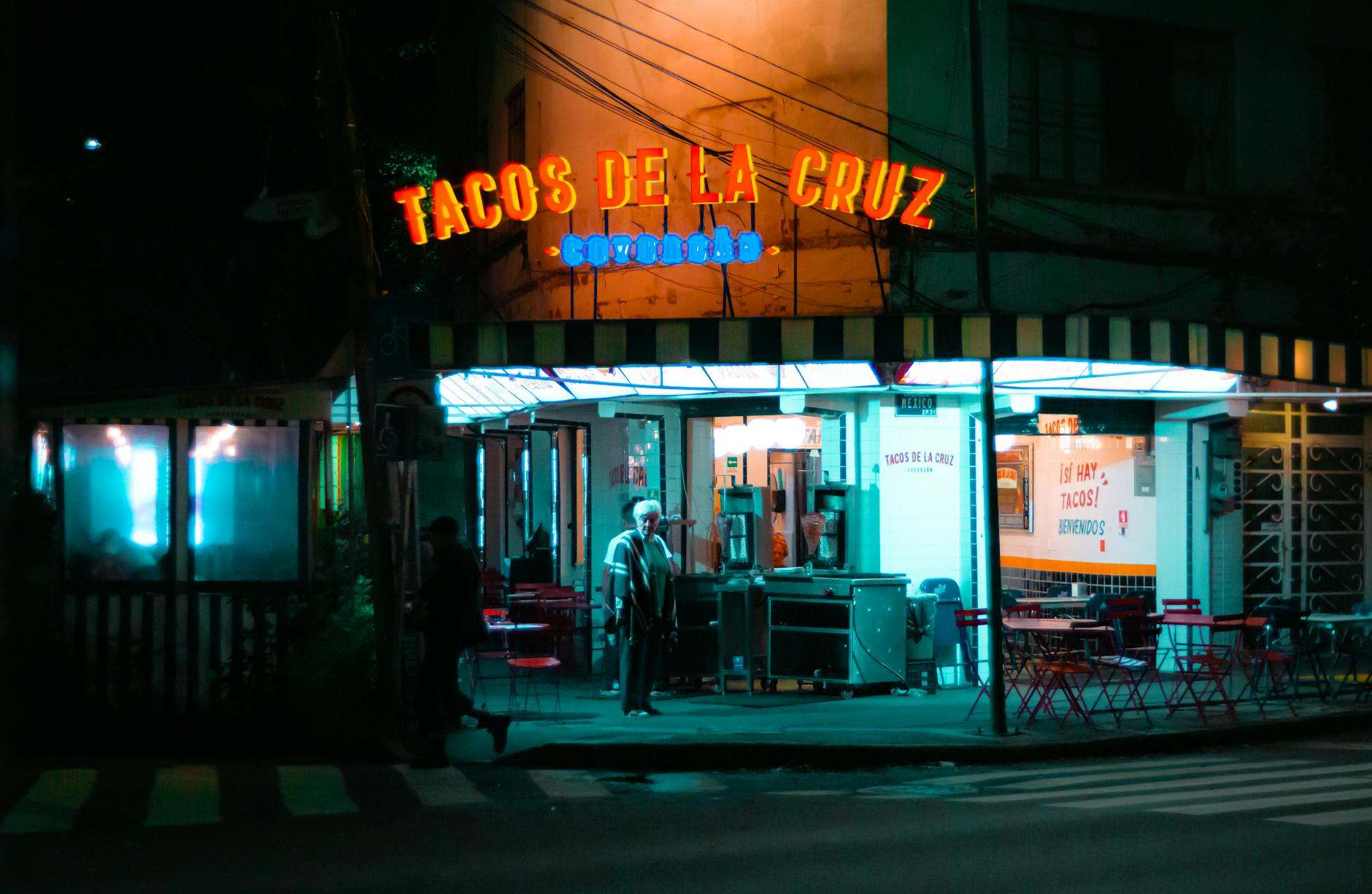
Late-night food can be one of the best parts of a Mexico City night, but it should not be treated as a random final stop. Taquerias, street stands, casual restaurants, and hotel food options all work differently depending on the neighborhood and hour. A traveler who wants tacos after drinks should identify a realistic option near the venue or hotel, not wander with a hungry group looking for whatever is open.
Food planning is also practical risk management. Eating before and during a night out helps with alcohol pacing. Cash, hand hygiene, dietary restrictions, stomach sensitivity, and the return route all matter. If the traveler is with a group, the late-food stop should be chosen by the slowest and most tired person, not by the most ambitious eater.
- Choose late-night food near the venue or hotel before the group is tired.
- Carry cash if needed, and plan for dietary restrictions, stomach sensitivity, and hand hygiene.
- Use food stops to support alcohol pacing and a safer return rather than extending the night blindly.
Plan for solo, women, and LGBTQ+ travelers explicitly
Nightlife planning should be specific about who is traveling. A solo traveler, a group of women, an LGBTQ+ traveler, a mixed group, or a first-time visitor may all choose different neighborhoods, venues, hotels, and return plans. Zona Rosa and other queer-friendly or internationally mixed areas can be useful anchors, but no neighborhood removes the need for normal after-dark judgment. Visibility, crowd density, language comfort, and pickup reliability still matter.
Travelers should avoid real-time posting that reveals exact venue and lodging patterns, especially when alone. They should share plans with someone trusted, keep emergency contacts available, and choose a hotel that makes the return simple. A nightlife trip should not depend on bravery for basic movement.
- Match neighborhood, venue, and hotel choice to the actual traveler, not a generic nightlife list.
- Use trusted check-ins, delayed posting, charged phones, and simple returns for solo or higher-visibility nights.
- Choose queer-friendly or women-friendly anchors deliberately while still planning transport and exits.
When to order a short-term travel report
A traveler planning one dinner and one nearby bar may not need a custom report. A nightlife-focused traveler should consider one when the trip involves multiple neighborhoods, high-demand reservations, clubs, live music, queer nightlife, solo travel, women traveling alone or in small groups, late-night food, dating, VIP expectations, language constraints, medical limits, or early commitments the next day. The failure point is usually not one bad venue; it is a route that ignores distance, timing, fatigue, and the return.
The report should test hotel geography, neighborhood fit, venue sequence, current hours, reservation needs, entry rules, safe return options, late-food anchors, phone and cash planning, solo or group risk, after-dark walking, and next-morning recovery. The value is a night that feels open while still having enough structure to hold together.
- Order when multiple districts, clubs, live music, queer nightlife, solo travel, dating, or late returns make planning consequential.
- Provide hotel candidates, nightlife style, group size, dates, reservations, mobility or medical limits, and next-morning commitments.
- Use the report to align the night's ambition with transport, venue rules, safety, late food, and recovery.