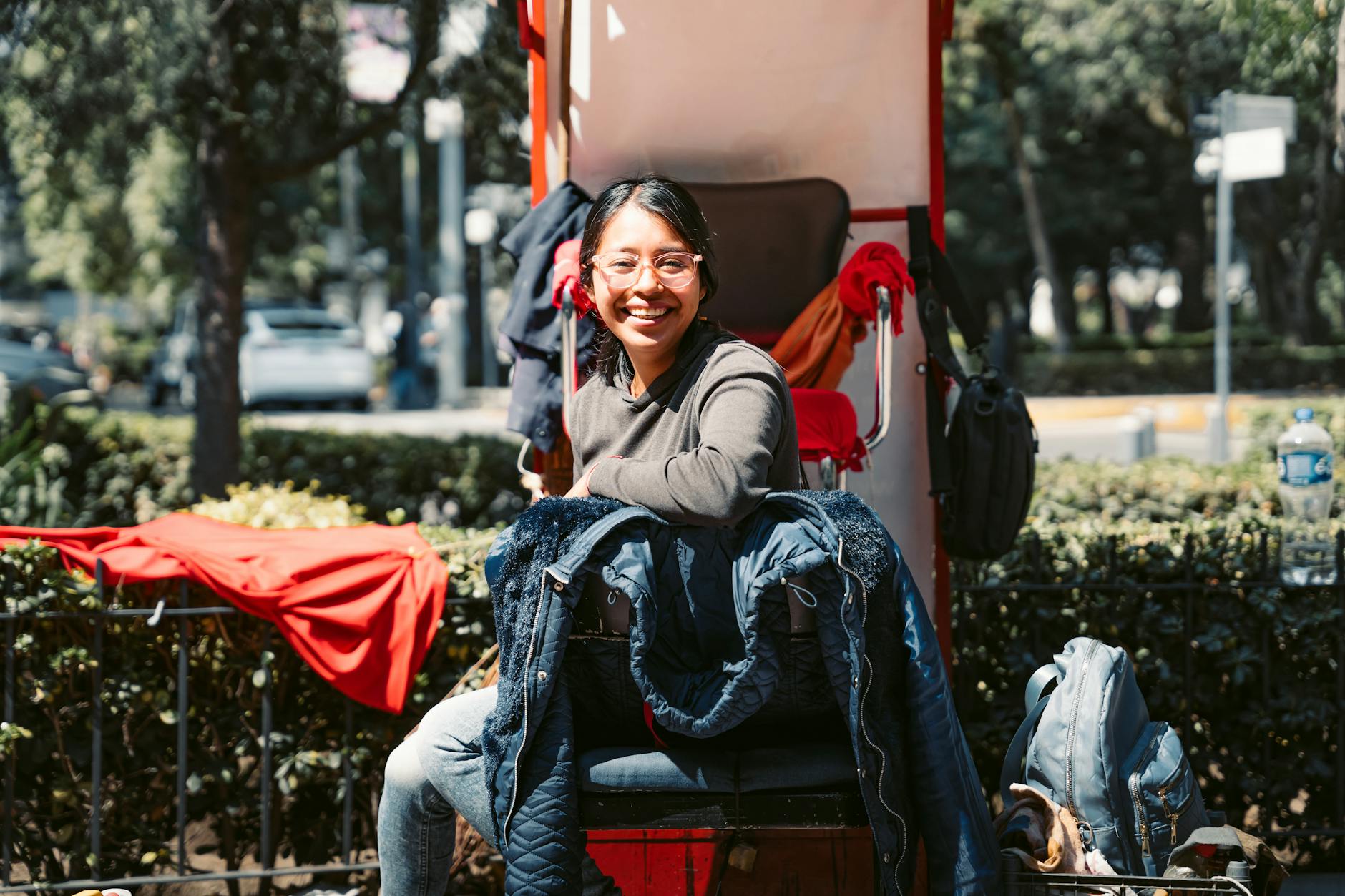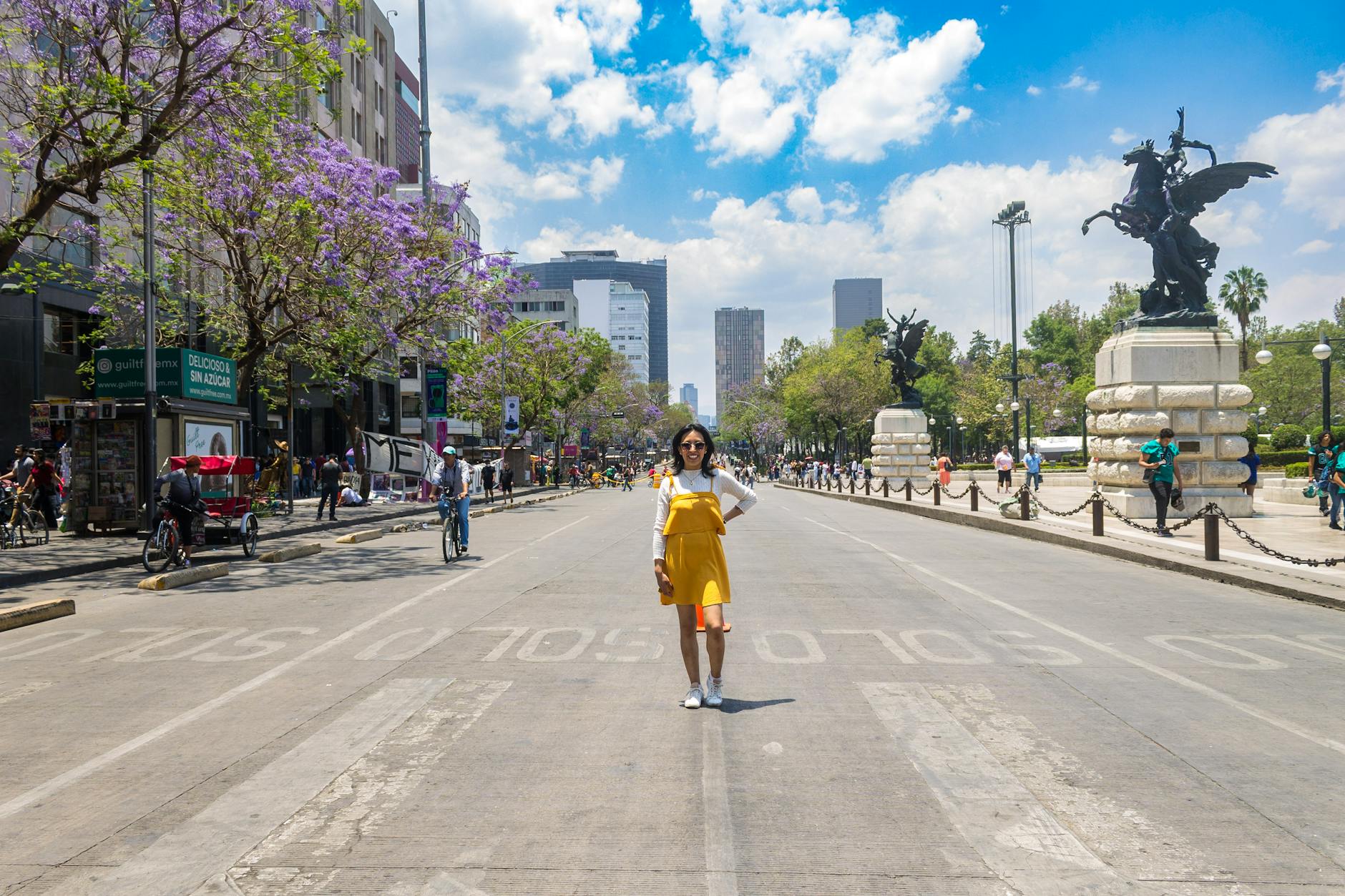
Mexico City can be a very rewarding destination for women travelers, including solo women, friends, mother-daughter pairs, professionals, and visitors joining a group for only part of the stay. The city offers strong neighborhoods, serious food, museums, parks, cafes, shopping, and cultural depth. It also asks for ordinary urban discipline: good lodging geography, controlled airport arrival, sensible evening returns, phone and payment backups, and a clear sense of when walking, transit, car service, or a guide is the better choice. The aim is not to make the city sound hostile. It is to preserve freedom. Women usually do better here when the trip is built around neighborhoods that support easy meals and returns, when late movement is decided before the night starts, and when social invitations, nightlife, markets, and rides are handled with enough boundaries that the traveler can enjoy the city without constantly renegotiating safety.
Choose a base that gives you options
For a woman traveler, the lodging district should make daily choices easier instead of forcing constant calculation. Roma and Condesa often work well because they offer cafes, restaurants, parks, walking streets, and visible street life into the evening. Polanco can be better for polished hotels, controlled arrivals, museums, shopping, and easier vehicle movement. Reforma can suit mixed business and sightseeing. Centro Historico, Coyoacan, and farther neighborhoods can be rewarding, but they should be chosen deliberately rather than because a listing looked charming or cheap.
Before booking, test the exact return environment: lighting, lobby or host support, ride pickup, late food, nearby pharmacy, and how it feels to arrive alone after dinner. A slightly more expensive base that supports confident returns can be more valuable than a cheaper room that makes every evening feel like a tactical problem.
- Choose lodging that supports easy meals, visible street life, ride pickup, and simple returns.
- Use Roma, Condesa, Polanco, or Reforma when convenience and repeatable movement matter.
- Check late arrival, street lighting, lobby support, pharmacy access, and nearby food before booking.
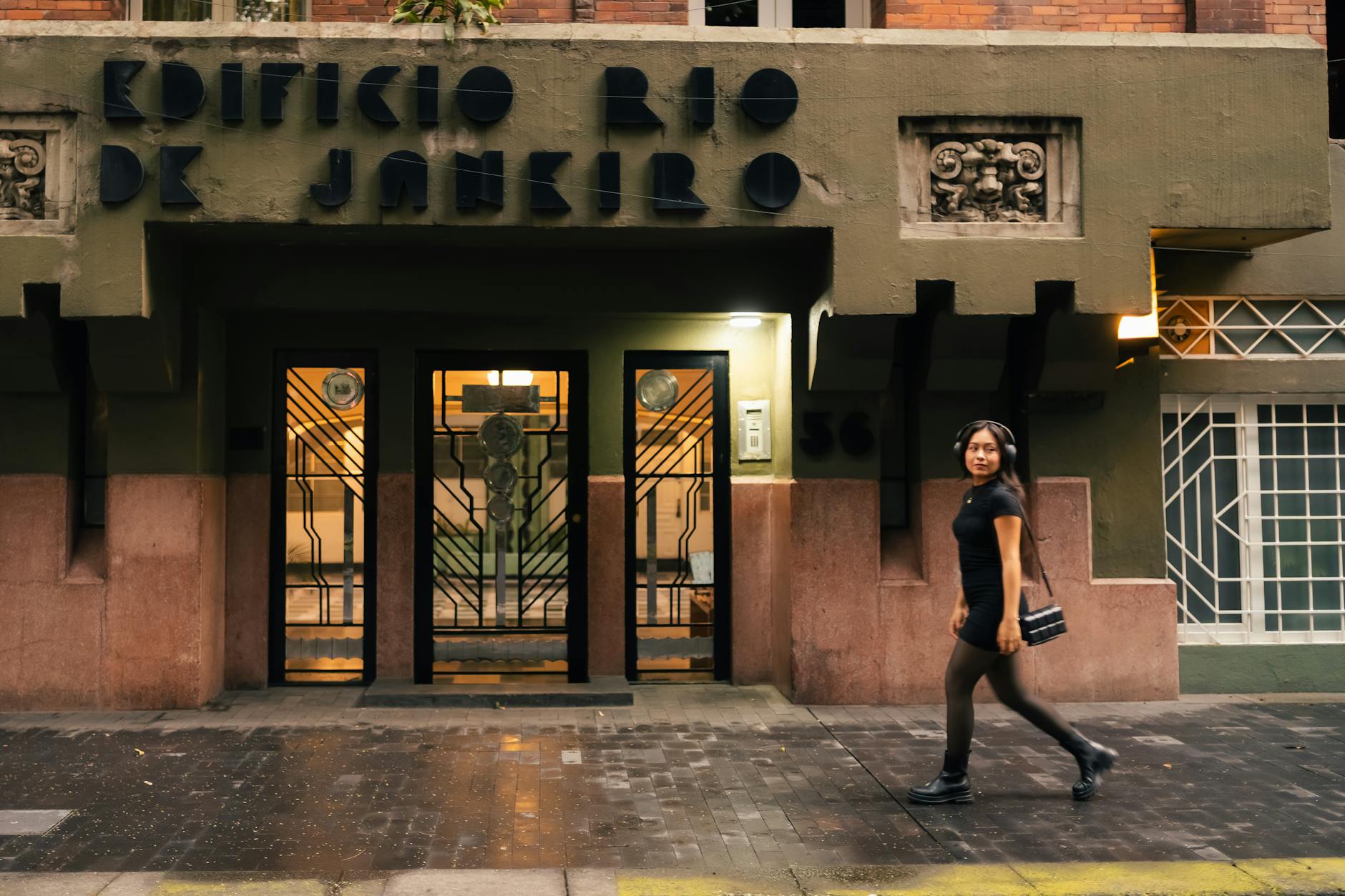
Make arrival controlled, especially alone
Airport arrival is where a woman traveler should remove ambiguity. Mexico City International Airport and Felipe Angeles create different transfer questions, and the traveler should know the pickup point, vehicle plan, hotel route, payment method, and backup contact before departure. Late arrivals, checked luggage, weak Spanish, fatigue, or a first visit all argue for a more managed transfer rather than improvising curbside.
The phone matters, but it should not be the only system. Keep the lodging address offline, preserve battery, separate payment methods, and have a backup way to contact the hotel or driver. If a ride app pickup feels messy, step back into a controlled area before solving it. The first hour should feel boring, not dramatic.
- Preselect the airport transfer and keep pickup details available offline.
- Carry backup payment, hotel address, emergency contacts, and key route notes outside the app flow.
- Use a hotel car, trusted driver, or well-managed ride process when arriving late or tired.
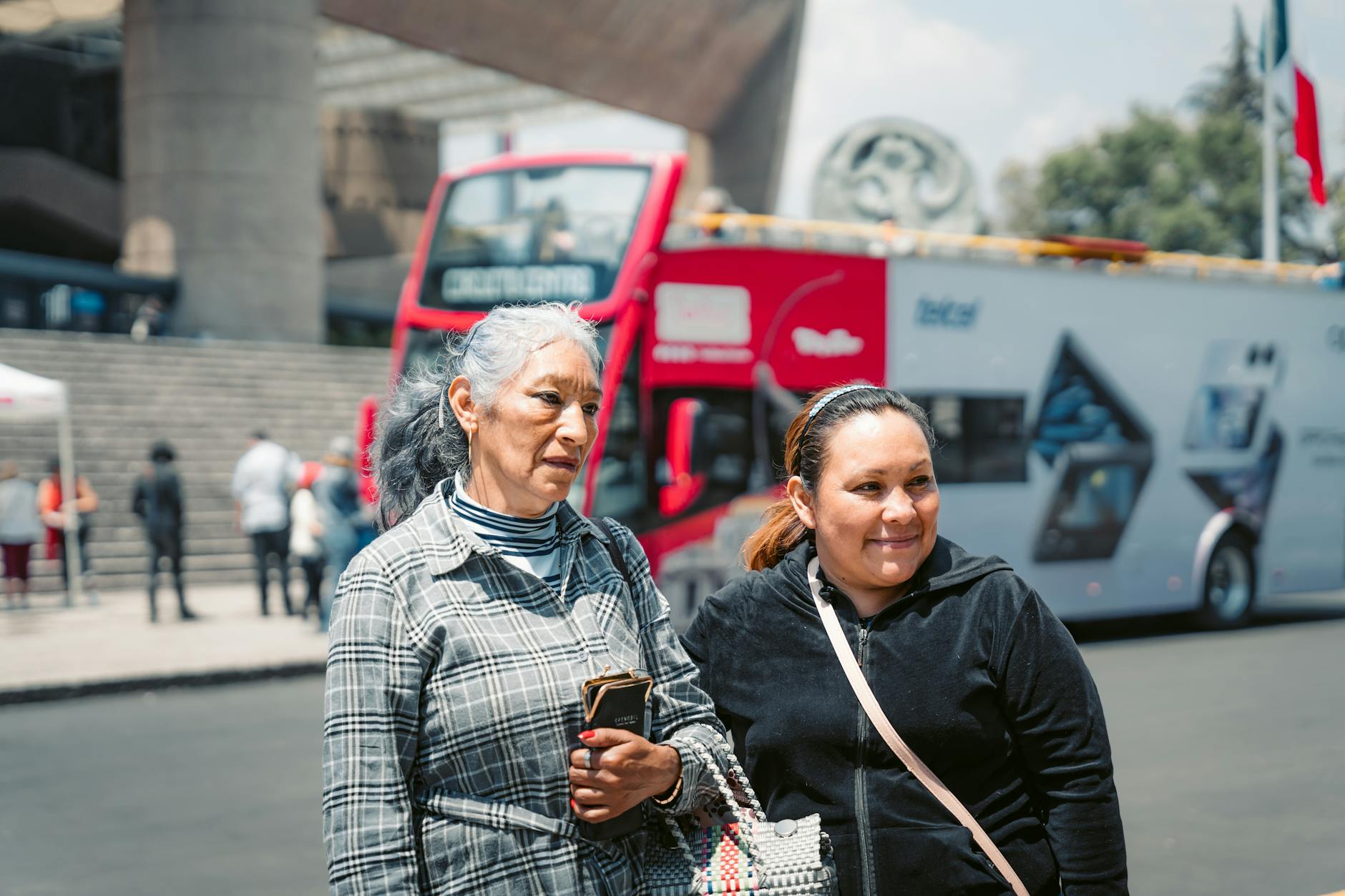
Move through neighborhoods with a clear daytime rhythm
Mexico City rewards daytime neighborhood exploration when the traveler gives each area a sensible frame. Roma, Condesa, Polanco, Chapultepec, Centro, Coyoacan, and Juarez all ask for different habits. Roma and Condesa can support wandering, cafes, shops, and meals. Centro is better with a route, a known exit, and attention to crowds. Coyoacan deserves its own half day rather than being added after the traveler is already tired. Chapultepec and Polanco can pair well when the day is built around parks, museums, and controlled transitions.
The useful habit is to wander inside a boundary. Know the next anchor, meal, or exit before the phone comes out. Step aside before checking maps. Avoid drifting into unclear streets simply because the route looks short. Confidence is easier when the day has a visible shape.
- Explore inside district clusters rather than crossing the city for isolated stops.
- Use Centro, markets, and crowded corridors with a route and exit plan.
- Keep phone checks discreet and make route decisions away from curbs and crowd flow.
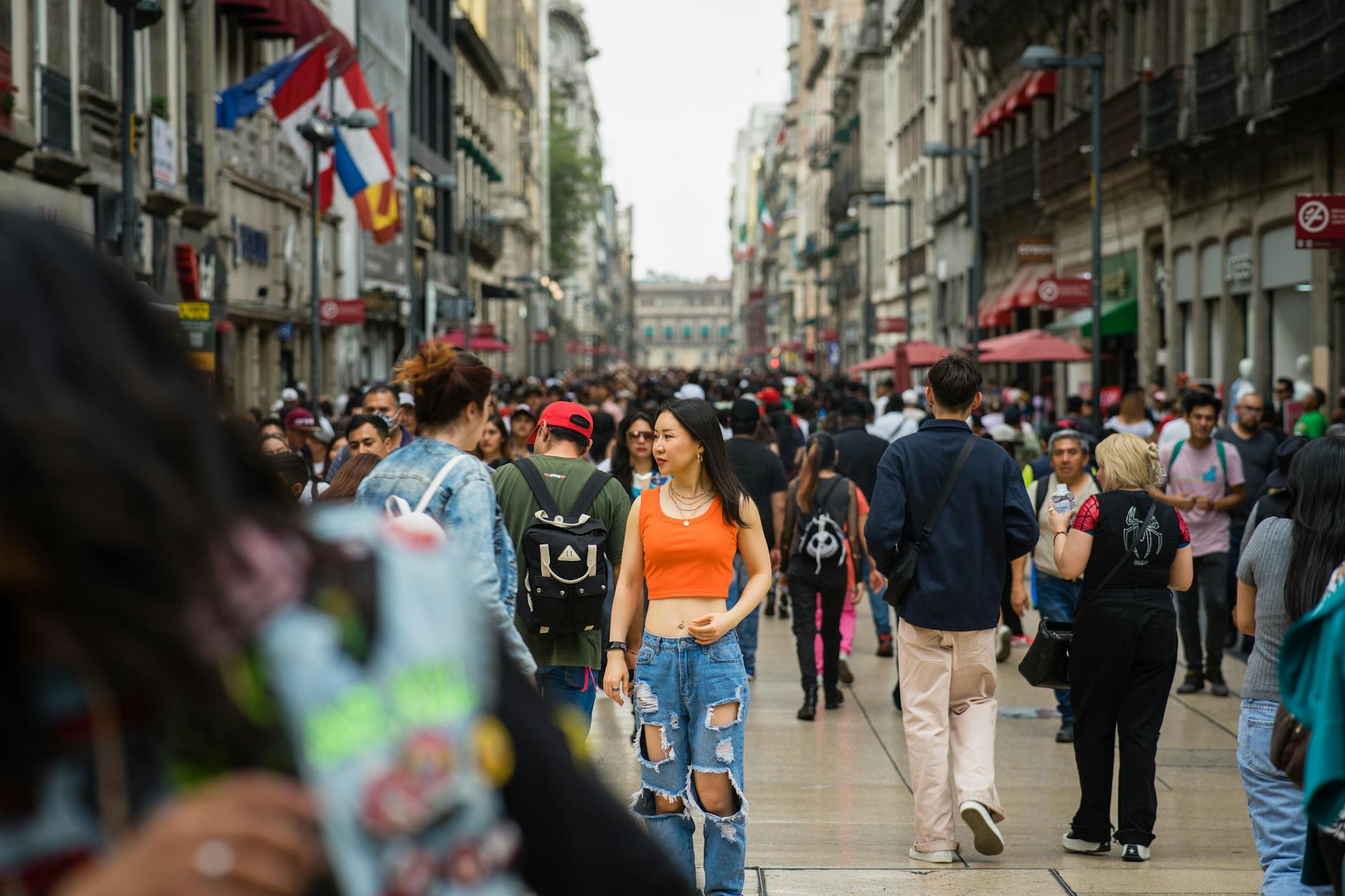
Treat attention and social invitations with boundaries
Most interactions in Mexico City will be ordinary, helpful, or neutral, but a woman traveler should still decide how much attention she wants to accept. Street comments, persistent vendors, nightlife invitations, and friendly strangers can range from harmless to draining. The traveler does not need to explain every no. A calm refusal, continued movement, and a prechosen destination are usually better than extended negotiation.
Social opportunities can be part of the trip: food walks, galleries, classes, group tours, hotel bars, professional meetings, and conversations with other travelers. The boundary is movement control. Do not let a new contact choose the next place without checking the district, route, and return. Do not leave drinks, bags, or phone unattended. Do not trade a known return for an unclear extension of the night.
- Use short refusals and continued movement when attention becomes persistent.
- Keep control of drinks, bags, phone, payment, and next destination in social settings.
- Accept invitations only when the district, route, timing, and return still make sense.
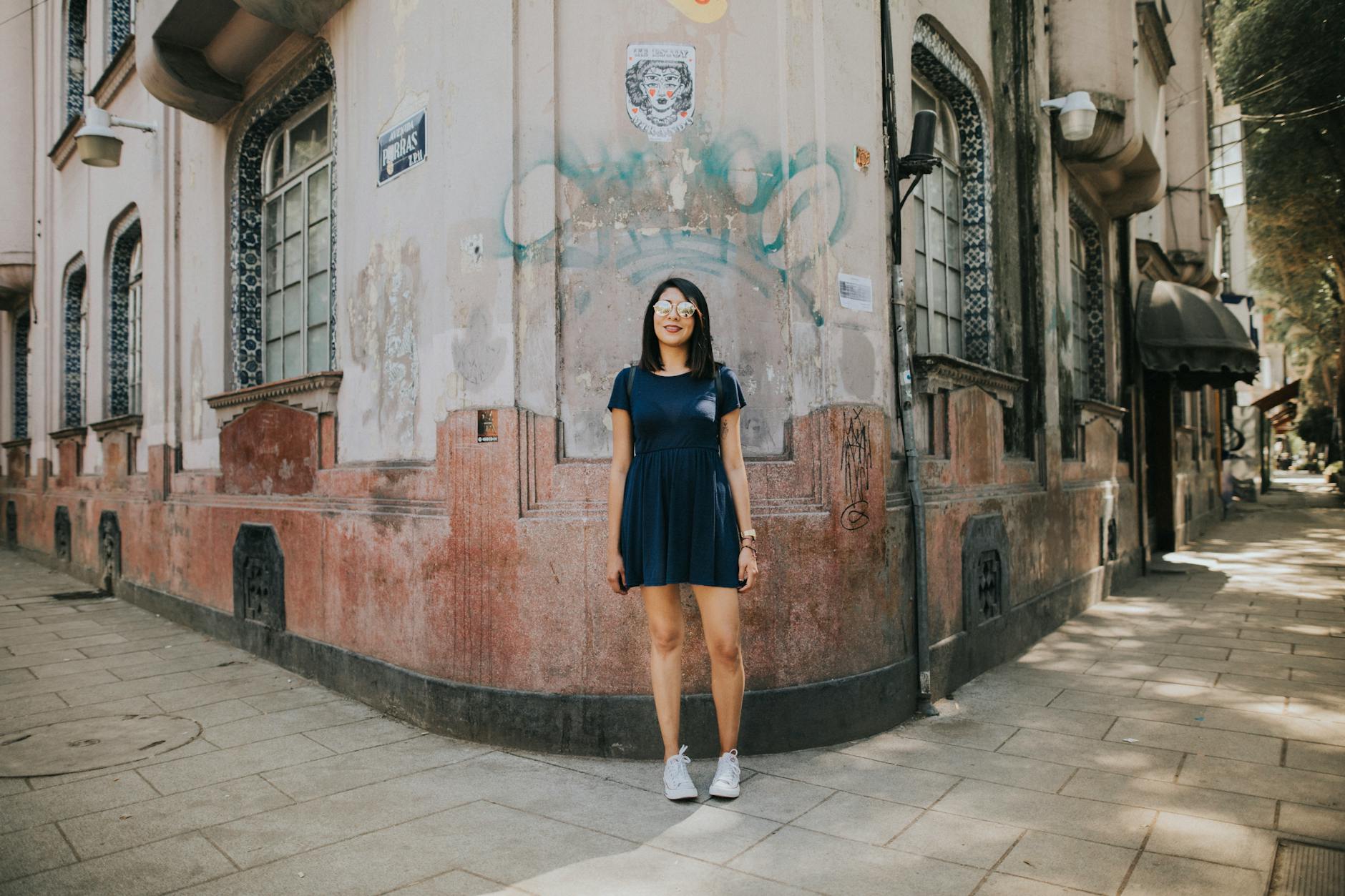
Plan nightlife before the night starts
Mexico City has excellent evenings, and women travelers should not assume the answer is to avoid them. The answer is to choose the tone and the ending. Roma, Condesa, Polanco, Juarez, hotel bars, restaurants, rooftops, and group events can all work, but late-night movement should be decided before dinner or drinks begin. The traveler should know whether she is walking, using an app ride, calling a hotel car, or ending the evening near the base.
Clothing and bag choices also become practical at night. Shoes should support sidewalks and pickup points. Bags should close. A visible phone should not become a habit in a crowd or curbside wait. If the night changes, the return plan should change deliberately, not through momentum.
- Choose evening districts and return method before dinner, drinks, or events begin.
- Use cars or hotel support when late movement, fatigue, rain, or unclear pickup points add friction.
- Keep shoes, bag, phone, and payment choices practical for the actual route home.
Health, clothing, and daily comfort matter
A woman traveler should plan for comfort without letting comfort become an afterthought. Altitude, dry air, walking, sun, heat, air quality, and long museum days can affect energy quickly. Menstrual supplies, medication, contraception, prescriptions, skincare, comfortable shoes, layers, and a small day kit should be organized before departure. Pharmacy access is useful, but it should not be the only plan for essentials.
Clothing should fit the itinerary. Mexico City is stylish in many districts, but the day may include uneven sidewalks, museum security, weather changes, conservative settings, and late vehicle pickups. The best clothing choices support confidence and movement rather than only photographs. A traveler who can walk, sit, enter cultural spaces, and return comfortably has more freedom.
- Plan supplies, prescriptions, footwear, layers, hydration, and sun protection before arrival.
- Choose clothes and bags for sidewalks, museums, restaurants, weather, and evening returns.
- Know nearby pharmacies but do not rely on finding essentials at the moment they are needed.
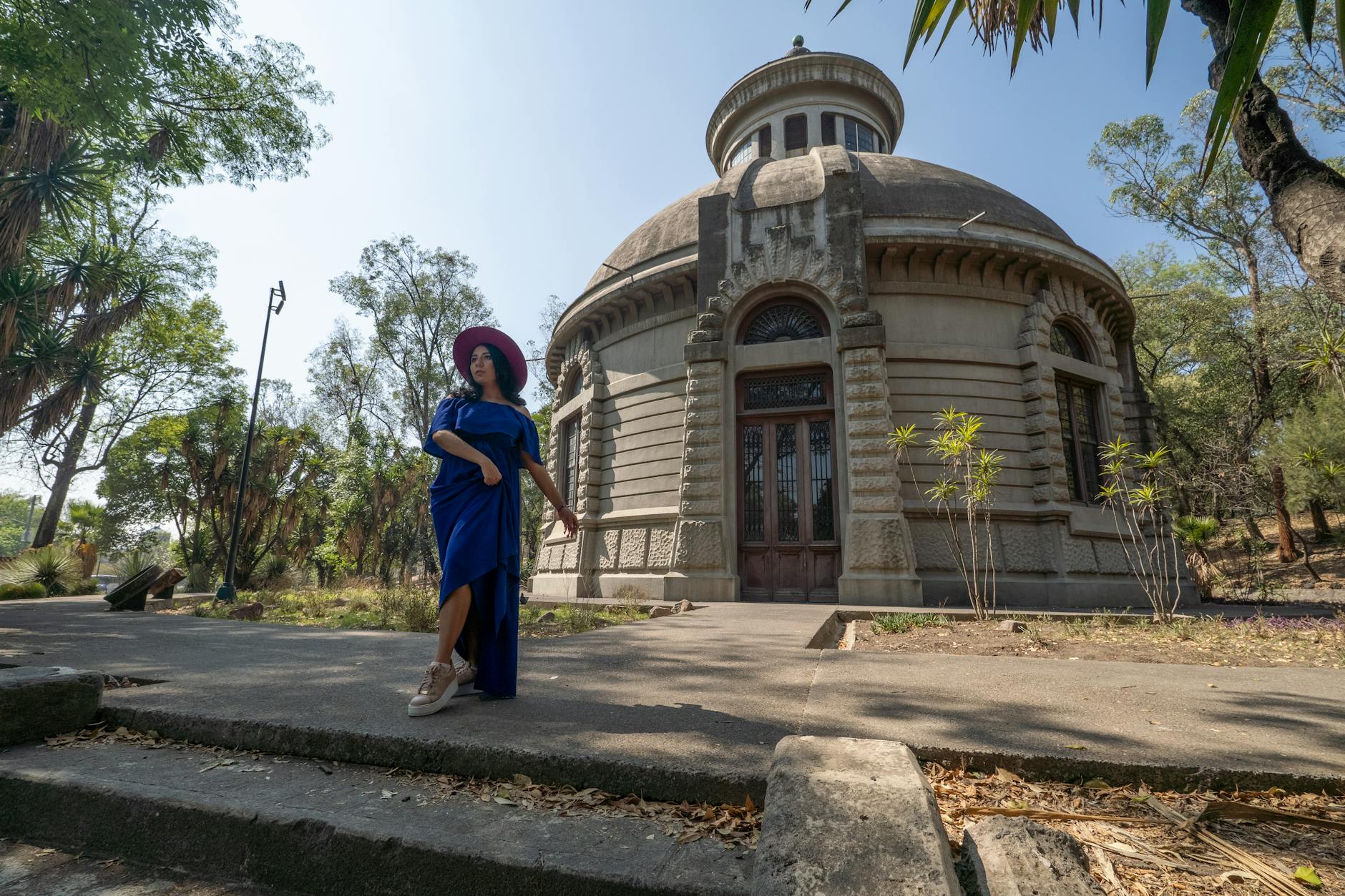
When to order a short-term travel report
A confident woman traveler with a flexible schedule and strong city experience may not need a custom report. A report becomes useful when the trip is short, first-time, solo, late-arriving, nightlife-heavy, work-linked, medically sensitive, or built around neighborhoods the traveler has not yet experienced. It is also useful when deciding between hotels, apartments, guesthouses, and districts that look similar online but behave very differently after dark.
The report should test lodging, arrival, daily clusters, transport habits, food plans, evening returns, phone and payment backups, health needs, current local signals, and personal comfort thresholds together. The value is not a generic warning list. It is a practical plan that lets a woman traveler move through Mexico City with more freedom and fewer preventable weak points.
- Order when the trip is first-time, solo, late-arriving, nightlife-heavy, work-linked, medically sensitive, or hard to redo.
- Provide lodging options, flights, walking comfort, health needs, food goals, nightlife plans, and comfort thresholds.
- Use the report to choose the base, set transport rules, cluster days, and protect evening returns.