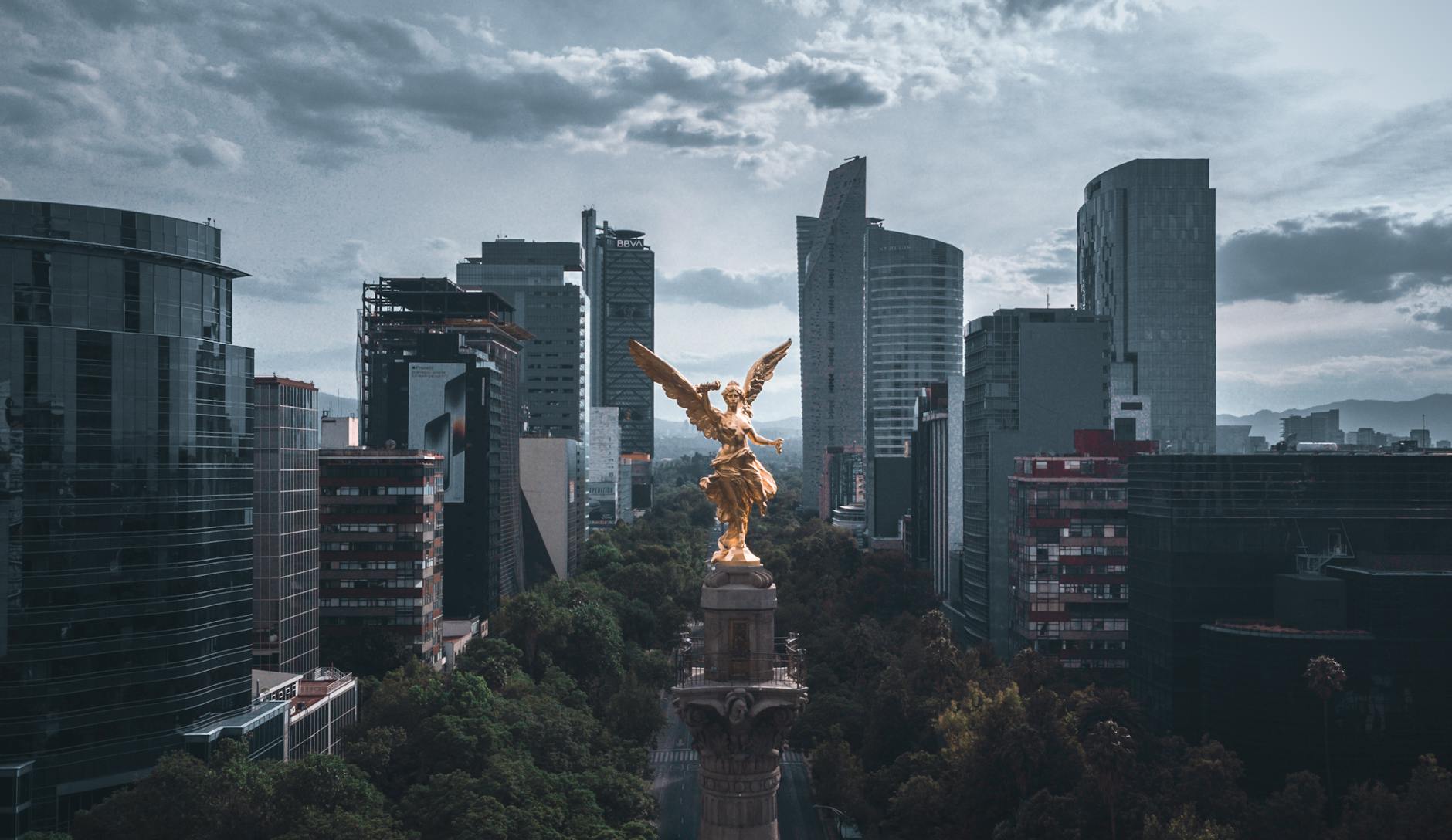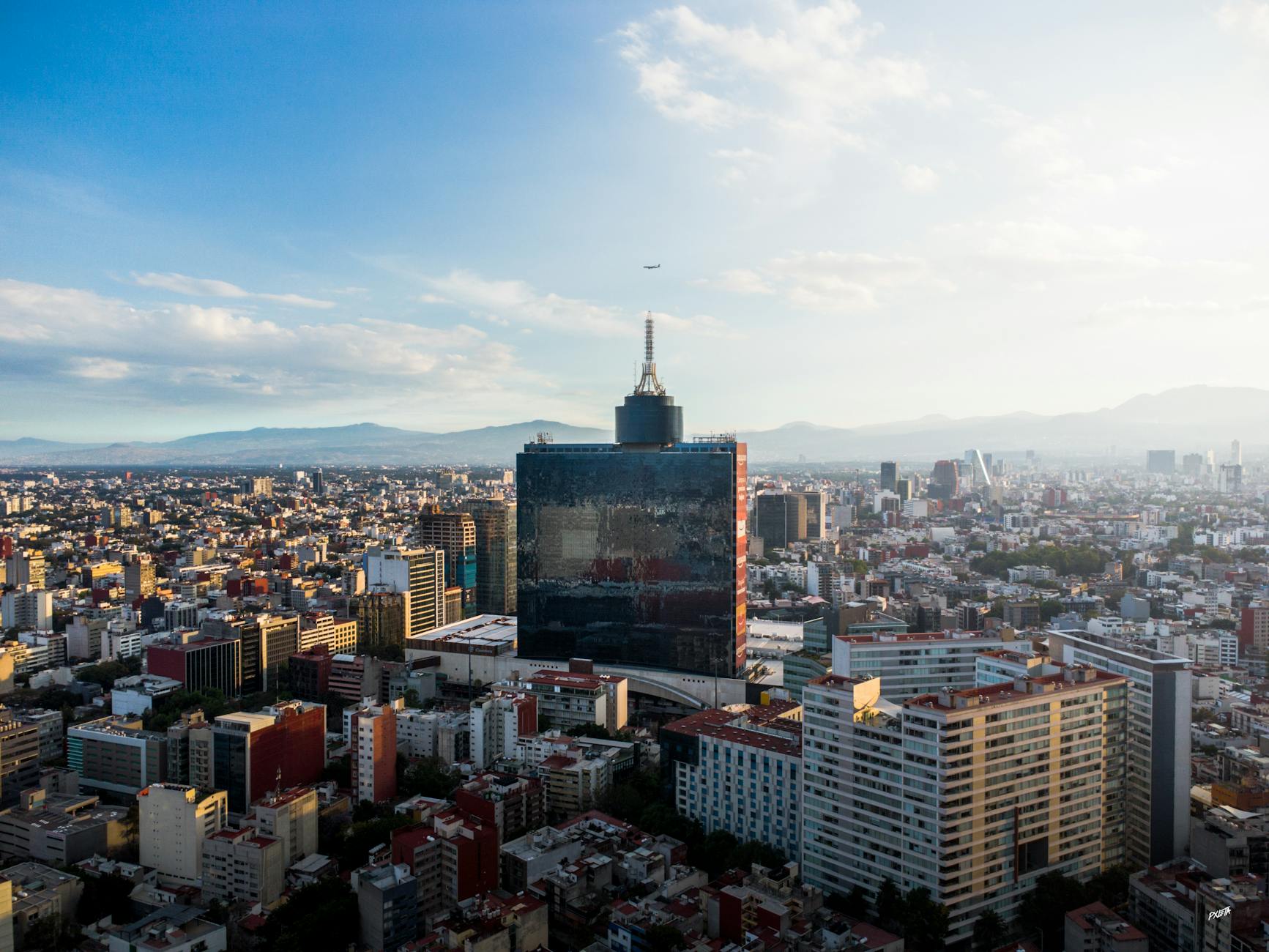
A Mexico City trade-show trip is a working trip first. The traveler may be attending as a buyer, staffing a booth, meeting distributors, carrying samples, evaluating suppliers, hosting clients, reviewing competitors, or moving between a venue, hotel, side meetings, and dinners. Mexico City can support that well, but only when the plan treats the city as an operating environment rather than a backdrop. Traffic, venue location, altitude, hotel access, luggage, late returns, and meeting geography all shape the commercial value of the visit. The key is to plan from the fixed obligations outward. Where exactly is the venue entrance? When does registration open? What materials must arrive with the traveler? Which meetings justify cross-city movement? How will the attendee recover after a long floor day? Which dinner route still works after traffic, rain, or fatigue? A strong short trip keeps the attendee close enough to the work, rested enough to make decisions, and organized enough to turn floor conversations into follow-up.
Start with the exact venue and entrance
A trade-show attendee should begin with the event address, not with a general idea of staying in Mexico City. Centro Citibanamex, the World Trade Center area, Expo Santa Fe, a Reforma or Polanco hotel ballroom, a university venue, a museum event space, or a private industry gathering each creates a different operating day. The morning route, exhibitor access, badge pickup, security, sample movement, and evening return all depend on the venue's real geography.
The attendee should know which entrance matters, whether exhibitors and visitors use different doors, when registration opens, where vehicles can stop, and how long it takes to move from hotel room to show floor under working conditions. A venue that looks reasonable on a map can become fragile when traffic, rain, corridor congestion, or a distant drop-off point appears. Trade-show timing has less margin than sightseeing, so the venue should drive the hotel, arrival, and dinner plan.
- Confirm the venue, entrance, badge pickup, exhibitor access, vehicle stop, and opening schedule before booking.
- Treat Centro Citibanamex, WTC, Expo Santa Fe, Reforma, Polanco, and hotel venues as different trips.
- Map the room-to-show-floor route for the first morning, not only the airport-to-hotel transfer.
Choose lodging that can support work logistics
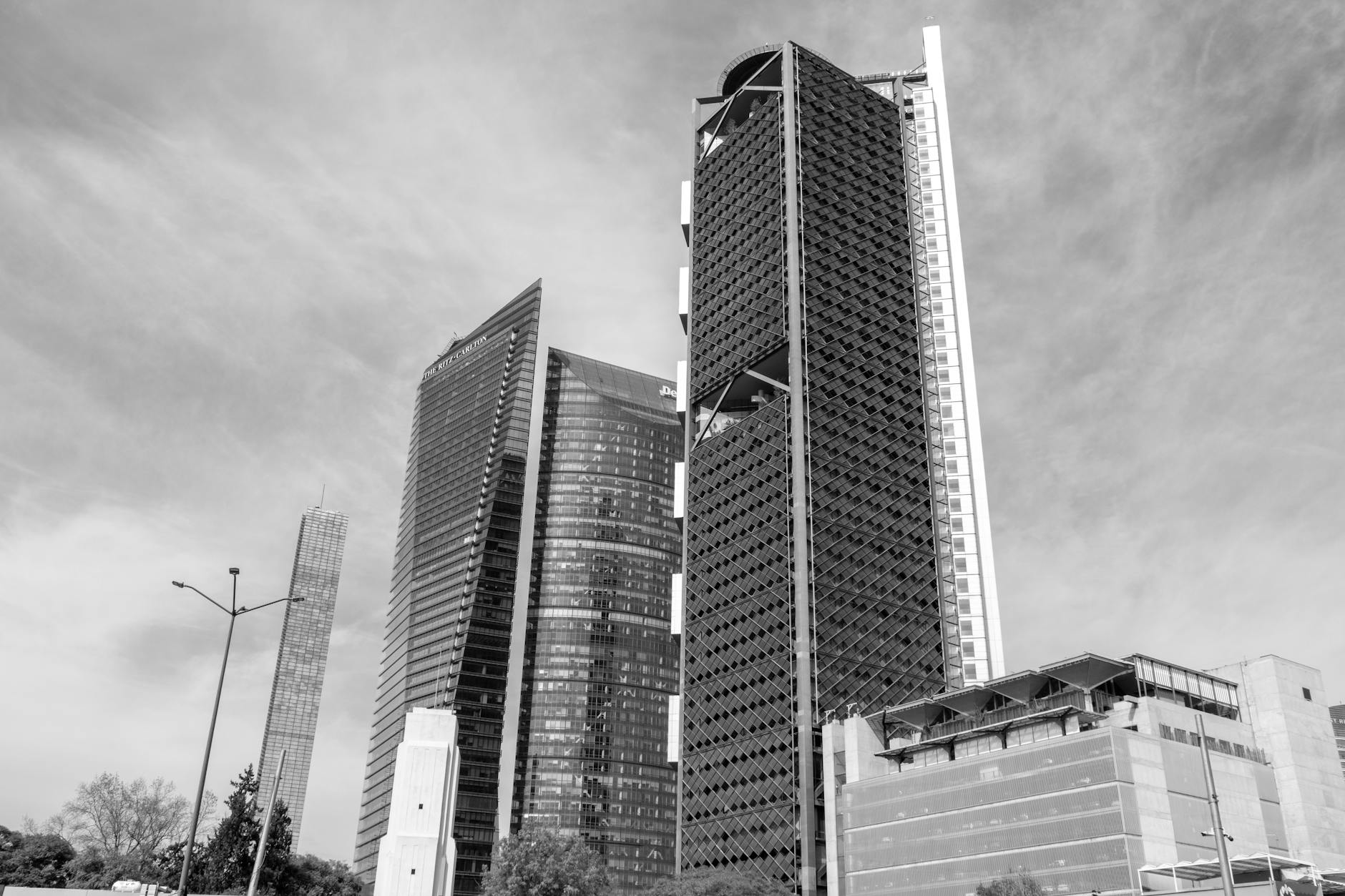
A trade-show hotel has to do more than provide a bed. It may need to receive packages, store samples, support early departures, provide reliable breakfast, arrange vehicles, offer quiet space for calls, hold luggage after checkout, or let the traveler return quickly if a charger, badge, jacket, catalog, or sample is missing. A stylish hotel can be the wrong answer if it makes every materials run difficult or leaves the traveler far from practical food after a long floor day.
Hotel geography should follow the role. An exhibitor with setup obligations may need to stay nearer the venue or on a clean driver route. A buyer with evening meetings may prefer Reforma, Polanco, Roma, or Condesa if the venue route still works. A Santa Fe event may make west-side practicality more important than central atmosphere. The strongest base reduces repeated friction rather than asking the attendee to solve it every morning.
- Ask about package receipt, sample storage, early breakfast, vehicle pickup, workspace, and luggage hold before booking.
- Choose the base by role: exhibitor, buyer, speaker, sales lead, procurement visitor, or booth support.
- Do not let a more appealing neighborhood create a weak morning route to the event.
Make arrival, samples, and documents boring
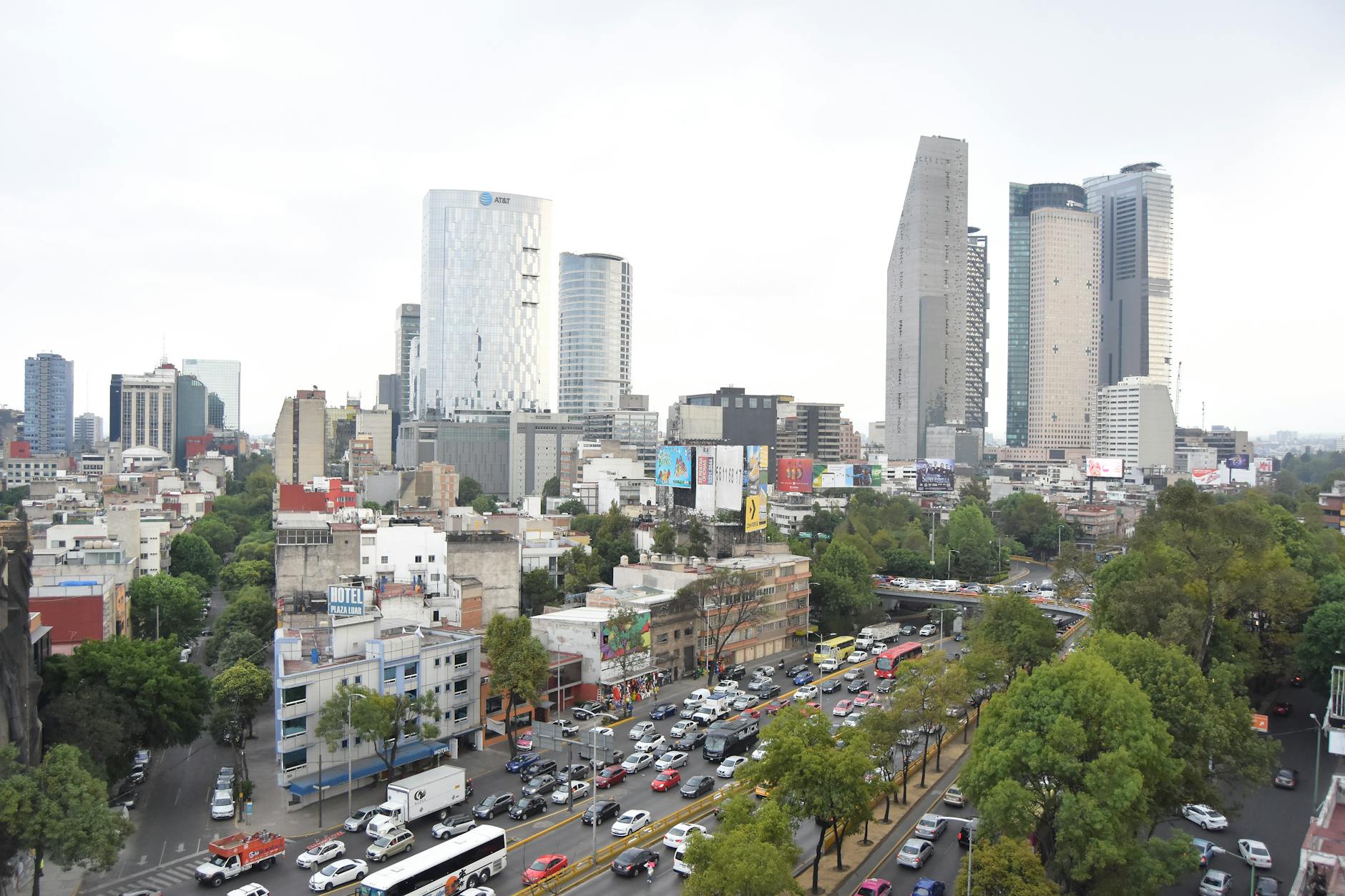
Trade-show problems often start before the first floor conversation. A late flight, long airport transfer, missing bag, weak pickup, forgotten charger, damaged sample, customs question, or hotel that cannot receive a package can turn the opening day into triage. Mexico City International Airport and Felipe Angeles create different arrival choices, and those choices matter more when the traveler has boxes, demo gear, printed material, or a same-day setup window.
The attendee should separate personal arrival from material logistics. Decide what ships ahead, what stays in carry-on, what goes in checked luggage, what can be replaced locally, and what needs a duplicate. Badges, QR codes, invitation letters, business cards, charging blocks, portable batteries, product sheets, and presentation backups should not depend on one phone or one bag. The goal is to make the first official show morning feel routine.
- Separate shipped items, carry-on essentials, checked materials, and locally replaceable supplies before departure.
- Confirm hotel or venue receiving rules for samples, catalogs, signage, demo gear, and packages.
- Keep badges, QR codes, adapters, chargers, business cards, and critical product information duplicated or backed up.
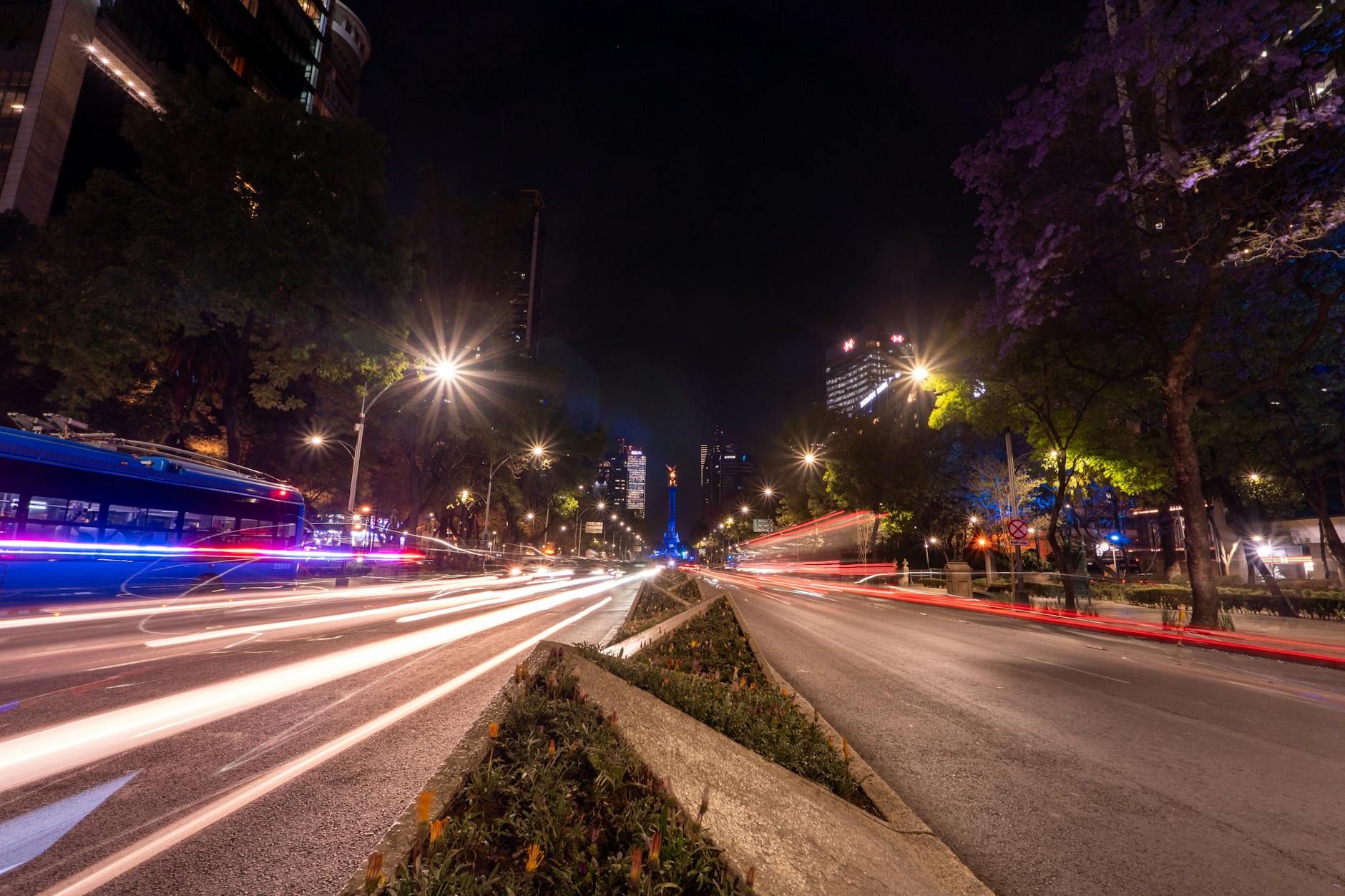
Treat floor days as operating days
A show day is physically and mentally expensive. Badge queues, security, hall entry, long standing periods, repeated conversations, Wi-Fi problems, charging needs, lead capture, meals, water, restroom breaks, and team handoffs all matter. Mexico City's altitude and traffic add another layer: the traveler may arrive already depleted if the morning route was too tight. The plan should protect the high-value moments first, such as scheduled buyer meetings, booth coverage, demos, competitor review, and distributor conversations.
The attendee should define the floor rhythm before arrival. Which meetings are fixed? Which aisles or competitors must be checked? Who covers the booth during breaks? Where will notes be captured? When is it acceptable to leave? The event is not finished when the hall closes if the day's leads, photos, and follow-up tasks are already becoming messy.
- Schedule badge pickup, booth coverage, floor time, water, meals, charging, and lead capture as working tasks.
- Protect priority meetings from traffic delay, registration queues, long lunches, and unscheduled wandering.
- Reconcile notes and follow-up actions each night before the next floor day overwrites the details.
Cluster side meetings and client dinners
Trade-show value often continues outside the hall, but Mexico City can make side meetings too scattered. A supplier visit in Santa Fe, a buyer dinner in Polanco, a reception on Reforma, a hotel meeting in Roma, and a venue far to the west may all be possible in one day and still be a poor operating plan. The attendee should decide which meetings are commercially important and which ones only add movement after a draining floor schedule.
Strong networking plans cluster people and places. If the show is near Polanco or Centro Citibanamex, keep dinners nearby unless a cross-city meeting justifies the transfer. If the event is in Santa Fe, do not assume central-city hospitality will be easy after the last session. A high-value dinner can be worth distance, but it should include a clean return, realistic timing, and enough margin for traffic or rain.
- Cluster receptions, dinners, supplier checks, and buyer meetings around the venue or hotel when possible.
- Spend cross-city travel only on side meetings with clear commercial value.
- Confirm return transport before accepting late or distant dinner invitations.
Protect devices, notes, and commercial information
Trade shows are information-rich environments. Badges, laptops, phones, demo devices, prototype images, pricing sheets, contact lists, buyer notes, distributor conversations, and casual hallway comments can reveal more than the traveler intends. Mexico City is not the special risk here; the event format is. Crowded halls, tired evenings, public Wi-Fi, informal networking, and constant introductions make discipline harder.
The traveler should define what is sensitive before the trip. Which product details can be discussed openly? Which photos are allowed? Where will leads be stored? What happens if a phone is lost? What conversations should move out of the hall or restaurant? The best posture is practical: control devices, avoid public sensitive calls, use secure connections, and keep samples, notes, and badges from being left unattended.
- Treat badges, devices, notes, samples, pricing sheets, photos, and client lists as business assets.
- Avoid sensitive conversations in crowded halls, public lounges, rides, or restaurants where the audience is unclear.
- Use secure connections and a consistent system for storing leads, photos, and follow-up notes.
When to order a short-term travel report
A local attendee visiting a familiar one-day show may not need a custom report. A traveler attending from abroad, exhibiting, carrying samples, arranging buyer meetings, choosing among Polanco, Reforma, Roma, Condesa, Santa Fe, airport, or venue-adjacent hotels, or adding supplier visits should plan more carefully. Mexico City is manageable, but the trip can lose value quickly if the venue, hotel, transfer, materials, and evening routes do not fit the actual event rhythm.
The report should test venue geography, hotel logistics, airport arrival, package and sample handling, setup timing, floor-day stamina, traffic exposure, supplier or client visits, buyer-meeting locations, networking geography, dinner returns, local disruption risks, and the sequence of follow-up time. The value is not a generic Mexico City overview. It is a working plan that protects the commercial reason for the trip while still letting the attendee use the city intelligently.
- Order when venue location, samples, setup timing, supplier visits, buyer meetings, or cross-city dinners make mistakes costly.
- Provide venue, show role, hotel candidates, arrival details, materials, side meetings, supplier goals, and evening obligations.
- Use the report to protect commercial value, not merely to fill free hours around the event.