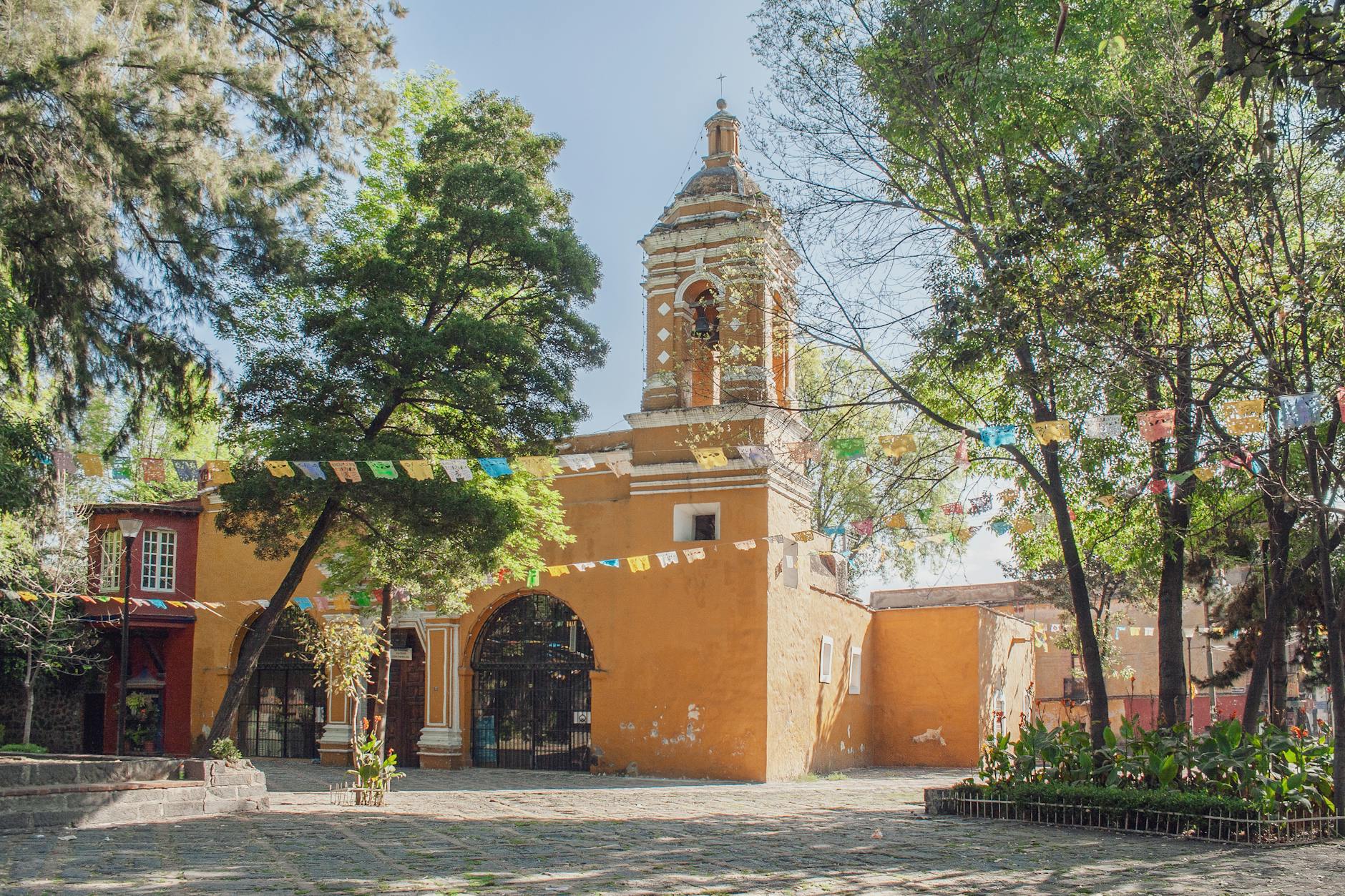
Mexico City gives tourists more than a short trip can comfortably absorb: major museums, historic plazas, parks, food, markets, architecture, neighborhood walks, nightlife, day trips, and serious cultural depth. The common mistake is treating the city like a compact checklist. Distances, traffic, altitude, museum fatigue, and neighborhood differences matter. A tourist who tries to collect every famous stop can spend too much of the visit in cars, lines, and recovery. A better short tourist trip chooses a base that supports meals and returns, clusters sightseeing by district, gives Centro and Chapultepec real time, keeps food and markets on the route, and decides in advance which evening movements are worth the effort. The city feels larger and richer when the traveler stops trying to make every day prove it.
Choose a base that fits the trip style
A tourist's base should match the way the city will actually be used. Roma and Condesa work well for visitors who want cafes, parks, restaurants, local walks, and easy evening returns. Polanco can be stronger for polished hotels, museums, shopping, Chapultepec access, and controlled vehicle movement. Reforma gives many tourists a central operating spine for business hotels, museums, and rides. Centro can be exciting but should be chosen with care, especially if the traveler wants quieter nights or easy late returns.
Before booking, test the hotel or apartment against breakfast, late food, ride pickup, street lighting, pharmacy access, and the distance to the first two days of sightseeing. A tourist may save more energy by paying for a base that supports the route than by choosing the cheapest attractive listing.
- Match the base to the sightseeing plan, evening returns, food access, and walking comfort.
- Use Roma, Condesa, Polanco, or Reforma when convenience and repeatable movement matter.
- Choose Centro only when the exact lodging and night environment fit the traveler.
Make arrival boring and reliable
The first transfer should not be the most complicated part of the trip. Mexico City International Airport and Felipe Angeles create different arrival decisions, and a tired tourist should know the airport, pickup point, vehicle plan, hotel address, payment method, and backup contact before departure. Late arrivals, checked bags, limited Spanish, and first visits all argue for a more controlled transfer rather than a curbside improvisation.
The first evening should also be modest. Altitude, dry air, traffic, and travel fatigue can make a simple dinner feel like enough. A tourist who lands, checks in, eats nearby, hydrates, and sleeps well often gets a better first full day than one who tries to begin sightseeing immediately.
- Confirm airport, pickup point, hotel address, payment method, and backup contact before departure.
- Keep the arrival night close to the base unless the flight lands early and smoothly.
- Treat hydration, sleep, and a simple first meal as part of the sightseeing plan.
Give Centro a route, not a whole wish list
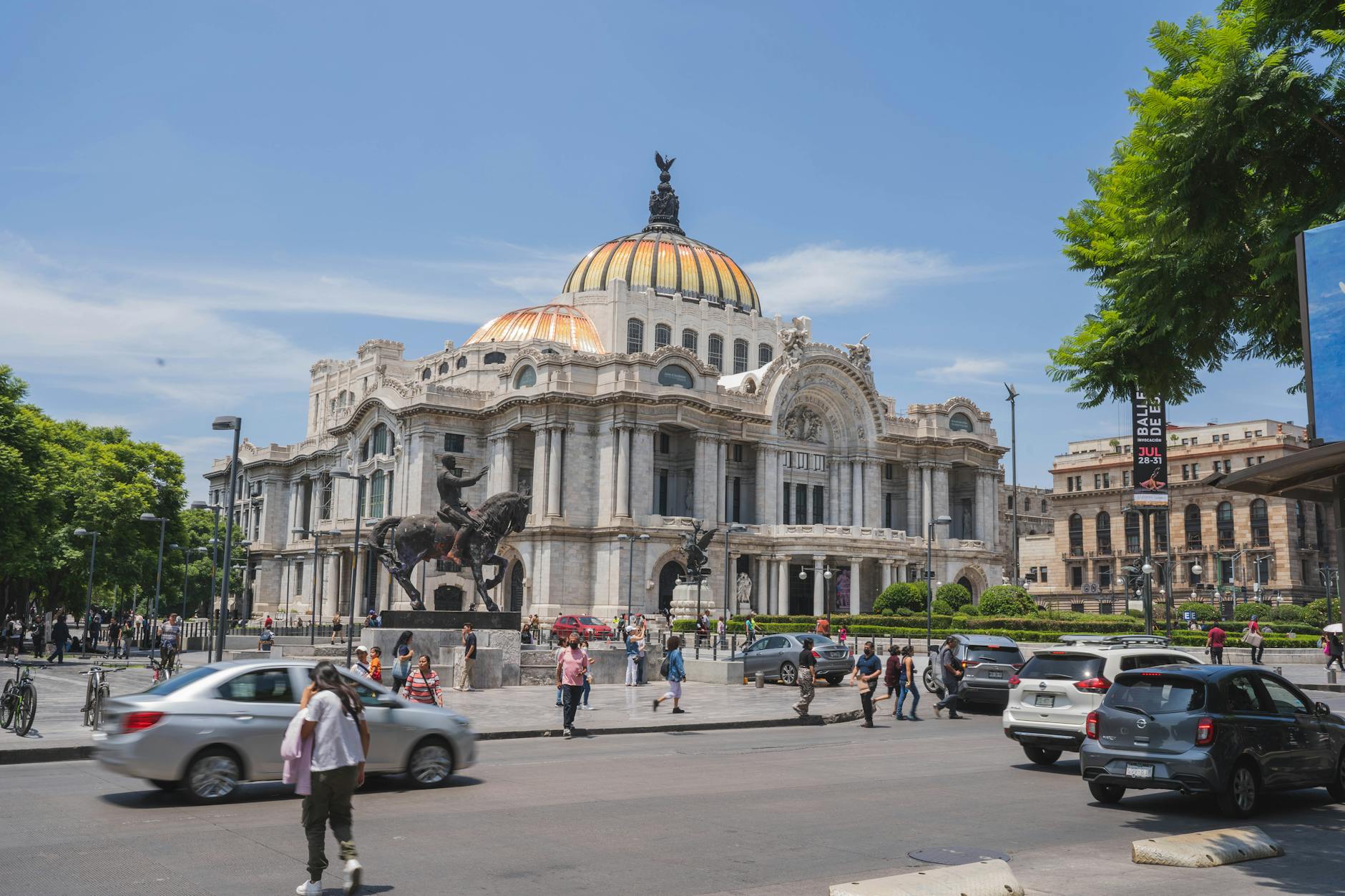
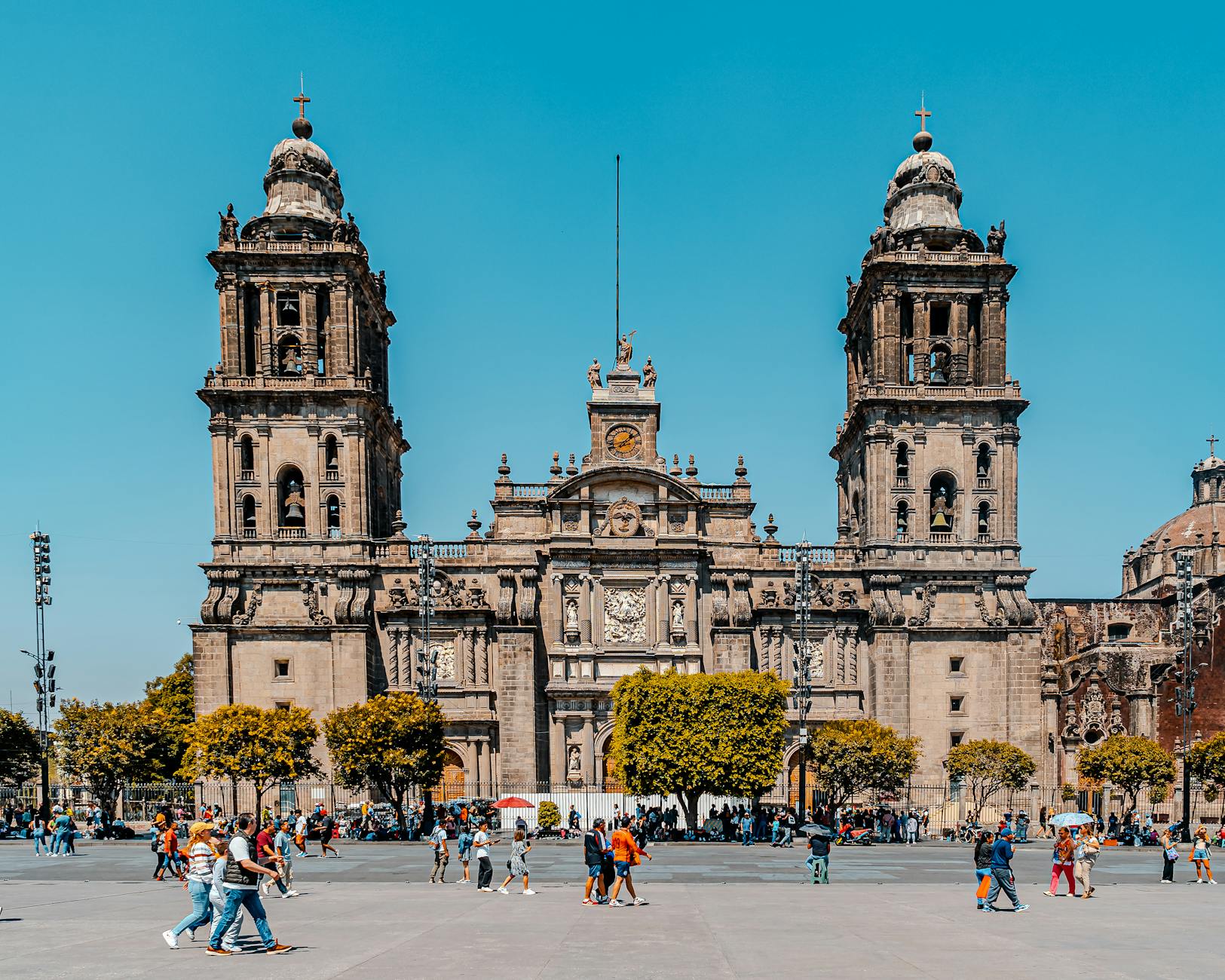
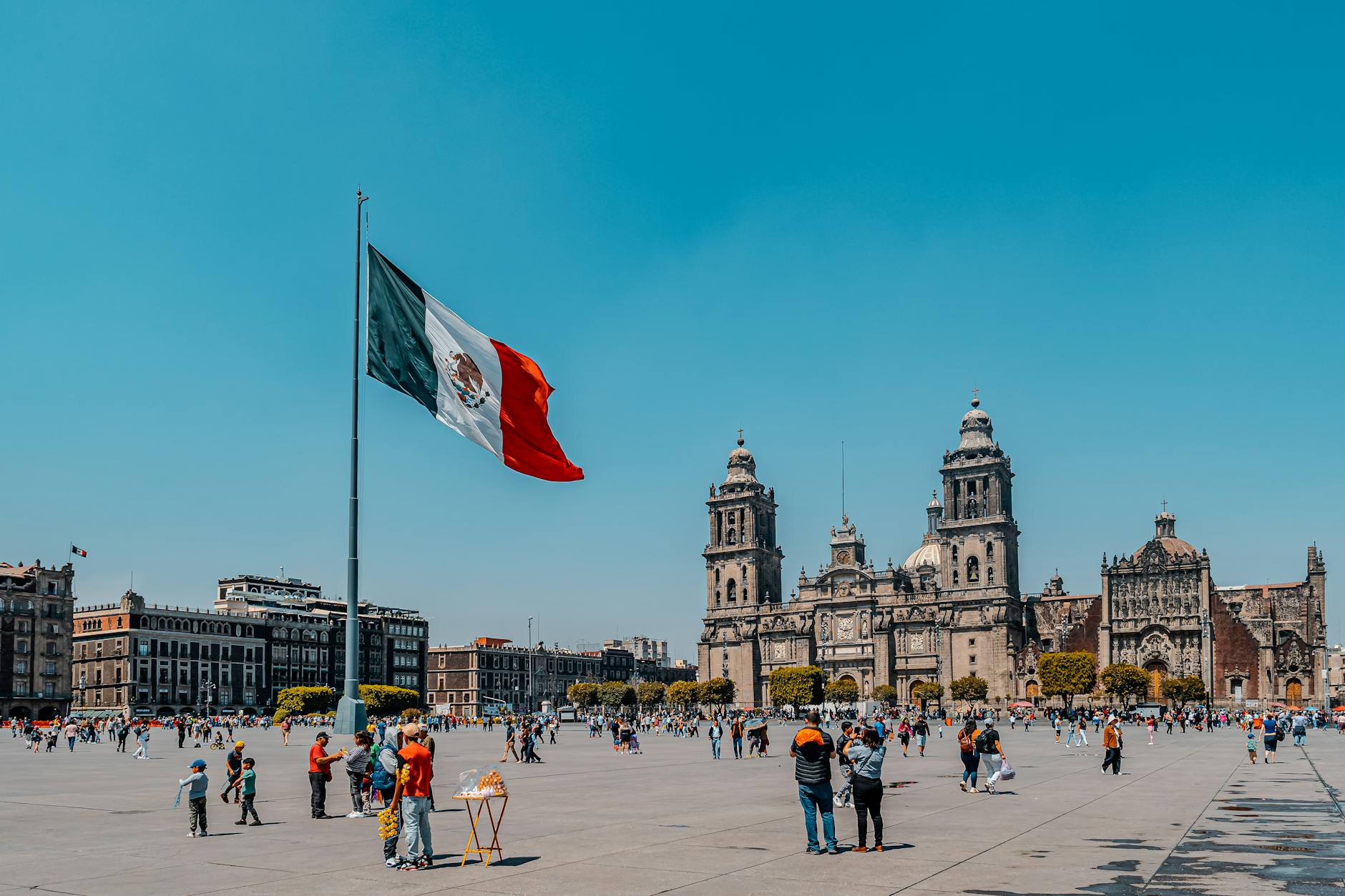
Centro Historico is one of Mexico City's essential tourist districts, but it works best with a route. The Zocalo, Metropolitan Cathedral, Templo Mayor, Palacio de Bellas Artes, Madero, Alameda Central, and nearby streets can become a dense and tiring day if every stop is treated as mandatory. Crowds, sun, uneven pavement, demonstrations, closures, and long museum visits can all change the pace.
Choose the main purpose of the Centro day. It might be the Zocalo and cathedral, Bellas Artes and Alameda, a focused historic walk, or a museum-led route. Know the lunch or cafe stop, exit direction, and return method before the day begins. Centro rewards attention, not wandering until the traveler is already depleted.
- Give Centro a focused route with a meal stop, exit plan, and realistic museum count.
- Expect crowds, pavement issues, closures, and route changes around major public spaces.
- Pair Zocalo, Bellas Artes, Alameda, and museums selectively instead of treating them all as one easy cluster.
Let Chapultepec anchor a real day
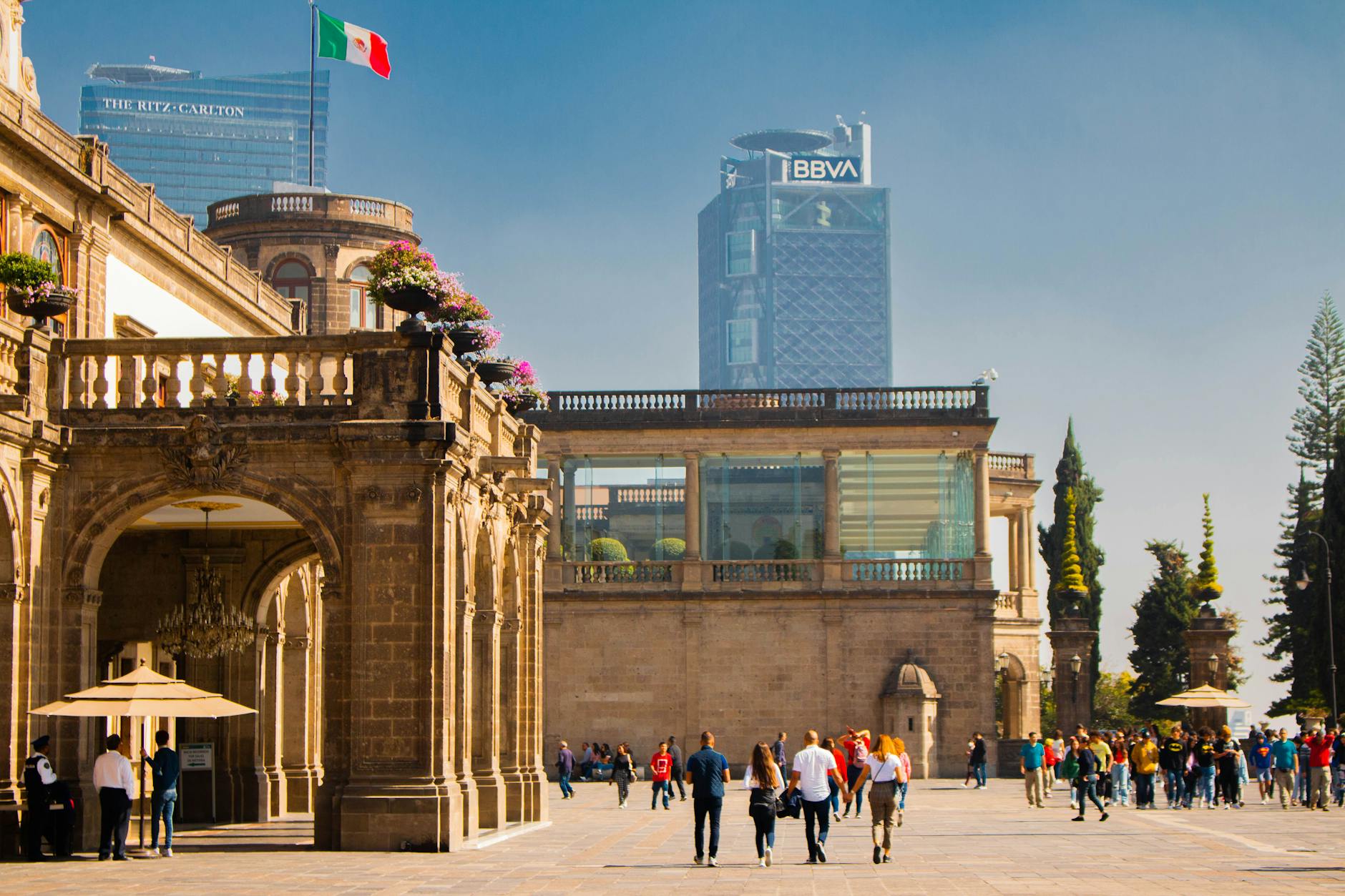
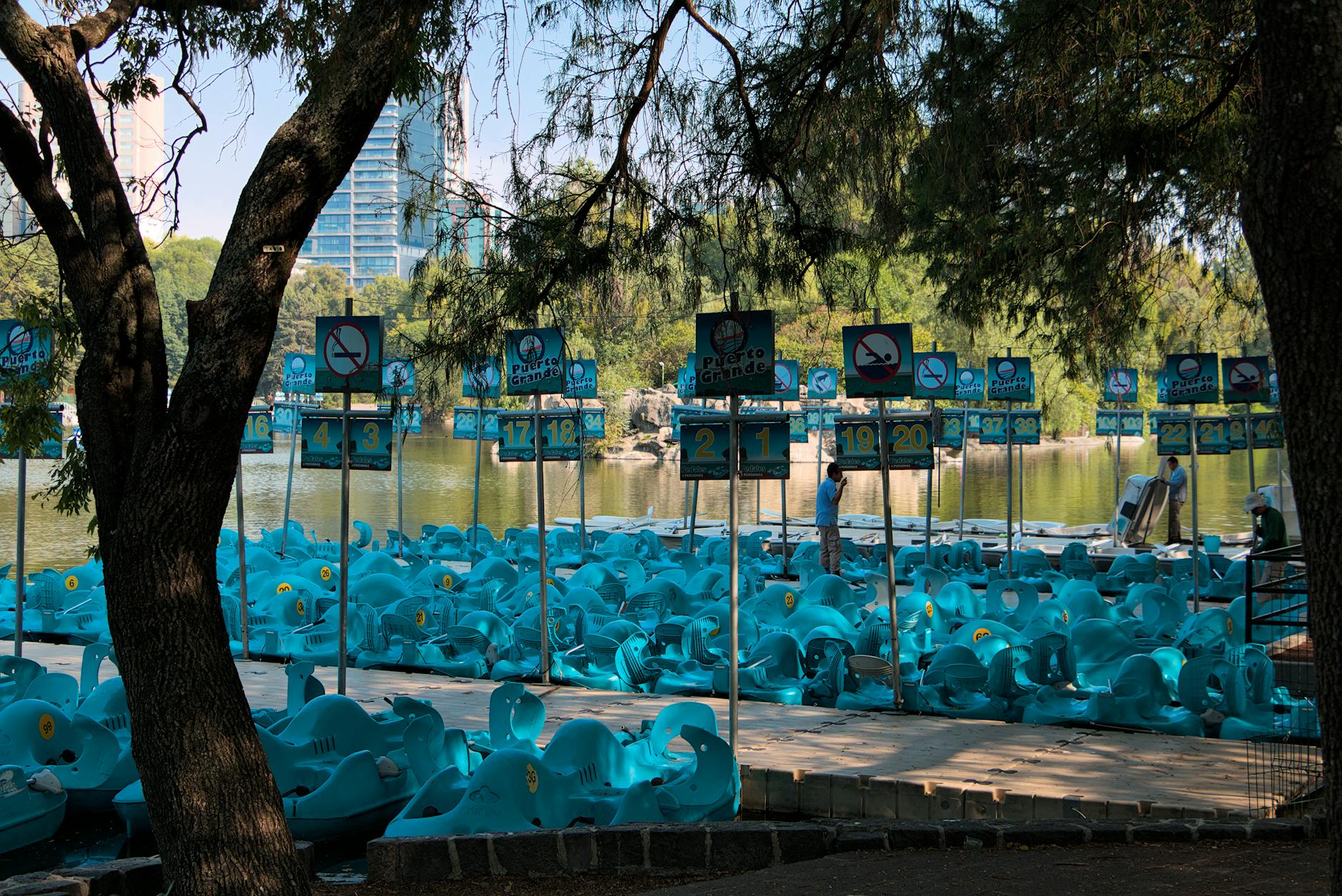
Chapultepec should not be squeezed between unrelated stops. The park, castle, museums, lake, walking paths, food, and nearby Polanco can support a full tourist day. The National Museum of Anthropology alone can absorb serious time, and Chapultepec Castle adds views, stairs, crowds, and sun exposure. A tourist who adds both without pacing may end the day too tired for the evening they planned.
A stronger approach is to choose one major cultural stop, leave time for the park, and decide whether Polanco, a museum dinner, or a simple return makes sense afterward. Chapultepec is not a detour; it is one of the best ways to understand the scale and texture of the city without constantly crossing it.
- Treat Chapultepec as a main anchor, not a quick add-on.
- Choose castle, museum, lake, park time, and Polanco add-ons according to stamina.
- Protect shade, water, meal timing, and an easy return after long museum or park time.
Use neighborhoods and markets with restraint
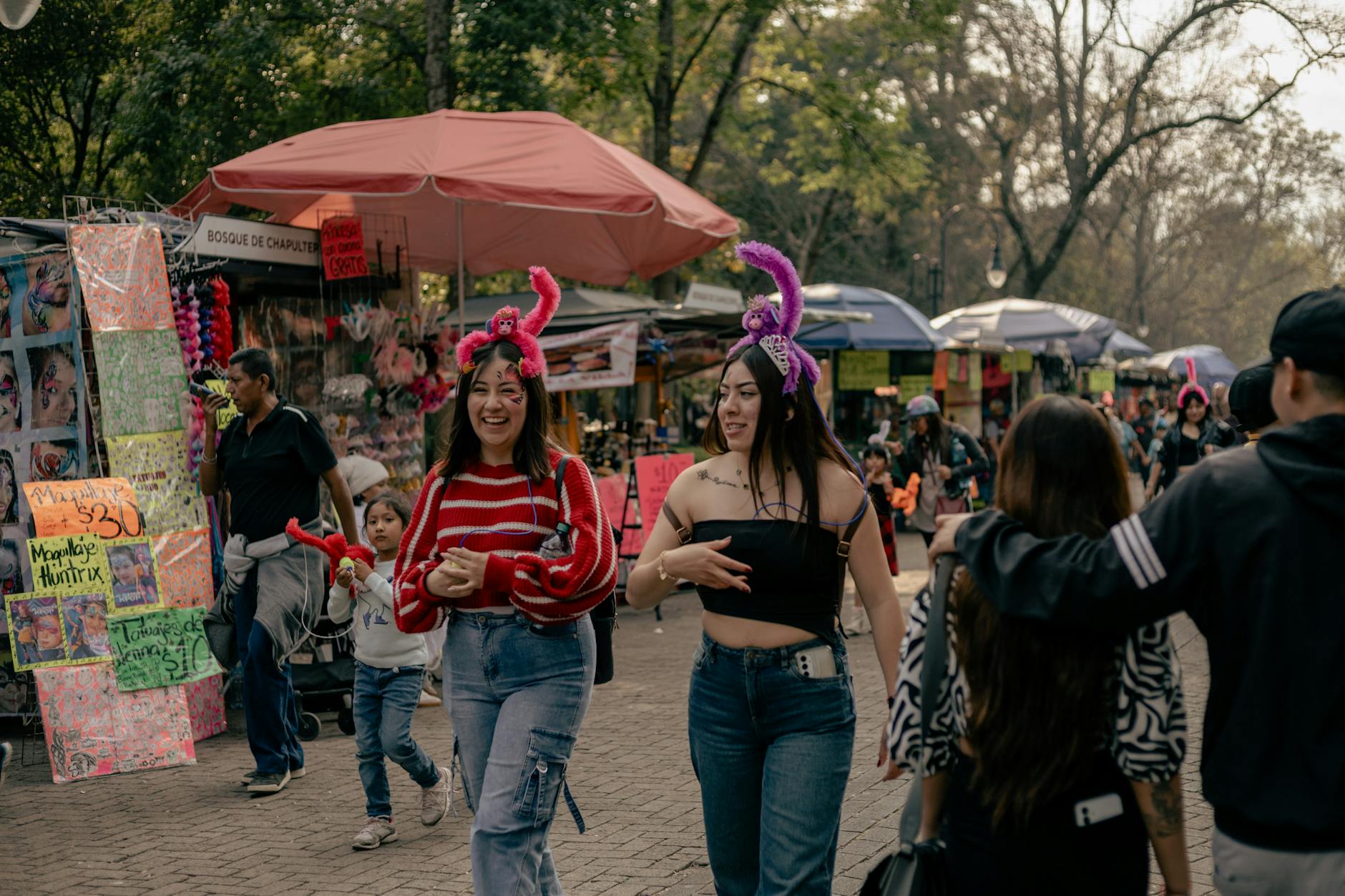
Neighborhood time is part of the point of Mexico City. Roma, Condesa, Juarez, Coyoacan, Polanco, Centro, and selected market areas all offer different textures, but they should not be scattered randomly across the same day. A tourist can spend a satisfying half day walking cafes, plazas, shops, parks, and food stops in one area instead of forcing a ride after every photograph.
Markets deserve special planning. They can be excellent for food, crafts, color, and local life, but they also bring crowds, cash, navigation, bathrooms, and bag awareness. Go with a purpose, keep valuables controlled, choose food carefully, and know when the market visit is complete. Texture is better than exhaustion.
- Give each neighborhood enough time to become a real visit rather than a photograph stop.
- Use markets with a purpose, cash discipline, bag awareness, and a clear exit route.
- Avoid crossing the city repeatedly for isolated cafes, shops, or photo spots.
Plan food and evenings before fatigue decides
Mexico City food can carry a tourist trip, but meal timing matters. A famous dinner across town may be worthwhile, but it should fit the day's route and the return plan. Tacos, markets, bakeries, cafes, serious restaurants, hotel bars, and neighborhood meals all have a role. The useful question is not only where to eat. It is whether the meal supports the day or forces an exhausted late transfer.
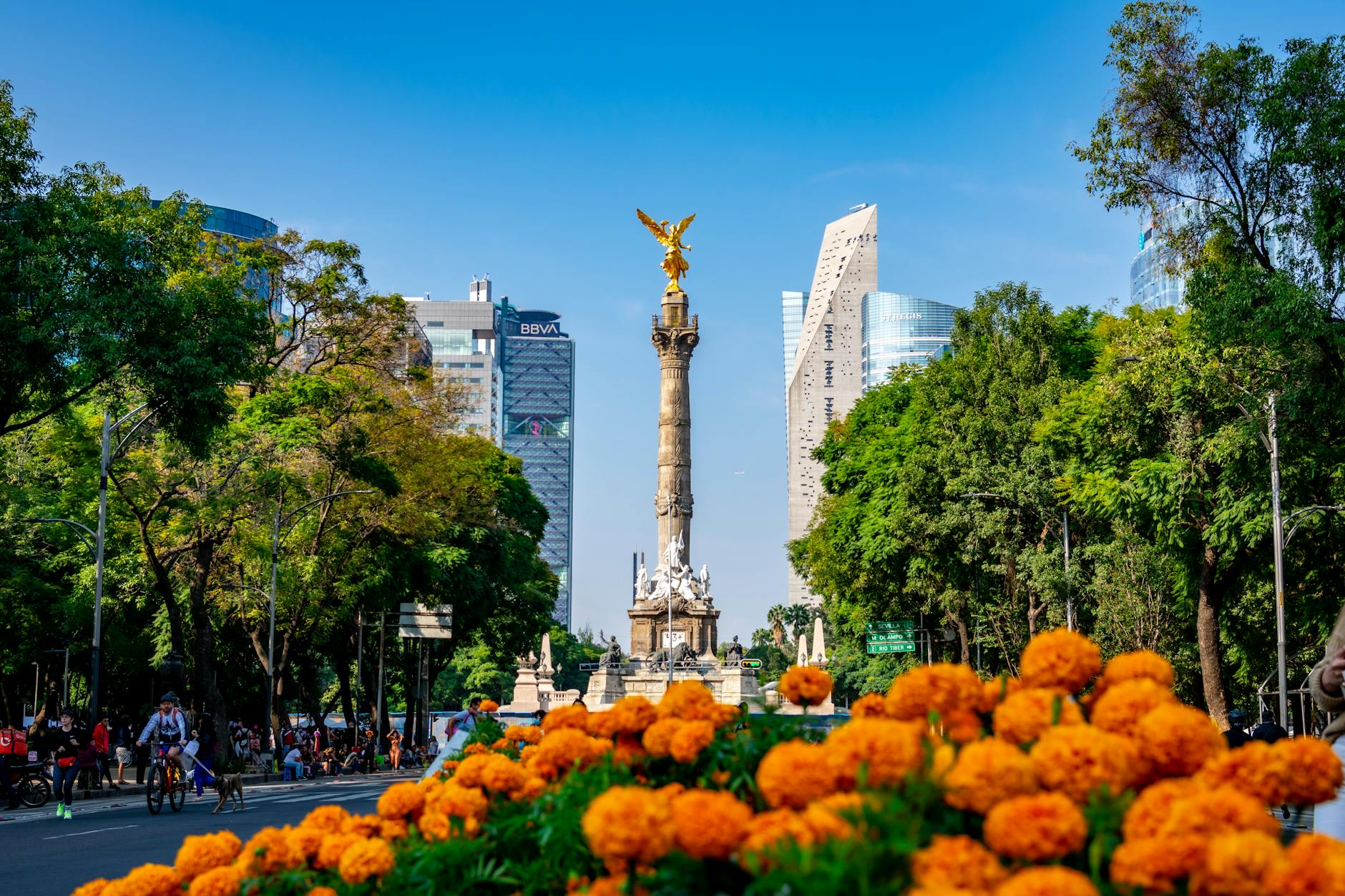
Evenings should be chosen deliberately. Roma, Condesa, Polanco, Juarez, Reforma, and hotel-linked evenings can work well, but late returns need a plan before drinks, rain, or fatigue appear. If the day already included Centro crowds, Chapultepec walking, or a long museum, a nearby dinner may produce a better trip than chasing one more distant recommendation.
- Place meals where they support the route, energy level, and return plan.
- Reserve or preselect important dinners, but keep nearby fallback meals available.
- Decide evening transport before fatigue, rain, crowds, or drinks complicate the return.
When to order a short-term travel report
A tourist with flexible dates, strong city experience, and a relaxed agenda may not need a custom report. A report becomes useful when the trip is short, first-time, packed with competing sights, family-based, medically constrained, budget-sensitive, nightlife-heavy, or built around hard-to-move reservations and day trips. It is also useful when hotel choices look similar online but create very different daily movement in the city.
The report should test lodging, airport arrival, sightseeing clusters, museum priorities, food goals, market visits, day-trip temptation, evening returns, traffic exposure, current local signals, and realistic cut points together. The value is not a longer tourist checklist. It is knowing which sights belong together, which ones to postpone, and how to make Mexico City feel deep instead of frantic.
- Order when the tourist plan is short, first-time, overpacked, medically constrained, family-based, or hard to redo.
- Provide hotel options, flights, must-see sights, food goals, walking comfort, budget, and evening plans.
- Use the report to cluster days, choose the base, cut low-value moves, and protect evening returns.