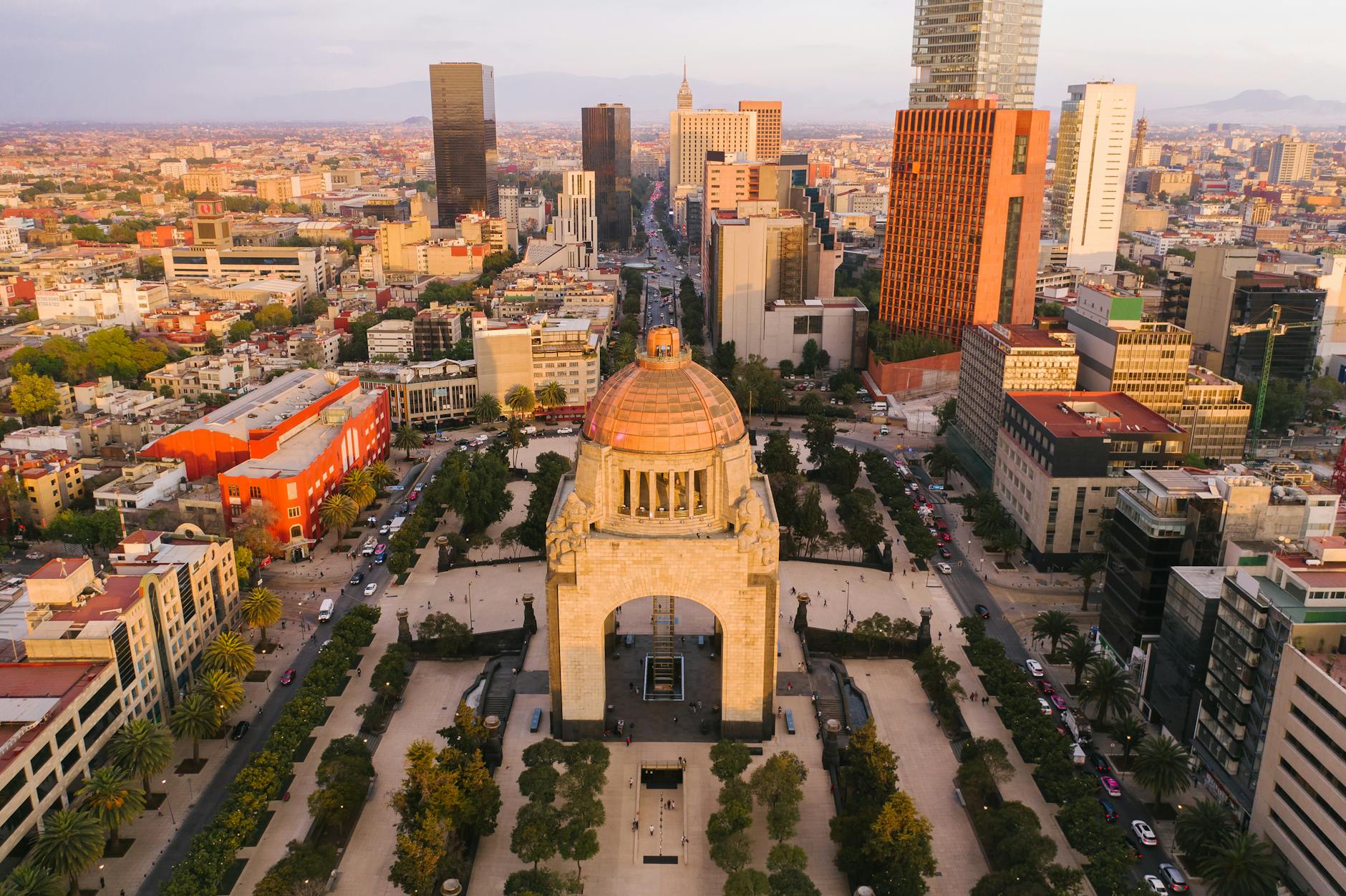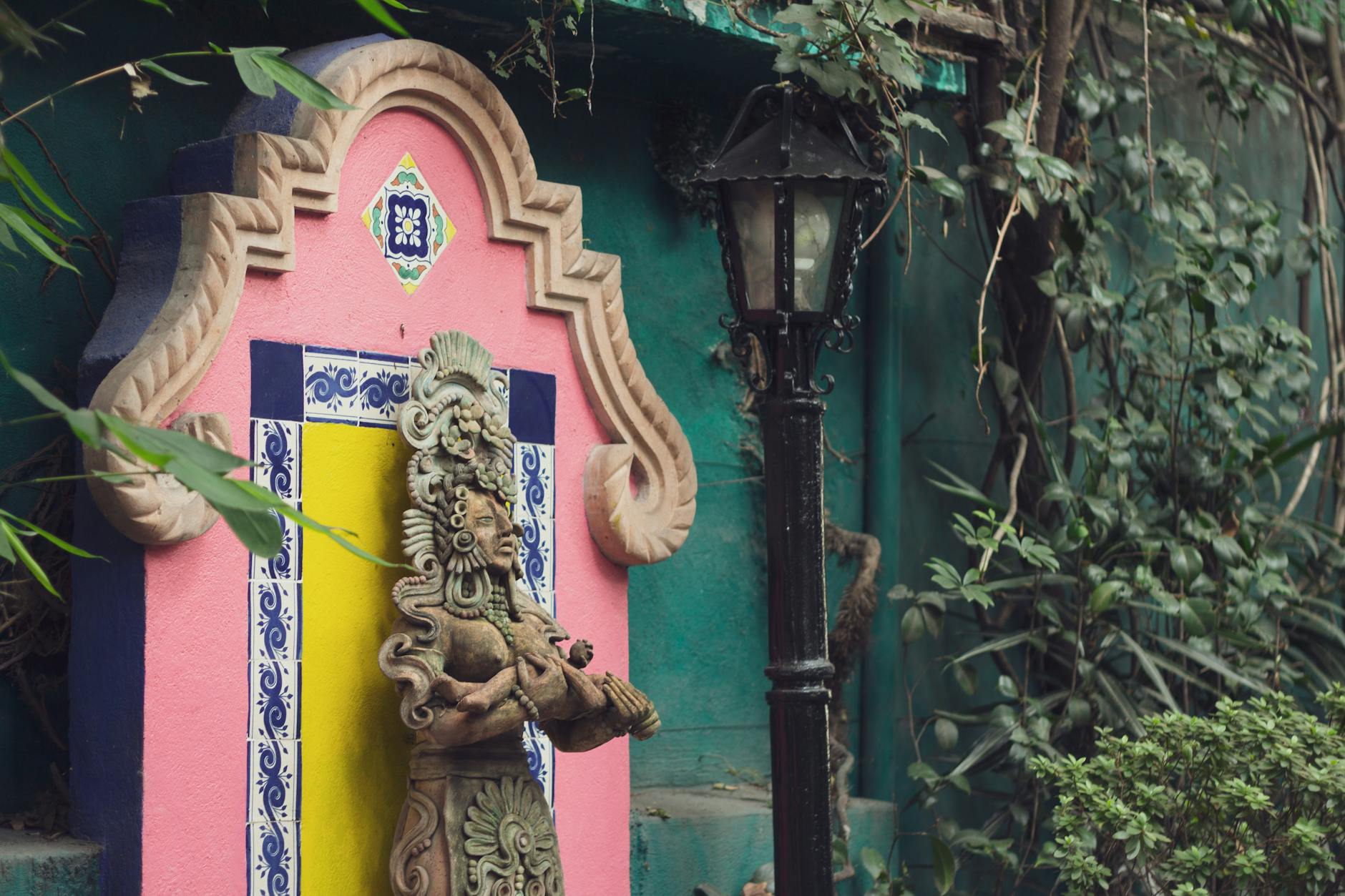
A repeat leisure visit to Mexico City should feel different from a first trip. The traveler probably no longer needs to prove that they saw the Zocalo, Bellas Artes, Chapultepec, Roma, Condesa, and the obvious museum list. The opportunity is to use familiarity: choose a base that supports the version of the city the traveler wants this time, revisit favorite places without overloading the day, and add neighborhoods, meals, galleries, markets, parks, or day trips that were too hard to fit before. The risk is complacency. Mexico City still has altitude, traffic, changing local conditions, neighborhood differences, reservation pressure, and late-night return decisions. A repeat visitor should not travel as if nothing needs planning. The better approach is to spend less energy on the obvious checklist and more energy on the exact choices that will make this visit feel deeper, easier, and less repetitive.
Choose the base for this trip, not the last one
Repeat visitors often default to the area that worked before. That can be sensible, but it can also trap the trip in the same rhythm. Roma and Condesa may still be right for cafes, parks, walking, and familiar evenings. Polanco may be better if this visit is about Chapultepec, museums, shopping, and polished dinners. Reforma can work if the traveler wants a central hotel spine. Coyoacan or Santa Maria la Ribera may be interesting for a slower second or third visit, but only if the traveler understands the extra movement involved.
The question is not which neighborhood is best in general. It is what the traveler wants this time: food, art, rest, friends, day trips, markets, nightlife, architecture, or a quieter base. A repeat visit should use lodging to change the trip deliberately.
- Do not book the old neighborhood automatically; match the base to this visit's purpose.
- Use familiar areas when ease matters, but consider a new base when the trip needs a new rhythm.
- Check food, rides, evening returns, noise, and walking conditions before choosing a less familiar district.
Revisit favorites without rebuilding the old itinerary
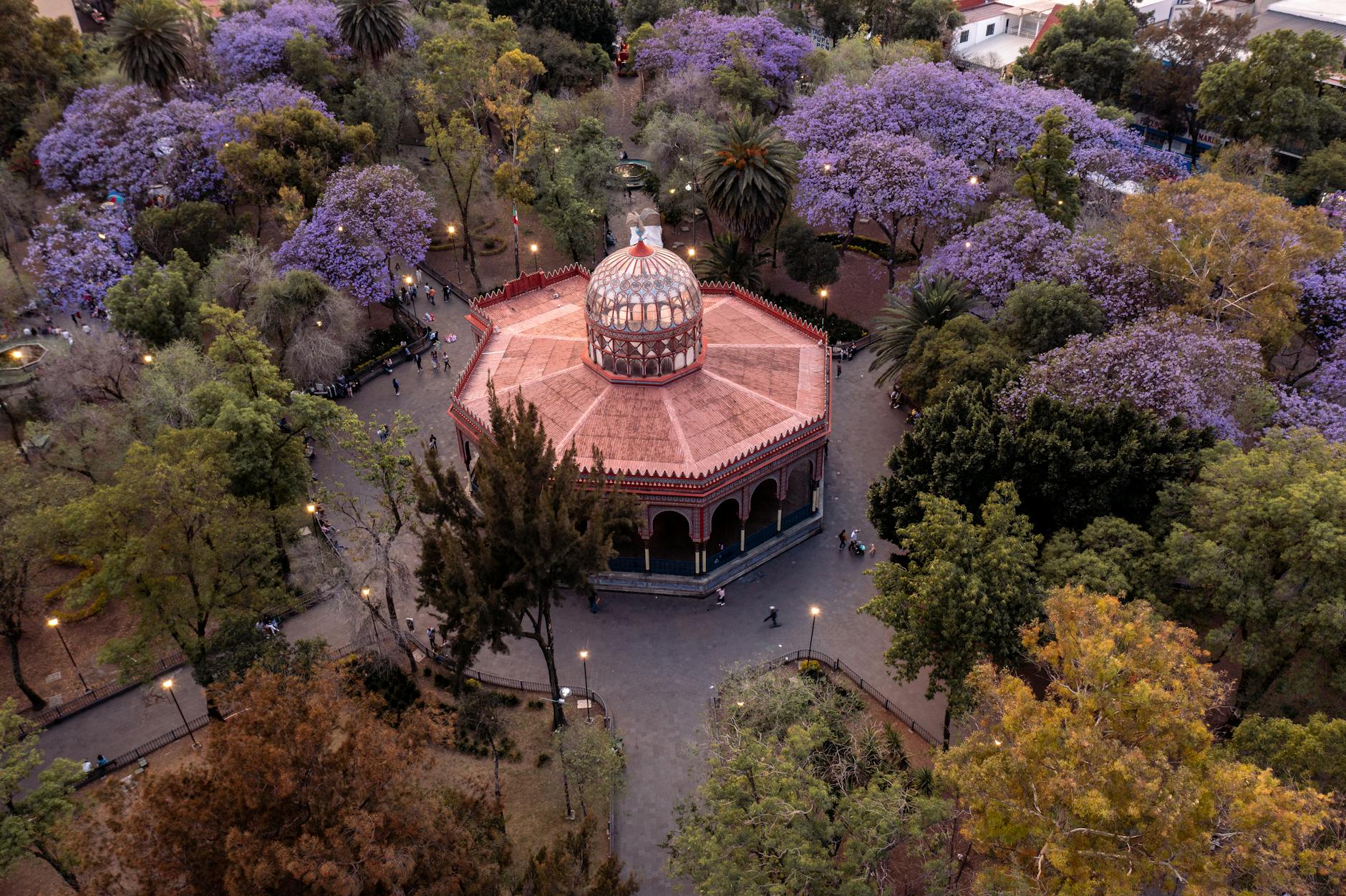
There is nothing wrong with returning to Bellas Artes, Chapultepec, the Anthropology Museum, Roma, Condesa, or a favorite restaurant. The mistake is letting those familiar stops consume the whole trip by habit. A repeat visitor should decide which favorites deserve another visit and which ones can remain good memories. The city has too much depth to spend every short stay proving the same route still works.
A useful pattern is one familiar anchor per day, then one new or slower element nearby. A favorite cafe can lead into a new gallery. A return to Chapultepec can focus on one museum, one walk, or one meal instead of repeating the first-trip marathon. Familiarity should create confidence, not repetition.
- Choose the old favorites that still matter and let the rest go for this visit.
- Pair one familiar anchor with one new neighborhood, meal, museum, or evening plan nearby.
- Use prior knowledge to simplify the day instead of filling it with the same checklist.
Go deeper by neighborhood, not farther by default
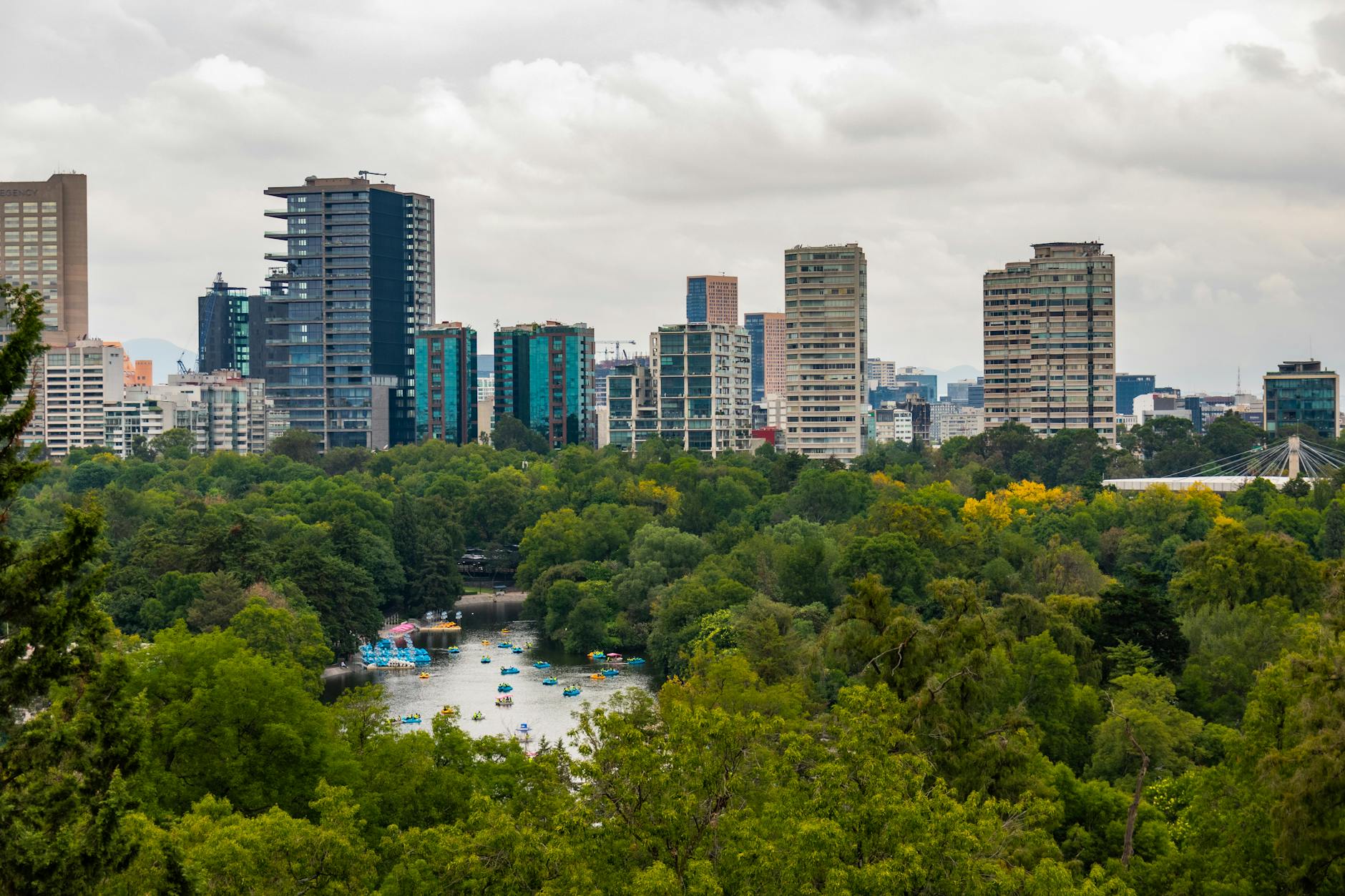
Repeat visitors are often tempted to solve familiarity by adding distance: a farther district, an ambitious day trip, or several new places spread across the city. Sometimes that works, but Mexico City often rewards depth more than distance. A long half day in Santa Maria la Ribera, San Rafael, Coyoacan, Juarez, San Angel, Narvarte, or a focused market area can feel more new than a frantic route through three unrelated districts.
Pick a neighborhood for a reason. Is the goal architecture, food, galleries, bookstores, parks, nightlife, or a slower local rhythm? Build a route that has a beginning, a meal, a second stop, and a return. The repeat visitor's advantage is knowing when to stop moving.
- Use deeper neighborhood time instead of automatically chasing farther stops.
- Give each new district a clear reason, route, meal, and return plan.
- Consider Santa Maria la Ribera, San Rafael, Coyoacan, Juarez, San Angel, Narvarte, or focused market areas when they fit the trip.
Make food the structure, not the afterthought
A return trip is a good time to move beyond the obvious food list. The traveler may want one serious reservation, a taco route, a market breakfast, neighborhood bakeries, coffee, casual lunches, or a meal around a friend, gallery, or park. Food should shape the route instead of being squeezed in after sightseeing. A great restaurant across town is worth more when the whole day is built around it.
Repeat visitors should also protect flexibility. Mexico City restaurant fashion changes, lines shift, and the strongest meal may be the one that fits the day. Keep backup meals near the base, avoid stacking late dinners after exhausting museum days, and think about how the return works before choosing the table.
- Build days around food clusters rather than scattering meals across the city.
- Mix reservations with flexible cafes, markets, bakeries, and neighborhood meals.
- Choose dinner locations with the return plan, energy level, and next morning in mind.
Recheck safety, closures, and practical changes
Knowing the city from a prior visit helps, but it can also make travelers lazy about current conditions. Museum hours, construction, neighborhood feel, demonstration routes, ride pickup habits, restaurant availability, weather, air quality, and personal comfort can all change between trips. A repeat visitor should recheck the practical layer instead of relying on memory.
This is especially important when returning to areas that were easy last time. A street that worked for an afternoon may not be the best late-night return. A museum that was quiet may require timed entry. A beloved restaurant may need a reservation or may no longer fit the route. Familiarity should reduce anxiety, not replace planning.
- Recheck museum hours, restaurant bookings, air quality, construction, protests, and pickup points before arrival.
- Do not assume a familiar daytime area works the same way late at night.
- Let prior experience guide the plan, but verify the current practical details.
Be selective with day trips and long crossings
Repeat visitors often want to add what they skipped before: Teotihuacan, Xochimilco, San Angel, university-area stops, Santa Fe, southern neighborhoods, or a second museum-heavy day. Those can be worthwhile, but a short leisure return should not become a sequence of long transfers. A day trip or far district should earn its place by being the main event, not an add-on after a late night.
The same applies inside the city. A route from Polanco to Coyoacan to Centro to Roma may look tempting on a map but can become a day of cars and logistics. It is better to give one distant plan enough space than to make every new idea compete with traffic.
- Add distant plans only when they are important enough to anchor the day.
- Avoid combining several far districts just because they were skipped on prior visits.
- Protect rest and evening returns after Teotihuacan, Xochimilco, San Angel, or southern-city plans.
When to order a short-term travel report
A repeat leisure visitor with a simple agenda and flexible dates may not need a custom report. A report becomes useful when the traveler wants a different base, deeper neighborhoods, current restaurant intelligence, a special occasion, a day trip, nightlife, family or health constraints, or a trip that needs to feel new without becoming overcomplicated.
The report should test old favorites, new candidates, lodging options, neighborhood depth, food routes, day-trip value, museum and market priorities, evening returns, current local signals, and what to drop if the trip gets too full. The value is not pretending the traveler is a first-timer again. It is using prior knowledge to build a sharper, calmer, more rewarding return to Mexico City.
- Order when the return trip needs a new base, deeper neighborhoods, food planning, day trips, or current local checks.
- Provide prior visits, favorite areas, disliked logistics, hotel options, food goals, day-trip ideas, and evening plans.
- Use the report to make the second or third trip feel new without rebuilding the first-trip checklist.