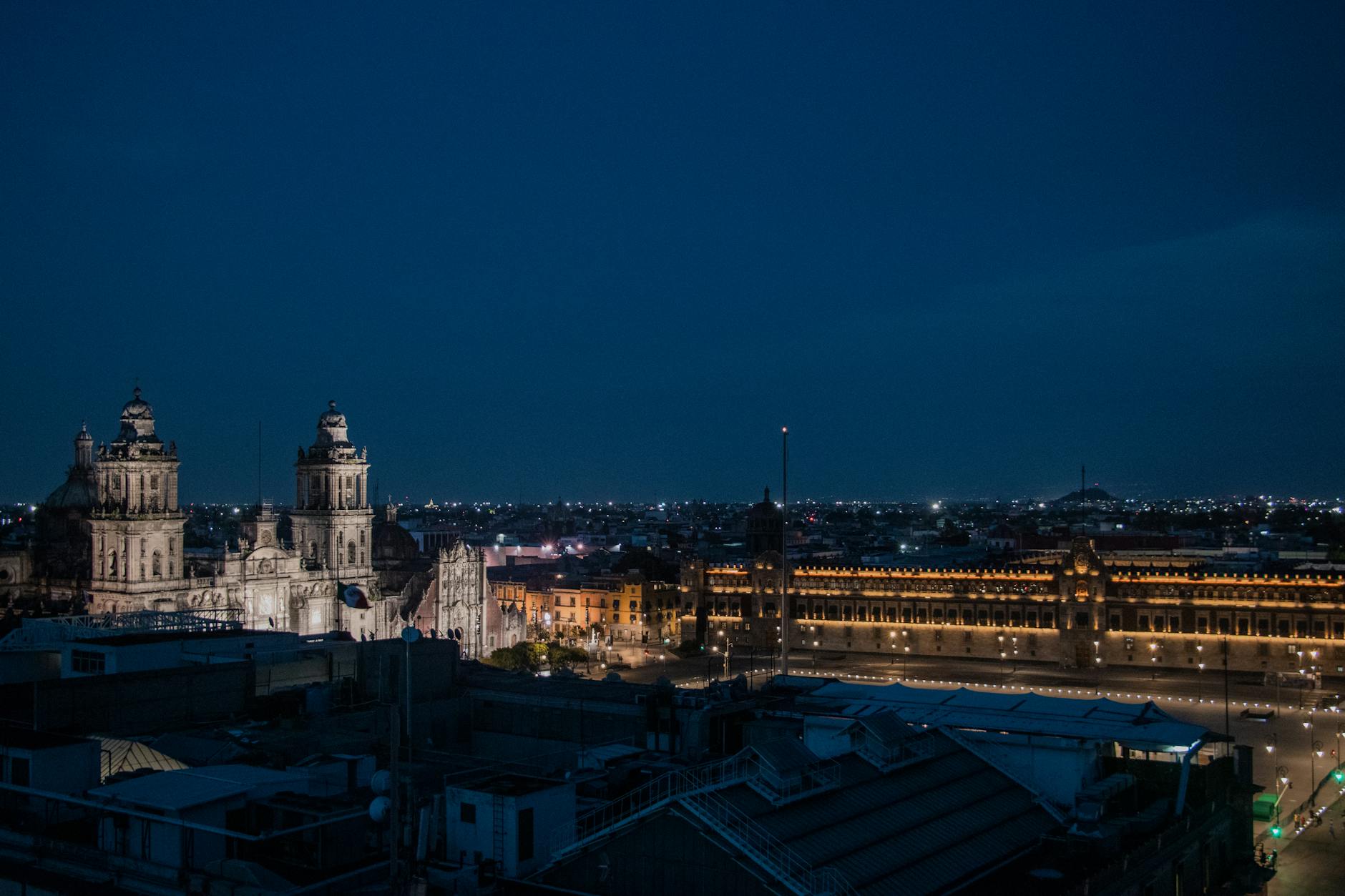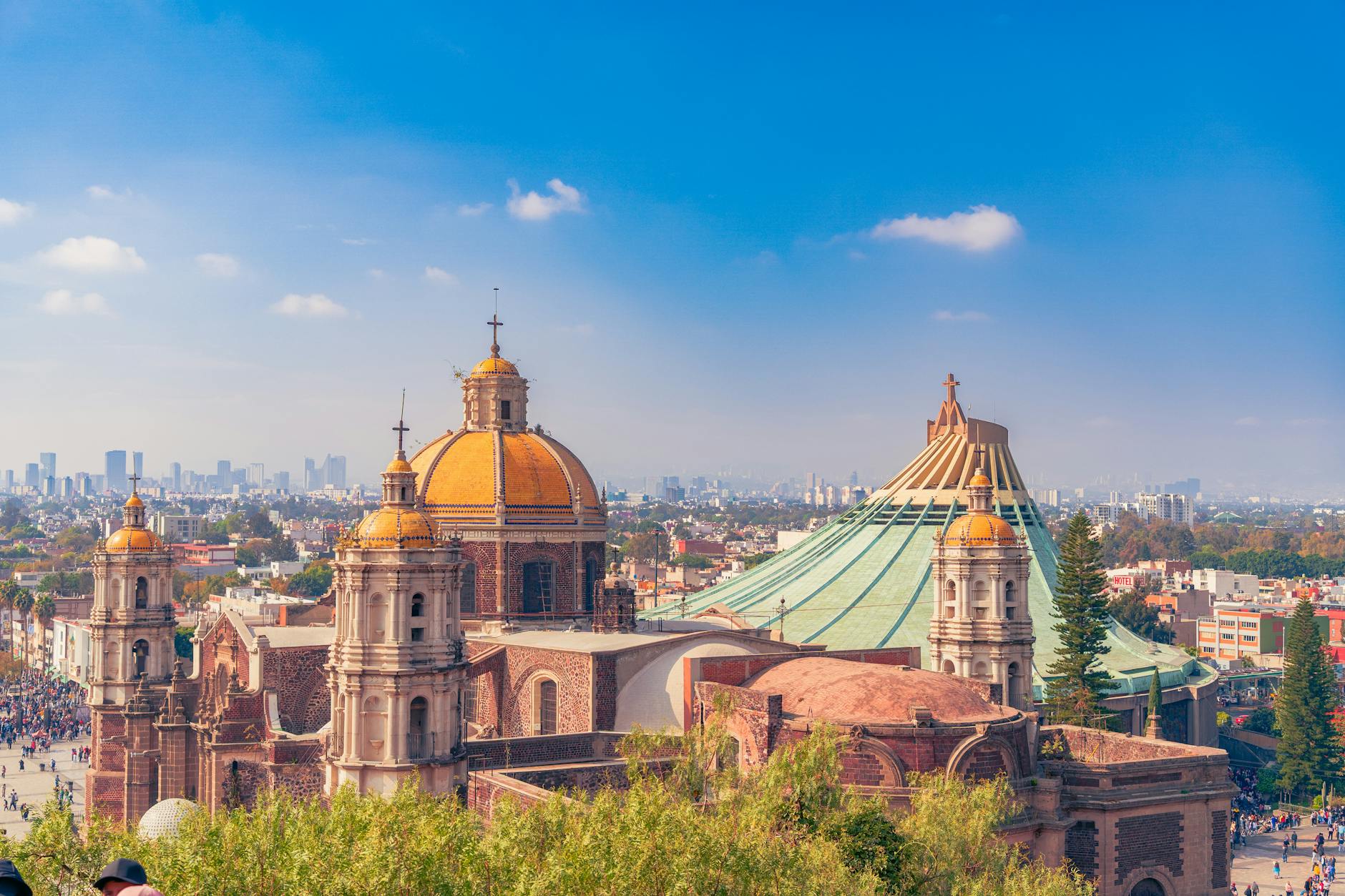
Mexico City can be a serious short-term destination for religious travelers. The Basilica of Our Lady of Guadalupe at Tepeyac is one of the major Catholic pilgrimage sites in the Americas, while the Metropolitan Cathedral, older churches around the historic center, parish communities, religious art, feast-day activity, and devotional shops can all shape a visit. The trip may be devotional, cultural, family-led, interfaith, academic, or tied to a parish group. Those purposes do not create the same itinerary. The city rewards planning because sacred sites sit inside a large, busy capital. A traveler may need Mass times, quiet prayer time, step-free movement, group meeting points, confession availability, Spanish-language support, modest clothing, medication timing, or a way to move between La Villa, the Zocalo, a hotel district, and evening meals without exhausting the day. A good plan protects the religious purpose of the trip instead of treating churches as decorative stops.
Decide whether the Basilica is the center of the trip
For many religious travelers, the Basilica of Our Lady of Guadalupe is not one stop among many. It is the reason for coming. If that is true, the itinerary should be built around the shrine complex first: arrival time, prayer time, Mass or service schedule, group movement, meals, rest, return transport, and what parts of the complex matter most. Treating La Villa as a quick detour from Centro or Polanco can make the visit feel rushed and physically draining.
A traveler should also decide what kind of visit they are making. A devotional visit, a parish pilgrimage, a family thanksgiving trip, a photography-light cultural stop, and an academic visit to a major religious site all need different pacing and boundaries. The more important the shrine visit is spiritually, the more margin it deserves.
- Build the day around the Basilica first if it is the spiritual purpose of the trip.
- Check current Mass, confession, group, and access information directly with official shrine sources before travel.
- Separate devotional time from photography, shopping, meals, and movement so the visit does not become rushed.
Plan for crowds, feast days, and group movement
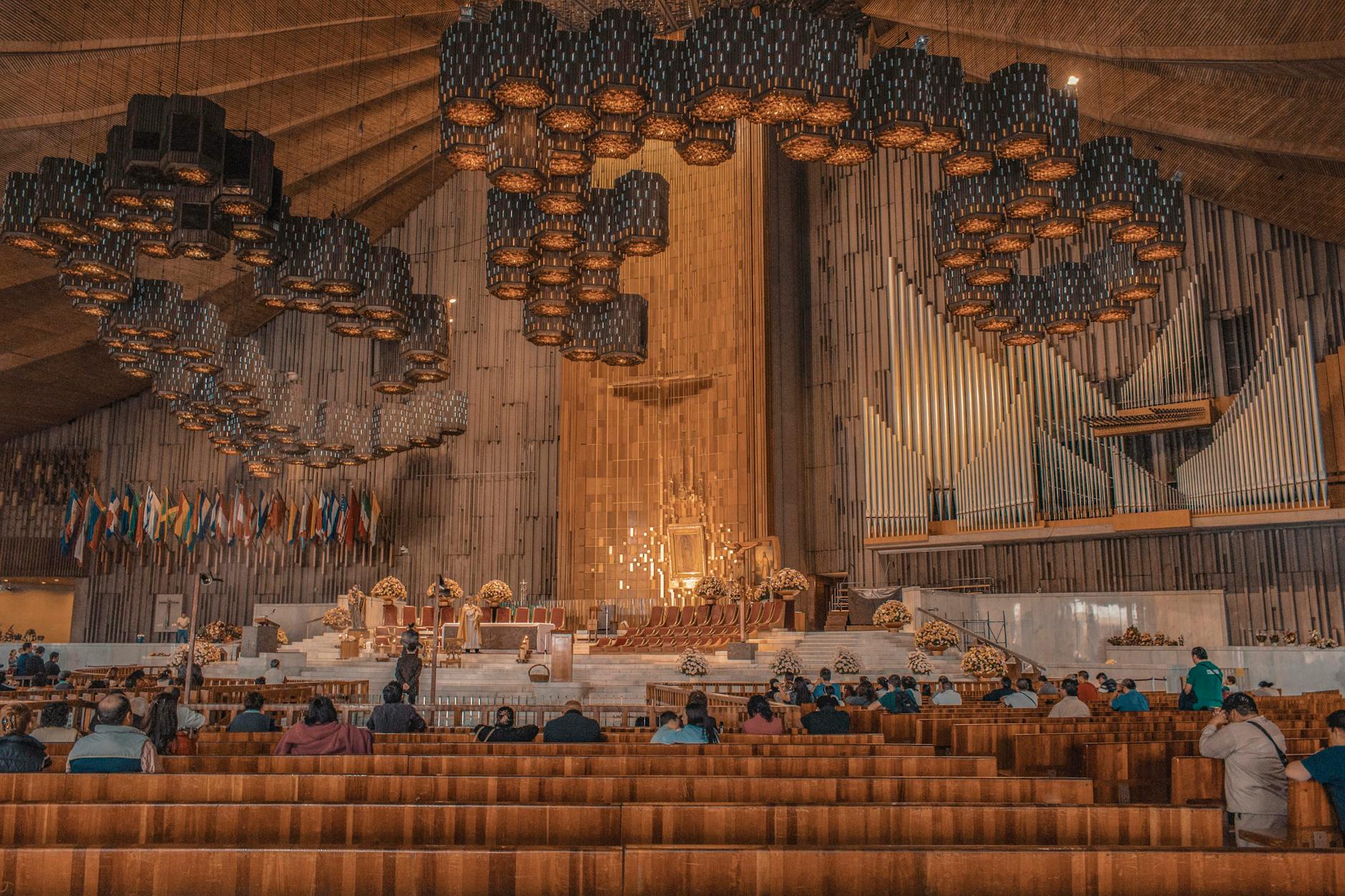
Pilgrimage conditions change sharply around feast days, weekends, school holidays, parish groups, and large devotional gatherings. A plan that works on a quiet weekday may fail when streets, plazas, entrances, toilets, taxis, shops, and nearby restaurants are crowded. Travelers with older relatives, children, mobility limitations, medical constraints, or a tight onward schedule should not assume they can improvise once they arrive at a major shrine.
Groups should agree on meeting points, phone plans, emergency contacts, bathroom stops, and what happens if someone needs to leave early. Pilgrimage travel often carries emotional weight. The logistics should be simple enough that the group can focus on the visit rather than on keeping everyone together in a crowd.
- Treat feast days, weekends, holidays, and major devotional events as different operating conditions from ordinary weekdays.
- Set meeting points, return routes, emergency contacts, phone plans, and early-exit options before entering crowded areas.
- Give older travelers, children, and medically constrained travelers enough rest and bathroom margin.
Respect worship spaces as active religious sites
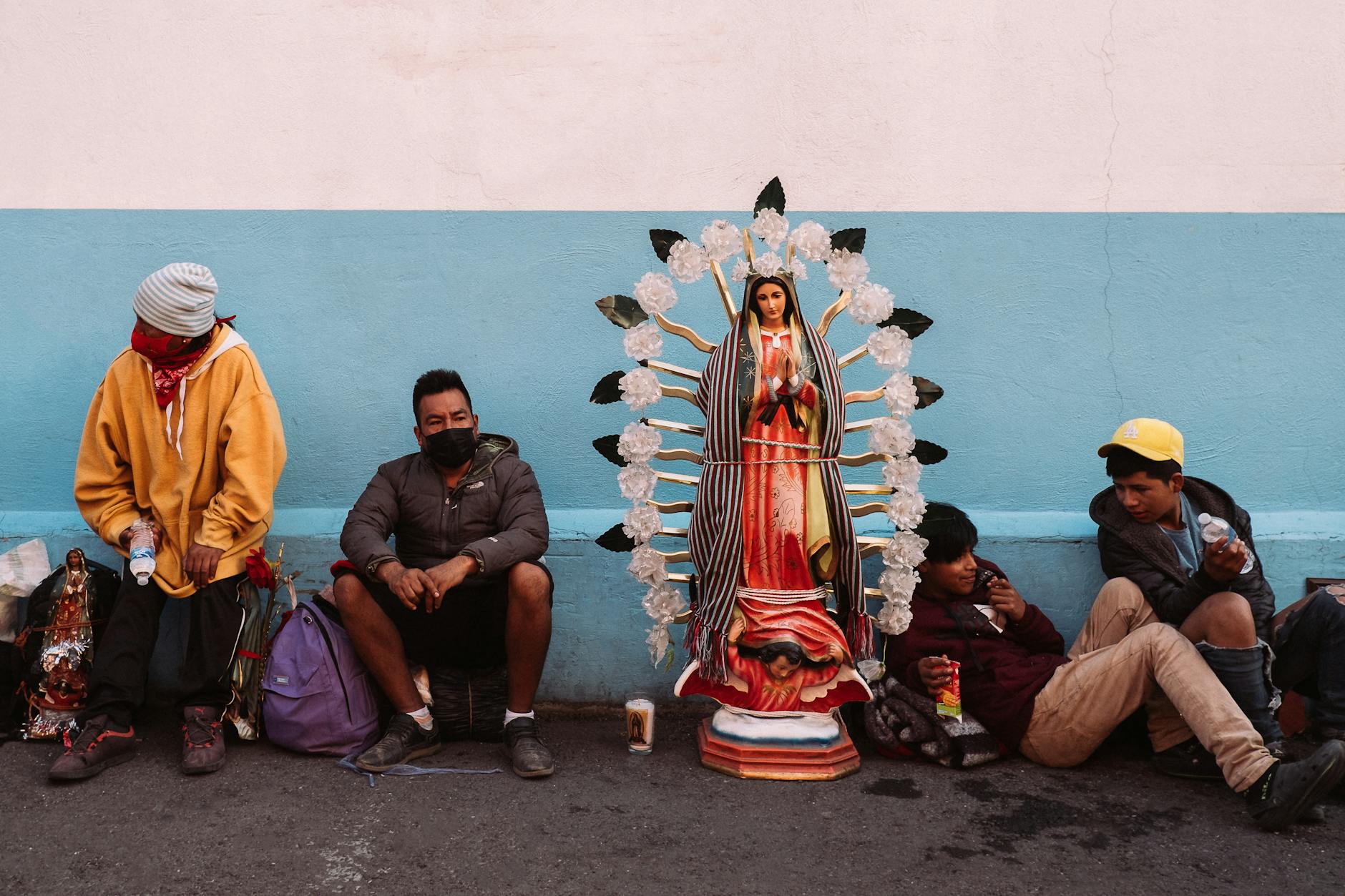
Mexico City churches are not only architecture. They are places where people pray, attend Mass, mourn, give thanks, make promises, ask for help, and participate in ordinary parish life. A traveler who is primarily interested in art, history, or photography still needs to move with restraint. Phones, cameras, hats, voices, clothing, food, large bags, and group behavior should fit the setting.
The traveler should avoid photographing people at prayer without consent, interrupting services, blocking aisles, stepping into restricted areas, or treating devotional objects as props. If the trip includes non-Catholic travelers or mixed-faith companions, the plan should explain what is worship, what is public art, what is a relic or devotional image, and where observation should become silence.
- Dress and behave for active worship spaces, not just for sightseeing.
- Avoid photographing worshippers, private devotion, services, or restricted areas without clear permission.
- Give mixed-faith companions enough context so they can observe respectfully without guessing.
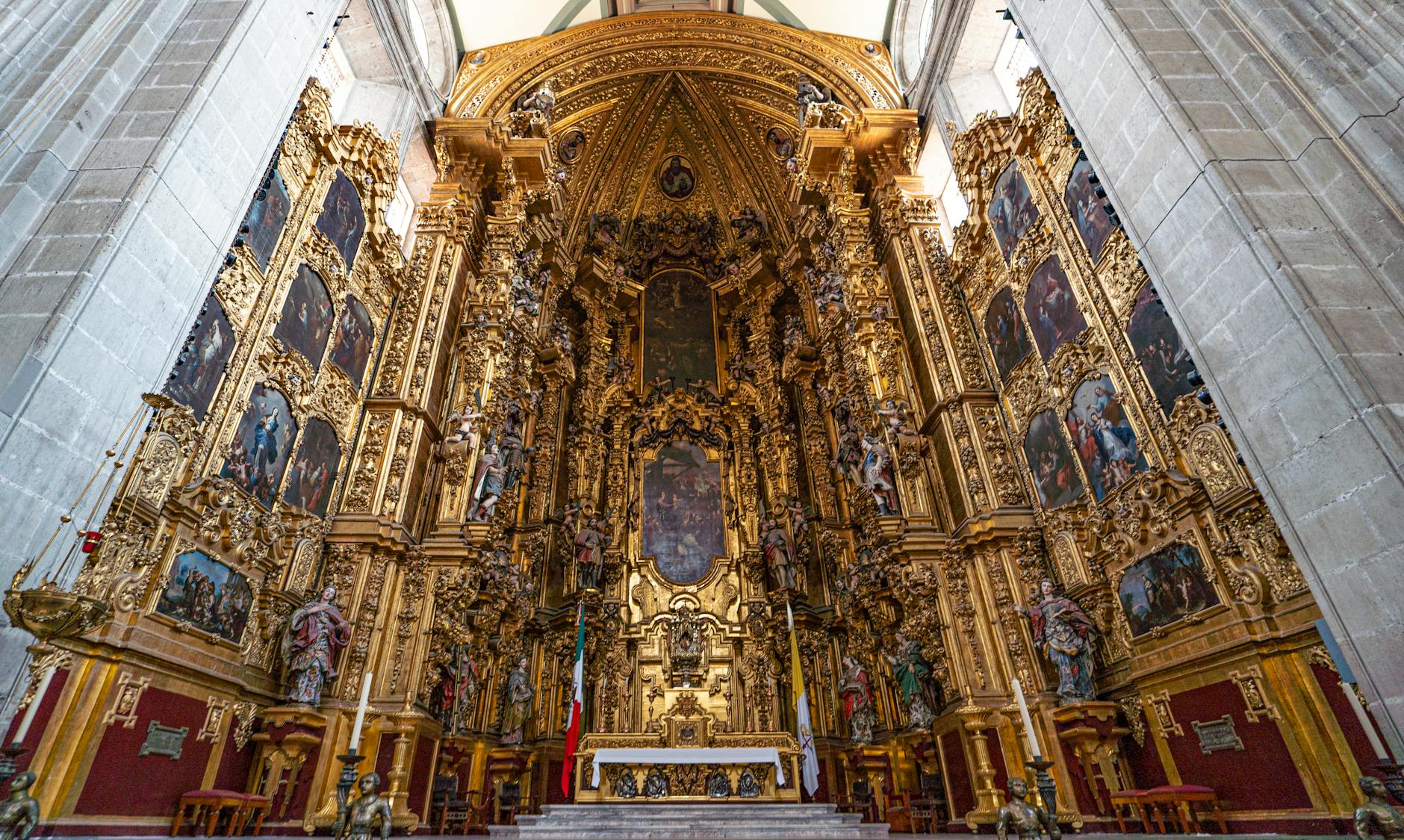
Connect the historic center without overloading the day
The Metropolitan Cathedral, the Zocalo, nearby churches, museum collections, colonial streets, and religious art can create a strong historic-center day. That does not mean the whole center should be compressed into a checklist. Security lines, crowds, heat, rain, closed areas, worship schedules, museum hours, and uneven walking surfaces can slow the route. A short trip should choose a few serious anchors rather than racing between every church facade.
The historic center also changes by time of day. Morning access, midday crowds, afternoon fatigue, evening lighting, and return transport are different questions. Travelers who want prayer time at the Cathedral, a guided historical visit, a museum stop, and dinner elsewhere should build a route that protects the quiet parts of the day.
- Choose a small number of historic-center religious anchors instead of trying to collect every church and museum.
- Account for security, closures, uneven walking, weather, worship times, museum hours, and crowded public space.
- Plan the return before evening if the group is tired, carrying bags, or unfamiliar with the area.
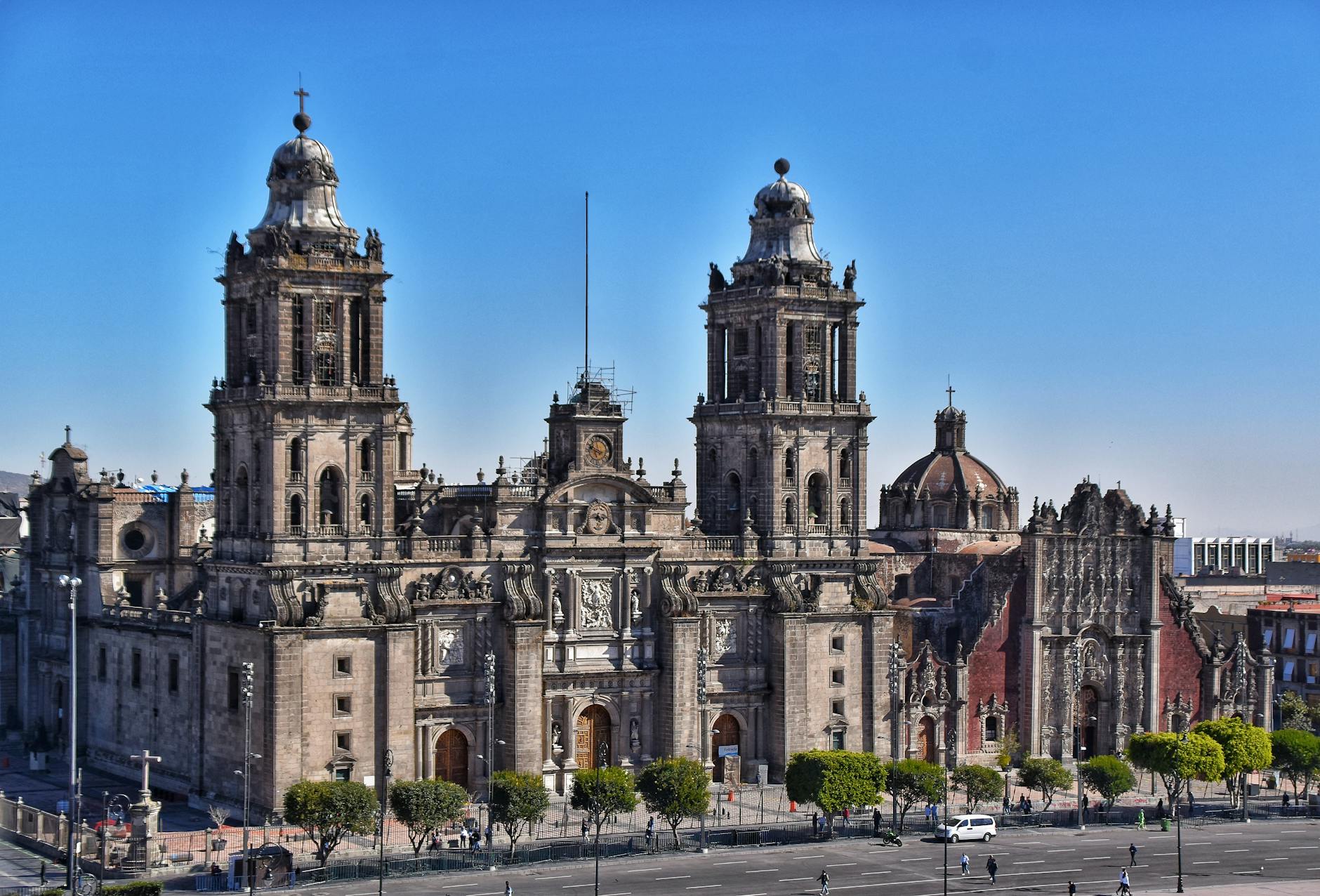
Match hotels and transport to sacred-site geography
Hotel choice affects whether a religious trip feels peaceful or constantly late. Staying near Reforma, Centro, Polanco, Roma, Condesa, or the airport creates different routes to La Villa, the Zocalo, parish sites, museums, and restaurants. A hotel that is comfortable for a leisure traveler may be inconvenient for a morning shrine visit, an elderly parent, or a group returning after a long devotional day.
Transport should be chosen by the traveler's purpose and condition. Some visitors can use public transit comfortably; others need a driver, rideshare, taxi plan, or private group transport. The plan should consider stairs, walking distance, traffic, pickup points, after-dark returns, luggage, religious items, and whether the traveler needs a predictable vehicle rather than the cheapest route.
- Choose a hotel by shrine and church routes, not only by neighborhood popularity or room price.
- Match metro, taxi, rideshare, driver, or group transport to mobility, bags, timing, and after-dark return needs.
- Confirm pickup and drop-off points near crowded religious sites before relying on same-day improvisation.
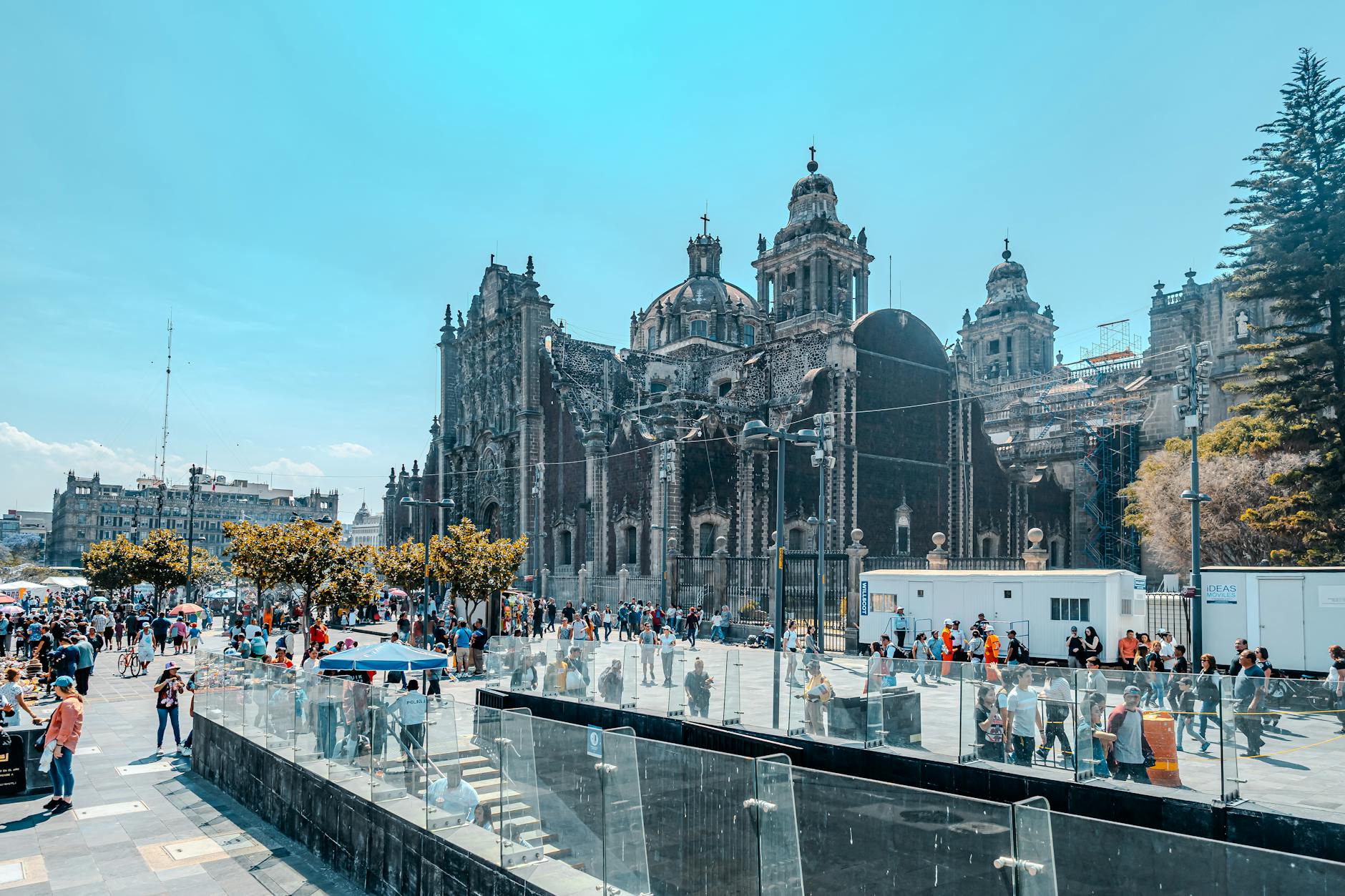
Prepare for health, mobility, and devotional fatigue
Religious trips can be more demanding than they look because travelers may stand longer, walk farther, fast, attend services, carry candles or devotional items, move through crowds, or continue even when tired because the visit matters emotionally. Mexico City's altitude, sun, rain, air quality, uneven pavement, and traffic can add strain. A traveler should plan water, medication timing, meals, seating, bathrooms, and recovery time as part of the pilgrimage, not as afterthoughts.
Mobility planning should be direct. If someone needs step-free routes, fewer transfers, a cane, wheelchair support, accessible rooms, or shorter walking segments, the plan should say so before arrival. A meaningful religious visit is not improved by pushing someone past their limits.
- Plan water, meals, medication, bathrooms, seating, shade, and recovery time around the religious schedule.
- Account for altitude, air quality, rain, sun, crowds, pavement, and long standing periods.
- Build step-free and low-walking alternatives when the traveler has mobility limits or medical constraints.
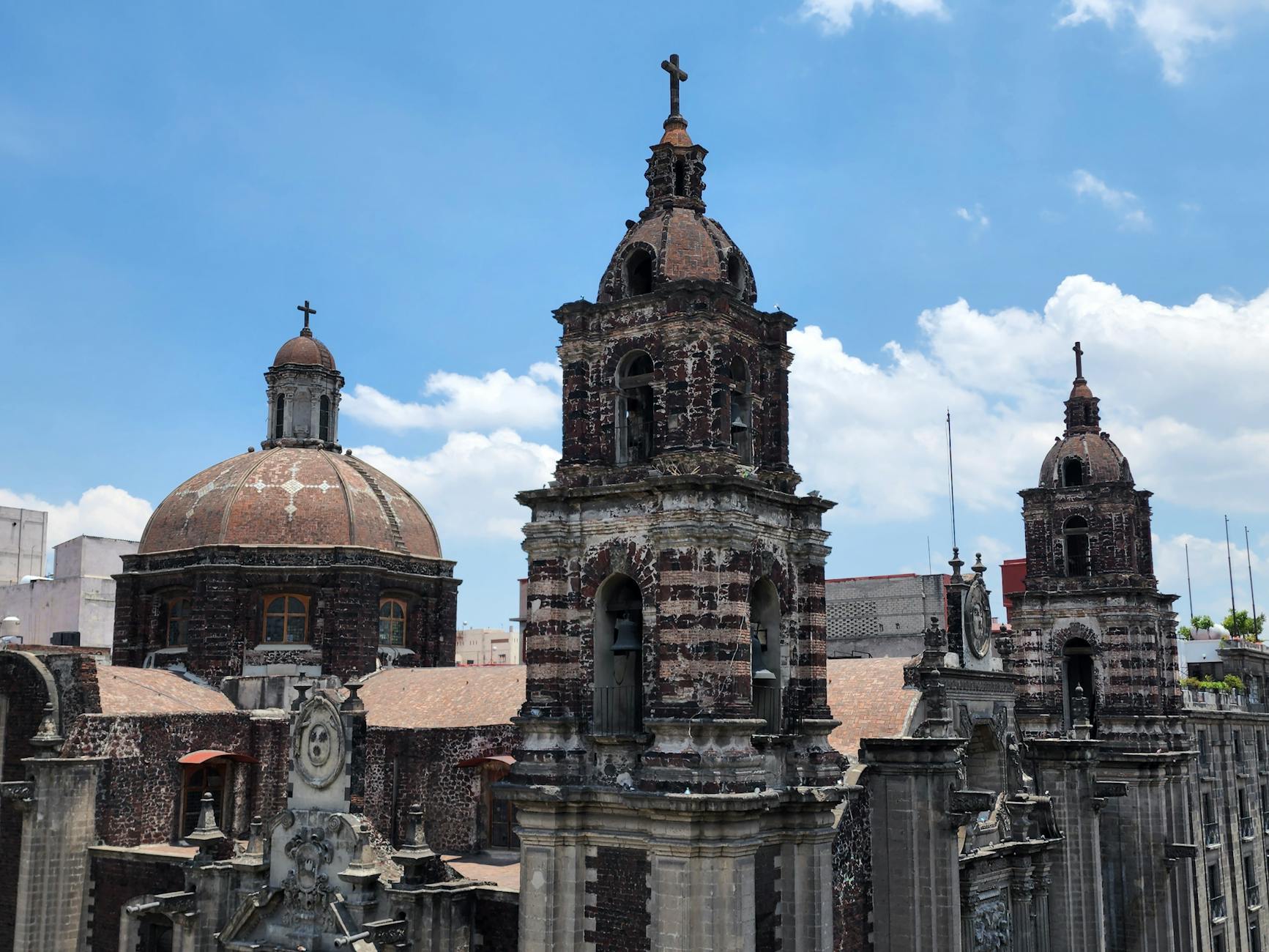
When to order a short-term travel report
A simple visit to one church with flexible timing may not need a custom report. A religious traveler should consider one when the trip centers on the Basilica, includes older relatives, children, a parish group, medical constraints, mobility limitations, feast-day timing, multiple churches, interfaith companions, religious purchases, airport-to-shrine movement, or a need to coordinate worship with meals and rest. The cost of poor planning is not only inconvenience; it can diminish the purpose of the trip.
The report should test shrine schedules, hotel geography, transport choices, crowd windows, accessibility, worship etiquette, official contacts, route sequencing, health limits, group communication, after-dark movement, and fallback plans if a service, closure, rain, or traffic changes the day. The goal is not to replace religious judgment. It is to make the practical conditions support the visit.
- Order when shrine timing, groups, mobility, health, feast days, or multiple sacred sites make logistics consequential.
- Provide worship priorities, hotel candidates, mobility needs, medical constraints, group size, language needs, and arrival details.
- Use the report to protect the religious purpose of the trip, not just to make a sightseeing route more efficient.