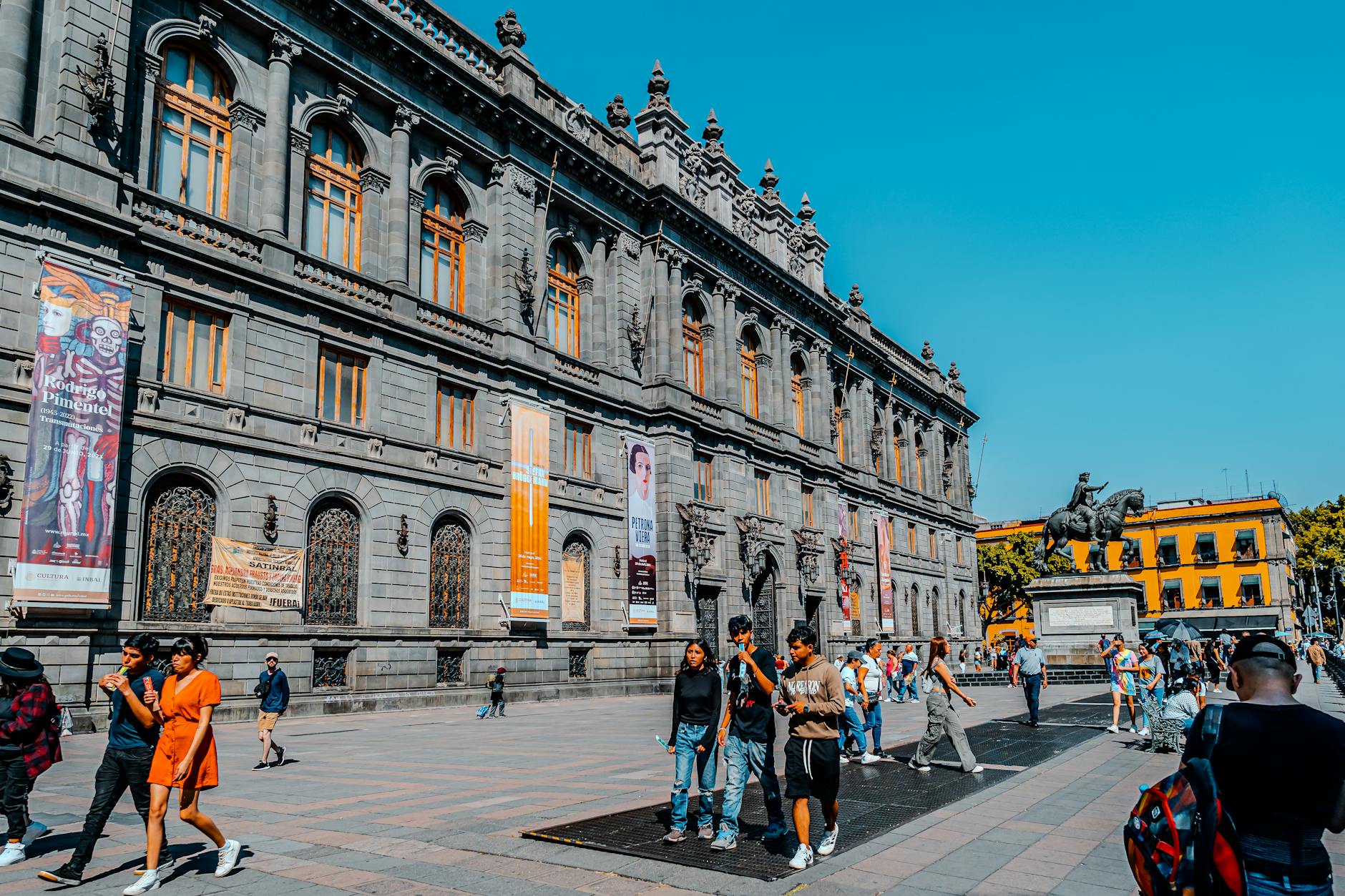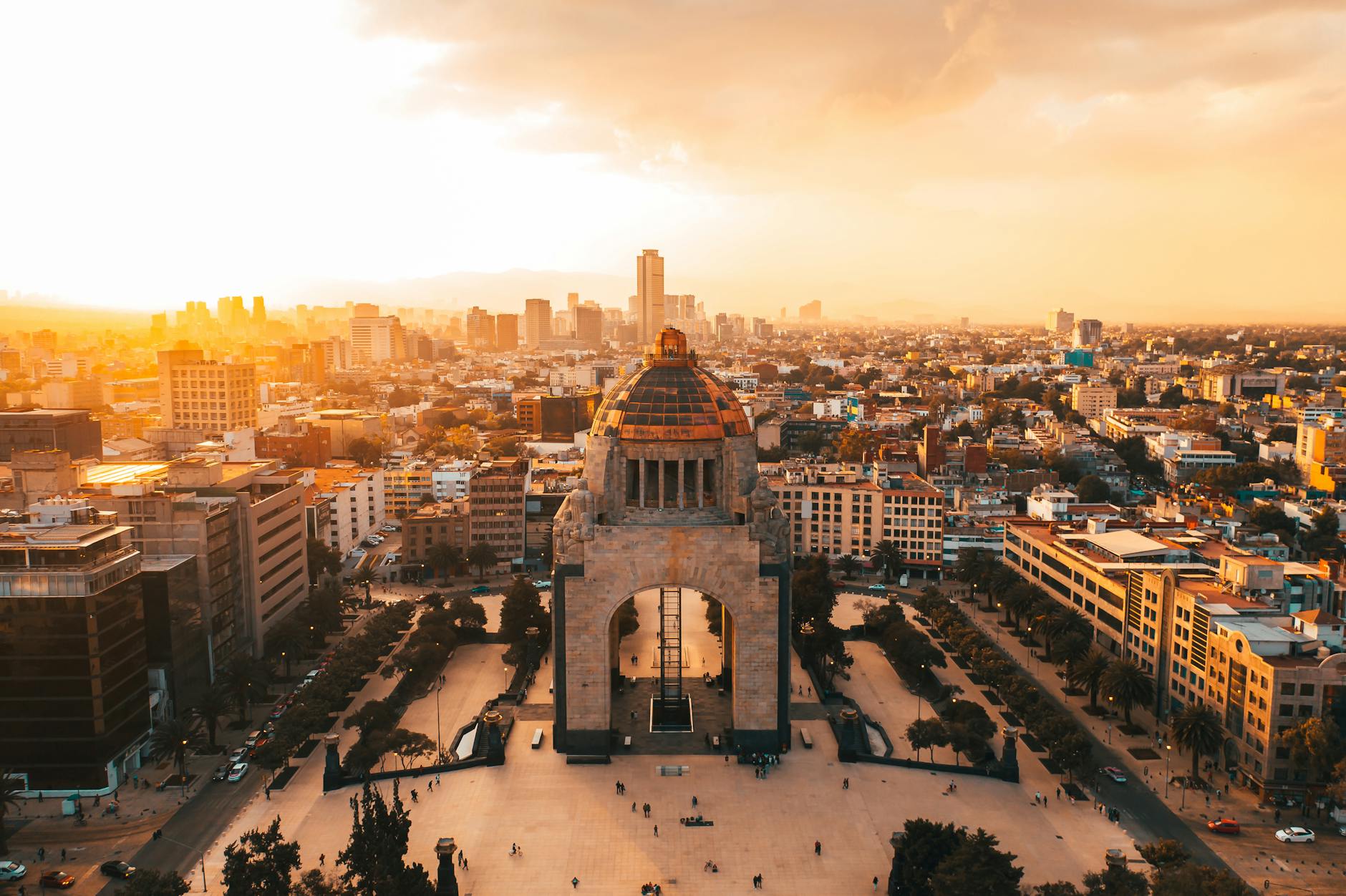
Mexico City can be excellent for older travelers because it offers serious museums, strong hotels, parks, restaurants, historic districts, neighborhood cafes, and enough vehicle options to shape a comfortable short stay. It is also a city where small planning errors compound. Altitude, air quality, long walks through museums, uneven sidewalks, traffic, station crowding, late meals, and cross-town transfers can make a beautiful itinerary feel harder than it looked on a map. The right older-traveler trip is not a reduced version of Mexico City. It is a better edited one. The traveler should choose a base that supports easy returns, cluster sights by district, protect meals and hydration, use cars when they preserve dignity and energy, and build enough pauses that Chapultepec, Centro Historico, Roma, Condesa, Polanco, and Coyoacan remain enjoyable rather than exhausting.
Start with altitude, distance, and stamina
Mexico City sits high enough that some older travelers feel the trip before they understand why. A traveler who is usually active may still notice dry air, shortness of breath, poor sleep, headaches, or a lower tolerance for long museum days. Add traffic, hard floors, sun exposure, and sidewalks that vary by neighborhood, and a day that looked modest can become a stamina problem without one dramatic mistake.
The itinerary should measure the whole day, not only the famous sights. A Chapultepec plan may include the hotel exit, car or ride pickup, a long park approach, museum standing time, lunch, a second stop, and the return. Centro Historico can be dense, crowded, and uneven. Roma and Condesa are more walkable, but even pleasant walking adds up. A strong plan protects the older traveler before fatigue turns into a fall risk, mood problem, or lost next day.
- Estimate the full door-to-door walking and standing day, not only the attraction distance.
- Treat altitude, air quality, heat, crowds, and hard museum floors as real planning factors.
- Use seated pauses before fatigue becomes a safety, balance, or morale problem.
Choose the hotel for easy returns
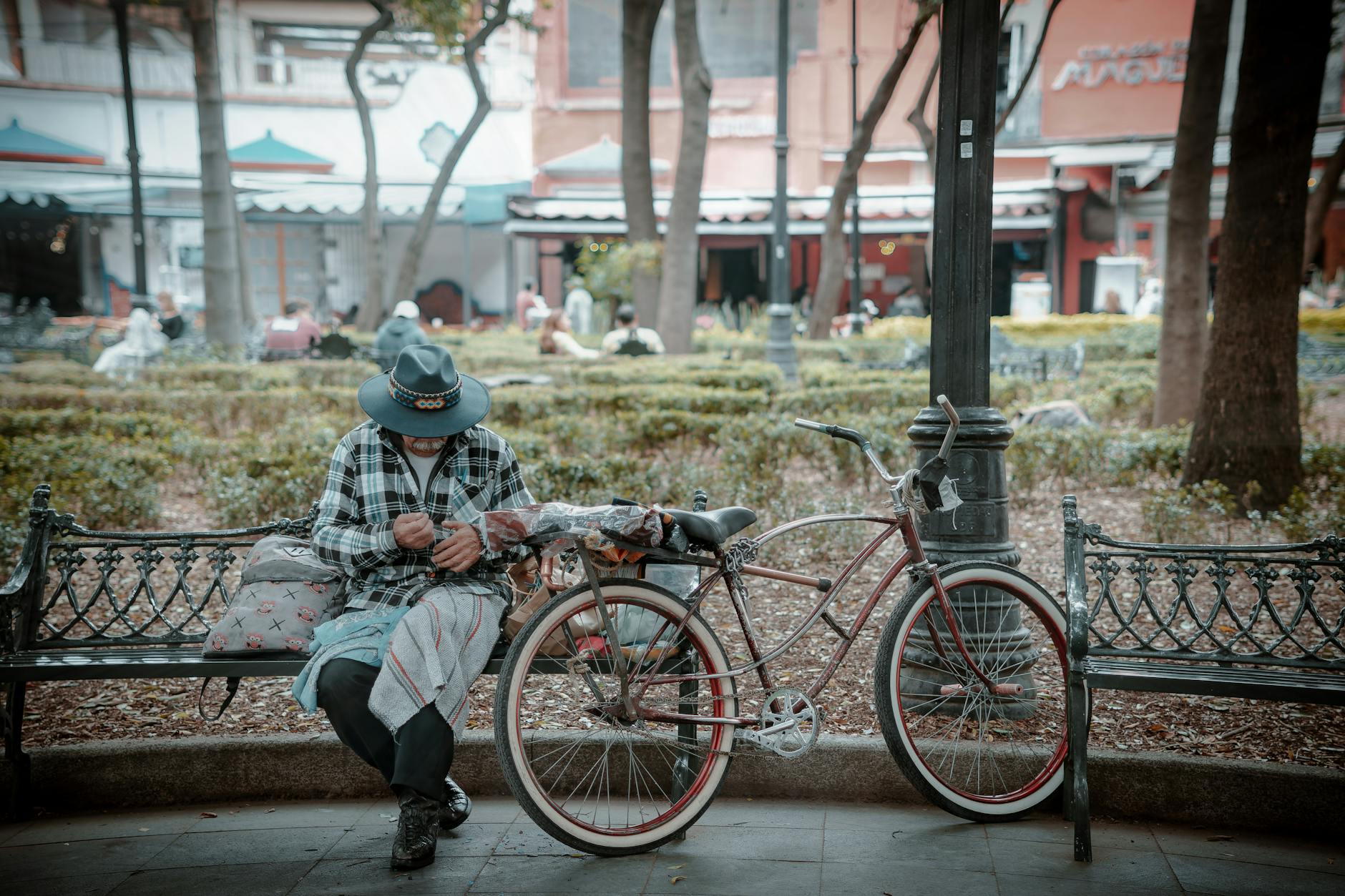
The hotel decision carries more weight for older travelers than many itineraries admit. Roma and Condesa can be comfortable when the traveler wants cafes, shorter walks, and a neighborhood rhythm. Polanco can work well for polished hotels, restaurants, and museum access. Reforma can be useful for vehicle movement and mixed sightseeing. Centro can be compelling but may not suit every older traveler after dark or after a long day. Coyoacan can be lovely, but it may be too peripheral for a short first stay.
Before booking, test the practical details: elevator reliability, entry steps, bathroom layout, room quiet, air-conditioning, nearby meals, vehicle pickup, lobby seating, and how the traveler will return after dinner. A hotel can be beautiful and still wrong if every outing begins with awkward stairs, long curb waits, or a tiring walk to food.
- Check elevators, entry steps, bathroom layout, room quiet, lobby seating, and nearby dinner options.
- Match Roma, Condesa, Polanco, Reforma, Centro, or Coyoacan to the traveler's stamina and daily priorities.
- Prefer the base that makes returns easy, not the address that sounds most romantic in isolation.
Use museums and parks as pacing architecture
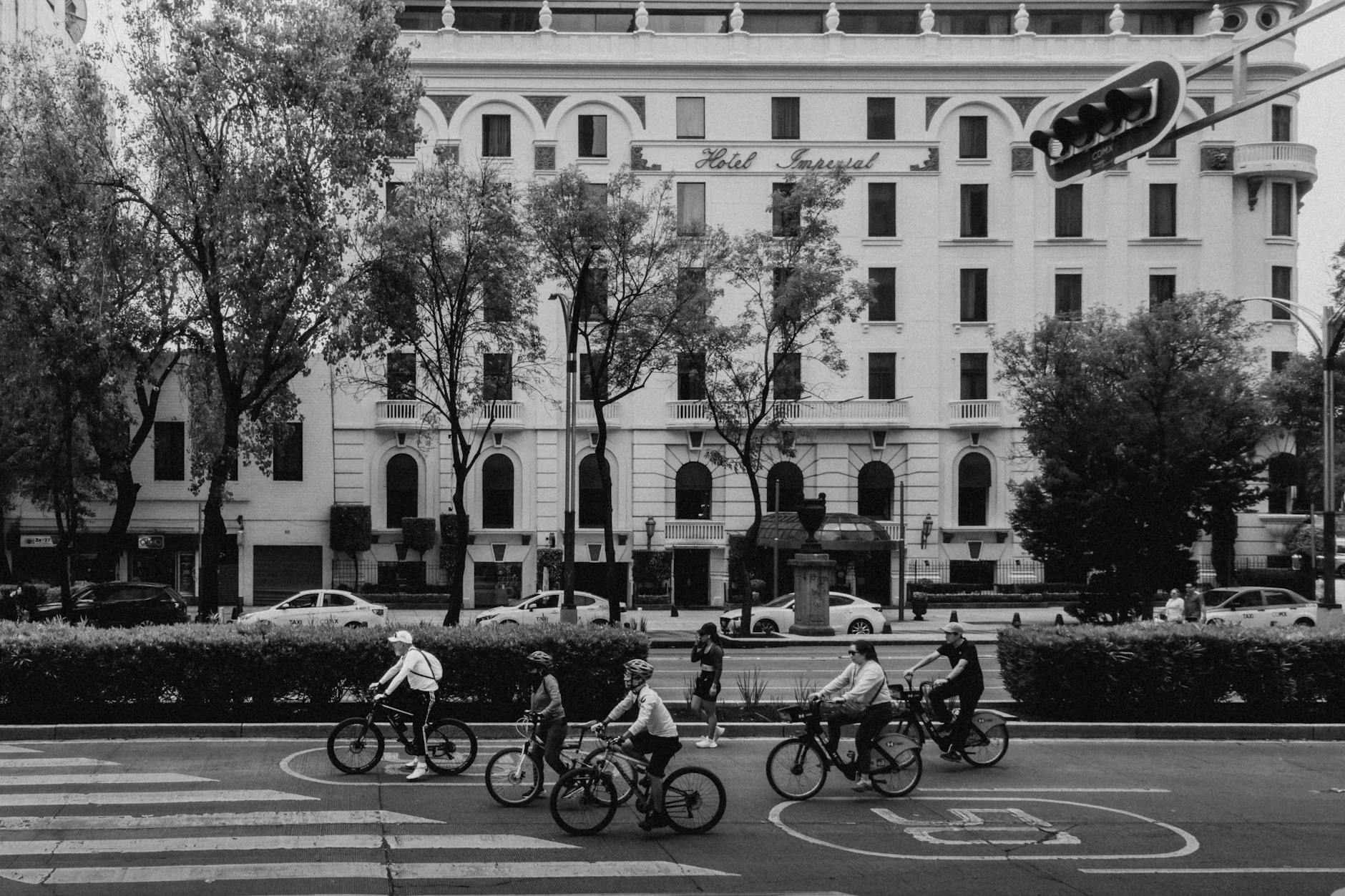
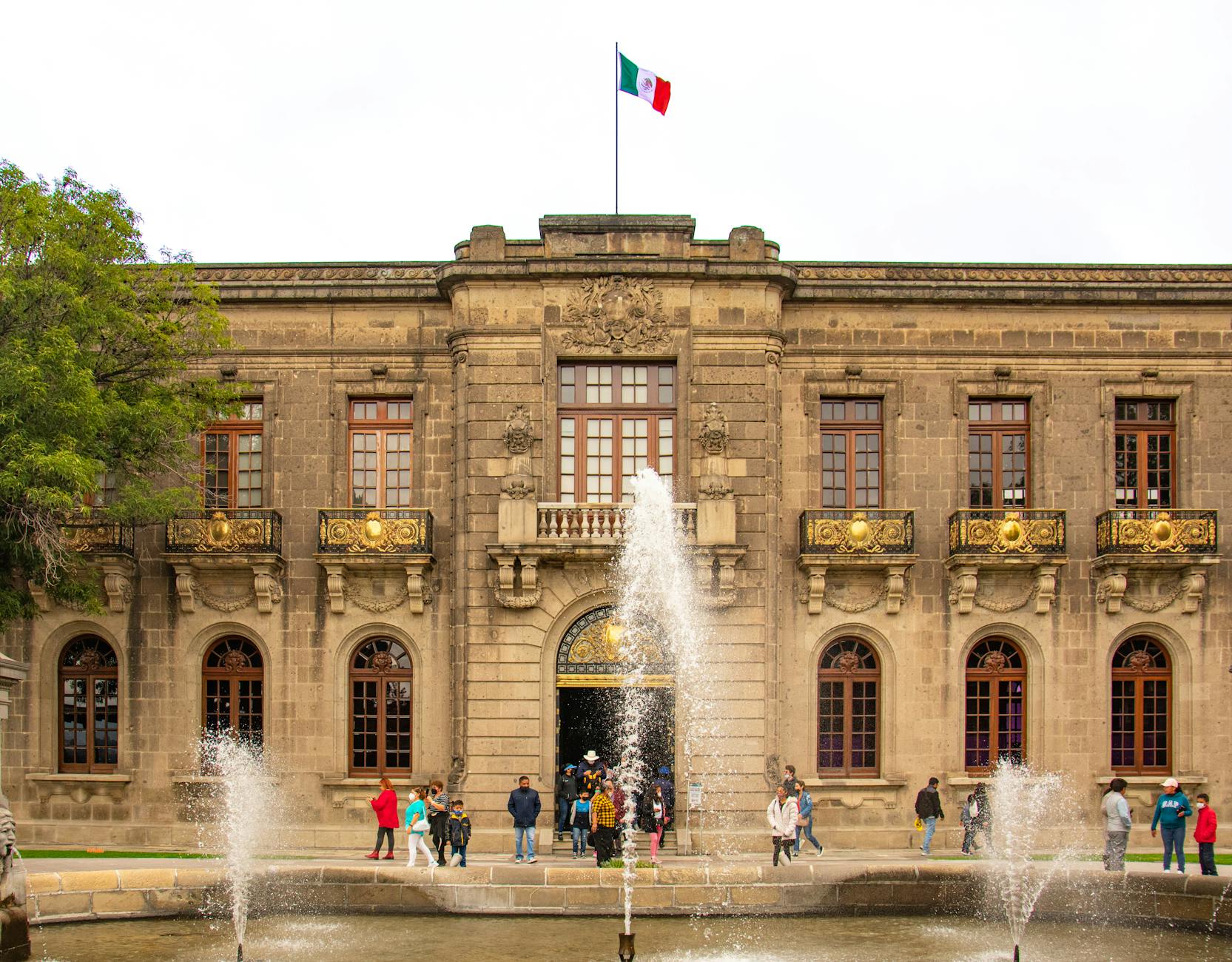
Mexico City's museums and parks are ideal for older travelers when they are sequenced honestly. The National Museum of Anthropology, Chapultepec Castle, Palacio de Bellas Artes, Museo Soumaya, Museo Jumex, Templo Mayor, and Coyoacan's museum circuit can all be worthwhile, but they are not light stops simply because they are indoors or famous. Long galleries, stairs, security queues, heat between buildings, and limited seating can change the day quickly.
The better approach is to choose one major cultural anchor and make the rest of the day gentler. A Chapultepec day can include one museum, a planned meal, and a car return. A Centro day can be shorter and more focused. Coyoacan should usually be given its own shape rather than bolted onto a full museum morning elsewhere. Parks are not filler in this version of the trip. They are how the day breathes.
- Use one major museum or historic anchor per day unless stamina is clearly strong.
- Check seating, stairs, timed entries, heat exposure, and exit routes before committing.
- Let Chapultepec, Coyoacan, and quieter neighborhood walks balance denser cultural stops.
Plan meals, bathrooms, and seated pauses
Older-traveler planning should make ordinary bodily needs visible. Mexico City is a serious food city, but restaurant geography, reservation time, bathroom access, stairs, noise, and the walk back from dinner matter. A celebrated meal that requires a long cross-town move after a museum day may be less useful than a very good meal that supports the district already being visited. Regular meals are also part of altitude and medication management.
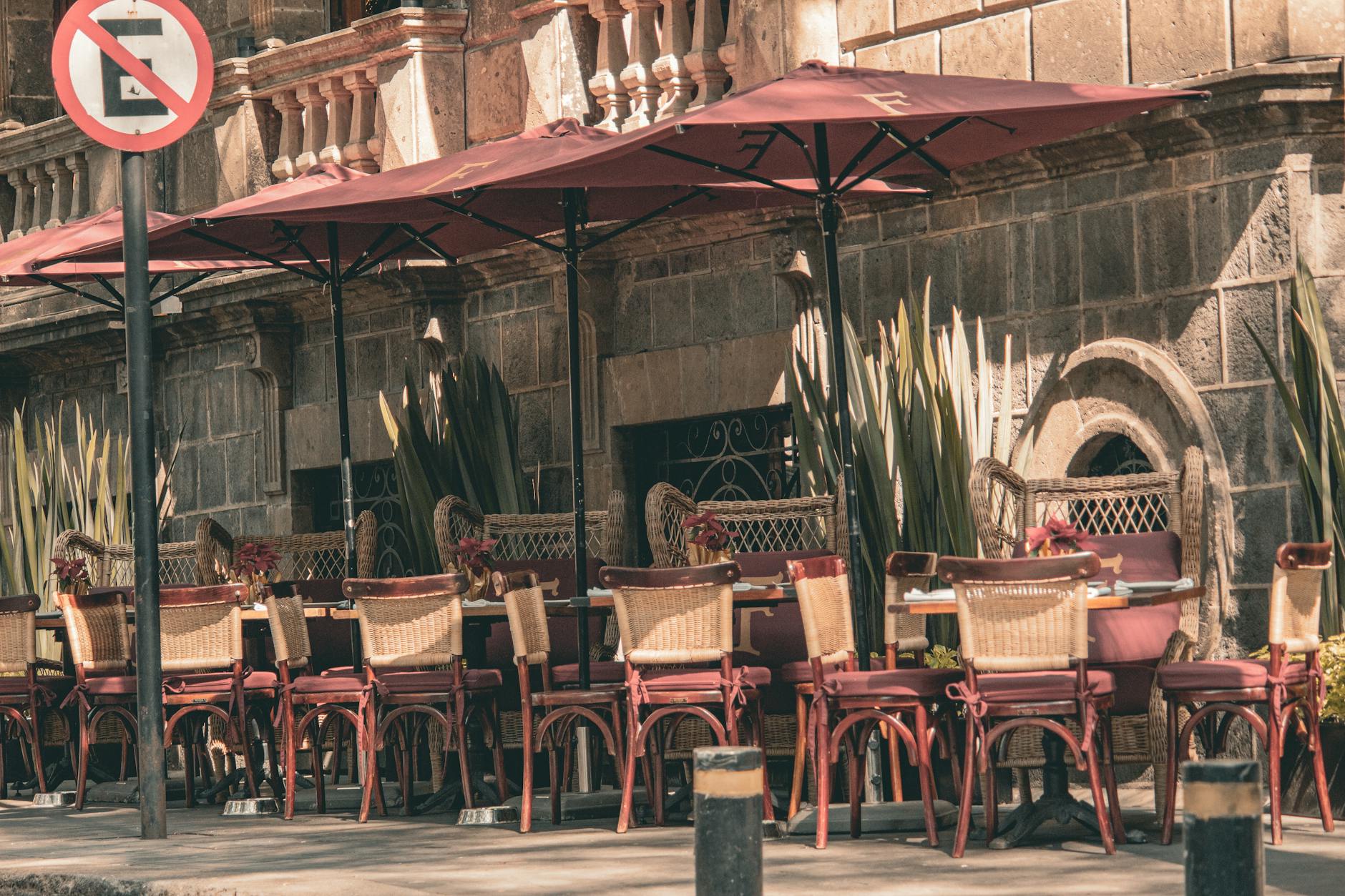
Build the day around reliable pauses. A cafe in Roma, a hotel lunch in Polanco, a shaded restaurant near Chapultepec, or a calm afternoon break can preserve the whole trip. Travelers with diabetes, cardiac issues, digestive concerns, hearing difficulty, or lower stamina should not have to improvise food and rest after the day is already strained. The city is easier when meals and pauses are treated as structure.
- Plan lunch, cafe stops, and bathroom access before the day becomes tiring.
- Choose restaurants by district, noise level, seating comfort, stairs, and return route as well as reputation.
- Protect regular meals and hydration when medication, blood sugar, or altitude sensitivity matters.
Keep medical continuity quiet but explicit
Most older travelers will not need medical care in Mexico City, but the trip should not depend on luck. Medication should travel in hand luggage, with enough extra supply and documentation for the traveler and companion to understand. Glasses, hearing aids, batteries, mobility aids, CPAP equipment, compression socks, insurance details, emergency contacts, and a simple medication list should be treated as part of the travel plan rather than scattered afterthoughts.
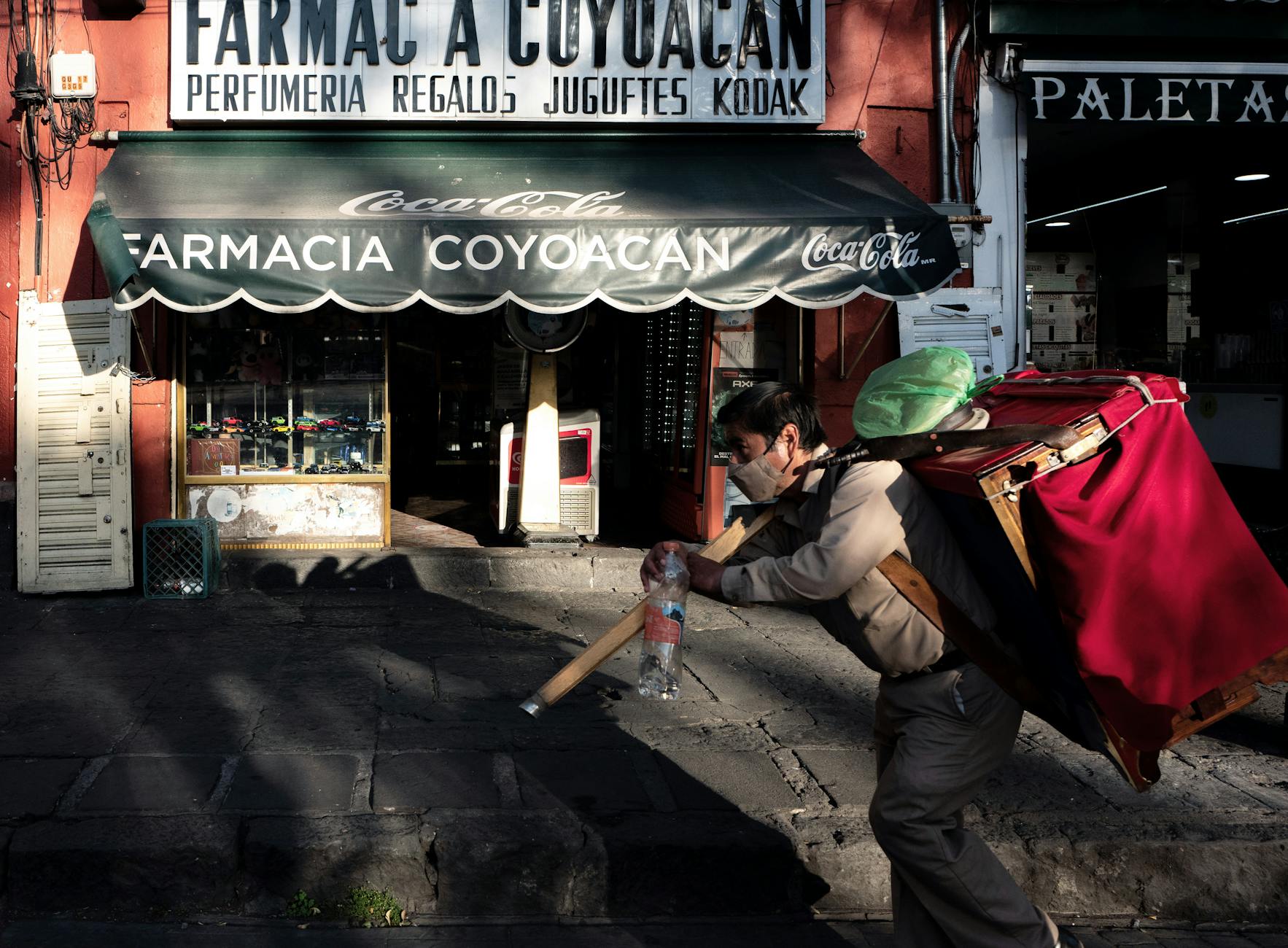
The traveler should know the realistic pathway for a minor problem near the hotel: pharmacy, hotel doctor, private clinic, urgent care, or emergency department. Spanish language limits may matter. So may payment, insurance reimbursement, and whether the hotel can help arrange care. This is not about making the trip anxious. It is about preventing a small medical or medication problem from taking over a short visit.
- Carry medications, documentation, insurance details, and emergency contacts in accessible form.
- Know the nearest useful pharmacy and realistic care pathway near the hotel.
- Plan for hearing aids, glasses, batteries, mobility aids, and equipment before departure.
Make evenings easy to end
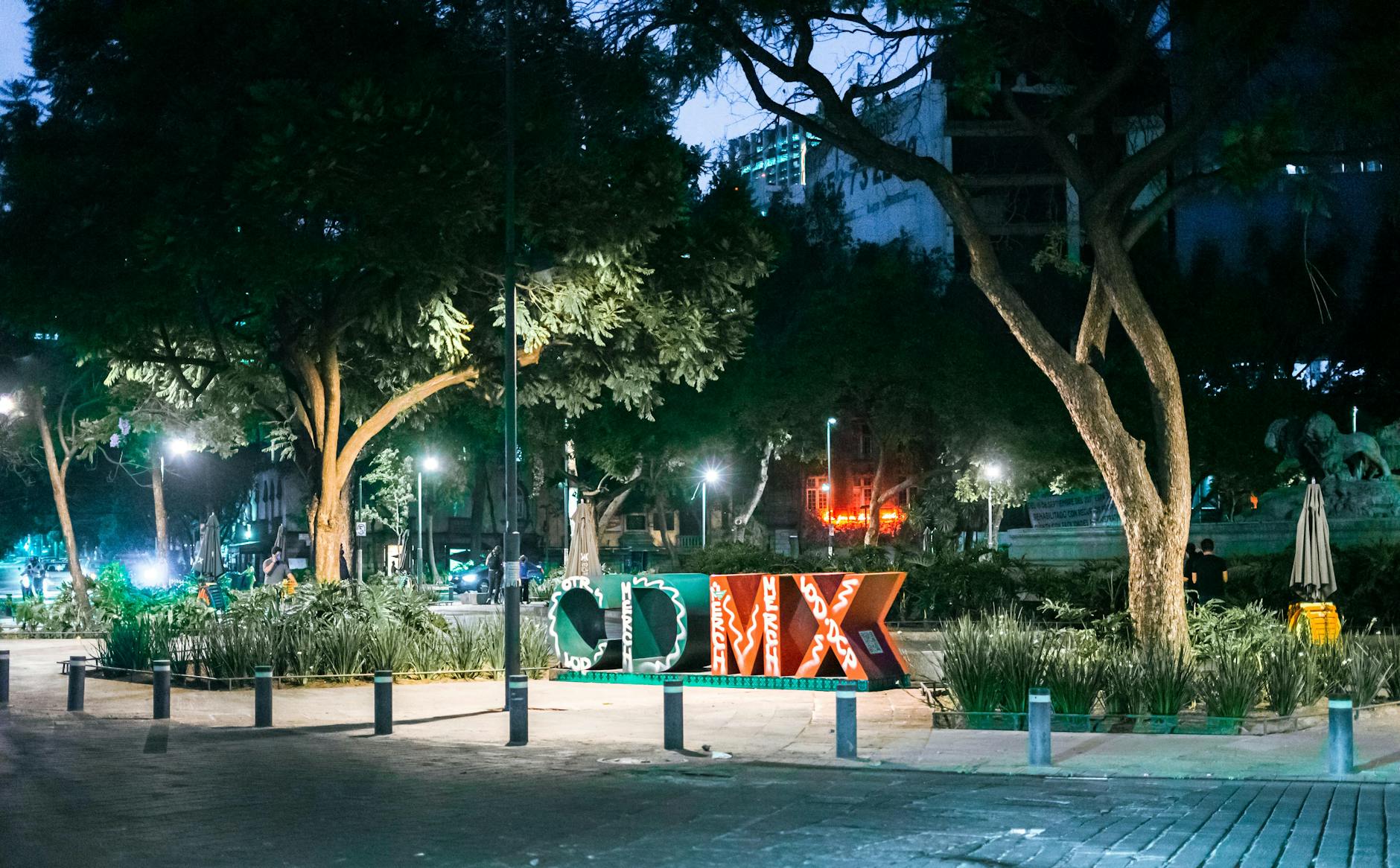
Mexico City evenings can be wonderful for older travelers: a measured dinner, a concert, a hotel bar, a neighborhood walk, or a view over the city after the heat and traffic have shifted. They can also become the moment when fatigue, darkness, unfamiliar pickup points, uneven sidewalks, and crowds combine. The answer is not to avoid evenings. It is to make the ending simple before the evening begins.
Choose some dinners near the hotel, use cars or hotel-arranged transport when needed, and avoid long late transfers after standing-heavy days. If the traveler uses a cane, hears poorly in crowds, dislikes app-based ride confusion, or tires quickly after dinner, the return plan should be fixed in advance. A beautiful evening that ends cleanly is worth more than an ambitious one that damages the next morning.
- Plan the return from dinner, concerts, bars, or evening walks before leaving the hotel.
- Use hotel cars, trusted taxis, or app rides when fatigue, darkness, or pickup confusion would add strain.
- Keep some evenings close to Roma, Condesa, Polanco, Reforma, or the hotel base instead of crossing town late.
When to order a short-term travel report
An active older traveler with a relaxed schedule and prior Mexico City experience may not need a custom report. A report becomes useful when mobility, stamina, medication, hearing or vision concerns, a late arrival, heavy luggage, an ambitious museum plan, a multigenerational group, or uncertainty about where to stay could change the trip. Generic first-time advice is usually too loose for those constraints.
The report should test hotel candidates, room access, airport transfer, daily walking load, district clusters, museum choices, restaurant timing, bathroom and seated-break needs, medication continuity, current local signals, and evening return options. The goal is not to make Mexico City smaller. It is to keep the traveler comfortable enough to enjoy a large city on purpose.
- Order when mobility, stamina, medication, late arrival, hotel access, or multigenerational pacing requires precision.
- Provide hotel options, flights, walking limits, health constraints, meal needs, and must-see priorities.
- Use the report to decide where to stay, what to cut, when to use cars, and how to pace the cultural days.