Mexico City can be a strong family destination because it has parks, museums, food, plazas, neighborhoods, hotels, and cultural depth that can work for children and adults at the same time. The challenge is not a lack of things to do. The challenge is the scale of the city. A family day that looks simple on paper can become a long chain of luggage, traffic, bathroom searches, museum fatigue, late meals, altitude, and tired returns if the itinerary is built like an adult sightseeing checklist. The better family trip edits hard. It chooses a base that makes meals and returns easy, uses Chapultepec and calm neighborhoods as real anchors, keeps Centro and Coyoacan focused, respects bedtime and altitude, and treats transport as part of the family plan. Mexico City is generous with families when the day has room to breathe.
Choose the base around exits and returns
A family hotel is not only a place to sleep. It is where the day starts, where someone may need to return early, where bags and snacks are recovered, and where the evening either stays easy or becomes a second logistical problem. Roma and Condesa can work well for families who want cafes, parks, casual meals, and a neighborhood rhythm. Polanco can be strong for polished hotels, Chapultepec access, museums, and easier vehicle movement. Reforma can suit families who need a central operating spine. Centro and Coyoacan are better treated as deliberate day choices unless the specific lodging is unusually well matched.
Parents should test the practical details before booking: room layout, elevator reliability, crib or bed configuration, breakfast, nearby simple food, pharmacy access, laundry options, vehicle pickup, and how the route back feels after dark. A charming stay that requires hard returns can drain the whole trip.
- Choose a base that makes breakfast, snacks, naps, pharmacy stops, and evening returns easy.
- Use Roma, Condesa, Polanco, or Reforma when neighborhood support and vehicle access matter.
- Check room layout, elevators, bedding, breakfast, and nearby simple meals before booking.
Make arrival and traffic child-proof
The airport arrival should be settled before the family lands. Mexico City International Airport and Felipe Angeles create different arrival problems, and tired children do not improve curbside decision-making. A family should know the pickup point, vehicle size, luggage fit, car seat expectations, hotel route, and backup if the flight is late or phone service is weak. The first transfer is not the place to test everyone's patience.
Traffic should shape the whole schedule. A route that seems reasonable for two adults may be too much with a stroller, a tired child, a child who needs a bathroom, or a parent carrying day bags. Families should cluster days tightly and avoid crossing the city just to collect one more famous stop. The trip will feel larger, not smaller, when fewer moves are done well.
- Confirm pickup point, vehicle size, luggage space, child seats, and backup contact before arrival.
- Treat traffic as a family stamina issue, not just an adult schedule issue.
- Cluster attractions so the family is not repeatedly loading, unloading, and waiting in traffic.
Let Chapultepec carry more than one day
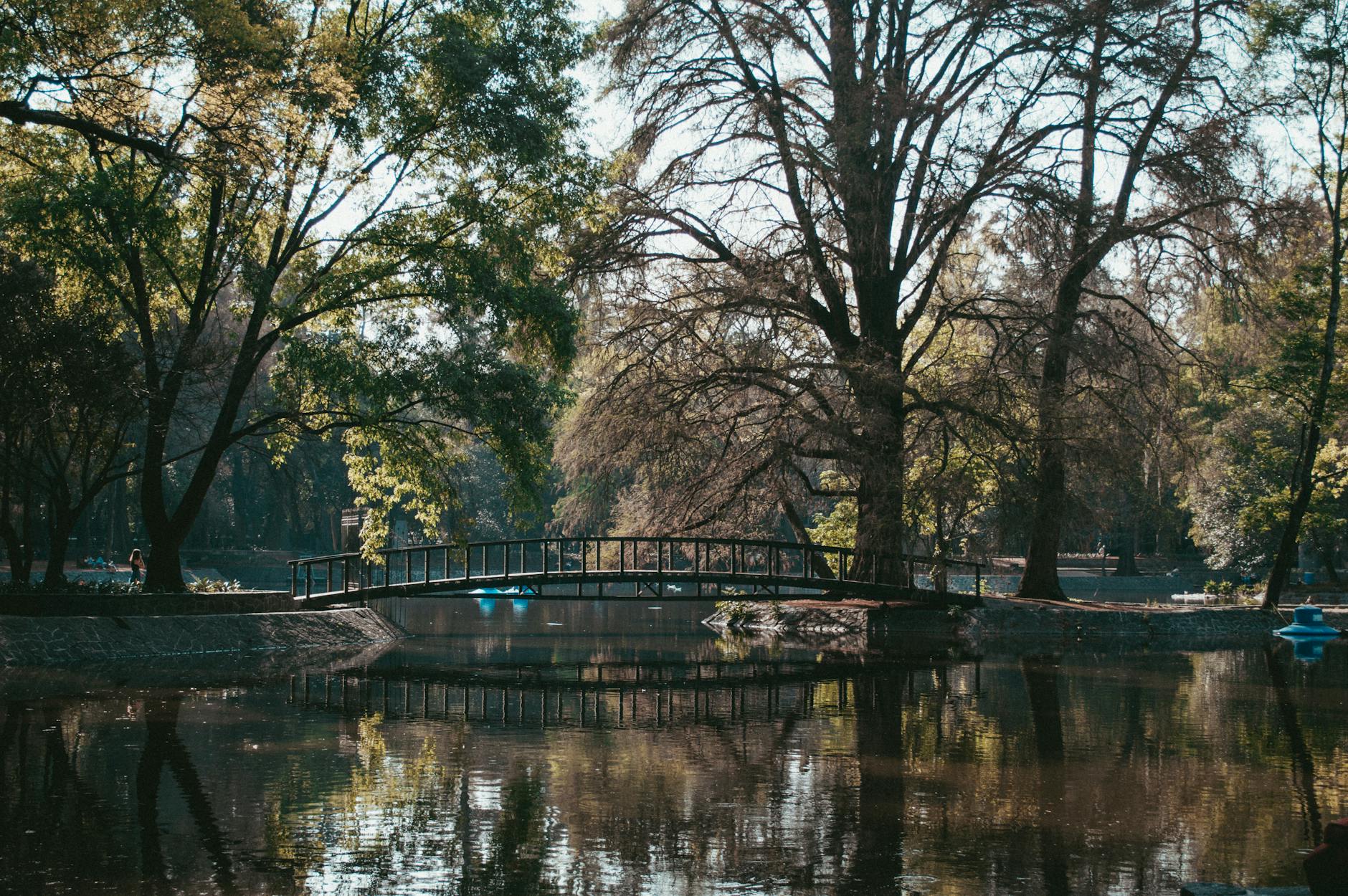
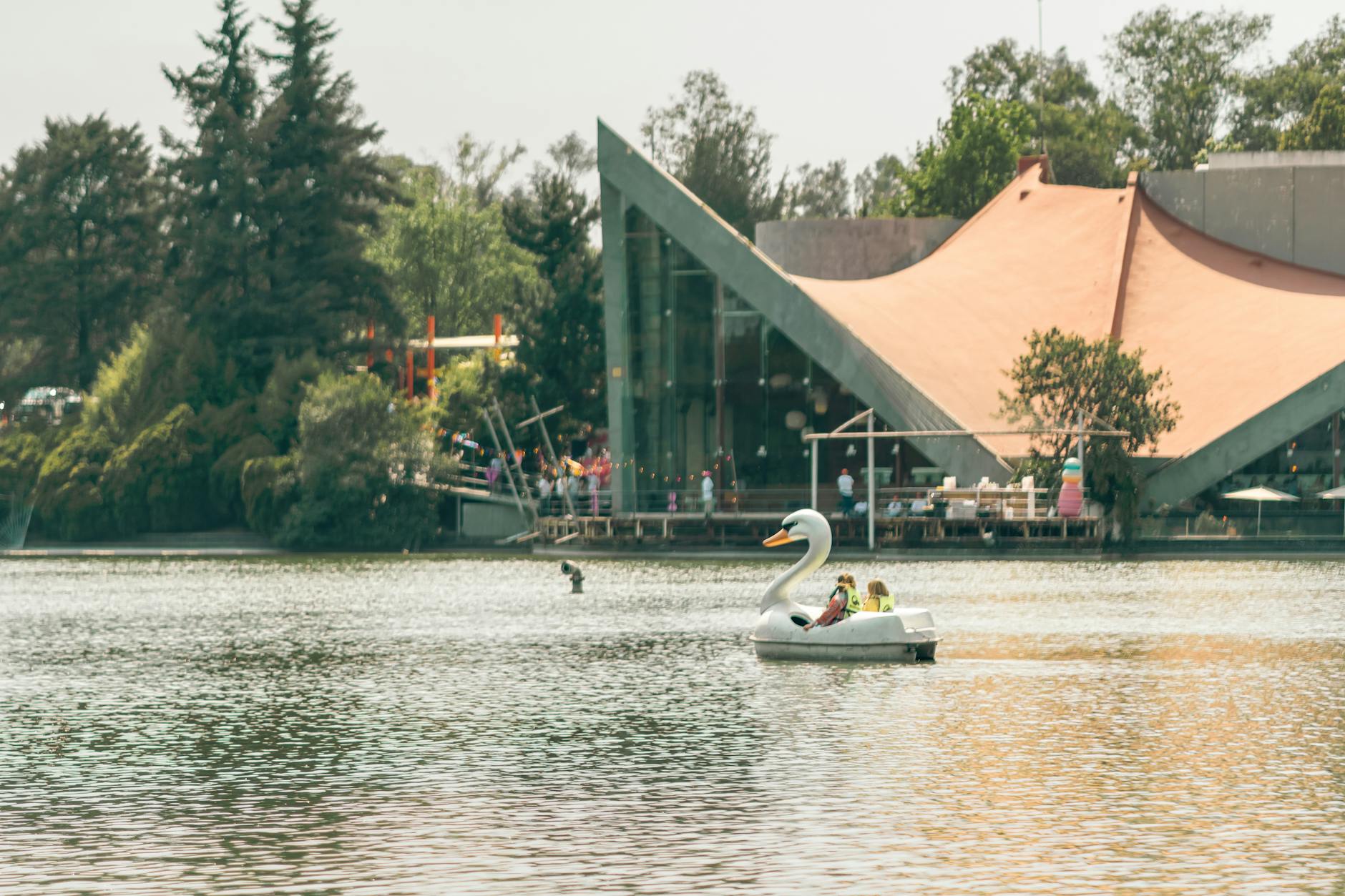
Chapultepec is one of the most useful family anchors in Mexico City because it can absorb different ages and energy levels. The park can support green space, boating, museums, castle views, snacks, sitting time, and a day that does not feel like one indoor stop after another. Families should not treat it as a minor item to squeeze between unrelated neighborhoods. It can be the spine of a satisfying family day.
The key is restraint. One museum plus park time may be better than two museums and a forced dinner across town. Chapultepec Castle can be memorable, but the approach, stairs, heat, and crowds matter. The Anthropology Museum may work well for some children and poorly for others unless the visit is short and focused. Boating, shaded walks, snacks, and a planned return can make the day feel successful even if the formal sightseeing list is shorter.
- Use Chapultepec as a family anchor, not a filler stop.
- Pair one major museum or castle visit with park time, snacks, and a simple return.
- Choose activities by child age, heat, stairs, standing time, and attention span.
Plan museums, Centro, and Coyoacan by attention span
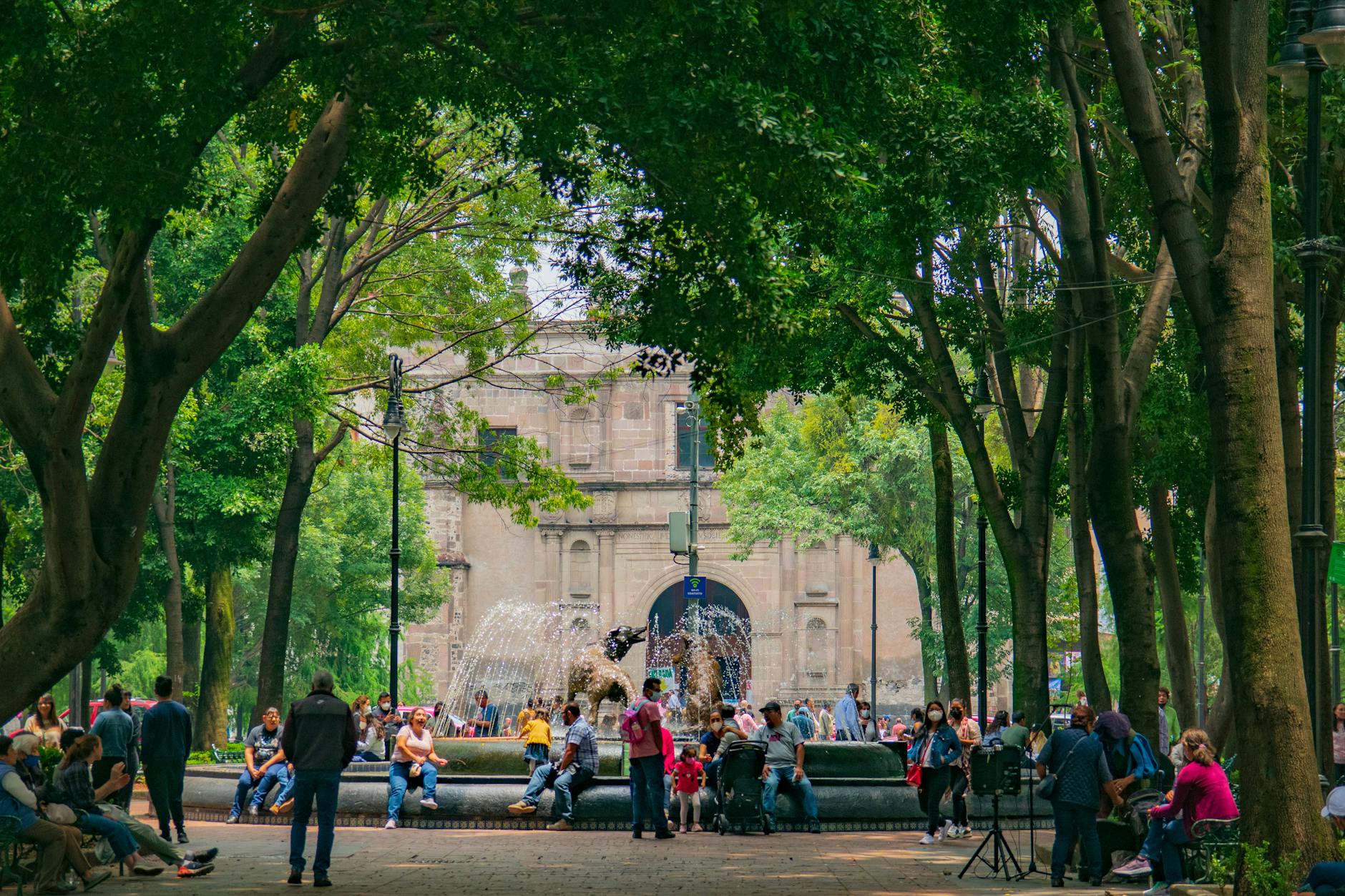
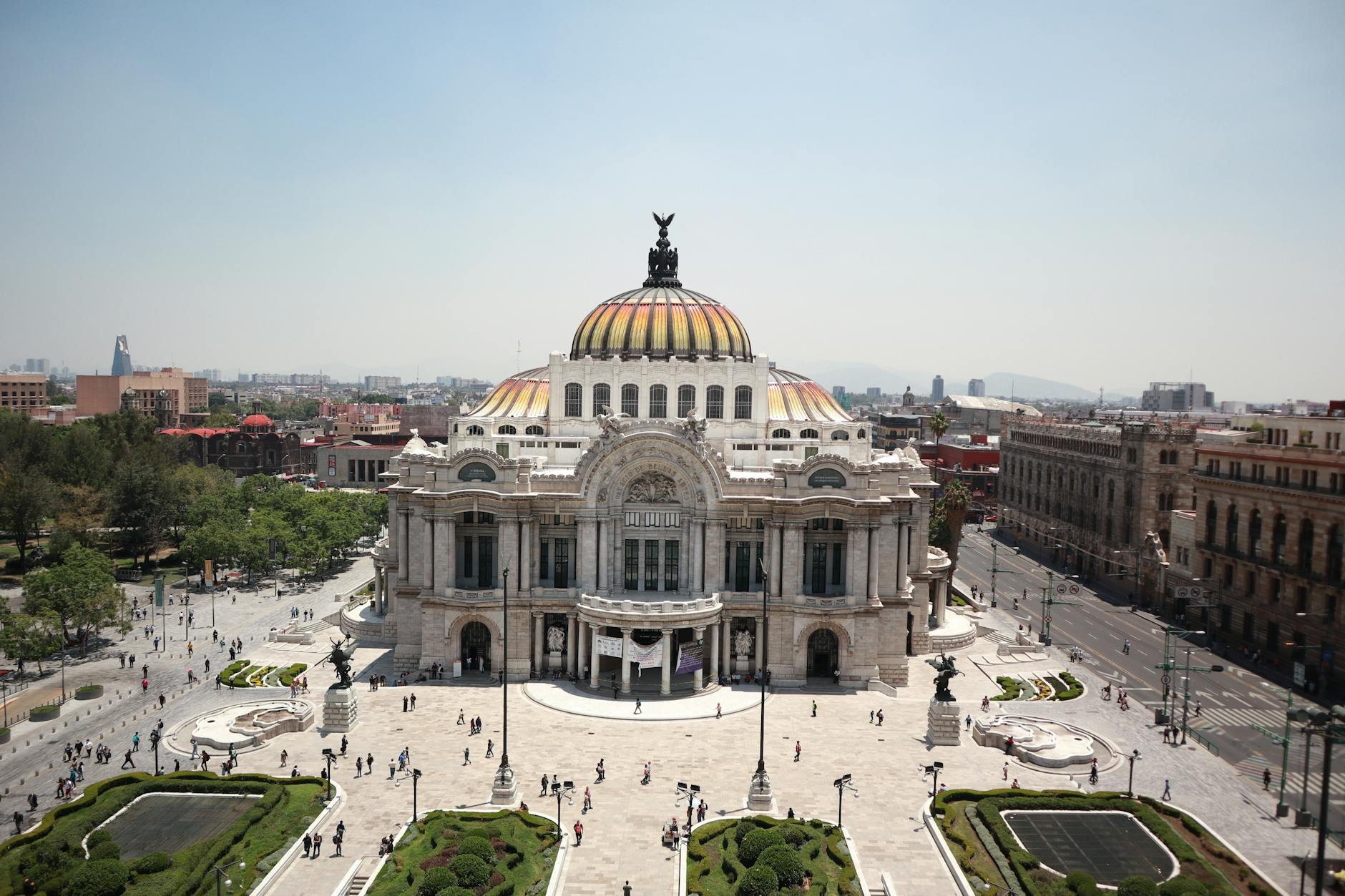
Mexico City has many family-friendly cultural possibilities, but they should be chosen by age and attention span. Centro Historico can be visually powerful, but crowds, uneven surfaces, heat, and long standing can wear children down quickly. Bellas Artes, the Zocalo area, Templo Mayor, and nearby streets are better as a focused route with a known lunch or exit. Coyoacan can be easier in tone, but it is still a separate movement that deserves its own half day rather than being added after a full morning elsewhere.
Families should decide what kind of learning the children can actually handle. One memorable museum room, plaza, market, or historic story may be better than a complete adult tour. A guide can help if they can pace for children rather than simply deliver more information.
- Use short, focused cultural visits instead of adult-length museum and historic-center days.
- Give Centro and Coyoacan clear routes, meal stops, and exit plans.
- Hire a guide only if they can adapt to children, heat, bathrooms, and attention span.
Food, bathrooms, and snacks are trip architecture
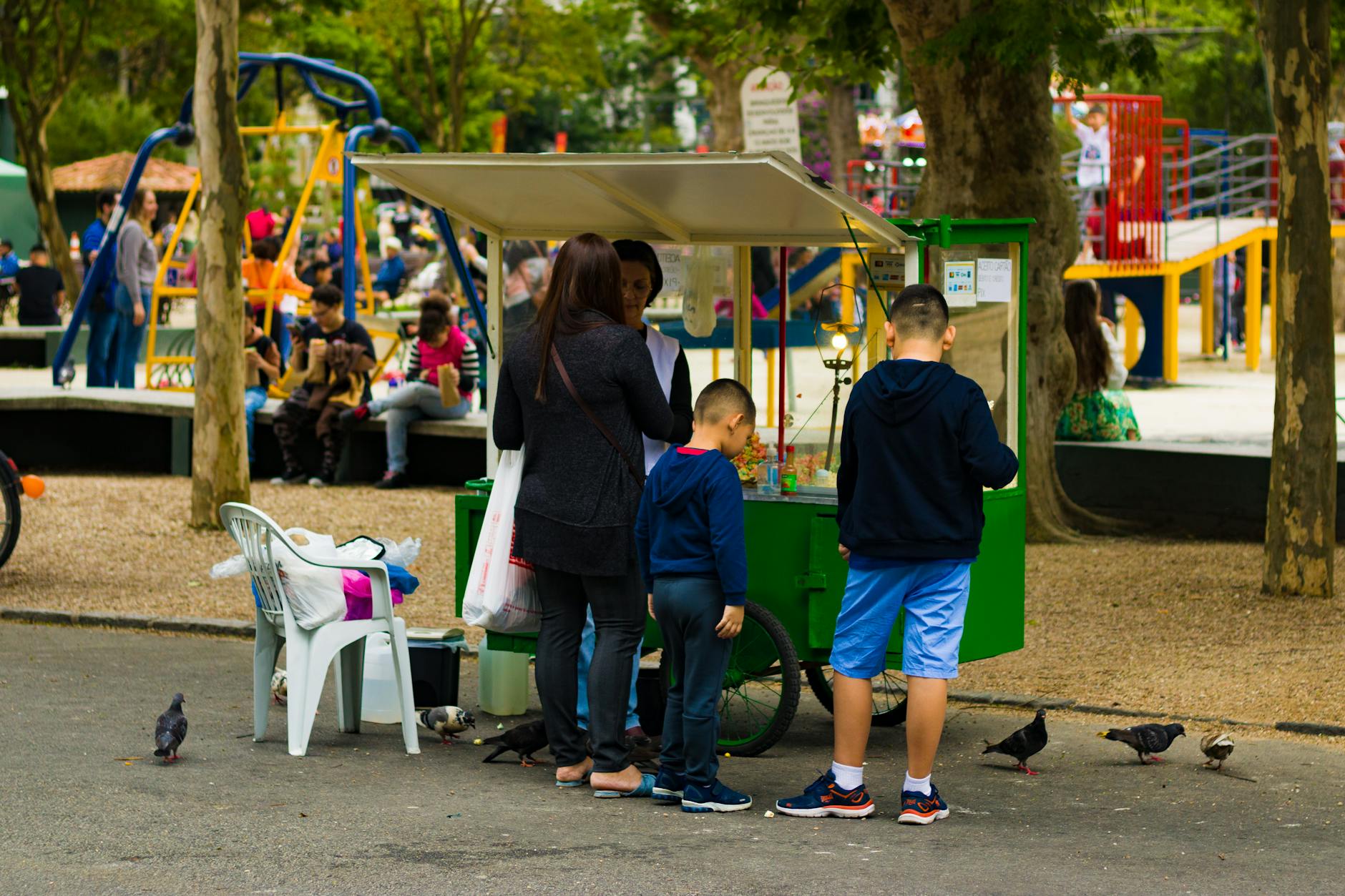
Family travel in Mexico City depends on food timing. The city can be excellent for children who eat widely, but not every family can rely on adventurous meals, late dinners, or long restaurant pacing. Parents should plan simple food, snacks, water, and bathroom access into the day. A restaurant that is famous but far from the route may be less useful than a good nearby meal that keeps the family regulated.
Markets, casual restaurants, hotel breakfasts, bakeries, park snacks, and neighborhood cafes can all support the itinerary. The question is not whether children should try local food. It is whether meals are placed where hunger, fatigue, and bathrooms will actually occur. Mexico City works better when food solves the day instead of becoming another distant attraction.
- Plan food, water, snacks, and bathrooms before children are already tired or hungry.
- Use neighborhood meals that support the route, not only restaurants with the strongest reputation.
- Keep backup snacks and simple meal options near the hotel and major daytime anchors.
Use markets and neighborhoods with boundaries
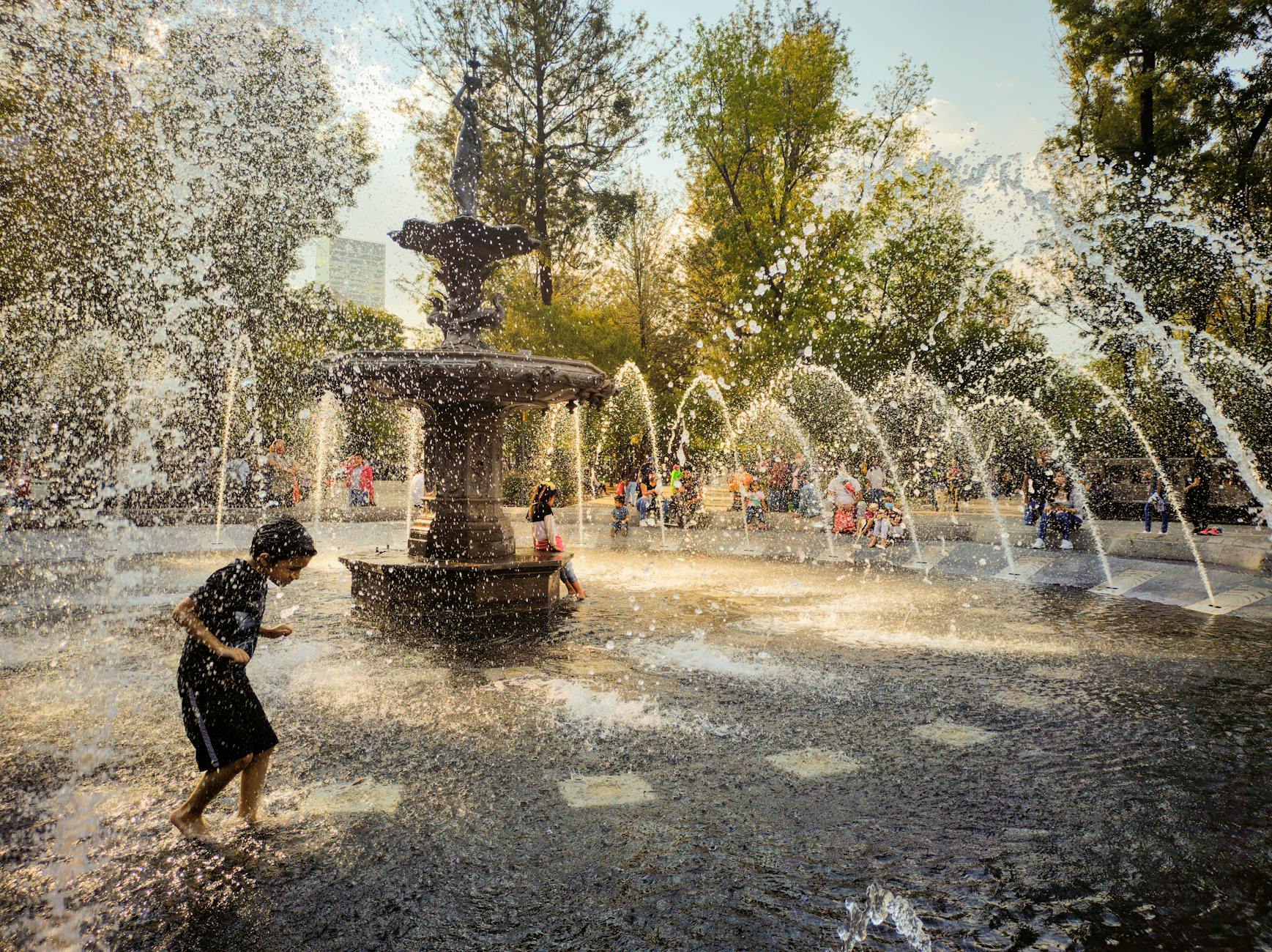
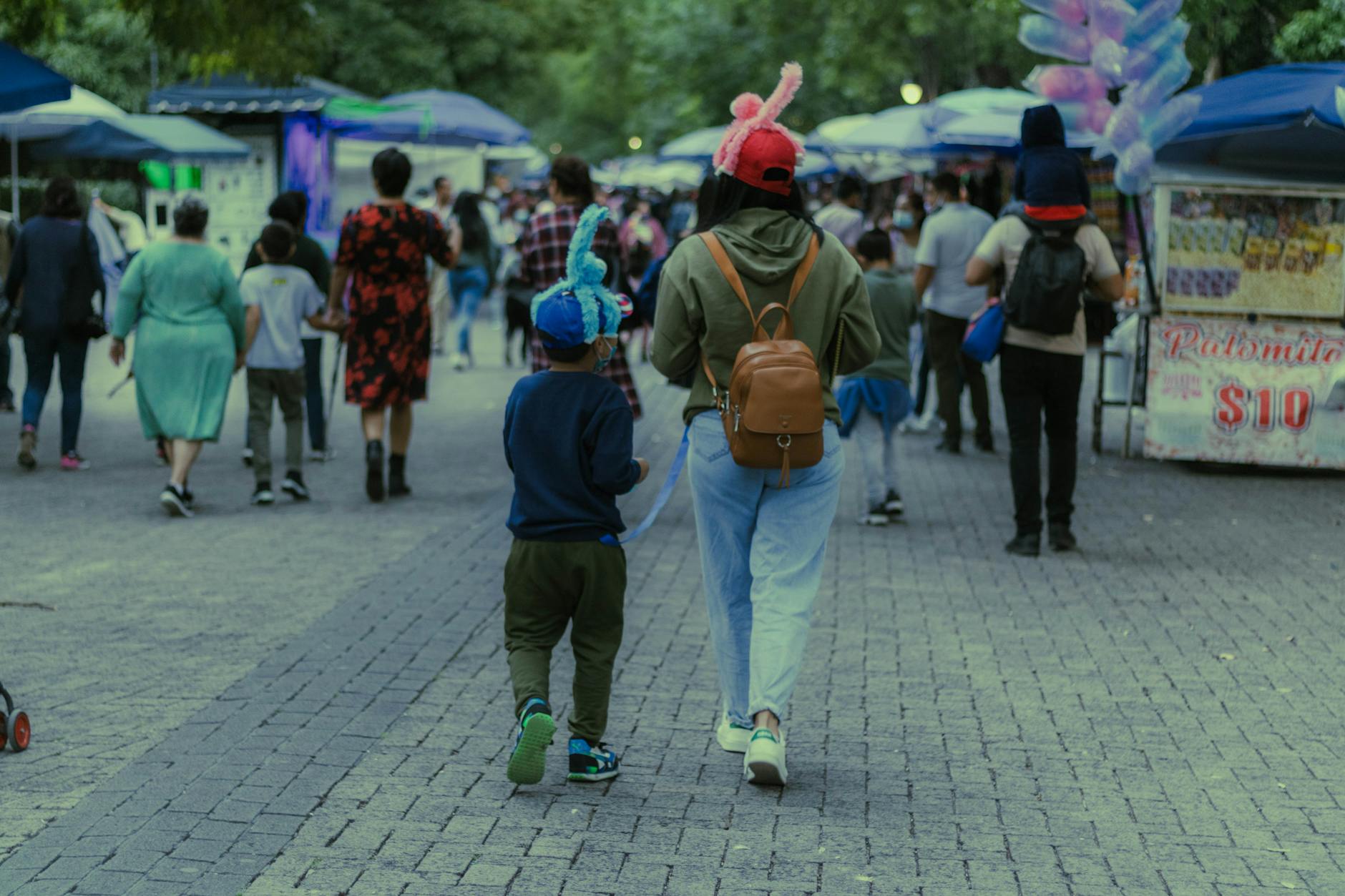
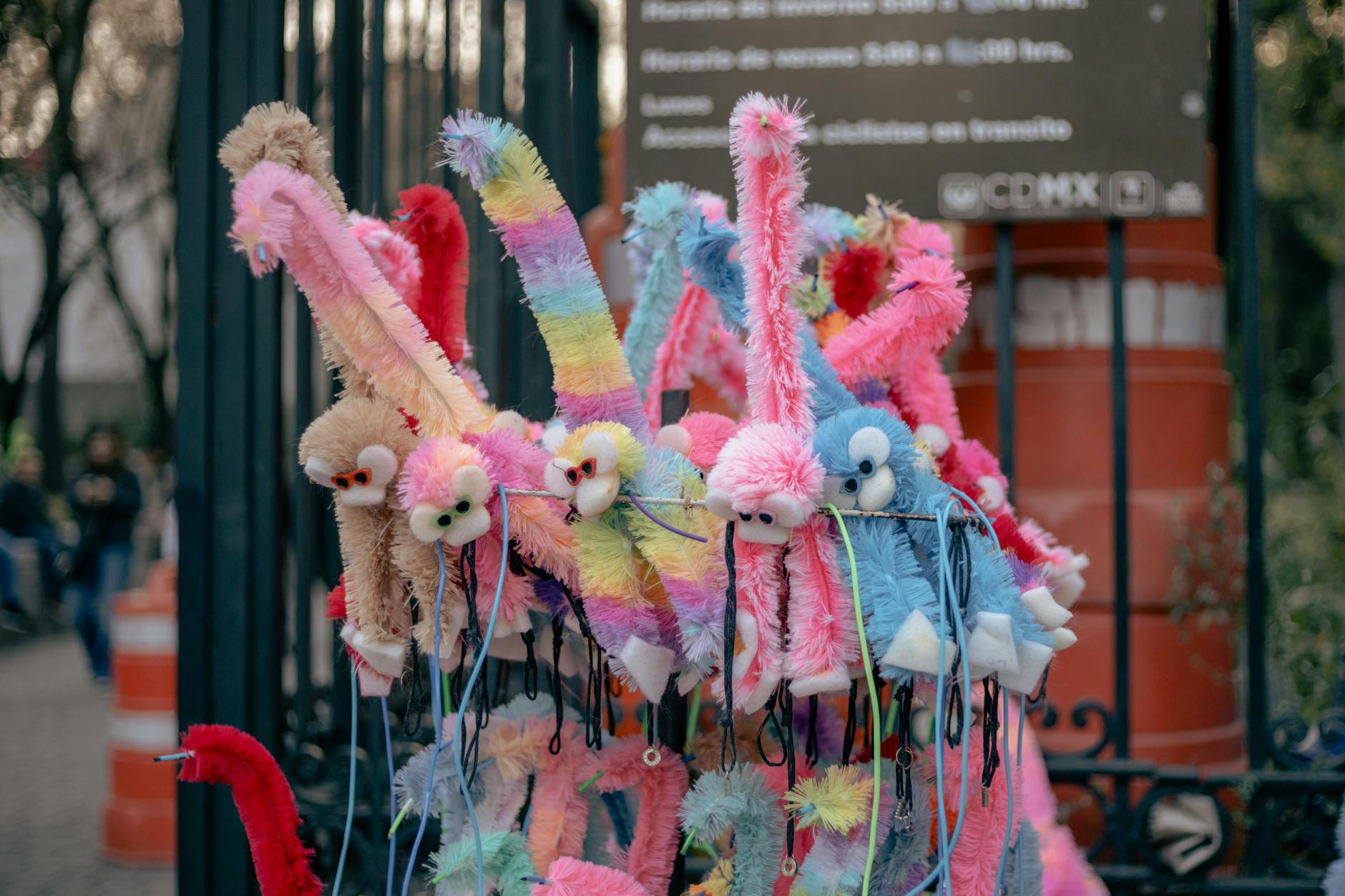
Families can enjoy Mexico City's markets, plazas, toy stalls, cafes, parks, and neighborhood walks, but open-ended wandering can be hard with children. Crowds, scooters, uneven sidewalks, noise, bargaining, and bathroom needs change the experience. A market visit should have a purpose, a time limit, and a route back. A neighborhood walk should have a stopping point and a fallback if someone is done early.
Parents should also set child-specific rules before crowded places: where to stand if separated, which adult carries documents, how phones and bags are handled, and whether children can browse stalls independently. The goal is not to sanitize the city. It is to let children enjoy texture without turning every busy place into a management problem.
- Give markets, plazas, and neighborhood walks a time limit, purpose, and return route.
- Set child rules for crowds, stalls, street crossings, phones, bags, and separation before entering busy areas.
- Use parks, cafes, and calm streets as recovery points after dense public spaces.
When to order a short-term travel report
A family with older children, flexible dates, and a simple plan may not need a custom report. A report becomes useful when the trip includes young children, stroller needs, multiple hotel options, late arrival, food constraints, medical concerns, limited Spanish, grandparents, or an ambitious plan that includes Chapultepec, Centro, Coyoacan, museums, markets, and restaurants in only a few days.
The report should test hotel candidates, room setup, airport arrival, vehicle needs, child seats, stroller practicality, daily clusters, museum choices, meal timing, bathroom access, current local signals, and evening return plans together. The value is not a longer family sightseeing list. It is knowing what to keep, what to cut, and how to make Mexico City feel manageable and memorable for the whole household.
- Order when children are young, the stay is short, arrival is late, or family constraints make improvisation expensive.
- Provide hotel options, child ages, stroller needs, food limits, medical issues, sleep timing, and must-see priorities.
- Use the report to choose the base, cluster days, protect meals, and decide what to cut.