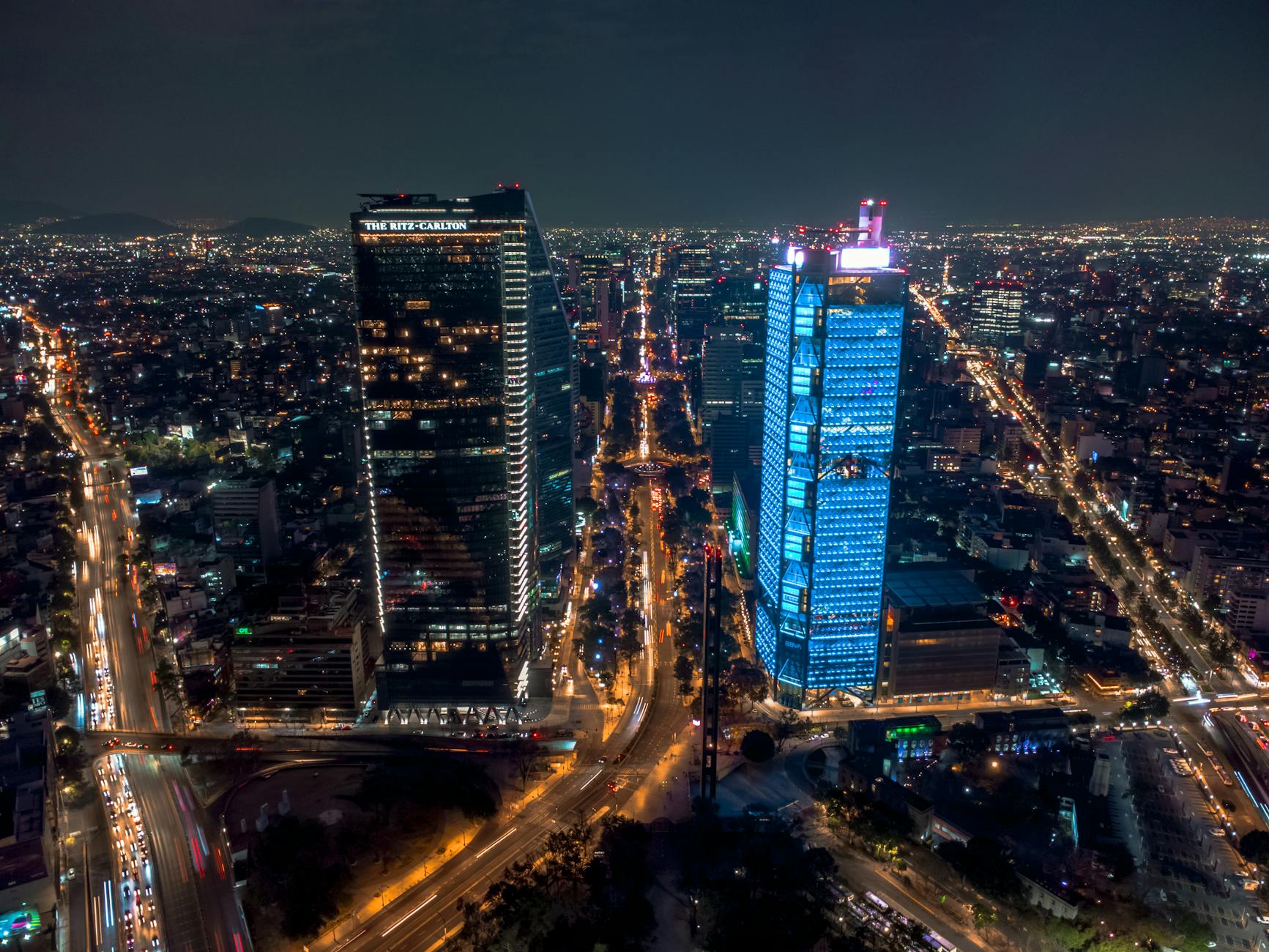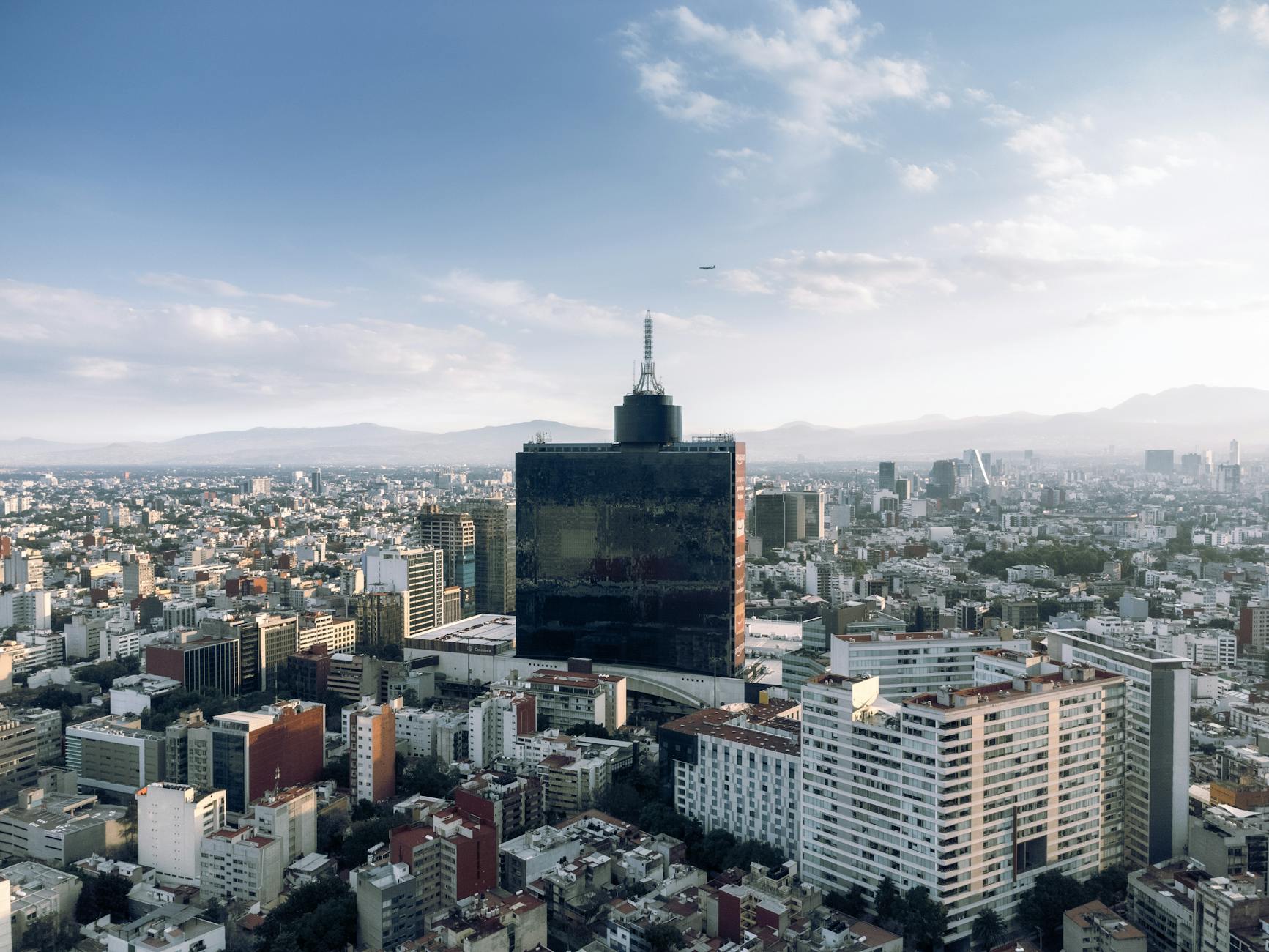
A conference trip to Mexico City can be productive and enjoyable, but the city punishes vague logistics. The event may be in Polanco, Napoles, Reforma, Santa Fe, Centro Historico, or another district that behaves very differently once traffic, hotel access, evening events, and airport transfers are included. A hotel that looks close on a map may still create difficult mornings if the route crosses the wrong traffic pattern or requires a long wait for cars. Conference attendees need a plan that serves the event first and the city second. That means choosing lodging for the venue and evening program, protecting registration and badge pickup, allowing for altitude and long indoor days, deciding when to use cars instead of transit, and leaving enough margin for networking without turning every night into a return problem.
Let the venue choose the base
Conference attendees should start with the exact venue, not the city in general. A meeting near WTC Mexico City, Centro Citibanamex, Expo Santa Fe, Reforma, Polanco, or Centro Historico creates different hotel logic. The best base is not always the most interesting neighborhood. It is the base that makes the badge line, morning keynote, evening reception, and late return predictable. A short event trip has little room for repeated cross-city movement.
If the conference hotel is expensive, compare nearby hotels by route friction rather than price alone. Check walking conditions, ride pickup, lobby capacity during event hours, breakfast timing, elevators, and whether the hotel can handle early departures or late returns. A cheaper stay that forces 40-minute rides twice a day may cost more in missed sessions and fatigue.
- Choose lodging by exact venue, morning traffic, evening events, and return route.
- Compare nearby hotels by ride pickup, breakfast timing, elevators, and lobby support.
- Avoid saving money in a location that creates missed sessions, rushed mornings, or hard late returns.
Control arrival before the first session
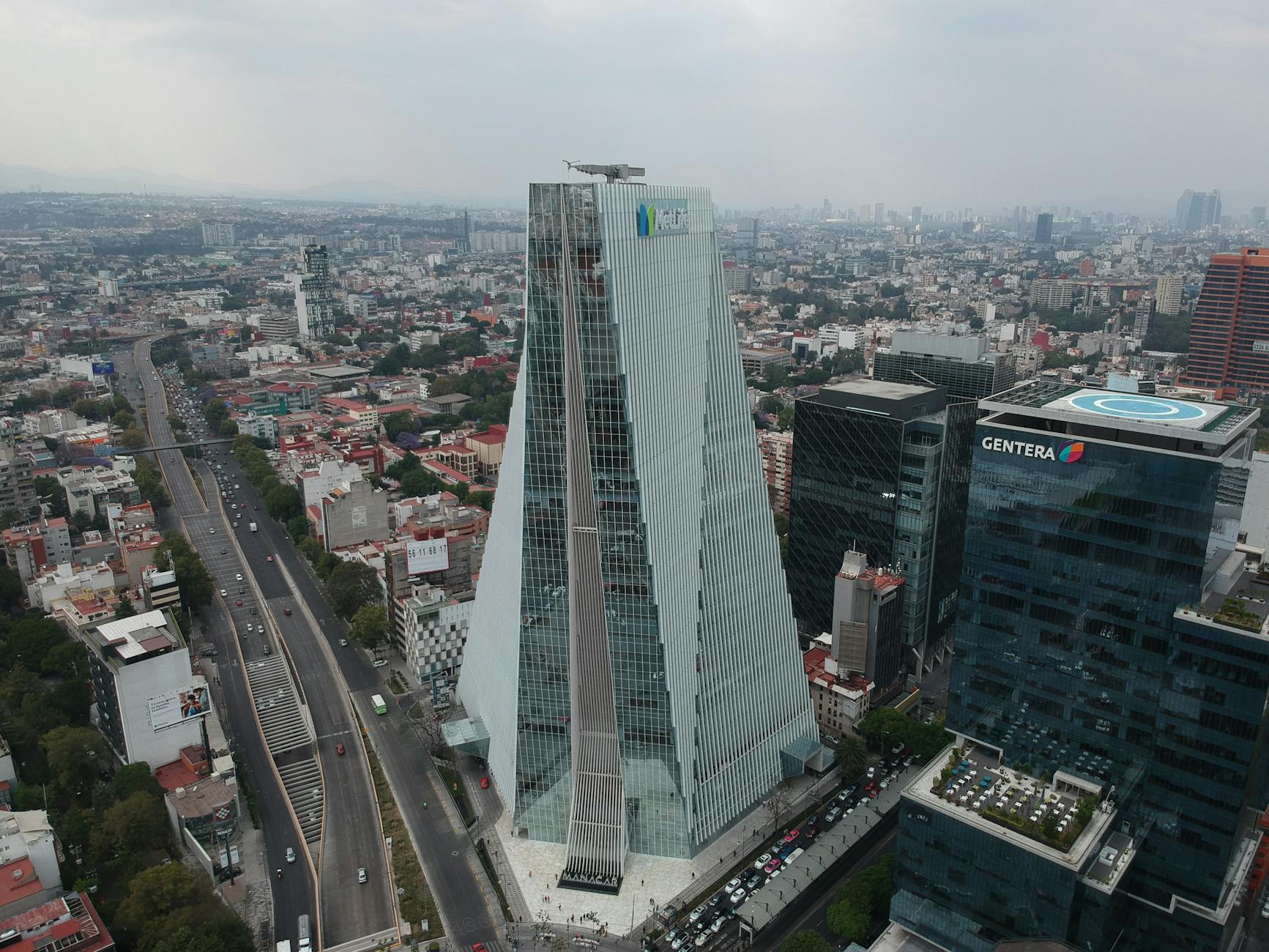
Conference travel often starts under pressure: a late flight, checked luggage, a next-morning keynote, or a reception on arrival day. Mexico City International Airport and Felipe Angeles require different transfer decisions, and conference attendees should not improvise the first ride if the schedule is tight. Know the airport, pickup point, vehicle plan, hotel address, payment method, and backup contact before departure.
Badge pickup and registration should also be treated as logistics, not an afterthought. If the venue allows early registration, use it when the first full day is dense. Keep the QR code, ID, invitation letter, passport copy, and schedule offline. A lost phone signal, delayed bag, or tired arrival should not determine whether the traveler can enter the event calmly.
- Prearrange arrival transport when the first conference obligation is close to landing time.
- Keep venue address, hotel address, badge QR code, ID requirements, and schedule available offline.
- Use early registration or badge pickup when the first full event day has important sessions.
Plan days for traffic and altitude
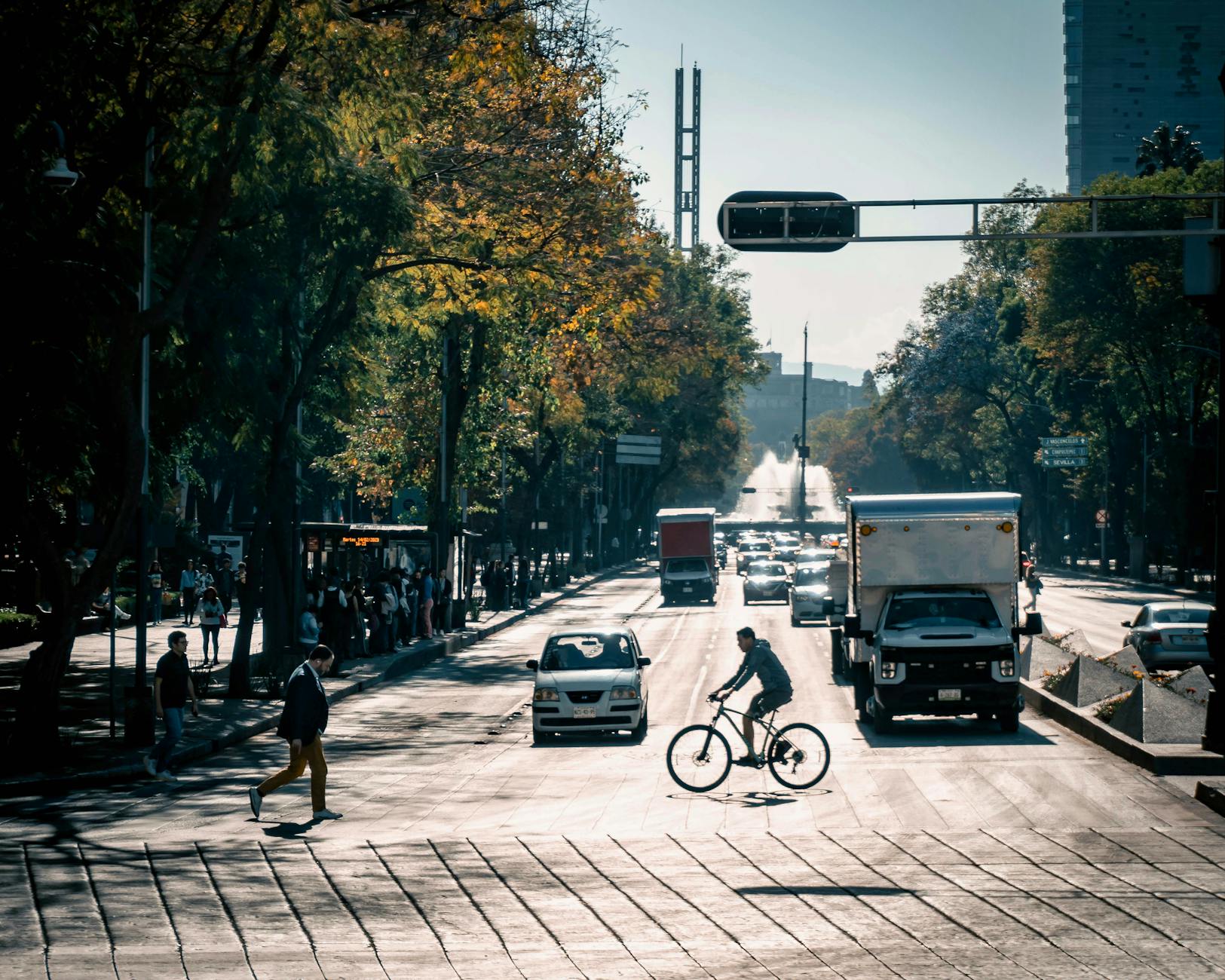
A conference day in Mexico City can feel longer than the agenda suggests. Altitude, dry air, indoor air conditioning, long standing, coffee-heavy networking, and traffic can drain energy quickly. Build the day around the fixed sessions and protect simple recovery: water, meals, a quiet reset, and a clear exit after the last commitment. Do not assume the traveler can add a museum, a dinner across town, and late drinks after a full day of panels.
Traffic is not just a transfer issue. It affects whether a lunch outside the venue is realistic, whether a hotel break is possible, and whether a client meeting can be inserted between sessions. The itinerary should distinguish between commitments that must happen and opportunities that are only worth it if the day stays on time.
- Protect water, meals, short resets, and realistic endings during dense event days.
- Treat altitude, dry air, standing time, and indoor air as part of the workload.
- Separate mandatory sessions from optional meetings, meals, and city stops.
Use the city without scattering the trip
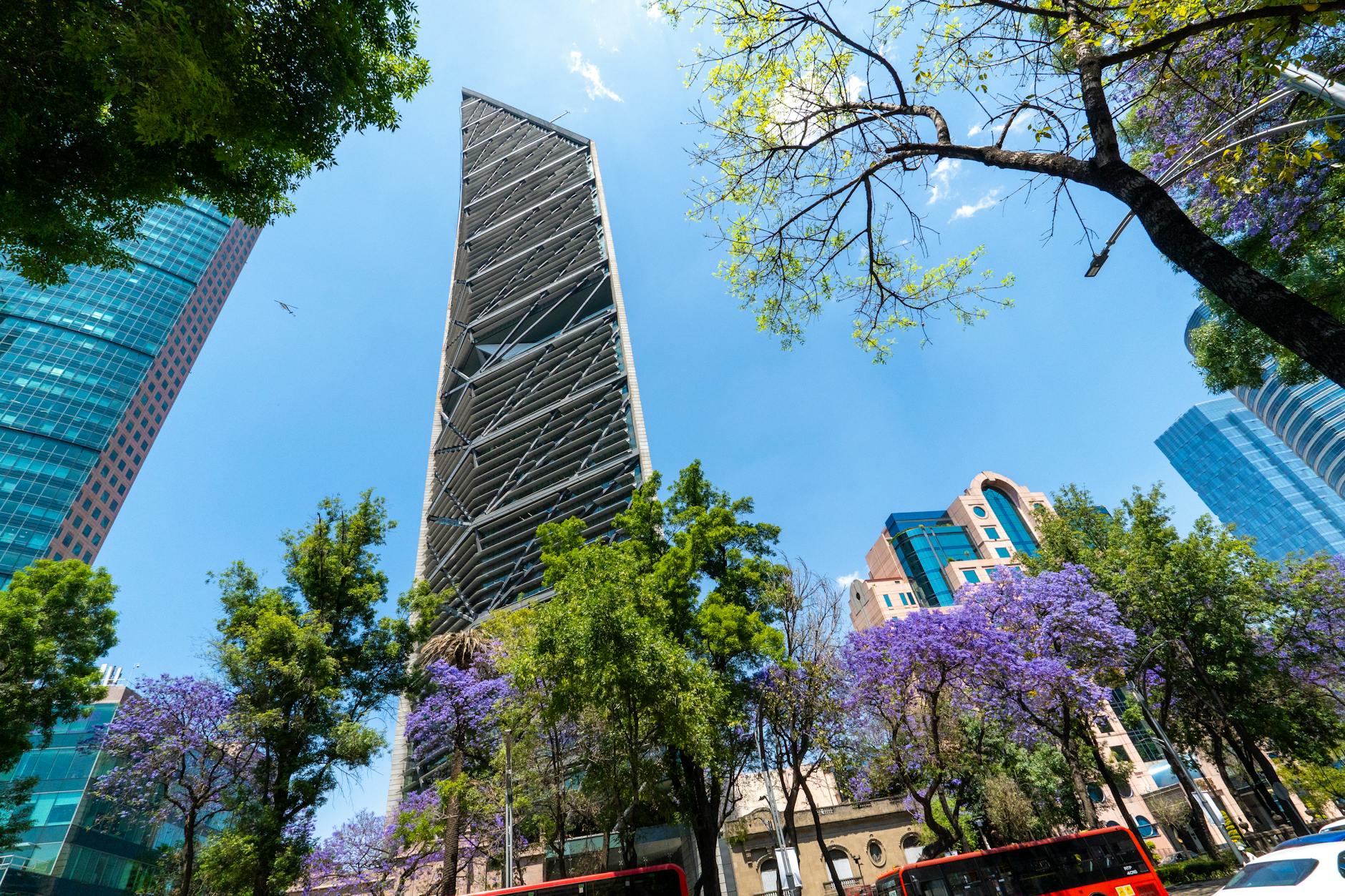
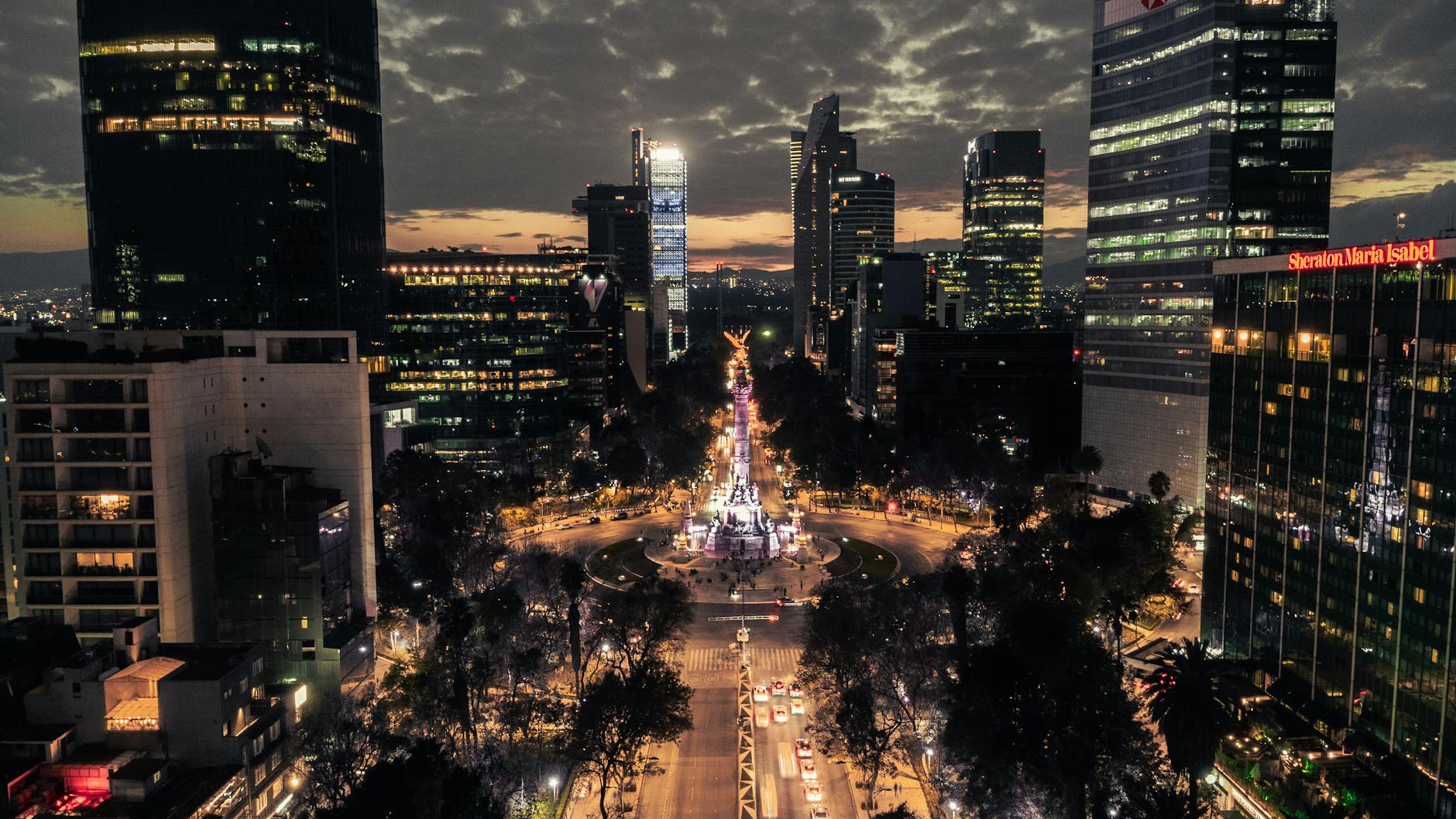
Conference attendees often want a few Mexico City experiences around the event: a serious dinner, an architecture walk, a museum, a market, a rooftop, or a short neighborhood evening. Those can work if they are clustered intelligently. A traveler based near Polanco can pair Chapultepec, museums, and polished dinners more easily than a distant Centro evening. A Napoles or WTC base may support Roma and Condesa better than a cross-city plan. Reforma can work as a spine for business hotels, museums, and evening movement.
The mistake is turning every open slot into a different district. Mexico City rewards depth, and a conference schedule rewards restraint. One strong dinner near the right district may be better than chasing three famous addresses across town between sessions.
- Cluster city time around the venue, hotel, and evening event geography.
- Use Polanco, Reforma, Roma, Condesa, Centro, or Chapultepec according to where the event already places the traveler.
- Choose one or two strong city experiences instead of scattering every gap across town.
Treat networking as a transport problem
Networking dinners, receptions, sponsor events, and informal drinks can be the real value of a conference trip, but they change the transport plan. A traveler should know where the event ends, how they are getting back, whether the return is alone or with colleagues, and what happens if the group splits. Late-night decisions should not depend on a low battery, weak signal, or someone else's plan.
Venue-adjacent evenings are often easiest. If dinner or drinks are across town, set a departure point and return method before the meal begins. Keep the hotel address offline, carry a backup payment method, and avoid leaving a bag or laptop uncontrolled in crowded bars or restaurants. The business value of the night should not depend on accepting avoidable exposure.
- Decide evening return method before receptions, dinners, or informal drinks begin.
- Keep hotel address, backup payment, and phone battery margin outside the ride app flow.
- Protect laptops, badges, passports, bags, and confidential material during crowded networking events.
Pack for event rooms and city movement
Mexico City conference packing should bridge formal rooms and urban movement. Event spaces may be cool, while sidewalks, ride waits, and daytime gaps can be warm or sunny. Shoes should handle standing, venue corridors, uneven pavement, and evening returns. A compact bag matters if the traveler carries a laptop, badge, charger, medication, business cards, documents, or samples all day.
Phone and power planning are part of the kit. Conference apps, QR badges, ride apps, translation, maps, messaging, and payment can all hit the same battery. Carry a power bank, offline documents, and a physical fallback for the hotel address. If the trip includes meetings with clients or institutions, keep invitation letters, addresses, and contact numbers easy to reach without searching email under pressure.
- Pack layers, practical shoes, charger, power bank, badge storage, and a compact work bag.
- Keep documents, hotel address, contacts, and schedule offline as well as in apps.
- Choose clothes that work for formal rooms, sidewalks, ride waits, and evening returns.
When to order a short-term travel report
A conference attendee with a simple venue hotel, flexible schedule, and no side meetings may not need a custom report. A report becomes useful when the venue is not attached to the hotel, arrival is late, the traveler has important client meetings, the agenda includes multiple evening events, the trip has security or equipment concerns, or the attendee wants to add city time without disrupting the professional purpose of the visit.
The report should test the event venue, hotel candidates, airport arrival, badge pickup, morning routes, evening reception geography, client-meeting locations, laptop and document handling, meal options, recovery windows, and safe cut points. The value is not a generic business travel checklist. It is a Mexico City conference plan that protects the event while still letting the traveler use the city well.
- Order when venue, lodging, arrival, client meetings, evening events, or city add-ons are hard to reconcile.
- Provide the agenda, venue, hotel options, flights, meetings, evening events, equipment needs, and must-use city time.
- Use the report to choose the base, set transport rules, protect work obligations, and decide what can be cut.