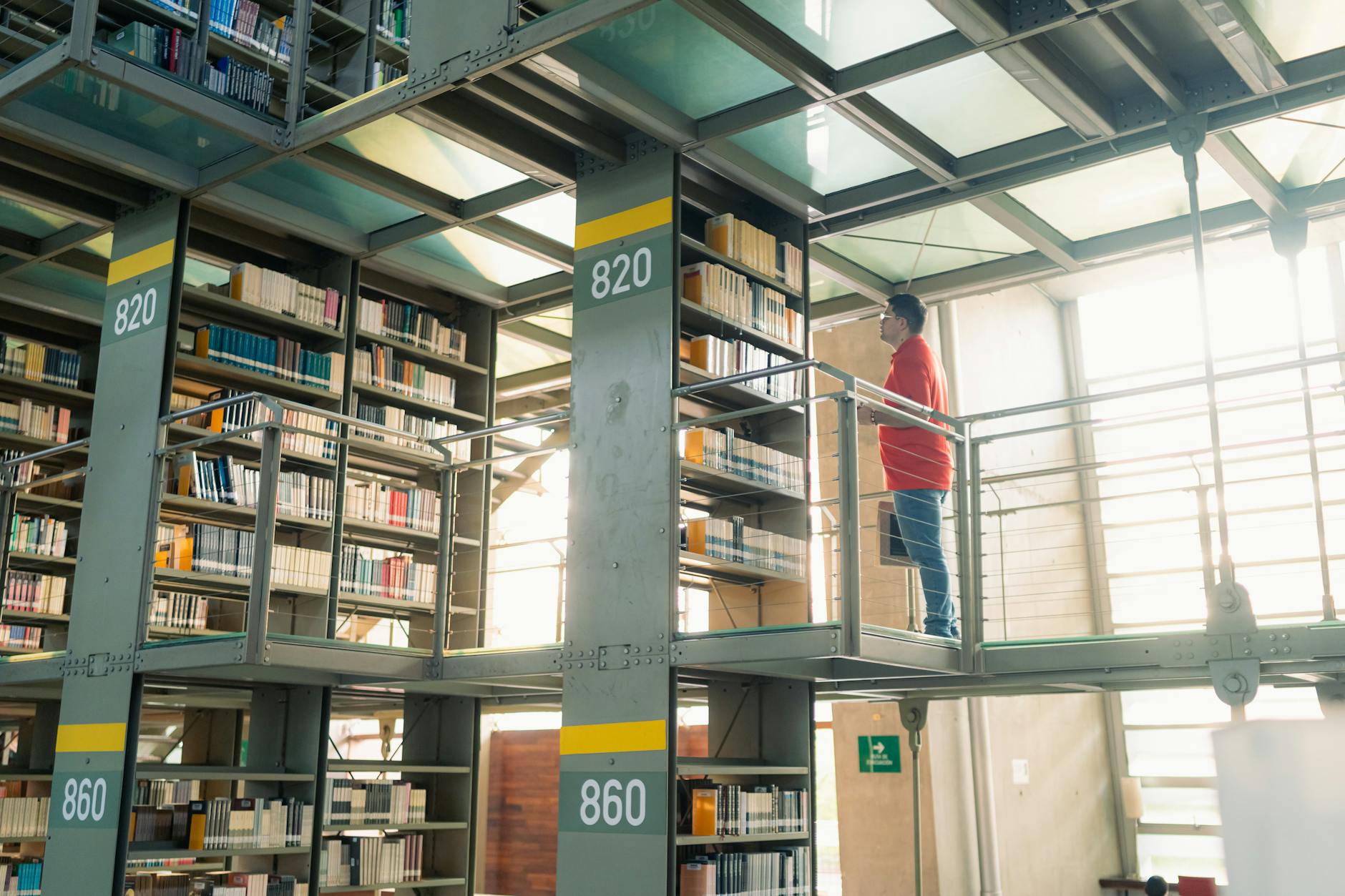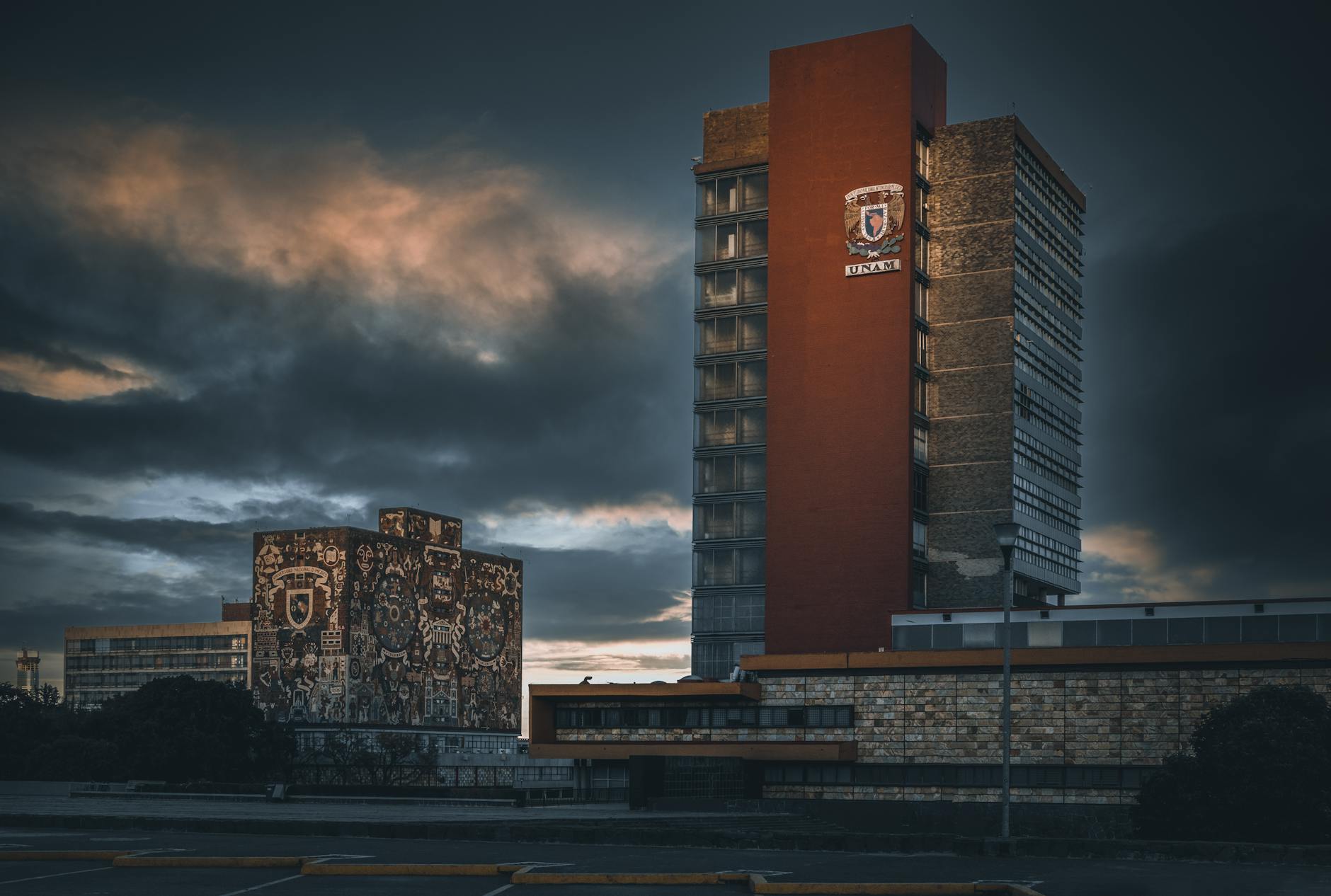
An academic conference in Mexico City can be intellectually rich, socially useful, and personally memorable, but it should not be planned as a simple add-on to a capital-city visit. The conference may sit in a hotel, university campus, museum, research institute, WTC-area venue, Polanco property, Reforma corridor, Santa Fe facility, or UNAM-linked setting. Each version creates different airport routes, hotel choices, traffic exposure, evening options, and fatigue risk. The attendee is usually balancing a paper, panel, poster, keynote, funding meeting, publisher conversation, campus visit, or student obligation while adapting to altitude, long transfers, language context, and a city that rewards district discipline. The strongest plan protects the conference purpose first, then gives Mexico City room to add value without turning the trip into scattered movement.
Let the venue control the whole plan
The most important Mexico City conference question is not which neighborhood sounds best. It is where the actual program takes place. A conference at UNAM, a Reforma hotel, the World Trade Center area, Centro Citibanamex, Polanco, Santa Fe, a museum, or a university institute creates very different daily movement. Mexico City can make a venue look manageable on a map while turning it into a long, traffic-sensitive transfer at the wrong hour.
The attendee should mark every fixed obligation before choosing the hotel: registration, paper session, poster time, keynote, committee meeting, publisher appointment, department visit, reception, and any student or delegation obligation. The right base is the one that makes the non-negotiable conference work easy, not the one that best supports generic sightseeing.
- Identify the exact venue, building, gate, and registration location before choosing the hotel.
- Treat UNAM, Reforma, WTC, Polanco, Santa Fe, Centro Citibanamex, and museum venues as different travel problems.
- Protect the paper, panel, poster, keynote, and essential meetings before adding city plans.
Choose a hotel for attendance discipline
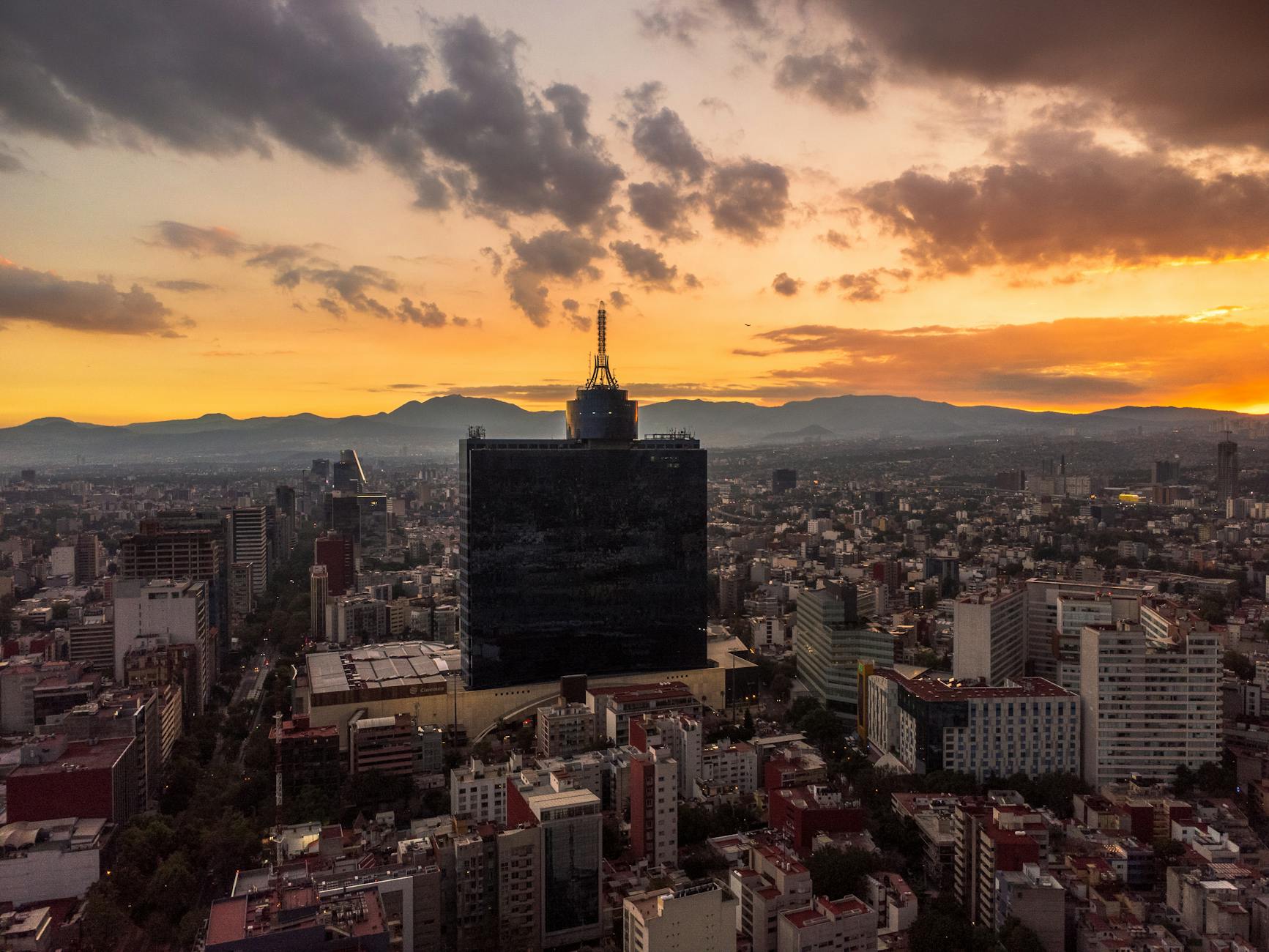
Conference hotels can be expensive, booked early, or less atmospheric than the traveler would prefer. That does not mean the attendee should drift to a prettier neighborhood without testing the route. For a short academic trip, the hotel has to support early starts, late receptions, bag drop, a clean breakfast, quiet slide revision, short recovery breaks, and a reliable return after dinner or networking.
A hotel near the venue, on a direct corridor, or close to a second academic anchor usually beats a more charming base that forces repeated cross-city movement. If the conference is in Santa Fe or a campus edge, a Roma or Condesa stay may be pleasant but wrong. If the program is near Reforma, a central business hotel may protect the schedule better than a boutique address.
- Prefer near-venue, direct-route, or second-anchor hotels over prettier bases that break the schedule.
- Check luggage storage, breakfast timing, quiet work space, and return logistics after receptions.
- Do not choose Roma, Condesa, Polanco, Reforma, Santa Fe, or Centro by reputation alone; test it against the program.
Arrival timing can decide the first conference day
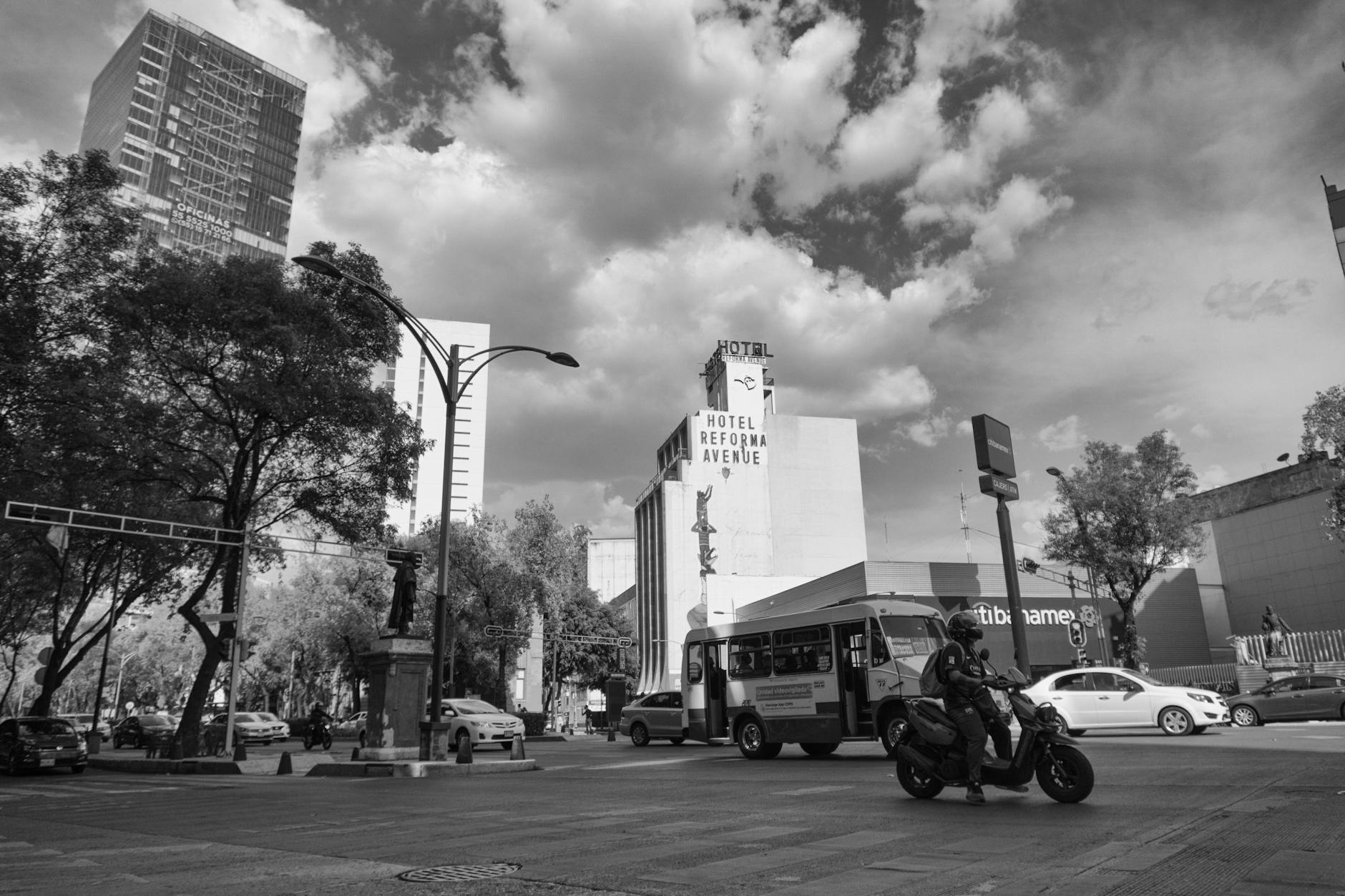
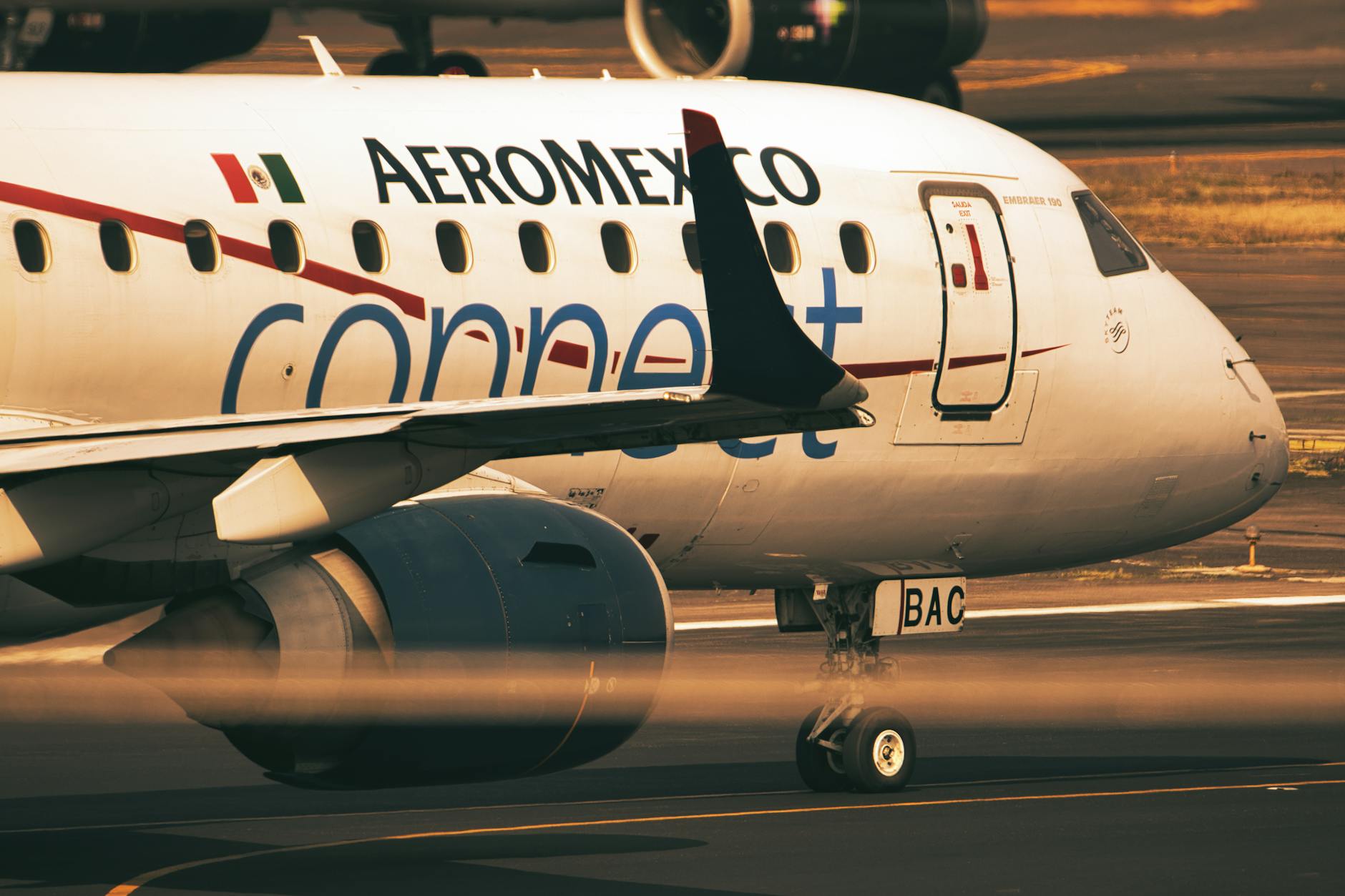
Academic travelers often try to save a night by arriving the morning of registration or even the day of a session. In Mexico City, that can be fragile. Immigration, baggage, airport pickup, traffic, hotel storage, altitude, air quality, and presentation nerves can turn a theoretically comfortable arrival into a rushed, foggy first day. The risk is not only missing a panel. It is arriving too depleted for the conversations that justify the trip.
Mexico City International Airport and Felipe Angeles create different route logic, and the best answer depends on the venue, hotel, arrival hour, luggage, and whether the attendee needs to be presentable quickly. If the traveler is carrying a poster tube, laptop, books, research materials, formal clothing, or equipment, arrival convenience has real academic value.
- Avoid same-morning arrival before presenting, chairing, interviewing, or meeting funders when possible.
- Match the airport and driver plan to the venue and hotel rather than choosing transport after landing.
- Plan luggage handling before arrival, especially with posters, books, formal clothing, or presentation gear.
Presentation logistics deserve their own checklist
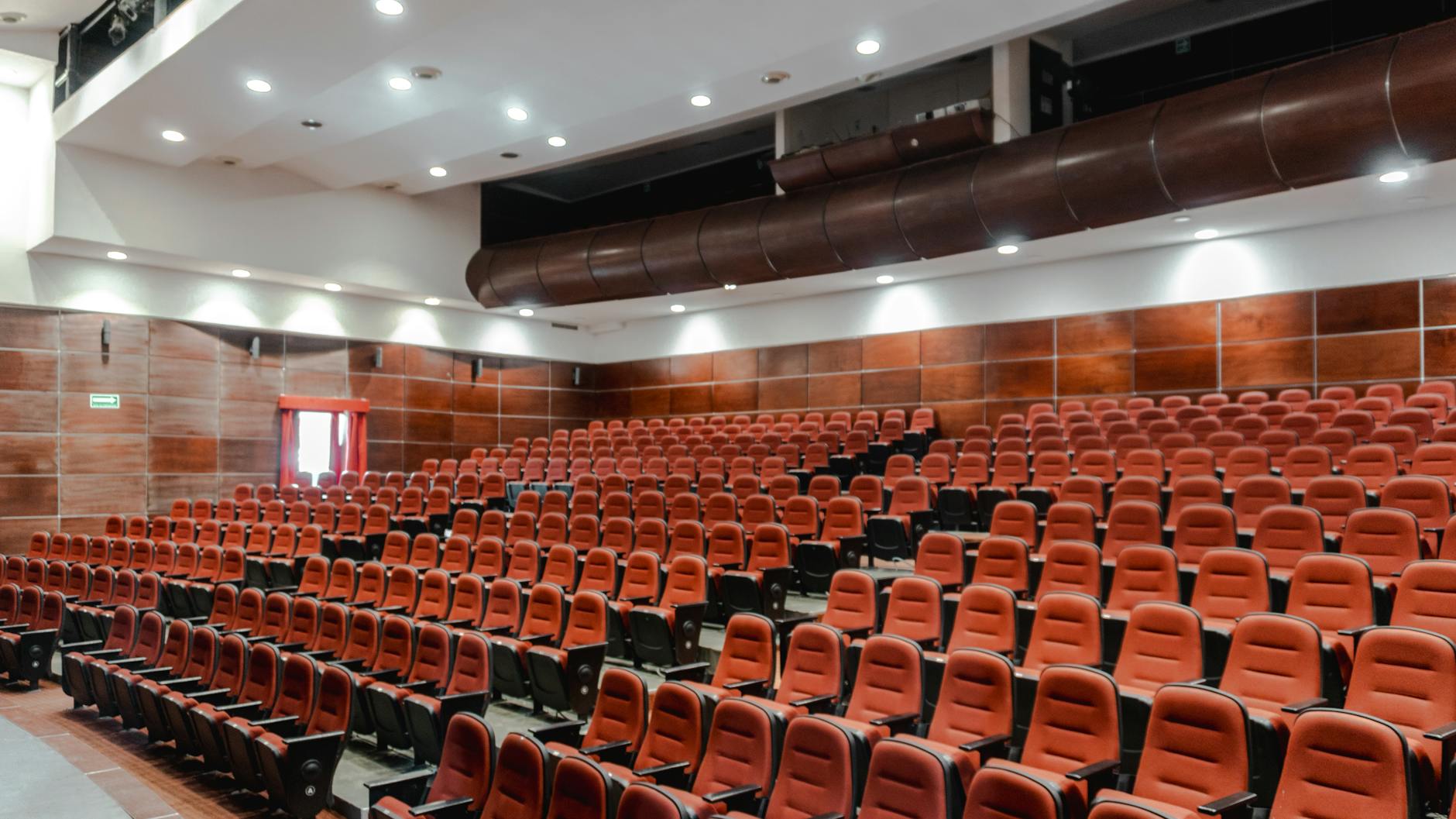
A conference trip can fail in small technical ways. The attendee should know whether the room uses HDMI, USB-C, a house laptop, uploaded slides, printed posters, badge QR codes, translation equipment, venue Wi-Fi, app-based schedules, or security checks at the entrance. Mexico City is not the issue here; the issue is assuming the venue will solve every academic detail at the last minute.
The practical kit should include adapters, battery power, offline slides, a cloud and local backup, a PDF copy, presentation notes, the program available offline, and a plan for weak Wi-Fi. If the research involves human subjects, unpublished data, field contacts, politically sensitive material, or confidential interviews, the attendee should treat public laptop use and casual conversations with more care.
- Confirm slide, poster, badge, room, adapter, and Wi-Fi requirements before travel.
- Carry offline backups, battery power, adapters, program details, and presentation notes.
- Treat unpublished research, interview material, and sensitive data as controlled material in public spaces.
Networking will spill across districts
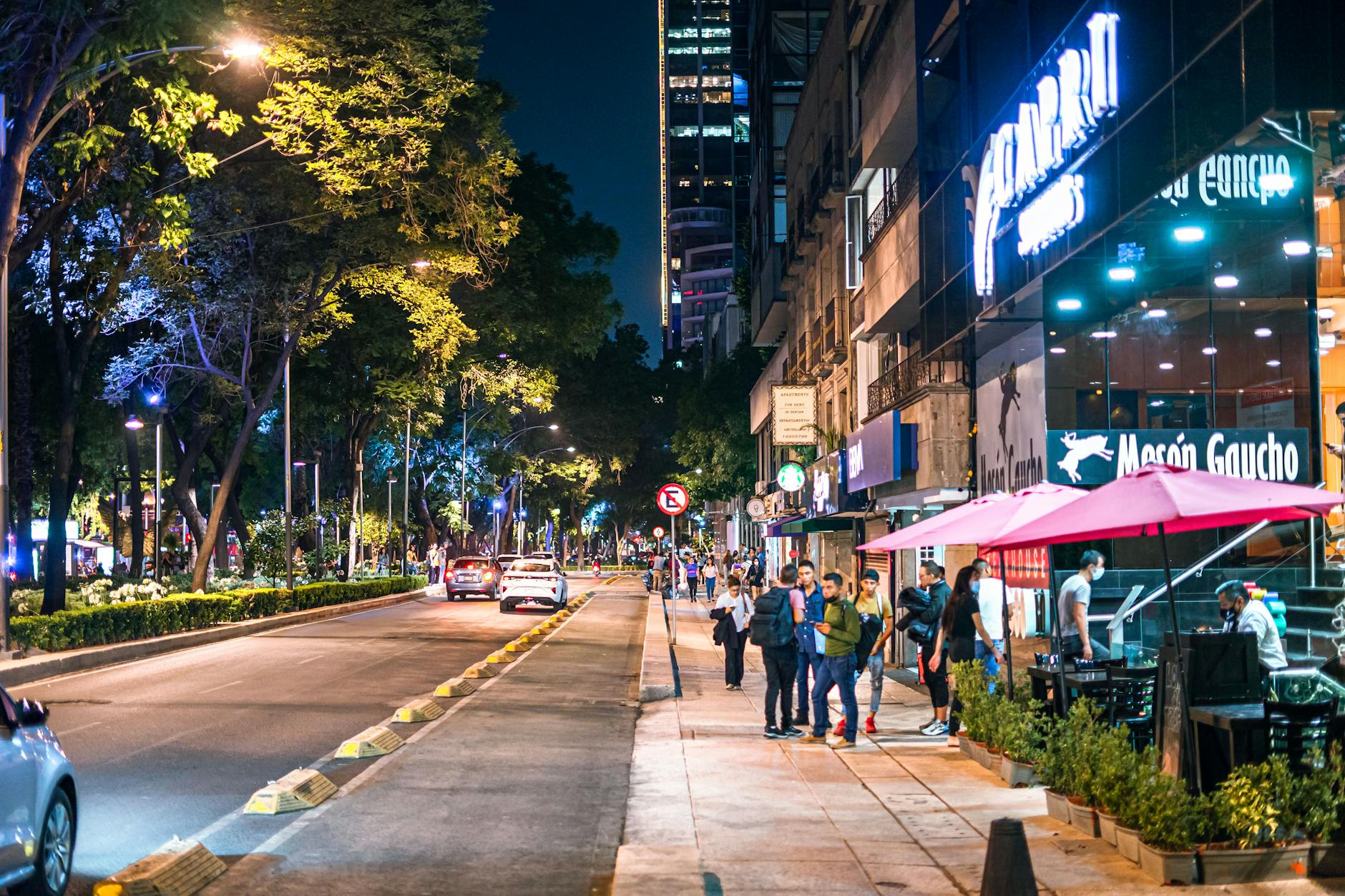
The formal program is only part of the academic value. Mexico City can support excellent informal meetings: coffee near the venue, a publisher conversation, a funder dinner, a lab or department visit, a museum event, or a late meal with colleagues. But those opportunities can scatter the attendee across neighborhoods. A reception near the venue, dinner in Roma, a campus meeting at UNAM, and a hotel in Polanco can become a demanding sequence if the route is not edited.
The attendee should decide which informal events are essential and which are optional. Trying to attend everything can hollow out the day that matters most. Late evening movement should have a clear return plan, especially when the traveler is carrying a laptop, poster materials, or conference documents.
- Prioritize the informal meetings that justify the trip instead of accepting every invitation.
- Plan evening returns before receptions, dinners, or colleague gatherings begin.
- Keep laptops, badges, posters, and research materials controlled in restaurants, cafes, and crowded venues.
Build the schedule around fatigue, altitude, and traffic
Mexico City can quietly tax an academic traveler. Altitude, dry air, air quality, long transfers, dense sessions, evening meals, and early panels can combine into a kind of fatigue that does not appear on the program. This matters for first-time presenters, graduate students, senior scholars, interpreters, delegation leaders, and anyone trying to add fieldwork, archives, or campus meetings around the conference.
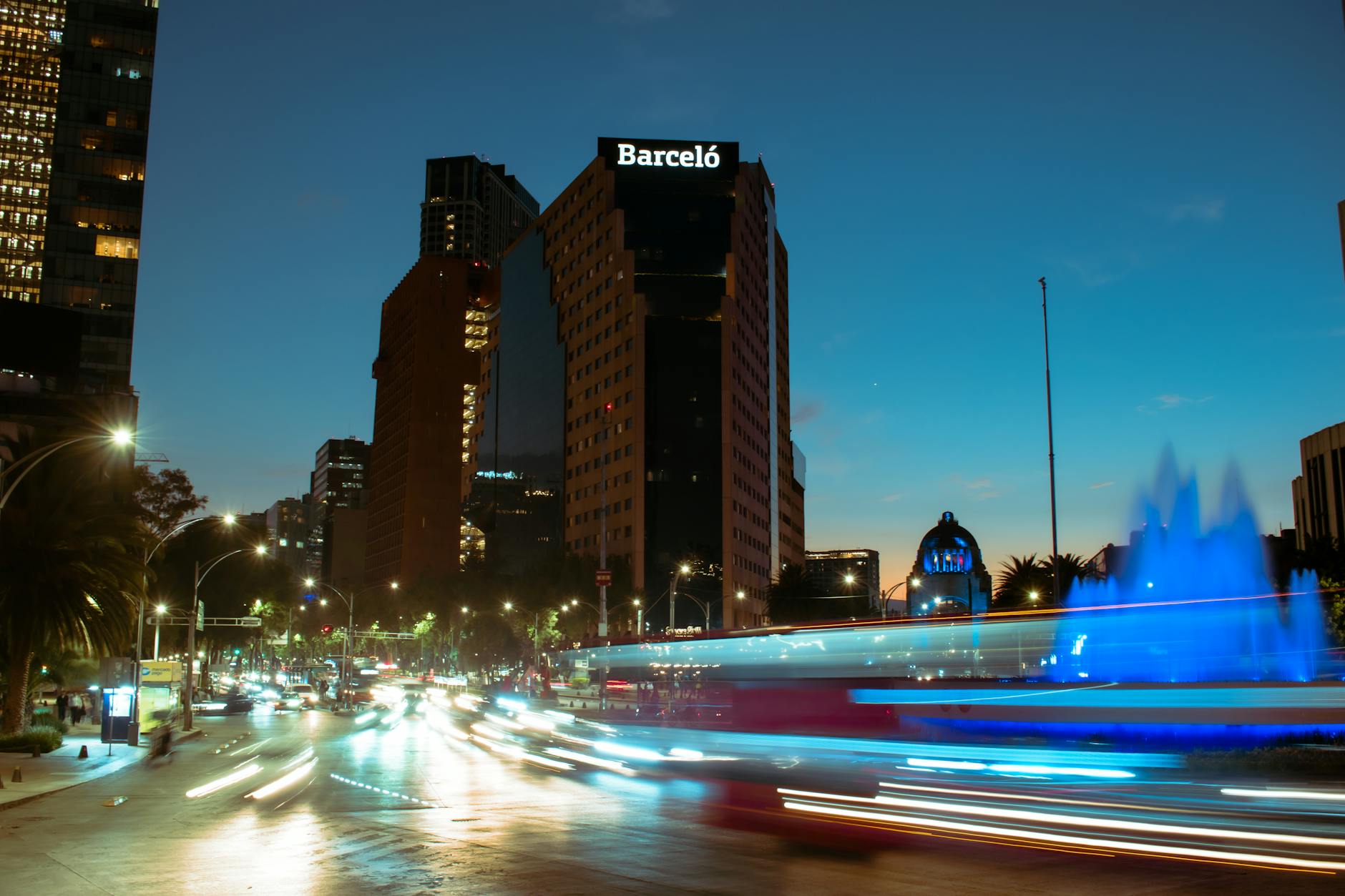
Traffic should shape the calendar. A morning panel after a late dinner across town is not the same as a morning panel at a hotel conference floor. A campus visit after a full session day may be productive or excessive depending on distance and timing. The stronger plan protects food, water, rest, and one quiet preparation block before the most important professional obligation.
- Protect water, meals, sleep, and a preparation block before the paper, panel, interview, or keynote.
- Cluster venue, campus, dinner, and hotel movement where possible instead of crossing the city repeatedly.
- Treat altitude, air quality, traffic, and late dinners as conference-performance issues, not only comfort issues.
When to order a short-term travel report
A simple conference trip with a generous schedule may not require a custom report. A report becomes useful when the attendee is presenting for the first time internationally, chairing a key panel, delivering a keynote, traveling as a graduate student alone, carrying sensitive research, managing students, adding campus or archive visits, arriving close to the program, or moving among multiple Mexico City districts.
The report should test the exact venue, hotel, airport, arrival time, session schedule, campus visits, evening obligations, presentation gear, mobility needs, language constraints, current local signals, and fallback options. The value is not a generic Mexico City guide. It is a conference operating plan that lets the attendee arrive prepared, present well, meet the right people, and leave without avoidable friction.
- Order when the paper, panel, keynote, student responsibility, or funder meeting cannot be casually missed.
- Provide venue, hotel, flight, session times, campus visits, evening plans, presentation gear, and mobility needs.
- Use the report to pressure-test where to stay, how to arrive, how to move, and where the schedule is too thin.