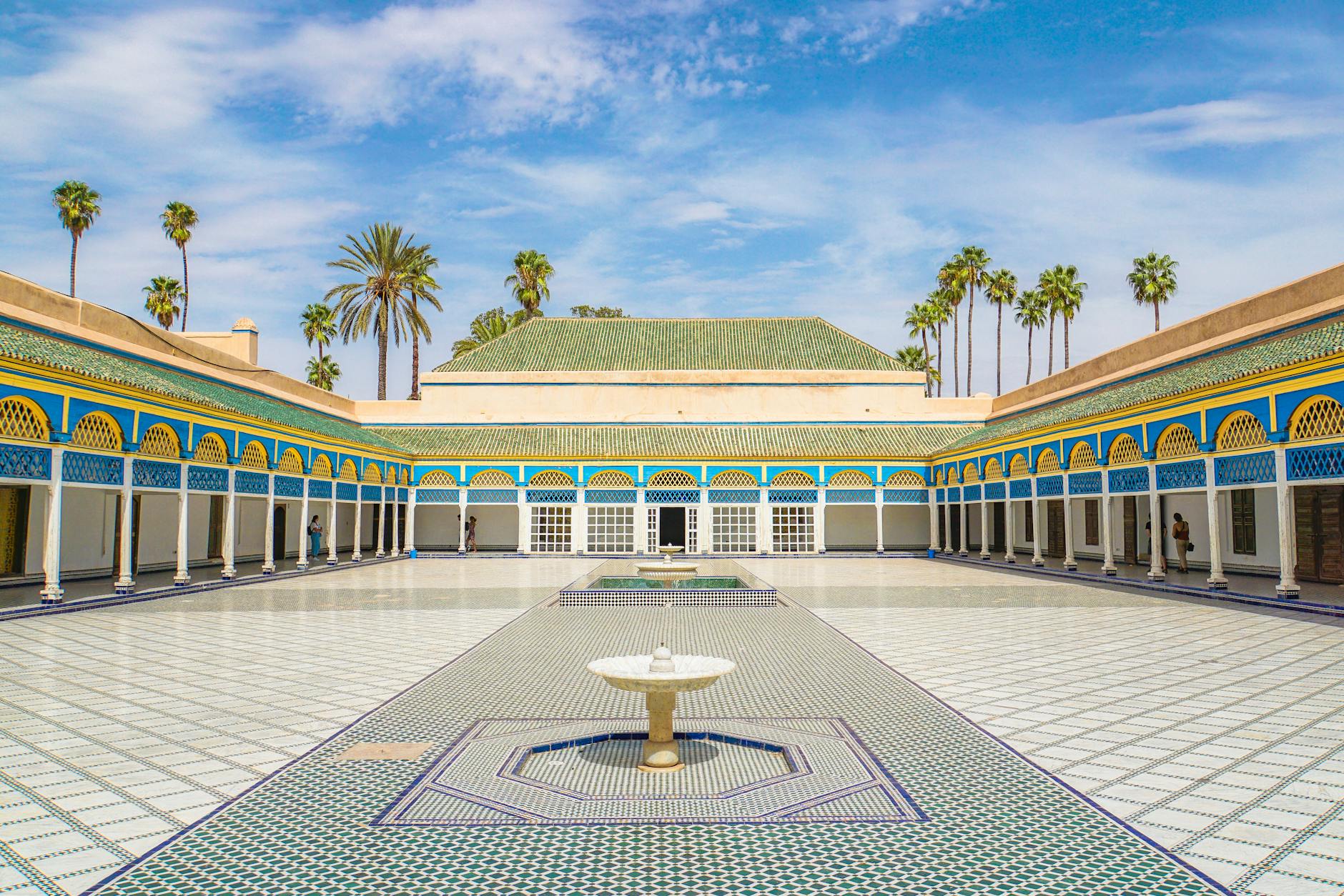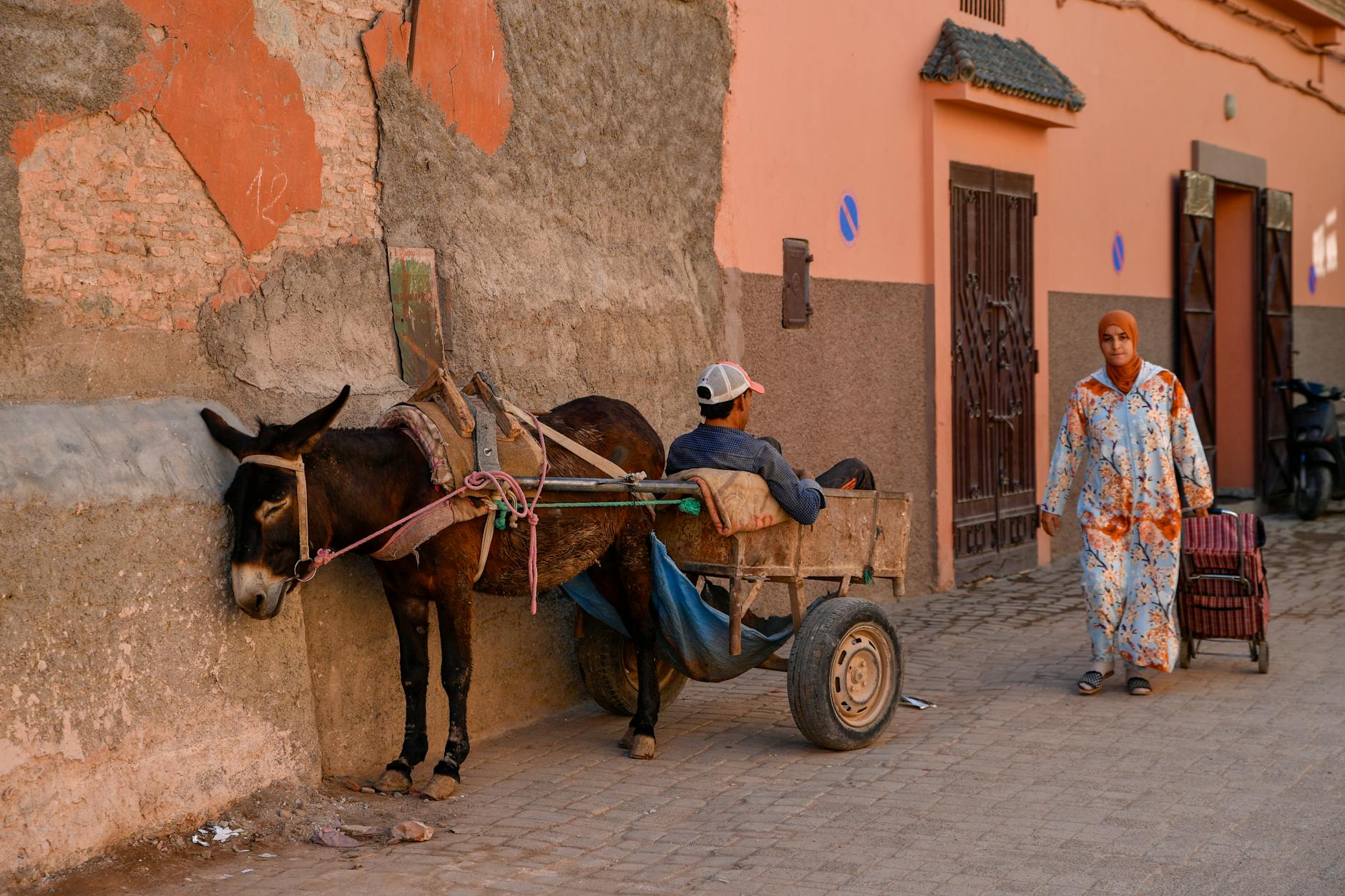
Marrakech can be a rewarding city for women travelers because it offers intense atmosphere, strong design, food, craft, gardens, architecture, hammams, rooftops, and a sense of place that is hard to mistake for anywhere else. It is also a city where gender can change the practical feel of a short trip. The issue is not whether a woman can travel well here. She can. The issue is whether the hotel, arrival, medina routes, dress choices, guide decisions, and evening returns are set up to reduce avoidable friction. A good Marrakech plan should not turn the city into a warning label. It should make the traveler harder to distract, less dependent on improvisation, and more able to enjoy the right parts of the city on her own terms. The medina is easier when the route has edges. Shopping is better when the traveler controls the pace. Hammams, rooftops, palaces, and restaurants work better when expectations are clear before arrival. Marrakech rewards women travelers who are open to the city but precise about boundaries.
Choose a base with a controlled return
For a woman traveler, the lodging question in Marrakech should start with the return, not the brochure image. A beautiful riad deep in the medina can be memorable, but it may involve a vehicle drop-off at a gate, a walk through narrow lanes, limited signage, and repeated street interaction every time the traveler leaves or returns. That may be fine for a confident traveler with a strong arrival handoff. It may be tiring for someone arriving late, carrying luggage, or planning solo dinners and evening rooftops.
Accessible hotels in Hivernage, Gueliz, or carefully chosen edge-of-medina locations can reduce daily negotiation. A medina riad can still work well when the staff gives precise arrival instructions, meets the traveler when needed, has a route that feels manageable after dark, and offers food or a calm place to pause when the traveler does not want to go back out. The base should give the city texture without making every return an event.
- Choose lodging by the final walk, vehicle access, staff support, and evening return quality.
- Use a medina riad only when the gate-to-door route is clear and the property can support arrivals.
- Prefer a less romantic base if it gives cleaner transport, nearby food, and a calmer return.
Make arrival and first routes pre-decided
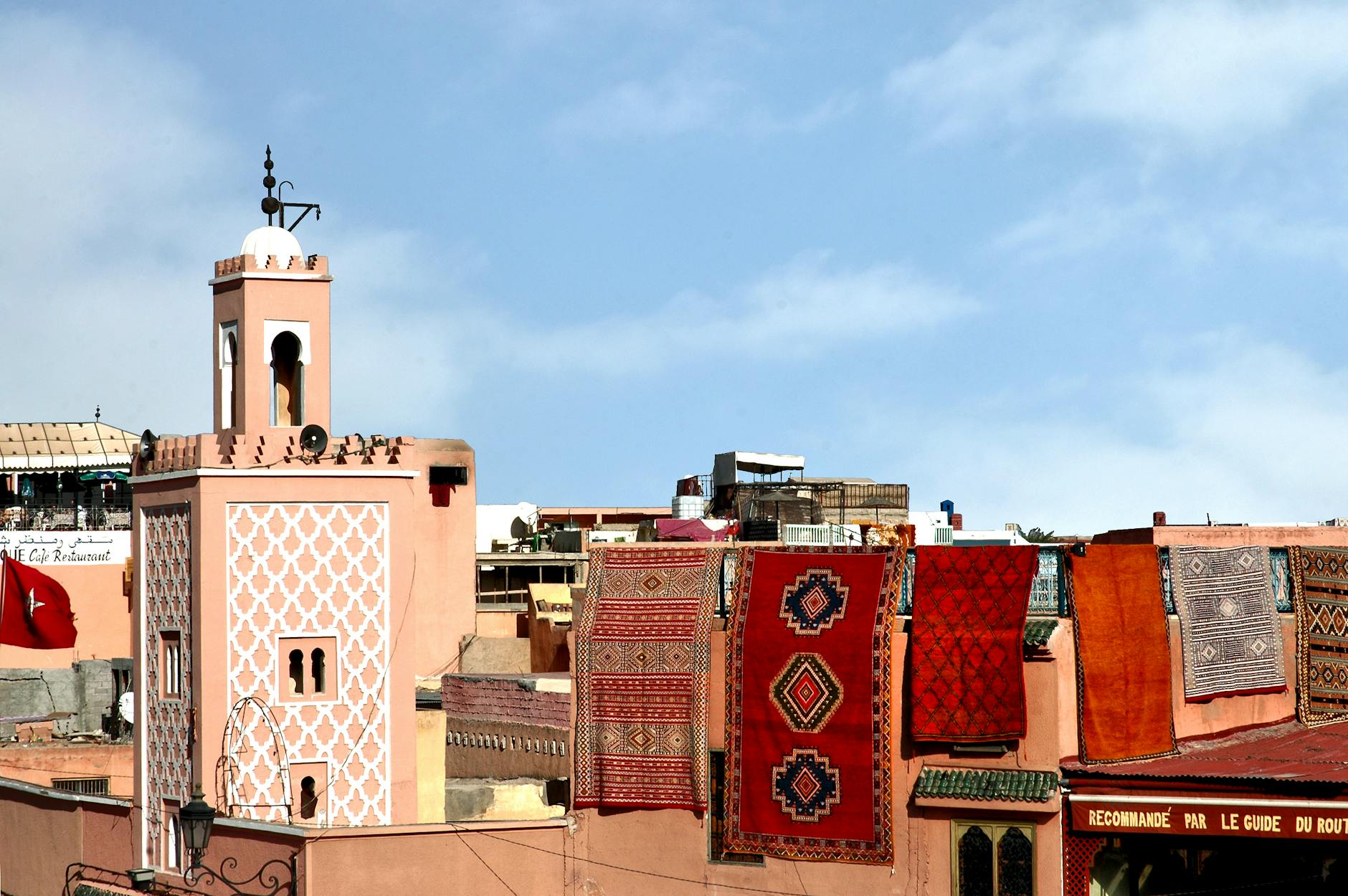
The first Marrakech hour should be boring. Marrakech Menara Airport is close to the city, but a tired traveler with bags, a phone, cash questions, and a medina address can become exposed to unnecessary pressure. A prearranged driver, clear meeting point, known price, and hotel or riad escort if the car cannot reach the door are practical protections. They also set the tone: the traveler arrives as someone expected, not someone still solving the trip from the curb.
The same principle applies to the first medina movements. A woman traveler should know the route to the first square, cafe, shop, museum, or meeting point before stepping into lane flow. Offline maps help, but staring at a phone in a confusing passage can invite attention. It is better to check the route from inside the hotel, a cafe, museum, or shop, then move with purpose. If the route feels wrong, reset in a staffed place rather than negotiating on the street.
- Arrange airport pickup and a riad escort when the property is not directly vehicle-accessible.
- Check routes from a staffed place before entering medina lanes or busy thresholds.
- Carry the hotel address, offline map, phone battery, small cash, and a backup ride plan.
Treat dress and attention as practical variables
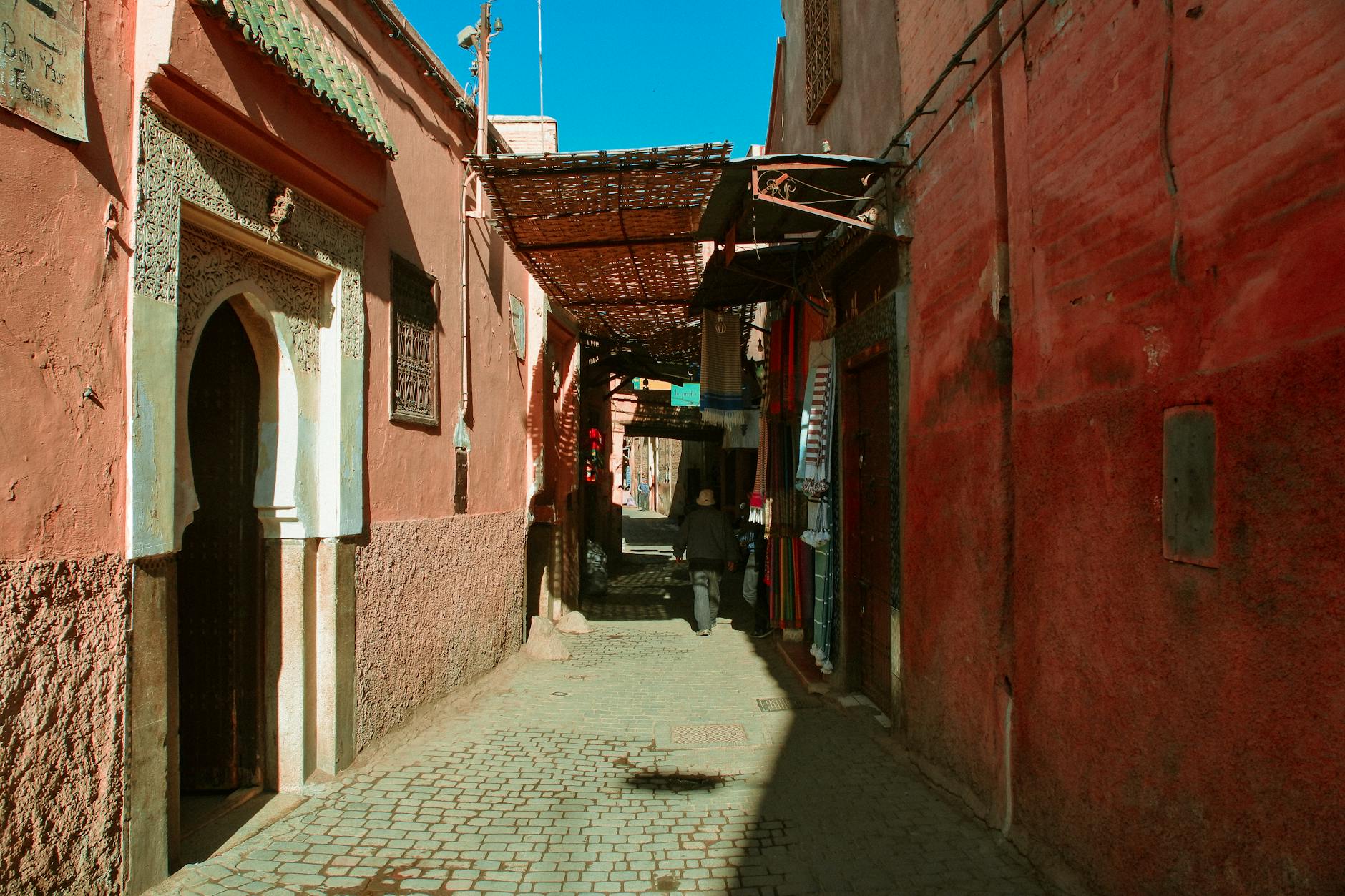
Dress in Marrakech is not a simple rule, and women travelers will see a wide range of styles. The practical goal is to reduce unwanted attention while staying comfortable in heat and movement. Loose, breathable clothing, covered shoulders or an easy layer, and shoes that handle uneven lanes usually work better than outfits built only for photos. This is especially true for medina routes, religious areas, local neighborhoods, taxis, and long walking days.
Street attention can include greetings, sales approaches, comments, unsolicited guidance, and attempts to pull the traveler into a shop or route. The answer is usually brief, calm, and final. Do not over-explain. Do not argue over every comment. A simple refusal and continued movement often works better than engagement. If the traveler wants to shop, she should choose the moment, the shop, and the time limit. Boundaries are easier when they are set before the interaction starts.
- Pack loose, breathable clothing, a light layer, and shoes that work on uneven medina lanes.
- Use brief refusals and continued movement rather than long explanations.
- Choose shopping moments deliberately instead of letting persistent attention set the agenda.
Use the medina with boundaries and help when useful
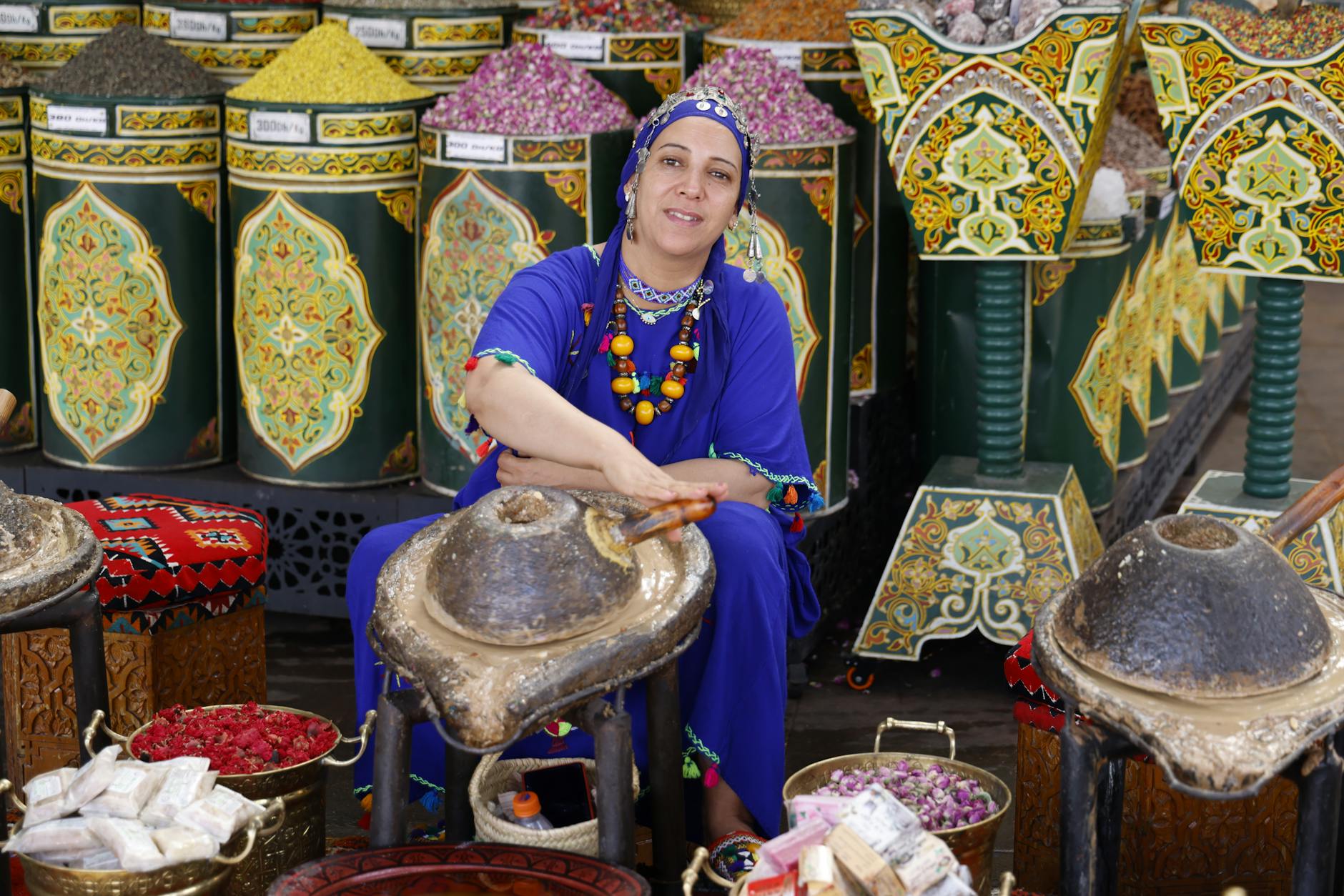
The medina can be the highlight of Marrakech, but it should be used with edges. Women travelers often have better days when they enter with a short route, a few focused stops, a planned pause, and a known exit. Open-ended wandering can be rewarding in small doses, but it can also create wayfinding pressure, repeated approaches, heat fatigue, and a feeling that every lane requires a decision. A shorter, cleaner route usually produces a better memory than a longer route that turns defensive.
A guide is not a sign that the traveler cannot handle the city. It can be a way to choose context over friction. The right guide can explain crafts, history, food, and architecture while reducing wrong turns and unwanted detours. The wrong guide can turn the day into commission shopping. Women travelers should book through a trusted hotel or vetted source, set expectations clearly, and state if they do not want shopping stops. Help is useful when it gives the traveler more control, not less.
- Plan medina time as a route with an entry, focused stops, a pause, and an exit.
- Book a vetted guide when context and reduced wayfinding pressure would improve the day.
- Set shopping boundaries in advance so the guide or vendors do not define the route.
Know the hammam, spa, and wellness context
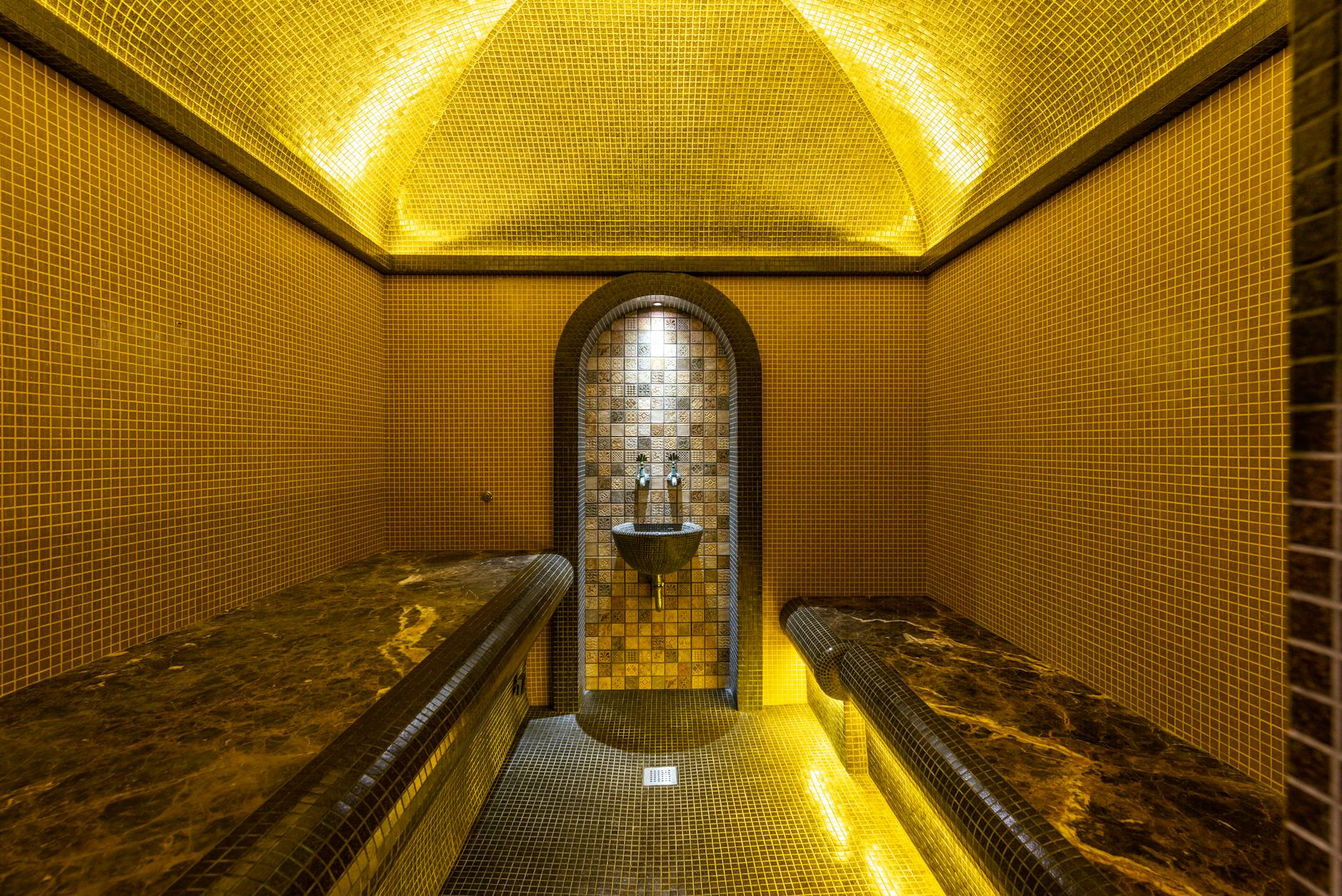
Hammams and spa experiences can be excellent for women travelers, but they should not be booked blindly. A local hammam, hotel spa, private hammam, and luxury treatment room are different experiences with different levels of privacy, explanation, undress, language, and intensity. A traveler who wants cultural immersion may choose one format. A traveler who wants calm recovery, modesty, or clear boundaries may choose another. Neither choice is more authentic in a way that matters more than comfort.
Before booking, confirm whether the hammam is women-only at that hour, whether the attendant is female, what clothing or disposable items are provided, how long the treatment lasts, whether scrubbing is vigorous, and whether the space is private or shared. Travelers with skin sensitivity, medical constraints, pregnancy, recent procedures, heat intolerance, or privacy concerns should be especially specific. The right wellness choice should restore energy, not become another situation to decode.
- Clarify privacy, gender of attendants, clothing expectations, intensity, duration, and women-only timing before booking.
- Choose hotel or private formats when modesty, medical needs, or language clarity matter.
- Treat hammams as optional recovery, not an authenticity test.
Plan evenings around exits and energy
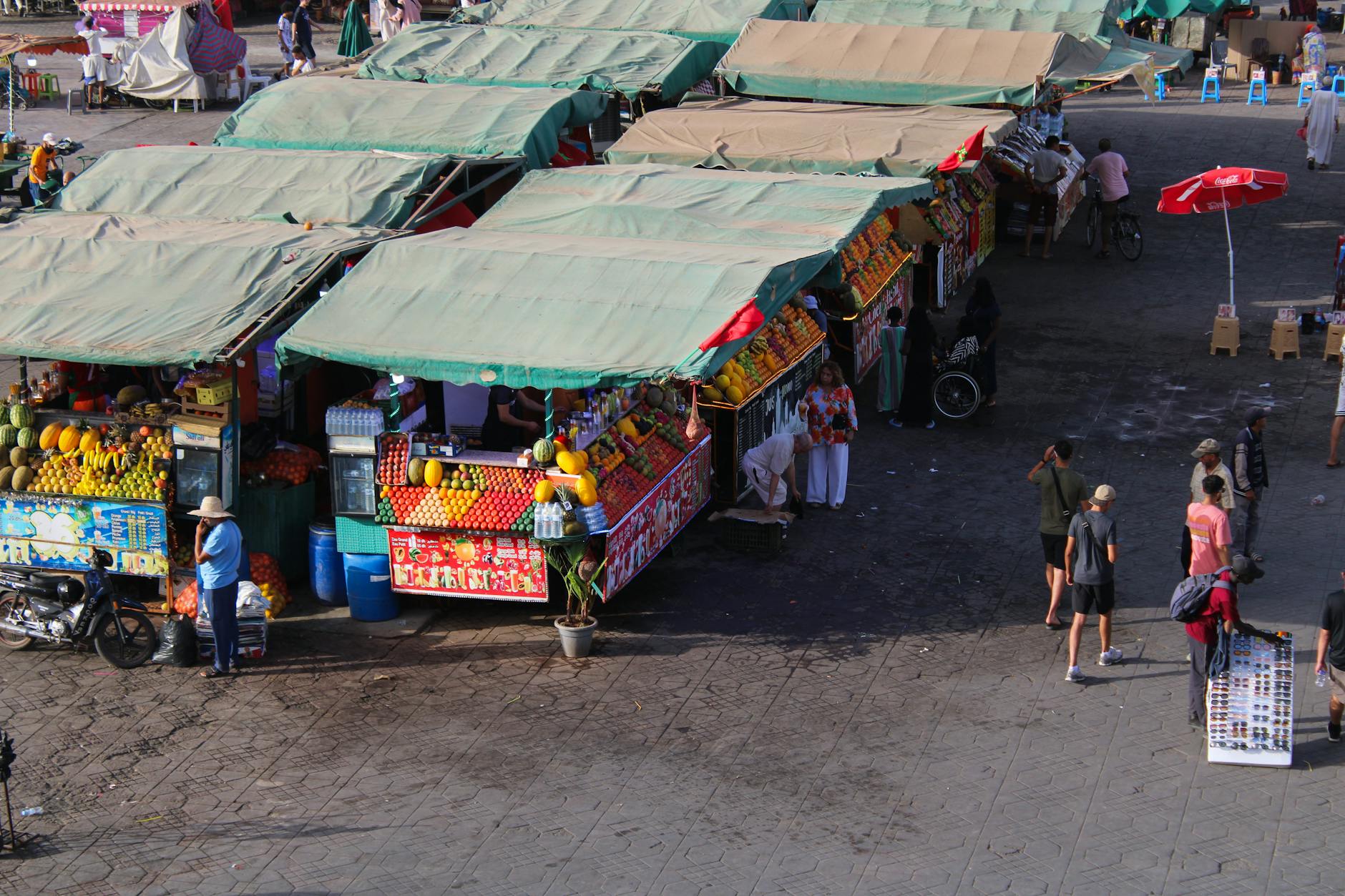
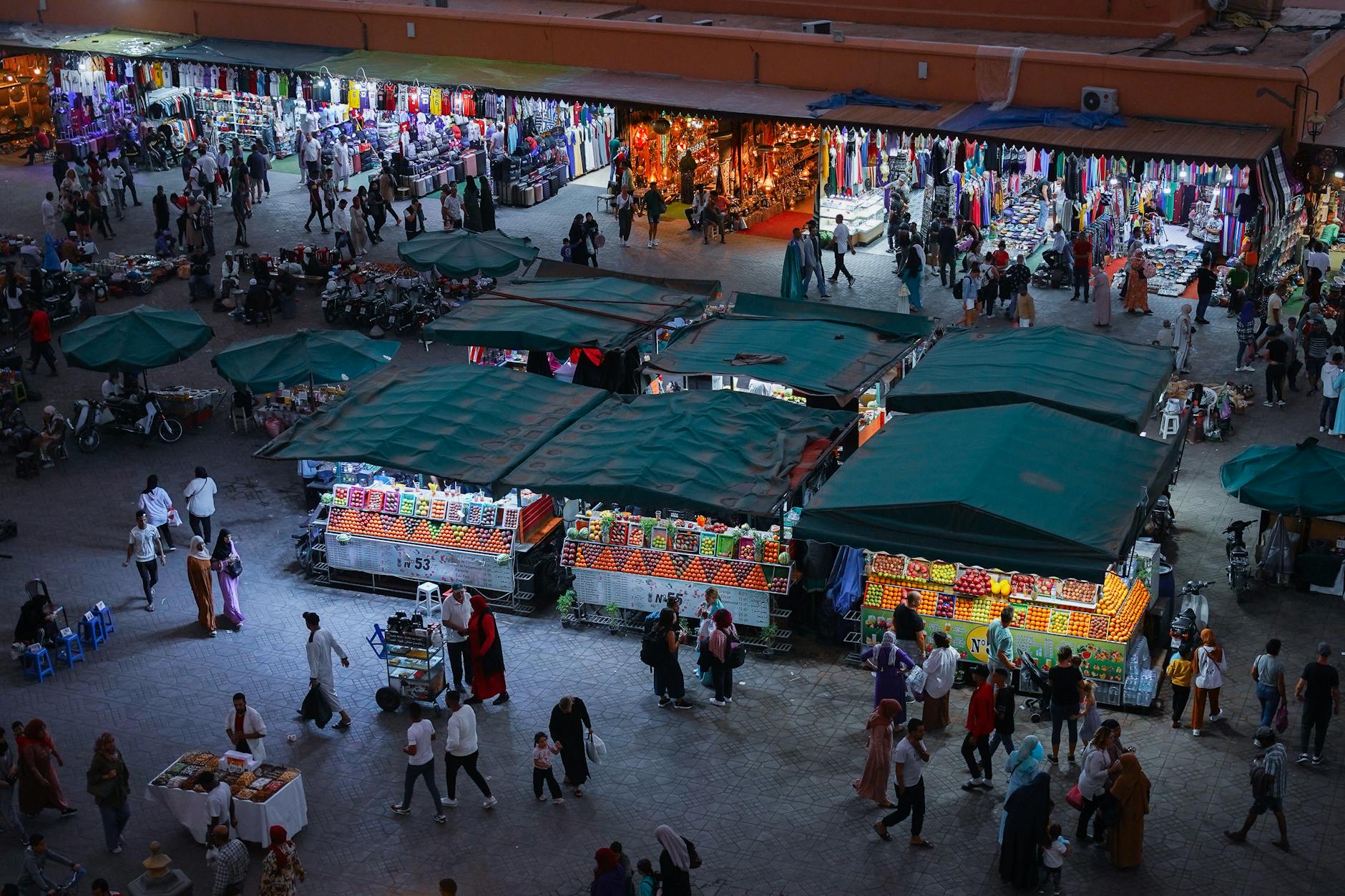
Marrakech evenings can be wonderful: rooftop dinners, lantern-lit courtyards, Jemaa el-Fnaa, hotel bars, music, and night markets can all belong in a strong short trip. A woman traveler does not need to avoid the evening, but she should know how it ends before it starts. The return route, meeting point, driver, gate, phone battery, cash, and threshold for leaving should be decided while she still has energy. Late-night route negotiation is where a good day can become unnecessarily stressful.
Posting location in real time is usually not worth it. Alcohol should be matched to the return plan. A lively, visible route may be better than a quiet shortcut. If a dinner or rooftop is far from the hotel, use a hotel-arranged taxi or known driver rather than experimenting while tired. The best Marrakech evening is not the longest one. It is the one with atmosphere and a clean exit.
- Know the return route, driver option, meeting point, and phone battery status before the evening begins.
- Avoid quiet shortcuts and real-time location posting from hotels, restaurants, or rooftops.
- Use hotel-arranged transport when the final walk or late return would otherwise be the weak point.
When to order a short-term travel report
A confident woman traveler staying at a known hotel with daytime plans may not need a custom report. A report becomes useful when the trip includes a late arrival, medina riad, solo movement, uncertain district choice, public-facing work, shopping goals, hammam questions, dietary or medical constraints, nightlife, or discomfort around street attention. Marrakech is a city where small planning choices can materially change how much attention, uncertainty, and fatigue the traveler has to handle.
The report should test lodging access, arrival handoff, first medina route, guide options, dress and comfort context, hammam fit, solo meal choices, evening returns, phone and bag habits, medical or dietary constraints, and fallback places to reset. The value is not generic reassurance. It is a specific Marrakech plan that lets a woman traveler enjoy the city without spending the whole trip managing preventable friction.
- Order when late arrival, medina lodging, solo movement, hammams, shopping, or evening plans need precision.
- Provide hotel candidates, flight times, comfort level, dress preferences, medical needs, and evening priorities.
- Use the report to keep Marrakech open, vivid, and easier to manage on the traveler's own terms.