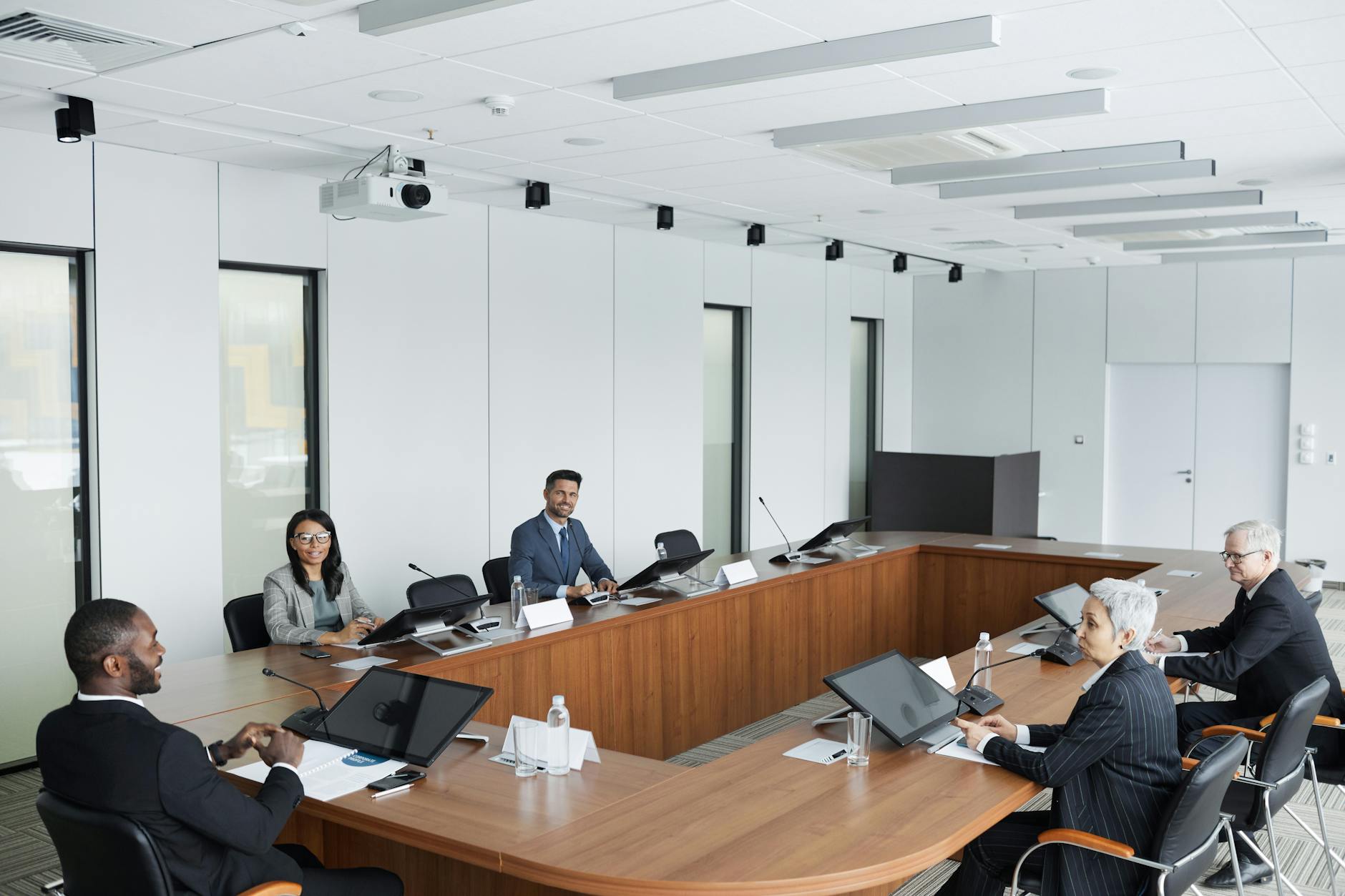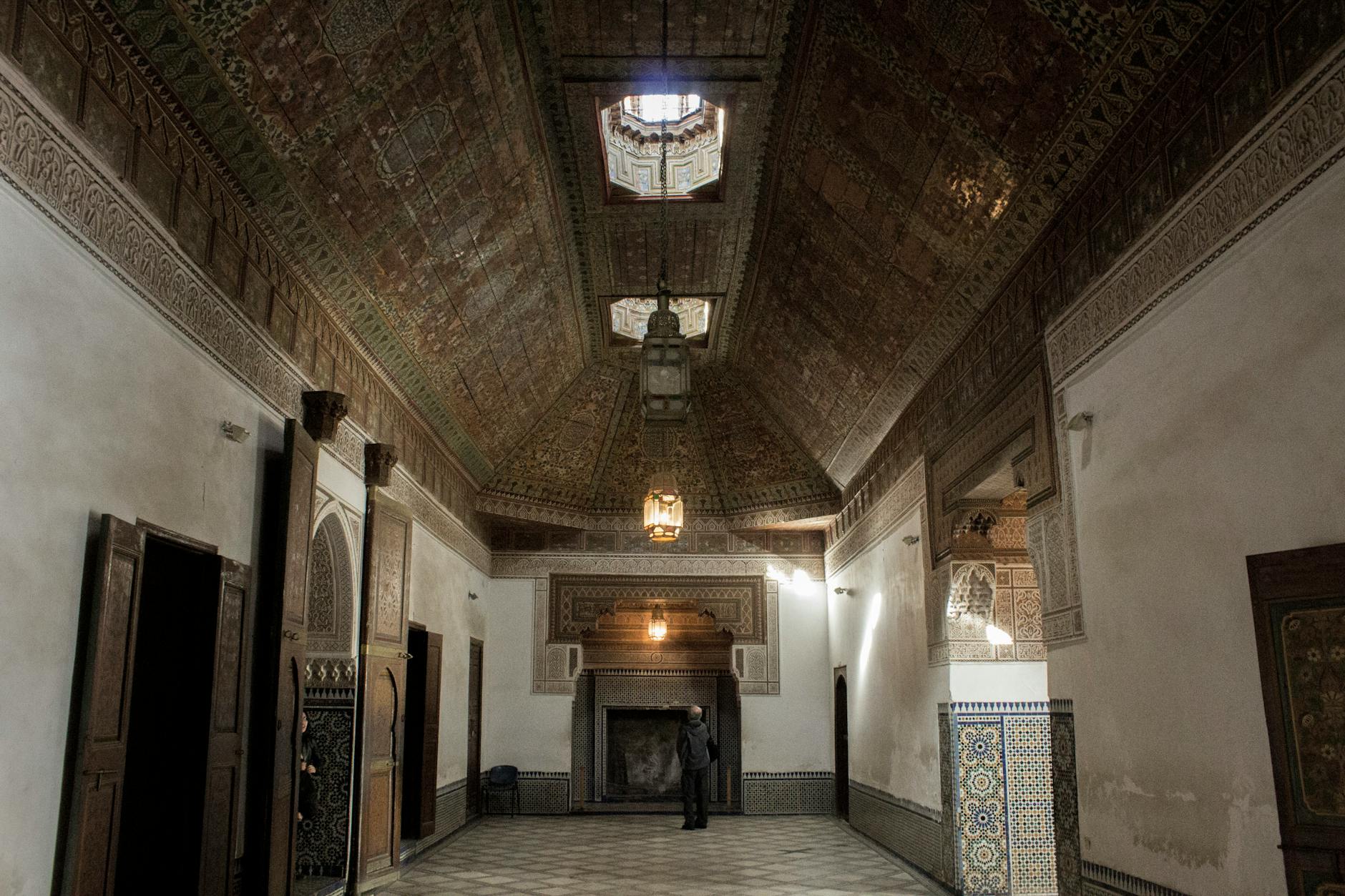
A Marrakech trade-show trip is not the same as a leisure visit with an event on the calendar. The traveler may be attending as a buyer, staffing a booth, meeting distributors, carrying samples, sourcing craft or hospitality partners, hosting clients, or moving between a venue, hotel, medina meetings, and dinners. Marrakech can support that kind of trip well, but only when the plan treats the city as an operating environment rather than a backdrop. The key questions are practical: Where exactly is the venue? Can the hotel handle early departures, materials, and vehicle pickup? How will samples, badges, chargers, signage, catalogs, or product demos move? When will heat and standing fatigue matter? Which side meetings justify medina or cross-city travel? Which dinners are worth the return route? The strongest short trip keeps the attendee close enough to the work, rested enough to make good decisions, and flexible enough to use Marrakech's commercial and cultural opportunities without letting logistics drain the value of the show.
Start with the exact venue, not the city name
A trade-show attendee should begin with the precise event address and daily entry point. A program at or near Palais des Congres, a hotel ballroom in Hivernage, a resort venue in the Palmeraie, a university or cultural space, or a private industry gathering inside the medina can create completely different trips. The morning route, vehicle access, badge pickup, security, booth hours, sample storage, and evening return all depend on the venue's real geography, not on the fact that the destination is Marrakech.
The attendee should know which entrance matters, whether exhibitors and visitors use different doors, when registration opens, where vehicles can stop, and how long it takes to move from hotel room to show floor under working conditions. A short transfer on a map can be slow if it crosses traffic, medina edges, event congestion, or a hotel pickup point that is hard for drivers to reach. Trade-show timing has less margin than sightseeing, so the venue should drive every other decision.
- Confirm the exact venue, attendee entrance, exhibitor entrance, registration timing, and vehicle stop before booking the hotel.
- Treat Hivernage, Palmeraie, medina, hotel, and private-event venues as different operating zones.
- Map the room-to-show-floor route for the first morning, not only the city-to-city arrival.
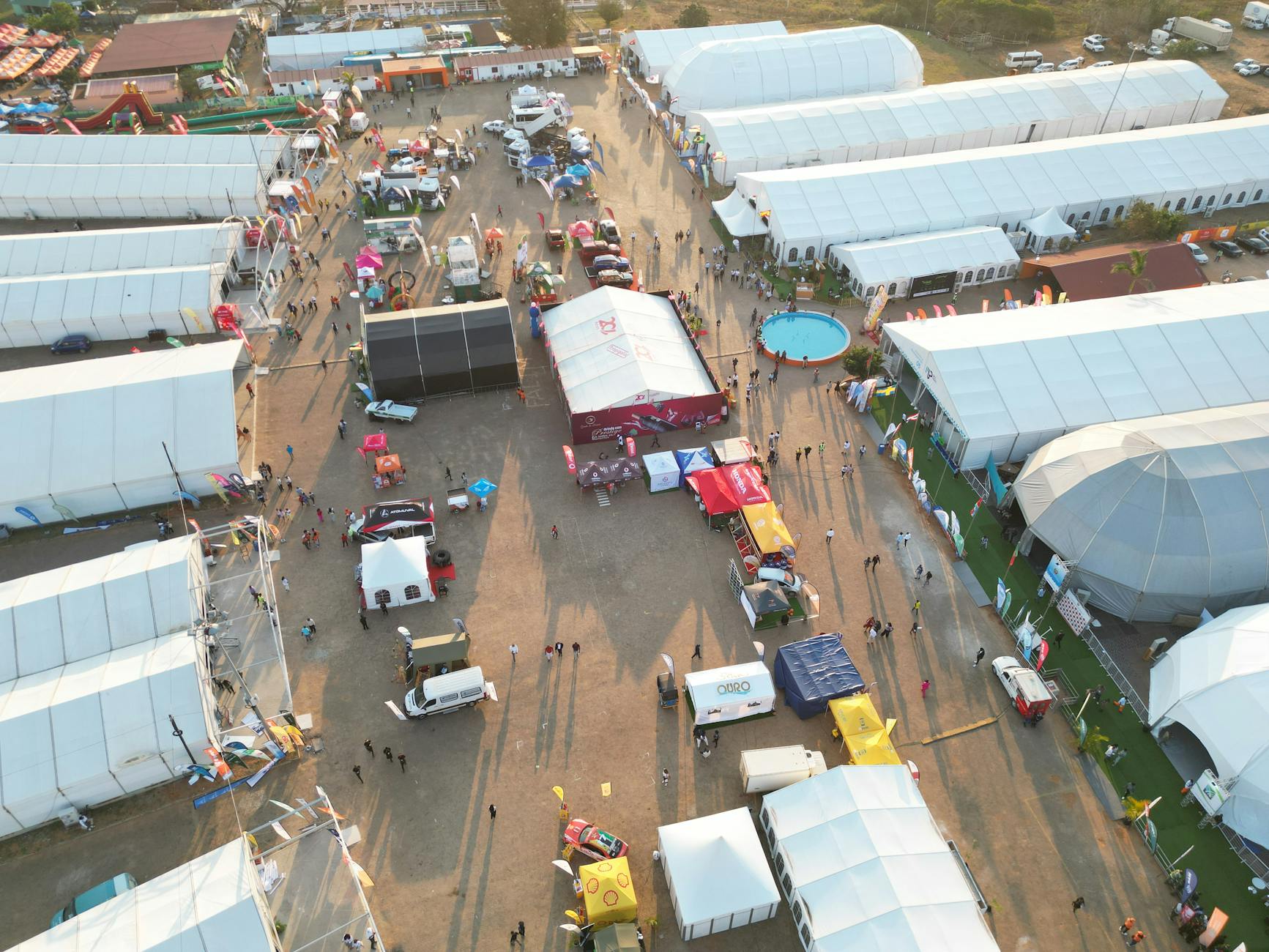
Choose lodging that can support work logistics
A trade-show hotel has to do more than look attractive. It may need to receive packages, store samples, provide early breakfast, support reliable car pickup, offer quiet space for calls, print a document, hold luggage after checkout, or let the traveler return quickly if a charger, catalog, garment, or product sample is missing. A beautiful riad can be the wrong choice if the lane approach makes every materials run difficult. A less atmospheric hotel with road access and event proximity may protect the trip better.
The lodging decision should also consider recovery. Marrakech can be intense after a long floor day. A hotel with dependable air conditioning, a workable desk, nearby food, simple taxis, and a calm evening return can matter more than a more romantic property that requires extra negotiation each time the attendee leaves. If the show involves several consecutive days, the base should reduce repeat friction rather than add a daily cultural obstacle course.
- Ask whether the hotel can receive packages, store samples, print documents, support early starts, and arrange reliable pickup.
- Avoid medina lodging when lane access would complicate materials, luggage, late returns, or quick resets.
- Prioritize air conditioning, desk space, nearby meals, and simple vehicle access for multi-day floor schedules.
Make arrival, samples, and documents boring
Trade-show problems often begin before the event opens. A late flight, missing bag, weak airport pickup, customs question, forgotten adapter, damaged sample, or hotel that cannot receive a package can turn the first show day into triage. The attendee should decide what travels in carry-on, what ships ahead, what can be replaced locally, what needs a duplicate, and who at the hotel or venue can confirm receipt. Marrakech Menara Airport is close to the city, but close is not the same as operationally safe.
Documents and devices deserve the same discipline. Badges, invitations, letters, QR codes, business cards, charging blocks, power banks, local data, presentation backups, and product specs should not depend on one phone or one bag. If the attendee is exhibiting, the setup day should be treated as a workday with its own transfer, meal, and recovery plan. The goal is to make the first official show morning feel routine.
- Separate carry-on essentials, shipped items, replaceable materials, and irreplaceable samples before departure.
- Confirm package receipt, setup timing, badge requirements, QR codes, adapters, data, and presentation backups.
- Plan setup day as a working day, with transport, food, and recovery time already arranged.
Protect floor-day stamina in heat
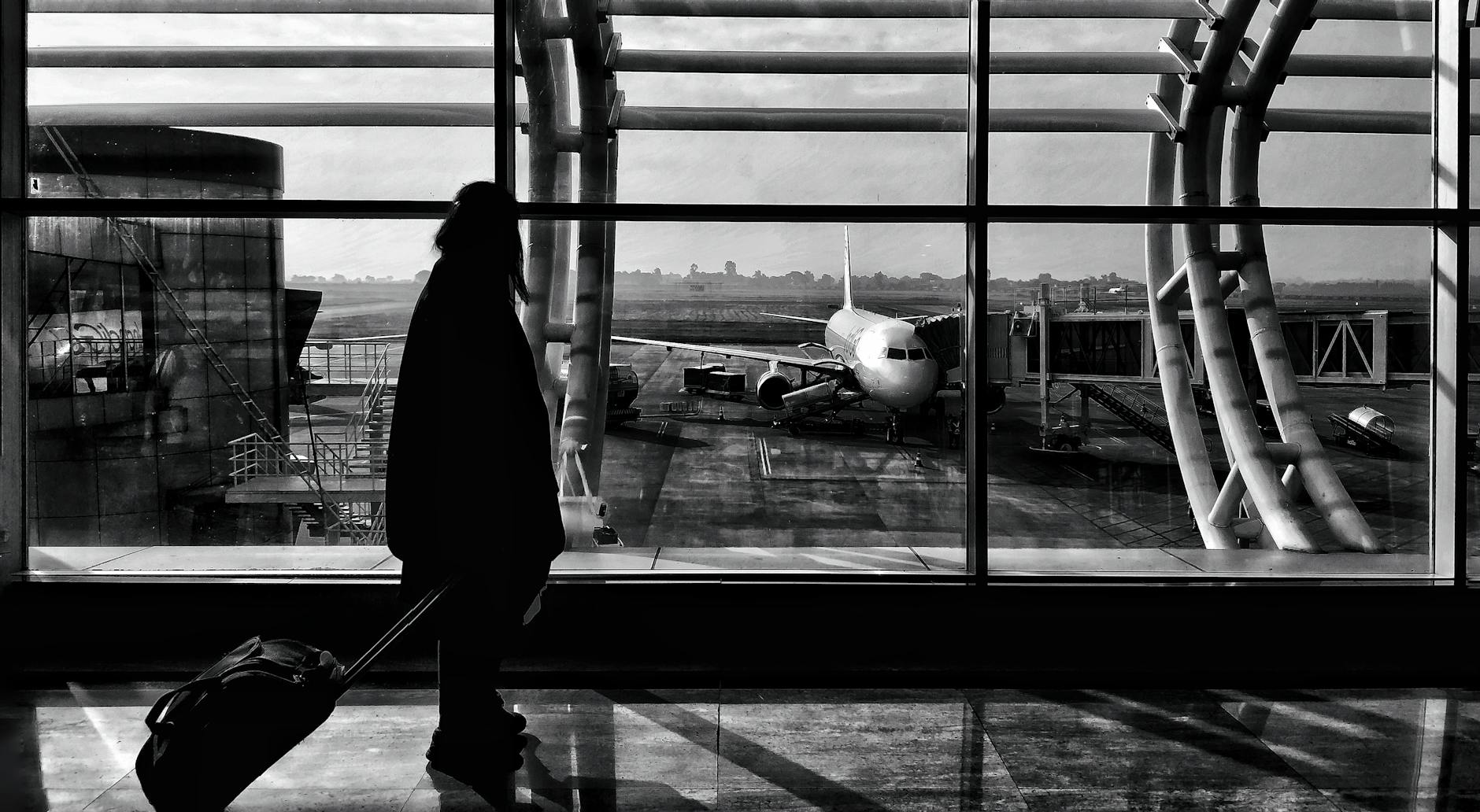
A trade-show day in Marrakech can combine long standing periods, badge queues, booth conversations, repeated handshakes, product demonstrations, loud halls, bright light, and hot transfers. Even if the venue is climate-controlled, the trip around it may not be. The attendee should plan water, snacks, shoes, layers, charger access, quiet pauses, and a midday reset as carefully as meetings. If the attendee is staffing a booth, the schedule should define who covers breaks and when business cards, catalogs, or samples are restocked.
Heat also affects judgment. A buyer meeting after several hours on the floor may need a seated, air-conditioned location rather than an ambitious cross-city coffee. A dinner that looks easy in the morning may be too much after the final session. The best Marrakech trade-show plan protects commercial energy, not just attendance. The valuable meetings happen when the traveler can still listen, ask clear questions, and follow up.
- Plan water, snacks, footwear, charging, booth breaks, and quiet pauses as part of the event schedule.
- Account for hot transfers even when the venue itself is cooled.
- Move high-value buyer or distributor meetings into seated, low-friction settings when fatigue builds.
Use supplier and market visits deliberately
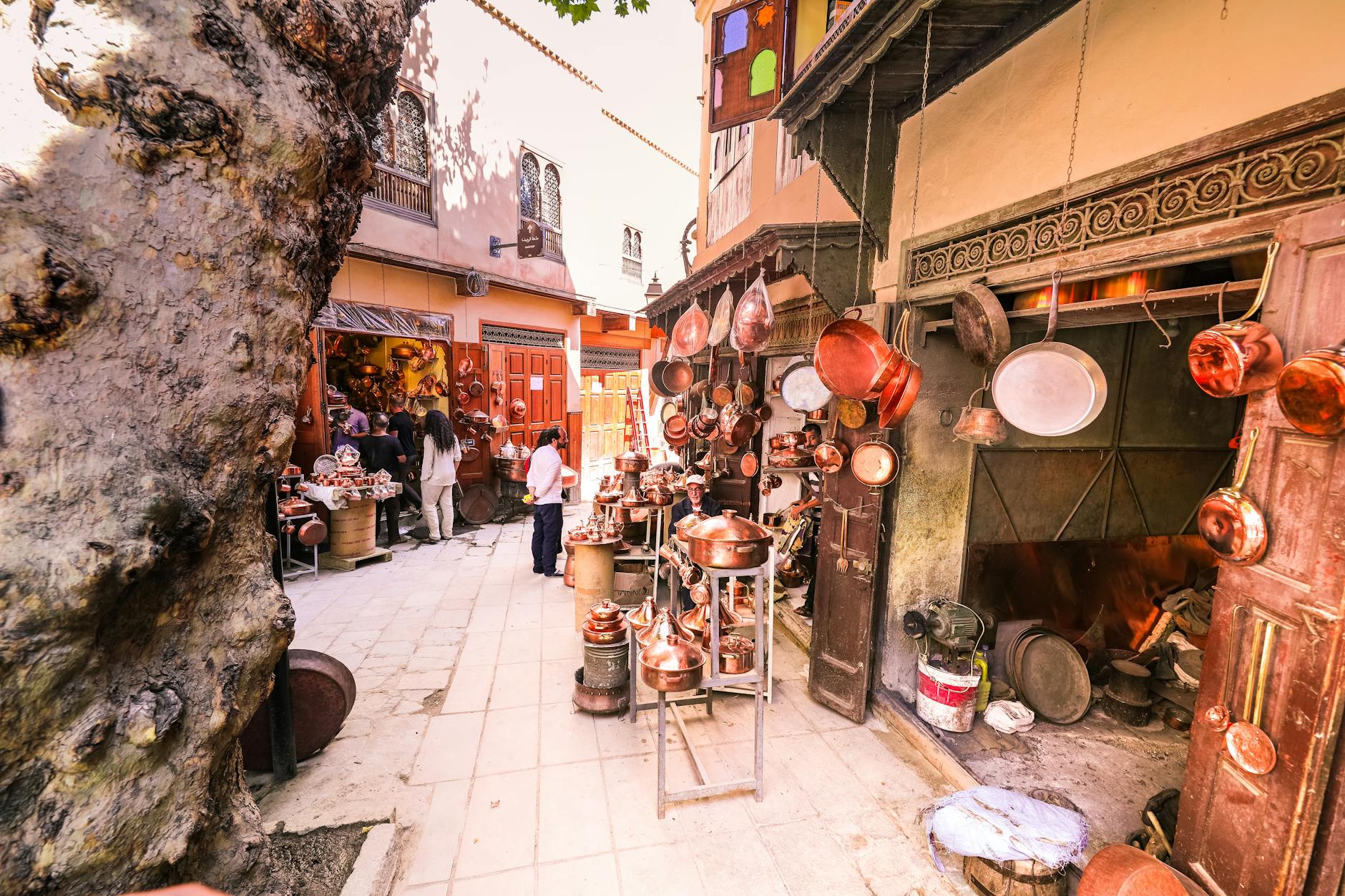
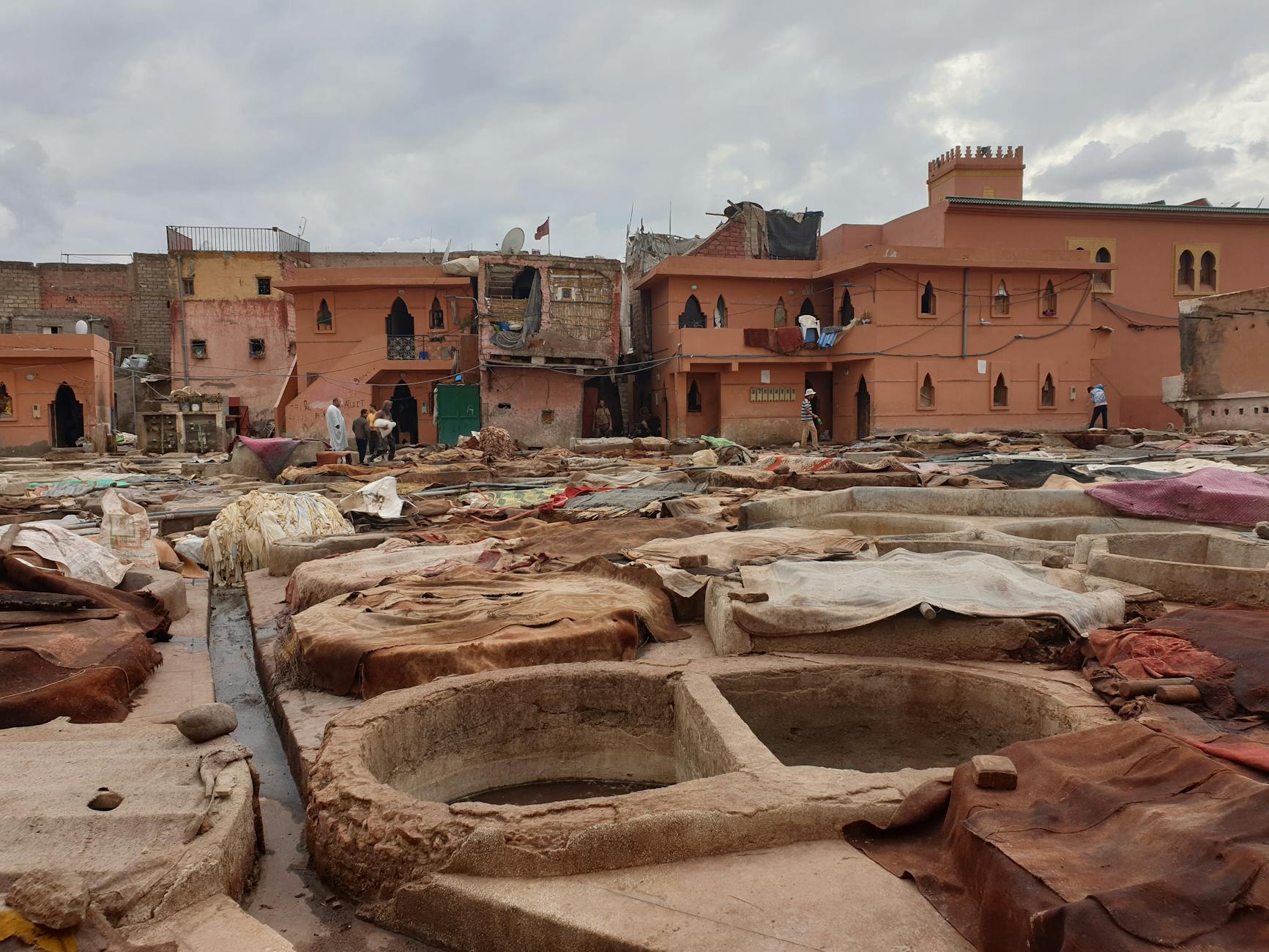
For some attendees, Marrakech trade-show value includes more than the formal floor. A buyer, designer, hospitality operator, food professional, craft retailer, or sourcing lead may want medina workshops, tanneries, spice sellers, rug contacts, lighting suppliers, textile stops, or hotel-site inspections. These visits can be valuable, but they should be treated as business appointments rather than casual wandering. The route, guide, translator, timing, payment method, sample handling, and quality criteria should be clear.
The medina can also distort time. One promising lead can become three detours and a late return to the venue. Serious sourcing may require fewer stops, better introductions, and more time at each one. Exploratory visits should be shorter and lower-stakes. If the traveler needs photos, measurements, invoices, shipping terms, or follow-up contacts, the plan should capture those details while the meeting is happening, not after a long day when every shop begins to blur.
- Treat craft, rug, spice, leather, textile, lighting, or hotel-site visits as scheduled business meetings.
- Use guides, translators, or trusted introductions when quality, shipping, or negotiation matters.
- Capture photos, measurements, invoices, contacts, and follow-up terms before leaving each supplier.
Cluster networking instead of scattering the night
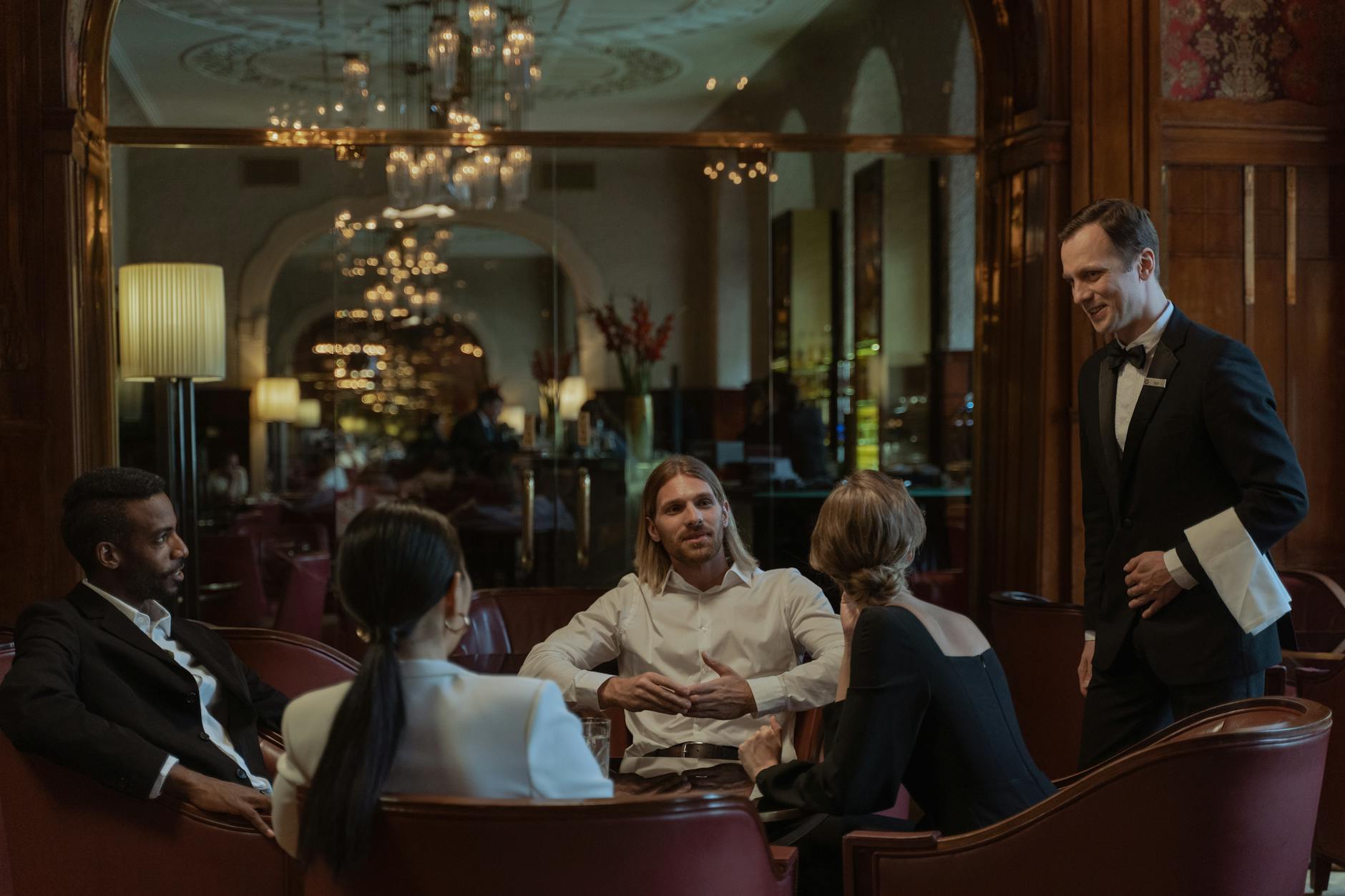
Trade-show value often continues after the hall closes, but Marrakech rewards discipline in evening geography. A reception near the venue, a dinner in Hivernage, a rooftop in the medina, a hotel meeting in Gueliz, and a late return to a riad may all be possible in one night and still be a poor operating plan. The attendee should decide which invitations are commercially important and which ones only add movement, heat, noise, or uncertainty after a long day.
Strong networking plans cluster people. If the show is near Hivernage, keep dinners and drinks nearby unless a medina setting truly adds value. If side meetings are in Gueliz, choose a hotel and restaurant pattern that makes them easy. If the event relies on hosted hospitality, confirm pickup and return rather than hoping taxis will be simple at the end of the night. The best dinner is not always the most atmospheric one. It is the dinner that advances the trip and still allows a clean morning.
- Cluster receptions, dinners, and side meetings around the venue, hotel, or strongest buyer group.
- Spend cross-city or medina evening travel only when the commercial value justifies it.
- Confirm pickup, return, and late-night contact before accepting distant invitations.
When to order a short-term travel report
A local attendee visiting a familiar one-day show may not need a custom report. A traveler attending from abroad, exhibiting, carrying samples, arranging buyer meetings, choosing between Hivernage, Gueliz, medina, and resort lodging, or adding supplier visits should plan more carefully. Marrakech is manageable, but the trip can lose value quickly if the hotel, venue, transfer, materials, and evening routes do not fit the actual event rhythm.
The report should test venue geography, hotel logistics, arrival transfer, package and sample handling, setup timing, floor-day stamina, heat rhythm, supplier or market visits, buyer-meeting locations, networking geography, dinner returns, local disruption risks, and the sequence of follow-up time. The value is not a generic Marrakech overview. It is a working plan that protects the commercial reason for the trip while still letting the attendee use the city intelligently.
- Order when venue location, samples, setup timing, supplier visits, or buyer meetings make mistakes costly.
- Provide venue, show role, hotel candidates, arrival details, materials, side meetings, supplier goals, and evening obligations.
- Use the report to protect commercial value, not merely to fill free hours around the event.