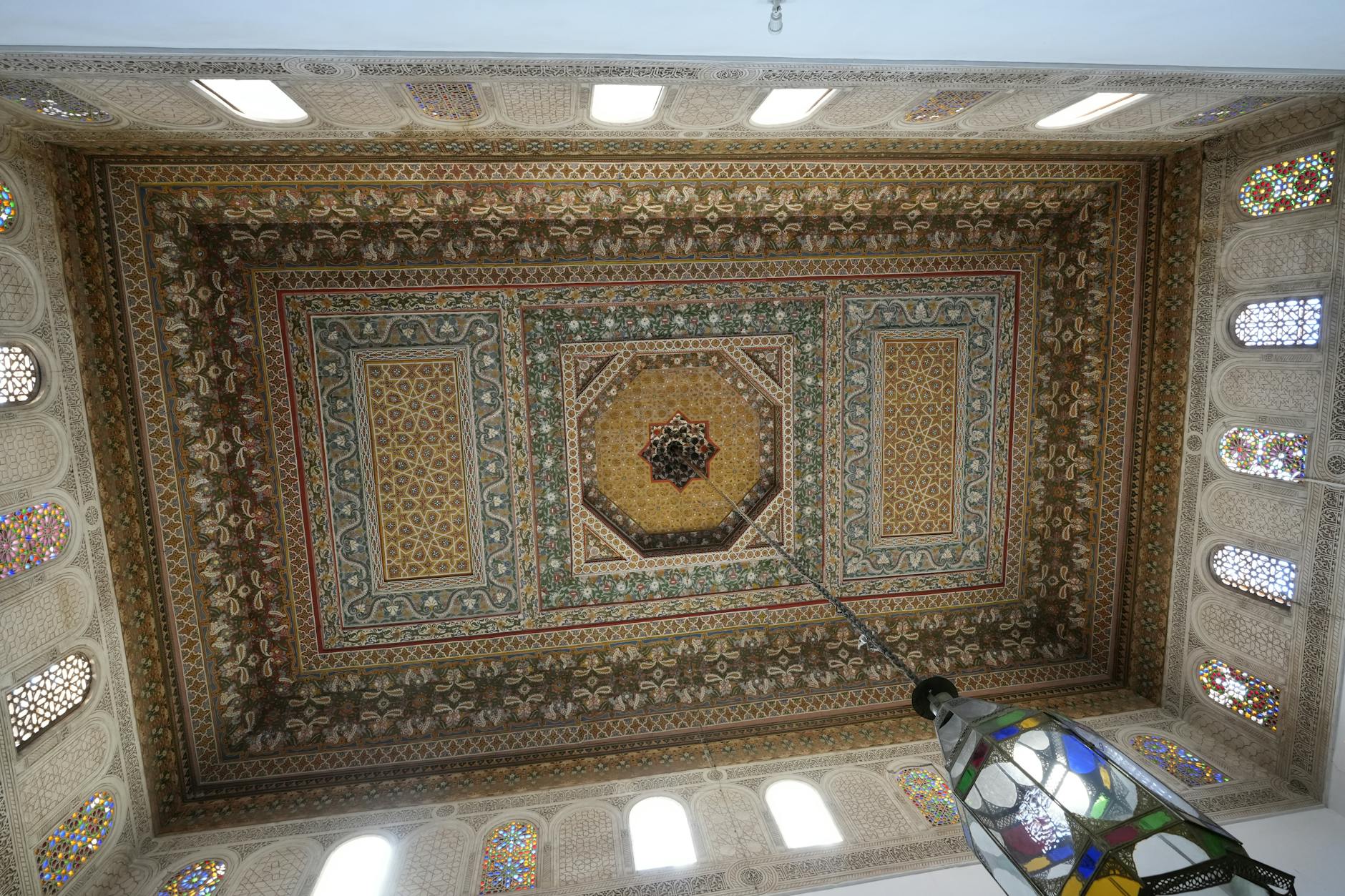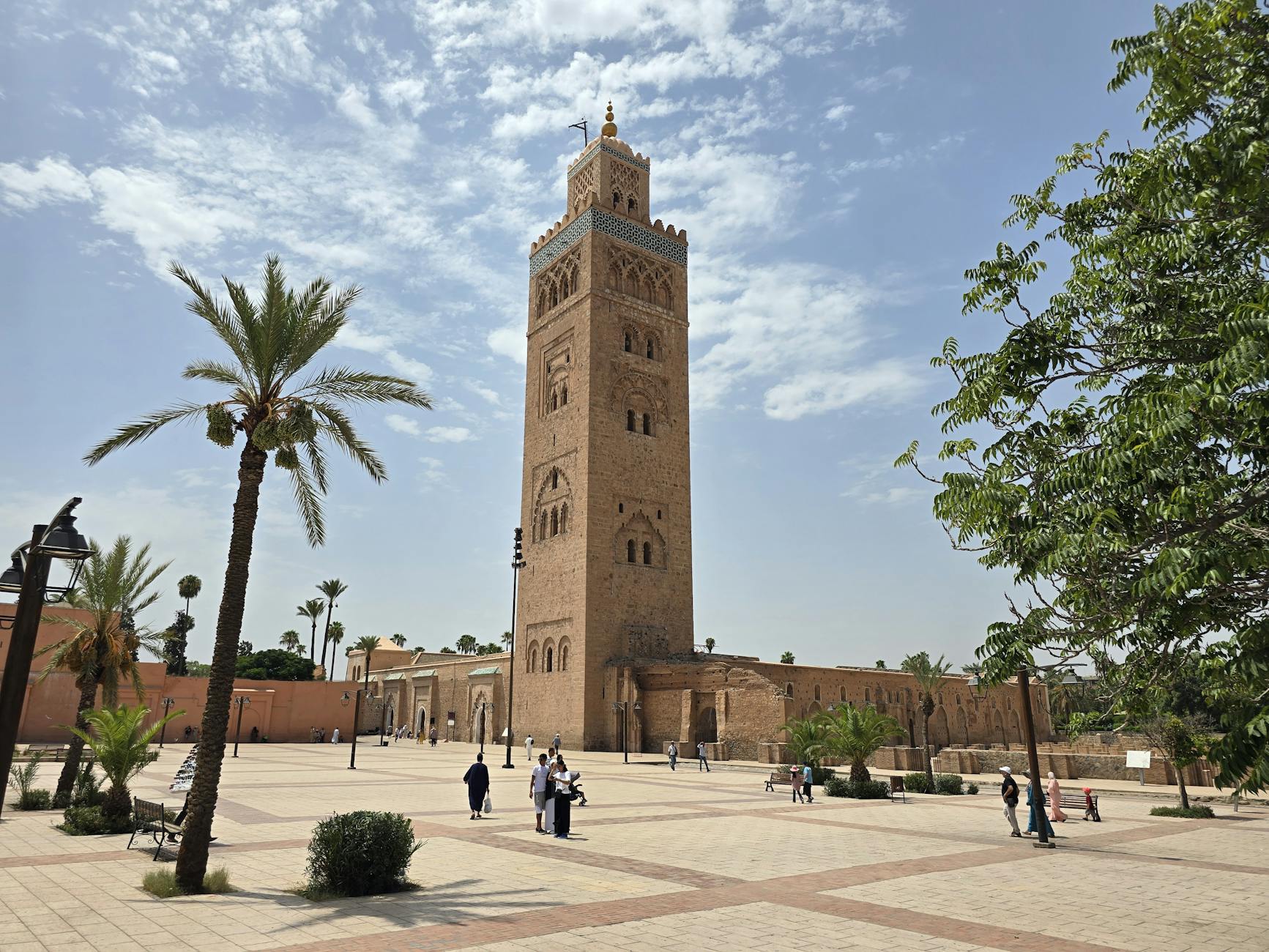
A tourist trip to Marrakech can be thrilling because the city offers so much concentrated atmosphere: Koutoubia views, Jemaa el-Fnaa, souks, palaces, gardens, rooftops, hammams, craft shops, riads, mint tea, and the sudden feeling of being inside a city with its own rhythm. It can also become tiring quickly. The medina is dense, the heat can reshape the day, scooters move through narrow lanes, bargaining takes energy, and a tourist who tries to collect every famous stop can end up remembering friction more than place. The better short tourist visit is edited. It chooses a base that makes returns easy, groups sights by geography, enters the medina with a plan, treats the square as an experience rather than a whole evening by default, and protects meals, shade, and rest. Marrakech should feel vivid, not chaotic. The tourist who sees fewer things with more control often leaves with a clearer sense of the city.
Build a first visit around a few strong anchors
A tourist should resist treating Marrakech as a list to clear. The classic pieces are strong, but they work better when organized around a few anchors: a medina route, one or two palace or madrasa visits, a garden or courtyard pause, a rooftop meal, and a short evening look at Jemaa el-Fnaa. Adding every market lane, museum, hammam, cooking class, shopping stop, and excursion to a short stay usually makes the city blur instead of deepen.
The strongest first visit often has one demanding block per day and a recovery point after it. A morning palace or madrasa can be followed by lunch and shade. A medina shopping route can be followed by the hotel pool or a quiet courtyard. A night square visit does not also need to be a late dinner across town. Marrakech is easier to love when each day has a center of gravity.
- Choose a few anchors instead of trying to collect every famous Marrakech stop.
- Use one demanding block per day, then protect a pause or easy meal.
- Let medina, palace, garden, rooftop, and evening-square experiences each have enough room to register.
Choose the base by returns, not romance alone
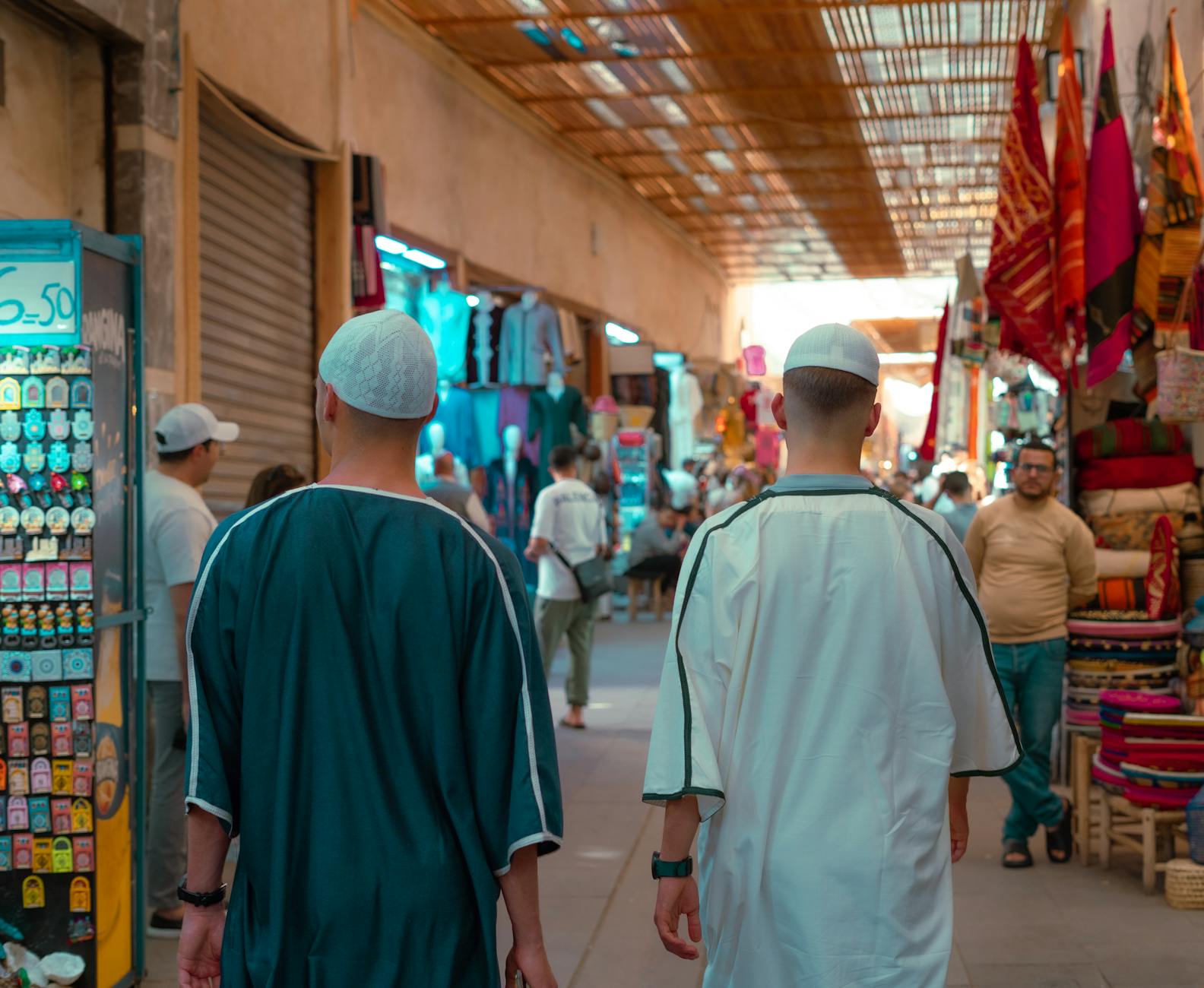
A riad inside the medina can be one of the best parts of a Marrakech tourist trip, but it is not automatically the easiest choice. Some riads require a walk from a vehicle gate, stairs, luggage help, and repeated navigation through narrow lanes. That can feel magical on arrival and inconvenient after dinner, in heat, with shopping bags, or when the traveler simply wants to rest. Tourists should ask where the car stops, how staff handle arrival, and how the route feels at night.
A hotel in Hivernage, Gueliz, Palmeraie, or an edge-of-medina location can reduce friction while still allowing strong city access. The right base depends on the trip style. A highly atmospheric medina stay suits some visitors; a calmer hotel with a pool, breakfast, vehicle access, and straightforward returns suits others. The hotel is not background. It is what lets the tourist re-enter the city with energy instead of resentment.
- Confirm vehicle access, gate-to-door walking route, stairs, luggage help, and nighttime return feel before booking.
- Use medina lodging when atmosphere is worth the daily access tradeoff.
- Choose a modern or edge-of-medina base when easy returns, pool resets, or taxi access matter more.
Use the medina with a route and a stopping point
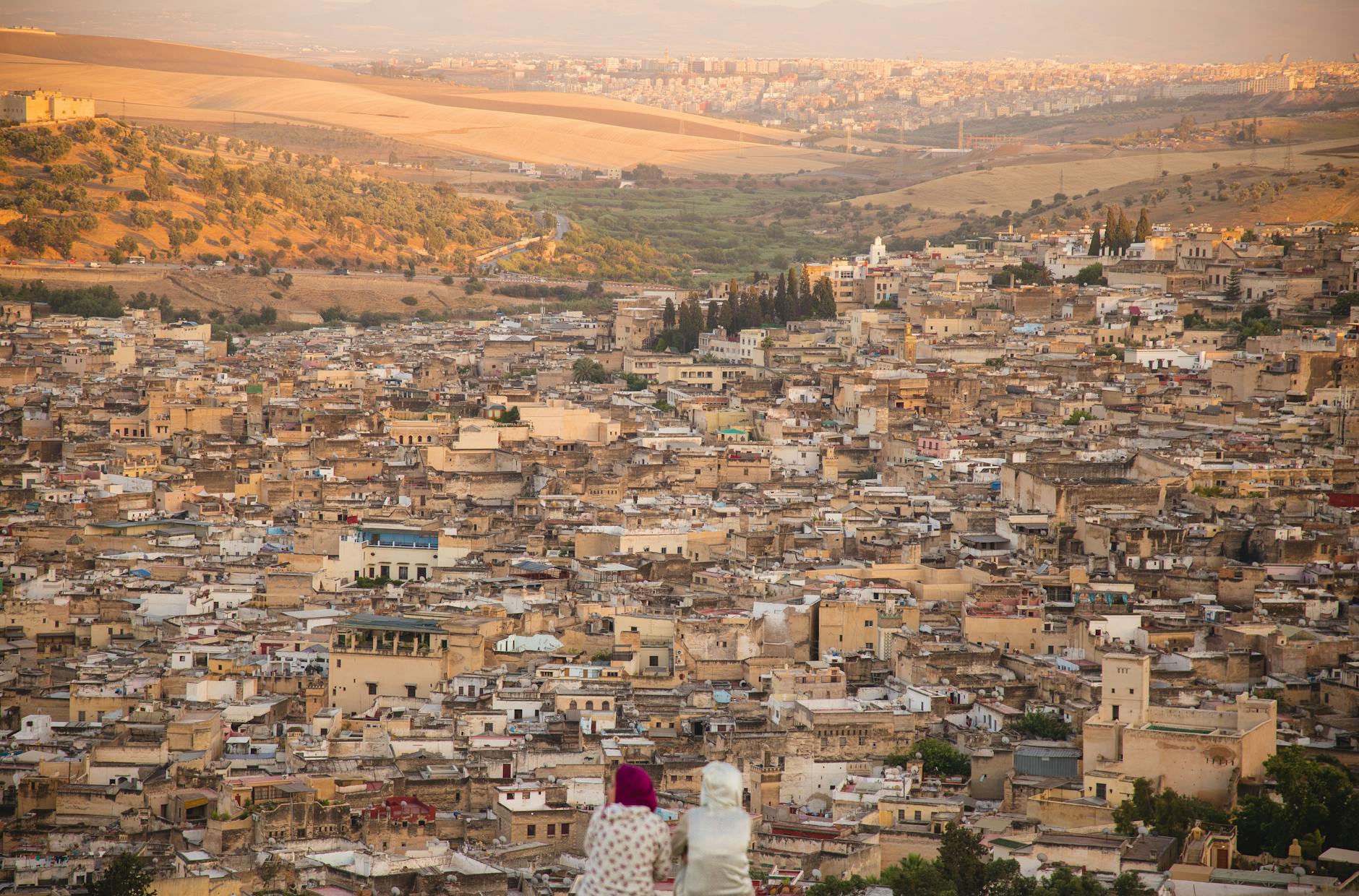
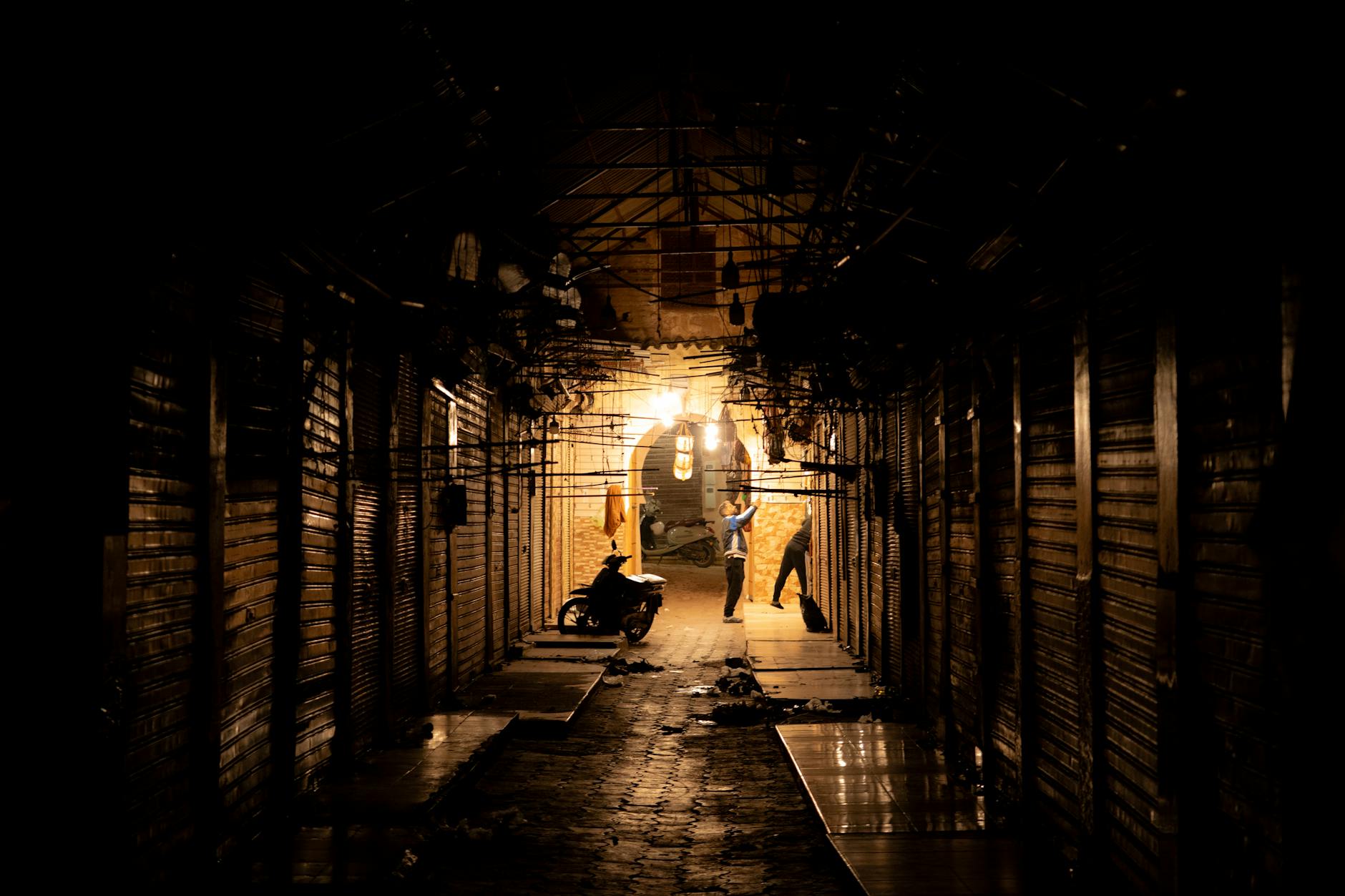
The medina is a tourist highlight, but it should be approached as a route, not as an infinite maze. The lanes, shops, scooters, craft workshops, spice stalls, lanterns, calls from vendors, and sudden turns are part of the experience. They are also what make open-ended wandering tiring. A short tourist route should have a clear entry, a few focused stops, a cafe or courtyard pause, and a known exit. That structure leaves room for discovery without handing the whole day to friction.
A guide can help when the traveler wants history, craft context, and less wayfinding pressure. The guide should be chosen deliberately, not accepted from whoever appears at the right moment. Shopping works best with limits: decide what categories matter, what budget is reasonable, and when the traveler is done. A tourist who tries to be polite through every sales conversation will spend more energy than the goods are worth.
- Plan medina time with an entry, focused stops, a pause, and a clear exit.
- Use a vetted guide when context and route control would improve the visit.
- Set shopping limits before entering the souks so the day does not become one long negotiation.
Sequence palaces, gardens, and museums around heat
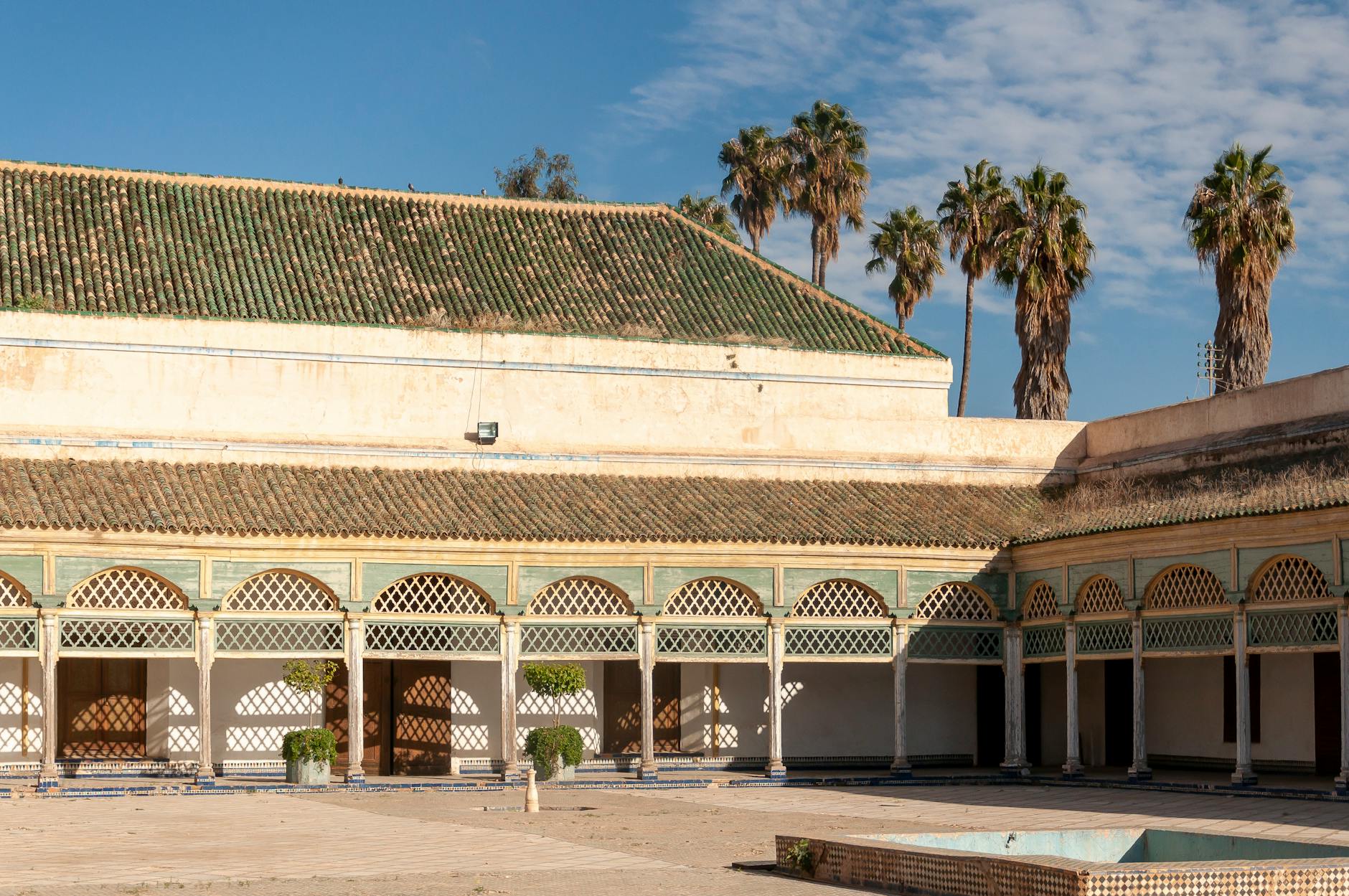
Bahia Palace, Ben Youssef Madrasa, El Badi Palace, Saadian Tombs, gardens, small museums, rooftops, and courtyard stops all compete for tourist attention. The mistake is stacking them as if the day were only about walking distance. Heat, queues, shade, opening hours, prayer times near religious sites, traffic, and mental saturation matter. A beautiful palace is less meaningful when the traveler arrives overheated and hungry.
Mornings are usually the best time for the most exposed or popular sights. Midday is better used for lunch, shade, hotel recovery, or an interior stop that does not require too much standing. Gardens and palaces should be paired by geography, not prestige. One excellent visit and a calm reset will often beat three rushed stops with no real memory attached.
- Use mornings for exposed, popular, or navigation-heavy sights.
- Pair palaces, gardens, and museums by geography and recovery opportunities.
- Protect lunch, shade, and hotel pauses before heat turns sightseeing into endurance.
Treat Jemaa el-Fnaa as a managed evening
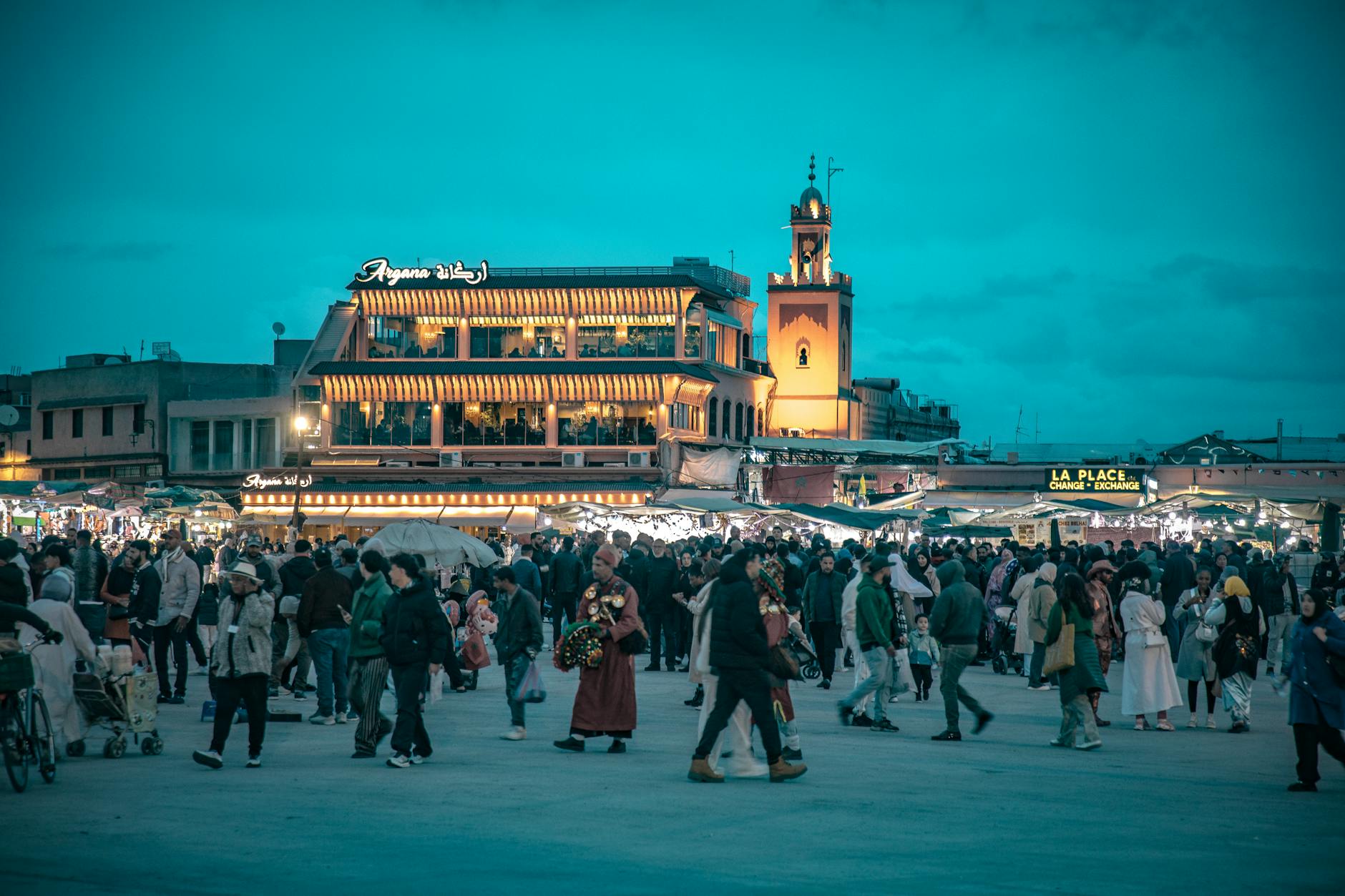
Jemaa el-Fnaa can be memorable, especially near dusk when the square changes character and the lights, sounds, food stalls, crowds, and performers gather momentum. It can also overwhelm tourists who arrive tired, hungry, unsure of the route home, or too open to every offer. The square should be treated as one experience with an exit plan, not as an obligation to stay until the night burns itself out.
A rooftop view can be a good way to understand the square without standing in its densest current for too long. A short walk through the area, a specific food plan, or a guided evening route can also work. Tourists should keep phones, bags, cash, and group members organized, avoid getting pulled into interactions they did not choose, and know whether they are walking, using a taxi, or returning with a driver. The best evening ends while the traveler still likes the city.
- Visit Jemaa el-Fnaa with a clear purpose, time limit, and return plan.
- Use a rooftop, guide, or short square route if the full crowd feels like too much.
- Keep phones, bags, cash, and companions organized before the square gets dense.
Make food, markets, and photos support the day
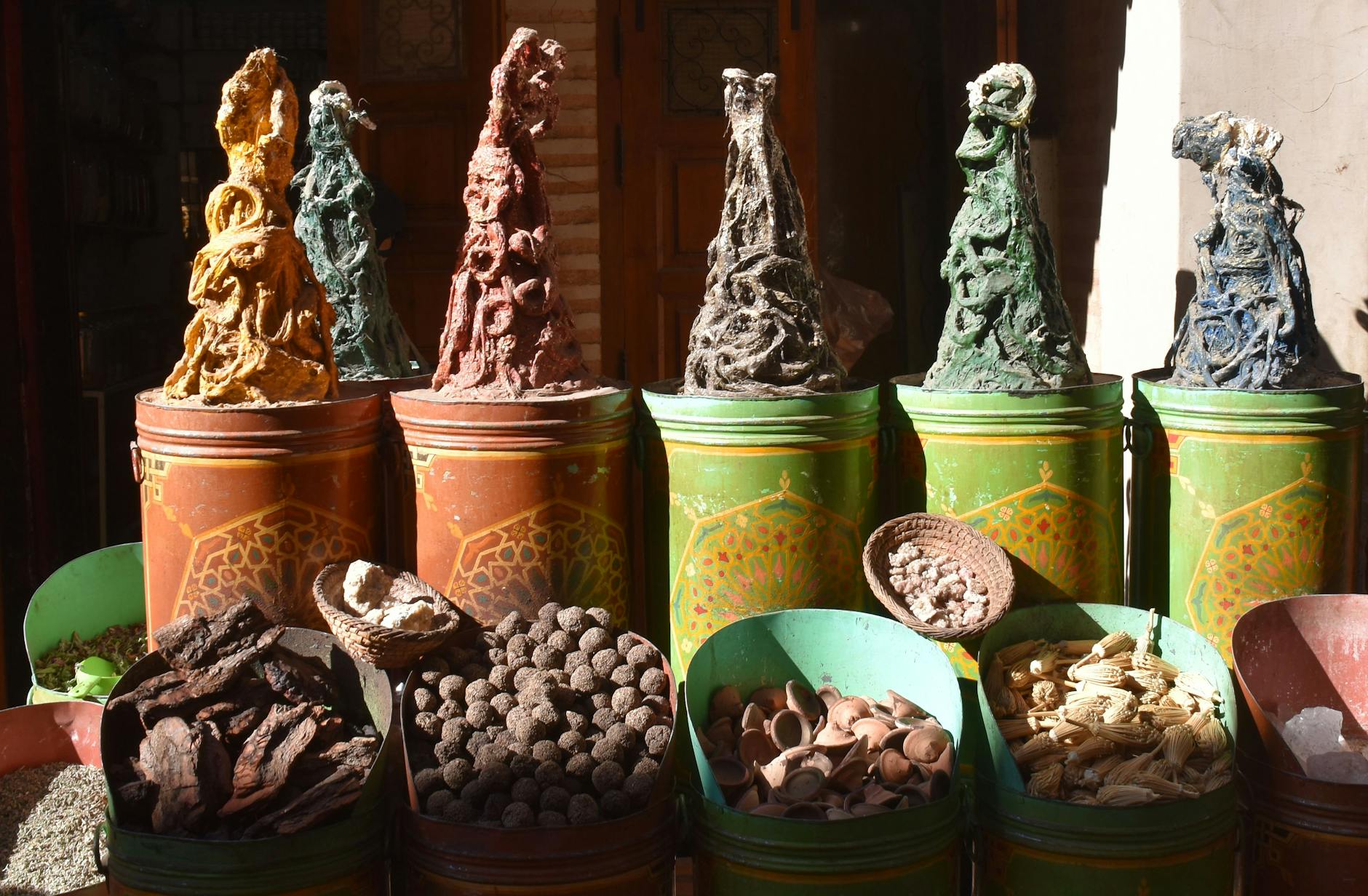
Marrakech gives tourists plenty to photograph and taste, but the plan should not become only a search for images. Spice displays, lanterns, doorways, rooftops, tea, pastries, tagines, tiled courtyards, and market scenes can all be wonderful when they sit inside a day that still works physically. A traveler who skips water, delays lunch, or keeps chasing one more market lane often loses the pleasure they came for.
Food should be both atmospheric and practical. Some meals can be rooftop or courtyard experiences. Others should simply be close, quick, and reliable. Ask before photographing people, especially vendors, performers, children, or religious settings. A tourist does not need to document every beautiful surface. Marrakech is more rewarding when the visitor also has time to sit, taste, and watch without turning every pause into content.
- Plan water, lunch, and rest as seriously as sights and shopping.
- Use some meals for atmosphere and others for simple recovery.
- Ask before photographing people and do not let photos replace the experience.
When to order a short-term travel report
A relaxed repeat tourist with a good hotel and a loose schedule may not need a custom report. A report becomes useful when the traveler is on a first visit, has only two or three days, is choosing between medina and modern lodging, wants palaces, gardens, markets, rooftops, hammam, day trips, and restaurants to fit together, or is traveling with family, mobility needs, medical constraints, dietary concerns, or a low tolerance for bargaining and crowds.
The report should test the hotel base, arrival transfer, first medina route, sight sequencing, guide options, restaurant geography, Jemaa el-Fnaa plan, shopping boundaries, heat rhythm, transport fallbacks, and whether an excursion is realistic. The value is not another list of Marrakech highlights. The value is a trip shape that lets the tourist experience the city vividly without asking every day to do too much.
- Order when lodging choice, medina routing, heat, family needs, mobility, restaurants, or a dense wish list raises the cost of mistakes.
- Provide hotel candidates, flight times, must-see sights, comfort level, dining needs, shopping interest, and mobility constraints.
- Use the report to make Marrakech coherent, not merely busy.