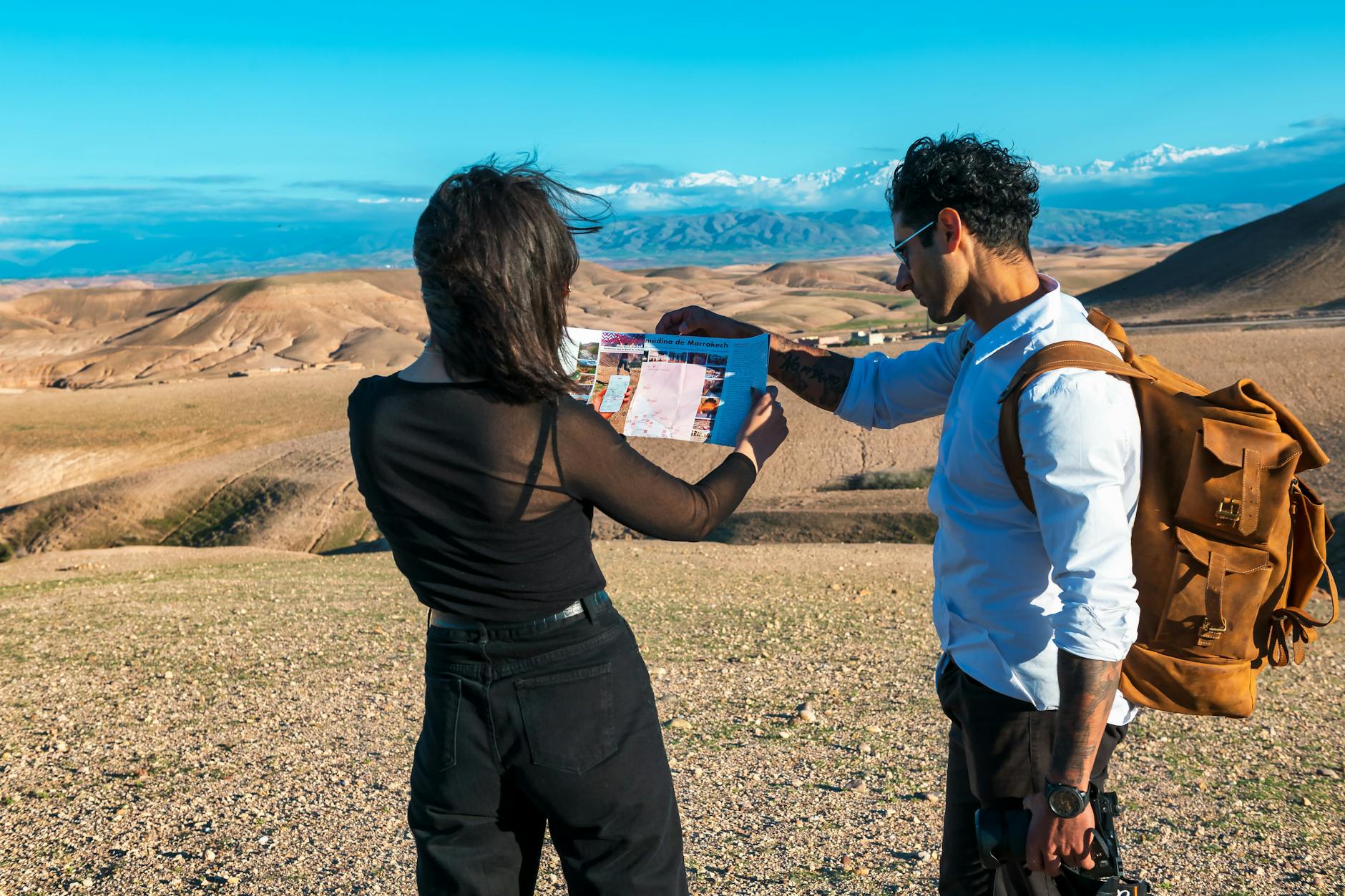
Marrakech can be a strong base for a short academic, language, design, hospitality, architecture, public health, religion, development, food, or field-study program. It can also be demanding for a student who has only a few weeks and limited local margin. The useful plan is not just a list of sights. It should explain where the program actually happens, where the student sleeps, how they move between obligations, what support exists after hours, and how ordinary student needs fit the city. A short program compresses adjustment, study, social pressure, heat, budgeting, and navigation into a small window. Marrakech rewards curiosity, but it also punishes vague logistics. A student who understands arrival, housing, routes, money, communication, fieldwork, and personal limits can spend more energy on the program itself and less on avoidable confusion.
Start with the program geography
A Marrakech short program may not sit neatly on one campus. A language course might be in Gueliz, a design studio in a riad, a hospitality module near a hotel cluster, a public health or development placement with a partner organization, or a field component split between the medina, gardens, museums, craft workshops, and day trips. The student should know the actual map before deciding whether the schedule is simple.
Start by marking the classroom, housing, meeting point, nearest reliable grocery, pharmacy, ATM, laundry option, and the place where group transport leaves. Then test the routes at the times they will be used. A ten-minute map distance can become a more complicated student morning when heat, traffic, narrow lanes, scooters, bargaining pressure, or a late-night return are involved.
- Map classroom, housing, field sites, meeting points, pharmacies, groceries, ATMs, and laundry before arrival.
- Check whether each obligation sits in Gueliz, Hivernage, the medina, a partner site, or an excursion route.
- Test routes by real departure times, heat, group size, and whether the student will be alone.
Check housing and supervision closely
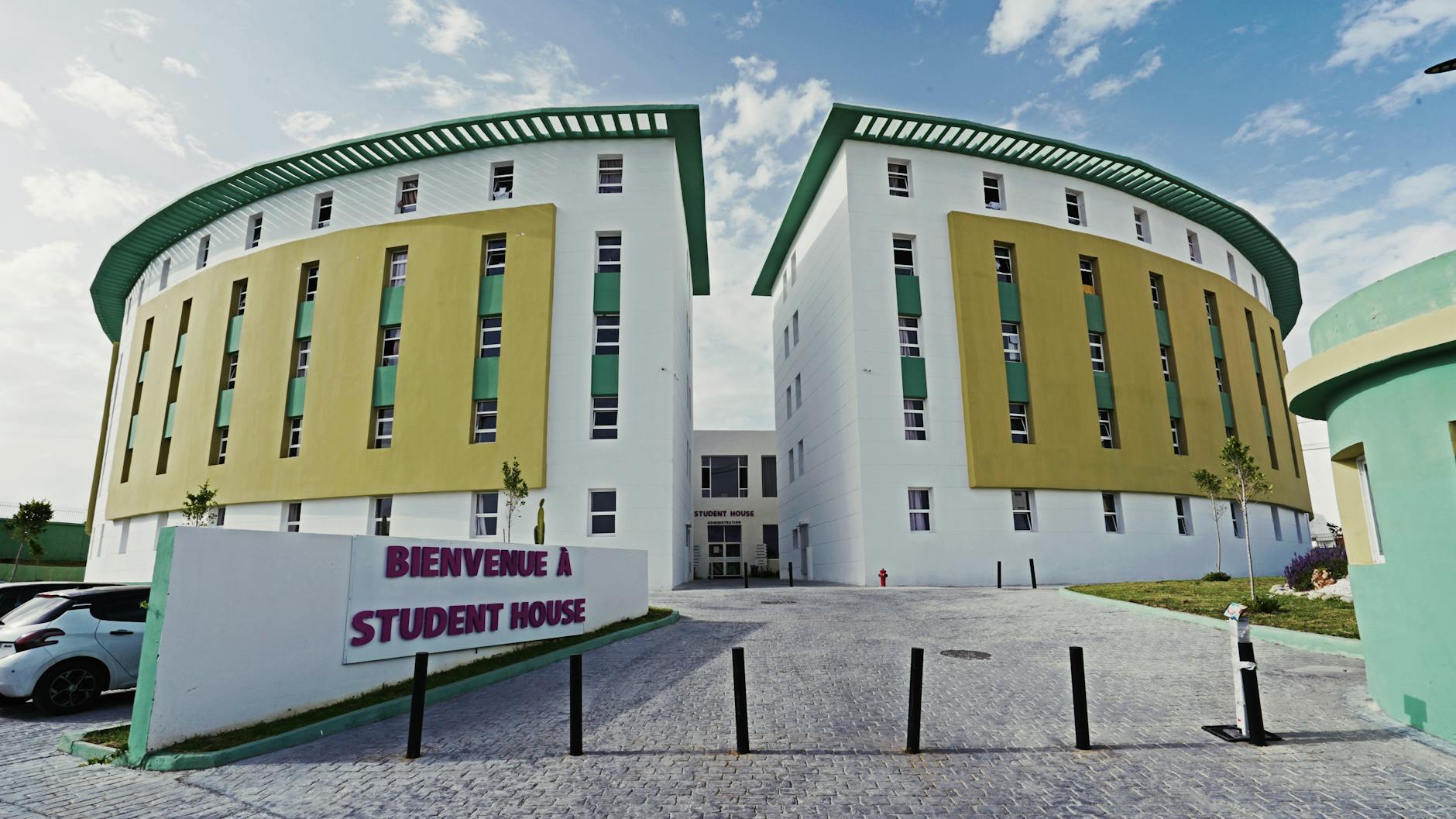
Student housing in Marrakech can mean a host family, riad, residence, hotel, hostel, shared apartment, or program-arranged rooms near the teaching site. The important question is not only whether the address looks appealing. A student needs to know who is responsible for them, who holds keys, whether there is a curfew, whether guests are allowed, how bathrooms are shared, how laundry works, how reliable Wi-Fi is, and what happens if they feel unsafe or unwell after office hours.
Climate and rhythm matter too. Air conditioning, quiet study space, secure entry, good lighting, stairs, room sharing, prayer-time or household routines, breakfast timing, and transport access can all affect a short program. If the student is under 21, traveling with a school group, staying before or after the program, or managing a medical, dietary, or anxiety concern, housing supervision should be written down rather than assumed.
- Confirm room sharing, curfew, visitor rules, bathroom access, Wi-Fi, laundry, air conditioning, and secure entry.
- Identify the named after-hours contact and the process for illness, lockouts, harassment, or housing conflict.
- Match housing to study needs, commute, heat recovery, program rules, and the student's independence level.
Make arrival and orientation practical
Marrakech Menara Airport is manageable, but a tired student should not be improvising the first night. The arrival plan should say whether a program pickup is mandatory, where the driver waits, what number to call if a flight is late, how much cash to carry, whether a local SIM or roaming plan is ready, and what the student should do if the housing check-in is delayed. A screenshot of the address is not the same as an arrival plan.
The first twenty-four hours should be deliberately simple: water, food, sleep, the route to orientation, emergency contacts, payment methods, and one reliable way to message staff or classmates. Students who arrive early or stay after the course need an even clearer plan because program support may not yet be active. The goal is to make the first day small enough that the student can absorb the city without making preventable mistakes.
- Write down pickup details, backup phone numbers, housing check-in rules, cash needs, and first-night food options.
- Set up roaming, eSIM, or local SIM access before the student is separated from airport Wi-Fi.
- Keep the first day focused on water, rest, orientation route, emergency contacts, and payment basics.
Keep academic and field obligations visible
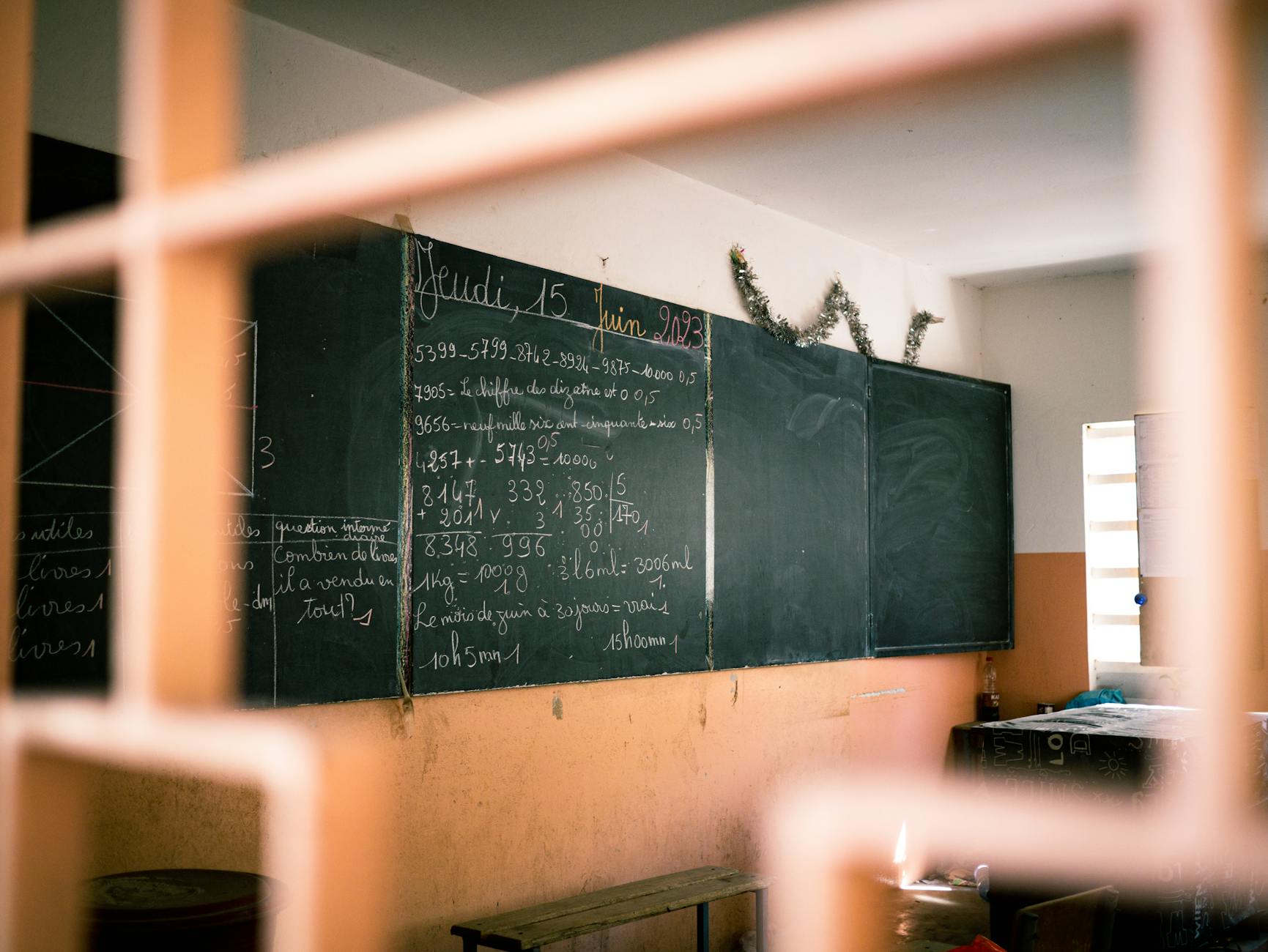
A short program can sound lighter than a semester, but the academic load often arrives in compressed form. Students may have Arabic or French lessons, lectures, studio work, interviews, field notes, reflection papers, site visits, service learning, museum work, business observations, or group presentations packed into a few weeks. The schedule should show when real study time happens, not just when the formal sessions begin.
Field obligations need their own preparation. The student should know whether photos are allowed, whether consent is needed for interviews, what clothing is appropriate, whether IDs are required, how notebooks and devices are carried, and how translation or interpretation works. Marrakech is a rich classroom, but it is not a stage set. Students should treat people, sacred spaces, craft work, markets, and neighborhoods as living contexts rather than content.
- Protect study blocks for reading, language practice, field notes, papers, and group work.
- Clarify photo, interview, consent, dress, ID, notebook, and translation rules for each field activity.
- Plan device charging, paper backups, water, sun protection, and quiet work time after site visits.
Budget for daily Marrakech
Marrakech can be affordable for students, but short programs create small repeated costs that are easy to underestimate. Taxis, water, snacks, cafe study sessions, laundry, SIM data, museum or garden tickets, group meals, hammam visits, notebooks, pharmacy items, and occasional ride backups can add up. Weekend trips or optional excursions can change the budget quickly, especially when students feel pressure to join classmates.
The student should understand which meals, excursions, local transport, and entrance fees are included in the program and which are not. Cash remains useful, but cards and ATMs should be planned carefully. A sensible budget includes a protected reserve for safe transport home, illness, a missed group pickup, or a needed change of plan. Student budgeting should make participation possible without forcing risky choices.
- Separate included program costs from daily cash needs, optional outings, weekend travel, and emergency transport.
- Plan for water, snacks, taxis, laundry, SIM data, cafe study, tickets, pharmacy items, and small supplies.
- Keep a protected reserve so the student can choose a safe ride or simple meal without bargaining with their budget.
Set medina, heat, and social boundaries
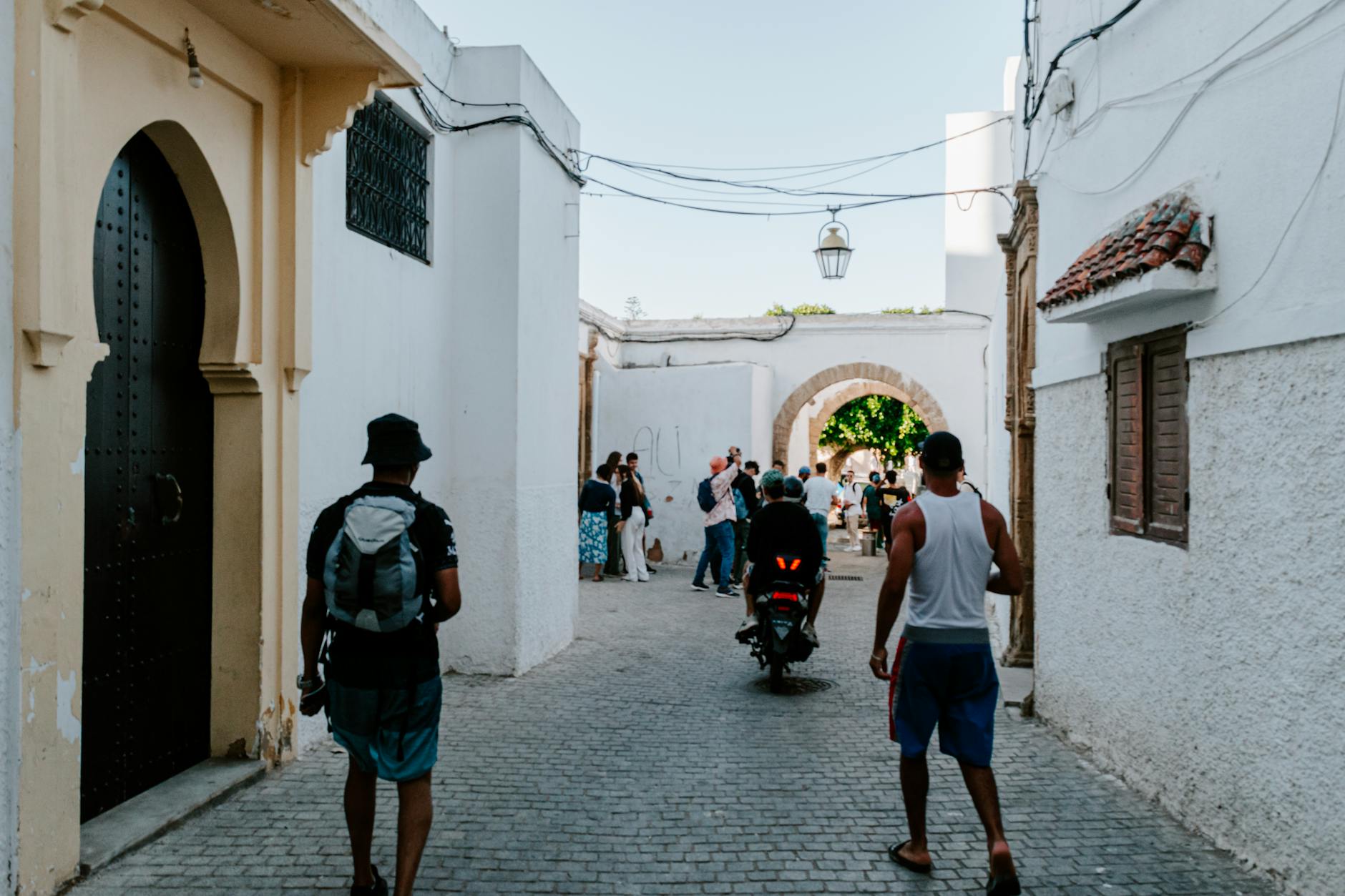
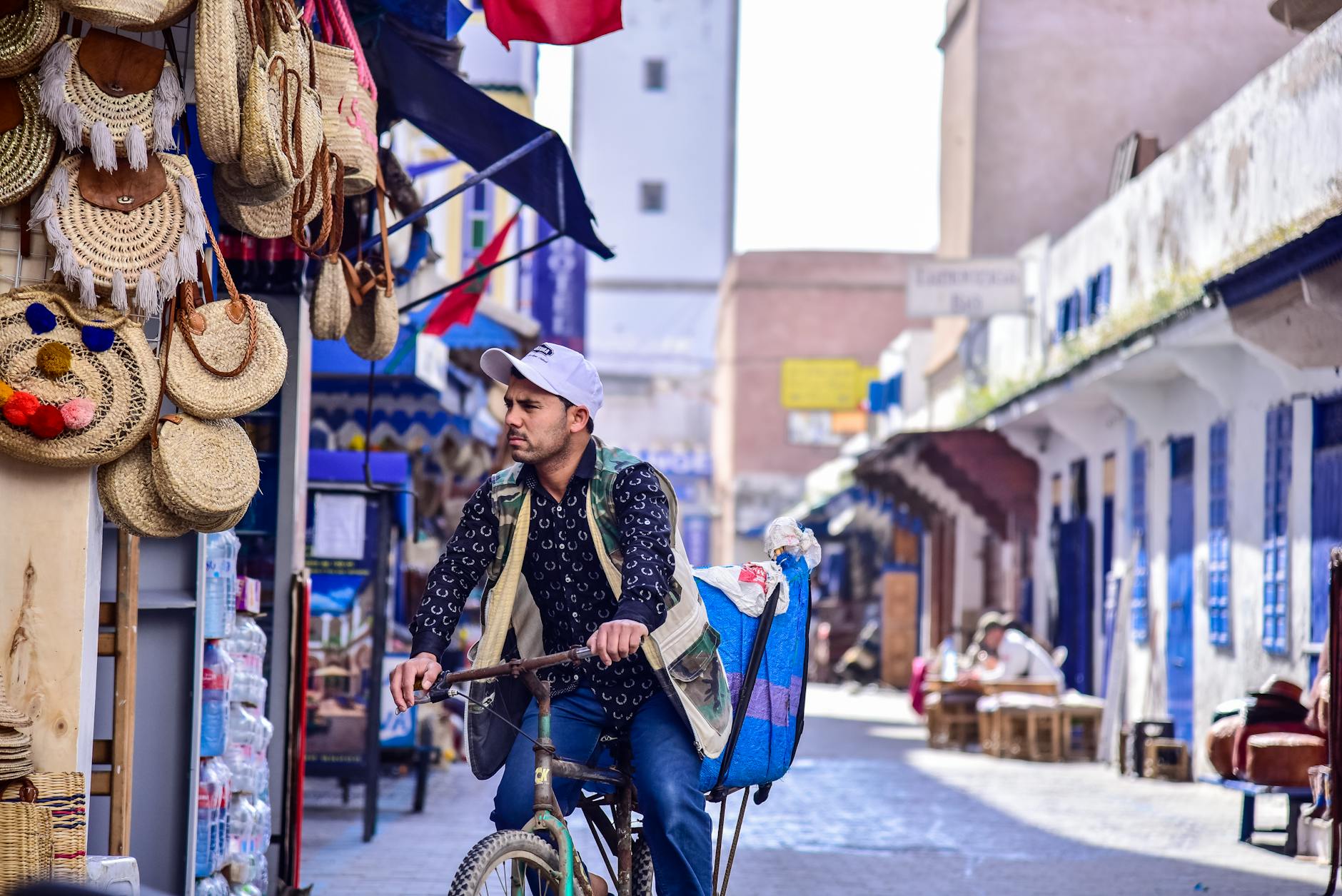
Students often learn fast in Marrakech, but fatigue can lower judgment. The medina, souks, scooters, crowds, sales pressure, street attention, uneven walking surfaces, heat, and unfamiliar nighttime routes require boundaries before the group is already tired. A student should know when they are expected to move in pairs or groups, which routes are approved, where to meet if separated, and how to decline unwanted attention without escalating it.
Social boundaries also matter. Alcohol, dating, late returns, private invitations, rooftop gatherings, classmate conflict, and social media posting can all create consequences on a short program. The plan should be practical rather than fearful: stay reachable, keep housing rules clear, dress with context, avoid wandering alone when tired, protect passports and phones, and take heat seriously. Good boundaries help students participate more, not less.
- Define group movement rules, approved routes, meeting points, late-return plans, and what to do if separated.
- Treat heat, dehydration, scooters, crowds, phone handling, and uneven lanes as daily safety issues.
- Discuss alcohol, dating, invitations, social posting, dress context, and housing rules before pressure appears.
When to order a short-term travel report
A well-run school program with supervised housing, airport pickup, clear field rules, and strong staff support may not need much outside planning. A custom report becomes more useful when the student is arriving early, staying late, choosing housing, commuting independently, managing medical or dietary needs, handling anxiety, navigating mobility constraints, doing unsupervised fieldwork, or joining a program whose local support is not fully clear.
The report should test housing location, arrival sequence, classroom and field-site routes, budget assumptions, meal access, heat rhythm, phone connectivity, pharmacies, emergency options, transport fallbacks, current local disruptions, and the student's actual independence level. The value is a student-aware operating plan: enough structure to keep the short program steady, without turning Marrakech into a checklist.
- Order when arrival, housing, health needs, independent movement, fieldwork, or after-hours support is uncertain.
- Provide program addresses, housing details, arrival times, budget limits, health needs, field sites, and supervision rules.
- Use the report to turn a compressed student trip into a practical plan for learning, rest, safety, and participation.