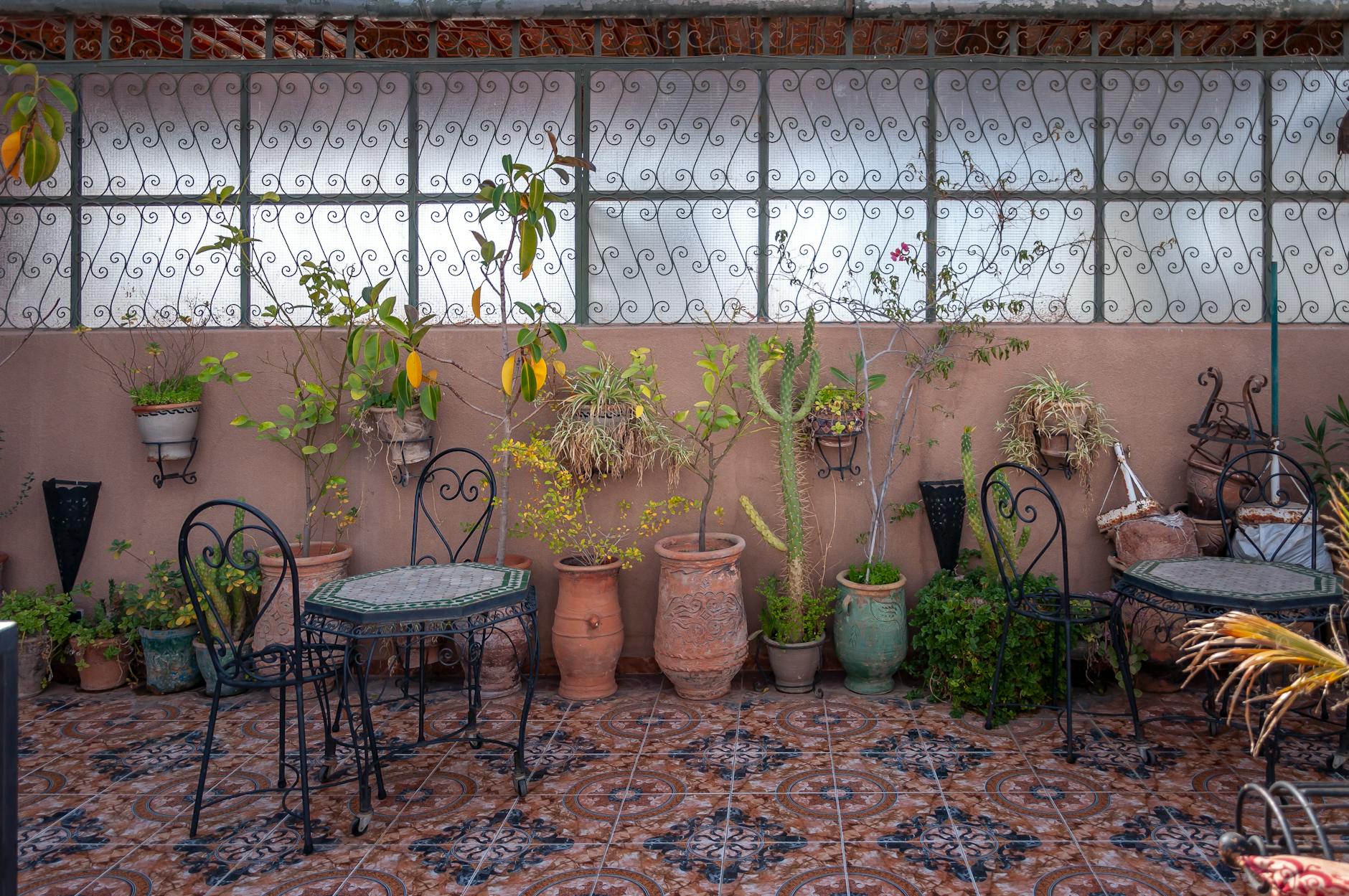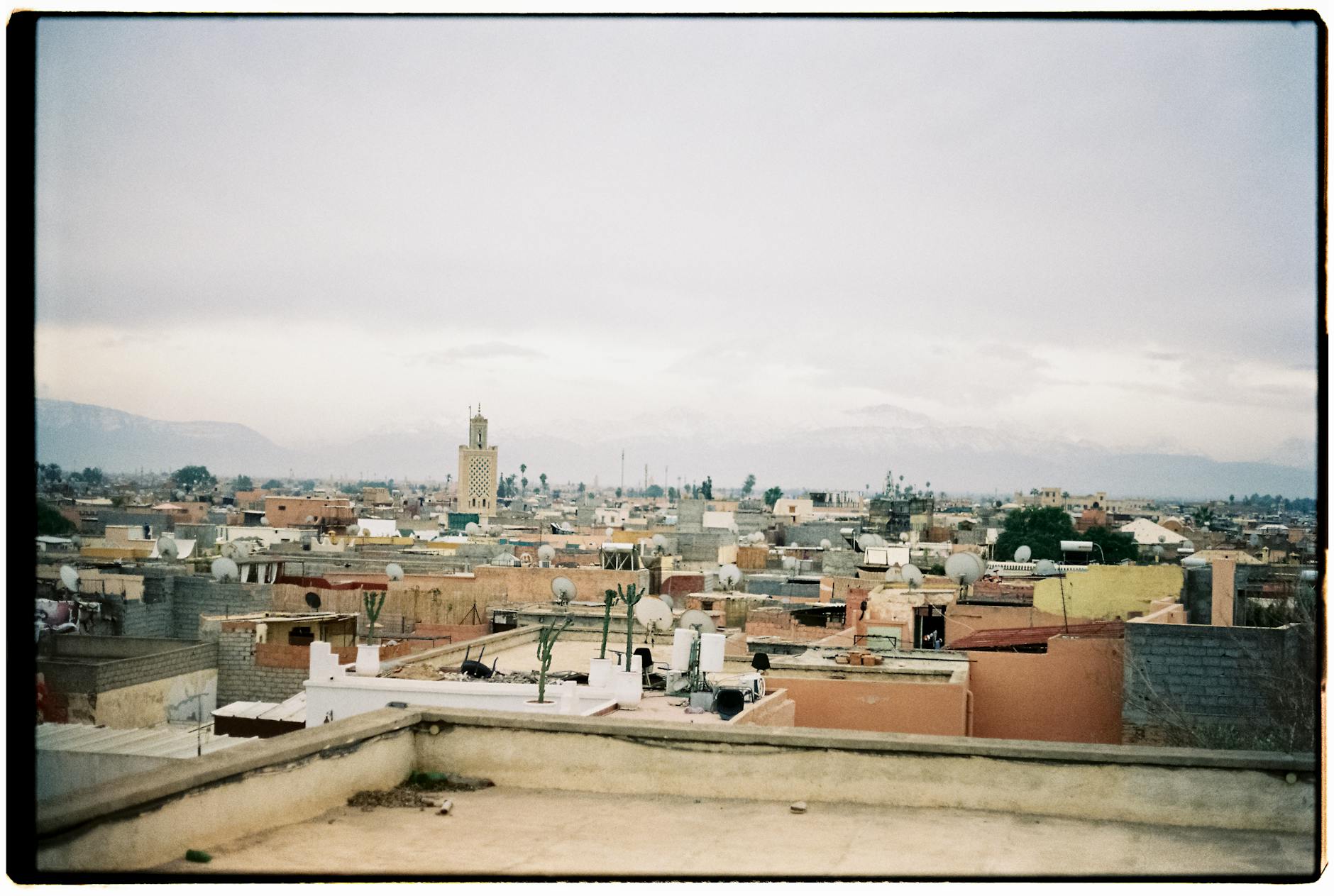
Marrakech can be an excellent solo city for travelers who enjoy strong atmosphere, design, food, craft, and the freedom to set their own pace. It is also a city where solo travel requires more structure than simply wandering until something interesting appears. The medina is beautiful but intense. Street attention can be persistent. A wrong hotel base can make every return feel like a negotiation. Heat, crowds, scooters, bargaining, and unclear routes can turn independence into avoidable fatigue. A good solo Marrakech trip protects autonomy by removing unnecessary friction. It starts with a clean arrival, chooses a base that feels safe to return to, limits open-ended medina wandering, uses guides or drivers when they make the day better, and gives evenings a clear route home. The goal is not to make Marrakech cautious or small. It is to make the traveler feel composed enough to say yes to the right experiences and no to the wrong ones without the whole day becoming a test of stamina.
Choose a base you can return to easily
For solo travelers, the hotel or riad is not just a design choice. It is the place that decides how comfortable the traveler feels at the beginning and end of each day. A medina riad can be intimate and memorable, but it may involve narrow lanes, limited car access, nighttime wayfinding, and more street interaction than some solo travelers want after dinner. A hotel in Hivernage, Gueliz, or another accessible zone may reduce daily drama and make spontaneous returns easier.
The right base depends on the traveler's confidence, arrival time, luggage, tolerance for attention, and evening style. Solo travelers should ask where the car stops, whether staff can meet them at the gate, how the route feels after dark, and whether the property has a restaurant, courtyard, or lounge that works when the traveler does not want to go back out. Independence feels better when the return is simple.
- Choose a medina riad only when the walking route, arrival help, and nighttime return feel manageable solo.
- Use an accessible hotel base when easier taxis, restaurants, and low-friction returns matter more than immersion.
- Confirm car drop points, staff escort, late return procedures, and on-property food options before booking.
Make the first handoff clean
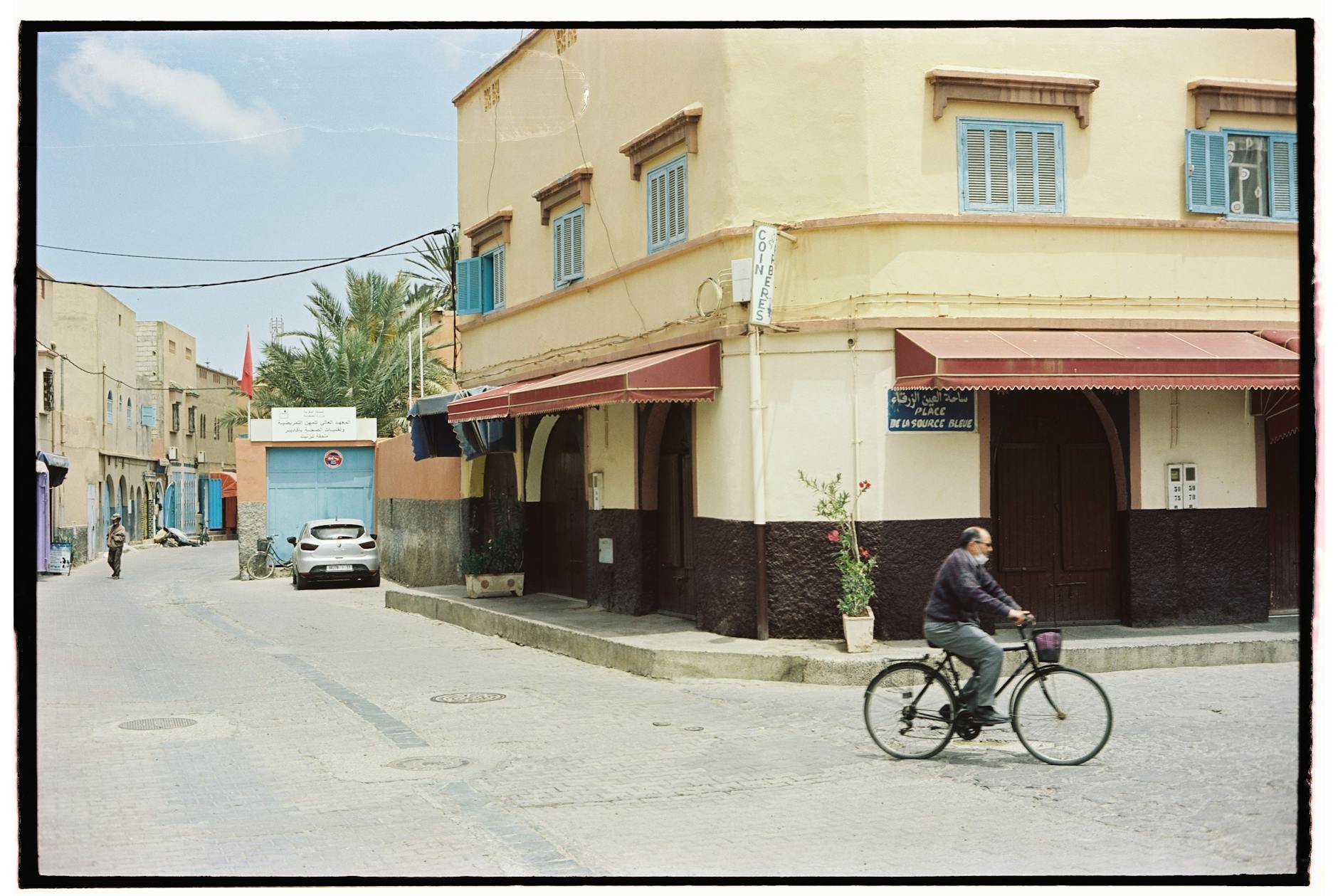
Solo arrivals deserve more care than travelers often give them. Marrakech Menara Airport is close to the city, but a tired solo traveler should not have to solve every taxi, luggage, cash, SIM card, and medina-entry question at once. A prearranged pickup, clear hotel contact, known drop point, and simple first-night meal can make Marrakech feel legible before the traveler starts making discretionary choices.
This is not about fear. It is about preserving attention. The first solo hour in a new city is when small confusions multiply. If the traveler is arriving late, staying inside the medina, carrying important equipment, or coming off a long flight, the transfer should be arranged. Once the base is understood and the route feels familiar, the traveler can be more flexible. The first move should be boringly reliable.
- Arrange pickup for late arrivals, medina lodging, heavy luggage, work gear, or low energy after a long flight.
- Confirm the driver, drop point, hotel contact, walking escort, and first meal before landing.
- Use the first evening to learn the immediate area rather than improvising a complicated route.
Set boundaries before entering the medina
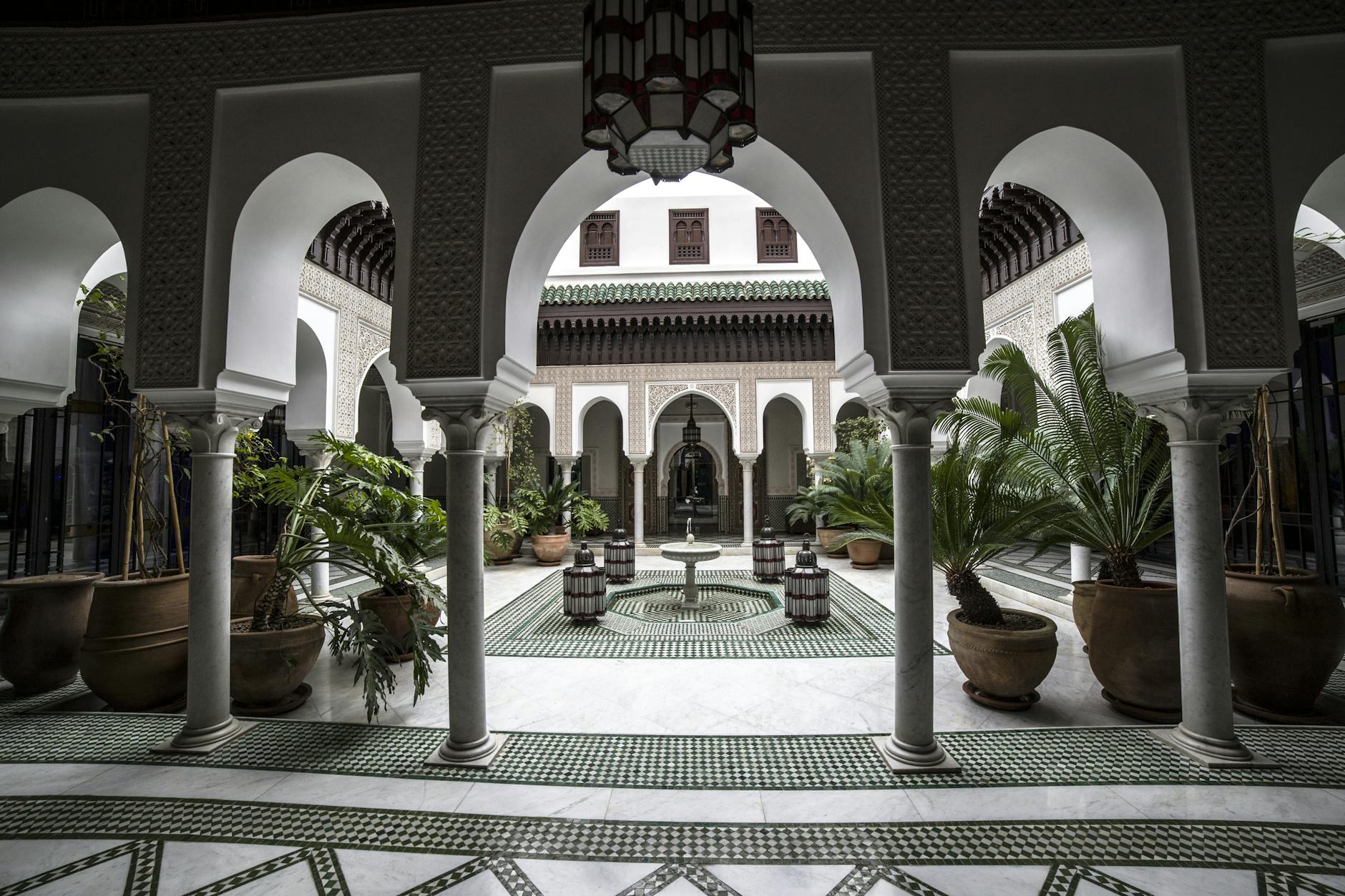
The medina can be one of the great pleasures of solo Marrakech because the traveler can follow curiosity without negotiating with a group. It can also become tiring when every turn brings a sales pitch, guiding offer, scooter, dead end, or decision about whether to engage. Solo travelers should decide their boundaries before entering: how long to stay, whether shopping is serious, whether a guide is useful, how much cash to carry, and where the exit is.
A polite, firm no is often more useful than long explanations. Do not let a stranger's urgency become the day's agenda. A guide or specialist shopper can be a strong choice for a first medina pass, craft context, or serious buying. Wandering independently can also work, but the route should be shorter than the traveler's confidence suggests. Marrakech is easier alone when exits are already planned.
- Enter the medina with a time limit, known exit, cash plan, and shopping intention.
- Use a guide or specialist help when craft context, orientation, or lower-pressure shopping matters.
- Keep refusals short and calm; do not let persistent offers redirect the day.
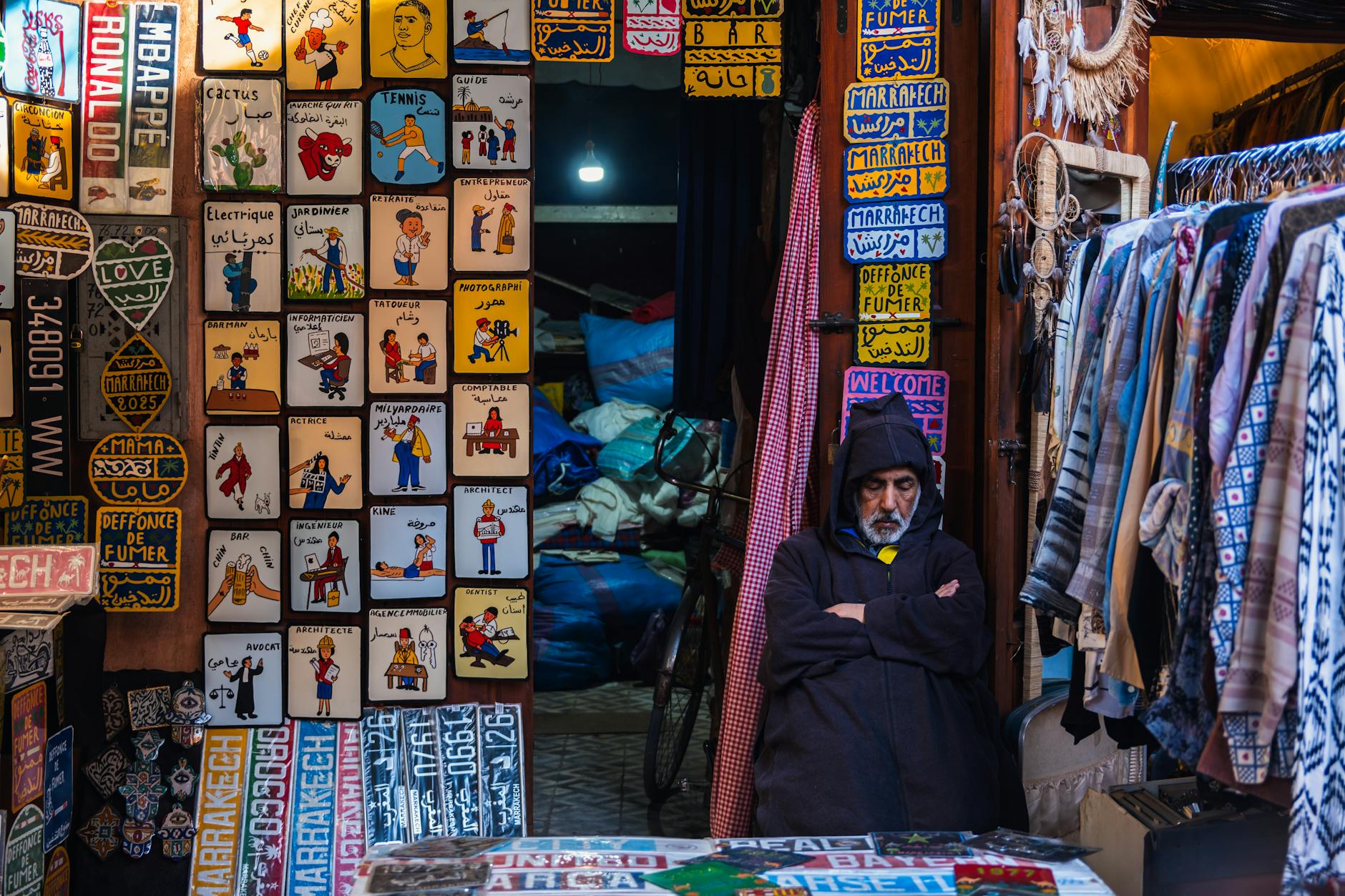
Use cafes and pauses as operating tools
Solo travelers need places where they can reset without explaining themselves. Marrakech is excellent for this when the traveler uses cafes, rooftops, courtyard restaurants, garden lunches, museum cafes, and hotel lounges as part of the route. A shaded tea break is not wasted time. It is where the traveler checks the map, recharges the phone, reviews the next move, cools down, and decides whether the day should continue or simplify.
Meals alone can be easy in the right setting and awkward in the wrong one. Choose places with comfortable seating, clear access, good lighting, and an easy return. At night, a hotel restaurant, rooftop with a known route, or prebooked courtyard dinner can feel better than chasing famous spots through unfamiliar lanes. The solo traveler should treat pauses as control points, not as gaps between attractions.
- Build cafes, rooftops, garden lunches, and hotel lounges into the route as reset points.
- Use pauses to check maps, phone battery, hydration, energy, and the next return plan.
- Choose solo meals by comfort, access, lighting, and exit quality as well as food.
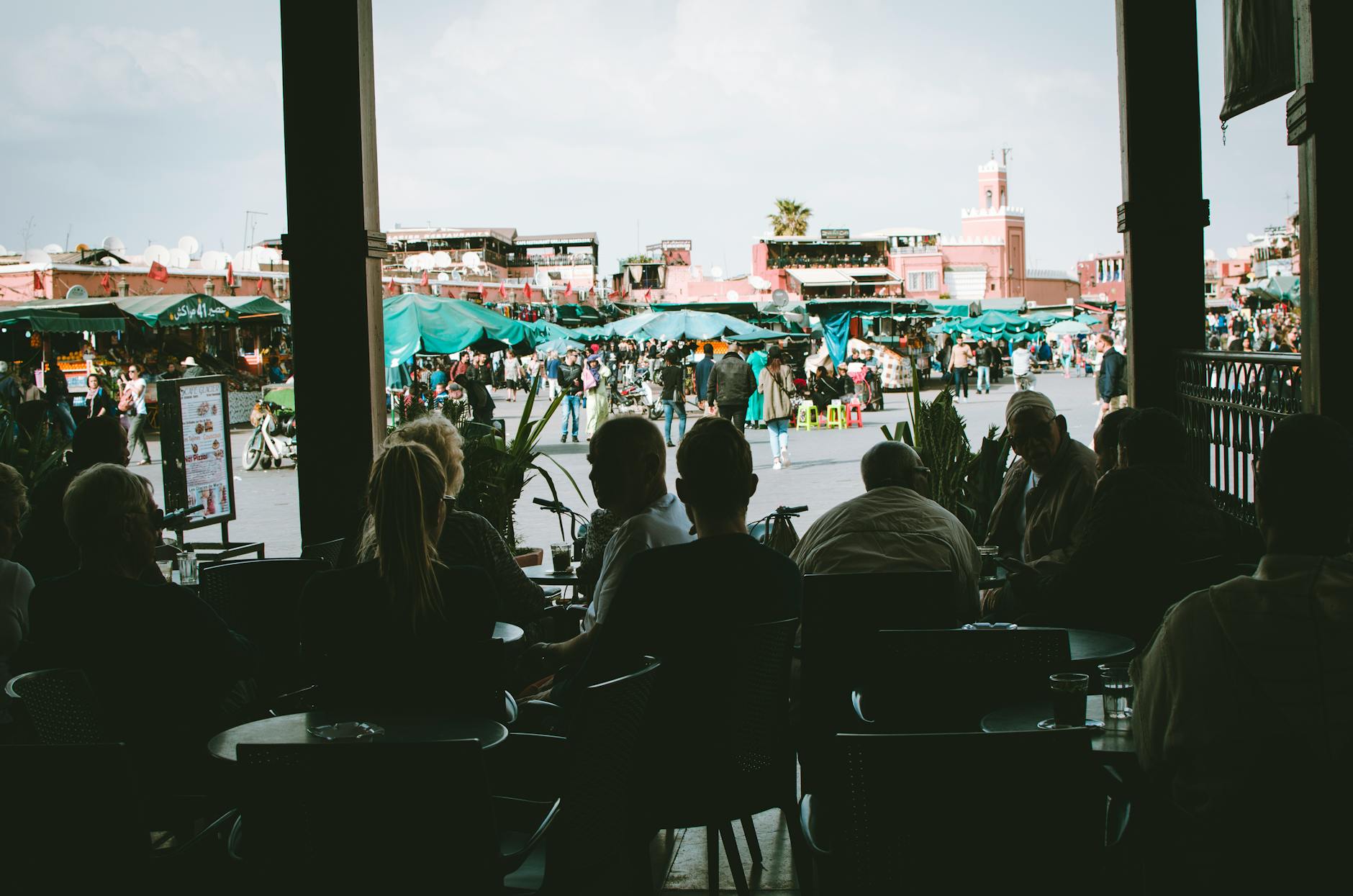
Handle evenings with a route home
Marrakech can be beautiful after dark, but solo travelers should decide the return before the evening begins. Jemaa el-Fnaa, rooftop dinners, music, courtyard restaurants, and medina walks can all be worthwhile, yet the final leg can change the whole memory of the night. A route that feels interesting at sunset may feel different later when lanes are quieter, the traveler is tired, or the phone battery is low.
The evening does not have to be cautious, but it should be finite. Know whether the traveler is walking, using a hotel-arranged taxi, meeting a driver at a gate, or staying close to the base. Keep alcohol and late-night improvisation in proportion to the return plan. One strong evening experience with a clean exit is better than a scattered night that leaves the traveler negotiating transport while tired.
- Plan the return route before leaving for a rooftop, restaurant, square, or medina evening.
- Use hotel-arranged taxis or drivers when the route back is unfamiliar or late.
- Keep phone battery, offline address, payment backup, and hotel contact available at night.
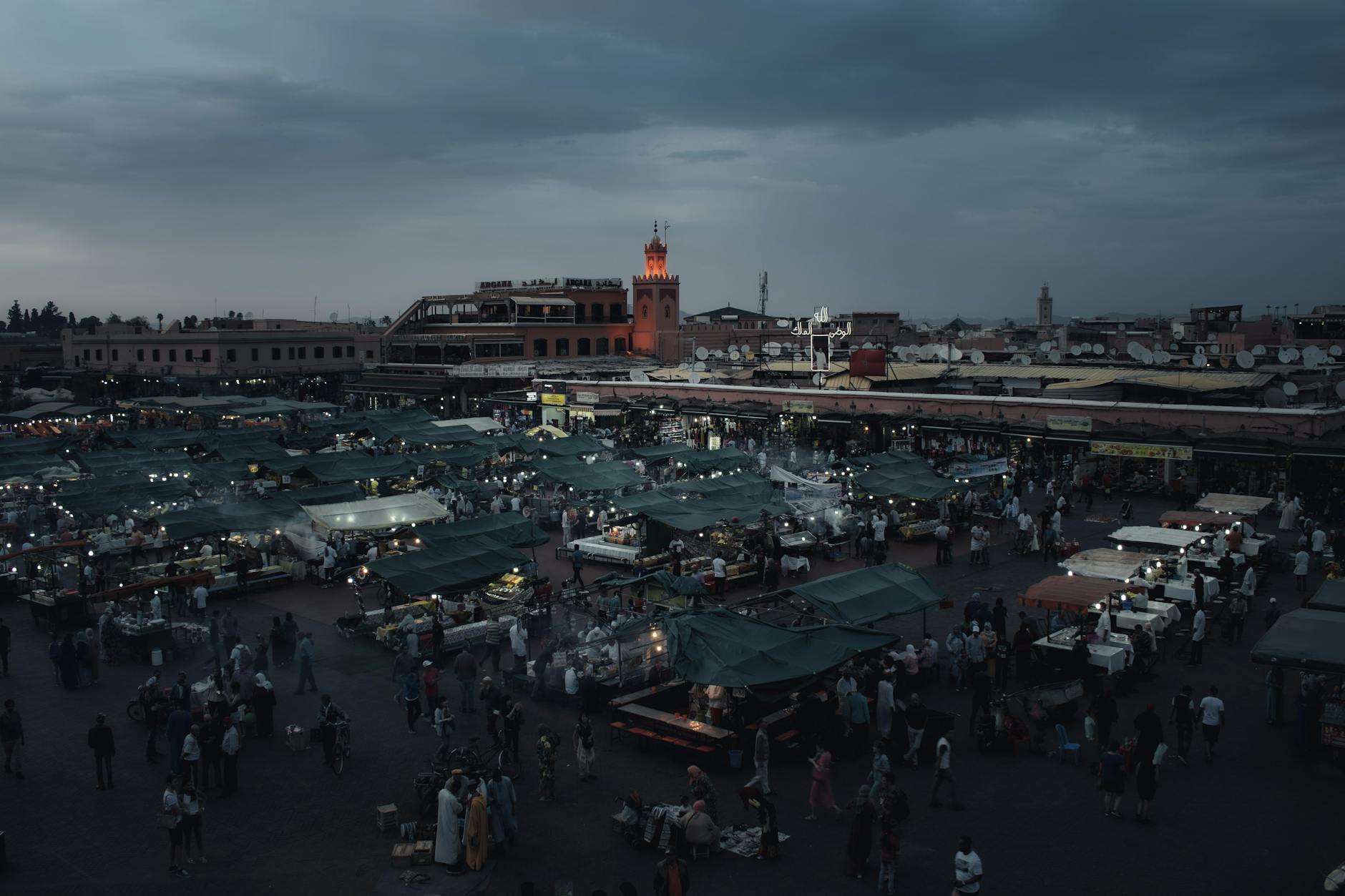
Protect essentials without over-narrowing the trip
Solo travel in Marrakech works best when practical protections are quiet and consistent. Keep a charged phone, offline map, backup payment method, hotel address in French or Arabic if available, and enough cash for small transactions. Carry only what is needed for the day, but keep passport, medication, important cards, and emergency contacts controlled. A crossbody bag, secure pockets, and a simple money system reduce mental load in crowded areas.
The point is not to treat Marrakech as hostile. It is to make routine decisions easier so the traveler can enjoy the city. If someone is too insistent, leave the interaction. If a route feels wrong, step into a shop, cafe, hotel, or public place and reset. If the day feels overloaded, cut it. Solo travelers have the advantage of changing plans without consensus. Use that advantage often.
- Carry phone battery, offline maps, backup payment, small cash, hotel address, and emergency contacts.
- Keep passport, medication, cards, and valuables controlled instead of loose in busy areas.
- Use the freedom of solo travel to shorten routes, leave interactions, and reset when the day gets too dense.
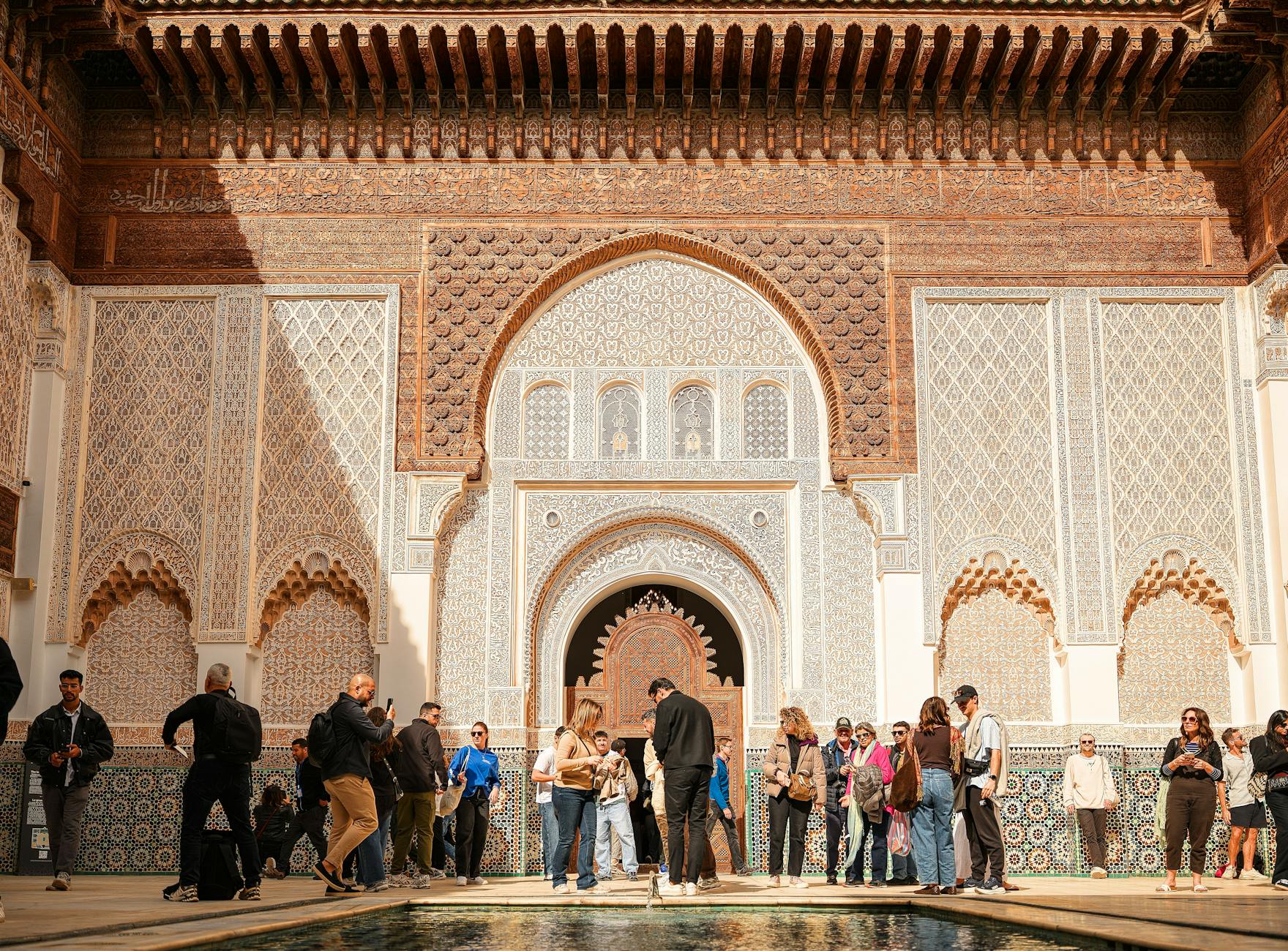
When to order a short-term travel report
A confident solo traveler with a straightforward hotel and flexible schedule may not need a custom report. A report becomes useful when the traveler is unsure between medina and accessible lodging, arriving late, concerned about harassment or sales pressure, planning serious shopping, traveling with work equipment, navigating dietary or medical needs, wanting a guide but not knowing what kind, or trying to fit medina time, gardens, rooftops, restaurants, hammam, and day trips into a short stay.
The report should test the hotel base, arrival handoff, first medina route, guide options, solo meal choices, evening return plans, phone and payment backup, shopping strategy, heat rhythm, and fallback places to reset. The value is a Marrakech trip that preserves the freedom of being alone without leaving the traveler to solve every high-friction detail in the moment.
- Order when lodging choice, late arrival, medina navigation, shopping pressure, or evening returns need solo-specific planning.
- Provide hotel candidates, flight times, comfort level, mobility needs, shopping interest, and evening preferences.
- Use the report to keep solo independence high and avoidable friction low.