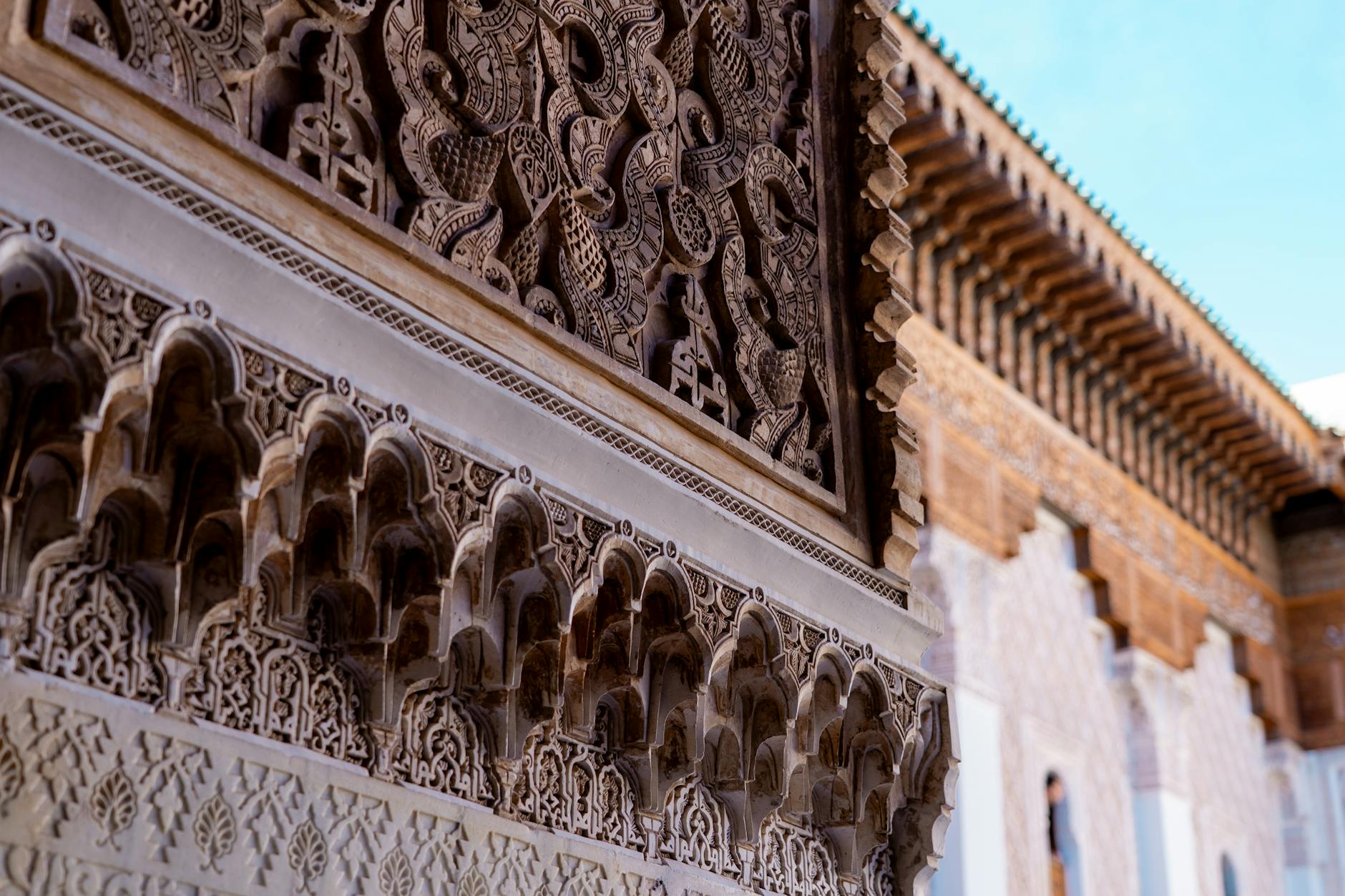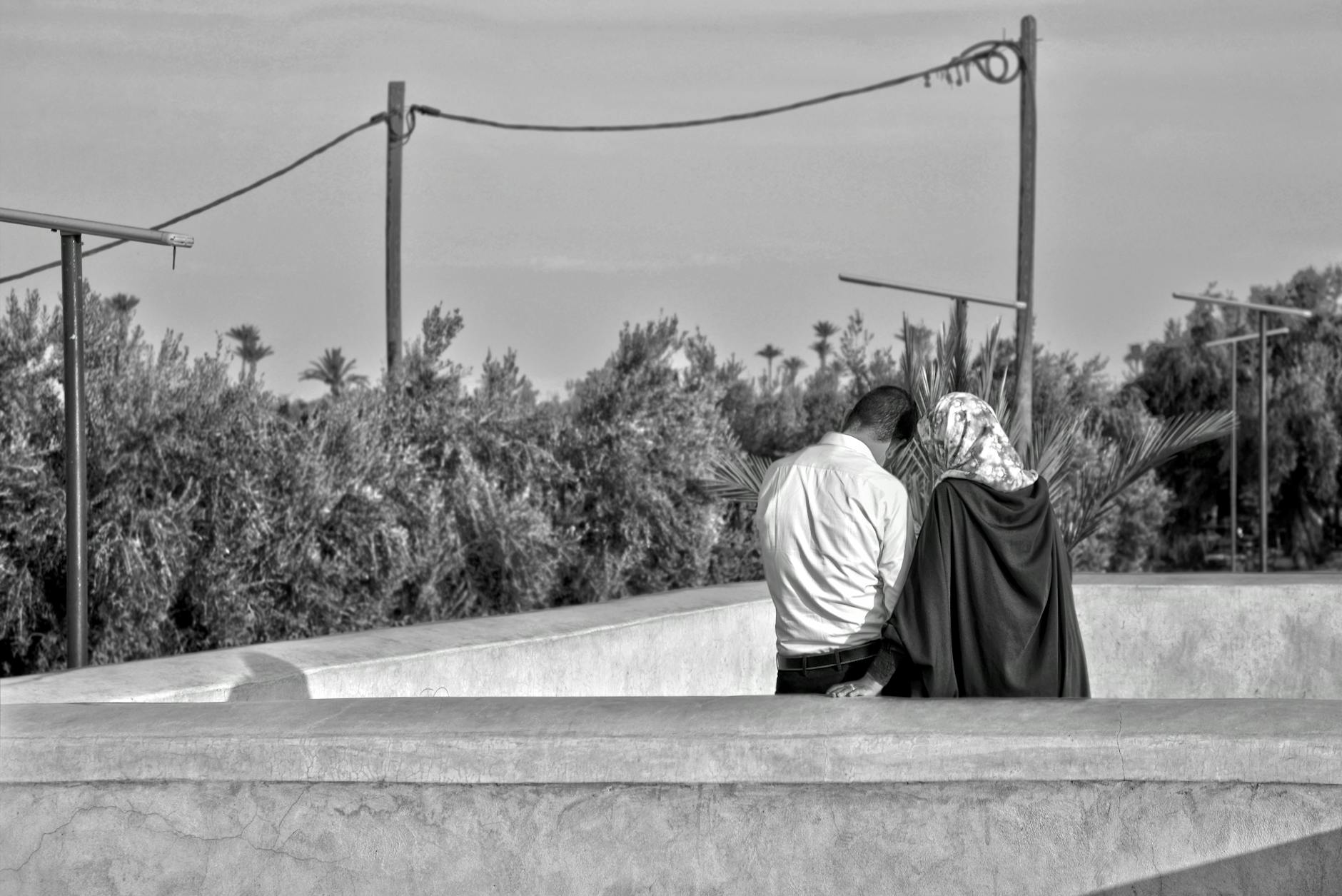
A repeat leisure visit to Marrakech should not be a rematch with the first itinerary. The traveler has probably already seen the outline: Jemaa el-Fnaa, the souks, a palace, a garden, a rooftop, mint tea, perhaps a hammam or a quick excursion. The second or third trip is an opportunity to make the city less performative and more personal. That means choosing a base for this version of the stay, spending longer with fewer neighborhoods, and letting craft, food, courtyards, gardens, or desert edges become the point rather than decoration. The risk for repeat visitors is assuming familiarity means planning matters less. In Marrakech, familiarity should make the traveler more selective. The medina still has heat, scooters, sales pressure, route confusion, and uneven walking. Excursions still take time. A riad still succeeds or fails by access and recovery. A strong return trip uses what the traveler already knows to avoid repeating old friction and to spend more time with the parts of Marrakech that actually drew them back.
Choose a base for this trip, not the last one
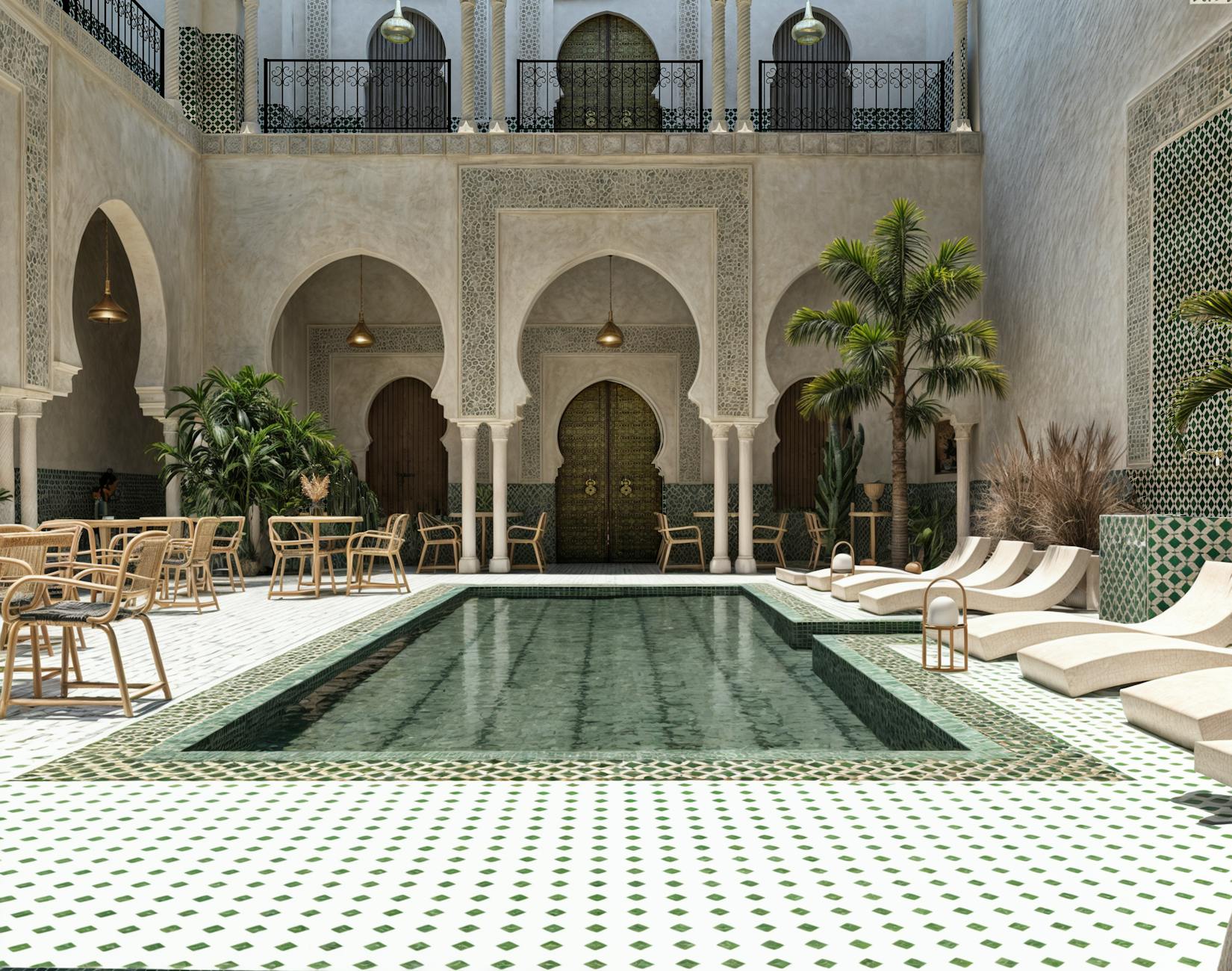
A repeat visitor should not automatically return to the same riad or hotel because it worked once. The right base depends on the kind of Marrakech this trip is meant to be. A traveler who wants deeper medina time may choose a riad with better access to a specific quarter. A traveler who wants restaurants, galleries, pool recovery, or easier taxis may prefer Gueliz, Hivernage, Palmeraie, or an edge-of-medina property. A traveler who found the first visit tiring should not make nostalgia override logistics.
The base should be tested against the new routine: where the traveler wants breakfast, how often they expect to return midday, whether evenings are medina-based or modern-city-based, and whether the trip depends on drivers, guides, hammams, restaurants, or day trips. A repeat visit is strongest when the lodging helps the traveler use Marrakech differently instead of pulling the trip back into the same routes.
- Choose lodging by the version of Marrakech wanted this time, not by habit.
- Use medina, edge-of-medina, Gueliz, Hivernage, or Palmeraie bases for different trip rhythms.
- Test the hotel against midday returns, evening plans, drivers, restaurants, hammams, and day trips.
Go deeper on one craft thread
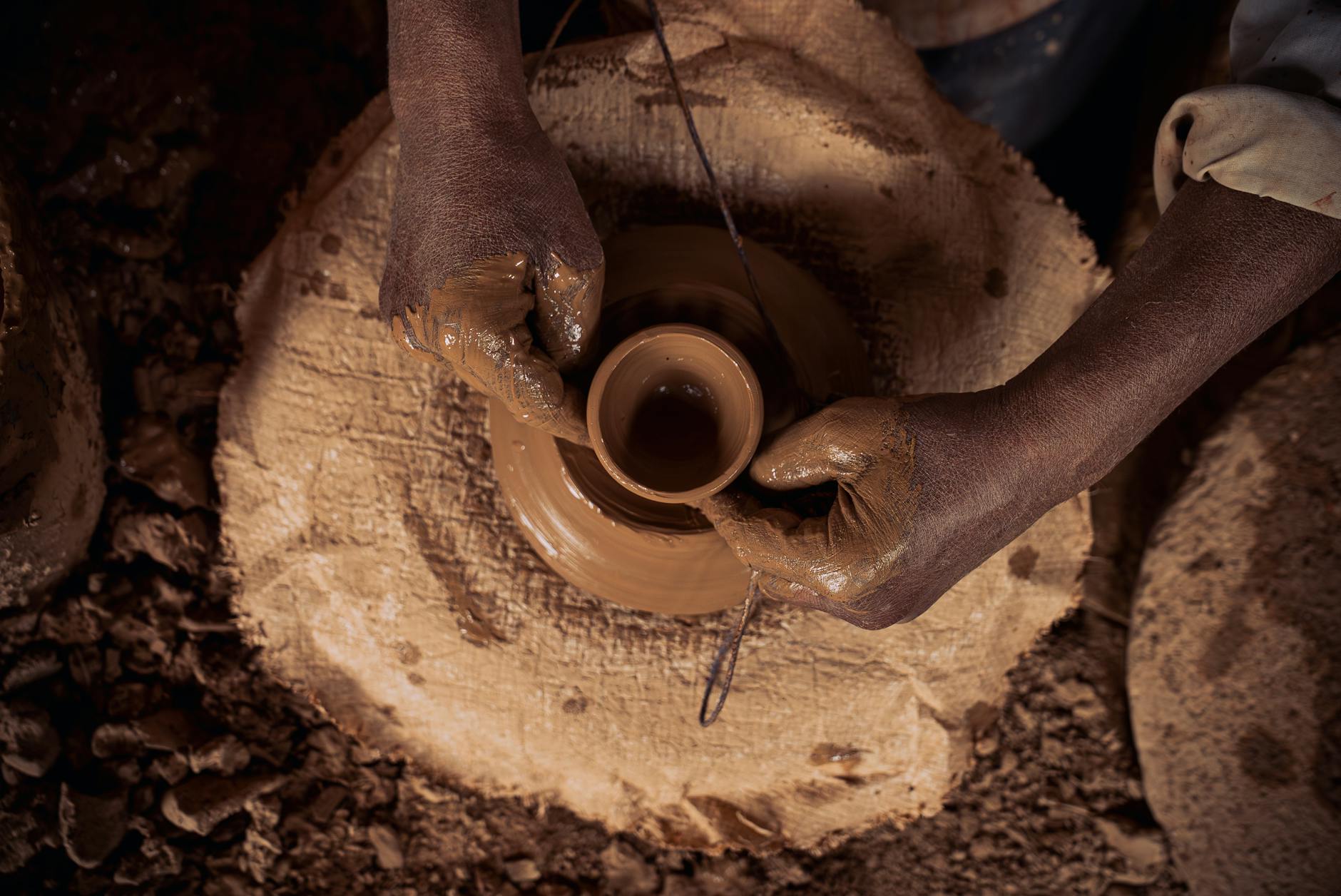
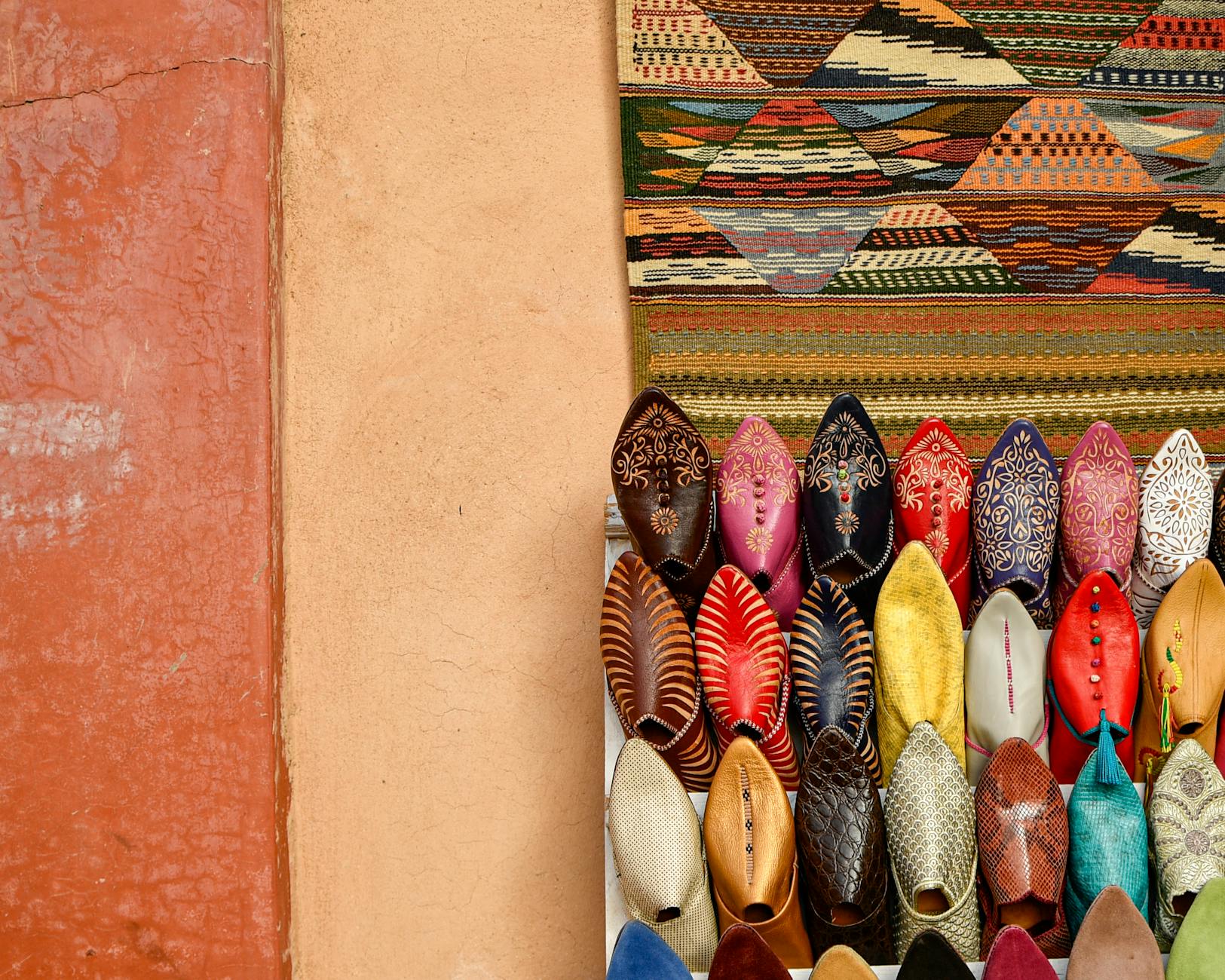
First visits often treat Marrakech craft as visual atmosphere: lanterns, rugs, slippers, ceramics, leather, brass, wood, spices, and tiles all blur together. A repeat leisure visit can choose one thread and follow it more seriously. That might mean a ceramics studio, a leather route, a rug appointment, a cooking class with market context, a metalwork visit, or a guide who can explain how objects are made and priced. The goal is not to buy more. It is to understand more.
This kind of visit needs cleaner boundaries than ordinary shopping. The traveler should know whether the point is learning, buying, photographing, commissioning, or simply seeing the process. If buying is likely, budget and shipping questions should be handled in advance. A good craft day feels focused and calm. A weak one turns into a chain of sales stops that leaves the traveler less curious than when they started.
- Pick one craft thread, such as ceramics, rugs, leather, metalwork, cooking, or textiles.
- Use a vetted guide or appointment when context matters more than casual browsing.
- Set buying, budget, shipping, and photography boundaries before the route begins.
Return to the souks with a narrower brief
The souks are easier on a return trip when the visitor stops treating them as a maze to conquer. A repeat leisure visitor can enter with a narrower brief: one category, one district, one appointment, one gift list, or one hour of browsing before a planned pause. This turns the medina from a test of tolerance into a place with purpose. It also makes bargaining less exhausting because the traveler knows what matters and what does not.
A narrower souk plan also leaves more room to notice. The visitor can look at materials, quality, workshop context, and small details instead of reacting to every approach. It is reasonable to revisit favorite lanes, but the traveler should avoid replaying the exact first-trip route just because it is familiar. Familiarity should make the visitor calmer and more precise, not more automatic.
- Use one category, district, appointment, gift list, or time limit to frame souk time.
- Leave room for quality checks and workshop context instead of nonstop browsing.
- Do not let familiar lanes recreate the first trip by default.
Let food become a route, not an afterthought
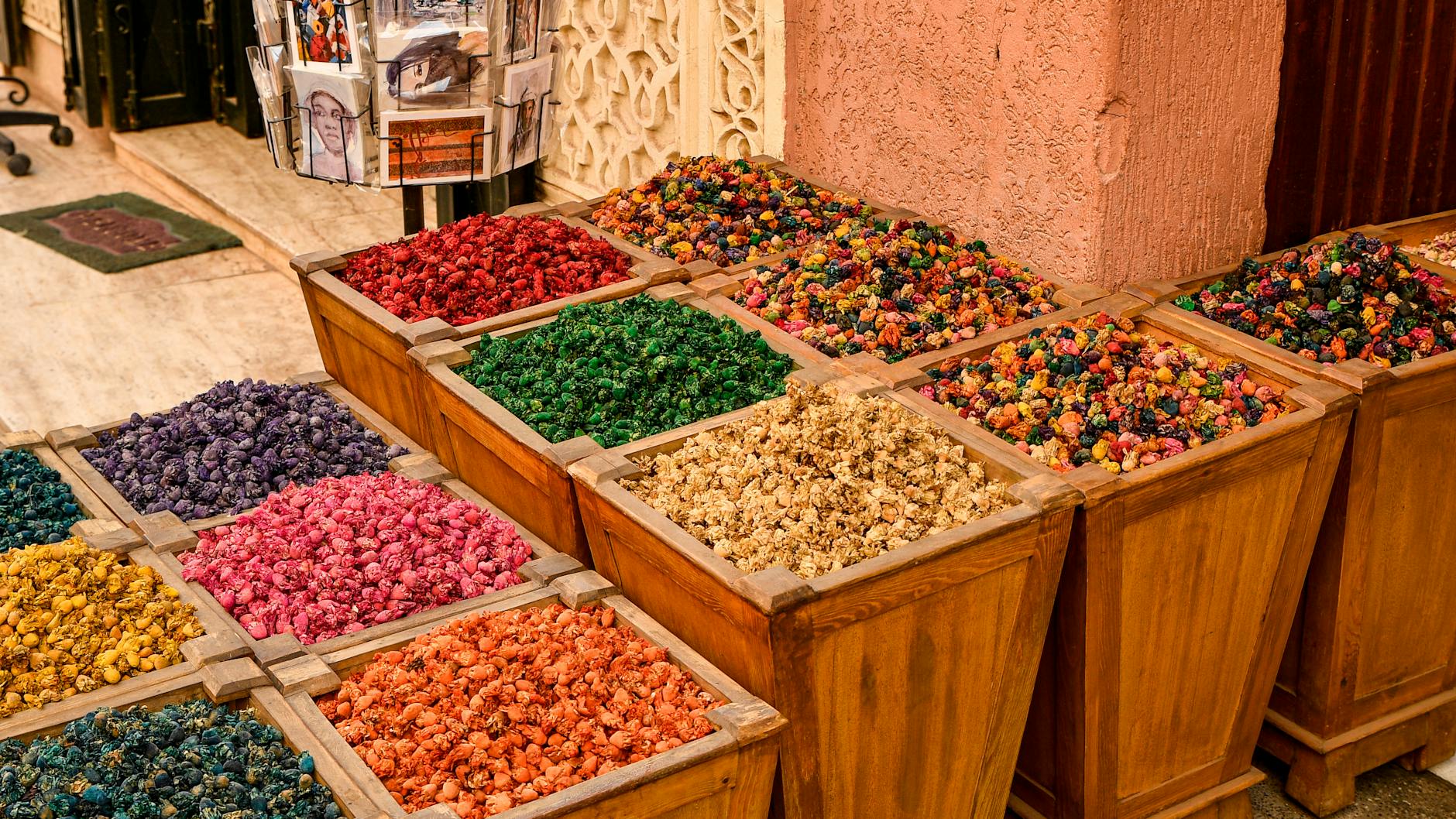
Repeat visitors can usually improve Marrakech quickly through food geography. Instead of eating wherever the day happens to end, the traveler can choose one market walk, one rooftop, one courtyard lunch, one modern Moroccan dinner, one neighborhood cafe, or one cooking class that shapes the day. Food becomes more useful when it is tied to a district and a pace rather than treated as a reward after too much sightseeing.
The traveler should still avoid over-romanticizing every meal. Some meals should be atmospheric; others should be easy, close, and restorative. A return trip is a good time to revisit a favorite restaurant and also try one place outside the first-visit pattern. Dietary constraints, alcohol preferences, late dinners, and heat should all be part of the choice. Marrakech food is more enjoyable when the meal supports the next movement.
- Use food to shape a district route instead of choosing meals after the day is already strained.
- Balance atmospheric meals with easy recovery meals near the hotel.
- Revisit one favorite and add one new food experience outside the first-trip pattern.
Use harder or odder experiences selectively
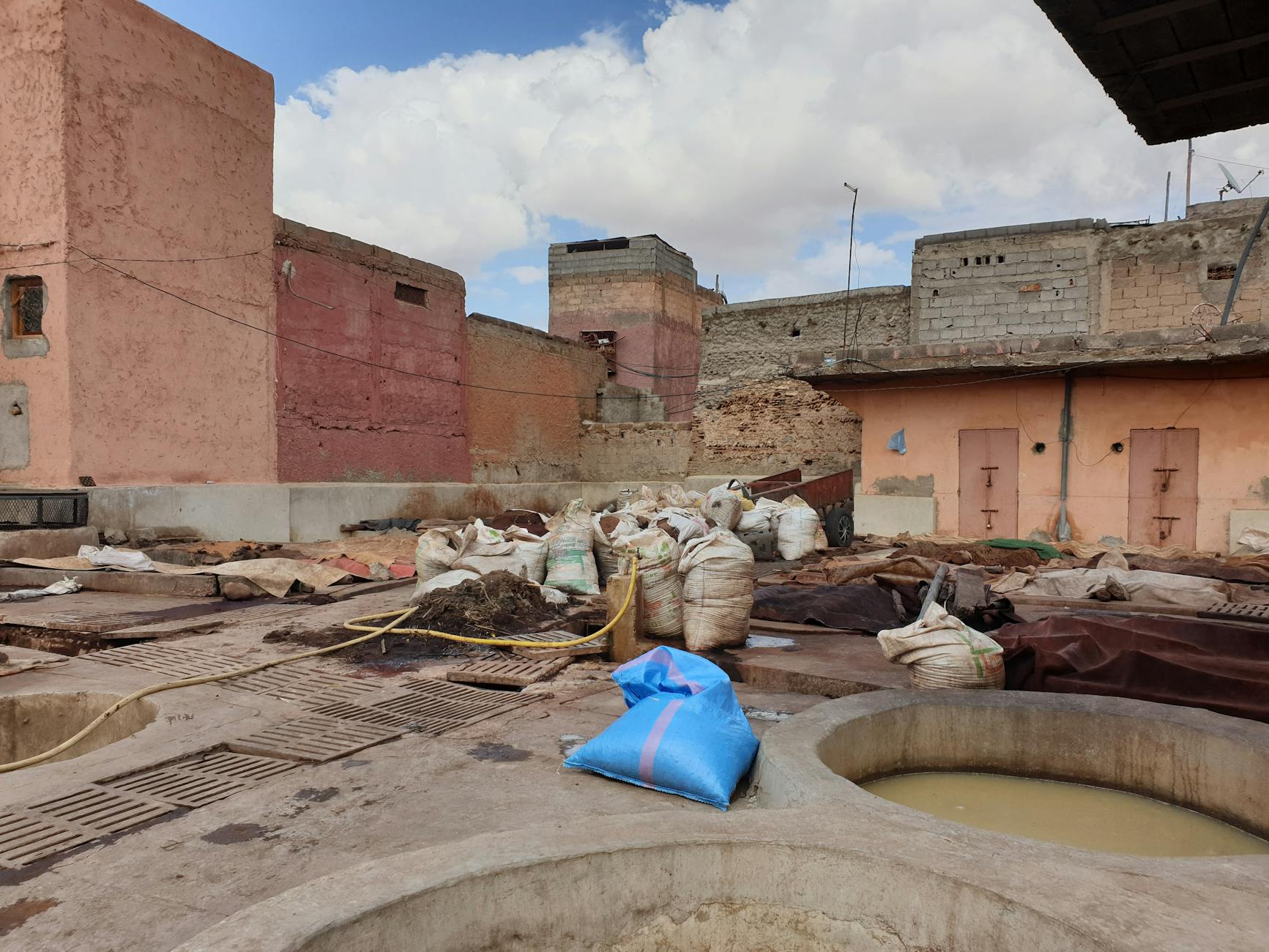
A repeat visitor may be ready for parts of Marrakech that did not fit the first trip: a tannery route, a longer craft appointment, a specialized architectural visit, a deeper food walk, a hammam with clearer expectations, or a neighborhood that is less polished for tourists. These can be rewarding, but they should be chosen because they match the traveler's interests, not because the second trip has to prove seriousness.
Some experiences require preparation. Tanneries can be visually interesting and physically unpleasant. Deeper medina routes may involve heat, smells, stairs, sales pressure, and less obvious exits. Hammams vary widely in privacy and intensity. Repeat visitors should use guides, timing, and clear boundaries where needed. The point of going deeper is not to create discomfort. It is to replace first-visit surface with a more specific encounter.
- Choose deeper experiences because they fit a real interest, not because the return trip needs proof.
- Prepare for smell, heat, stairs, privacy, sales pressure, and route complexity where relevant.
- Use guides and boundaries to make harder experiences more intelligible.
Choose excursions by recovery cost
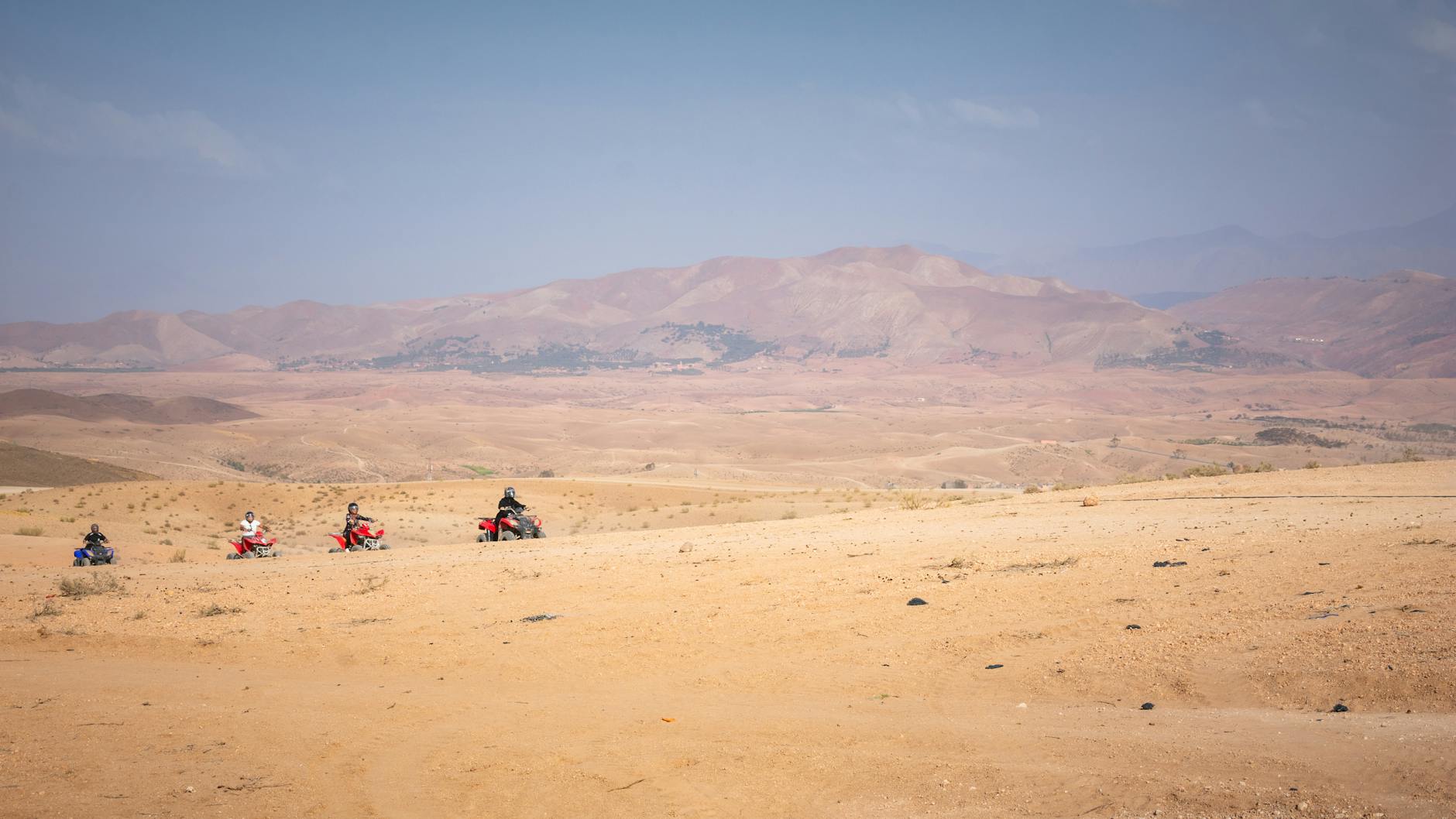
A return trip is often when travelers look beyond Marrakech: Agafay, the Atlas foothills, Essaouira, Ourika, desert-style dinners, quad biking, cooking farms, or boutique retreat days. The mistake is adding an excursion because it was skipped the first time without asking what it costs in heat, road time, dust, motion, meals, and the next day's energy. Some outings are excellent. Some are too much for a short return visit that is meant to feel slower.
The best excursion has a clear job. It may offer landscape, food, quiet, a specific activity, or a complete contrast to the medina. A half-day can be better than a full day when the traveler wants to keep Marrakech itself in view. If the trip is only a few nights, the visitor should be honest about whether leaving the city improves the return or simply creates another transfer-heavy day.
- Evaluate excursions by road time, heat, dust, meals, motion, and next-day recovery.
- Choose an outing for a clear purpose: landscape, food, quiet, activity, or contrast.
- Prefer shorter excursions when the return visit is short and meant to feel more settled.
When to order a short-term travel report
A repeat visitor who wants to return to the same hotel, same restaurants, and same medina route may not need a custom report. A report becomes useful when the traveler wants the next Marrakech trip to feel meaningfully different: a new base, deeper craft access, better food routing, a calmer medina plan, a specific shopping brief, a hammam or spa decision, a day trip, or a slower version of the city that avoids first-trip fatigue.
The report should test what worked and did not work last time, lodging options, return routes, craft or food interests, guide needs, shopping boundaries, excursion realism, restaurant geography, heat rhythm, and recovery windows. The value is fit. A good return plan uses familiarity to make the traveler more selective and more curious at the same time.
- Order when the goal is a return trip that feels more intentional than the first visit.
- Provide past hotel, favorite areas, disliked friction, food priorities, shopping interests, excursion ideas, and comfort limits.
- Use the report to choose the right version of Marrakech for this visit.