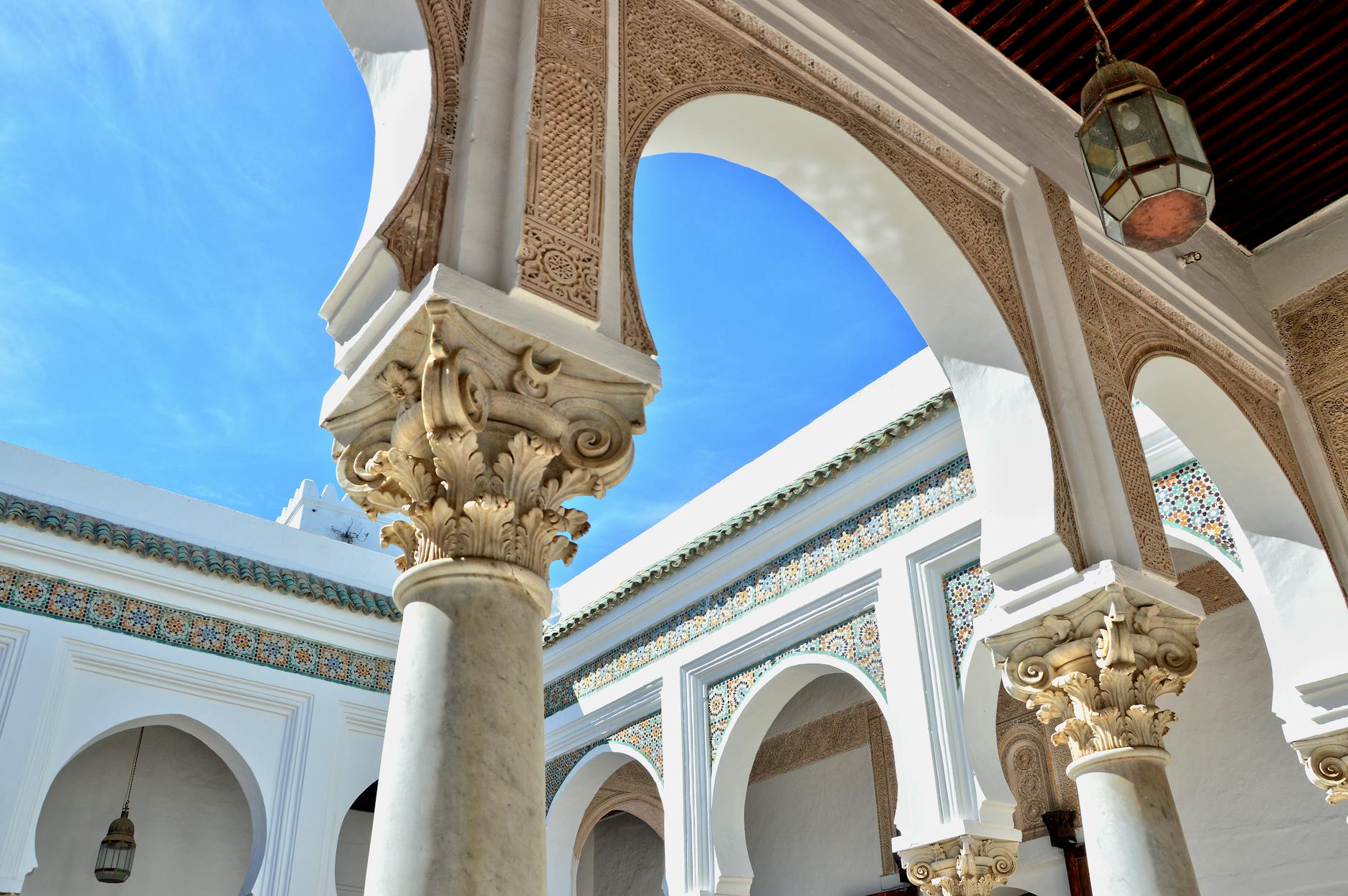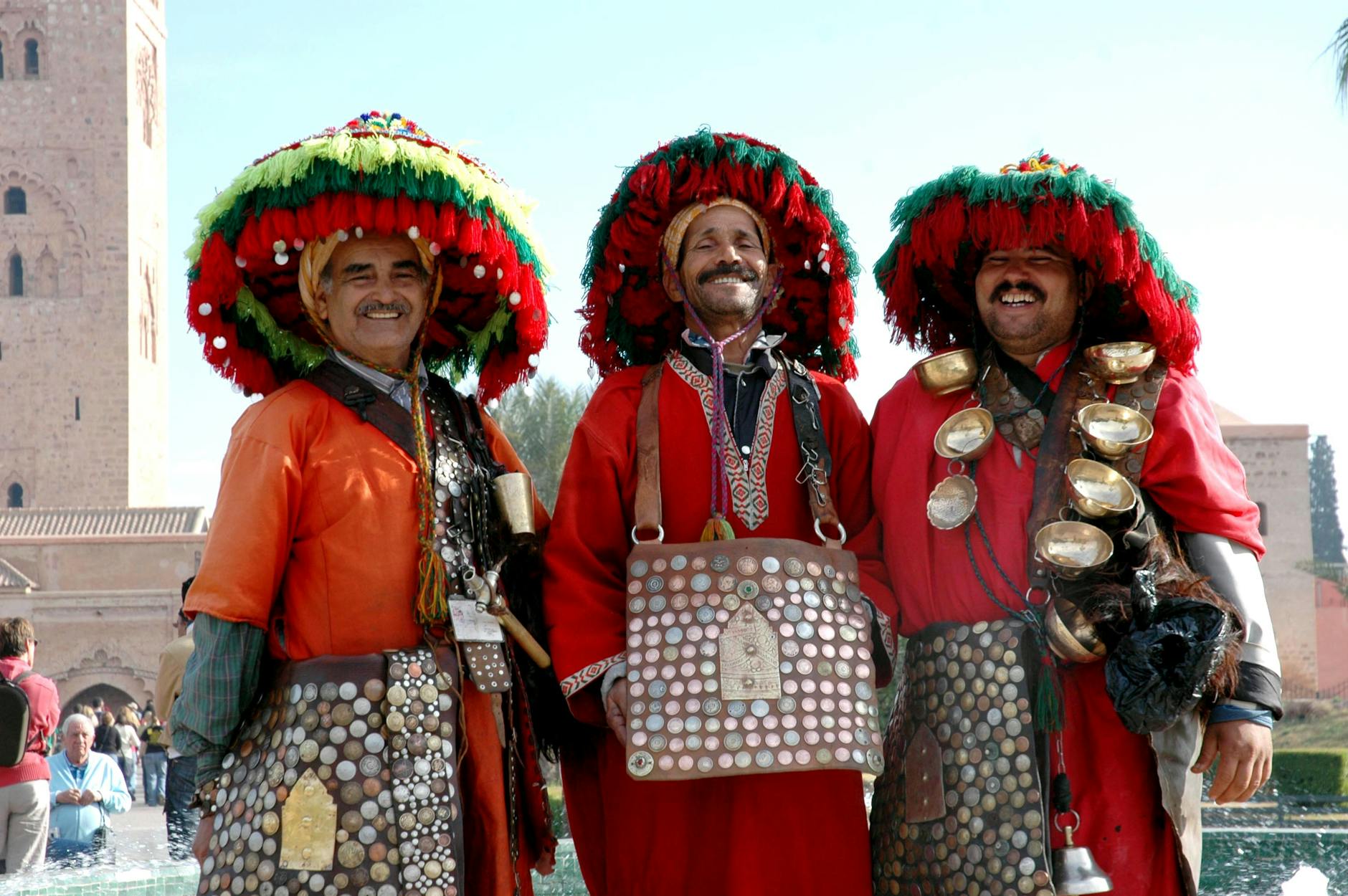
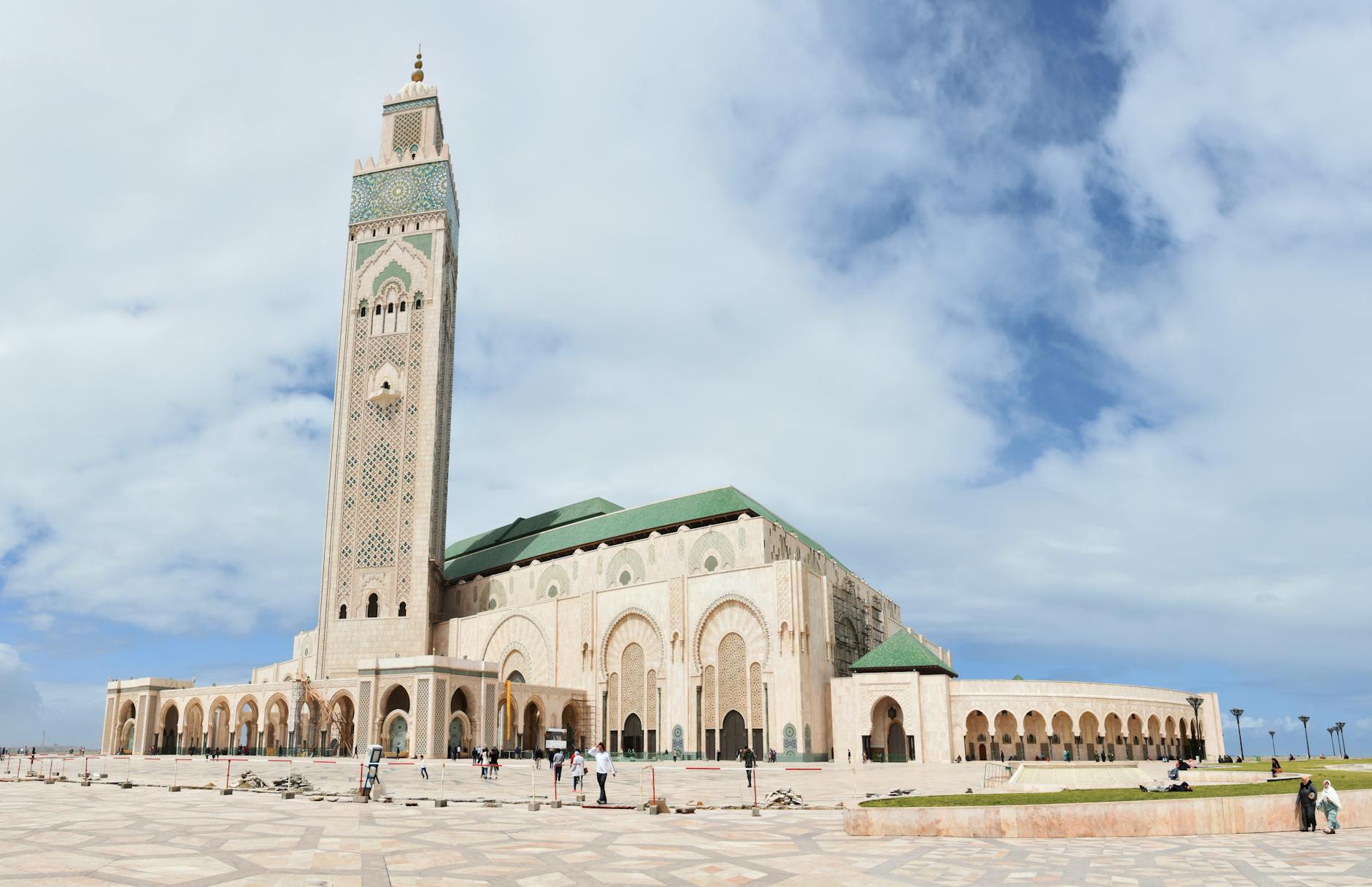
A religious or pilgrimage traveler coming to Marrakech may be visiting the Koutoubia Mosque area, Ben Youssef Madrasa, Saadian Tombs, the Mellah and Jewish heritage sites, a mosque for prayer, a cemetery, a study program, a family congregation, a retreat, or sites tied to Moroccan Islamic history, Sufi tradition, Jewish memory, family roots, or interfaith learning. That makes the trip different from ordinary sightseeing. The traveler may care about prayer times, modest dress, halal meals, fasting rhythm, photography limits, access rules, gender expectations, mobility, quiet time, and whether a famous place is functioning as a living religious space on the day they arrive. The right plan treats Marrakech as a living city of worship, memory, and daily practice, not just as a collection of monuments. It should connect purpose to calendar, movement, meals, clothing, site access, group capacity, and respect for people who are not there as part of the visitor's experience.
Start with purpose, not a list of famous sites
Religious travel can look like tourism from the outside while operating by different rules. One traveler may want to pray regularly, another may be studying Islamic architecture, another may be tracing Jewish family history, another may be joining a retreat, and another may be bringing a family, school, mosque, synagogue, church, or interfaith group through several sites in a short window. A plan that only names landmarks will miss the real requirements.
The first question is what the traveler must protect: worship, pilgrimage sequence, heritage research, retreat, family ritual, dietary observance, fasting, modesty, mobility, pastoral support, or time for quiet reflection. A quick exterior visit to Koutoubia is not the same trip as prayer obligations, a Jewish heritage day in the Mellah, a Ramadan visit, a study focus on Ben Youssef Madrasa, or a family trip tied to cemeteries and memory. Purpose should decide the calendar, hotel base, meal plan, clothing, and pace.
- Define whether the trip is worship, pilgrimage, heritage research, retreat, interfaith learning, or family observance.
- Separate must-do religious commitments from optional cultural sightseeing.
- Let prayer times, fasting, meals, access rules, accessibility, and group needs shape the route.
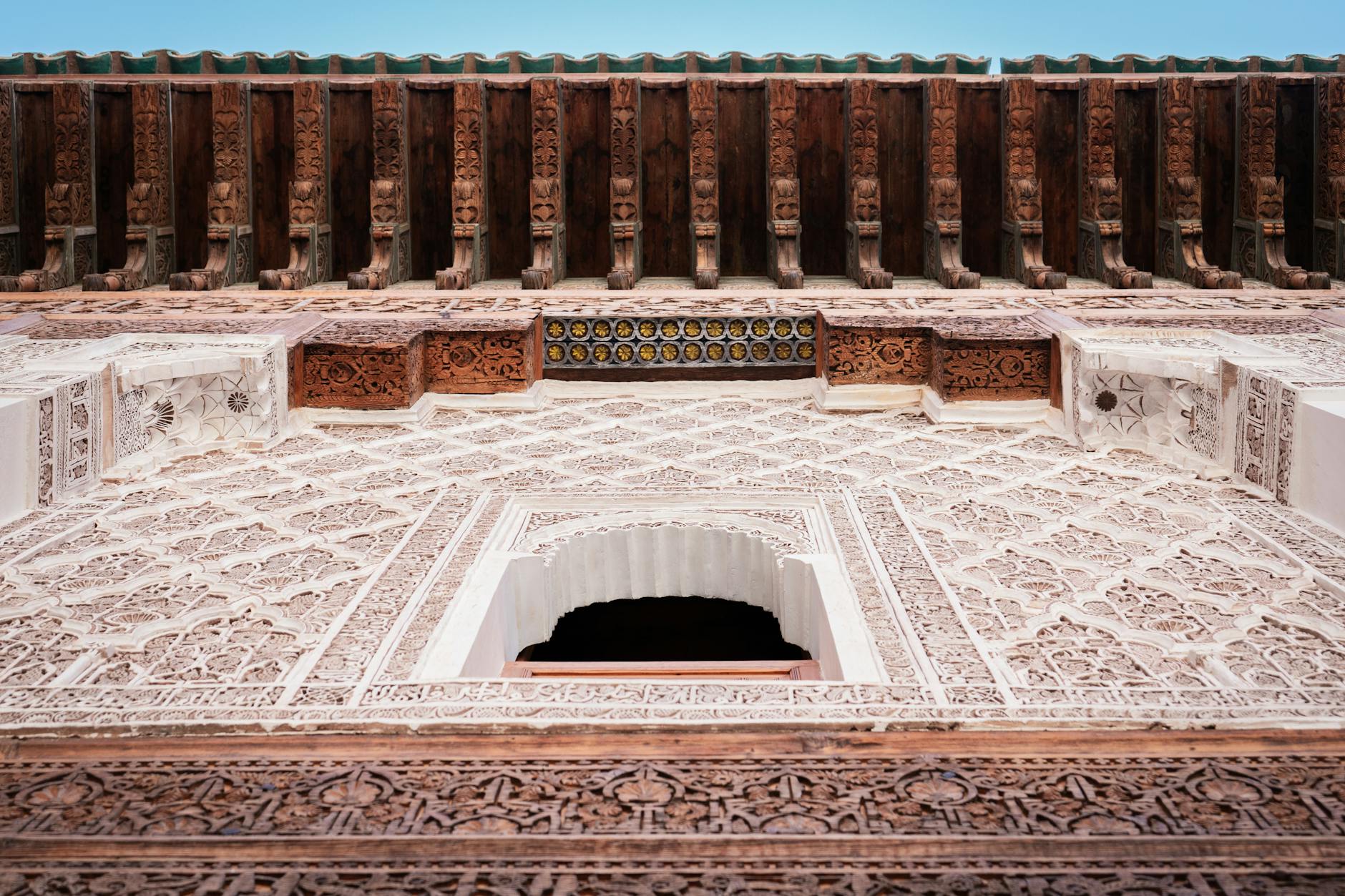
Build the itinerary around Marrakech faith geography
Marrakech religious geography is not arranged like a museum route. The Koutoubia area, medina mosques, Ben Youssef Madrasa, Saadian Tombs, the Mellah, Jewish cemetery or synagogue-related heritage sites, neighborhood prayer spaces, family addresses, and possible day trips or study visits sit in different movement patterns. Some sites are active places of worship, some are heritage sites, and some require local context to understand respectfully.
Hotel choice should follow the hardest religious commitment, not only the most atmospheric address. A traveler who needs to pray at set times, walk in a specific area, reach a heritage site with older relatives, attend a group program, or avoid long midday movement should not choose lodging only by riad beauty or social media appeal. Two sites can look close on a map and still be awkward when heat, crowds, narrow lanes, children, elders, or limited mobility are involved.
- Cluster sites by medina, Mellah, Gueliz, hotel district, or excursion route instead of assuming one compact religious district.
- Choose lodging near the commitment that is hardest to move, whether worship, heritage, group pickup, or mobility support.
- Check whether walking distance, heat, stairs, step-free access, or meal access matters more than atmosphere.
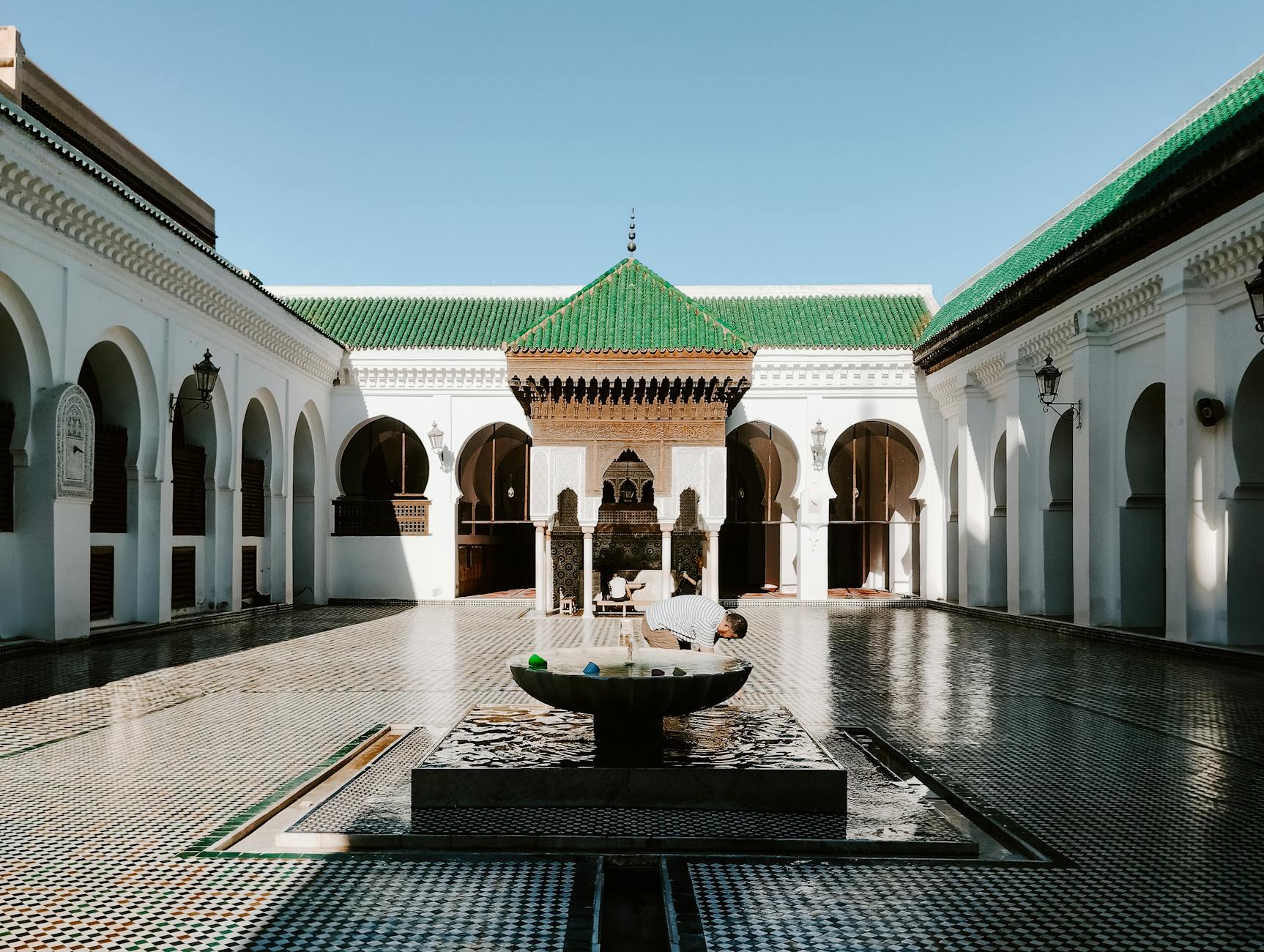
Confirm worship, visitor, dress, and photography rules
Many Marrakech religious spaces are not ordinary visitor attractions. Most active mosques in Morocco are not open to non-Muslim tourist entry, even when their exteriors are important landmarks. Heritage sites, madrasa spaces, tombs, cemeteries, synagogues, church services, and community visits can also have specific hours, dress expectations, bag rules, gender customs, photography limits, and closure patterns. A traveler should verify the rules for the actual site rather than relying on assumptions from another country.
A respectful plan includes clothing that can pass in several settings, a quiet phone policy, enough cash or ticket planning for heritage entrances, and a backup if a site is closed for prayer, restoration, security, a private visit, Ramadan rhythm, or a holiday. The point is not just to avoid inconvenience. It is to avoid turning other people's worship, mourning, or memory into scenery.
- Check visitor hours, prayer restrictions, entry rules, dress expectations, bag screening, and photography limits.
- Assume active mosques and private religious spaces require more restraint unless access is explicitly permitted.
- Treat worshippers, clergy, children, cemeteries, and private ceremonies as off-limits unless permission is clear.
Plan meals, fasting, holidays, and daily rhythm
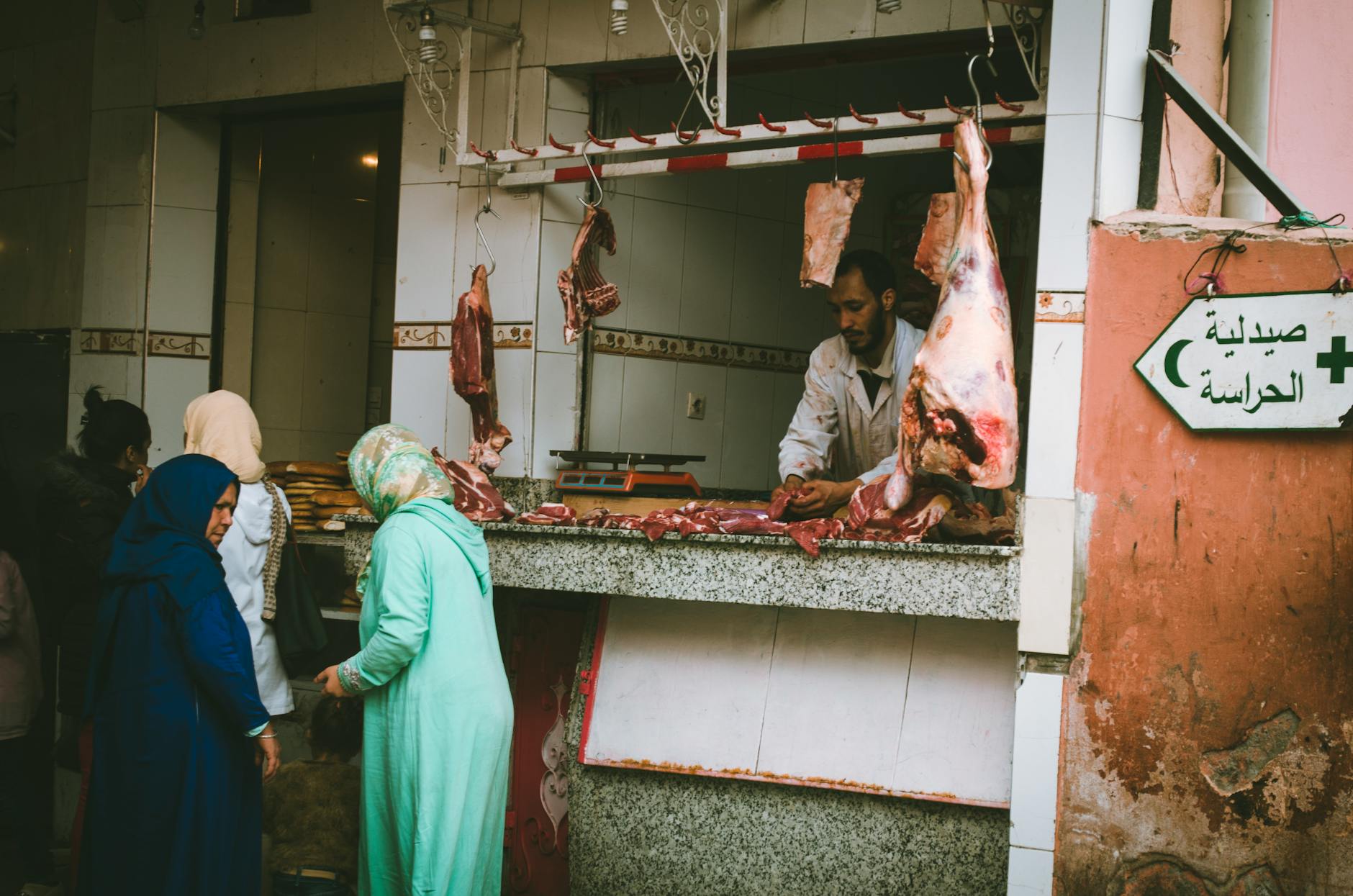
Religious travelers may need halal assurance, vegetarian meals, alcohol-free settings, fasting-aware timing, family-style food, or simple meals near specific sites. Marrakech can support many needs, but the right option may not appear at the right moment with a tired group, fixed prayer time, heat, and a narrow-lane route. The traveler should know where meals fit before the day starts, especially if traveling with children, elders, or a group.
Holidays and fasting periods change the rhythm further. Ramadan, Eid periods, Friday prayer, Jewish holidays, Christian services, school holidays, and national or local events can affect crowds, transport, restaurant hours, guide availability, and site access. A pilgrimage or heritage day should leave space for waiting, prayer, water or food timing when permitted, weather, and quiet recovery. A schedule that looks efficient on paper may feel careless if it ignores observance.
- Map required meals and water breaks near the actual worship or heritage route.
- Check how Ramadan, Eid, Friday prayer, Jewish holidays, Christian services, and local events affect hours and crowds.
- Leave quiet time when the religious purpose is emotionally, physically, or spiritually demanding.
Move carefully with groups, elders, children, and memory sites
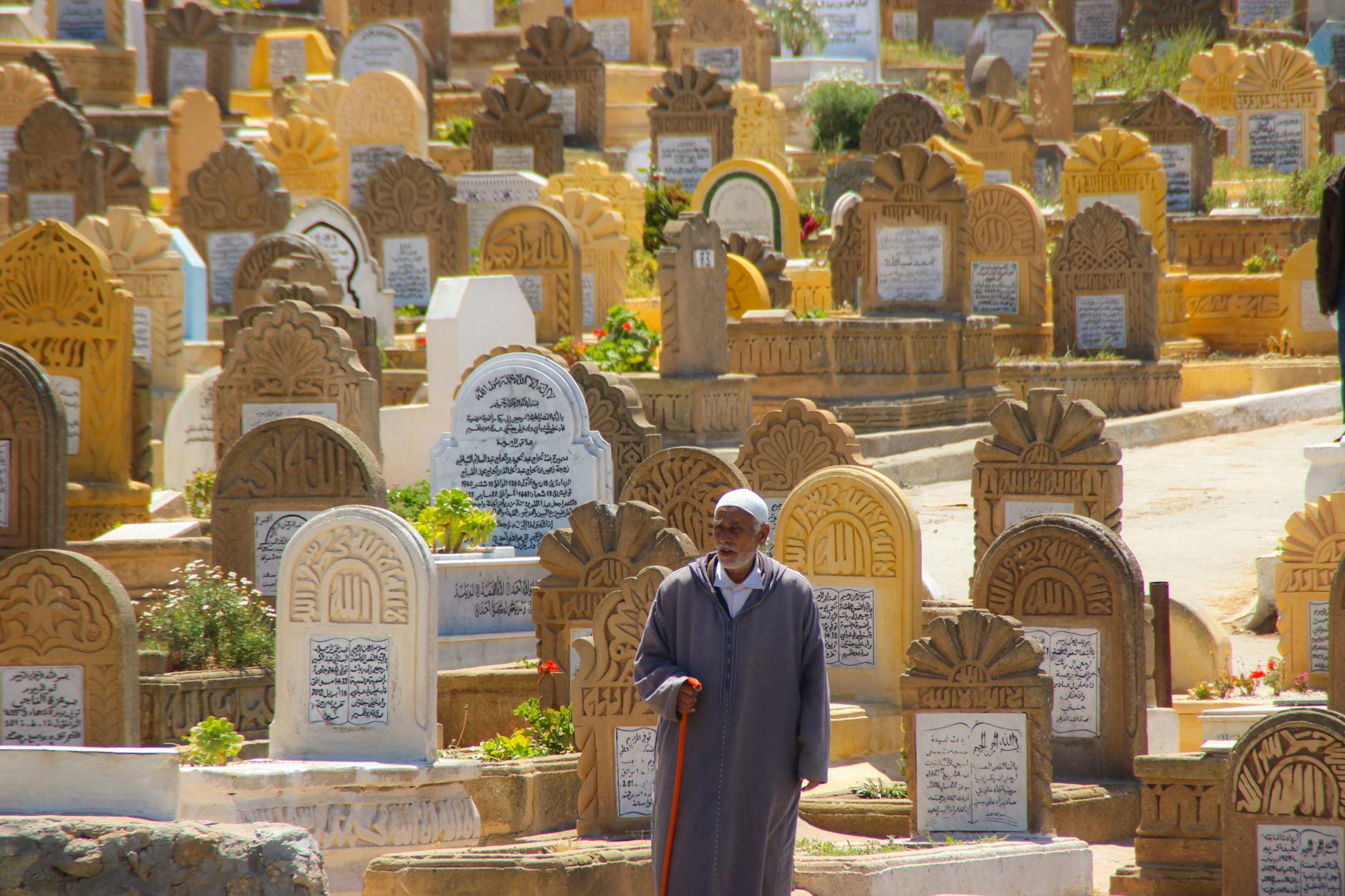
Pilgrimage and religious travel often involves mixed-capacity groups. A family may include older relatives, children, someone with limited mobility, a person managing medication, or a traveler carrying grief or family history into a cemetery or heritage site. Marrakech can add heat, uneven paving, stairs, scooter traffic, crowded lanes, limited seating, and security or ticket queues to the day. These details can matter more than the distance between sites.
The movement plan should be honest about capacity. Some travelers need a driver, shorter walking loops, shaded waits, toilets, seated breaks, or a simpler route. Cemeteries, tombs, heritage sites, and family-memory locations should not be squeezed between shopping and dinner as if they are quick photo stops. A good plan protects dignity, pace, and the emotional weight of the visit.
- Check stairs, uneven lanes, seating, toilets, shade, vehicle access, and group entry procedures before arrival.
- Use drivers, taxis, or shorter walking loops when heat or medina movement would exhaust the group.
- Protect medication timing, prayer breaks, children's capacity, older travelers' recovery, and quiet time at memory sites.
Read security and sensitivity without overreacting
Most religious travelers will experience Marrakech as a normal major destination with active daily worship and deep heritage. Still, faith-linked travel requires attention to context. Visible religious dress, clergy status, nationality, language, media attention, group identity, political events, or interfaith programming can change how exposed a traveler feels in certain places and at certain moments. Security procedures or crowd controls may also appear around major sites, holidays, official events, or demonstrations.
The practical answer is steady awareness, not alarm. Check current events before travel, avoid demonstrations unless attendance is intentional and planned, keep children and elders away from crowd pressure, use known transport after dark, and ask local hosts or guides about site-specific concerns. Religious sensitivity also runs both ways: do not photograph worshippers casually, do not debate strangers in sacred spaces, and do not assume one community's internal rules are obvious to outsiders.
- Check current events, demonstrations, site notices, holidays, and local guidance before faith-linked visits.
- Use extra caution around visible religious identity, large gatherings, late movement, and politically charged areas.
- Respect local worshippers' privacy, internal rules, and expectations around photography or conversation.
When to order a short-term travel report
A simple exterior landmark visit may not require a custom report. A religious or pilgrimage traveler should consider one when the trip has fixed prayer or worship times, multiple faith or heritage sites, a family group, older travelers, mobility limits, fasting, halal or other meal requirements, a festival date, school or congregation logistics, security sensitivity, or a site that is emotionally or spiritually central to the journey.
The report should connect the religious purpose to the mechanics of Marrakech. It can test hotel base, route timing, site access, prayer and visitor windows, meal access, transport modes, heat rhythm, neighborhood fit, current disruption, accessibility, sensitivity, and backup plans. The value is a trip that remains respectful and workable when Marrakech is crowded, hot, closed, ceremonial, disrupted, or simply more complex than the traveler expected.
- Order when worship times, dietary rules, mobility, family needs, holidays, sensitivity, or multi-site routing make the trip fragile.
- Provide faith needs, must-visit sites, meal requirements, dates, group composition, mobility constraints, and emotional priorities.
- Use the report to turn religious purpose into a practical Marrakech plan with respectful backups.