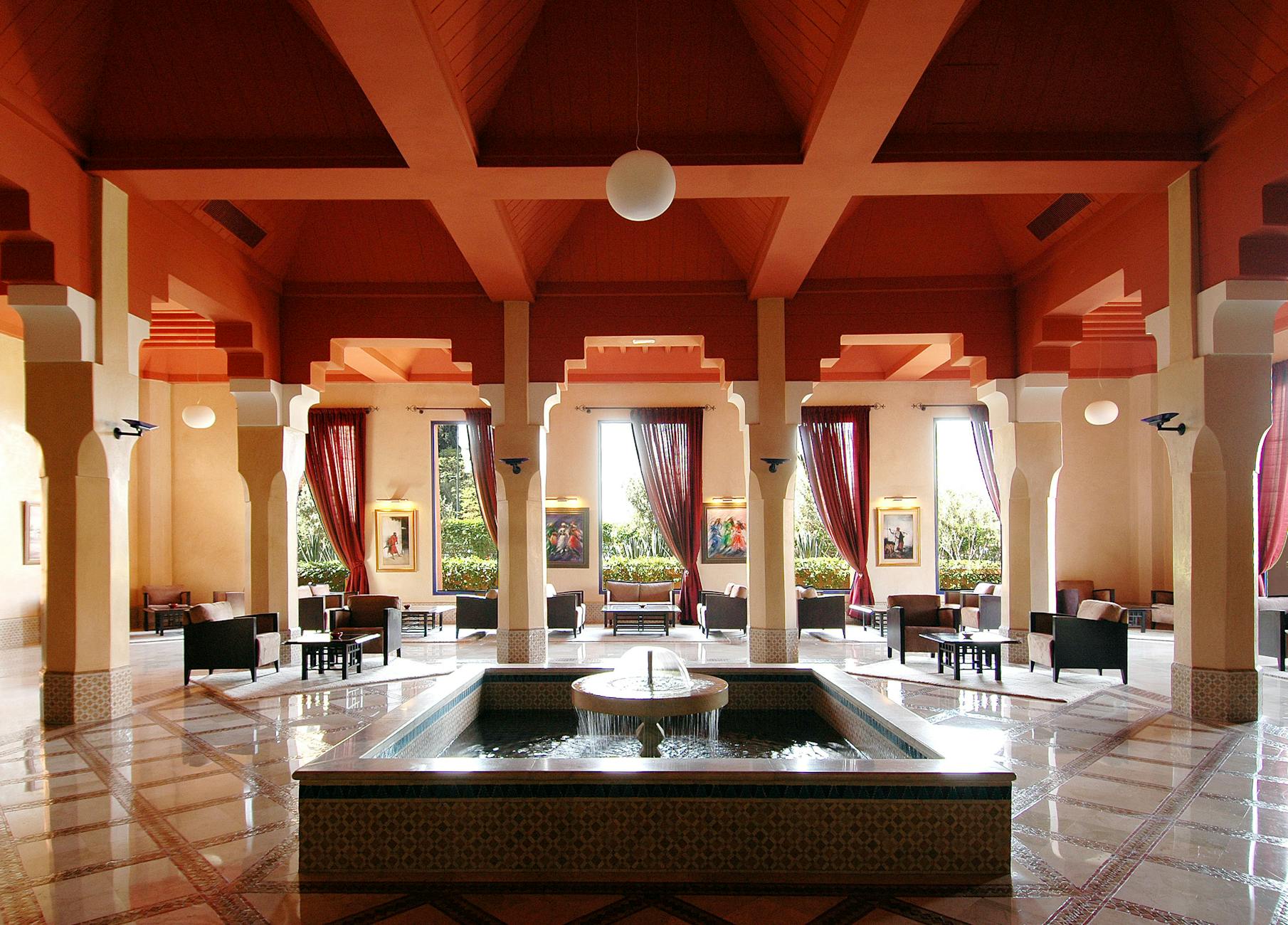
An investor or deal-team trip to Marrakech is rarely a generic business visit. The traveler may be evaluating a hotel, resort, hospitality operator, real estate asset, retail concept, food business, cultural venue, nonprofit partner, family office contact, or regional platform opportunity. The trip may include management meetings, adviser calls, asset walks, back-of-house inspections, supplier visits, confidential dinners, and same-day analysis. Marrakech can support that work, but it needs an operating plan. The city has several business geographies that behave differently: Hivernage hotels and event spaces, Gueliz offices and restaurants, medina properties and suppliers, Palmeraie resorts, airport-linked movement, and outlying sites that can stretch a short itinerary. For investors and deal teams, the goal is not to make the trip atmospheric. It is to preserve judgment, discretion, punctuality, and enough recovery time to make decisions. A strong plan treats Marrakech as a sequence of decision points, not just addresses on a calendar.
Start with the transaction geography
Marrakech deal travel should begin with the transaction map. A management meeting in Hivernage, a law or adviser call from the hotel, a property walk in the medina, a resort visit in the Palmeraie, a supplier stop, and a dinner in Gueliz can all belong to the same opportunity but create very different movement problems. The traveler should not assume that a beautiful hotel or central riad automatically supports the deal schedule.
The first step is to rank each location by importance, timing, confidentiality, and tolerance for lateness. A courtesy introduction is not the same as a management presentation or a site visit where the team needs to arrive aligned. If the anchor asset is in the Palmeraie, the base and driver plan should reflect that. If the work is in Gueliz and Hivernage, a road-accessible hotel may beat a medina base. If the target is inside the old city, the lane, gate, and walking sequence matter as much as the property name.
- Map target assets, adviser meetings, management sessions, dinners, and site visits before choosing the hotel.
- Treat Hivernage, Gueliz, Palmeraie, medina, airport, and outlying sites as distinct operating zones.
- Give management presentations, diligence meetings, and asset walks stronger buffers than lower-stakes introductions.
Plan arrival around the first decision point
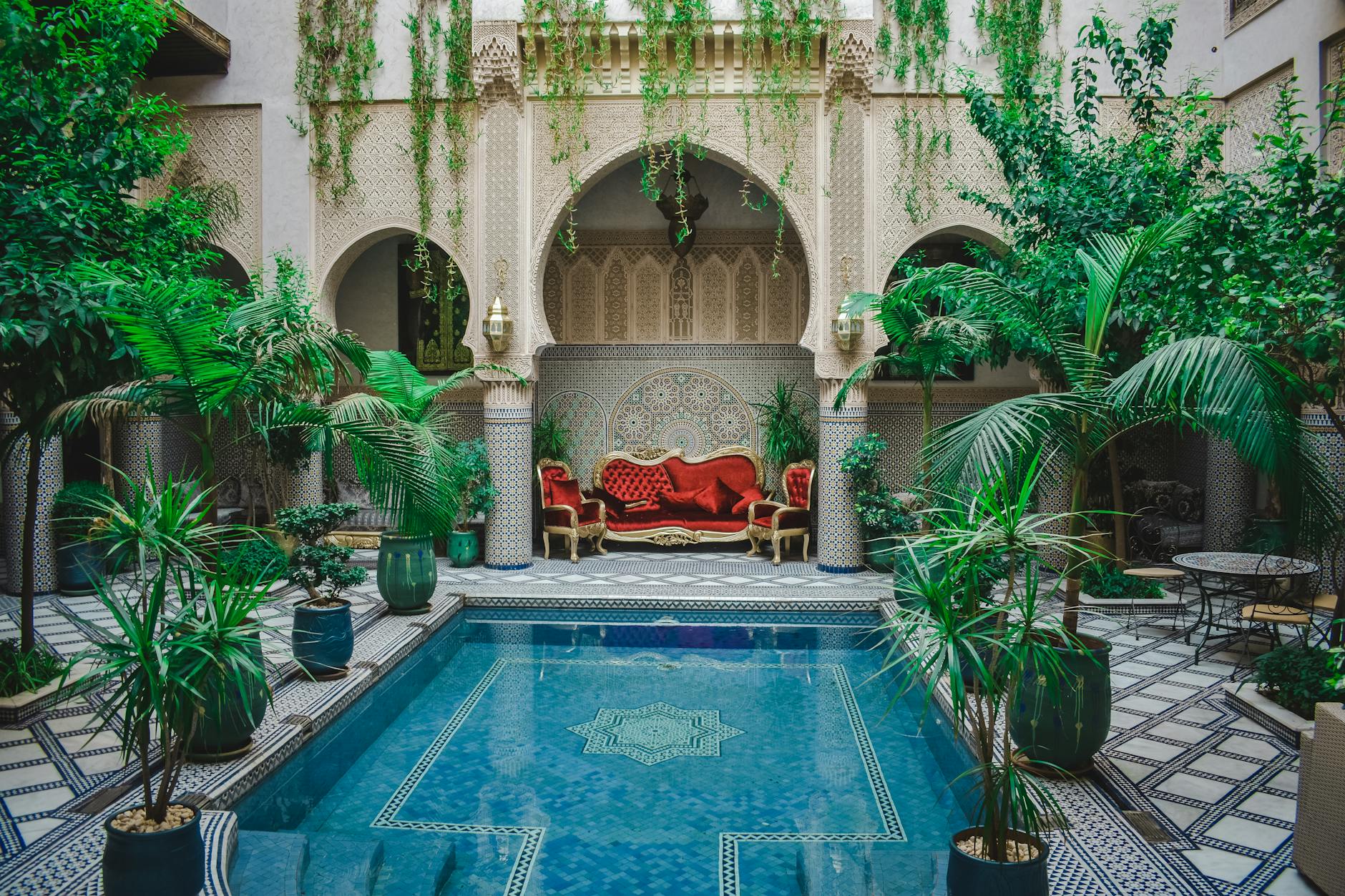
Investor and deal-team arrivals should be planned backward from the first real decision point, not merely from hotel check-in. If the first day includes a management dinner, adviser call, model review, lender conversation, or site walk, the arrival plan needs to protect sleep, shower time, secure document access, and a clean transfer. Marrakech Menara Airport is close to the city, but that short distance can still be fragile when luggage, traffic, hotel gates, phone setup, and late timing converge.
A prearranged transfer or trusted driver may be the correct decision even when taxis are available. The relevant question is not whether the traveler can get from the airport to the hotel. It is whether the traveler can arrive, settle, secure documents, prepare for the first meeting, and avoid spending senior attention on basic logistics. If the team is split across flights, the plan should also name where alignment happens before the first client-facing conversation.
- Choose airport transfer by first obligation, luggage, fatigue, team seniority, confidentiality, and hotel access.
- Use a trusted driver when late arrival, equipment, medina lodging, or same-day meetings reduce margin.
- Build protected time before management presentations, adviser calls, or first site visits.
Make diligence and site-visit logistics explicit
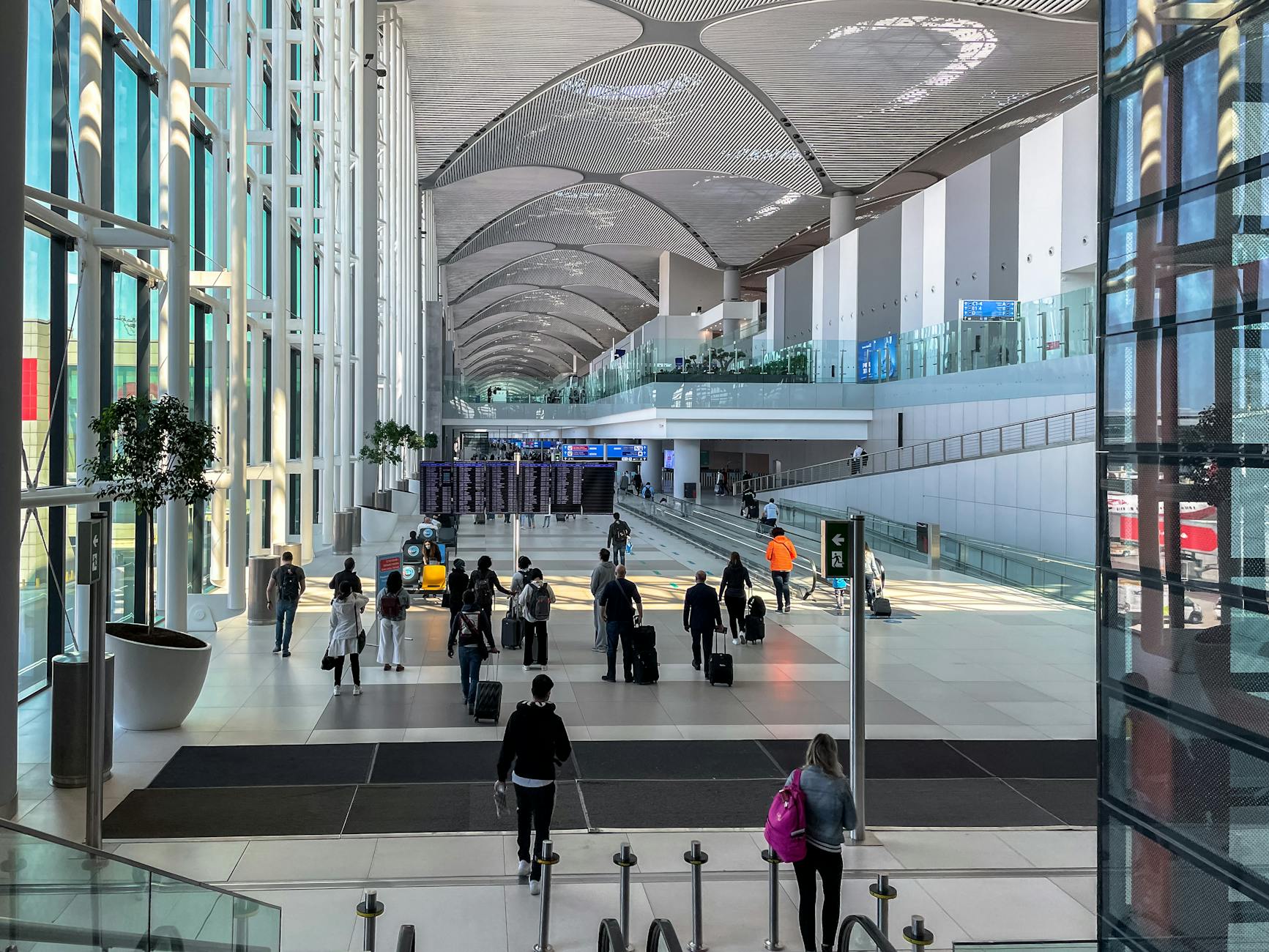
Diligence in Marrakech may not happen only in a meeting room. A team may need to inspect a hotel, walk a riad, review guest flow, visit kitchens or back-of-house areas, meet a manager, evaluate a retail or craft supply chain, see a cultural venue, or test how traffic and access affect an asset. These visits need practical planning: who opens doors, where vehicles stop, whether photos are allowed, which areas are sensitive, how notes are captured, and what clothing or shoes make sense for heat, dust, stairs, or narrow lanes.
Formal rooms matter too. If the deal involves a data-room review, management presentation, adviser debrief, or valuation discussion, the team needs Wi-Fi, screens, privacy, power, printing options, and a place to step aside for internal alignment. Do not assume a hotel lounge or courtyard can support a confidential diligence session. The plan should decide where judgment work happens before the team is tired and already behind schedule.
- Plan asset walks by vehicle stop, permissions, photography rules, clothing, heat, stairs, and note capture.
- Confirm rooms, screens, Wi-Fi, power, printing, and private debrief space for formal diligence work.
- Protect time after site visits to sort findings while details are still fresh.
Treat confidentiality as a travel discipline
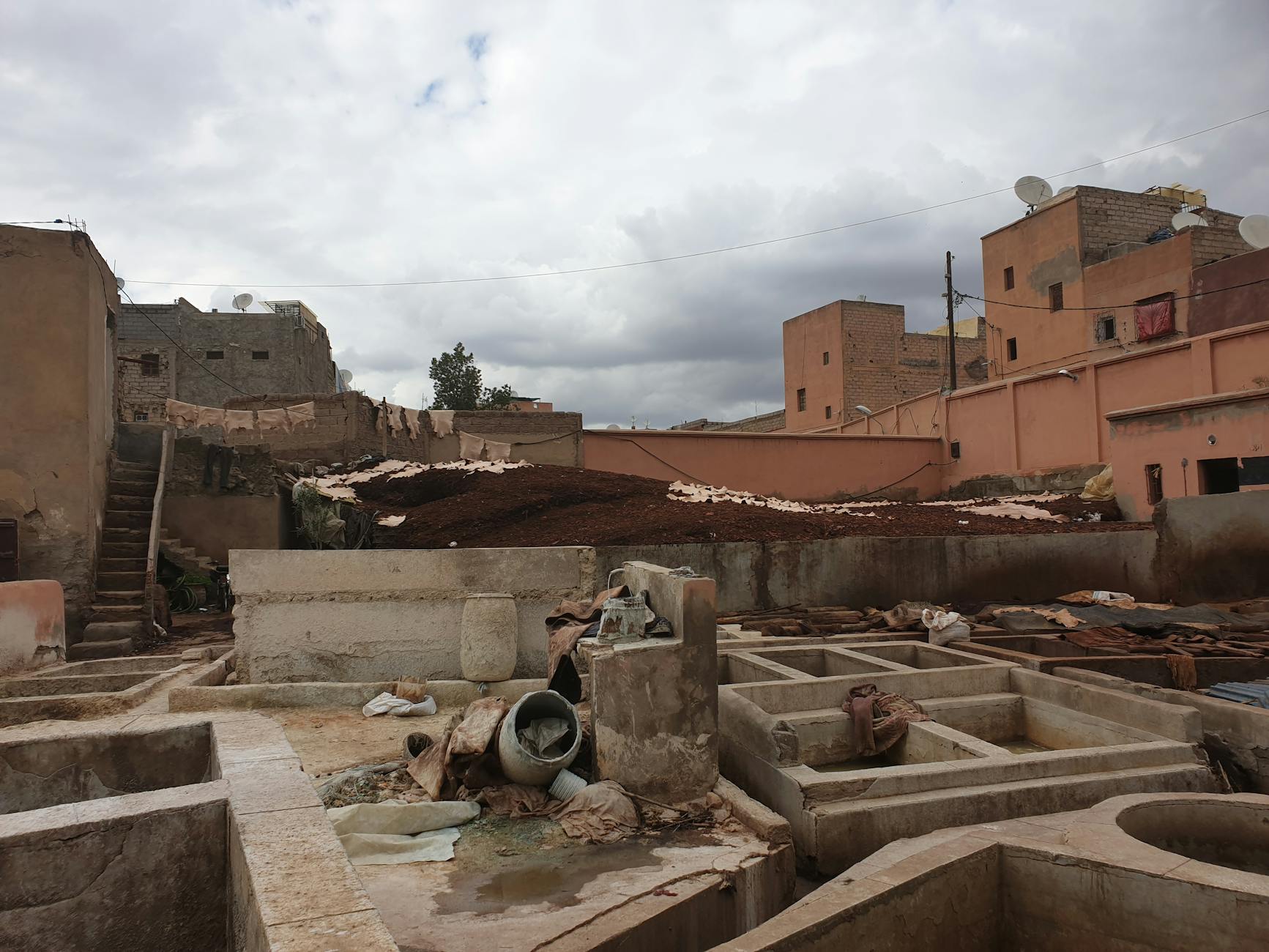
Deal travel carries confidentiality risks that ordinary business travel can ignore. A visible model in a lobby, a valuation call in a courtyard, printed diligence notes left in a taxi, a target name discussed in a restaurant, or a laptop open during a shared transfer can create unnecessary exposure. Marrakech hotels, cafes, rooftops, drivers, guides, and restaurants can all feel private while still being public enough for sensitive work to leak.
The plan should match the sensitivity of the transaction. Some trips need only ordinary discretion. Others need privacy screens, minimal printed material, secure connectivity, downloaded files, careful call locations, encrypted storage, and a decision not to work in public between meetings. Device discipline should include adapters, power banks, local data, MFA access, and offline copies for moments when Wi-Fi or roaming is weaker than expected.
- Decide in advance where valuation, diligence, legal, and target discussions can safely happen.
- Use privacy screens, secure connectivity, minimal paper, and offline backups when deal sensitivity warrants it.
- Avoid confidential calls and document review in lobbies, rooftops, cafes, taxis, and crowded reception areas.

Choose a hotel that can support the deal team
A deal-team hotel in Marrakech is part workroom, part recovery base, part privacy control, and part transport node. It should support early departures, late document review, quiet calls across time zones, secure laptop work, laundry, food after meetings, reliable air conditioning, and easy vehicle pickup. A famous or atmospheric property can still be wrong if it forces repeated hard transfers, provides poor desk space, or makes confidential work too public.
The hotel should also reflect team structure. A senior investor may need privacy, simple arrivals, and controlled dinners. Associates may need desk space, late food, and reliable Wi-Fi. Advisers may need a convenient rally point before meetings. If the team is split across properties for budget, preference, or availability, the plan should define where real coordination happens. Deal work suffers when the base is treated as decorative.
- Check desk, quiet, Wi-Fi, vehicle access, food, laundry, air conditioning, and call privacy before booking.
- Choose the base around the most important deal cluster, not the most picturesque address.
- Plan how investors, associates, and advisers will coordinate if they are not staying together.

Keep deal meals commercially controlled
Marrakech hospitality can help a deal team understand relationships, trust, and local context, but meals should be planned as part of the transaction rather than as generic destination experiences. A management dinner, adviser debrief, family office introduction, lender conversation, or seller meal may need privacy, low noise, reliable service, controlled alcohol, and a clean route back to the hotel. The most atmospheric setting is not always the best setting for judgment.
Deal meals also create document, device, and timing risks. The traveler should know how materials are secured, whether private cars or taxis are needed, who is attending, which topics are suitable for the table, and whether follow-up work is still required afterward. If a late medina dinner weakens the next morning's site visit or negotiation, the itinerary should choose a simpler format. Hospitality should support the transaction, not consume it.
- Choose meals by privacy, noise, route, relationship stage, service reliability, and next-day obligations.
- Plan device and document handling before moving from meeting room to restaurant.
- Avoid late or distant dinners when the next morning carries high diligence or negotiation value.
When to order a short-term travel report
A single low-stakes investor introduction in familiar territory may not require a custom report. A transaction trip involving multiple advisers, management presentations, confidential materials, senior principals, asset walks, hotel or resort inspections, supplier visits, lender meetings, tight timing, or evening negotiations should be planned more carefully. Marrakech is manageable, but it is not neutral; heat, traffic, medina access, and hotel workability can all affect decision quality.
The report should test transaction geography, airport arrival, hotel suitability, driver strategy, route fallbacks, confidentiality concerns, diligence-room logistics, site-visit sequencing, meal placement, heat rhythm, current local disruptions, and the exposed points in the deal schedule. The value is a transaction-aware operating plan that helps the team arrive prepared, protect discretion, preserve judgment, and avoid preventable friction around moments that affect decisions.
- Order when deal value, confidentiality, seniority, asset visits, multiple sites, or tight timing makes travel friction expensive.
- Provide target sites, adviser addresses, hotel candidates, airport details, meeting sequence, materials, and evening plans.
- Use the report to protect judgment, discretion, and transaction momentum across the whole trip.