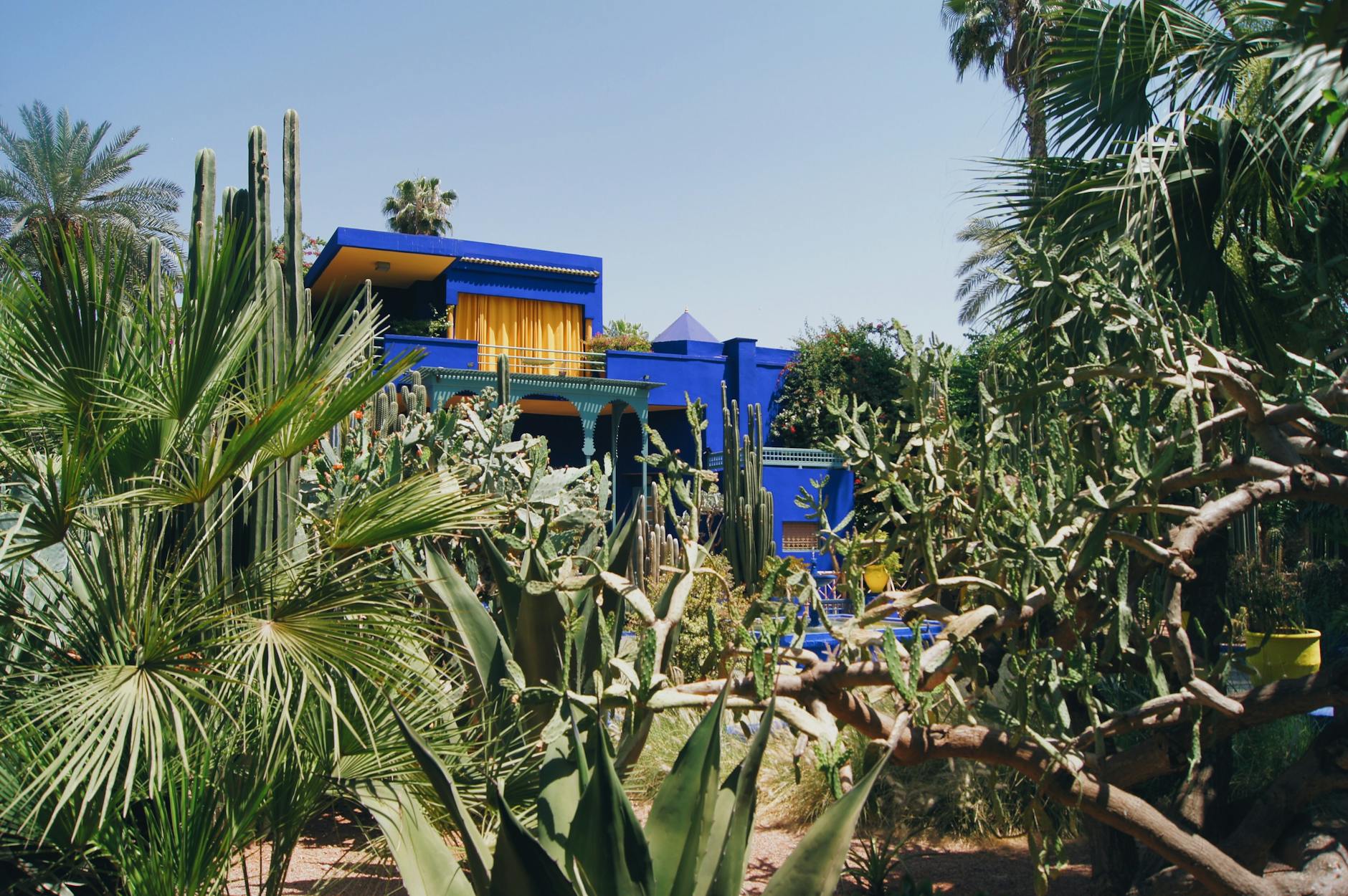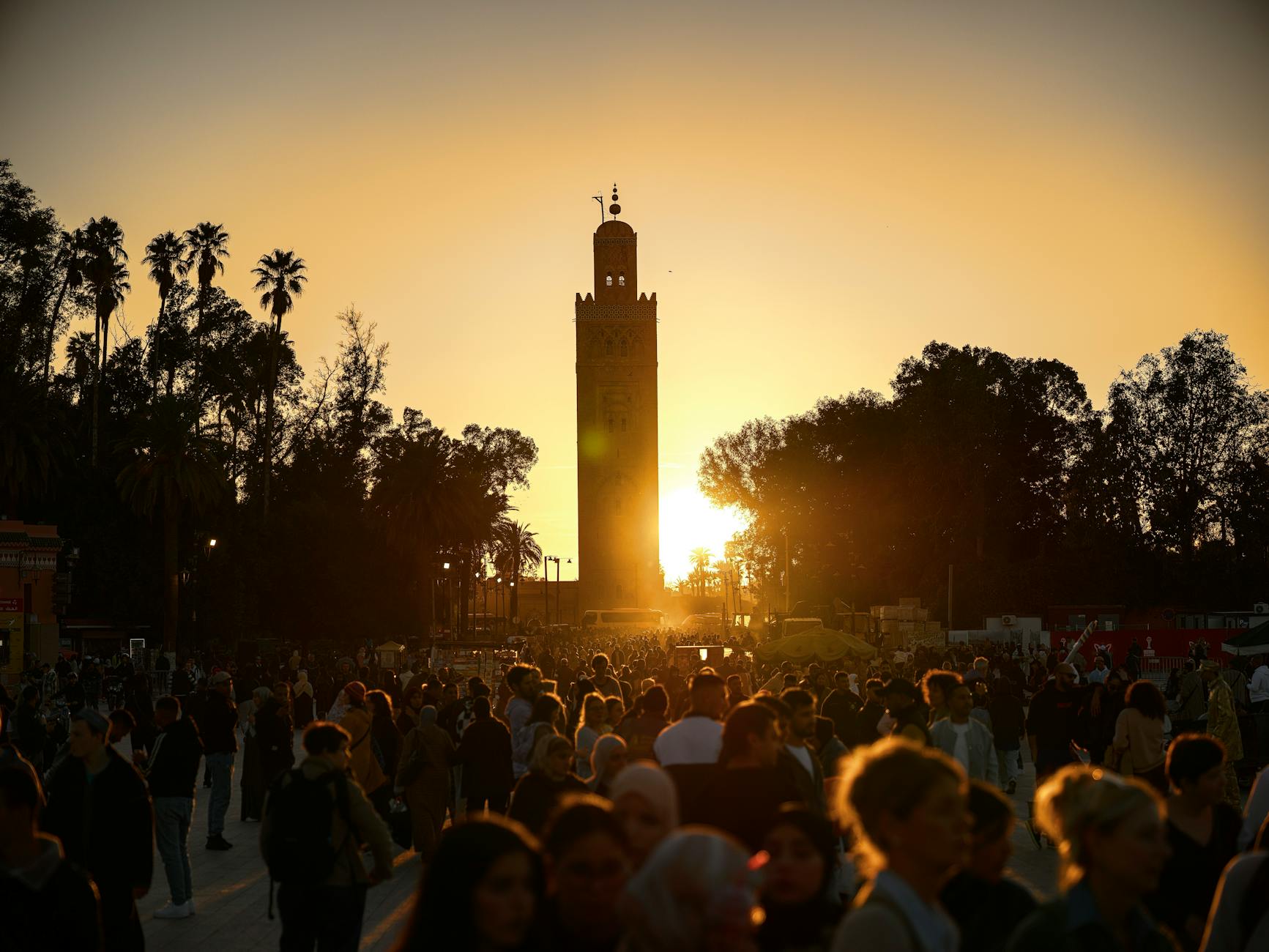
Marrakech is one of the world's most vivid short-stay cities, but first-time visitors often misread what makes it work. The city is not a simple monument checklist. It is a sequence of thresholds: airport to hotel, street to courtyard, medina lane to rooftop, heat to shade, noise to quiet, bargaining to retreat, dinner to return route. The trip succeeds when those thresholds are handled cleanly. It struggles when the traveler assumes beauty will compensate for weak logistics. A first visit should be edited rather than timid. Marrakech deserves time in the medina, a strong base, at least one garden or palace reset, a thoughtful evening, and enough space to let the city be intense without becoming exhausting. The best plan does not try to master everything in two or three days. It gives the traveler a confident first reading of Marrakech: where to stay, how to enter the medina, when to slow down, how to handle attention, and when to leave a little mystery intact.
Understand Marrakech before filling the day
The first-time visitor should begin with the city's operating logic. Marrakech is compact in places, but not effortless. The medina can feel magical, confusing, beautiful, loud, intimate, commercial, and tiring in the same hour. Distances on a map do not explain crowds, scooters, heat, wrong turns, persuasive sellers, or the relief of stepping into a shaded courtyard. A strong first visit therefore needs fewer targets and better transitions.
The goal is not to see every famous name. It is to understand the rhythm of the city without letting one difficult hour define the trip. A first itinerary should include one serious medina push, one calm architectural or garden stop, one meal with atmosphere, one rooftop or evening view, and enough retreat to process it. Marrakech rewards travelers who shape the day like a composition, not like a scavenger hunt.
- Treat Marrakech as a city of intensity and recovery, not as a simple sightseeing grid.
- Use fewer stops with cleaner transitions instead of trying to collect every famous name.
- Build each day around medina time, shade, meals, and a deliberate return to calm.
Choose the base by temperament
The hotel choice is the first major decision because it determines how much Marrakech the traveler absorbs every time they leave and return. A medina riad can make the first visit feel cinematic and intimate, but it may bring luggage walks, confusing lanes, limited vehicle access, and more street contact than some travelers want at the end of a long day. A hotel in Hivernage, Gueliz, or another more accessible area may feel less mythic but can make arrivals, cars, pools, late dinners, and rest easier.
Neither answer is automatically superior. The question is how much mediation the traveler needs between the city and the bed. If the visitor enjoys immersion, a well-run riad with clear arrival help can be superb. If they need quiet, space, a pool, easier taxi access, or a gentler first encounter, an accessible hotel may produce a better trip. Marrakech is too strong a city for a base chosen only from photographs.
- Choose between medina riad and accessible hotel by energy level, luggage, mobility, and tolerance for street friction.
- Confirm vehicle access, arrival help, air-conditioning, quiet, pool access, and late-return logistics before booking.
- Use the hotel as a recovery tool, not just as a decorative backdrop.
Make arrival feel guided, not improvised
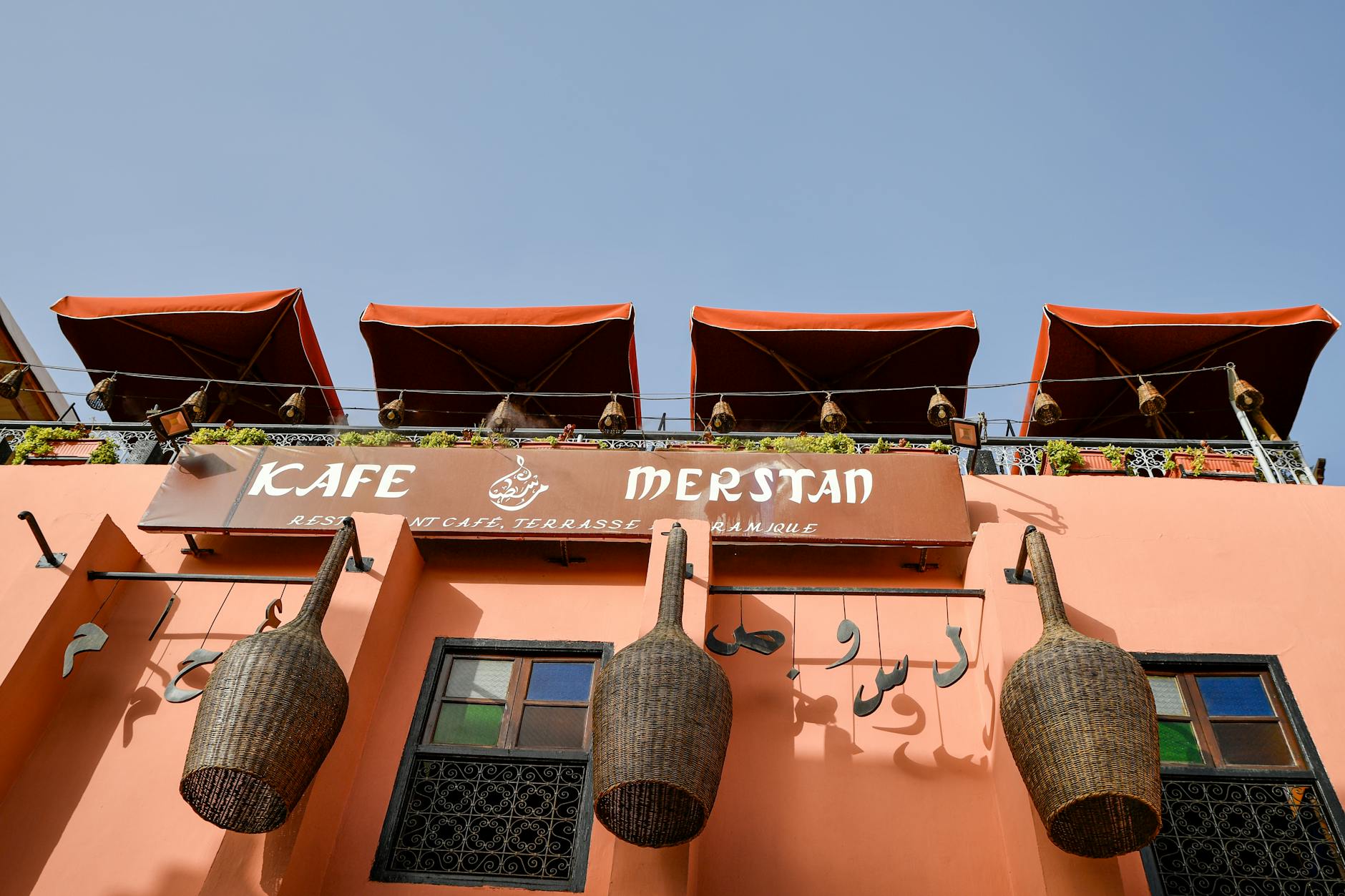
The first hour in Marrakech can shape the whole emotional reading of the city. A clean airport pickup, a hotel that explains the entry route, a known drop point, and a simple first evening can make the city feel legible. A confusing taxi handoff, luggage dragged through the wrong lane, or a hungry first walk into the medina can make the traveler defensive before the trip has started. First-time visitors should pay attention to the handoff, not just the headline airport distance.
This is especially important for riad stays. Some properties are excellent at meeting travelers at the edge of the medina and walking them in. Others leave too much to chance. Before arrival, the traveler should know who is meeting them, where the car stops, how bags are handled, and what the first meal plan is. The first night should be easy enough that Marrakech can introduce itself without the traveler having to solve everything at once.
- Arrange a clear airport or station handoff when arriving tired, late, with luggage, or at a medina riad.
- Confirm the exact drop point, walking escort, luggage handling, and contact method before arrival.
- Keep the first evening simple so the city feels welcoming rather than chaotic.
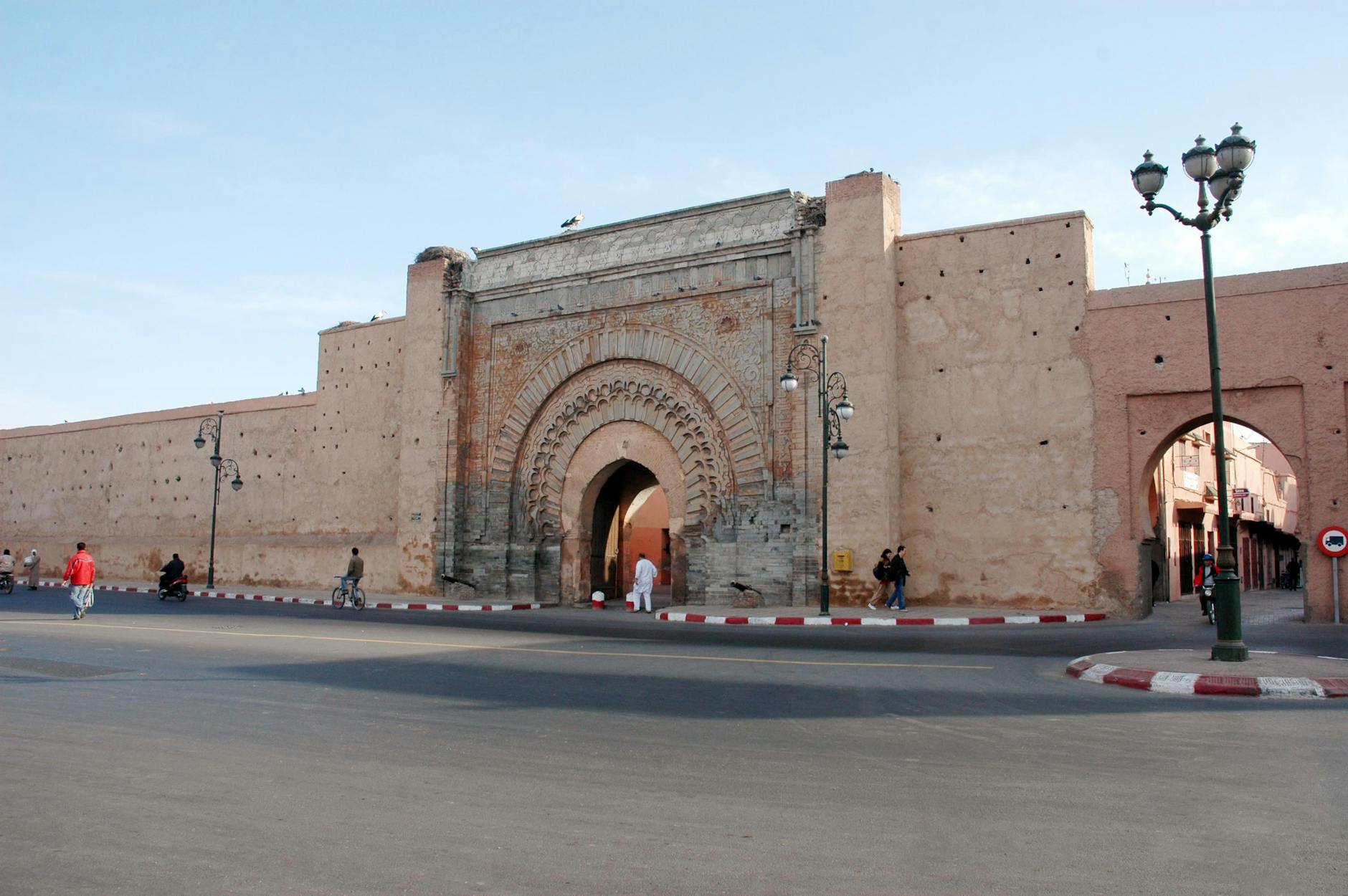
Enter the medina with a plan
The medina is essential for most first visits, but it should not be approached as a casual stroll through a shopping district. It is a dense working environment with crafts, homes, deliveries, scooters, guiding offers, bargaining, dead ends, prayer rhythm, and real beauty tucked behind plain doors. The visitor should enter with a rough route, a known exit, offline map access, modest cash, and an understanding that getting briefly disoriented is normal.
A guide can be valuable if the goal is history, craft context, or a calmer first pass. Wandering independently can also work, but the traveler should keep the route shorter than expected and resist turning every interaction into a negotiation. Souks are best when curiosity is selective. Look closely, buy deliberately, and leave before fatigue turns the experience sour. The medina is not a test to pass. It is a place to learn how Marrakech moves.
- Enter with a rough route, offline map, cash plan, known exit, and permission to keep the first medina push short.
- Use a guide when history, craft context, or lower-friction orientation matters.
- Shop selectively and avoid negotiating after fatigue has already taken over.
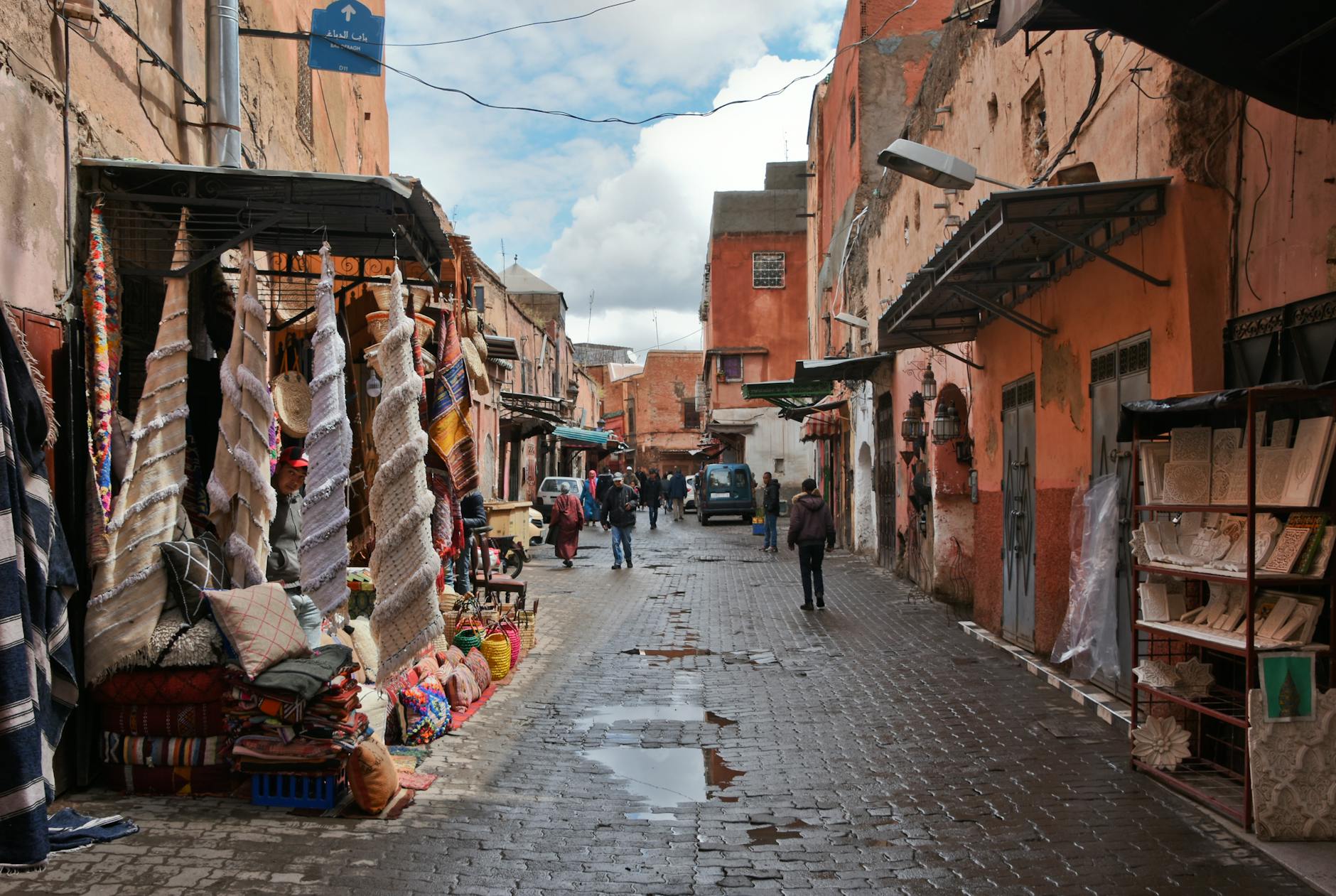
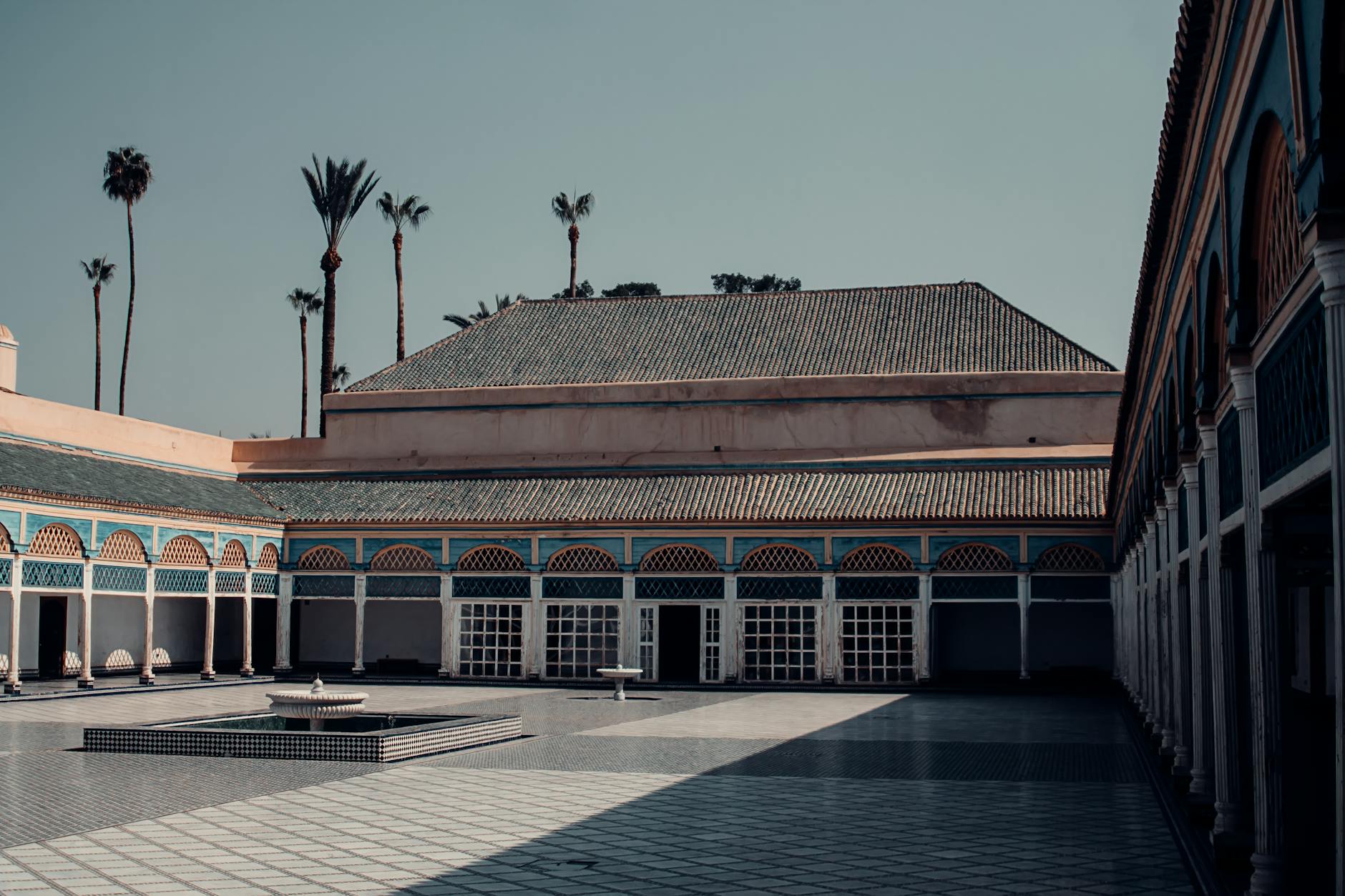
Balance monuments with restorative spaces
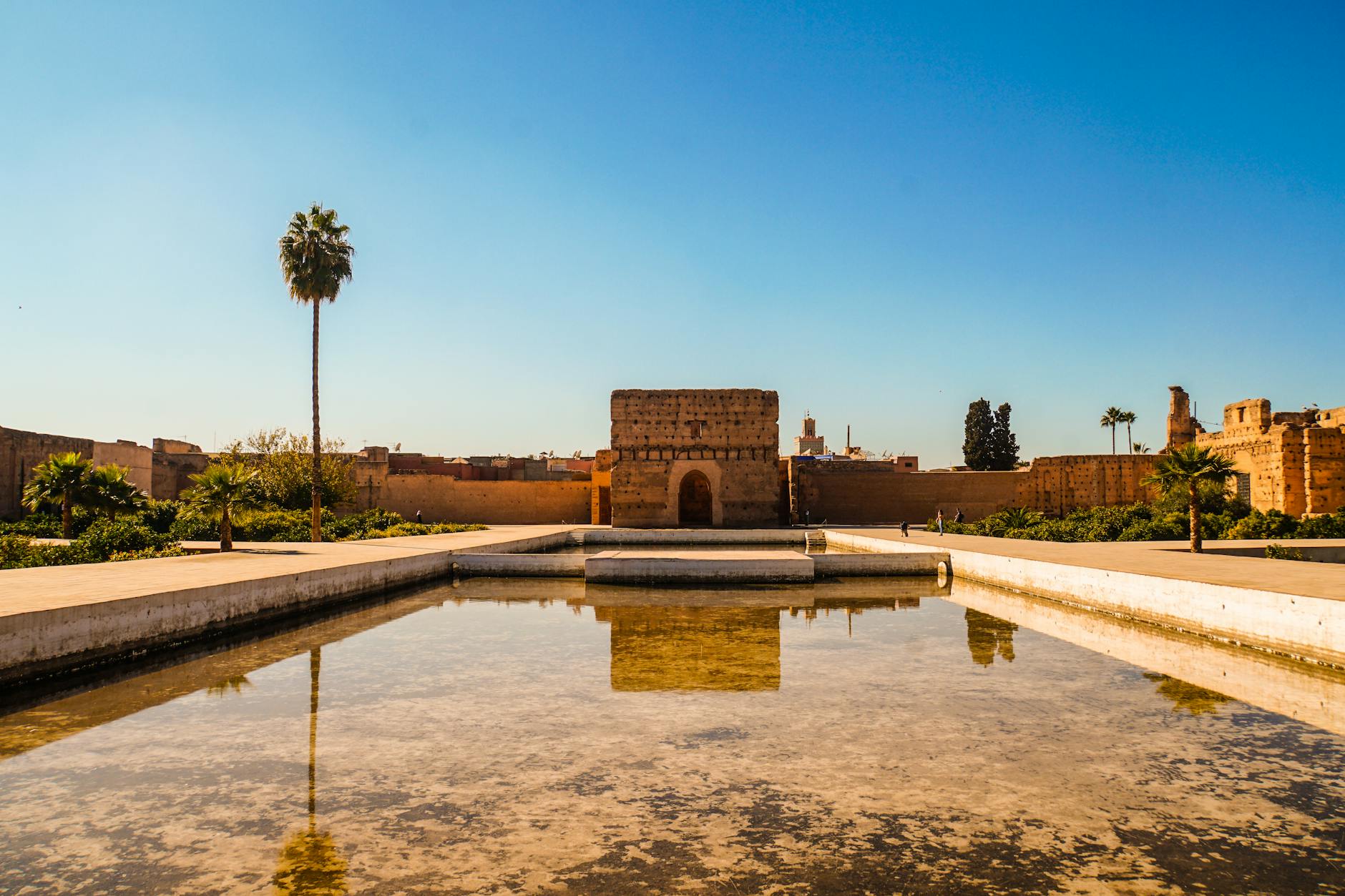
Marrakech's palaces, gardens, courtyards, museums, and historic houses are not side notes. For a first-time visitor, they are the places that make the city usable. Bahia Palace, El Badi Palace, Ben Youssef Madrasa, gardens, shaded courtyards, and museum-like houses can provide the visual depth people came for while also giving the body a break from street intensity. They should be placed at moments when the traveler needs structure and shade.
The mistake is treating every calm stop as time away from real Marrakech. Calm is one of the city's core languages. A palace courtyard or garden pause can make the next medina hour better. A pool break can save the evening. A long lunch can be more useful than a forced extra sight. First-time visitors should plan recovery as part of the destination rather than an apology for not doing enough.
- Use palaces, gardens, courtyards, and museums as structural pauses, not as secondary filler.
- Place calmer stops after medina intensity or before an ambitious evening.
- Let shade, lunch, pool time, or a quiet courtyard protect the quality of the whole day.
Let evenings carry some of the trip
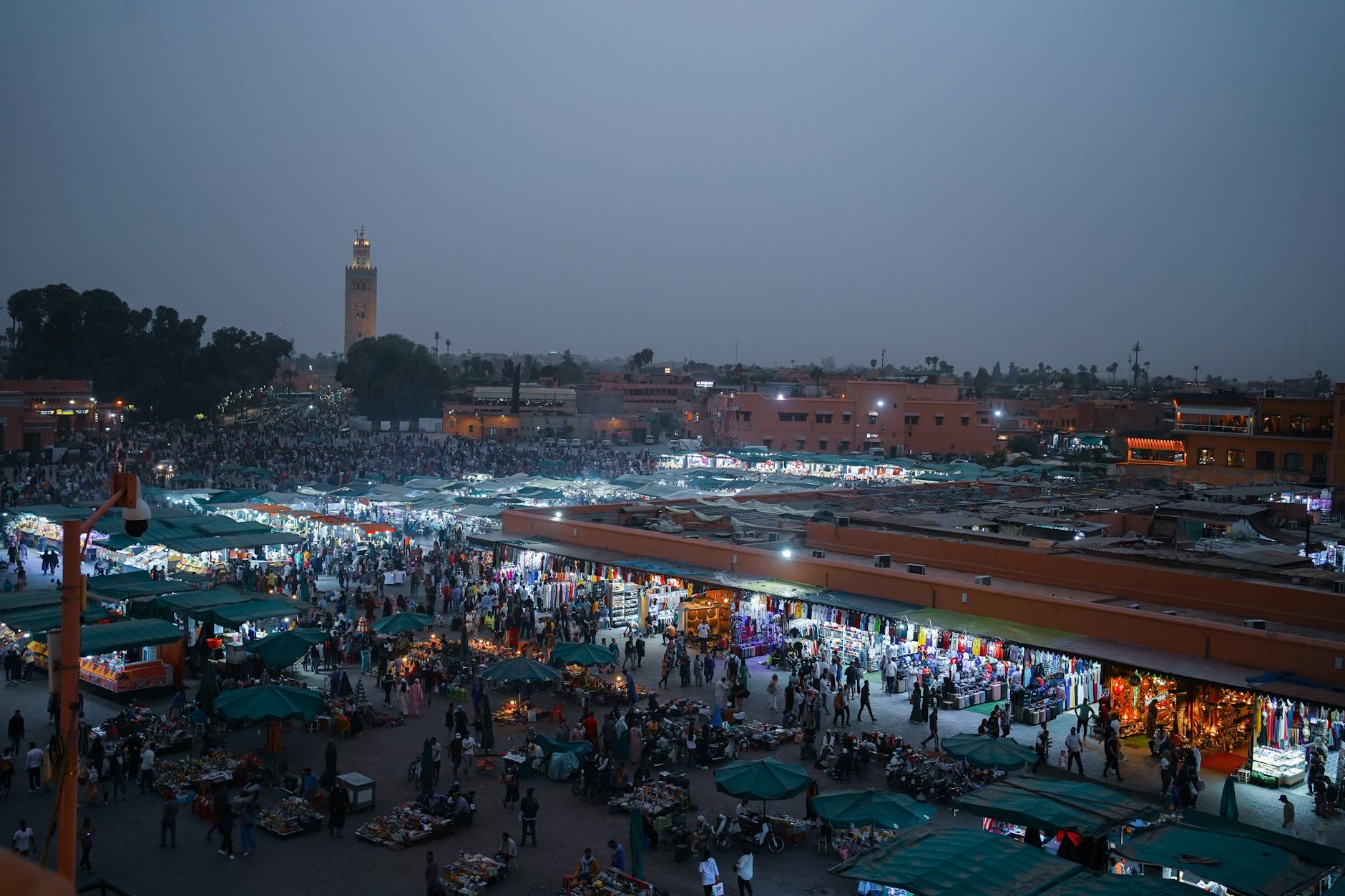
Marrakech often becomes easier and more flattering after the hardest heat has passed. A first visit should give evenings real weight: a rooftop view, a carefully chosen dinner, a walk near Koutoubia, a calm return to the riad, or a controlled visit to Jemaa el-Fnaa with a clear exit. The city is theatrical after dark, but that does not mean every night should become a maximal performance.
The evening plan should include the return route. A dinner is better when the traveler knows how they are getting back, whether the route is walkable, where a driver meets them, and whether the late-night medina will feel exciting or simply tiring. First-time visitors should not spend all their energy by late afternoon. A little restraint during the day can make the most memorable part of Marrakech available when the light changes.
- Reserve energy for rooftops, dinner, Koutoubia, and carefully managed evening atmosphere.
- Know the return route before committing to a late medina dinner or square visit.
- Use evenings for one strong experience rather than several scattered attempts at nightlife.
When to order a short-term travel report
A relaxed first-time visitor with a strong hotel, generous time, and low planning anxiety may not need a custom report. A report becomes useful when the stay is short, the hotel choice is uncertain, the traveler is torn between medina and accessible districts, the group includes children or older travelers, heat is a concern, arrival is late, mobility is limited, shopping matters, or the itinerary tries to combine medina, gardens, desert imagery, restaurants, hammam time, and day trips in too little time.
The report should test the arrival handoff, hotel base, first medina route, guide needs, shopping strategy, meal timing, garden and palace sequence, evening return plans, heat management, traveler temperament, and fallback options. The value is not more Marrakech information. It is a first visit shaped so the city feels vivid without becoming punishing. A good report helps the traveler meet Marrakech at the right intensity.
- Order when the first visit is short, hotel geography is uncertain, arrival is late, or group needs make improvisation risky.
- Provide hotel candidates, flight times, mobility needs, heat tolerance, shopping interest, and must-see priorities.
- Use the report to balance medina intensity, restorative spaces, and a clean first understanding of the city.