Marrakech can be memorable for families because it gives children color, texture, courtyards, animals, gardens, food, craft, and a sense of being somewhere unmistakably different. It can also be tiring fast. The medina is dense, pavements are uneven, scooters appear in narrow lanes, strollers can be awkward, heat changes everyone's mood, and the distance between a beautiful plan and a cranky group can be very short. A family trip here needs shape, not bravado. The best short family visit to Marrakech uses the city in doses. It chooses a base that protects sleep and easy returns, builds in pool or courtyard resets, enters the medina with a plan, keeps meals and hydration steady, and treats evenings as something to manage rather than a blank invitation to keep going. Marrakech should feel vivid to children without asking them to process every bit of intensity adults came to see. Families do best when the city is edited around energy.
Choose the base around sleep, access, and recovery
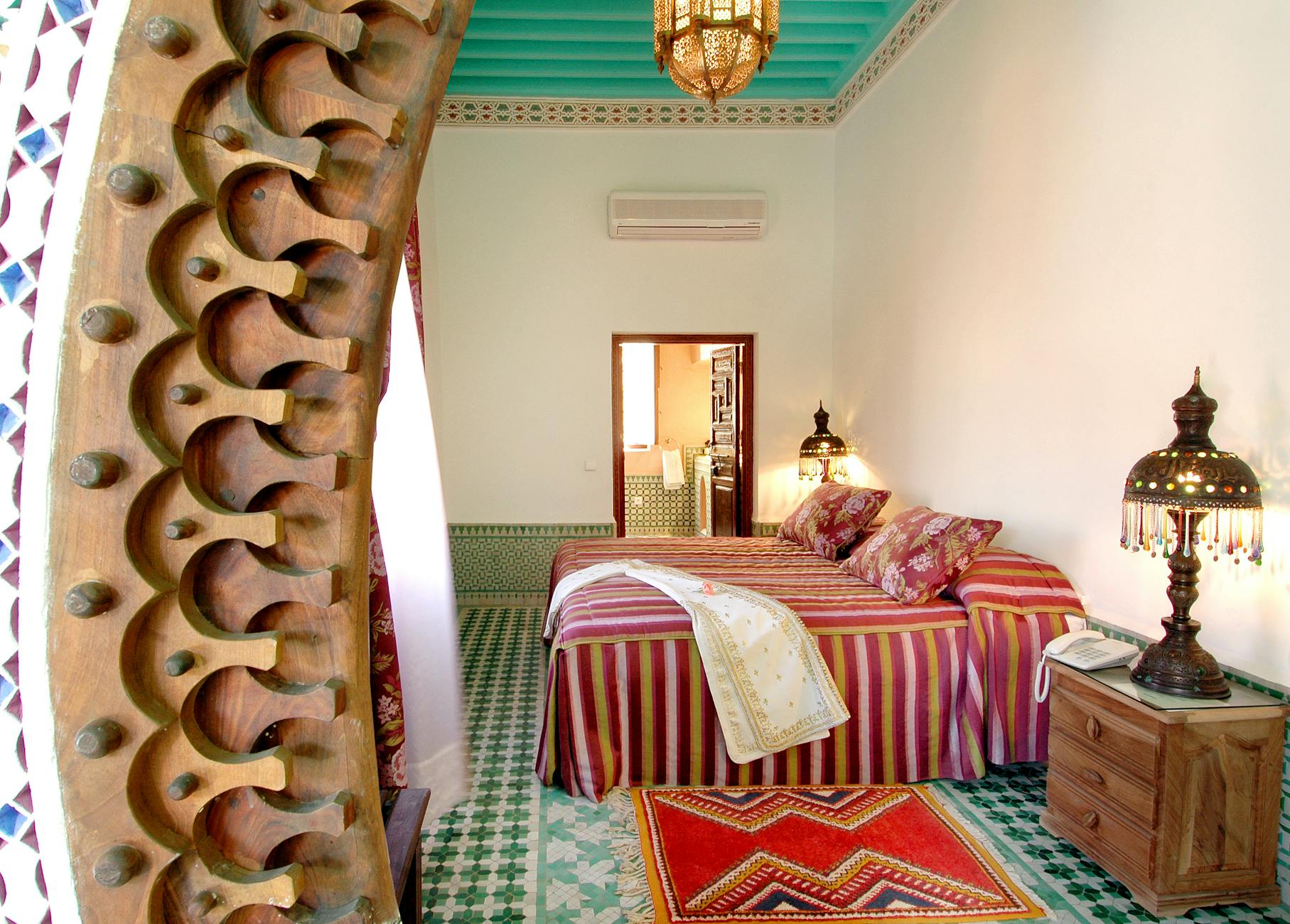
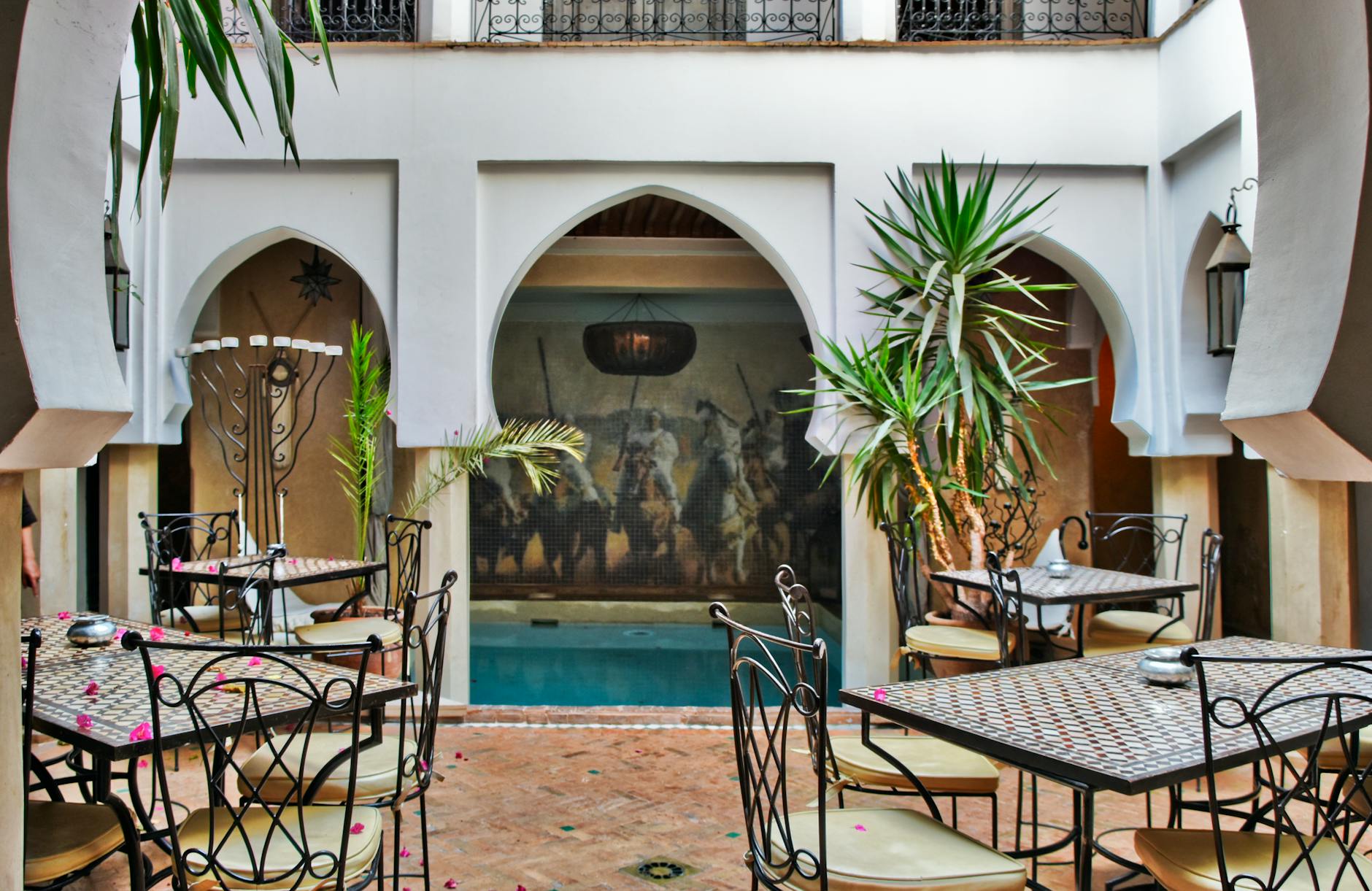
The family hotel decision in Marrakech should start with practical questions. Can a vehicle reach the entrance or is there a walk from a medina gate? Are there stairs, connecting rooms, enough beds, a pool, reliable air-conditioning, quiet at night, early food, and space for children to decompress? A riad can feel magical, but it may be awkward with strollers, luggage, toddlers, early bedtimes, or children who need a break from street attention. A larger hotel or resort base can reduce friction.
The right answer depends on age, temperament, and how much city contact the family wants every time it leaves or returns. Families with older children may enjoy a well-run medina stay with strong arrival support. Families with small children, naps, mobility needs, or a low tolerance for daily negotiation may do better in Hivernage, Gueliz, Palmeraie, or another accessible area. The hotel is not just where the family sleeps. It is the recovery system.
- Confirm vehicle access, beds, stairs, pool, air-conditioning, quiet, breakfast timing, and luggage help before booking.
- Use a medina riad only when the family can handle the walking route and daily street contact.
- Prioritize easy returns and recovery space over a more photogenic but high-friction base.
Make arrival and movement child-proof
Arrival is where families should spend for simplicity. Marrakech Menara Airport is not far from the city, but tired children, bags, strollers, car seats, heat, and a medina drop-off can make the first hour feel much harder than the map suggests. A prearranged driver, clear meeting point, luggage help, and hotel escort if needed are worth arranging before the trip begins. Family travel does not benefit from solving every transfer in real time.
Daily movement should be equally deliberate. Some routes are fine on foot; others should be done by taxi, driver, or hotel-arranged car. Families should know when a stroller will help and when it will become a burden on uneven lanes. If a car seat is important, confirm the plan rather than assuming one appears. Keep snacks, water, wipes, hats, and a small cash reserve easy to reach. In Marrakech, small logistics decide the mood.
- Arrange airport pickup when traveling with children, strollers, car-seat needs, late arrivals, or medina lodging.
- Decide which movements are walkable and which need a driver before the day starts.
- Keep water, snacks, wipes, hats, phone battery, hotel address, and small cash accessible.
Use the medina in short, managed pieces
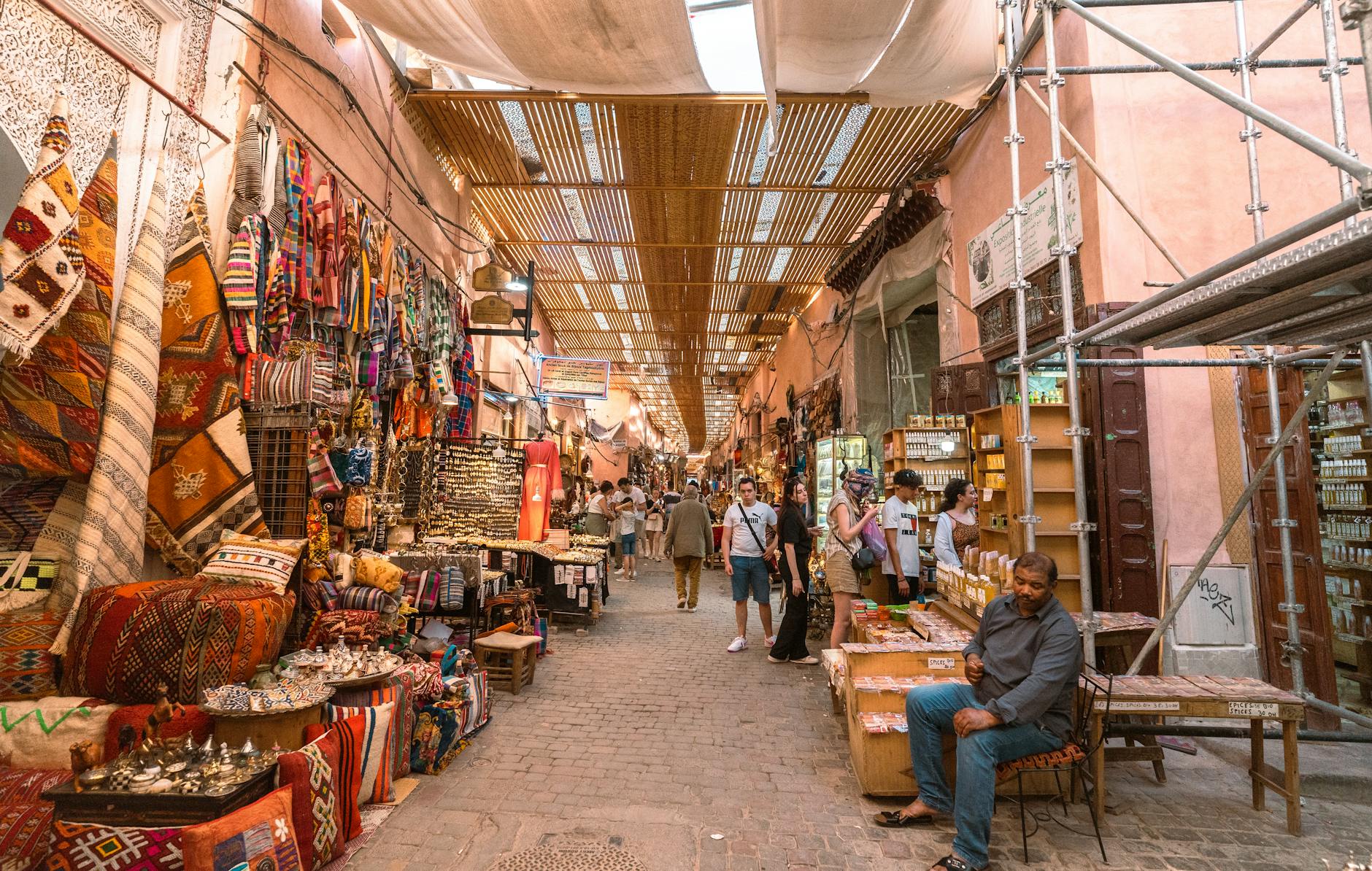
The medina can be fascinating for children, but it should not be treated as an unlimited family playground. The colors, lanterns, spices, animals, scooters, narrow lanes, bargaining, crowds, and calls from vendors can be exciting for one child and overwhelming for another. A family medina route should have a clear entry, a few focused stops, a known exit, and a planned pause. Open-ended wandering is usually where the group starts to fray.
A guide can help if the family wants craft context, reduced wayfinding pressure, or a child-friendly explanation of what they are seeing. Shopping should be selective. Give children a small decision, not the job of enduring a long negotiation. If anyone is hungry, overheated, or overstimulated, leave before the experience turns sour. The best family medina memory is often shorter than the adult itinerary imagined.
- Plan a short medina route with a clear entry, focused stops, seated pause, and known exit.
- Use a guide when wayfinding, craft context, or vendor pressure would otherwise dominate the visit.
- Keep shopping selective and leave before hunger, heat, or overstimulation takes over.
Build days around heat, meals, and resets
Families should treat heat and meal timing as structural facts, not inconveniences. Marrakech can make everyone more impatient when the route asks too much of the hottest hours. A better family day starts early, uses the morning for the most demanding outing, protects lunch and shade, and then builds in a pool, nap, room, or courtyard reset before attempting the evening. This rhythm is not conservative. It is what lets the family enjoy more of the city over several days.
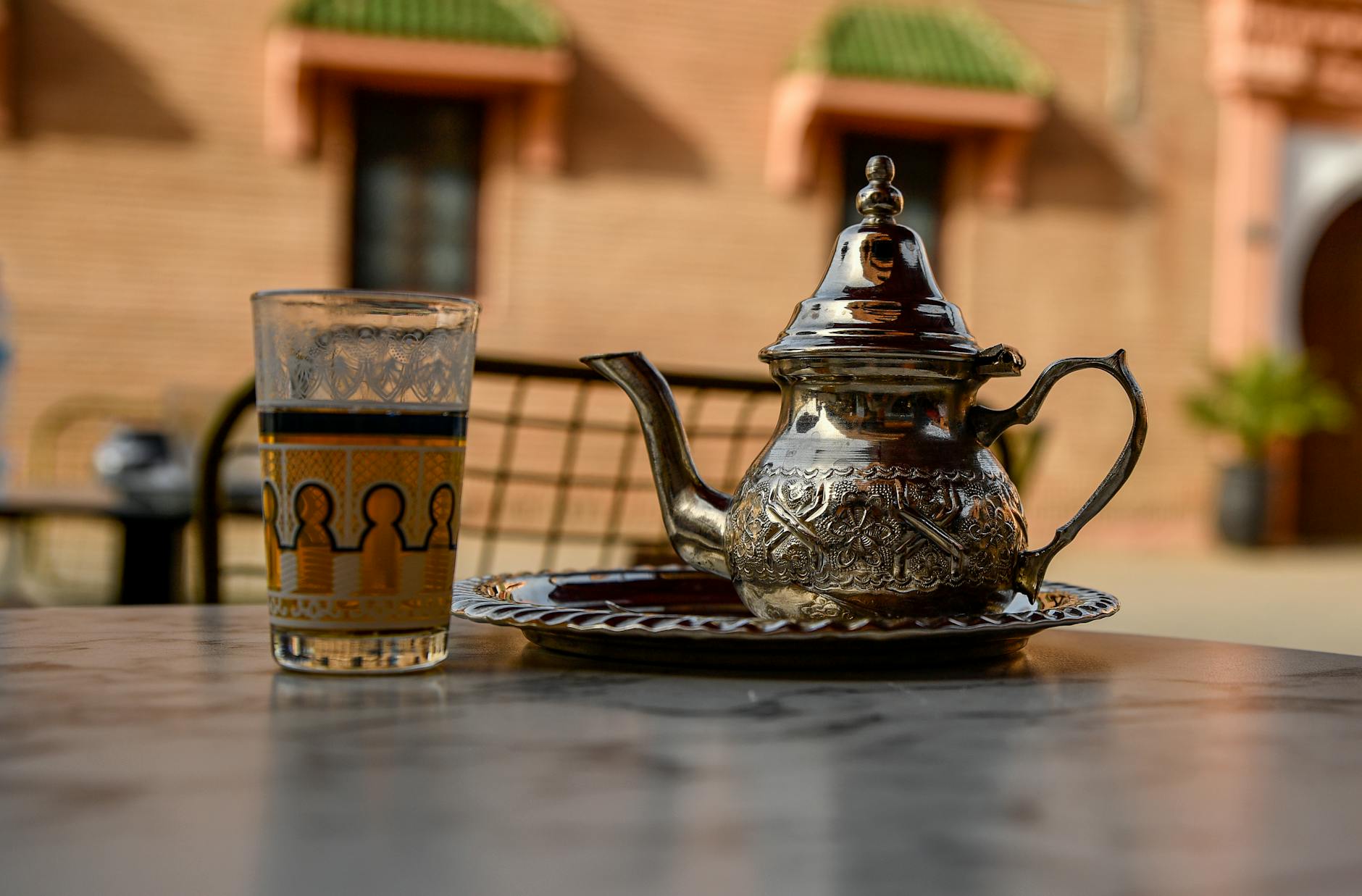
Food planning matters too. Children may enjoy tagines, bread, fruit, couscous, pastries, and mint tea rituals, but they may also need familiar options, predictable timing, and a restaurant where waiting does not become the whole event. Families should know which meals are atmospheric and which are simply functional. A quiet hotel lunch can save a rooftop dinner. A snack in the bag can save a palace visit. Marrakech family days work when adults plan for bodies, not just sights.
- Use mornings for demanding outings and protect afternoons for shade, pool, nap, or room recovery.
- Separate atmospheric meals from functional meals so every restaurant is not high-stakes.
- Carry snacks and water so hunger does not decide the route.
Choose sights that give children room to process
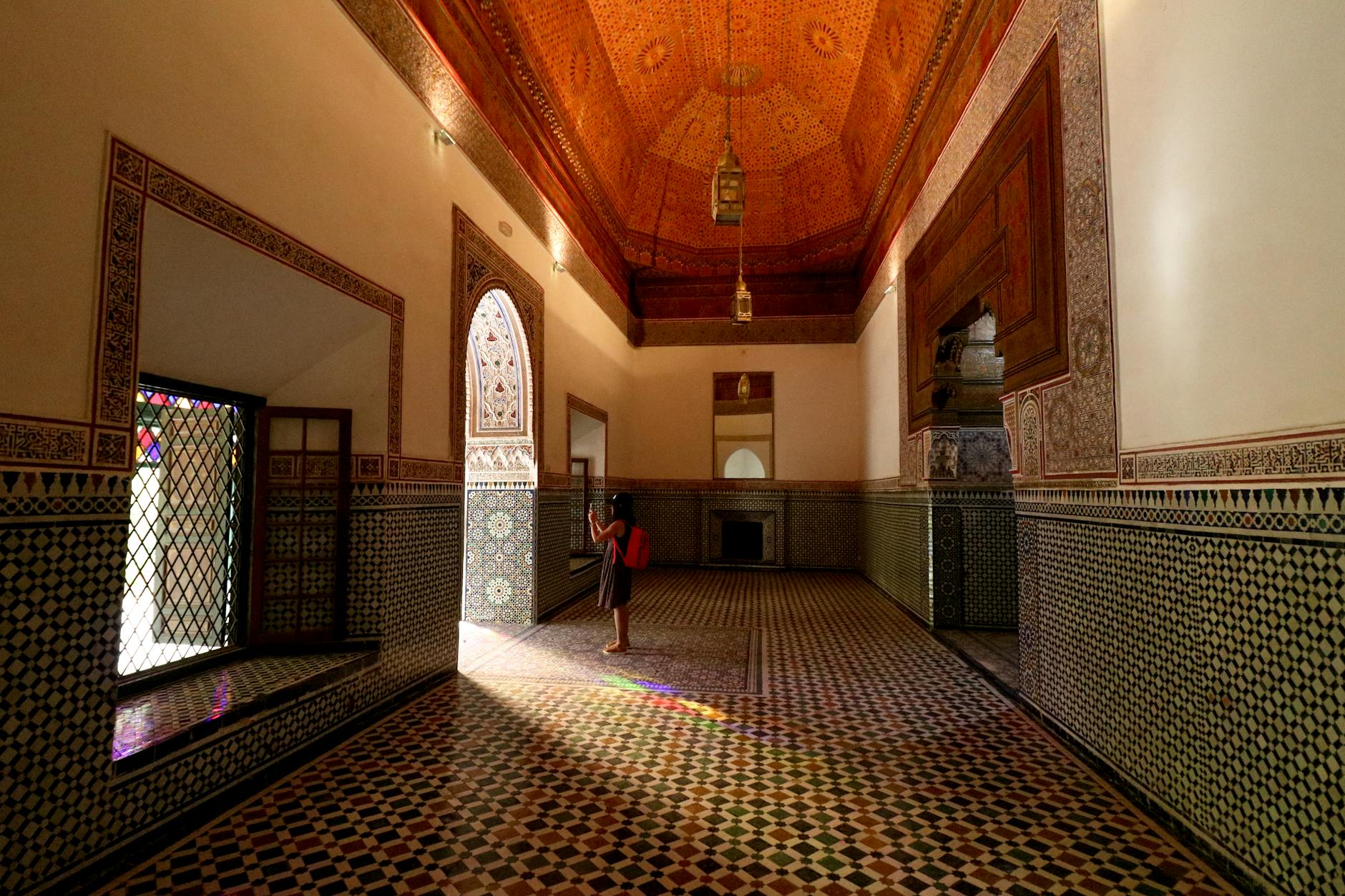
Palaces, gardens, courtyards, madrasa architecture, rooftops, and craft demonstrations can work well for families when they are chosen for pacing rather than prestige. Bahia Palace, El Badi Palace, Ben Youssef Madrasa, garden stops, and calm courtyards can give children visual interest without the same pressure as a dense souk route. The adult temptation is to add too many names. The family-friendly move is to choose fewer settings where children can actually look, ask, sit, and recover.
Families should also be honest about attention spans. A child may remember a fountain, cat, tile pattern, orange juice, pool hour, or camel more vividly than a formal historical explanation. That is not a failed cultural visit. It is how children meet a city. A good Marrakech plan alternates adult depth with child-level discovery, letting both versions count.
- Choose palaces, gardens, courtyards, rooftops, and craft stops by pacing and shade as well as importance.
- Let children engage through details, animals, colors, food, fountains, and short explanations.
- Avoid stacking several formal sights when one strong visit and a reset will work better.
Be careful with evenings and excursions
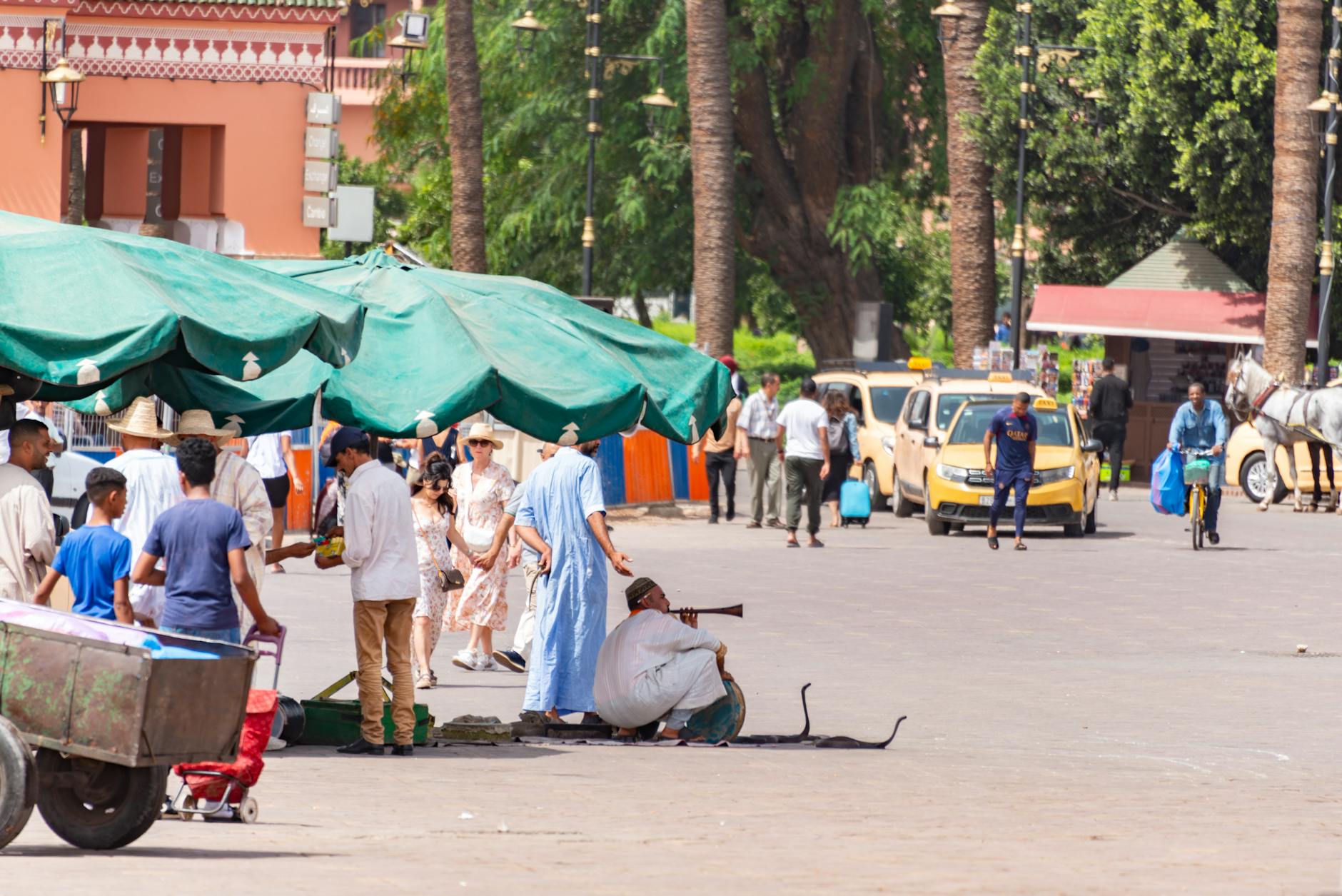
Marrakech evenings are memorable, but families need a clear ending. Jemaa el-Fnaa, rooftop dinners, music, lanterns, and food stalls can delight older children and overwhelm younger ones. Families should decide whether the goal is a short square visit, a rooftop view, a hotel dinner, or a guided evening walk. The return route should be known before anyone is tired. Late improvisation rarely improves a family night.
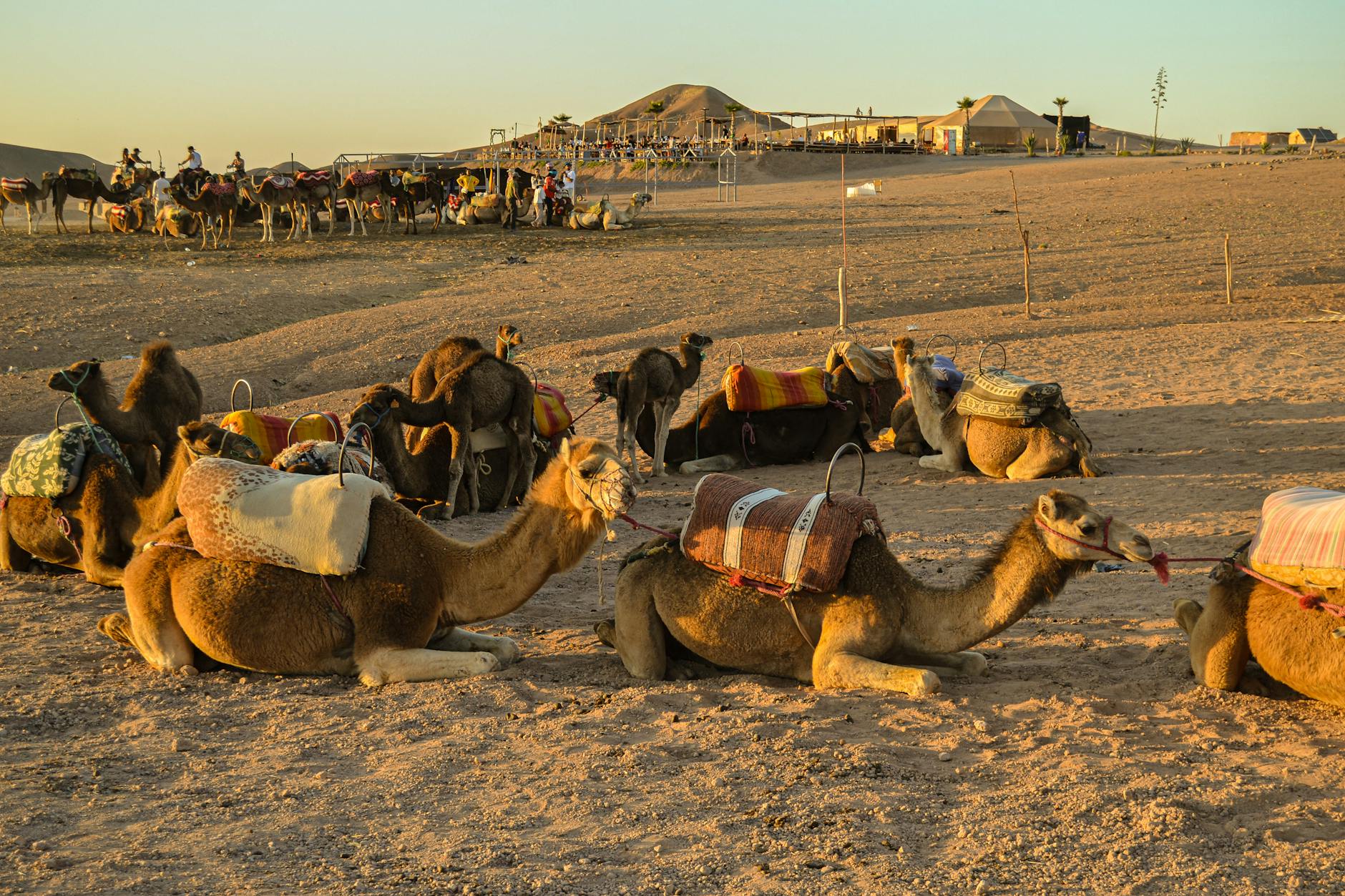
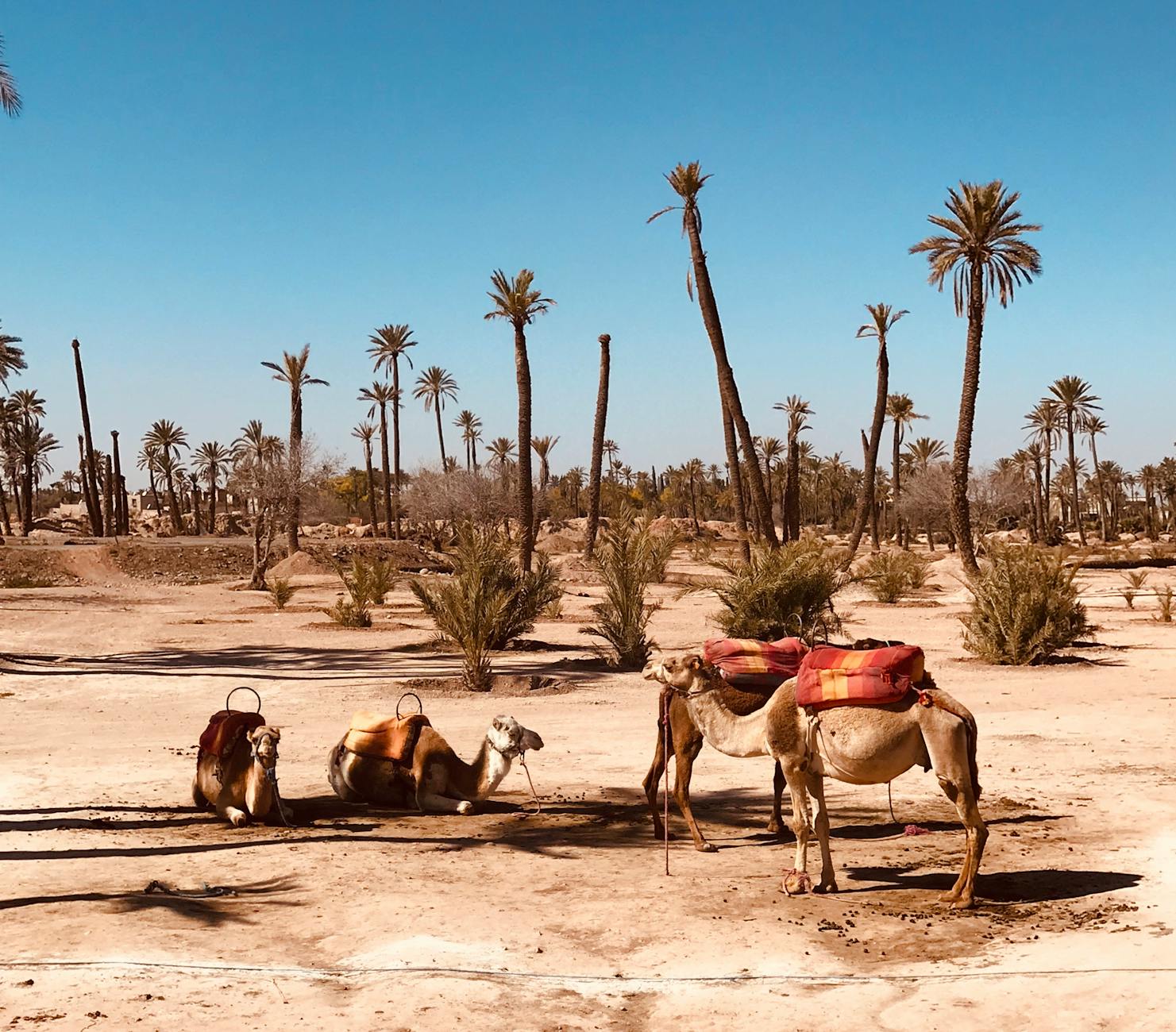
Excursions need the same realism. Camel rides, Agafay-style desert outings, Atlas foothills, cooking classes, and craft visits can be excellent, but drive times, bathrooms, shade, motion sickness, nap disruption, and safety standards matter. The fact that an activity photographs well does not make it family-friendly for every age. A shorter, better-run excursion often beats a full day that leaves everyone worn out.
- Choose one evening focus and confirm the return route before leaving the hotel.
- Evaluate excursions by drive time, bathrooms, shade, safety standards, meals, and child stamina.
- Prefer shorter, well-run outings when the family has limited time or mixed ages.
When to order a short-term travel report
A family with older children, a strong hotel, and a relaxed schedule may not need a custom report. A report becomes useful when the family is choosing between medina and accessible lodging, traveling with toddlers or strollers, arriving late, managing allergies or medical needs, trying to combine souks, gardens, pools, restaurants, camel rides, cooking classes, and day trips, or wondering how much Marrakech is too much for the children in the group.
The report should test hotel access, room setup, arrival transfer, stroller practicality, medina route, guide needs, meal timing, pool and nap windows, evening plans, bathroom and shade access, excursion realism, medical or dietary constraints, and fallback options. The value is a Marrakech trip that remains exciting for adults and workable for children. It should help the family spend energy on the right memories instead of preventable friction.
- Order when lodging, strollers, allergies, medical needs, excursions, or mixed-age pacing need precision.
- Provide children's ages, hotel candidates, flight times, stroller needs, food constraints, must-sees, and comfort limits.
- Use the report to balance vivid Marrakech experiences with sleep, meals, shade, and realistic family stamina.