A conference trip to Marrakech is not just a business trip with a badge. The traveler may be balancing registration, panels, presentations, sponsor events, hotel transfers, client dinners, jet lag, heat, local transport, and the temptation to add medina time around the program. Marrakech can make that trip memorable, but it also punishes vague planning. A hotel that looks atmospheric may be awkward for daily conference movement. A short distance on a map may involve heat, traffic, or a difficult final walk. The strongest Marrakech conference plan begins with the venue and agenda, not with sightseeing. It chooses a base that protects the program rhythm, arrives with enough buffer for registration and recovery, keeps materials and clothes controlled, and treats networking as a stamina decision. The city can still be part of the trip, but it should not consume the energy the traveler came to spend on the conference.
Start with the venue and the real agenda
The first conference question in Marrakech is not where the traveler wants to stay. It is where the program actually happens and how much of each day it controls. A hotel-based conference, a university meeting, a convention-center program, a resort retreat, and a multi-venue professional gathering create different travel problems. Registration, keynote timing, breakout rooms, receptions, sponsor dinners, and side meetings should be mapped before the hotel decision feels final.
Marrakech is not so large that everything is impossible, but it is specific enough that weak geography creates daily friction. Heat, traffic, gates, medina access, security checks, and informal evening plans can all affect whether the attendee arrives composed or already depleted. The traveler should know the venue entrance, registration location, main session rooms, closest reliable pickup point, and whether the official agenda is clustered or scattered.
- Map the actual venue entrance, registration point, session rooms, and pickup location before booking.
- Treat hotel-based, resort, university, convention, and multi-venue programs as different trip types.
- Do not choose lodging until the official agenda and evening geography are clear.
Choose a hotel that works between sessions
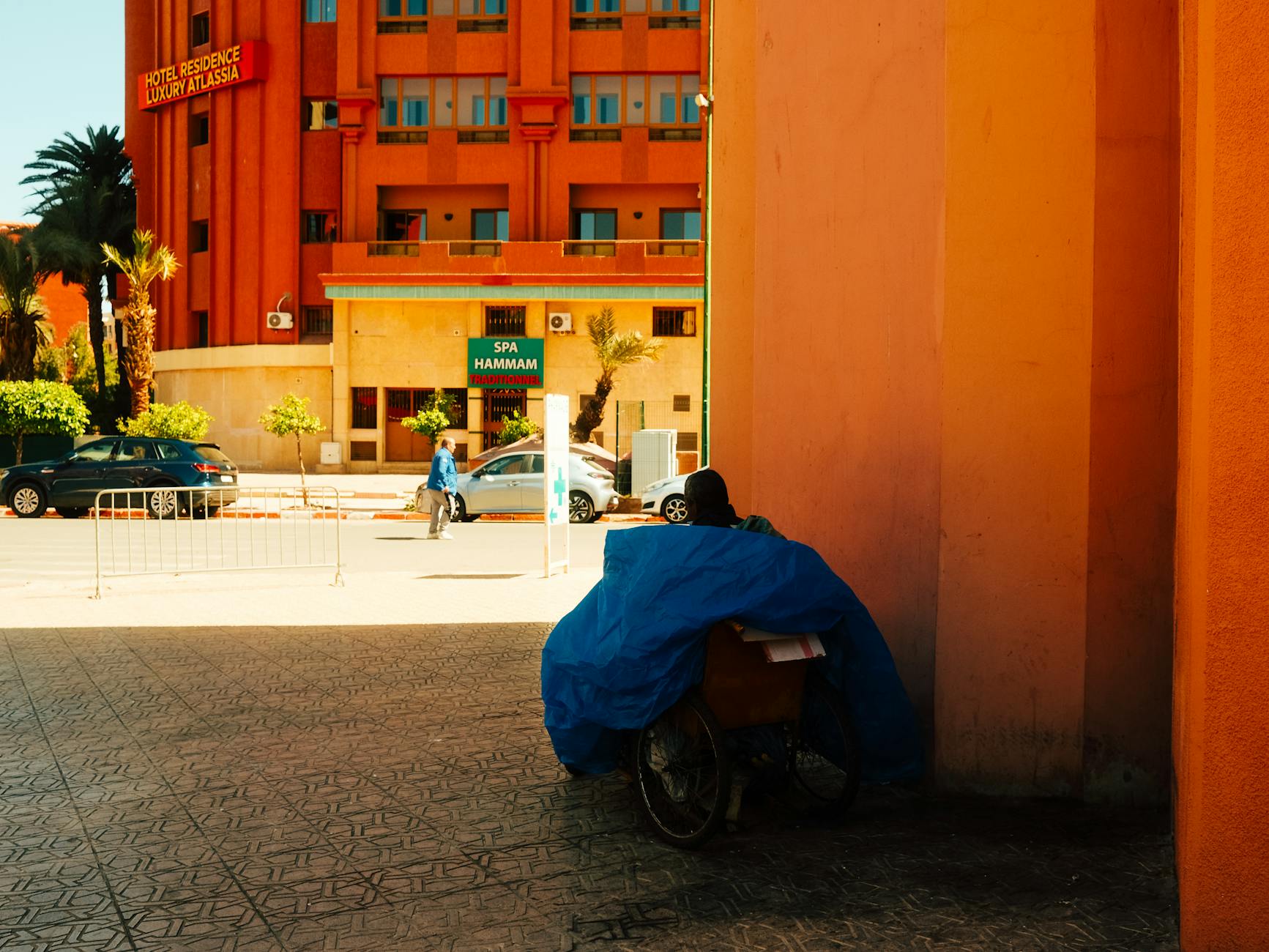
A conference hotel is a sleep base, workroom, wardrobe station, bag drop, recovery point, and transport decision. In Marrakech, the hotel also decides how exposed the traveler is to heat and route friction between obligations. A medina riad may be beautiful, but it can be a poor conference base if every return requires lane navigation or a walk from a vehicle gate. A less romantic hotel with clean vehicle access, strong air conditioning, breakfast reliability, a desk, and predictable pickup may be the better professional choice.
The right base depends on the venue and the traveler's evening plans. Hivernage, Gueliz, Palmeraie, venue-adjacent hotels, or selected edge-of-medina properties can all work when they match the program. The attendee should test the hotel against early sessions, laptop calls, wardrobe changes, prayer or rest breaks, client dinners, and the need to return quickly without losing the day.
- Choose lodging by venue access, pickup reliability, air conditioning, work setup, breakfast timing, and recovery value.
- Avoid deep-medina charm when daily conference movement would become harder.
- Value easy returns for calls, wardrobe changes, materials, and rest between program blocks.
Protect arrival and registration day
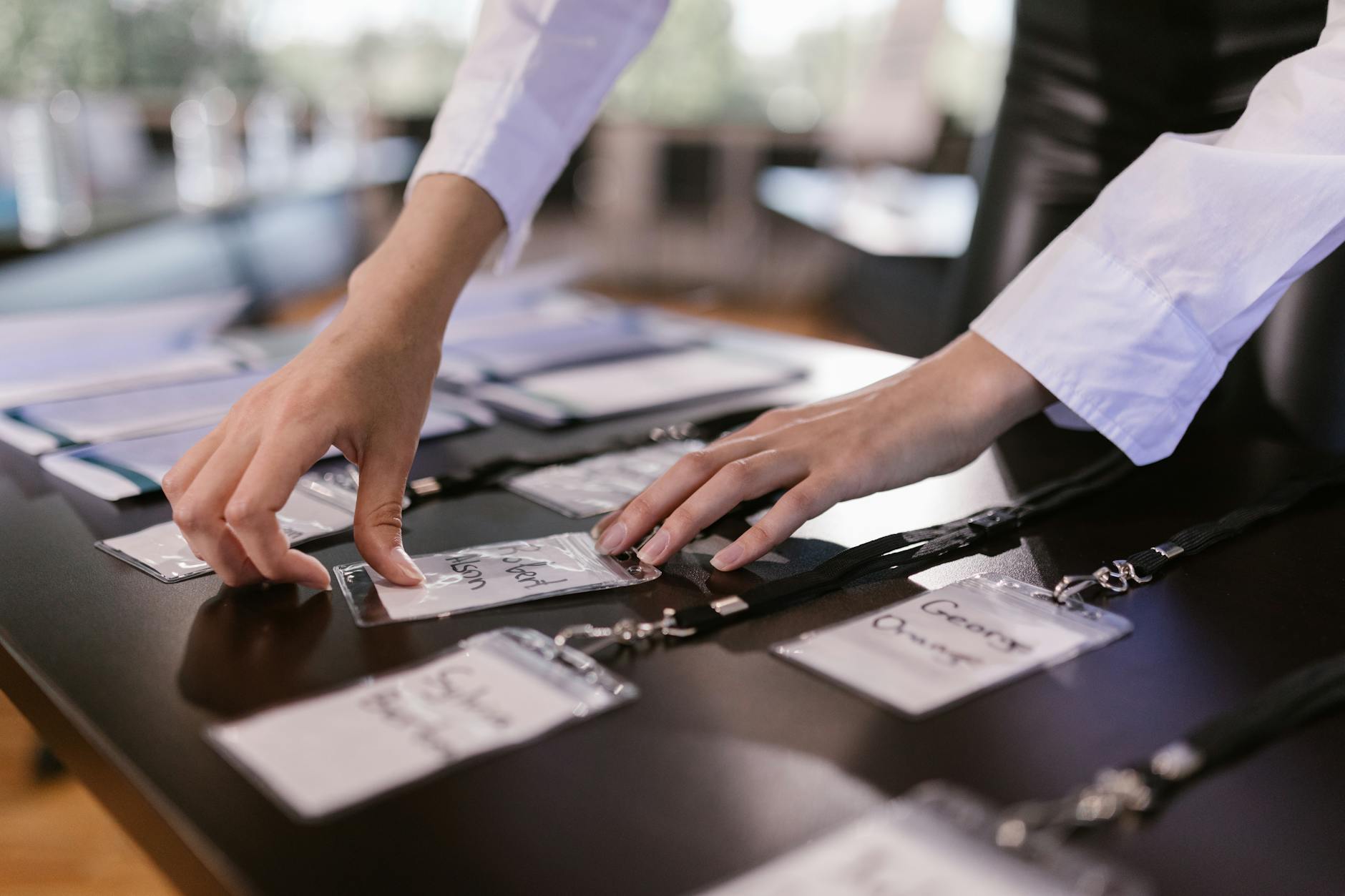
The first conference day starts at the airport. Marrakech Menara Airport is close to the city, but a tight arrival can still damage the program if the traveler is delayed, overheated, waiting for luggage, unsure about the driver, or trying to reach a venue before registration closes. A prearranged transfer, clear meeting point, hotel check-in plan, and schedule buffer matter more when the traveler has a panel, booth, workshop, or opening dinner soon after arrival.
Conference attendees should arrive early enough to absorb one problem without losing the first obligation. If the conference starts in the morning, arriving the previous day is usually wiser than turning the opening session into a test of flight timing. If materials or presentation clothes are essential, they should not depend entirely on checked luggage. The arrival plan should protect the first professional impression.
- Prearrange airport transfer and build a buffer before registration, panels, workshops, or opening dinners.
- Keep essential presentation materials, medication, chargers, and one professional outfit in hand luggage when practical.
- Arrive the previous day when the first morning contains high-value obligations.
Control badge, laptop, clothes, and materials
A conference day can become difficult because of small objects. Badge, passport, phone, laptop, charger, adapter, power bank, business cards, medication, water, printed notes, sample materials, and event programs all compete for attention. Marrakech adds heat, dust, taxis, security thresholds, and uneven walking surfaces to the usual conference burden. The attendee should decide what belongs at the venue and what belongs at the hotel.
If the traveler is presenting, the deck should exist in more than one place. If clothing matters, steam, wrinkles, shoe comfort, and heat should be considered before packing only a formal version of the plan. If the event provides storage, confirm it. If not, avoid carrying the whole trip through the conference hall. Professional travel works better when the traveler is mobile enough to talk to people without managing a pile of fragile logistics.
- Keep badge, ID, phone, charger, power bank, medication, and payment method consistently placed.
- Back up presentations and critical documents beyond one laptop or cloud connection.
- Confirm venue storage before carrying samples, extra clothes, or bulky conference materials.
Plan networking around stamina and distance
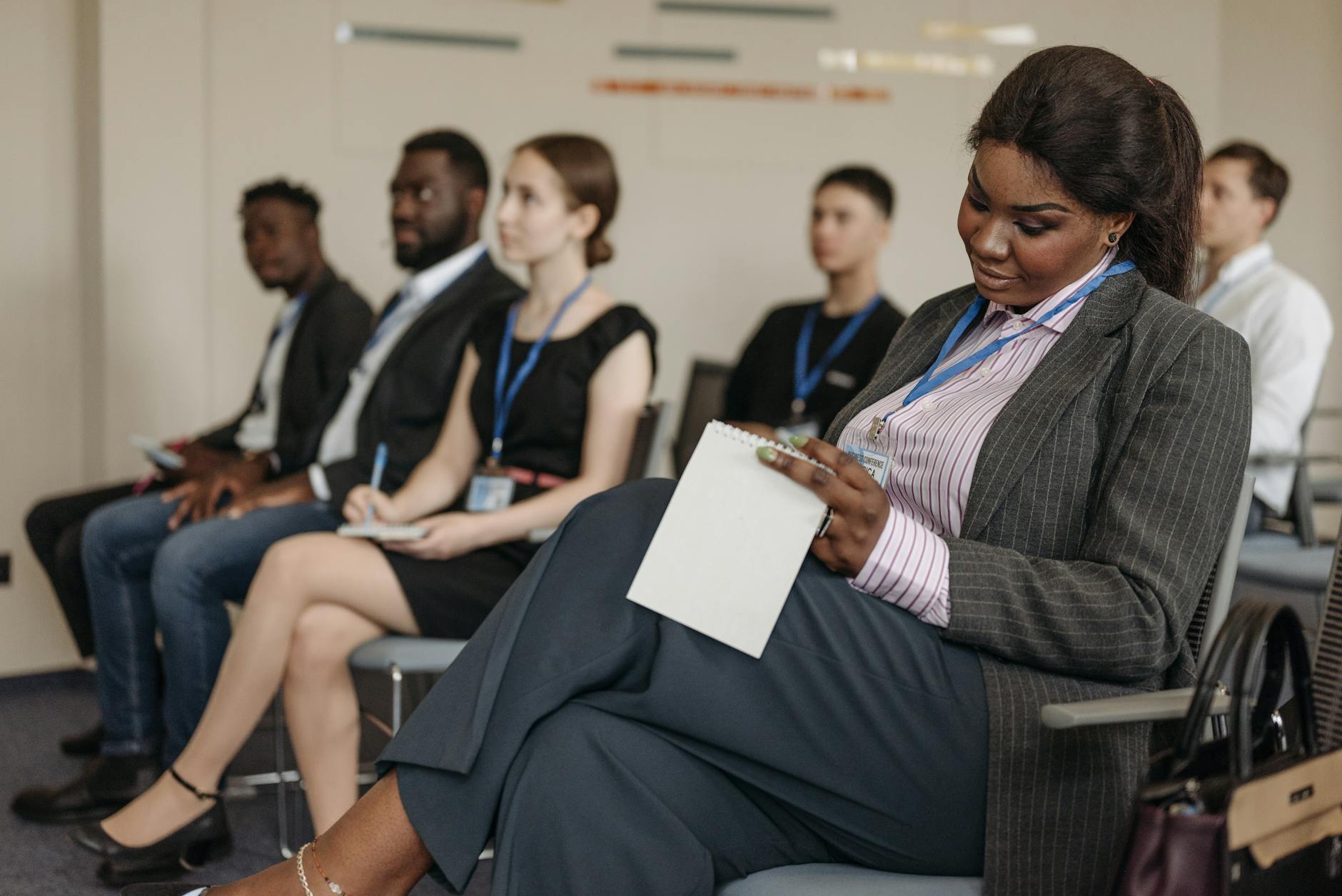
The value of a Marrakech conference may come from the formal program, but it often comes from conversations between sessions, breakfasts, coffee breaks, rooftop dinners, sponsor receptions, and private meetings. The problem is that every added conversation has a cost. Heat, late meals, long transfers, medina detours, and unfamiliar restaurant locations can make the next morning worse than expected. The attendee should choose which relationships justify real energy.
A good networking plan clusters meetings where possible and avoids treating every invitation as mandatory. Some dinners should be near the hotel or venue. Some should be skipped. Some can be coffee, not a full evening. If the traveler is hosting clients or senior colleagues, restaurant access, return transport, dietary needs, alcohol expectations, and noise level should be handled before the group is tired and negotiating from the curb.
- Identify the highest-value meetings and protect energy for those instead of accepting every invitation.
- Cluster side meetings near the venue, hotel, or one clear evening district.
- Plan client dinners by access, noise, return transport, dietary needs, and next-morning obligations.
Add Marrakech carefully around the program
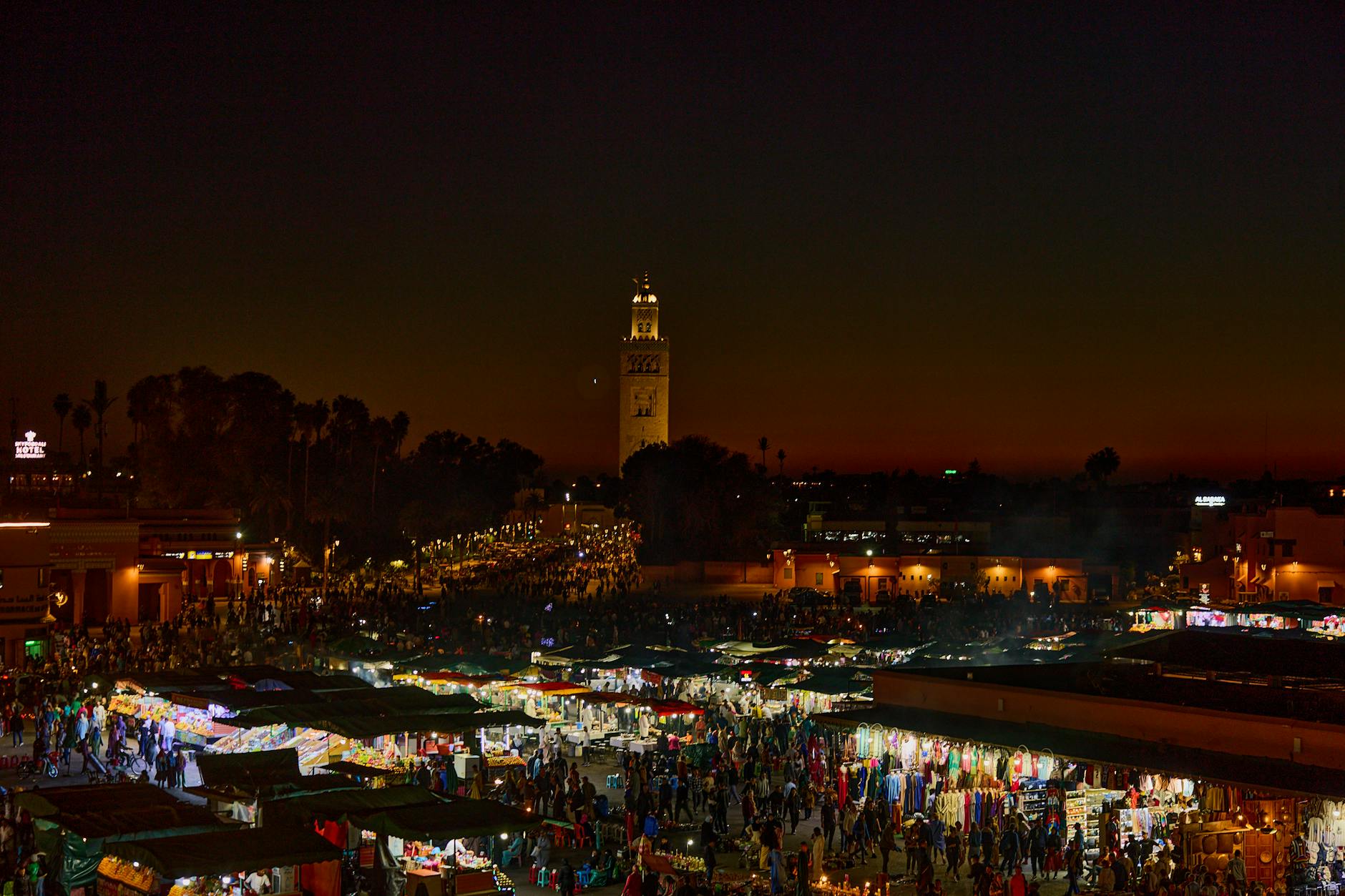
Conference attendees often want Marrakech to feel like more than a hotel and meeting room. That is reasonable, but the city should be added in ways that do not sabotage the program. A short guided medina route, one palace or garden, one rooftop dinner, a hammam, or a focused market stop can work well. Trying to add a full sightseeing day, late-night square time, shopping, and a desert excursion around a dense conference usually creates fatigue rather than depth.
The best leisure additions have clean starts and clean endings. The attendee should know where the car drops off, how long the walk is, whether the route works in formal shoes, where the group can sit, and how everyone returns. If the traveler has only one free window, it should be chosen by quality and recovery, not by the fear of missing Marrakech. One vivid, well-contained experience is better than a scattered evening that drains the trip.
- Choose one or two high-quality Marrakech experiences instead of filling every gap.
- Use guided medina time, a palace, a garden, rooftop dinner, or hammam only when the timing is clean.
- Protect the next conference morning from late, scattered, or transport-heavy leisure plans.
When to order a short-term travel report
A local or repeat attendee going to a simple hotel-based event may not need a custom report. A report becomes useful when the conference is multi-day, venue geography is unclear, the traveler is presenting, staffing a booth, carrying materials, meeting clients, arriving close to registration, choosing between medina and modern lodging, managing dietary or medical constraints, or trying to add meaningful Marrakech time without exhausting the program.
The report should test venue access, hotel candidates, airport transfer, registration timing, transport fallbacks, materials handling, work setup, food geography, side meetings, evening returns, local experience windows, and departure timing. The value is an operating plan that lets the attendee use both the conference and Marrakech intelligently. The trip should feel specific, not overfilled.
- Order when venue access, hotel choice, presentations, materials, client meetings, or leisure add-ons need precision.
- Provide the agenda, venue, flight times, hotel candidates, work duties, materials, evening events, and constraints.
- Use the report to protect the professional purpose of the trip while still making room for Marrakech.