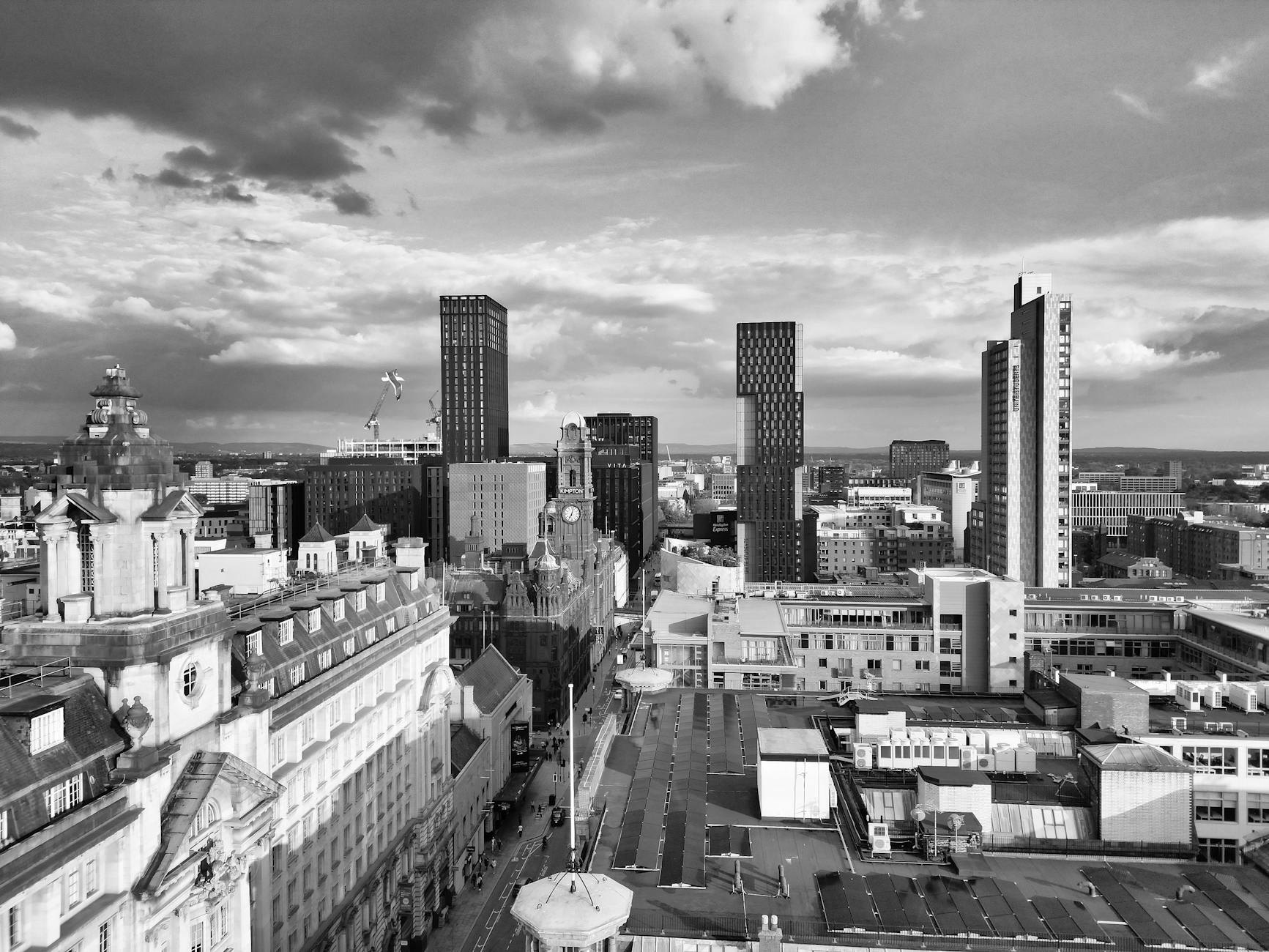
Manchester can work well for a traveler with mobility limitations, but it should be planned as a connected access system rather than a generally compact city. The center has useful trams, taxis, public squares, libraries, museums, galleries, restaurants, hotels, canal areas, and newer waterfront districts. It also has older buildings, changing pavements, wet weather, construction, event crowds, station walks, busy tram stops, narrow restaurant entrances, and long approaches that can make a short day harder than it looked online. The planning question is not whether Manchester is possible. It is which version of Manchester fits the traveler's actual mobility: wheelchair, scooter, rollator, cane, limited standing tolerance, balance concerns, pain, fatigue, post-surgical recovery, or companion-assisted movement. A good short stay starts with the hotel door and first transfer, then builds each day around step-free routes, surface quality, seating, bathrooms, taxi options, weather backups, and permission to stop before the day becomes a recovery problem.
Start with the hotel door and final block
The hotel is the access decision that repeats every morning and evening. A property labeled accessible still needs specific confirmation: step-free entrance from the street, door widths, lift reach, room distance from the lift, shower or bath setup, grab bars if needed, bed height, lobby seating, breakfast access, luggage help, and whether a taxi can stop close enough to the entrance. The final block matters as much as the room. A steep curb, crowded pavement, loading bay, uneven surface, or noisy late-night street can shape the whole stay.
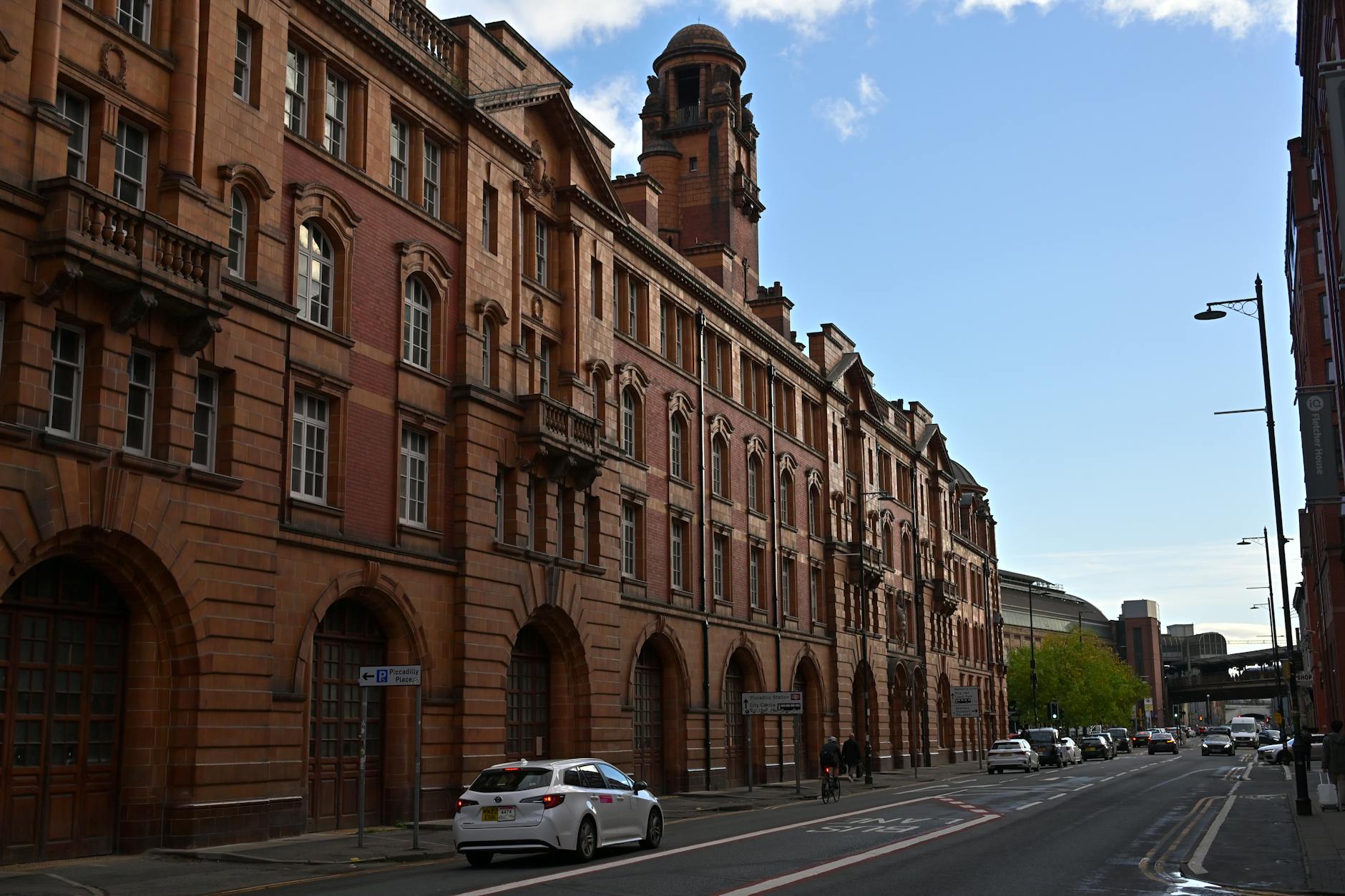
Neighborhood names are only a starting point. Piccadilly, Oxford Road, Deansgate, St Peter's Square, the Northern Quarter, Castlefield, Salford Quays, and quieter outer areas can all work for different travelers, but each hotel must be checked against the actual itinerary. A central address is not automatically easier if the entrance, lift, or evening return is awkward. A plainer hotel with a reliable lift, vehicle access, nearby food, and a predictable first route may be the better Manchester choice.
- Confirm entrance, lift, bathroom, room distance, bed height, lobby seating, breakfast path, and taxi access.
- Judge the final block outside the hotel, not just the room description.
- Choose the base that makes the first and last movement of each day predictable.
Treat arrival as the first mobility test
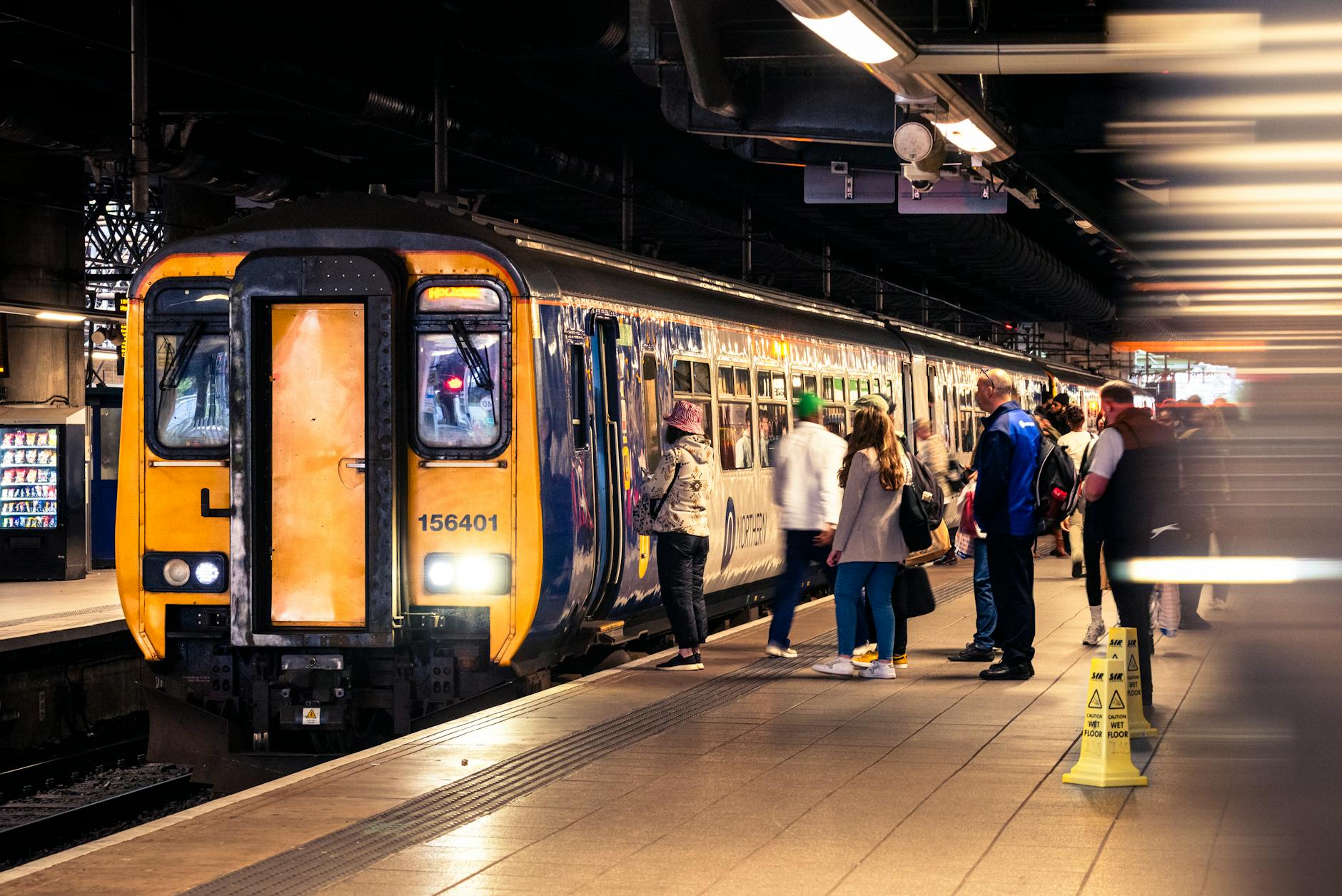
Manchester Airport, Piccadilly, Victoria, Oxford Road, and coach arrivals can all be workable, but arrival should not be improvised. Assistance requests, luggage handling, platform distance, lifts, escalators, taxi pickup, weather, medication timing, and post-flight or post-rail fatigue can decide whether the first day starts calmly or becomes a problem before check-in. The traveler should choose the arrival transfer by the weakest likely hour, not by the most optimistic route online.
A public transport arrival may be sensible for one traveler and wrong for another. A taxi or prearranged car may be worth it for luggage, equipment, pain, balance concerns, or a late arrival, even if trams and buses are used later. The first evening should stay narrow: check in, recover, eat nearby or from a confirmed accessible restaurant, and test the next day's first route before trying to prove that the entire city is manageable.
- Request airport or rail assistance where appropriate and confirm how it works before arrival.
- Choose the first transfer by fatigue, luggage, equipment, weather, platform distance, and standing tolerance.
- Keep the first evening close to the hotel so arrival friction does not consume the next day.
Use trams, buses, and taxis by route
Metrolink can be useful for Salford Quays, MediaCity, Old Trafford area movement, Deansgate-Castlefield, and some cross-city journeys, but each route still needs checking. The question is not simply whether a tram stop exists. It is how far the stop is from the hotel, whether the platform and street approach fit the traveler's needs, how crowded the service may be, what the final walk looks like, and what happens if rain, disruption, or event traffic changes the plan.
Buses can reduce walking when the route is direct, but waits, boarding, crowding, and traffic matter. Taxis and private hire can protect a day when public transport creates too many transfers or the traveler has limited standing tolerance. The strongest Manchester plan uses all three selectively: trams where they genuinely simplify, buses where they remove unnecessary walking, and taxis when the route would otherwise drain the day.
- Check platform access, stop approaches, crowding, and final walks for every essential tram route.
- Use buses for direct low-walk journeys, but account for waits, boarding, and traffic.
- Plan taxi points before fatigue or rain makes the decision urgent.
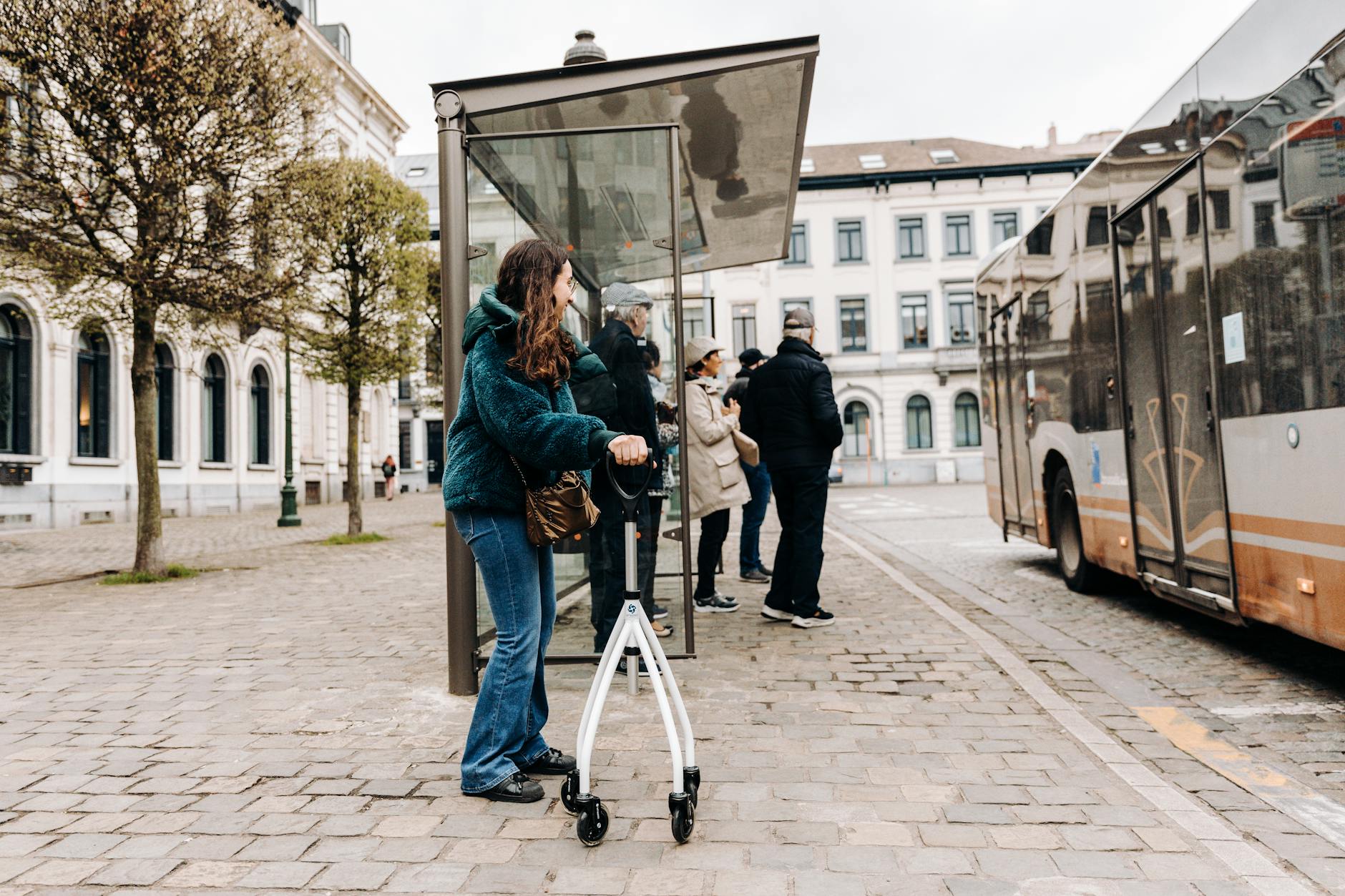
Choose sights by entrance, toilets, and internal distance
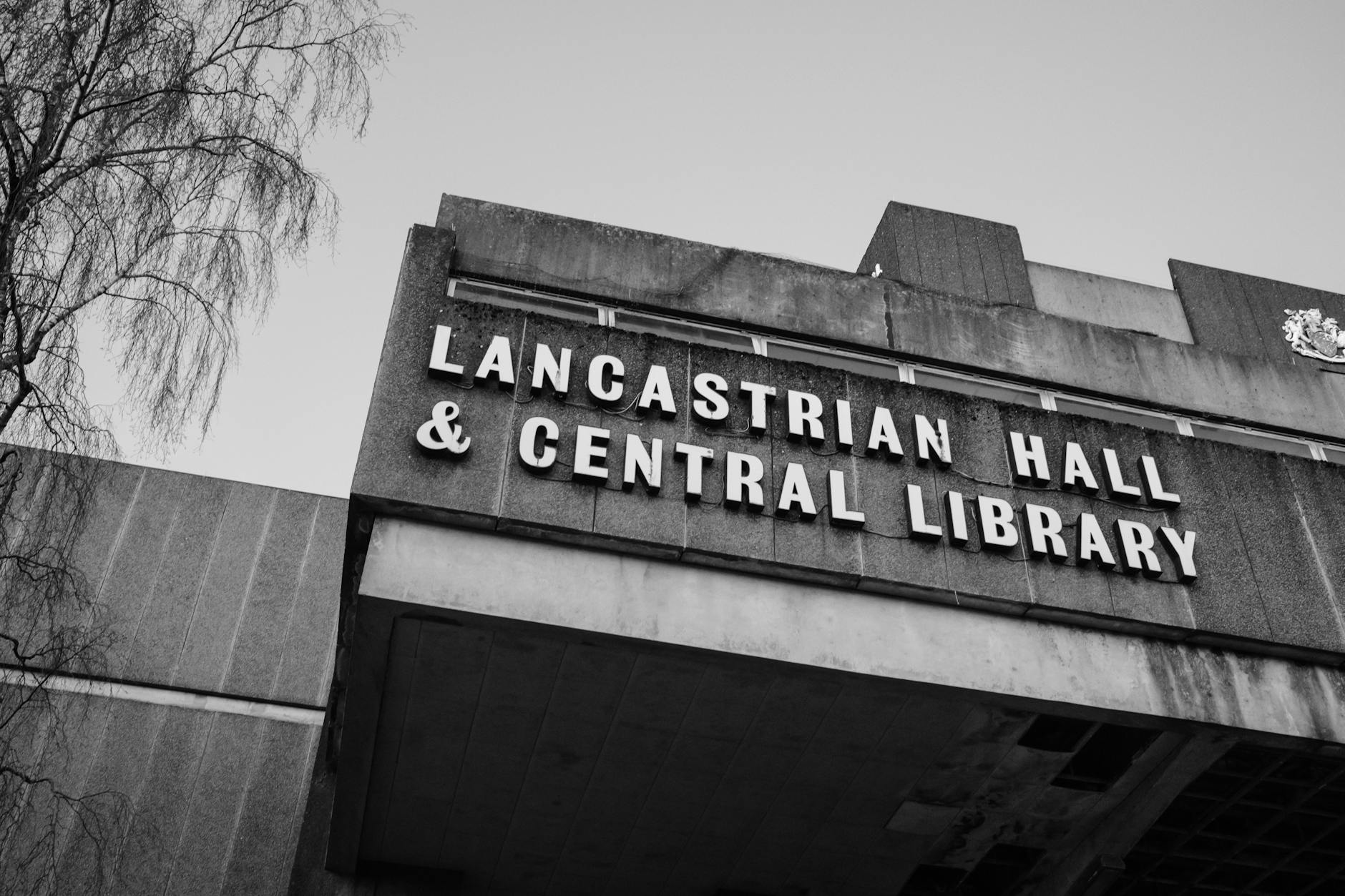
Manchester's cultural strengths can work well for travelers with mobility limitations, but the access details vary. Central Library, John Rylands Library, Manchester Cathedral, Manchester Art Gallery, museums, theatres, music venues, football sites, and historic interiors should be checked site by site. The formal attraction name is less useful than the specific entrance, lift, seating, accessible toilet, bag rule, ticket timing, taxi drop-off, and internal distance.
A large interior can be accessible but still tiring. A historic building can be rewarding but require an alternate entrance or advance confirmation. A theatre or music venue may have excellent access support if arranged early and a poor experience if the traveler arrives at the wrong door. One major access-sensitive site per day is often better than stacking several and hoping stamina will hold.
- Check accessible entrances, lifts, toilets, seating, bag rules, ticket timing, and drop-off points before each major site.
- Treat internal distance inside libraries, museums, galleries, venues, and stadium areas as part of the plan.
- Schedule one demanding access-sensitive anchor per day rather than stacking several.
Make pavements, crowds, and weather explicit
Mobility friction in Manchester often happens between official access points. A station can be usable while the pavement outside is crowded. A restaurant can have a step at the door. A gallery can have good lifts but a longer approach than expected. Construction, curb transitions, shared pavements, scooters, delivery vehicles, queues, street events, football crowds, and rain can all change a route that looked simple on a map.
Weather deserves special attention. Wet surfaces, wind, cold, and sudden showers can reduce balance, grip, stamina, and patience. The itinerary should include indoor pauses, known seating, bathrooms, food stops, and a shorter fallback for each day. Manchester rewards the traveler who stops before exhaustion rather than the traveler who tries to finish a route after access has already become difficult.
- Plan around pavement quality, curb transitions, queues, construction, crowding, and restaurant thresholds.
- Treat rain, wind, cold, and wet surfaces as access variables, not just weather details.
- Build indoor pauses, seating, bathrooms, and shorter fallback routes into each day.
Use waterfronts and open space with route discipline
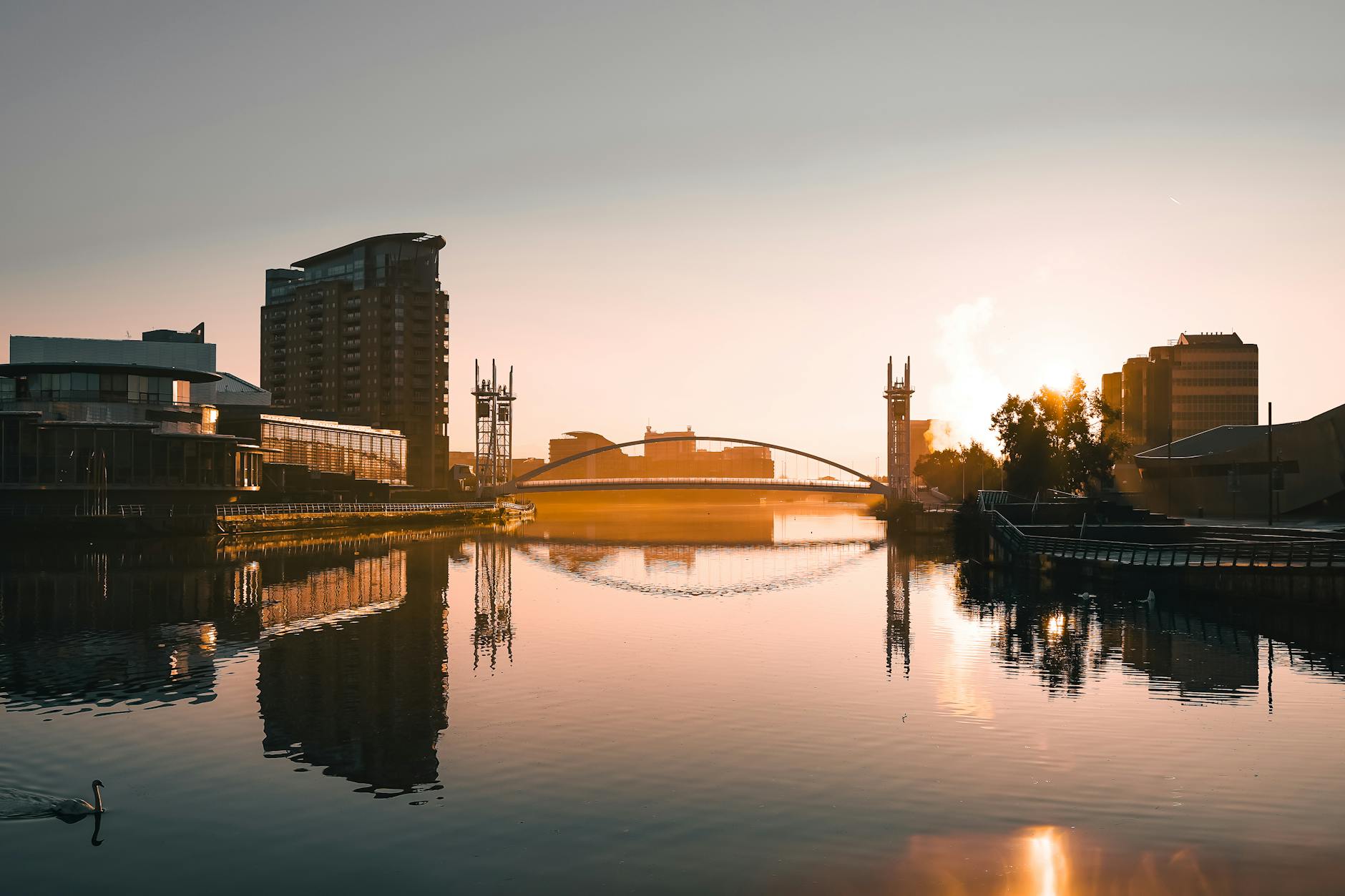
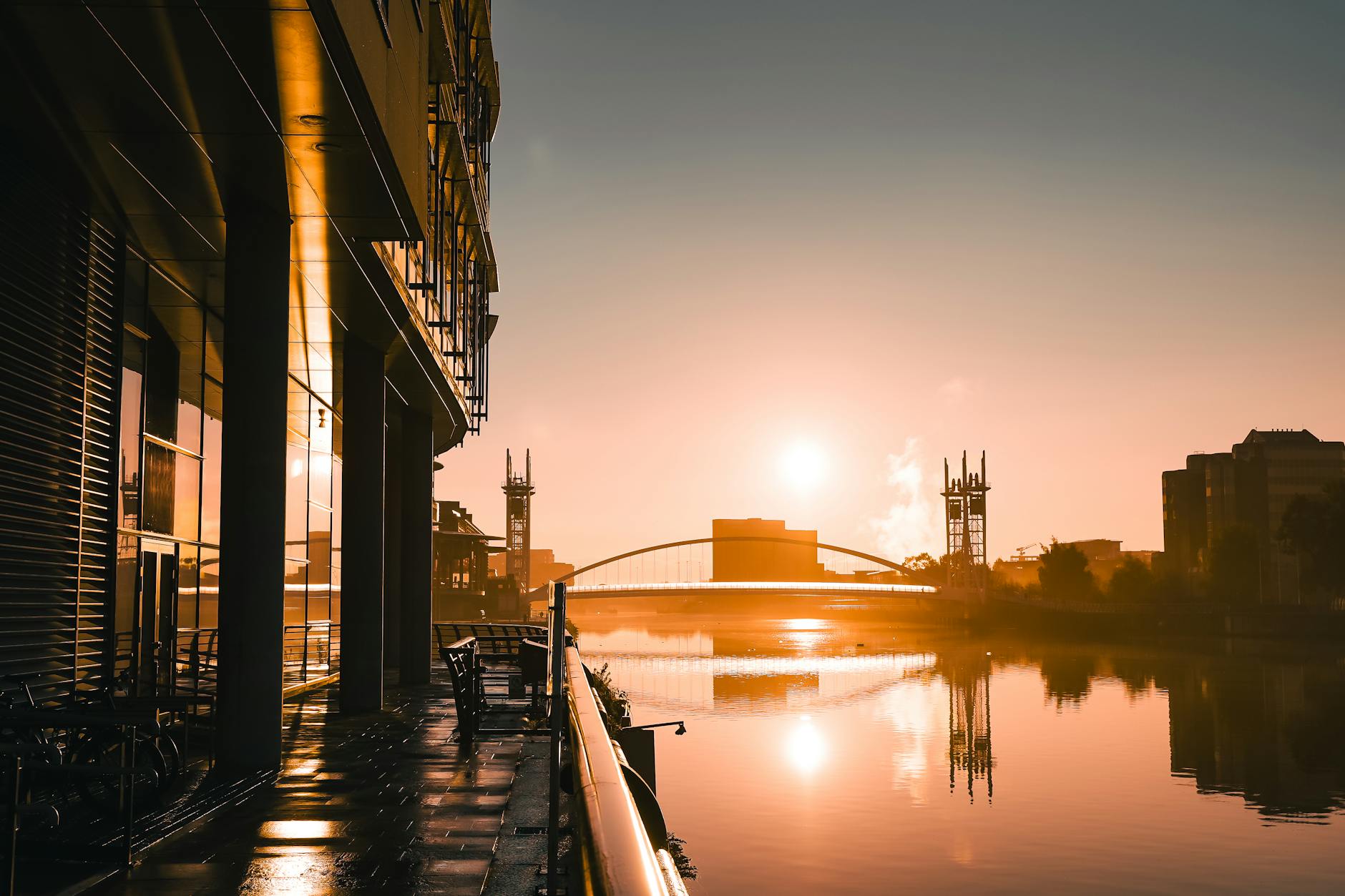
Salford Quays, Castlefield, canal edges, public squares, and park segments can give a traveler with mobility limitations more space, views, and a lower-pressure break from busy streets. They can also involve slopes, bridges, cobbled edges, long waterside distances, limited shelter, and exits that are farther apart than they appear. Open space is not the same as easy space.
A good open-air route should have a clear start, endpoint, seating option, toilet plan, shelter option, and bailout route. A shorter waterfront segment with a nearby tram or taxi point may be better than a scenic route that forces the traveler to continue because turning back is just as hard. Use these areas deliberately as recovery and pleasure, not as open-ended walking tests.
- Choose canal, waterfront, square, and park routes by surface, slope, shelter, seating, toilets, and exits.
- Prefer shorter scenic segments with known transport options over open-ended walks.
- Use Salford Quays or Castlefield as planned low-pressure time when the access route fits.
When to order a short-term travel report
A traveler with mild limitations, a familiar hotel, and a very light Manchester plan may need only basic access checks. A report becomes more useful when the traveler uses a wheelchair, scooter, rollator, cane, brace, or companion support; has variable stamina; is choosing between hotels; has a late arrival; wants libraries, galleries, football sites, music venues, or Salford Quays without guessing at routes; or needs to know when taxis should replace walking, buses, or trams.
The report should test hotel entrance and room fit, arrival transfer, tram and bus choices, taxi strategy, route surfaces, attraction entrances, seating, toilets, food stops, current disruptions, event crowds, weather implications, and fallback routes. The value is not generic accessibility optimism. It is a Manchester plan built around the traveler's real movement limits, so the trip can stay enjoyable instead of becoming a series of access surprises.
- Order when hotel access, arrival, tram stops, pavements, venues, weather, or variable stamina could define the trip.
- Provide mobility aid, walking and standing tolerance, hotel candidates, arrival details, must-see sites, food needs, and taxi preferences.
- Use the report to replace access assumptions with a route plan the traveler can actually use.