
Manchester can work well for a traveler managing medical constraints because the useful parts of the city are relatively compact, taxis and trams can reduce the walking load, hotels cluster near food and transport, and many strong indoor anchors can carry a trip when weather or energy changes. It is not a city that has to be conquered by long sightseeing days. A good short stay can be built from a central base, one or two carefully chosen districts, and enough room to recover between outings. The planning standard changes when the traveler is managing medication timing, chronic pain, fatigue, mobility variation, respiratory limits, food restrictions, immune concerns, diabetes, cardiac concerns, recovery from treatment, or another condition that can make ordinary travel friction more expensive. The question is not whether Manchester is possible. The question is whether the hotel, arrival route, weather plan, meals, pharmacy access, urgent-care fallback, and daily pacing still work when the traveler is tired, delayed, wet, or having a bad symptom hour.
Keep medication and documentation in the foreground
The first Manchester decision is medical continuity, not sightseeing. Essential medication should travel in hand luggage, with enough supply for the trip plus a delay buffer. The traveler should keep generic medication names, dosages, allergies, diagnoses, physician contact details, insurance information, and emergency instructions in a form that can be read when the traveler is stressed or separated from a companion. Refrigerated medication, controlled medication, injections, devices, chargers, and spare consumables need a specific travel plan rather than a hope that the hotel can improvise.
Manchester has pharmacies and medical services, but a short visitor should not assume quick replacement of a missed supply. Brand names can differ, prescriptions may not transfer cleanly, and some items require a clinician or insurer before they can be replaced. The practical plan is to know what cannot be missed, what can be substituted locally, what documents support the traveler's needs, and who should be called if the trip is delayed or symptoms change.
- Carry essential medication, devices, prescriptions, and spare supplies in hand luggage.
- Use generic medication names, dosages, allergies, diagnoses, physician contacts, and insurance details in a compact summary.
- Plan delay buffers, cooling, charging, and controlled-medication documentation before departure.
Choose the hotel as a recovery and access base
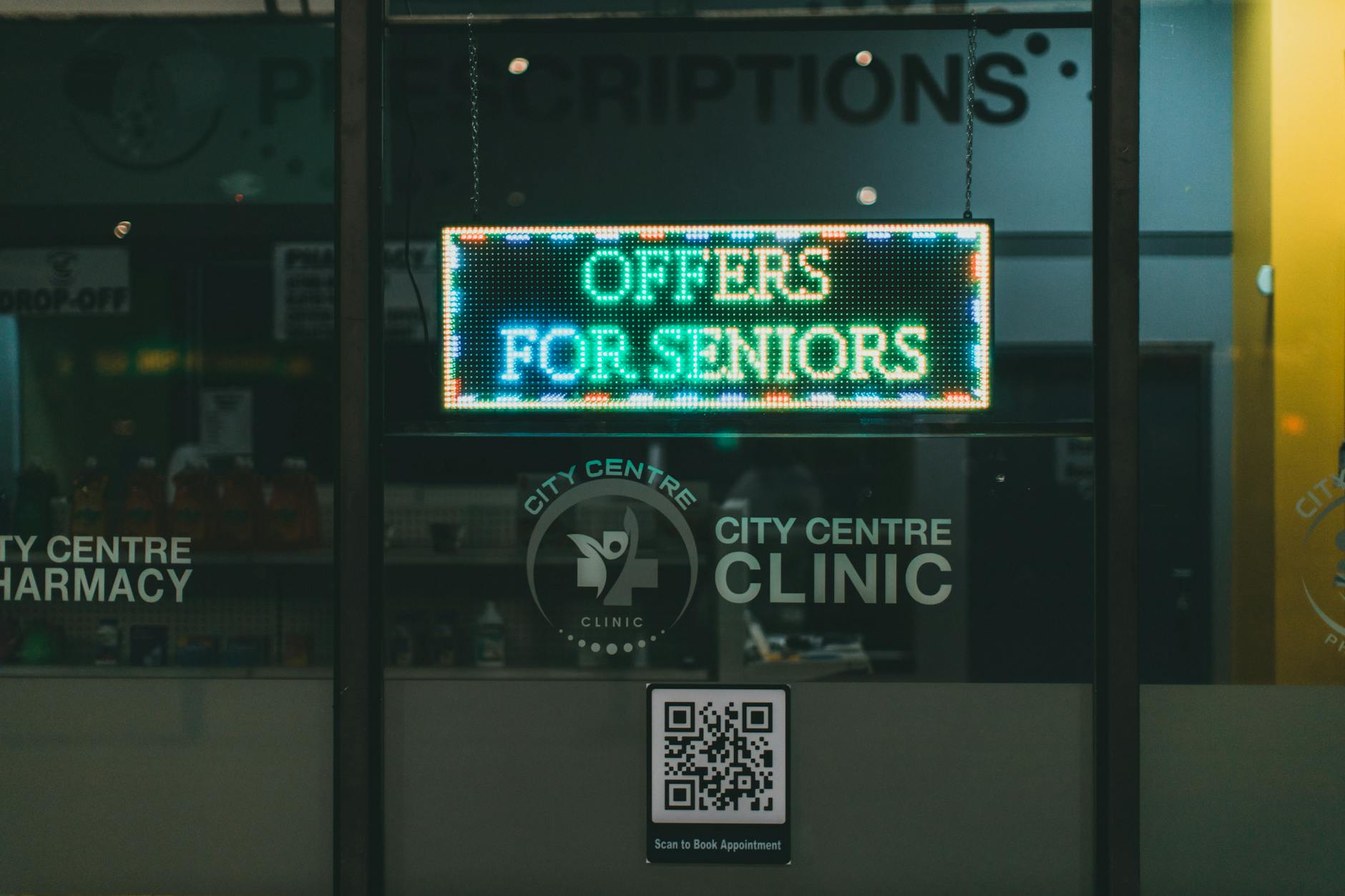
A medical-constraints hotel in Manchester should be chosen for the friction it removes. The room may need reliable lift access, quiet sleep, air-conditioning or ventilation, a workable bathroom, refrigerator access, space for equipment, simple taxi pickup, nearby food, and a pharmacy or practical health fallback within reach. A stylish room can still be wrong if the entrance is awkward, the final street is confusing in rain, or every meal requires another journey.
City centre, St Peter's Square, Deansgate, Piccadilly, the quieter edge of the Northern Quarter, and Salford Quays can all work, but the best base depends on the condition and the trip. A traveler with fatigue may need the shortest path back to bed. A traveler with food restrictions may need predictable restaurants and shops. A traveler with mobility variation may need taxis to stop close to the entrance. The hotel should be treated as the trip's recovery point, not just the place where the traveler sleeps.
- Check lift reliability, step-free entry, bathroom fit, room quiet, ventilation, refrigeration, and equipment space.
- Choose the area by food, pharmacy, taxi pickup, walking burden, and how quickly the traveler can return to rest.
- Avoid a base that turns rain, meals, medication timing, or a bad symptom hour into a separate problem.
Make arrival deliberately low-friction
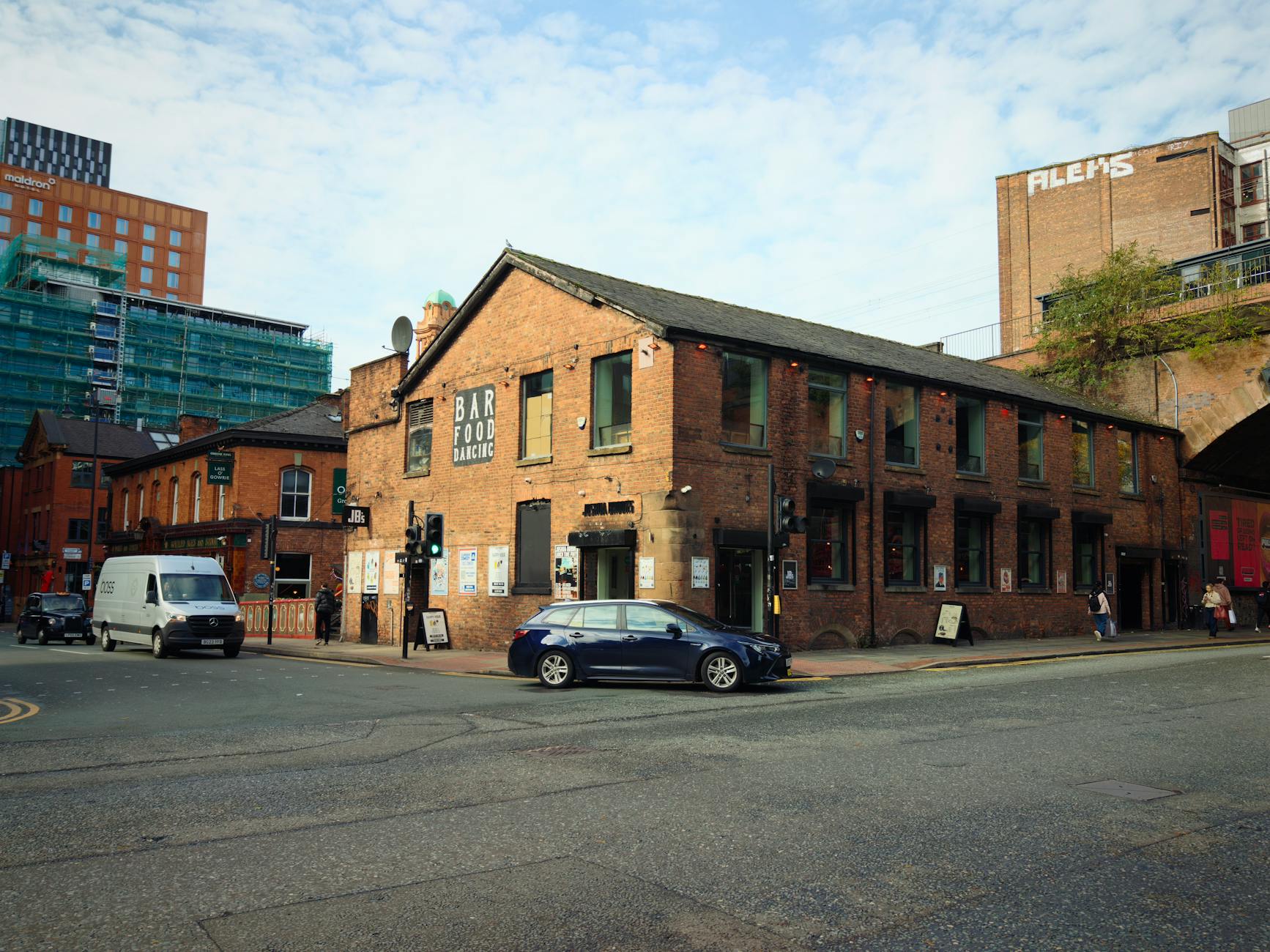
Manchester Airport, Piccadilly Station, Oxford Road, Victoria, trams, taxis, and pre-booked cars can all be reasonable in the right circumstances. Medical constraints make the arrival choice more than a cost or speed question. The traveler may be managing pain, jet lag, dehydration, medication timing, blood sugar, immune exposure, luggage limits, respiratory sensitivity, or standing tolerance. A route that looks efficient on a map may be the wrong route after a long flight or delayed train.
The arrival plan should be settled before the traveler lands or steps off the train. Know the hotel address offline, the first-choice transfer, the backup transfer, where luggage will be handled, and what happens if symptoms worsen before check-in. A taxi or car may be the medically sensible choice for a first transfer even if public transport is available. The first evening should protect recovery: check in, hydrate, eat something reliable, confirm medication timing, and leave the city for the next day.
- Choose airport or rail transfer by fatigue, luggage, standing tolerance, medication timing, weather, and final walking distance.
- Save the hotel address, insurance contact, backup route, and payment option offline before arrival.
- Keep the first evening narrow enough to absorb delays, symptoms, or a harder-than-expected transfer.
Use trams, taxis, and walking as separate medical tools
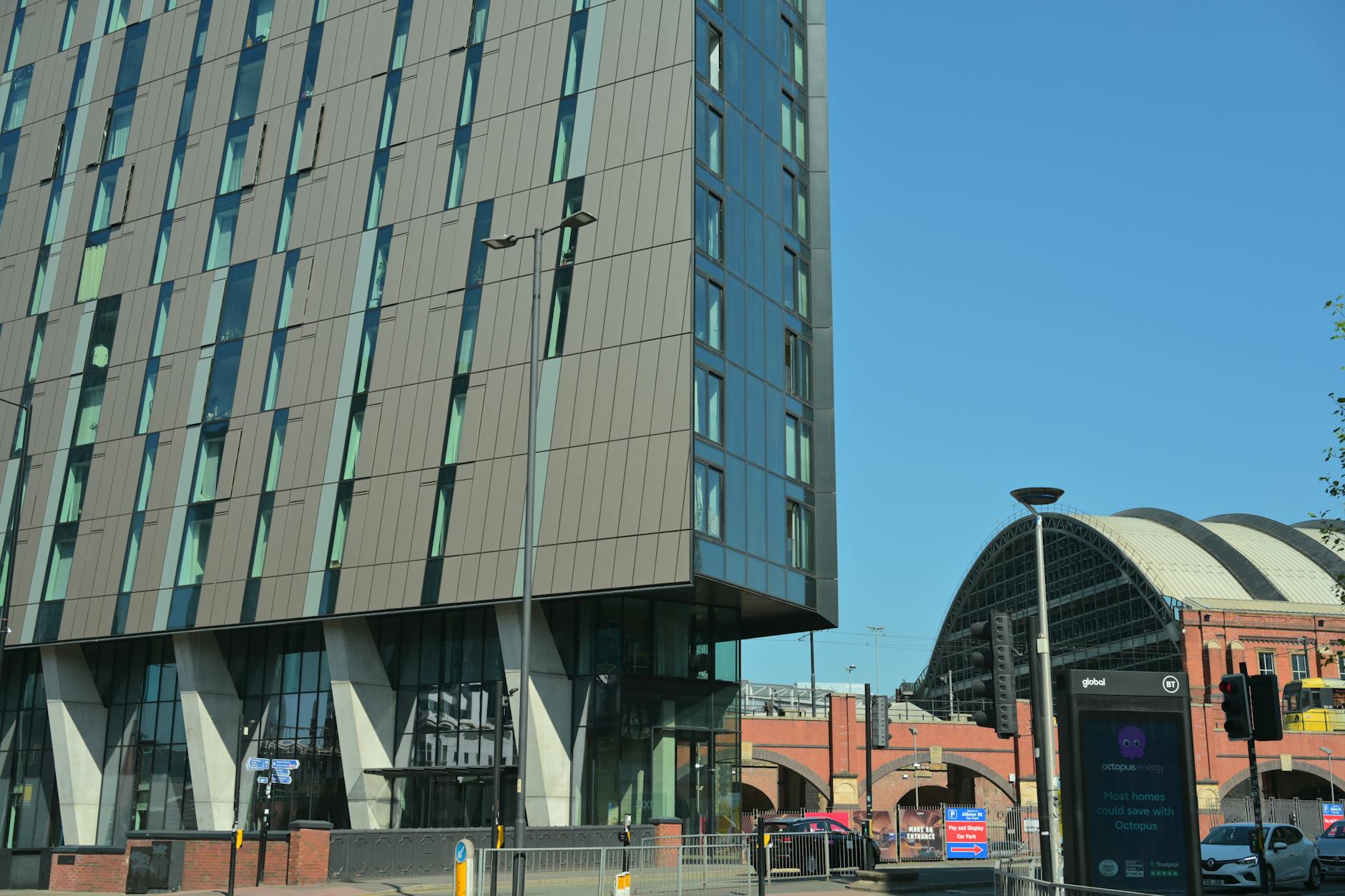
Manchester's tram network is useful, especially for Salford Quays, MediaCity, city-centre movement, and some event routes, but it should not be treated as automatically easy for every traveler. Platforms, standing time, weather exposure, crowding, changes, final walks, and lift or step-free details still matter. A tram may be ideal in the morning and the wrong answer after rain, pain, a long museum visit, or an evening event.
Walking should be used where it adds value, not because the map makes two districts look close. Deansgate, Castlefield, the civic core, canals, shopping streets, and Northern Quarter routes can all be enjoyable, but paving, construction, crossings, low light, and weather change the medical load. Taxis and rideshare are not failures; they are part of the plan. The traveler should decide in advance which routes are worth walking and which symptoms trigger a simpler door-to-door option.
- Check tram stops, final walks, crowd periods, weather exposure, and whether standing will be a problem.
- Use walking for short, valuable segments rather than forced cross-city movement.
- Set symptom, weather, luggage, and time-of-day thresholds for switching to taxi or rideshare.
Build the itinerary around recovery windows
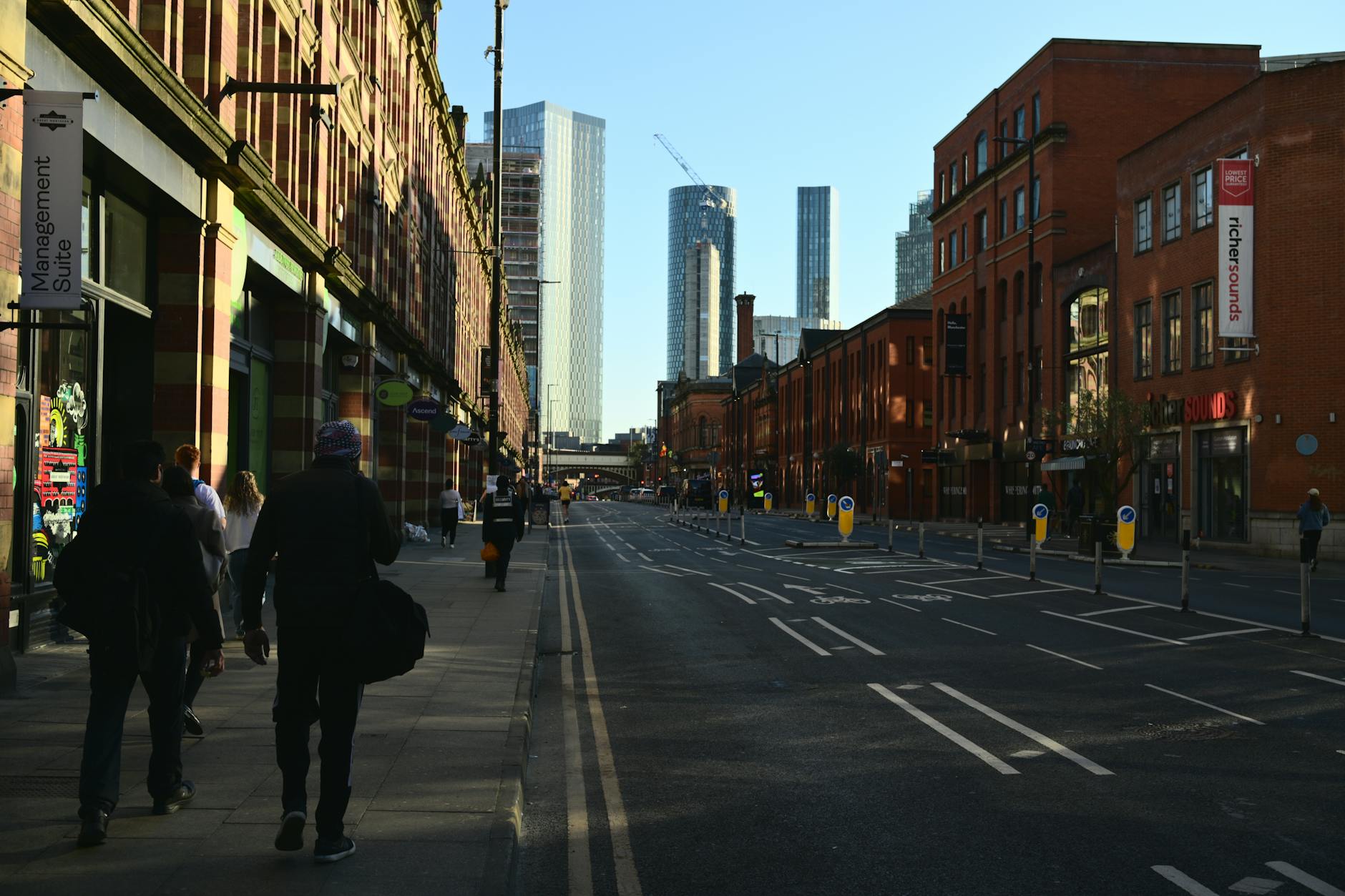
Manchester is well suited to a medically paced itinerary because many worthwhile stops are indoors or district-based. A traveler can build a day around John Rylands Library, Manchester Art Gallery, Central Library, a theatre, a football-related visit, a meal, or a Salford Quays block without trying to cover the whole city. The mistake is stacking too many anchors and assuming the traveler will recover later. Recovery should be scheduled before the body demands it.
Weather makes this more important. Rain, wind, cold, damp clothing, overheated interiors, and crowded trams can all affect fatigue, pain, breathing, migraines, mobility, and immune risk. The plan should have a nearby cafe, hotel break, taxi option, indoor substitute, and cancellation rule for each day. A shorter Manchester day that preserves the next morning is better than a full day that turns the rest of the trip into recovery.
- Use one main anchor per day with nearby optional plans rather than scattered commitments.
- Schedule hotel breaks, quiet interiors, cafes, or taxi-supported resets before symptoms peak.
- Prepare rain, cold, fatigue, and crowd substitutions before the traveler has to decide while unwell.
Map food, pharmacy, clinic, and emergency fallback
Food planning is medical planning for many travelers. Diabetes, allergies, gastrointestinal conditions, immune concerns, medication timing, post-treatment fatigue, and sensory limits can all make random meals risky. Manchester has a wide food scene, but the useful question is what is reliably available near the hotel, near the day's main stop, and at the hour when the traveler actually needs to eat. A good plan includes safe breakfast, early dinner, snacks, water, and a low-effort fallback for wet or low-energy evenings.
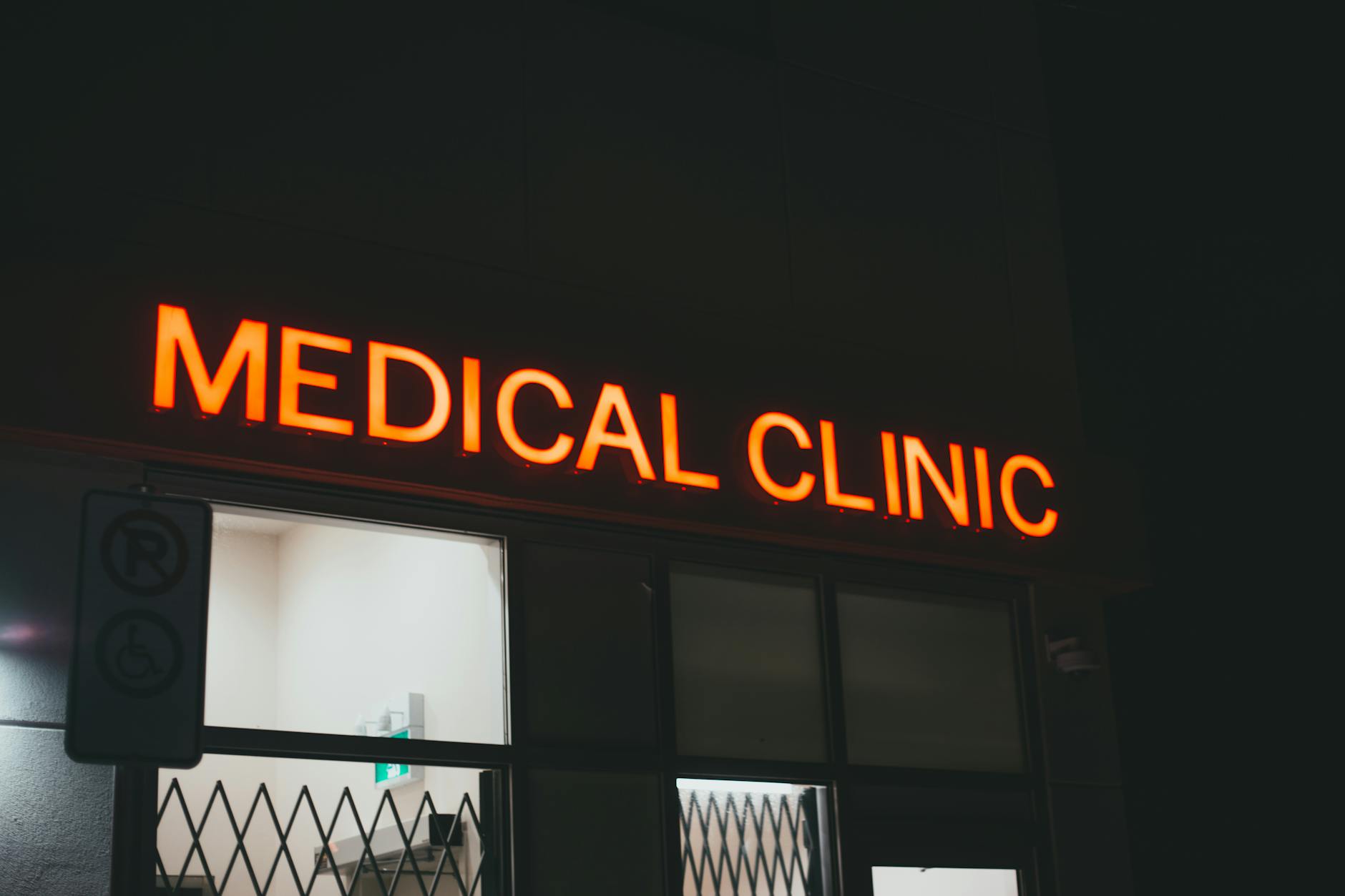
The same logic applies to care. Before arrival, identify the nearest pharmacy options, know whether the hotel can help contact medical assistance, understand how travel insurance expects the traveler to seek care, and decide when a private clinic, urgent-care route, hospital emergency department, or emergency services call would be appropriate. The itinerary should not depend on searching for care from scratch while the traveler is short of medication, in pain, or unsure whether symptoms are escalating.
- Pre-plan safe meals, snacks, hydration, pharmacy hours, and low-effort food near the hotel and daily anchor.
- Know how the hotel, travel insurance, private clinics, urgent care, hospital emergency departments, and emergency services fit together.
- Carry written medical details so decisions are not dependent on memory during pain, fatigue, or stress.
When to order a short-term travel report
A traveler with a stable condition, a central hotel, and a flexible Manchester weekend may not need a custom report. A report becomes more useful when the trip includes strict medication timing, mobility variation, fatigue risk, food restrictions, immune concerns, respiratory sensitivity, post-treatment recovery, late arrival, event crowds, football or concert timing, Salford Quays movement, or uncertainty about which hotel area will make the condition easiest to manage.
The report should test the hotel base, room requirements, arrival transfer, tram and taxi choices, walking segments, weather exposure, food reliability, pharmacy and clinic fallback, urgent-care logic, daily pacing, current local disruptions, and what to cut first if symptoms change. The value is not medical advice. It is operational planning that makes a short Manchester trip realistic for the traveler's actual condition instead of an idealized version of their stamina.
- Order when medication, mobility, food, fatigue, immune risk, arrival timing, or event crowds make the trip fragile.
- Provide the condition constraints, medication schedule, hotel candidates, arrival details, walking tolerance, food needs, and must-do priorities.
- Use the report to reduce avoidable friction without asking the traveler to gamble on a perfect health day.