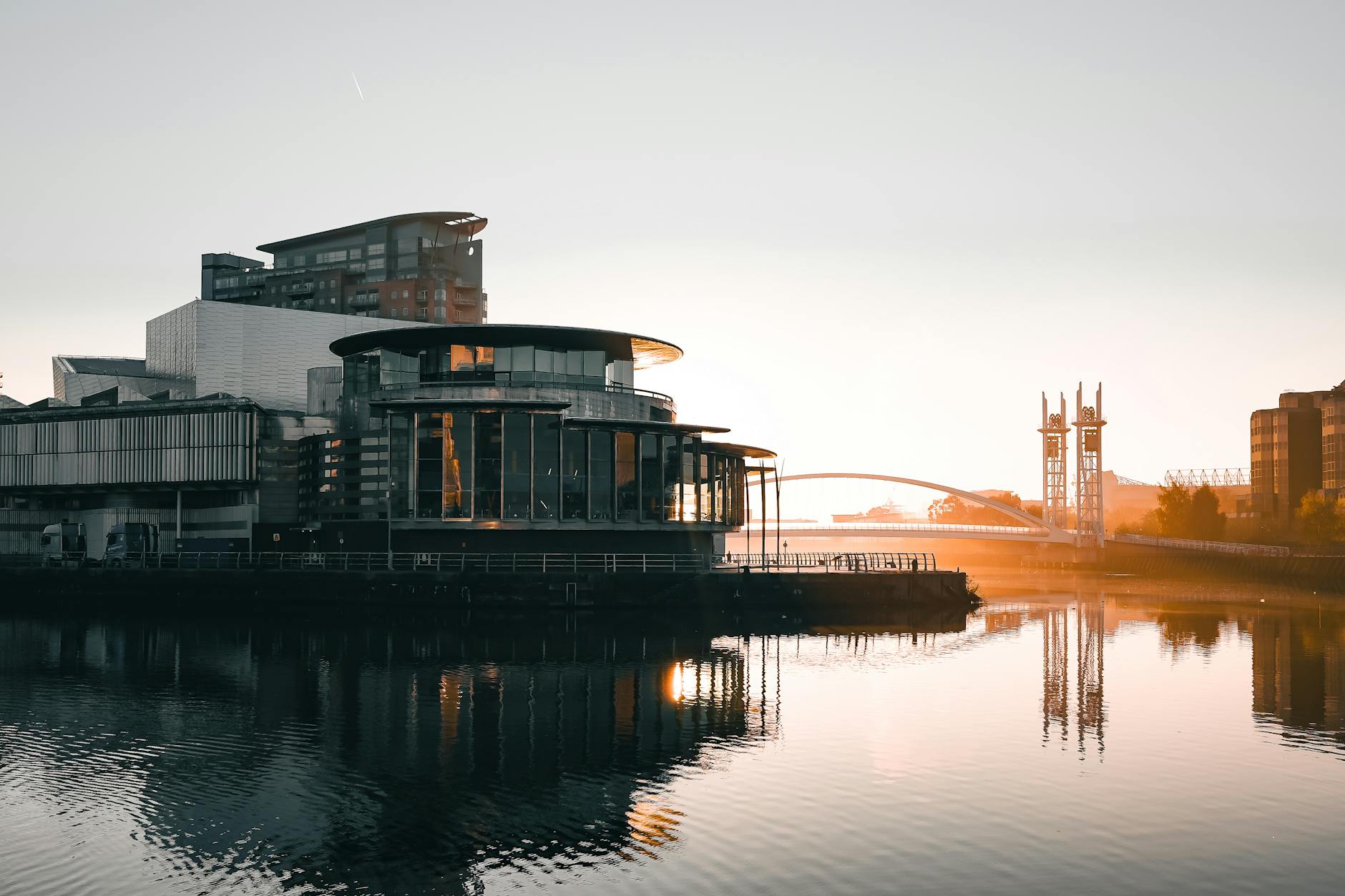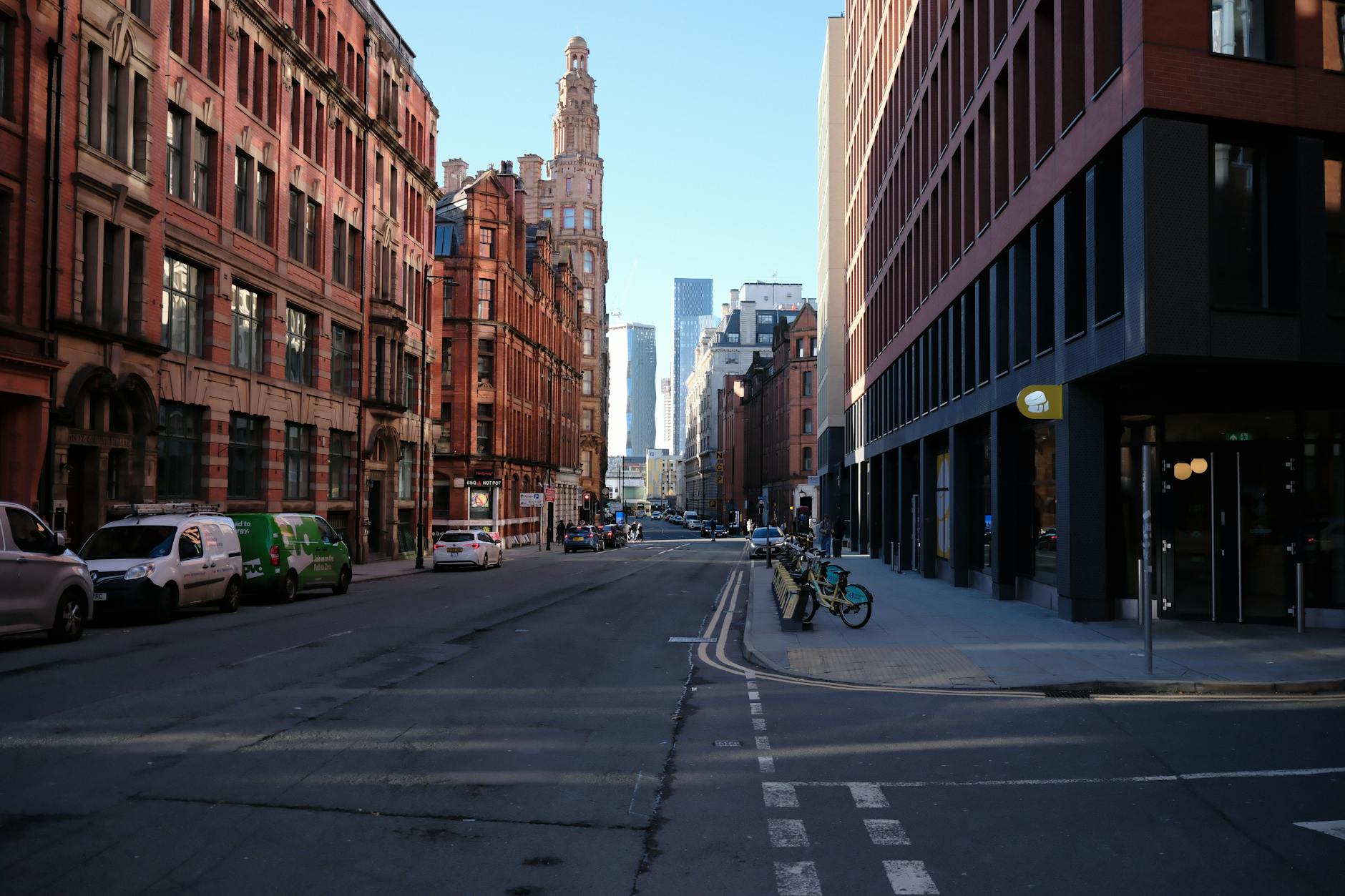
Manchester can be a rewarding solo city because it is compact enough to learn quickly and layered enough to stay interesting: libraries, canals, music streets, cafes, galleries, football culture, Salford Quays, and walkable central districts. The practical challenge is not that solo travel to Manchester is unusually difficult. It is that a solo traveler has to make every movement decision alone, often while managing bags, weather, phone battery, late meals, or a first unfamiliar route. A strong short-trip plan makes independence easier by choosing the right base, setting evening rules early, and keeping backup options visible.
Choose a base that makes solo movement easy
A solo Manchester trip depends heavily on hotel placement. The traveler should choose a base that makes ordinary movement easy: arrival, first evening, breakfast, late return, and the main interests of the trip. City centre, St Peter's Square, Deansgate, Piccadilly, the Northern Quarter edge, or a clearly chosen Salford Quays base can all work, but they solve different problems. A solo traveler should not choose a hotel that turns every night into a navigation test.
The best base is one that reduces decisions when tired. It should have a simple route from the airport or station, nearby meals, a reliable taxi or rideshare pickup point, and streets that feel comfortable to return through at the hours the traveler actually expects to be out. Being alone is easier when the hotel quietly supports the day.
- Pick the hotel by arrival route, late return, nearby meals, and repeated daily interests.
- Avoid a cheaper or prettier base if it creates awkward solo transfers after dark.
- Know the exact taxi, rideshare, tram, or walking return before the first evening.
Make arrival low-effort and pre-decided
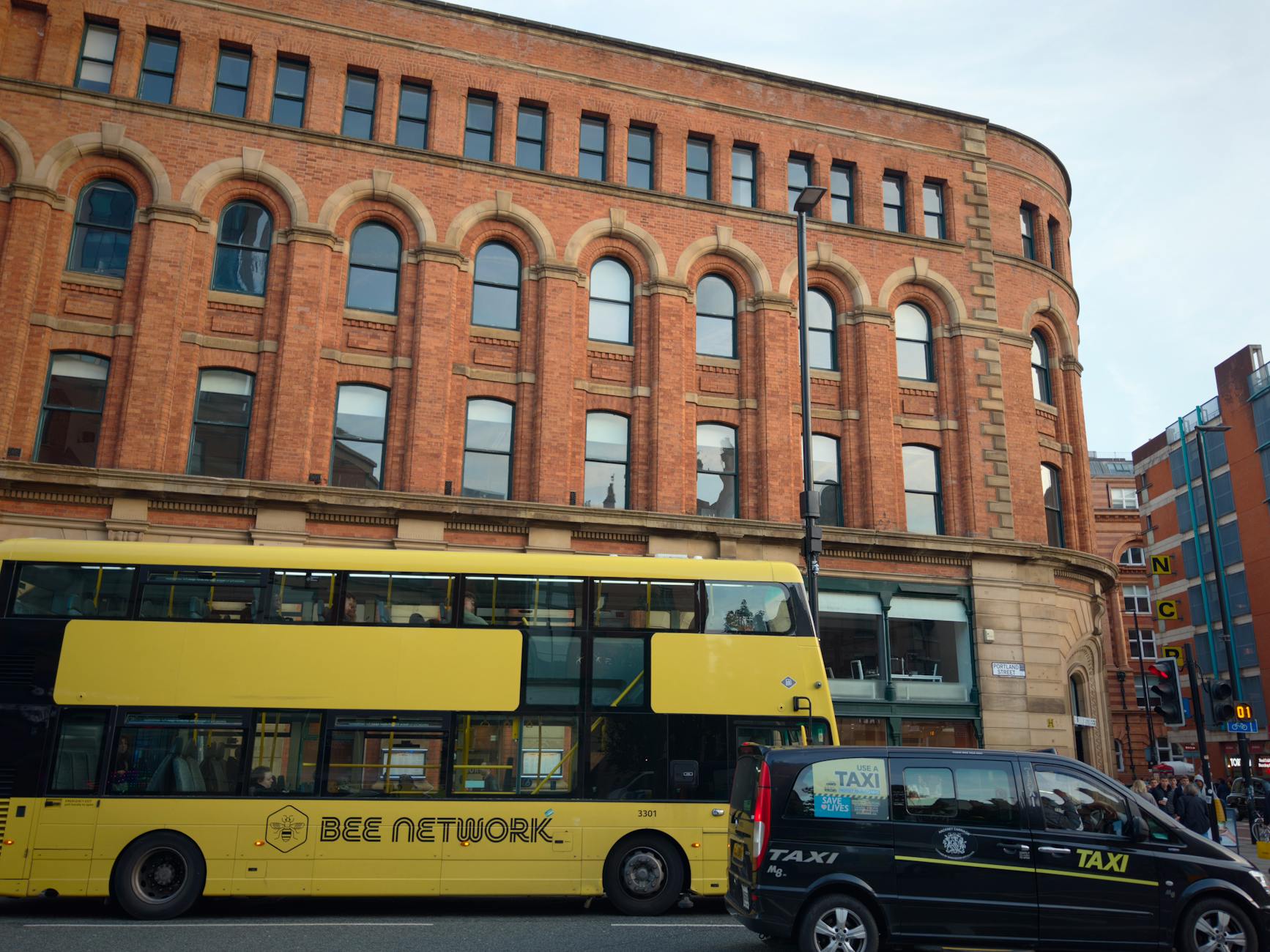
Arrival is where solo travelers most benefit from advance decisions. Manchester Airport, Piccadilly Station, Oxford Road, Victoria, taxis, trams, and hotel check-in can all be manageable, but they feel different when the traveler is alone, carrying luggage, watching phone battery, or arriving in rain. The first transfer should not require improvisation at the curb or platform.
Before travel, decide the primary route and the backup. If arriving late, with heavy bags, or after a long flight, a taxi or car service may be worth the cost. If using rail or tram, know the stop, walking segment, payment method, and hotel door. A solo traveler should make the first Manchester move deliberately boring, then become more flexible once settled.
- Decide the airport or station transfer before arrival, including a backup if weather or fatigue changes the plan.
- Keep hotel address, payment method, battery reserve, and offline map available before landing or leaving the train.
- Use a taxi or car service when late arrival, luggage, or tiredness makes public transport a false economy.
Build days from comfortable public spaces
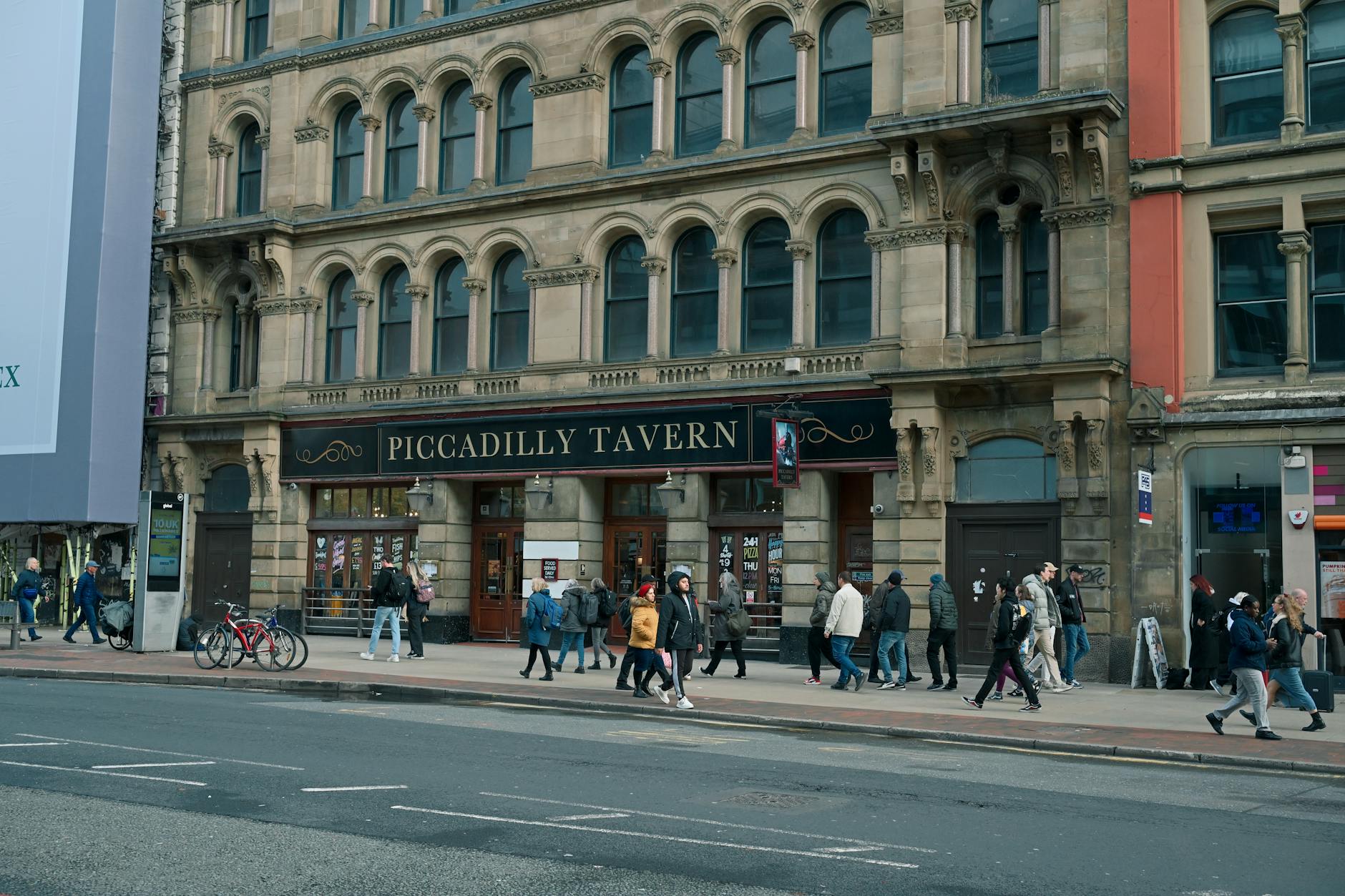
Solo travelers often enjoy Manchester most when the day is built from comfortable public spaces rather than rigid sightseeing. Libraries, galleries, canal walks, cafes, music streets, the Northern Quarter, Ancoats, Castlefield, and Salford Quays can all support independent wandering. The key is to keep the route legible and avoid drifting into isolated or awkward transitions just because the next place looks close.
A good solo day has one or two anchors and flexible time around them. For example, a library and gallery day can stay central. A canal and Salford Quays day should respect transport and light. A Northern Quarter and Ancoats day can work well for coffee, shops, and dinner if the return is clear. Independence feels better when the traveler knows where the day tightens and where it can stay loose.
- Use libraries, galleries, cafes, canals, and central streets as comfortable solo anchors.
- Keep wandering within districts instead of turning the day into disconnected cross-city movement.
- Watch light, weather, and quiet stretches when moving around canals or less familiar side streets.
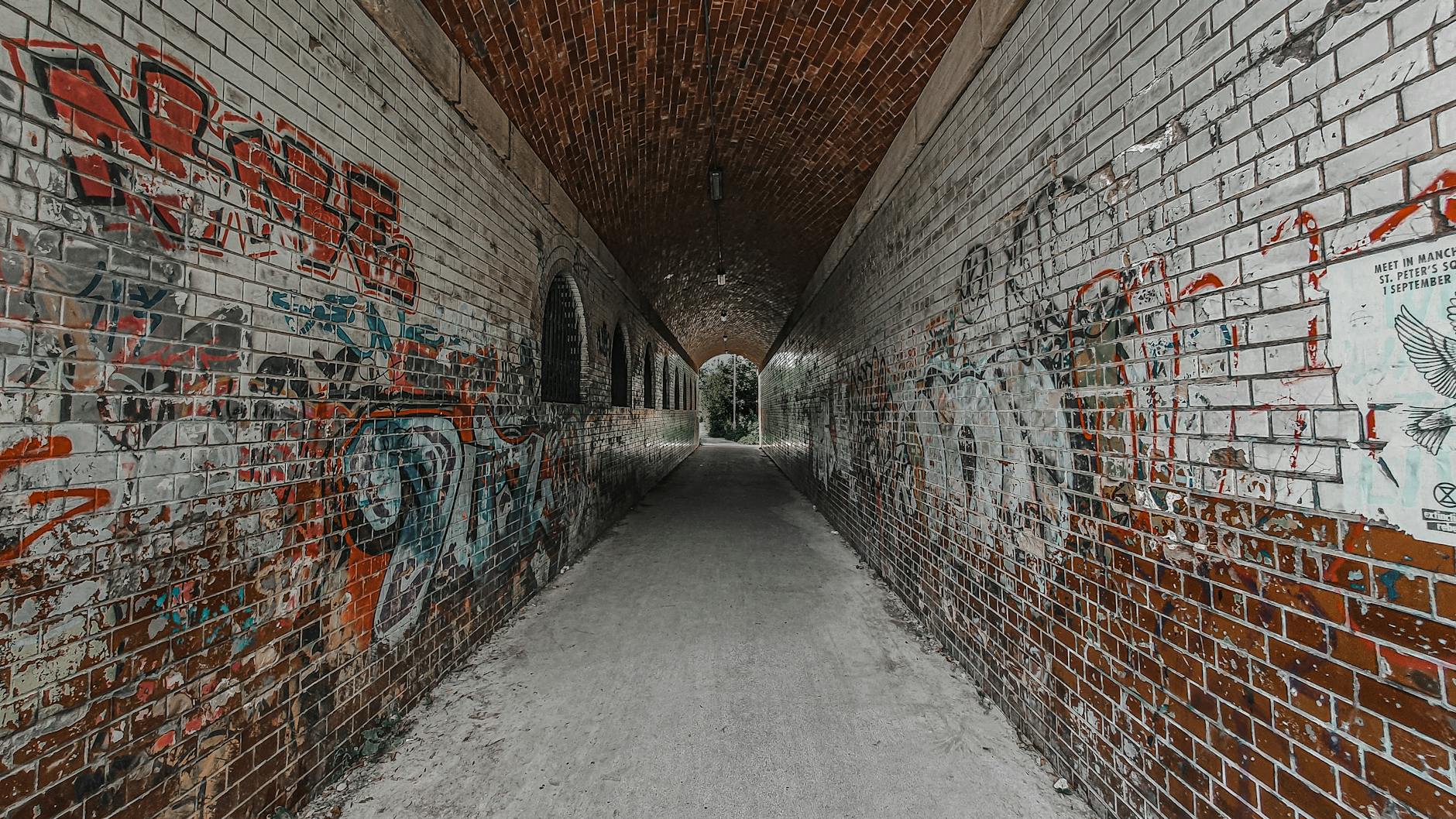
Make solo dining feel intentional
Manchester is a good city for solo meals when the traveler treats dining as part of the plan, not an afterthought. Cafes, counters, casual restaurants, market-style settings, hotel bars, and early dinner reservations can all work well. The awkward version is waiting until hungry, then searching on a low phone battery in rain or outside a crowded restaurant district.
Solo diners should choose places that match the mood of the evening. A book, notes, headphones, or a bar seat can make a meal feel natural. For higher-demand restaurants, reserve ahead and confirm whether solo seating is comfortable. If the traveler expects to drink, the return route should already be set. A solo Manchester meal can be one of the trip's strengths if it is chosen with the same care as a landmark.
- Choose cafes, counters, hotel bars, casual restaurants, or reserved tables that feel comfortable solo.
- Do not wait until hungry and tired to pick a restaurant in bad weather or a crowded district.
- Set the return route before drinking or committing to a late meal.
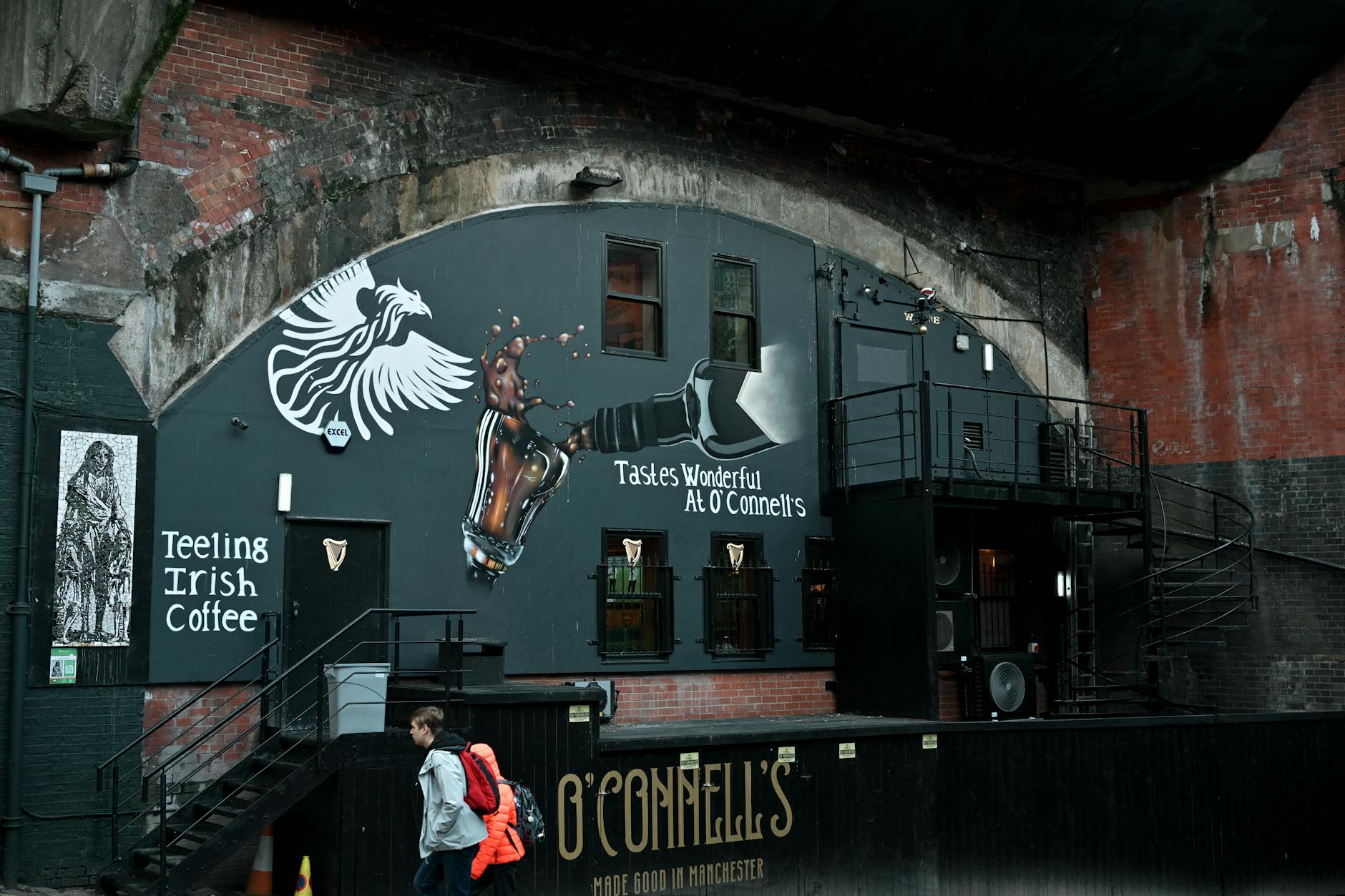
Set evening rules before the evening starts
Solo evenings in Manchester can be excellent: theatre, music, restaurants, pubs, football atmosphere, cinema, waterfront walks, and late cafes are all possible. The risk is not nightlife itself. It is letting the evening drift without a return plan. A solo traveler should decide before going out which districts feel comfortable, when to switch from walking to taxi or rideshare, and what counts as too late, too wet, or too far.
Those rules protect enjoyment. If the night stays central, walking may be fine. If the traveler moves to Salford Quays, a concert, a match, or a less familiar neighborhood, a planned return matters more. Keep enough battery and payment backup for the last move, not just the first plan. The evening should end deliberately, not because the traveler has run out of options.
- Decide evening districts, return mode, and latest comfortable return time before going out.
- Switch to taxi or rideshare when weather, alcohol, fatigue, or unfamiliar streets make walking less sensible.
- Keep battery, payment backup, and hotel address available for the final move of the night.
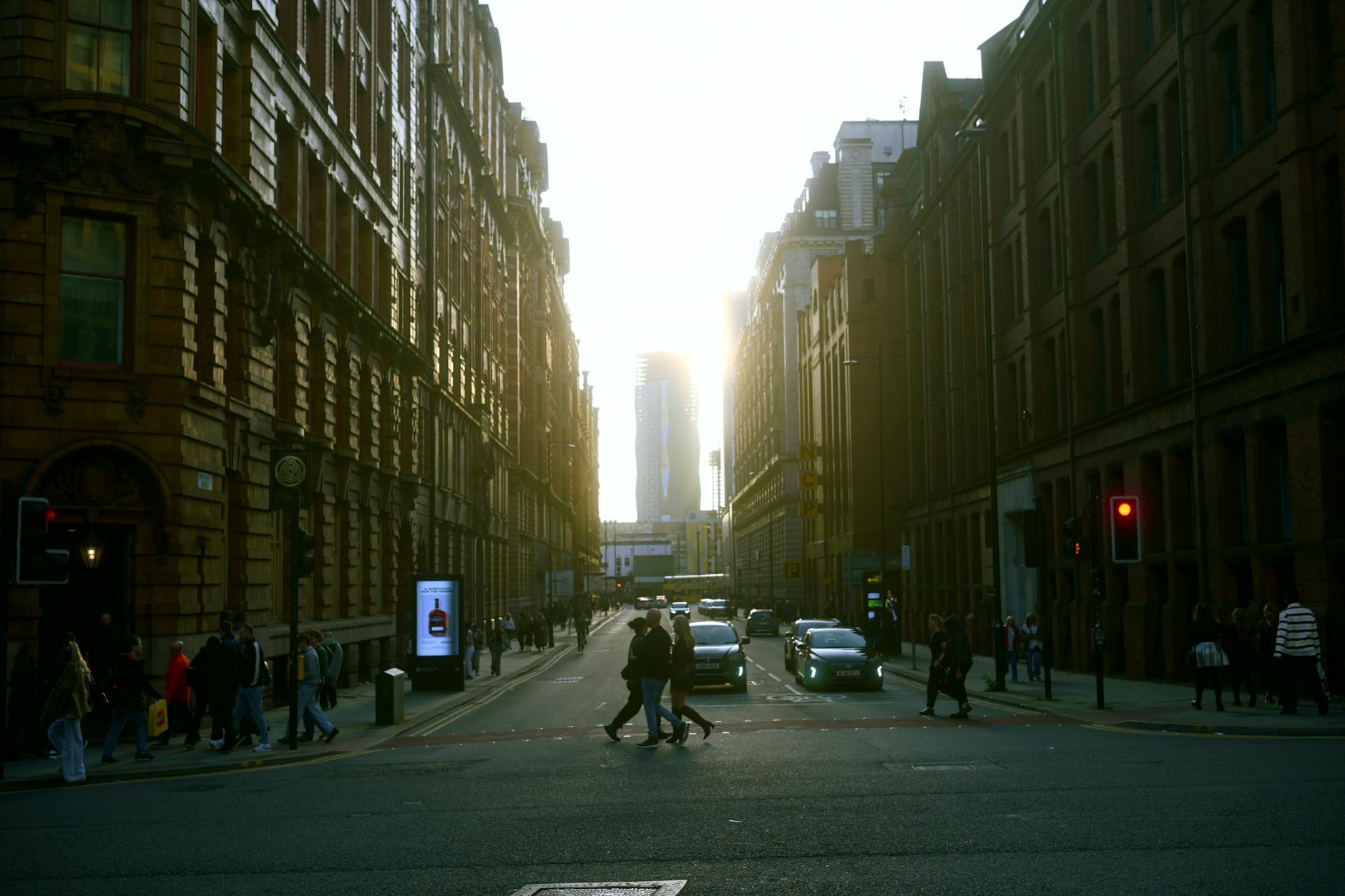
Keep belongings and backup capacity controlled
Solo travelers have less room for casual mistakes because there is no companion to watch the bag, check the route, or lend a charger. In Manchester, ordinary city discipline is enough: keep phone and wallet controlled in busy streets, cafes, bars, trams, stations, and queues; avoid leaving a bag on a chair; and do not display documents or expensive gear longer than necessary. The goal is calm competence, not suspicion.
Backup capacity matters as much as belongings. Carry a battery pack, alternate payment method, medication if needed, and enough cash or card access for a taxi. Save the hotel offline. Know who to call if plans change. A solo traveler can be flexible in Manchester when the essentials are stable.
- Control phone, wallet, documents, and bags in stations, trams, cafes, bars, and crowded streets.
- Carry battery backup, payment backup, medication, and offline hotel details.
- Leave enough energy and money for a taxi or route change if the day runs long.
When to order a short-term travel report
A confident solo traveler with a central hotel and flexible plans may not need a custom Manchester report. A report becomes useful when the trip includes late arrival, first solo international travel, medical or mobility needs, concert or match timing, nightlife, multiple neighborhoods, Salford Quays movement, a tight rail or airport departure, or anxiety about which streets, restaurants, and return routes will feel comfortable.
The report should test the hotel base, arrival transfer, district sequence, solo meal options, evening rules, tram and taxi choices, weather backups, phone and payment resilience, current event pressure, and the point where the traveler should simplify. The value is not to make Manchester smaller. It is to make solo independence feel supported from the first arrival to the final return.
- Order when solo confidence, late timing, nightlife, match days, medical needs, or multiple districts create uncertainty.
- Provide arrival details, hotel options, interests, walking tolerance, evening plans, and comfort concerns.
- Use the report to protect independence without turning the trip into overcautious travel.