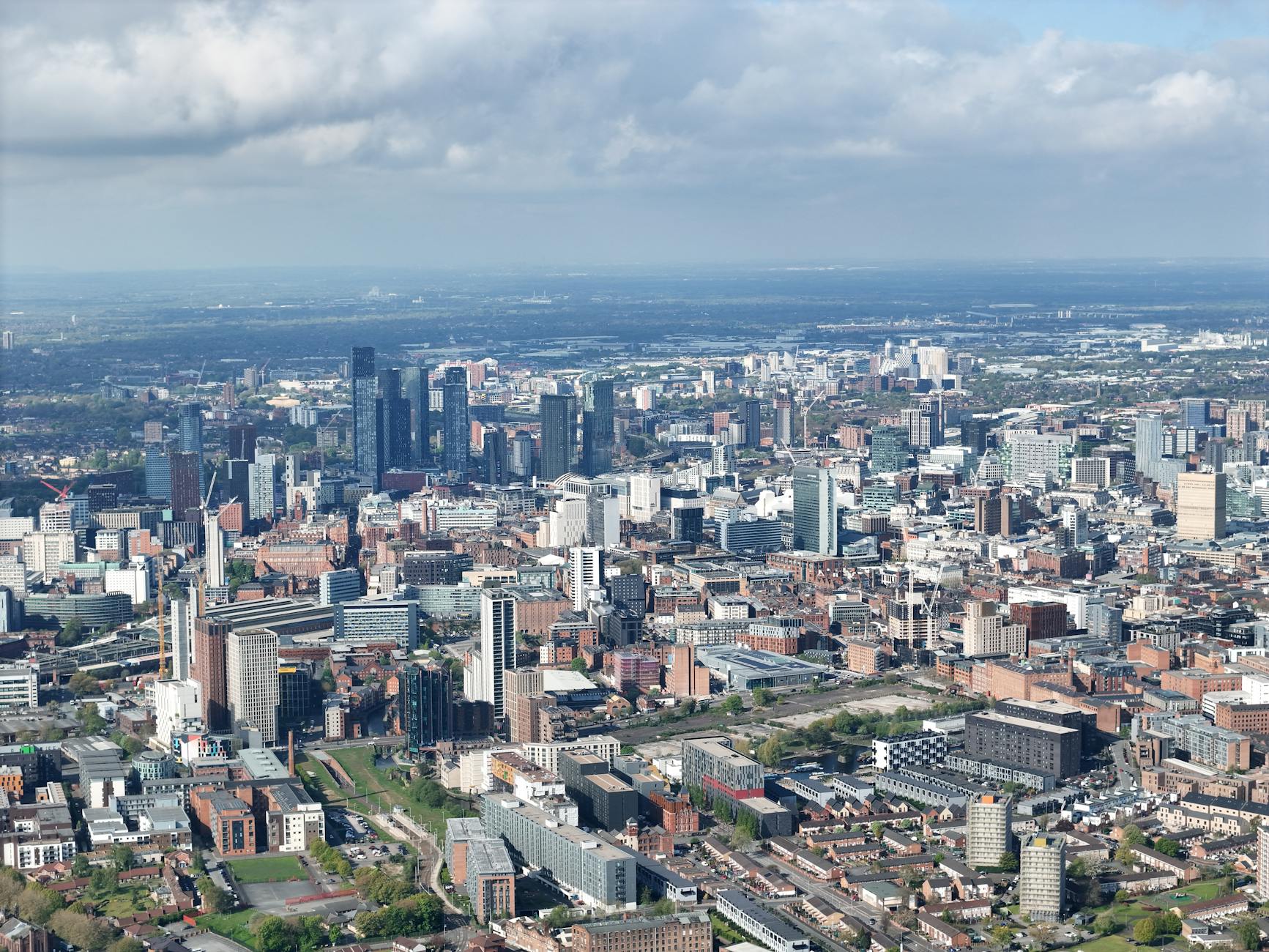
A short sales trip to Manchester is a commercial campaign compressed into a city with several different business geographies. The traveler may be opening a new account near Spinningfields, meeting a partner around Deansgate, visiting a buyer near Piccadilly, calling on a media or technology contact around Salford Quays or MediaCity, hosting a dinner in the city centre, and trying to write useful follow-up before the next morning. Manchester is manageable, but sales momentum can still leak away if the hotel is in the wrong place, the transfer plan is thin, materials are awkward to carry, or a late client meal consumes the time needed to turn a conversation into next steps. The useful planning question is not simply where the traveler should stay in Manchester. It is where the account plan needs the traveler to be sharp, punctual, equipped, and able to recover between buyer-facing moments. A sales traveler has different concerns from a general business visitor because the value of the trip depends on trust, timing, memory, and follow-through.
Build the trip around the account map
A sales traveler should start with the account list, not the hotel map. Manchester meetings can cluster around Spinningfields, Deansgate, St Peter's Square, Piccadilly, Oxford Road, Salford Quays, MediaCity, Trafford, the airport corridor, or outer business parks. A central hotel may be excellent for dinners and rail arrivals but weak for a morning buyer visit near an outer site. A Salford Quays base may be efficient for a media or technology account but inconvenient for a dense city-centre sales day.
The account map should rank each meeting by revenue value, buying stage, required attendees, and movement cost. Put the most important buyer moments where the traveler has the best energy and lowest arrival risk. Cluster lower-value coffees or partner calls around those anchor meetings. A short Manchester trip can support several commercial conversations, but only if the traveler avoids turning the day into a scattered tour of unrelated postcodes.
- Rank meetings by account value, buyer stage, required attendees, and geography before booking the hotel.
- Treat Spinningfields, Deansgate, Piccadilly, Oxford Road, Salford Quays, MediaCity, Trafford, and airport-area accounts as different operating zones.
- Cluster lower-value coffees and partner calls around the meetings that justify the trip.
Protect punctual arrivals and buyer confidence
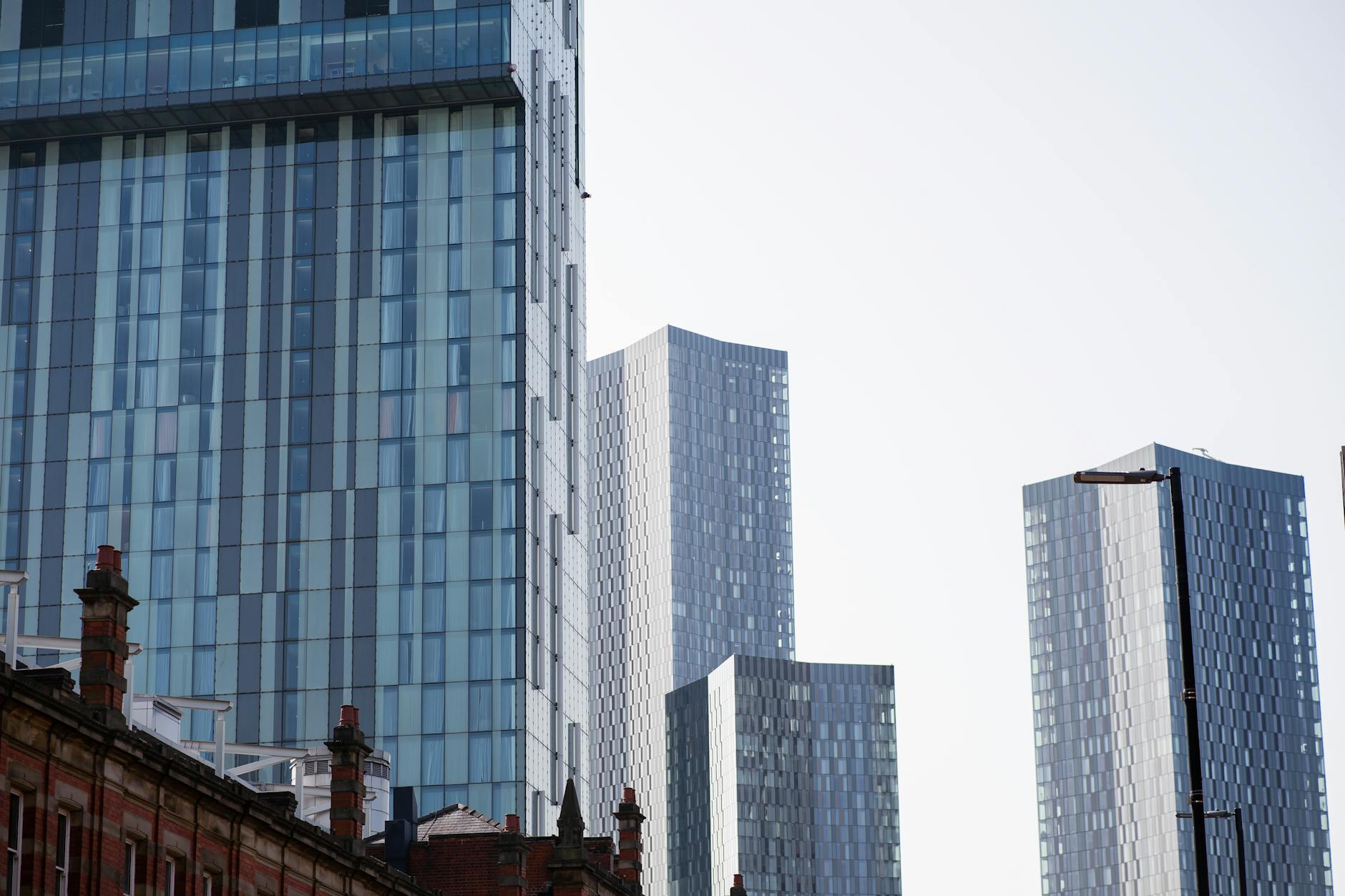
Sales calls are judged before the pitch begins. A late arrival, wet clothes, a confused reception process, or a rushed setup can make the buyer less confident even when the product is strong. Manchester's rail links, Metrolink, taxis, walking routes, and airport transfers can all be useful, but the practical route depends on the meeting address, final walk, rain exposure, luggage, station exit, and whether the traveler needs ten quiet minutes before entering the room.
Build each arrival door to door. Check the entrance, visitor instructions, building security, taxi drop-off, parking limits if driving, and backup route. For a first meeting with a high-value buyer, the plan should usually include a conservative buffer and a nearby reset point. The aim is not merely to be on time. It is to arrive composed enough to listen, read the room, and lead the conversation.
- Plan door-to-door timing, including station exits, final walks, reception rules, rain exposure, and setup time.
- Use conservative buffers for first meetings, executive buyers, procurement sessions, and formal presentations.
- Identify the taxi, tram, walking, or rail fallback before the traveler is already late.

Keep proof materials ready and portable
A Manchester sales trip often depends on proof: a laptop demo, sample, prototype, one-page buyer summary, pricing sheet, technical note, contract draft, customer story, or QR code that lets the buyer revisit the offer later. Those materials should be packed around the exact day, not treated as generic luggage. Heavy samples change transport choices. A live demo requires charging, adapters, hotspot plans, offline backups, login checks, and a realistic answer for poor guest Wi-Fi.
The traveler should decide what can be carried all day and what needs storage at the hotel or client site. Printed leave-behinds should be few, clean, and account-specific. Digital materials should be easy to open, share, and follow up on quickly. The best sales material is not the largest deck. It is the proof the buyer can understand, trust, and pass to the next stakeholder.
- Prepare demos, samples, chargers, adapters, printed one-pagers, QR codes, and offline backups before travel.
- Match transport and hotel choices to the weight, fragility, and confidentiality of sales materials.
- Make every leave-behind easy for the buyer to reuse with another decision-maker.

Choose a hotel that supports selling and recovery
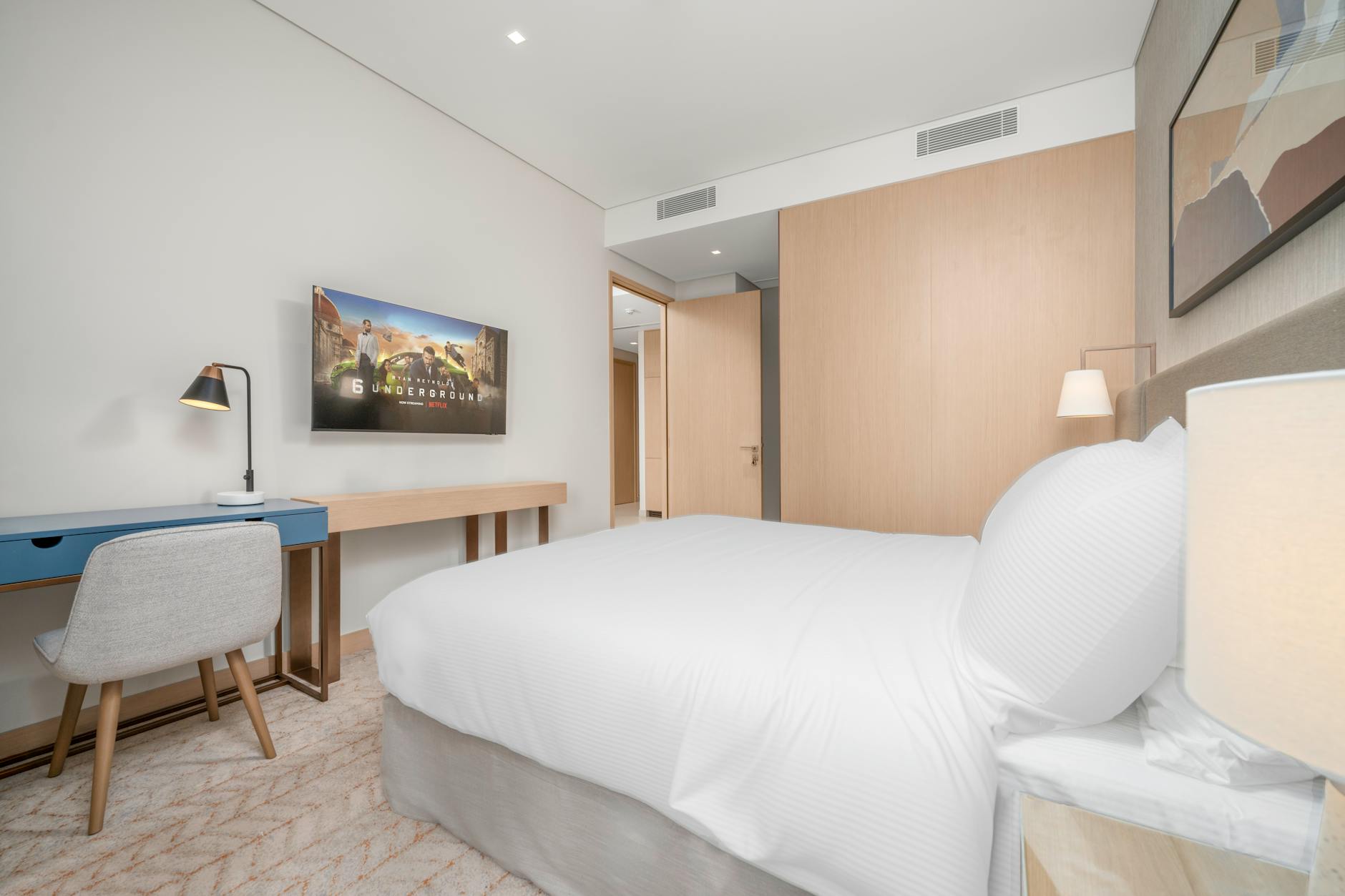
The right sales hotel is not always the nicest hotel or the cheapest central room. It is the place that protects the next buyer conversation. Desk quality, Wi-Fi, outlets, quiet, breakfast timing, early checkout, luggage storage, laundry, late food, sample handling, nearby transport, and pickup reliability all matter. A hotel near Piccadilly may work for rail-heavy movement; Deansgate or Spinningfields may suit client dinners; Salford Quays may suit MediaCity or waterfront accounts; an airport-area hotel may be better for an early departure or outer corridor meetings.
Sales travelers also need space to reset. Back-to-back calls, a noisy lobby, and a small room with no desk can make follow-up worse precisely when the account needs momentum. Before booking, decide whether the hotel must function as a base for calls, a storage point for materials, a dinner geography choice, or a sleep-protection tool after a long day.
- Check desk, Wi-Fi, outlets, quiet, breakfast, luggage storage, laundry, late food, and pickup reliability.
- Choose the hotel by the account cluster rather than by a generic central-Manchester label.
- Protect a private place to write follow-up and prepare the next buyer conversation.
Use every meeting to move the account
A packed sales day can feel productive while doing little for the pipeline. Each Manchester meeting should have a job: discovery, qualification, technical validation, champion development, executive confidence, renewal protection, procurement progress, or partner alignment. A buyer coffee near Deansgate, a demo around Spinningfields, a site visit in Trafford, and a dinner near Salford Quays should not all be treated as the same kind of activity.
Before each meeting, define the decision the traveler needs to influence and the evidence that would change the account plan. After each meeting, capture objections, names, timing, budget cues, implementation blockers, and promised next steps. Manchester has enough movement and hospitality to fill the calendar easily. The discipline is to leave each interaction with clearer commercial truth than the traveler had before entering the room.
- Give each meeting a specific account purpose: discovery, validation, champion-building, executive confidence, renewal, or procurement.
- Capture objections, budget cues, stakeholder names, timing, and promised next steps immediately.
- Measure the trip by account movement, not by the number of conversations completed.

Treat client meals as account strategy
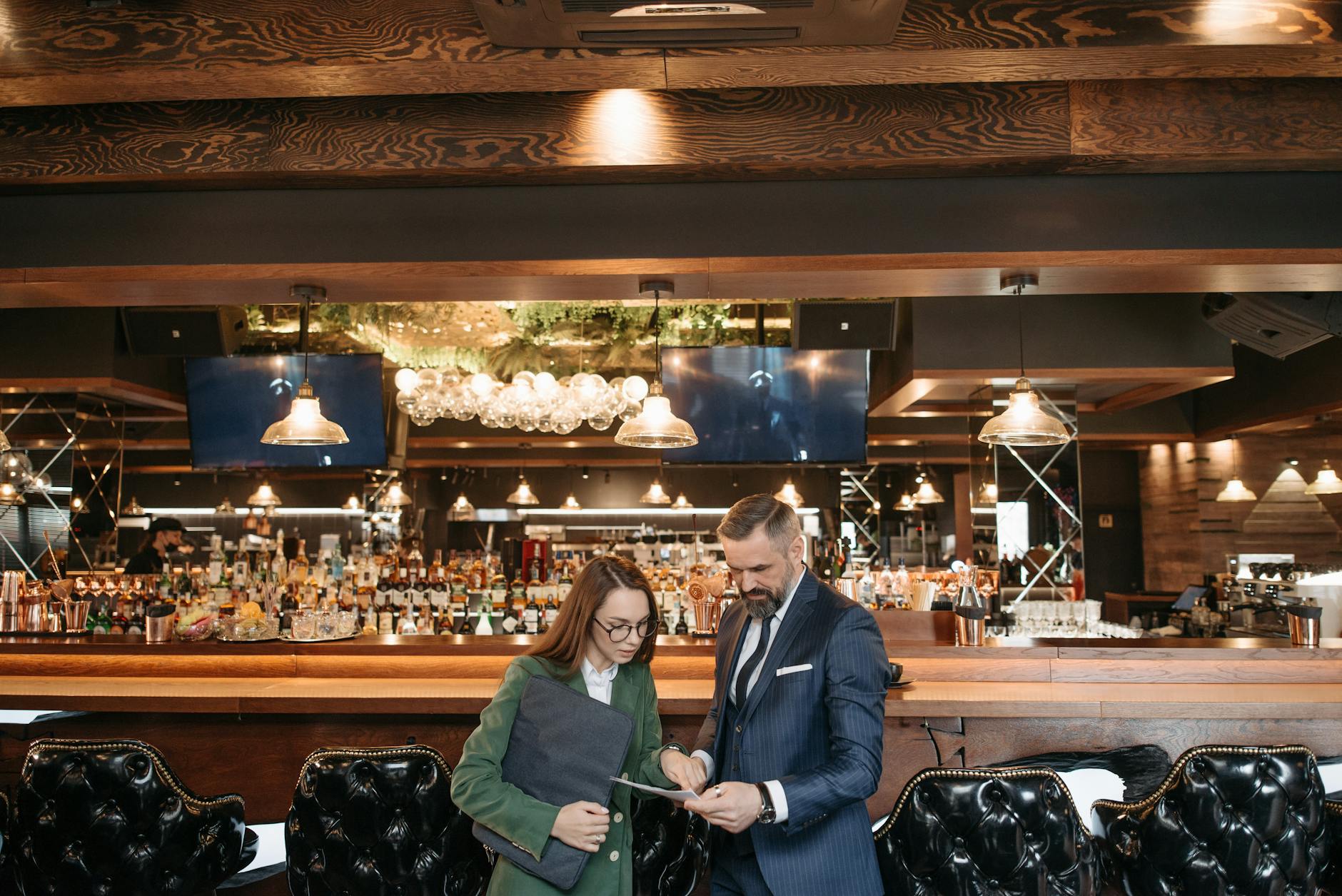
Client meals in Manchester can build trust, but they should be chosen for the buyer and the account stage. A polished dinner in Spinningfields, a practical meal near Deansgate, a quieter table close to the hotel, a Northern Quarter venue, or a Salford Quays option can each be right for different people. Noise, privacy, dietary needs, travel time, dress expectations, and the next morning's schedule matter more than simply booking a well-reviewed restaurant.
Meals should not consume the trip's follow-up capacity. If dinner is central to relationship-building, keep the next morning clean enough to act on it. If the meeting produced objections or stakeholder intelligence, block time that night to write the account notes while the detail is fresh. A strong sales dinner creates momentum; an overextended evening can blur the very signals the traveler came to collect.
- Choose client meals by buyer fit, privacy, noise, dietary needs, travel time, and account stage.
- Use Spinningfields, Deansgate, Northern Quarter, Salford Quays, or hotel-adjacent options deliberately.
- Protect follow-up time after dinner so relationship insight becomes account action.
When to order a short-term travel report
A salesperson visiting one familiar Manchester account may not need a custom report. A report becomes useful when the trip includes several prospects, a major pitch, samples, a live demo, client entertainment, a tight airport-to-meeting sequence, outer business zones, unfamiliar hotel choices, or meetings split between the city centre, Salford Quays, MediaCity, Trafford, and the airport corridor. The report should test the account geography, hotel base, transfer plan, material handling, meal options, arrival buffers, weather exposure, current disruptions, and follow-up windows.
The value is not a generic Manchester guide. It is an account-specific operating plan for selling well in a short window: where to stay, when to move, what to carry, where to host, how to recover, and when to write the note that turns a meeting into a next step. In sales travel, logistics are not separate from revenue. They shape whether the buyer experiences the traveler as prepared, credible, and easy to buy from.
- Order when multiple prospects, a major pitch, samples, demos, client entertainment, or outer-zone meetings raise the stakes.
- Provide account addresses, buyer priorities, hotel candidates, arrival details, materials, meal plans, and follow-up needs.
- Use the report to protect account momentum rather than merely to navigate Manchester.