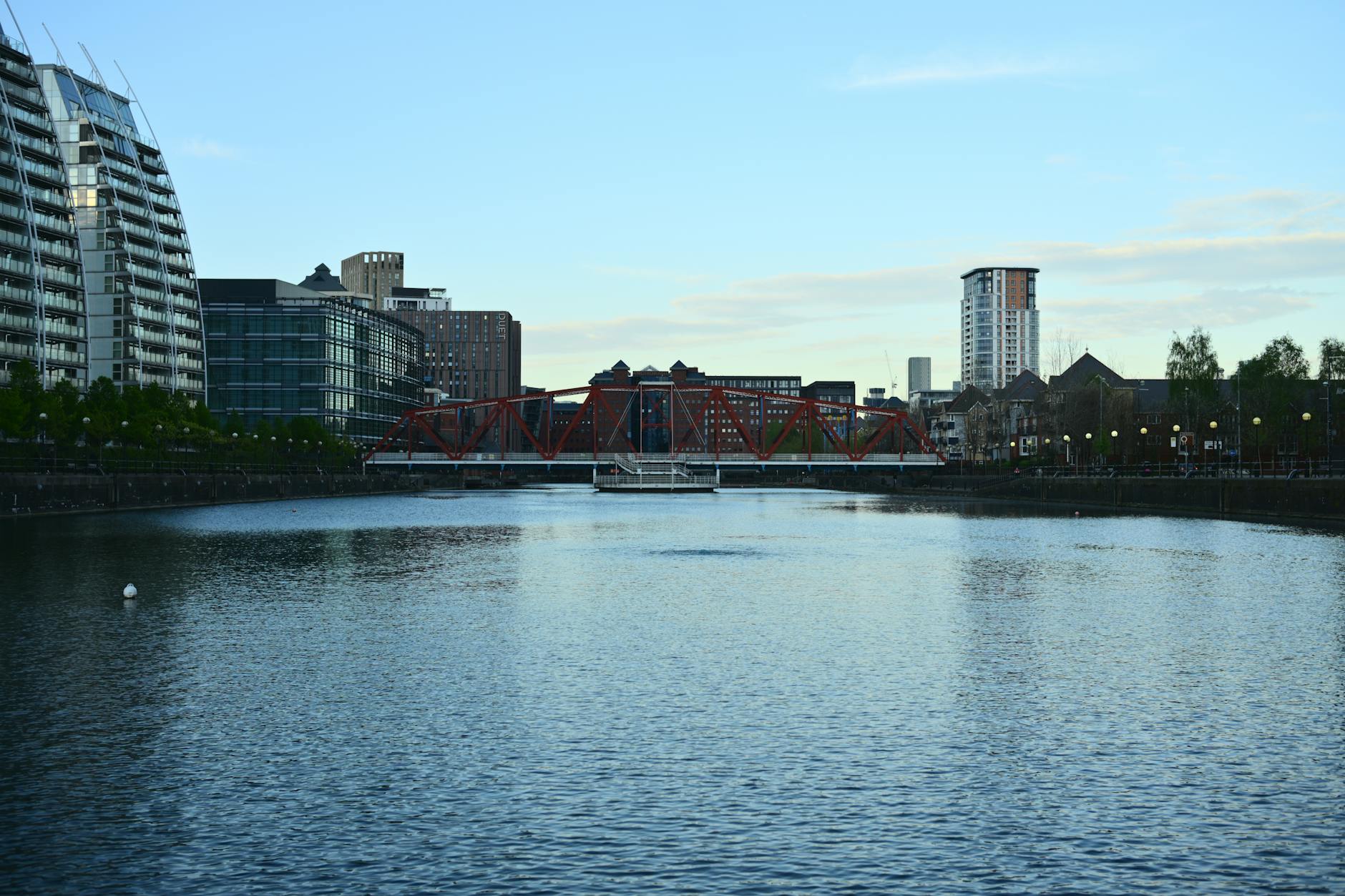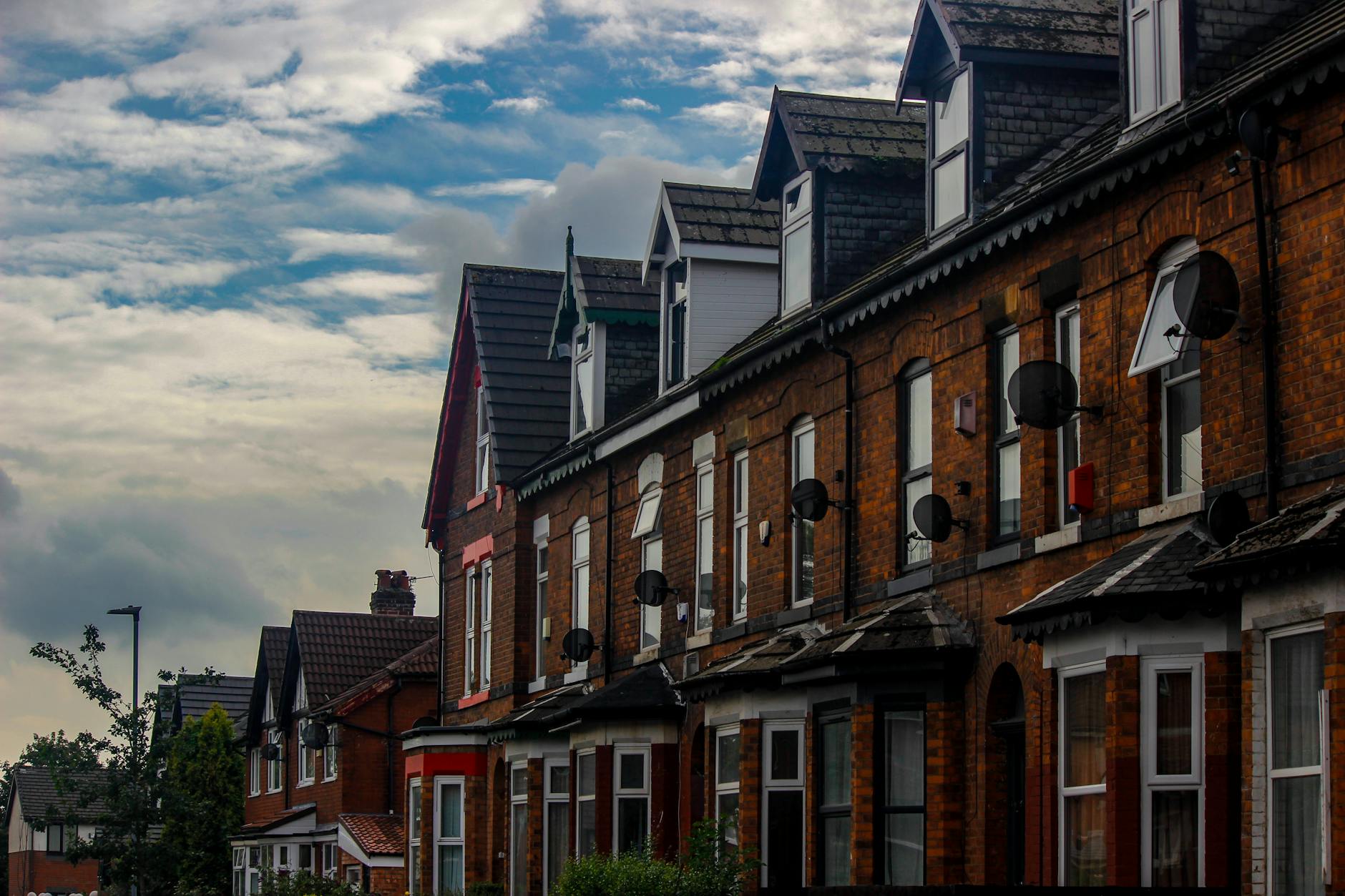
A repeat leisure trip to Manchester should not feel like a second run through the same short list. The traveler may already know the outline: Central Library, John Rylands Library, Manchester Cathedral, the Northern Quarter, a canal walk, a football stop, Salford Quays, shopping, and a few central meals. Those places may still belong in the trip, but they should no longer control it. The value of returning is the freedom to choose a more specific version of the city. The second or third visit can be about a different base, a slower neighborhood, a better food plan, a music or theatre thread, a football day handled properly, a waterside walk without hurry, a gallery or library seen with more attention, or a tram ride into a district that was not worth the risk on a first visit. Manchester rewards repeat visitors who stop proving they have seen it and start asking what kind of city they want this time.
Choose a base for this visit, not the last one
Repeat visitors should not automatically return to the hotel district that worked for the first trip. A city-centre base may still be right, but the reason should be specific: theatres, galleries, meals, rail convenience, or a known evening rhythm. Deansgate, St Peter's Square, Piccadilly, the Northern Quarter edge, Ancoats, Salford Quays, and quieter Greater Manchester bases all create different versions of the trip.
If the goal is food and cafes, staying near the Northern Quarter or Ancoats can reduce friction. If the goal is theatre, libraries, and civic architecture, the centre may still be the best answer. If the goal is waterfront time, MediaCity, or a calmer reset, Salford Quays can work. A familiar hotel in the wrong place can pull the visitor back into old routes. The base should make this return visit feel intentional.
- Select the hotel by this trip's neighborhoods, meals, evenings, and transport rhythm.
- Consider Deansgate, St Peter's Square, Piccadilly, Northern Quarter, Ancoats, Salford Quays, or a quieter outer base when they fit.
- Avoid letting a familiar hotel recreate the same Manchester trip by default.
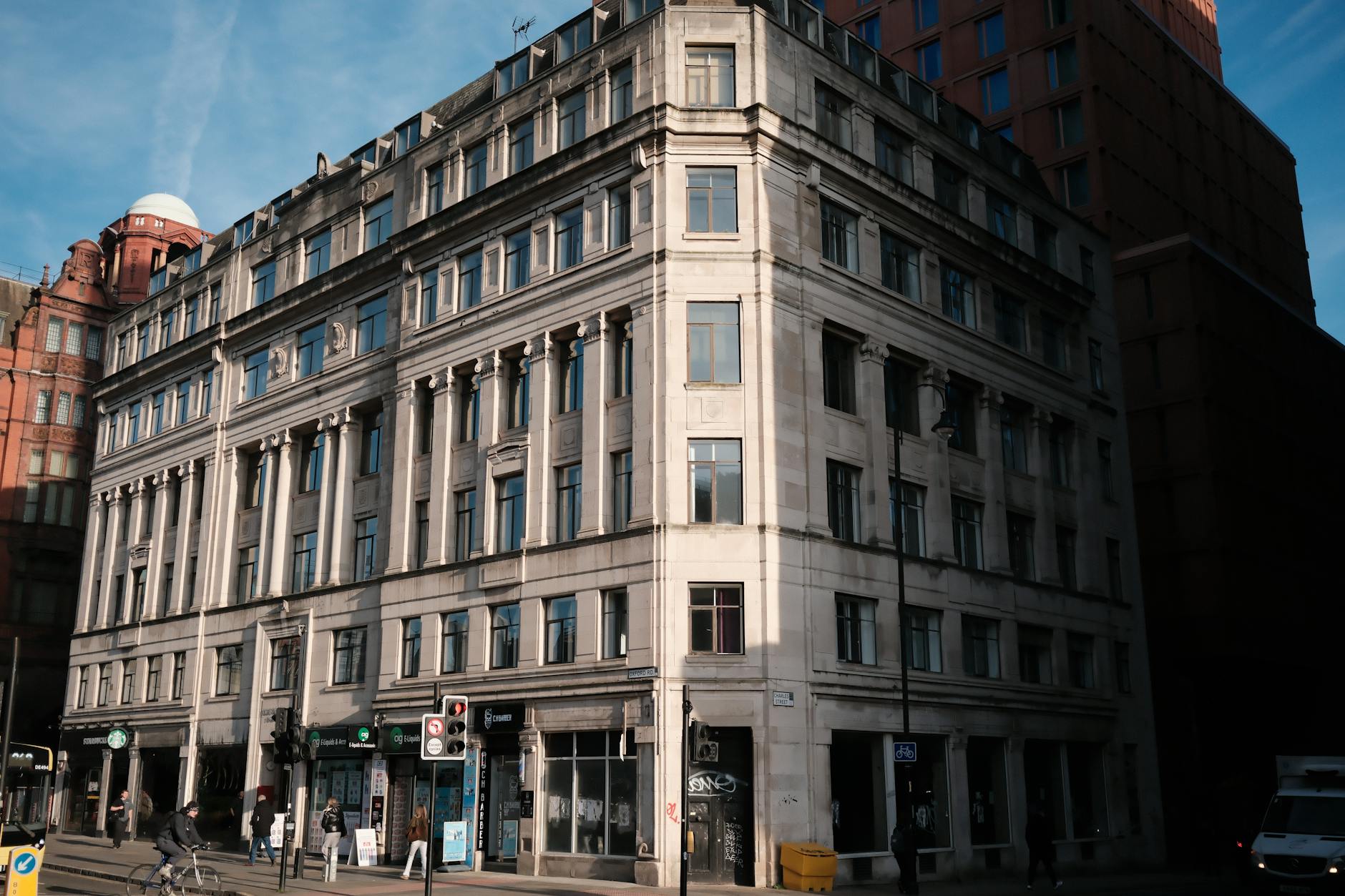
Let neighborhoods carry the day
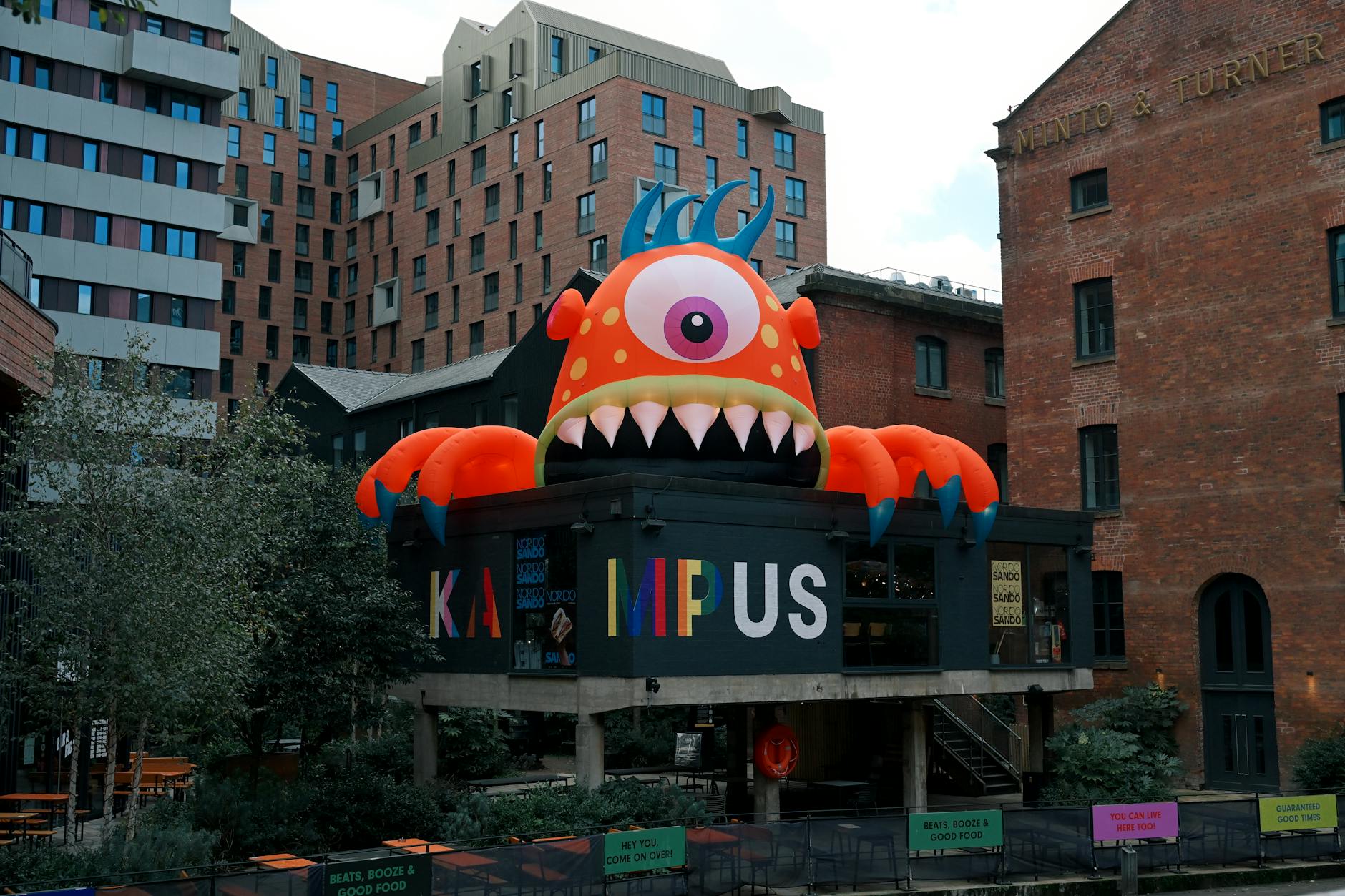
The best repeat Manchester days often come from choosing fewer places and staying with them longer. The Northern Quarter is more than a street-art detour; it can be cafes, independent shops, records, design, lunch, and evening texture. Ancoats and New Islington can support canals, food, modern residential streets, and a slower mood. Altrincham or Chorlton can be useful when the visitor wants markets, neighborhood streets, and a day that feels less like the central circuit.
The mistake is treating these places as add-ons after the classic sights. A repeat visitor can make a neighborhood the point of the day: coffee, a walk, a shop, a meal, a small cultural stop, and a return that does not feel rushed. Manchester becomes richer when the visitor allows one district to become familiar rather than collecting six partial impressions.
- Give the Northern Quarter, Ancoats, New Islington, Altrincham, Chorlton, or Salford enough time to become the day.
- Use coffee, shops, markets, canals, lunch, and evening returns to create a full neighborhood rhythm.
- Choose depth over a quick loop through many districts.

Use canals and outer routes to expand, not scatter
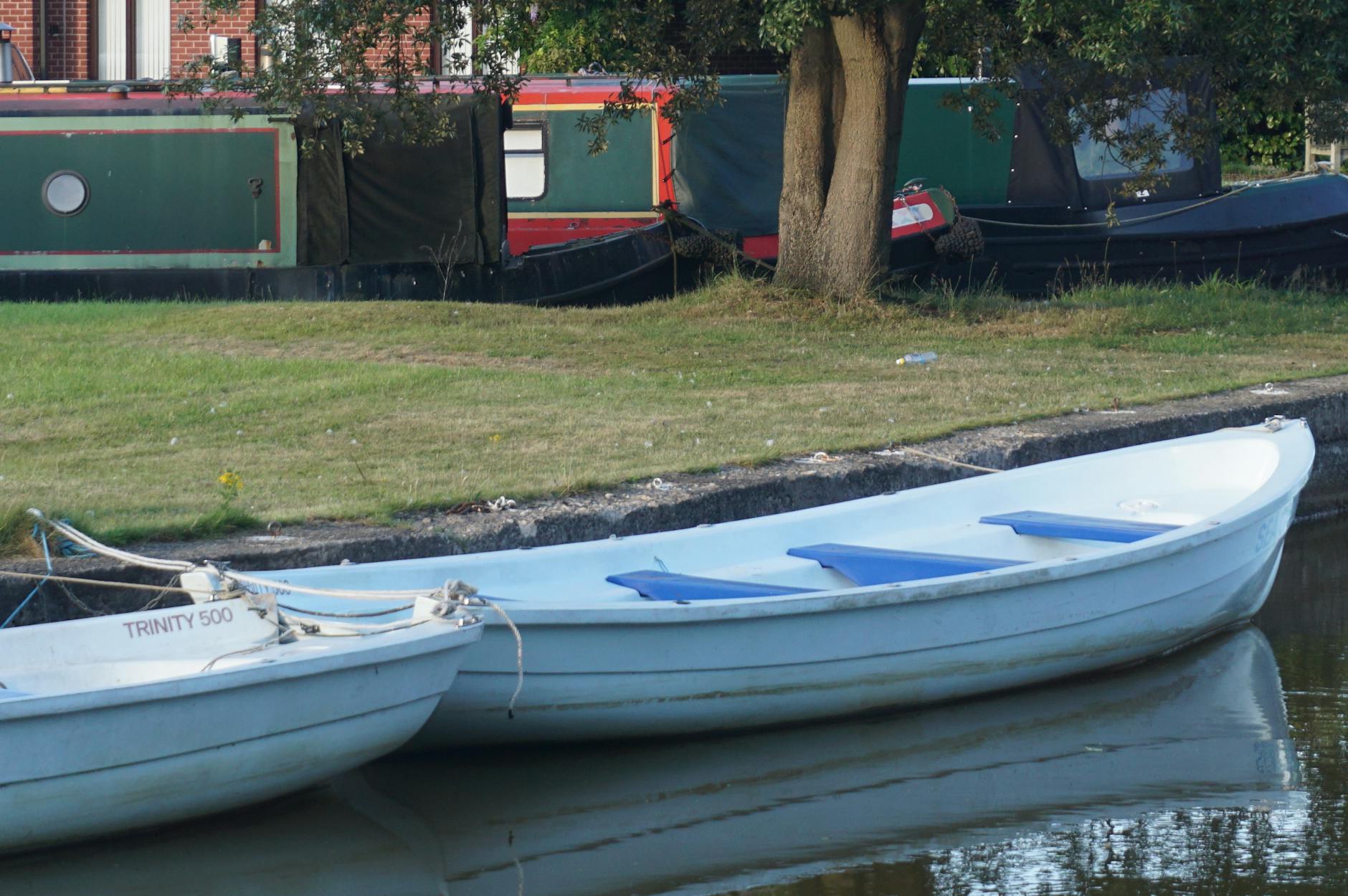
A repeat visitor usually has more confidence with trams, rail, taxis, and walking. That confidence should expand the trip, not turn it into fragments. Castlefield, New Islington, Eccles canals, Salford Quays, MediaCity, Altrincham, Chorlton, and Heaton Park may become more realistic, but not if each day becomes a chain of disconnected moves. The test is whether the route creates a coherent half-day or full day.
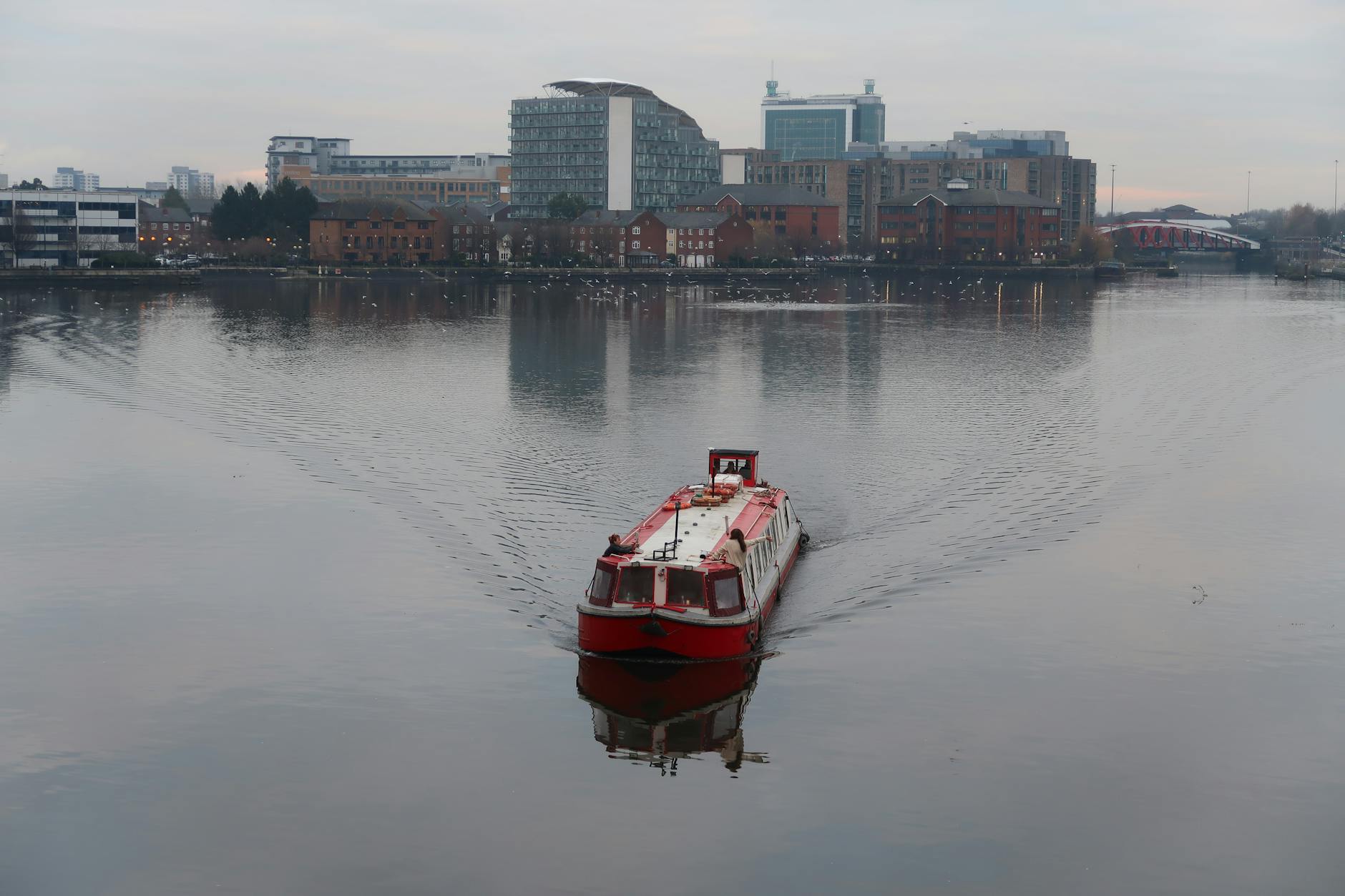
Canal and waterside routes are especially useful on a return visit because they change the city's pace. They should still be planned with weather, light, surfaces, food, bathrooms, and the way back in mind. A canal walk is a pleasure when it is the point. It is less useful when it becomes the long way home after the traveler is already cold, hungry, or late.
- Use trams, rail, taxis, and walking to create coherent outer or waterside days.
- Treat Castlefield, New Islington, Eccles canals, Salford Quays, and MediaCity as planned routes, not accidental detours.
- Check weather, light, food, bathrooms, and return timing before committing to longer canal walks.
Choose one deeper cultural thread
A repeat leisure trip is a chance to stop sampling Manchester and choose a point of view. The thread might be music, theatre, football, libraries, industrial history, contemporary food, civic architecture, canals, galleries, markets, or independent retail. A thread gives the trip a reason to move through less obvious places and makes it easier to say no to first-visit repetition.
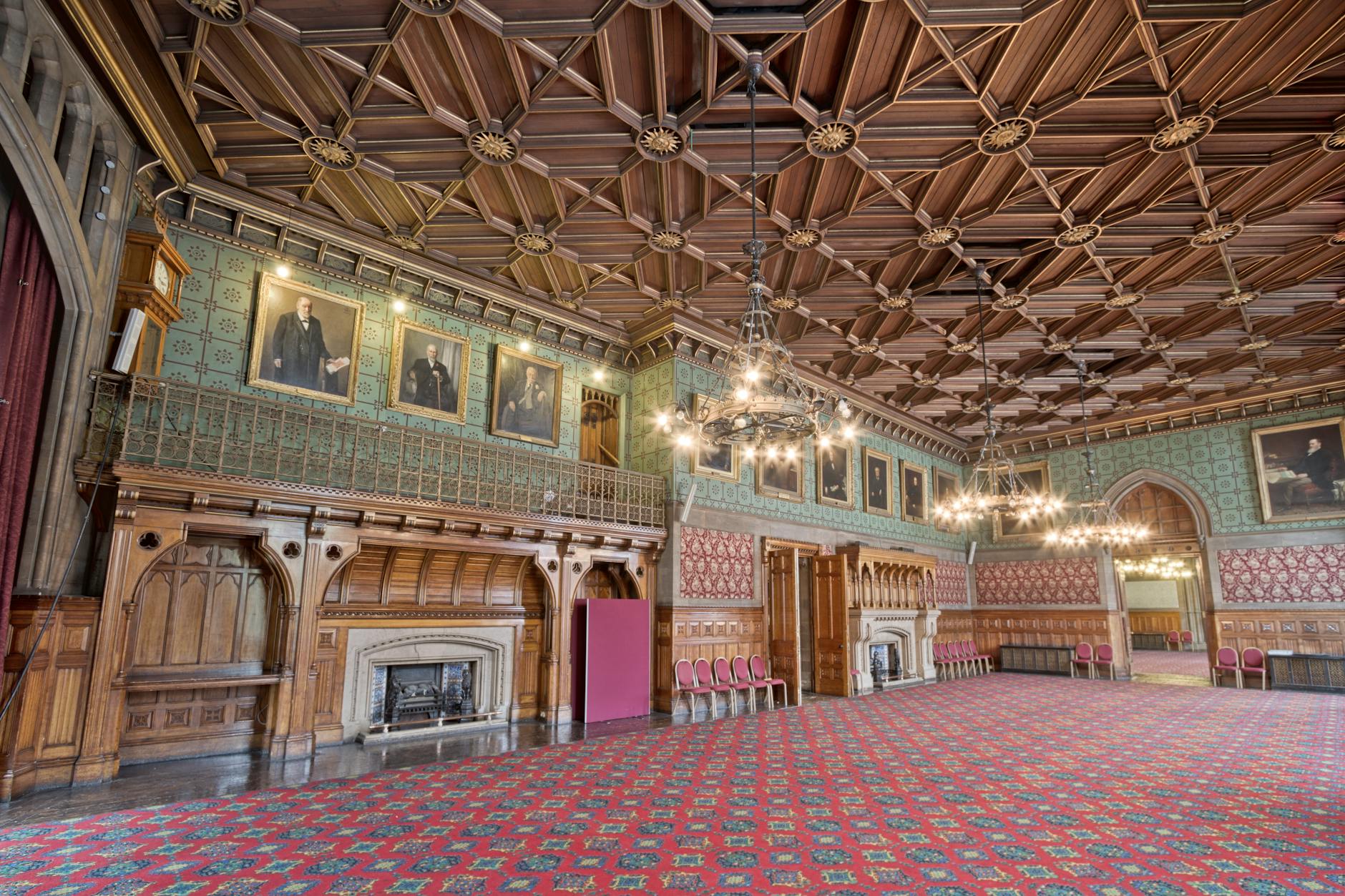
A library and architecture thread can return to John Rylands, Central Library, the Town Hall area, and smaller interiors with more attention. A music thread can shape the evening plan and the neighborhoods around it. A football thread can include a stadium tour, National Football Museum time, or a match-day atmosphere without forcing every other day to orbit it. The thread should guide the trip, not turn it into homework.
- Pick one theme: music, theatre, football, libraries, industrial history, food, architecture, canals, galleries, or markets.
- Use the theme to choose neighborhoods, meals, evenings, and transport deliberately.
- Keep the thread loose enough that the city can still interrupt the plan.
Make food and ordinary time part of the structure
Repeat visitors can improve Manchester quickly by making food more intentional. The first visit may have relied on whatever was near a sight or hotel. The return trip can let meals shape the day: a market or food-hall lunch, a neighborhood cafe, a serious dinner, a bakery stop, a pub with a purpose, or a simple hotel-area fallback for wet evenings. The meal does not need to be famous. It needs to match the route and the mood.
Ordinary time matters too. A second visit can include a bookstore, a slow coffee, a short errand, a gallery browse, a canal bench, or an hour in a neighborhood that did not fit last time. That is not wasted time. It is how the city becomes more personal. The repeat visitor should leave space for Manchester to feel lived in for a few days.
- Use cafes, markets, food halls, pubs, and dinner reservations as route structure rather than afterthoughts.
- Match meals to the district instead of chasing isolated recommendations across town.
- Leave room for ordinary Manchester time: coffee, shops, canals, bookstores, small galleries, and unhurried streets.
Design evenings differently from the first visit
A first Manchester trip often uses evenings for one obvious dinner, a drink, a football atmosphere, or a show if timing works. A repeat leisure visit can be more deliberate. That may mean theatre, music, a quieter waterside dinner, a neighborhood pub, a late gallery or cultural event, a comedy night, or an early night before an outer-district day. The evening should serve the trip's purpose rather than simply fill the gap after sightseeing.
Return routes still matter. A lovely dinner or event is less appealing if the traveler has not thought about rain, tram timing, taxi pickup, phone battery, or the final walk back to the hotel. The repeat visitor has enough Manchester familiarity to plan better than that. Decide whether the evening is meant to be lively, quiet, local, cultural, or restorative, then choose the district accordingly.
- Use evenings for theatre, music, waterfront time, neighborhood pubs, food, or rest by design.
- Confirm the late return before choosing an event or dinner away from the hotel.
- Protect one quiet night when the daytime plan reaches farther out.
When to order a short-term travel report
A repeat visitor who already knows the hotel, restaurants, and pace they want may not need a custom report. A report becomes useful when the traveler wants this Manchester trip to feel meaningfully different, is choosing a new base, wants stronger food or culture sequencing, is deciding between city centre and Salford Quays, wants a canal or outer-district day, is traveling with someone whose interests differ, or needs medical, mobility, budget, weather, or event constraints handled carefully.
The report should test hotel districts, neighborhood sequencing, food geography, cultural anchors, canal and tram logic, evening returns, current local events, weather implications, and what should be intentionally skipped. The value is not novelty for its own sake. It is a sharper version of Manchester that fits this return visit.
- Order when choosing a new base, deeper neighborhoods, food, culture, canals, Salford Quays, or a slower return trip raises the stakes.
- Provide prior Manchester experience, hotel candidates, favorite and disliked areas, food interests, cultural goals, pace, and constraints.
- Use the report to make the return visit specific rather than merely different.