Budget travel to Manchester is not about stripping the trip down until it feels small. The city has free libraries, cathedral architecture, galleries, museums, canals, compact central districts, trams, buses, supermarkets, bakeries, food halls, student energy, football atmosphere, and enough street life to fill days without constant admission fees. It also has event-driven hotel pricing, wet weather, late-night route decisions, paid football temptations, airport and rail transfers, and bargain lodging that can cost more in time and fatigue than it saves. A good budget plan decides where money protects the visit and where Manchester can be used intelligently without paying for every hour.
Budget by total friction, not room price
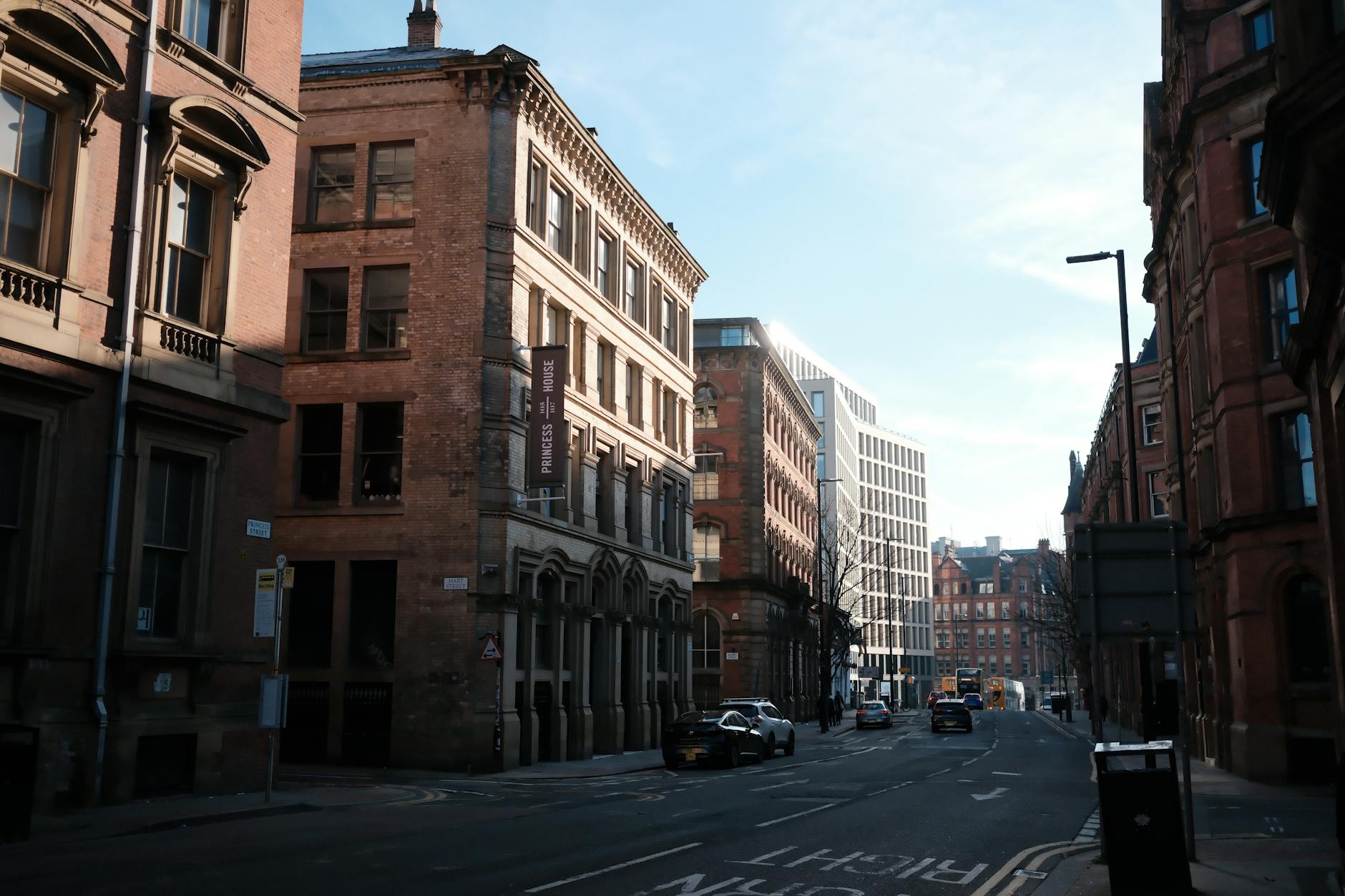
Accommodation is the budget decision most likely to distort a short Manchester trip. A lower nightly rate can be useful when the hotel, aparthotel, or hostel sits on a simple route to Piccadilly, Victoria, Oxford Road, Deansgate, St Peter's Square, the Northern Quarter, Salford Quays, or the specific event district that matters to the trip. It becomes a false economy when the traveler spends every day correcting the location with paid rides, long transfers, awkward late walks, poor sleep, or extra meals bought near the wrong hotel.
Budget travelers should compare possible bases by daily movement, not by map distance alone. A cheap room just outside the center may work if it has a clean tram, bus, or rail connection and a comfortable final walk after dark. A room that looks central may still be noisy, inconvenient for luggage, or priced high because a football match, concert, conference, or graduation week has compressed supply. The goal is not to stay in the busiest block. It is to avoid paying with time, fatigue, and repeated small fixes for a room that only looked cheaper at booking.
- Compare nightly rate against daily transport cost, late-return comfort, sleep quality, and luggage friction.
- Check event dates before assuming Manchester's usual budget hotel pricing will hold.
- Prefer a slightly better location when it removes repeated taxis, meals of convenience, or difficult final walks.
Use trams, buses, and walking with route logic
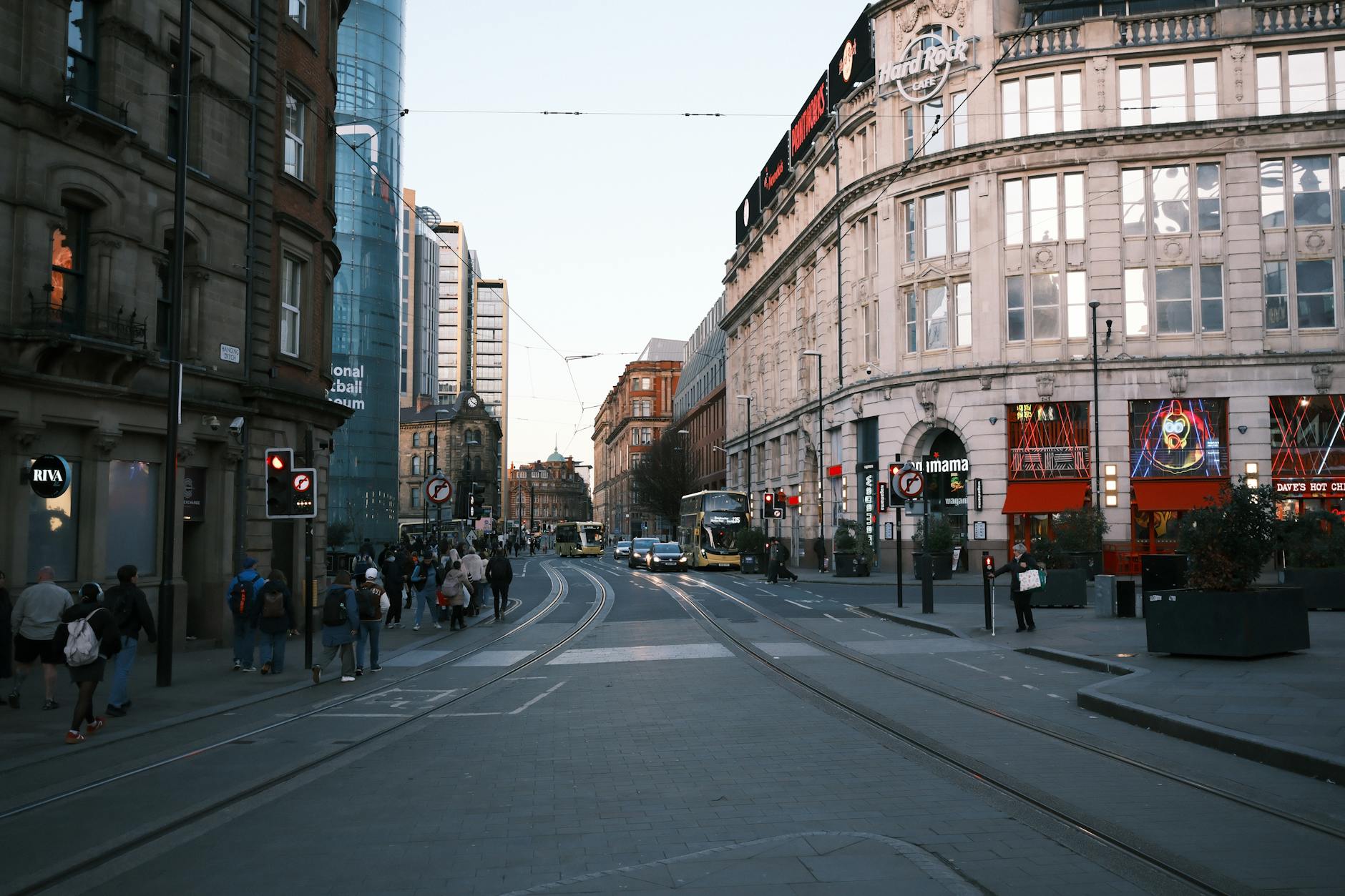
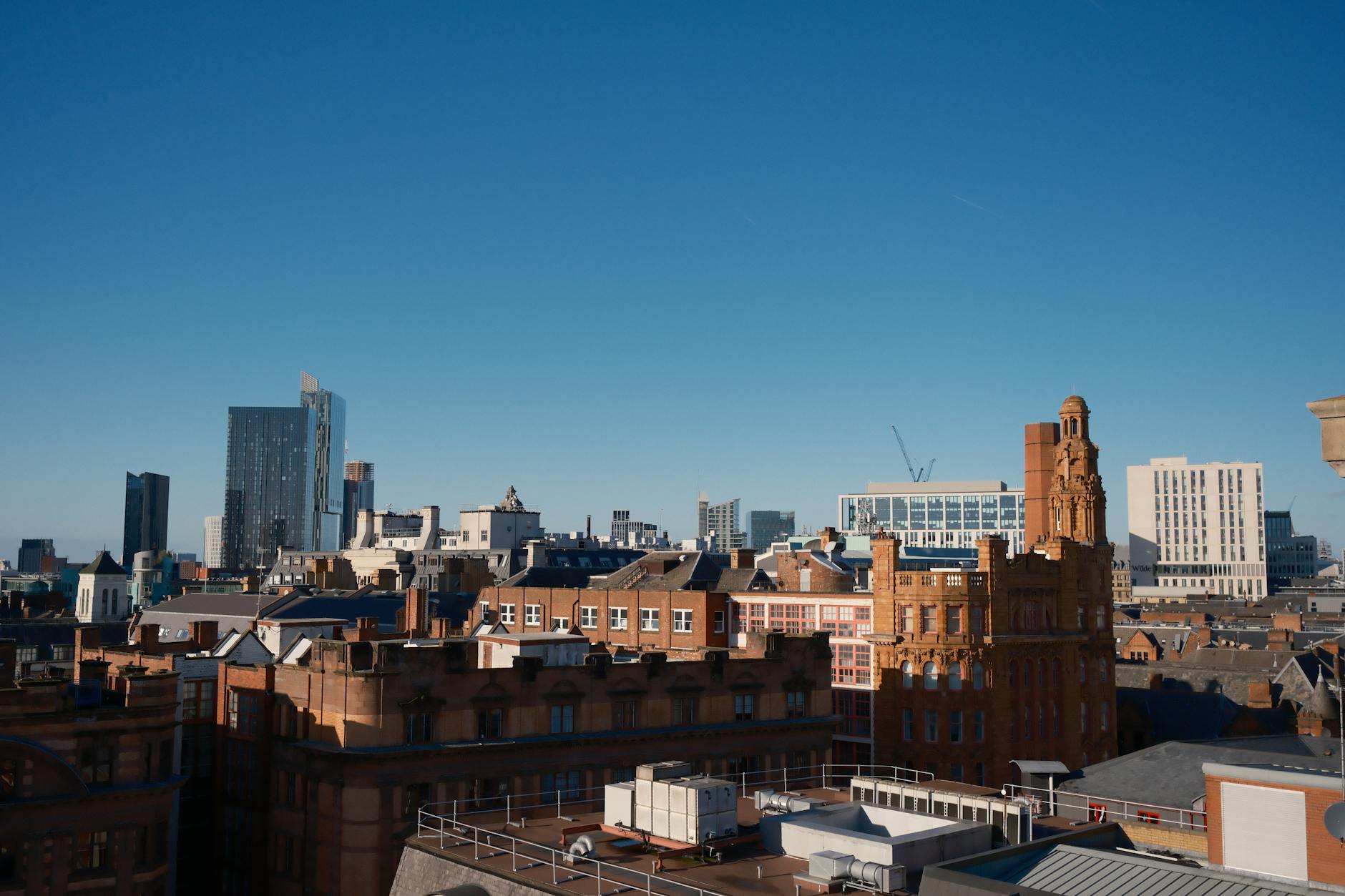
Manchester's transport network can keep a budget trip efficient, but only when the traveler understands the shape of the day. Metrolink is useful for Salford Quays, MediaCity, Old Trafford area movement, suburban bases, and some cross-city connections. Buses can be helpful for shorter hops and low-cost movement, especially when the route is direct. Rail can matter for arrivals at Piccadilly, Victoria, or Oxford Road, and airport transfers need to be planned as a real budget line rather than treated as an afterthought.
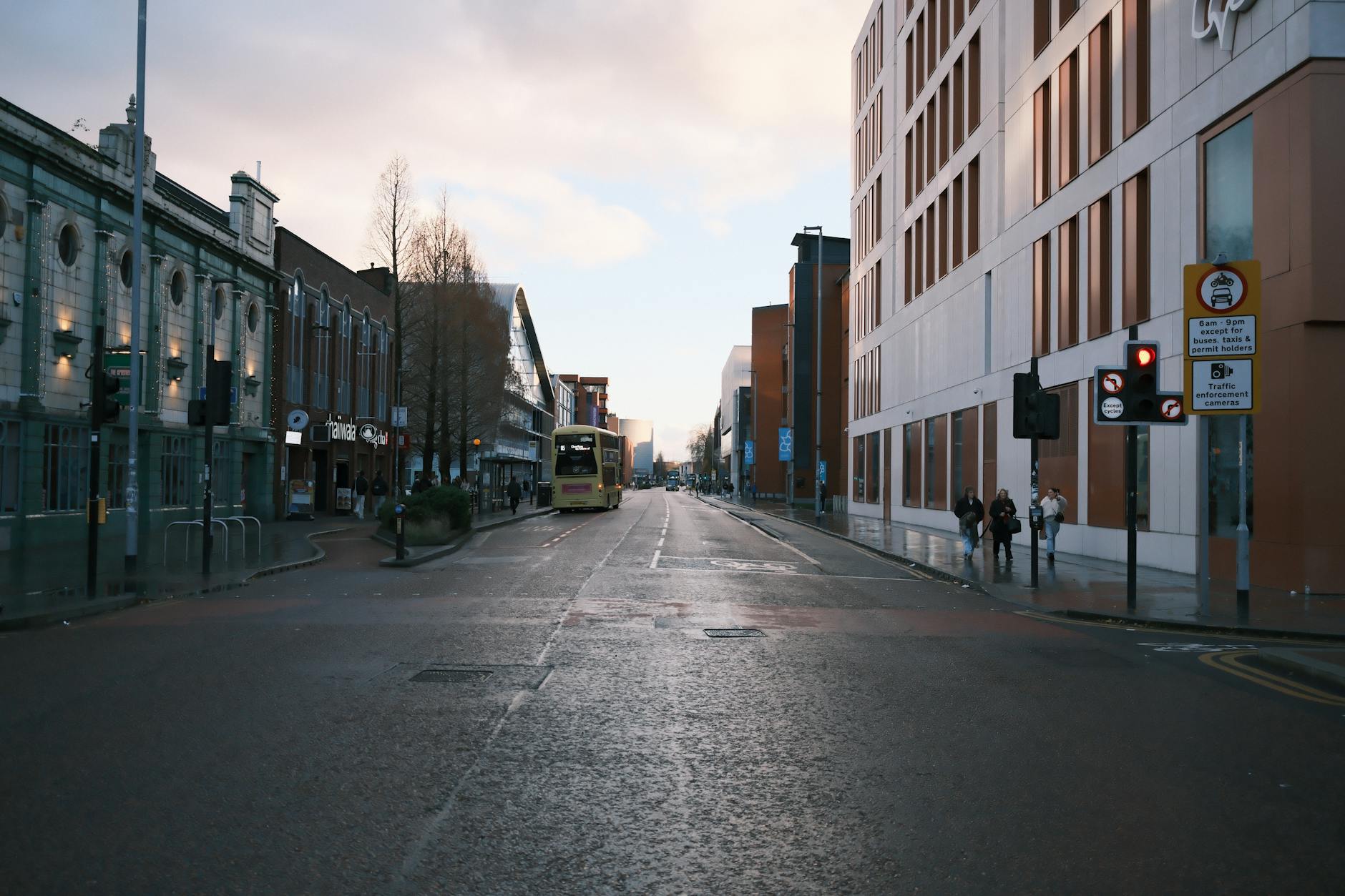
Walking is one of Manchester's best budget tools, but weather and street sequence matter. A dry walk from a library to a gallery, a canal, a music venue, or a food district can be one of the better parts of the trip. The same walk in heavy rain, with luggage, after a late event, or through an unfamiliar edge of town may not be worth the savings. The budget traveler should decide before each day which journeys are walks, which are trams or buses, and which are worth paying to simplify.
- Use Metrolink and buses where the route is direct enough to save both money and energy.
- Treat airport, rail station, and late-night moves as part of the budget, not exceptions to it.
- Walk between compact central districts when weather, footwear, luggage, and daylight make the savings sensible.
Build around Manchester's free strengths
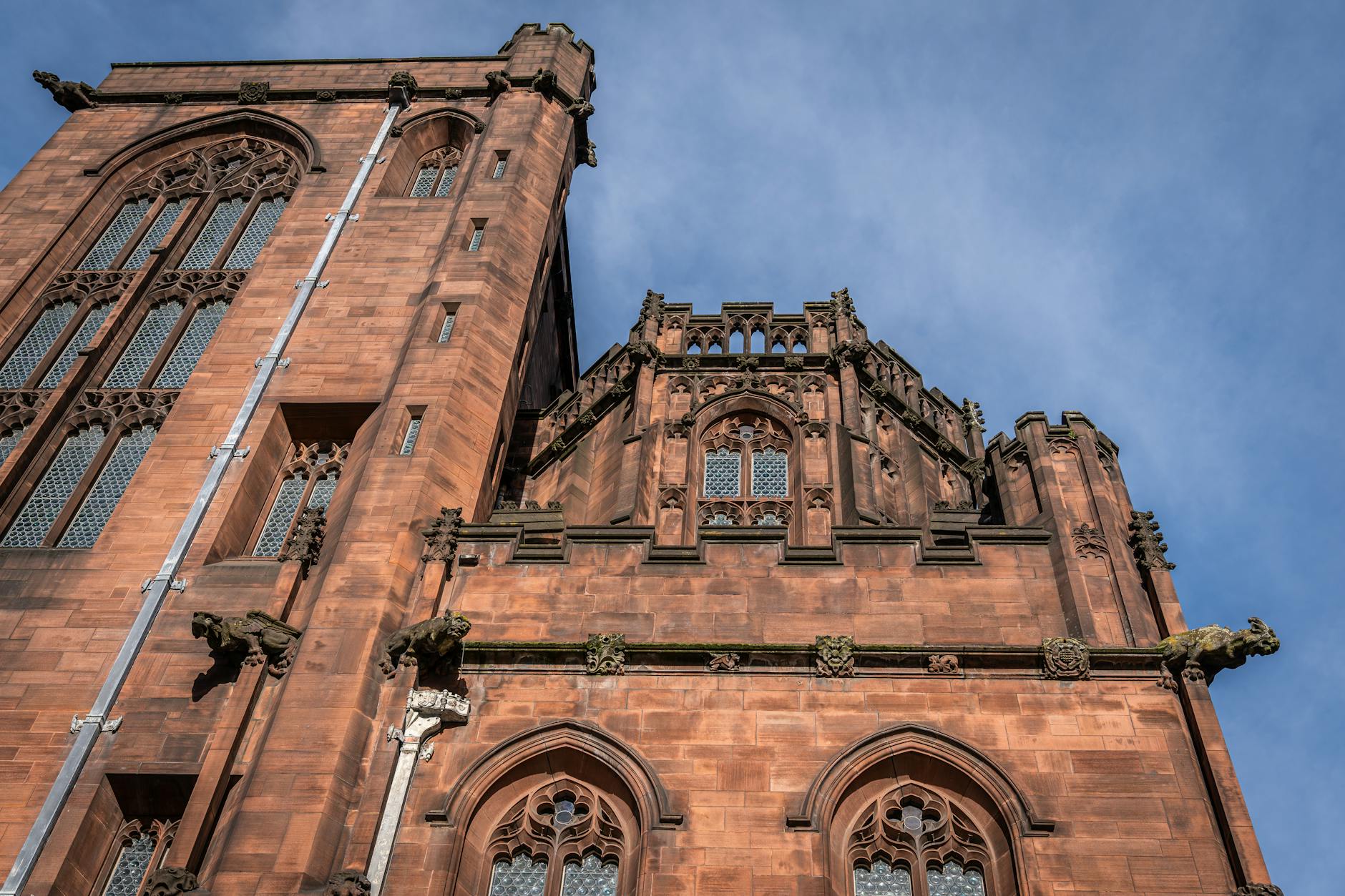
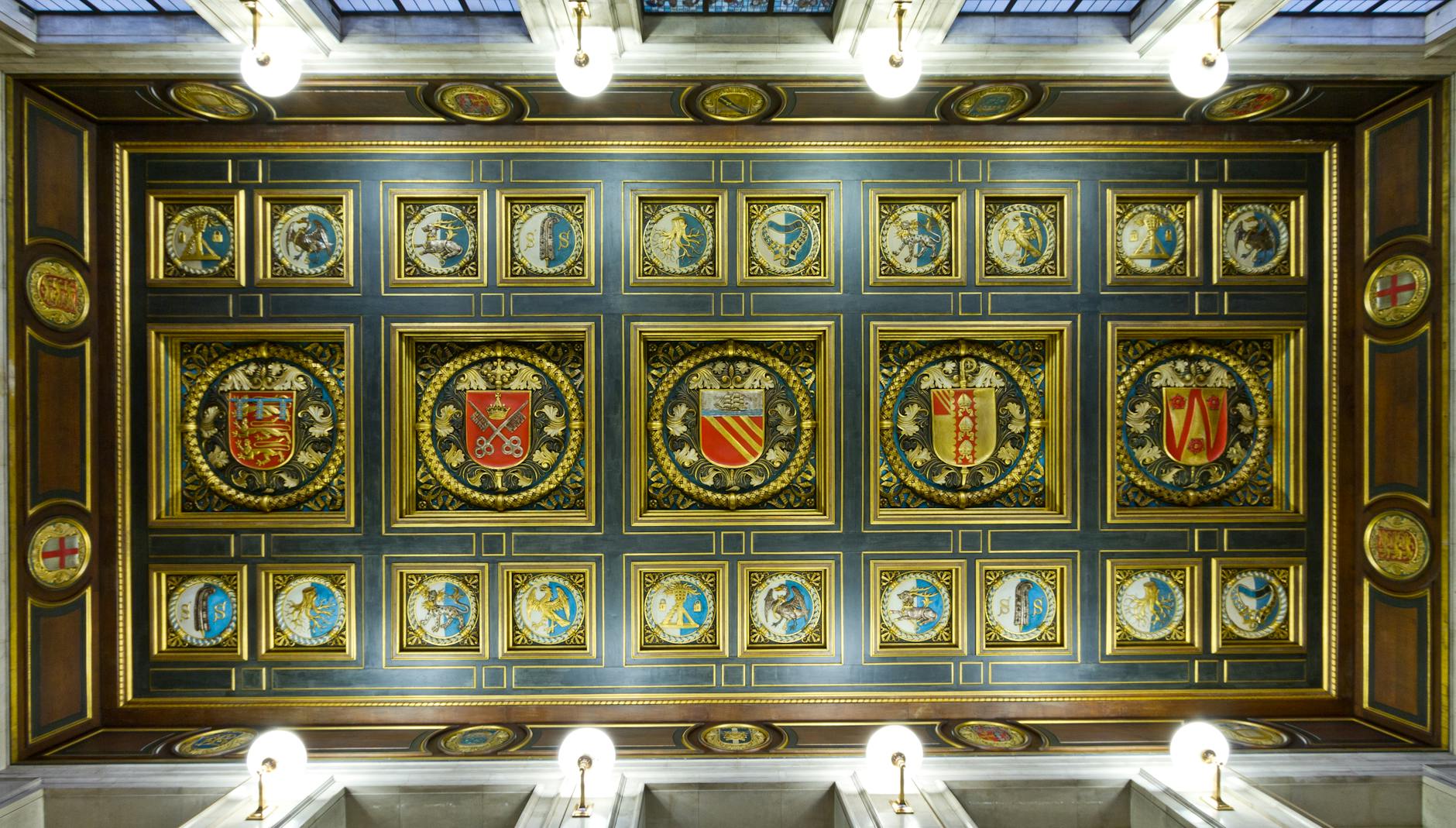
Manchester gives budget travelers a strong base of free or low-cost time when the itinerary is designed around it. Central Library, John Rylands Library, Manchester Cathedral, civic architecture, canal walks, street art, public squares, parks, gallery time when current entry rules support it, and university-area wandering can carry large parts of a short stay. These should not be treated as leftovers around paid attractions. They can be the main structure of the trip.
The practical move is to pair free anchors by district and weather. A library-and-gallery day can stay compact when rain is likely. A canal walk or Salford Quays loop can use clearer hours. A cathedral, market street, and Northern Quarter sequence can leave room for coffee, bookshops, or inexpensive food without turning into a paid ticket chase. Verify current opening hours, temporary closures, and admission rules before relying on any one site, then let the free parts of Manchester carry more of the day.
- Plan free cultural anchors as primary experiences, not filler between paid ones.
- Group libraries, galleries, civic buildings, canals, and food districts so transport costs stay low.
- Check current hours and entry rules before making a free site the day's only fixed point.
Make food savings intentional
Food is where many short Manchester budgets leak quietly. A traveler may save money on lodging and then lose it through repeated convenience coffees, delivery fees, last-minute hotel-area meals, and snacks bought because the day was planned without realistic food stops. Manchester has supermarkets, bakeries, casual cafes, student-oriented areas, Chinatown, curry and kebab options, food halls, pubs, and market-style eating, but those choices only help when the traveler knows where they fit in the route.
A budget food plan should choose a simple breakfast strategy, identify two or three low-cost lunch districts, and protect one or two meals that are worth spending on. Food halls and markets are useful for variety but are not automatically cheap. Chinatown, the Northern Quarter, university-adjacent streets, and station-side convenience can all work differently depending on the hour. The point is to avoid choosing every meal while hungry, wet, tired, and standing beside the nearest expensive option.
- Decide breakfast, coffee, and snack strategy before each day starts.
- Use low-cost food districts intentionally rather than assuming every market or food hall will be cheap.
- Reserve money for a few meals that matter instead of losing it to unplanned convenience spending.

Choose paid experiences by priority
Manchester can tempt budget travelers into many small paid decisions: football stadium tours, match-related spending, music events, theatre, club nights, special exhibitions, guided walks, rideshares, extra coffees, and souvenirs tied to a team, band, or neighborhood. None of these are wrong. The problem is spending in fragments until the trip has no clear priority and the budget is gone before the best choice appears.
The better approach is to name the one or two paid experiences that would genuinely improve the trip. For one traveler that may be a football tour. For another it may be a concert, a theatre ticket, a guided music-history walk, a nicer meal, or a hotel location that makes every day easier. Once those priorities are chosen, the rest of the trip can rely more confidently on free anchors, walking routes, and casual food. A budget trip can still include paid highlights; it just needs those highlights to be chosen before low-value spending fills the space.
- Select one or two paid priorities before the trip instead of deciding from impulse spending.
- Do not let small filler costs crowd out the football, music, theatre, tour, or meal that matters most.
- Consider a better base or simpler transfer as a paid choice when it protects the whole visit.
Avoid false economies after dark
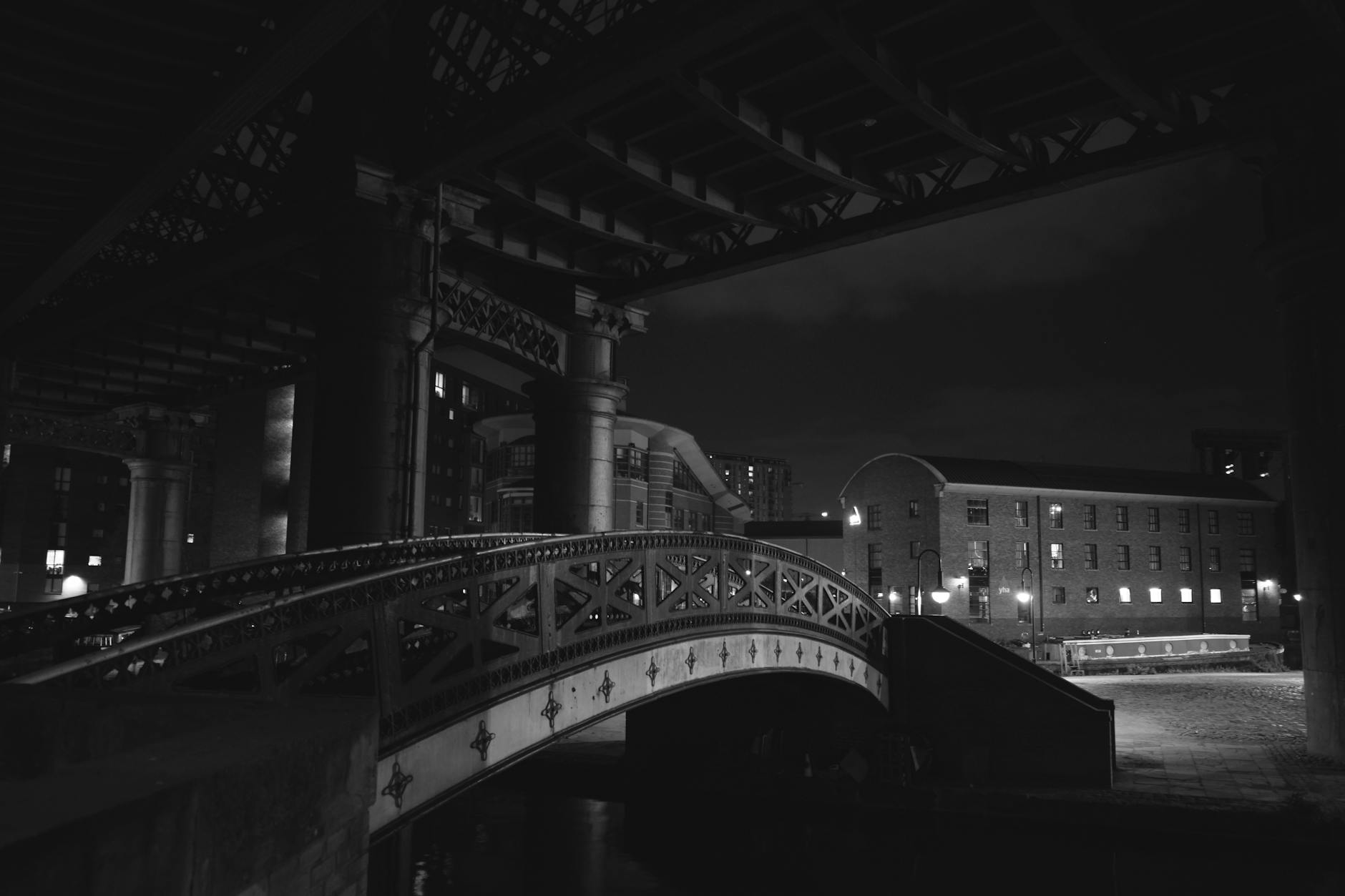
Evening is where budget discipline can become unrealistic. Manchester's nightlife, music venues, theatres, football crowds, restaurant areas, and tram corridors can make nights rewarding, but the cheapest possible return is not always the right one. Rain, crowd dispersal, late trams, unfamiliar streets, phone battery, luggage, and a long final walk can turn a small saving into a poor end to the day.
A budget traveler should know the night route before leaving the hotel, especially when an event ends late or the base is outside the center. Sometimes the right answer is a direct tram. Sometimes it is a bus. Sometimes it is a short paid ride from the venue or station because fatigue and weather make the savings too small. The aim is not to spend freely after dark. It is to avoid false economies that damage sleep, safety, or the next day's energy.
- Check the late route before committing to an evening event, distant dinner, or cheaper outer-base hotel.
- Use paid rides selectively when rain, fatigue, crowding, or the final walk makes public transport impractical.
- Keep enough budget margin for one or two evening corrections rather than treating every taxi as failure.
When to order a short-term travel report
A budget traveler who already has a reliable hotel, simple arrival, flexible dates, and modest goals may not need a custom report. A report becomes useful when Manchester pricing is distorted by events, the traveler is choosing between a central room and a cheaper outer base, airport or rail arrival timing is tight, weather threatens walking plans, paid football or music choices need prioritizing, or food and evening routes must be kept efficient without turning the trip into a spreadsheet.
The report should test lodging districts, event calendars, arrival and departure routes, tram and bus choices, free anchors, current opening rules, low-cost food geography, paid priorities, weather backups, and evening returns. The value is not simply finding the cheapest version of Manchester. It is building a short trip where the money saved does not come back as wasted time, avoidable stress, or missed experiences.
- Order when hotel location, event pricing, transport timing, food geography, or paid priorities could change the whole budget.
- Provide hotel candidates, arrival times, spending ceiling, walking tolerance, food constraints, event interests, and must-see priorities.
- Use the report to separate smart savings from false economies before the trip begins.