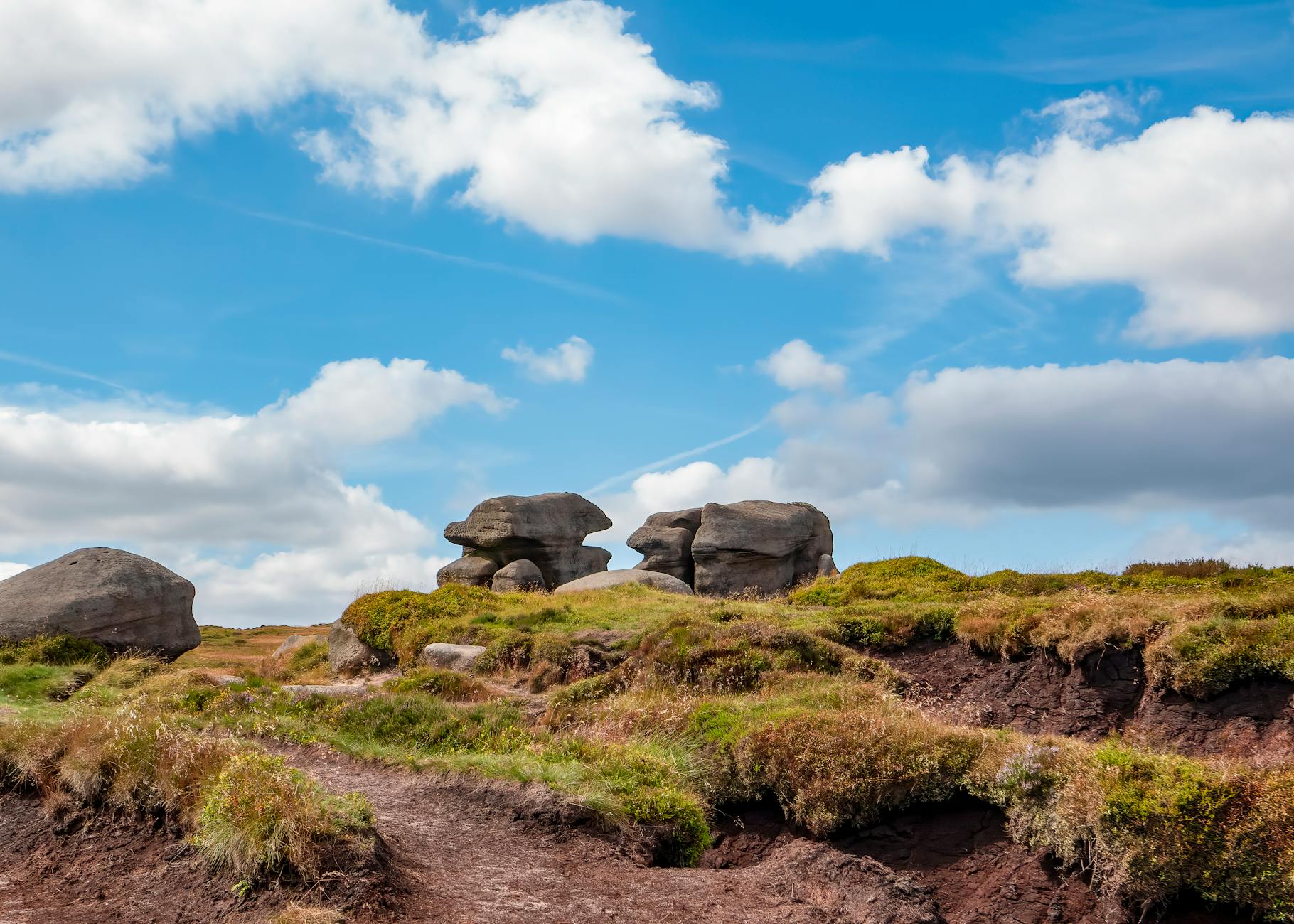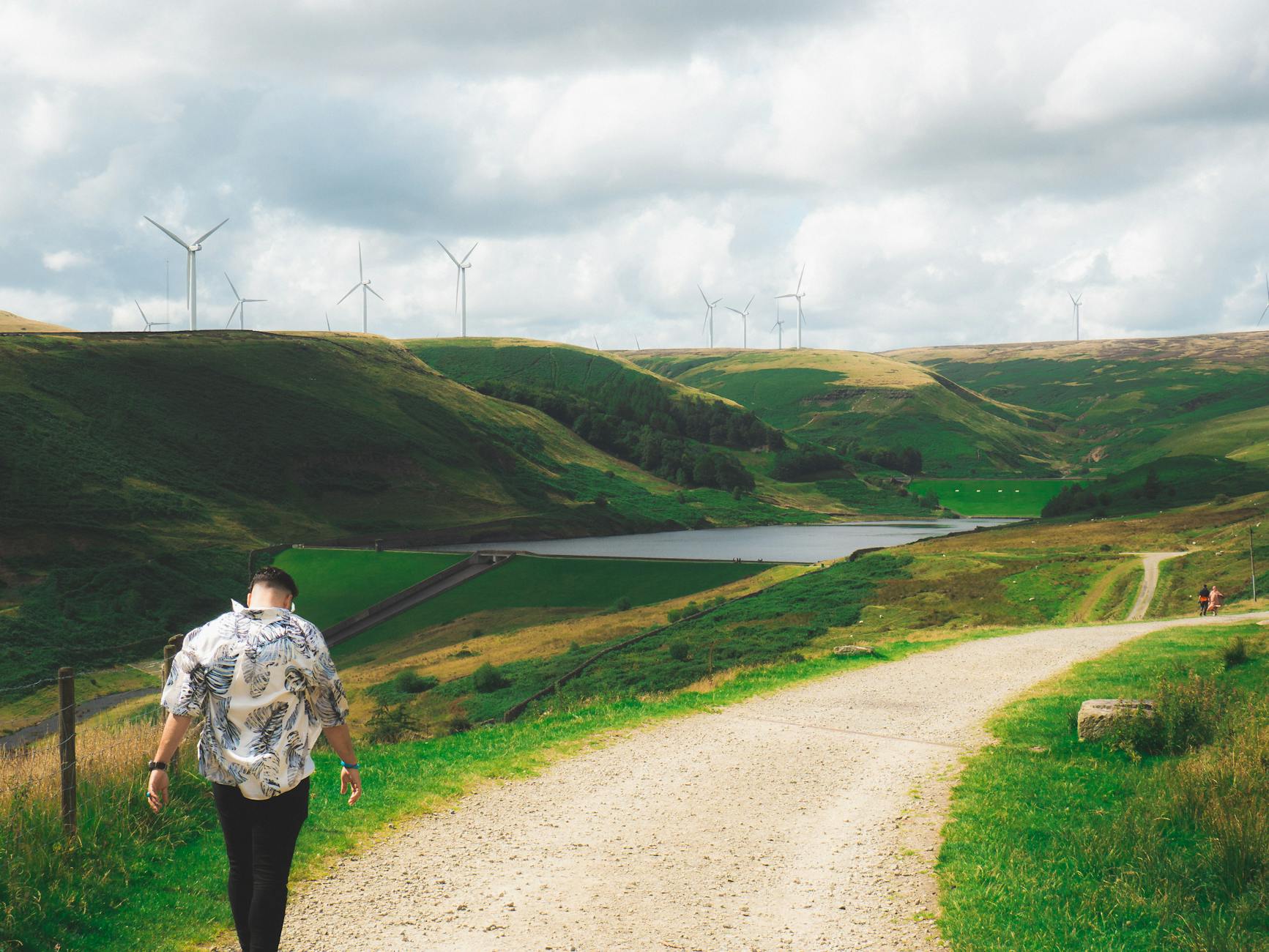
Manchester can work well for an active short trip, but not because wilderness begins at the hotel door. Its strengths are layered: canal walks, Salford Quays, Castlefield, river and towpath movement, Heaton Park, Fletcher Moss, Chorlton and Sale Water Park areas, urban running, cycling corridors, climbing gyms, match-day walks, reservoir edges, and rail or car access toward the Peak District, Saddleworth, Kinder Scout, Hope Valley, and other hill country. The traveler who expects a mountain town may be frustrated. The traveler who treats Manchester as an urban outdoor base can build a strong short stay. The planning challenge is to match ambition to weather, daylight, transport, gear, and recovery. A canal run before meetings, a family park day, a wet-weather cycling route, a reservoir walk, and a full Peak District hike are different operating plans. A good Manchester outdoor trip keeps the active parts real without letting rain, late trains, muddy footwear, weak exits, or overambitious day-trip logic take over the visit.
Start with the right outdoor frame
The first decision is whether Manchester itself is the outdoor destination, the base for one regional outdoor day, or a mix of both. A traveler who wants easy daily movement can build useful days around canal paths, Salford Quays, Castlefield, Heaton Park, Fletcher Moss, Chorlton, Sale Water Park, the Irwell, and city walking loops. A traveler who wants moors, edges, reservoirs, or serious hill walking should plan transport, weather, daylight, and return timing with more discipline.
That distinction should shape lodging. A city-outdoor trip may work best near tram or rail links, canals, parks, or the specific neighborhood where the traveler wants to start moving. A Peak District or reservoir-focused day may care more about station access, car pickup, early departure, and gear storage. Manchester is a useful base, but it should not be planned as if every outdoor goal were equally close or equally simple.
- Decide whether the trip is city-outdoor, regional day-trip based, or a mix of both.
- Choose lodging by access to canals, parks, tram and rail links, car pickup, or the specific outdoor objective.
- Do not plan Manchester as if full hill country starts at the hotel door.
Use parks and waterways as the daily spine
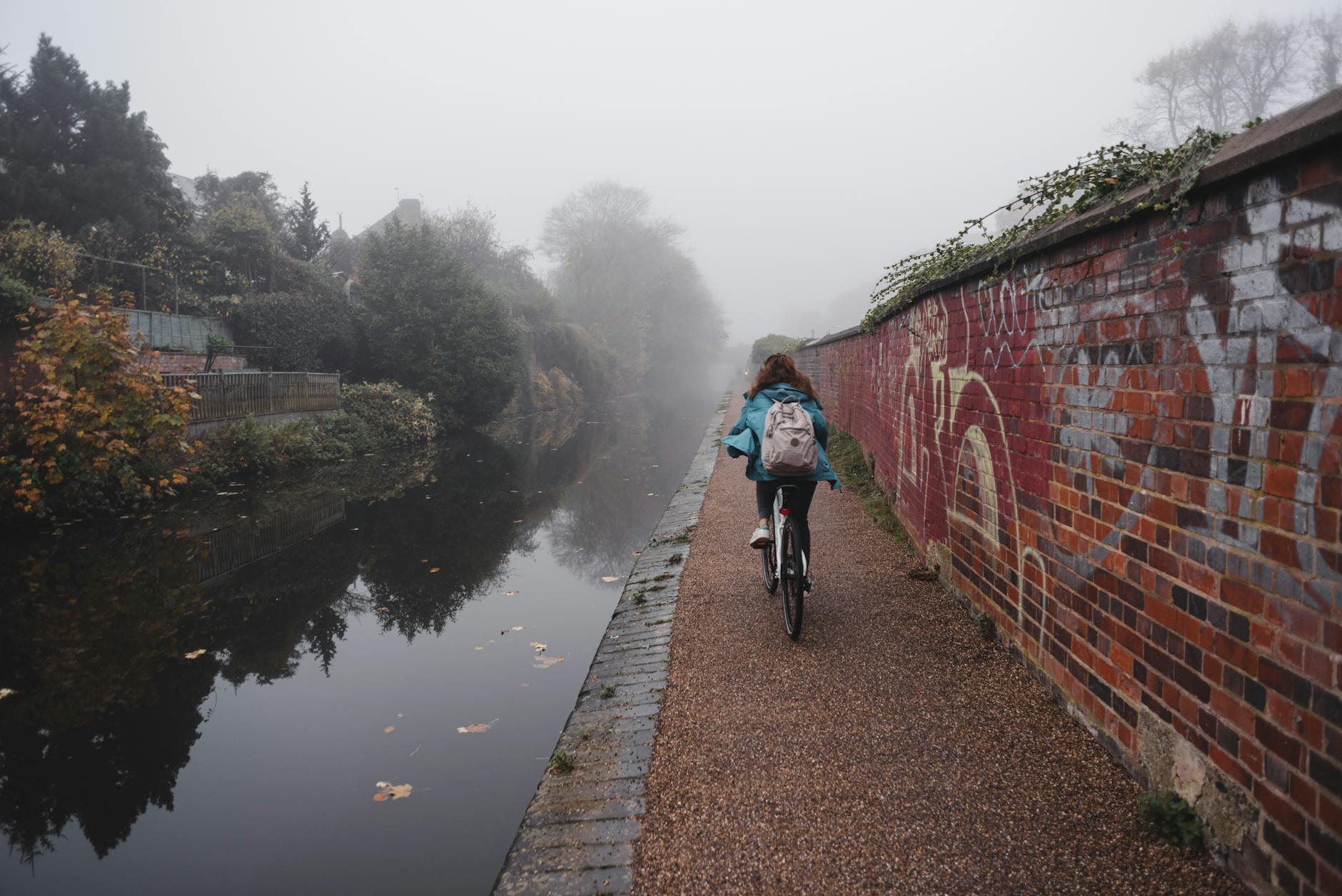
Manchester's easiest outdoor days often come from waterways and parks rather than from leaving the city. Castlefield, the Rochdale Canal, Bridgewater Canal, Salford Quays, the Irwell corridor, Heaton Park, Fletcher Moss, Chorlton Water Park, Sale Water Park, and nearby green corridors can support walks, runs, cycling, photography, family time, and recovery between heavier city plans. They also let active travelers see a different Manchester than the restaurant, hotel, and shopping core.
These spaces are not interchangeable. A canal towpath may be atmospheric but narrow, wet, or awkward for fast cycling. A city park may be ideal for a run but not enough for a traveler who wants wild-feeling distance. Salford Quays can be visually strong and easy to combine with tram movement, while larger parks require checking gates, toilets, cafe options, lighting, and return routes. The plan should use one outdoor anchor per day instead of scattering small green stops across an already crowded itinerary.
- Build each active day around one outdoor anchor and nearby supporting scenes.
- Match canals, quays, parks, and water parks to walking, running, cycling, photography, family time, or recovery.
- Check gates, toilets, lighting, cafes, surfaces, and return routes before treating a green space as simple.
Treat cycling, running, and canal routes as logistics
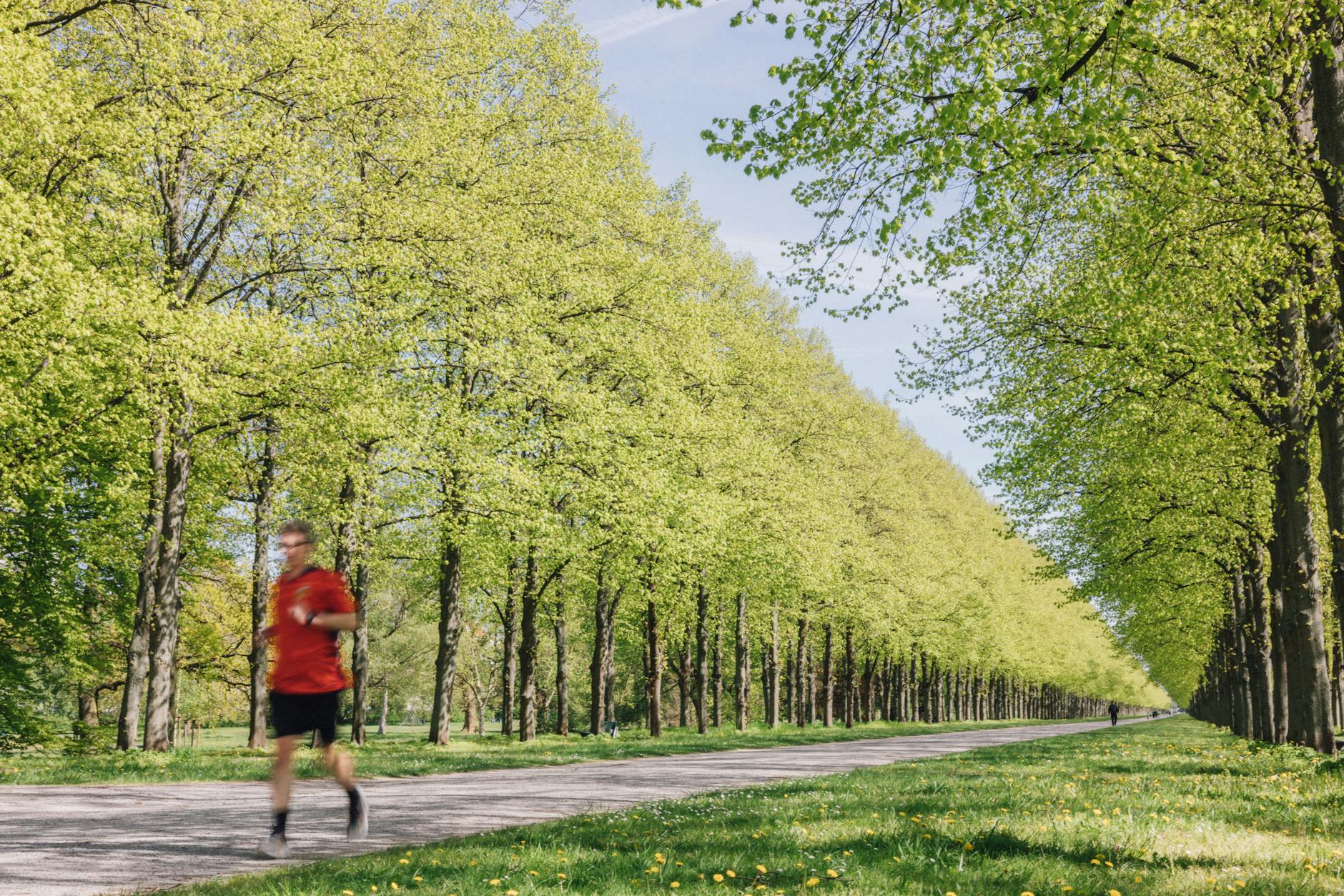
Running and cycling around Manchester can be rewarding when the route is chosen for surface, timing, traffic, weather, and exit points. A route that looks simple on a map may involve narrow towpaths, tram crossings, wet cobbles, busy roads, construction, match-day crowding, or a return that is less appealing after sunset. Bike hire, personal bikes, e-bikes, guided rides, running groups, and casual walks all create different planning needs.
The traveler should know where the activity starts, where it can end early, how gear will be stored, whether a shower or clothing change is possible, and what happens if rain makes the route slippery. Canal and riverside routes deserve extra care around edges, lighting, dogs, prams, pedestrians, and cyclists sharing narrow space. Active travel should make the day easier and more memorable, not strand the visitor tired, wet, and far from the next commitment.
- Plan running and cycling around surfaces, traffic, towpath width, water edges, lighting, and exit points.
- Check bike hire, storage, repairs, showers, clothing changes, and return transport before the route depends on them.
- Keep a shorter option for rain, fatigue, injury, or event crowding.
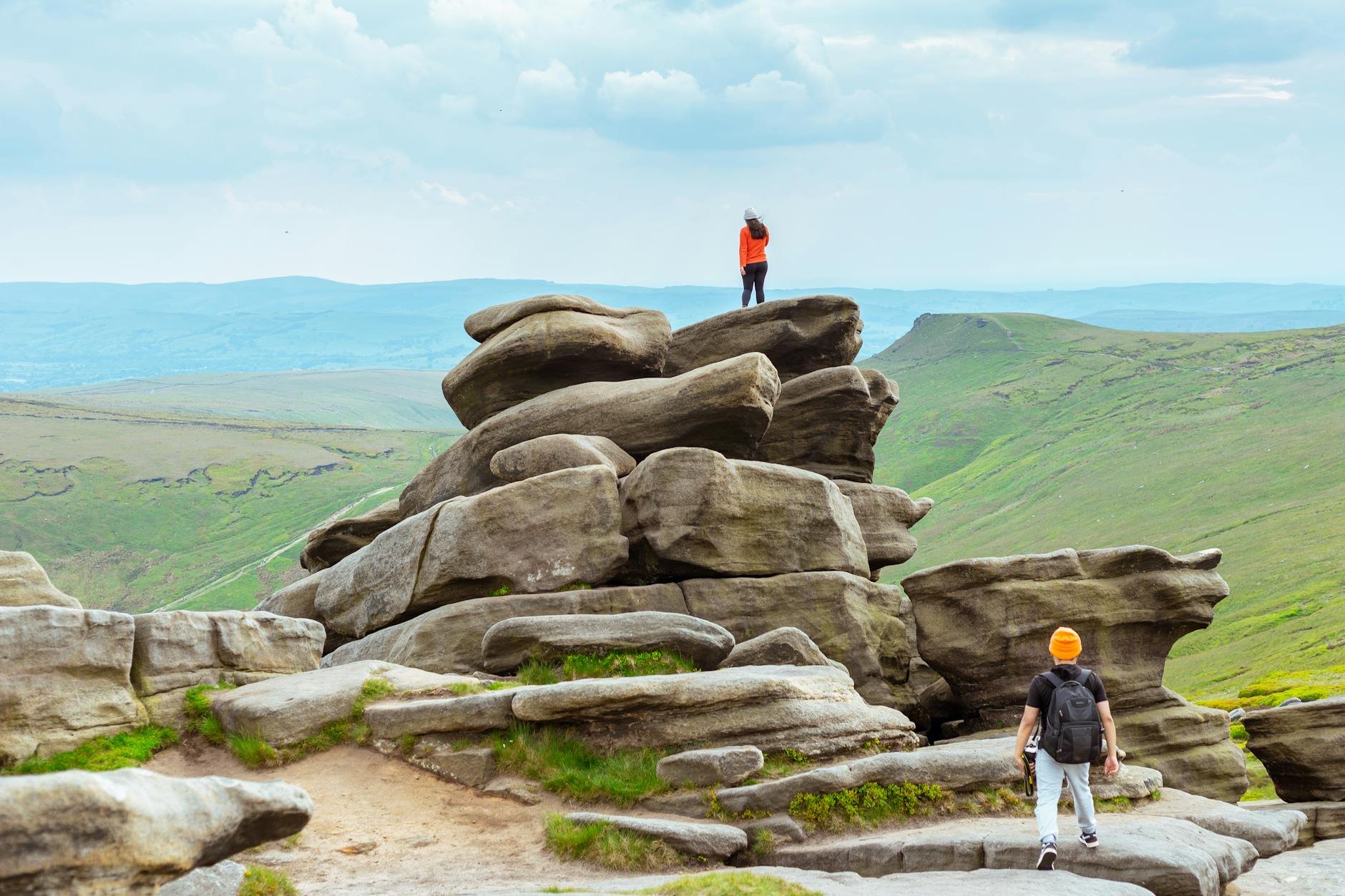
Choose Peak District and reservoir days carefully
Manchester's regional outdoor appeal is real, but the Peak District, Saddleworth, Kinder Scout, Hope Valley, Dovestone, Ladybower, and other reservoir or moorland days should be treated as separate logistics problems. Some routes are rail-friendly, some are better with a car, and some are poor choices if the traveler has only a short daylight window. A late start can turn an exciting day into a rushed return across wet paths and evening transport.
The objective should fit the season, ability level, footwear, weather, navigation comfort, and available hours. A gentle reservoir loop is not the same as a Kinder Scout route. A view-heavy Hope Valley walk is different from a family park day. Public transport may be workable but unforgiving if the traveler misses a connection. Car rental adds flexibility but also parking, fatigue, insurance, and weather judgment. The best regional day is the one that is still sensible if conditions are not perfect.
- Match Peak District, Saddleworth, reservoir, and moorland plans to transport, season, ability, and daylight.
- Compare rail, car rental, guided options, and pickup logistics before committing to a regional route.
- Choose a realistic objective rather than the most dramatic one when the stay is short.
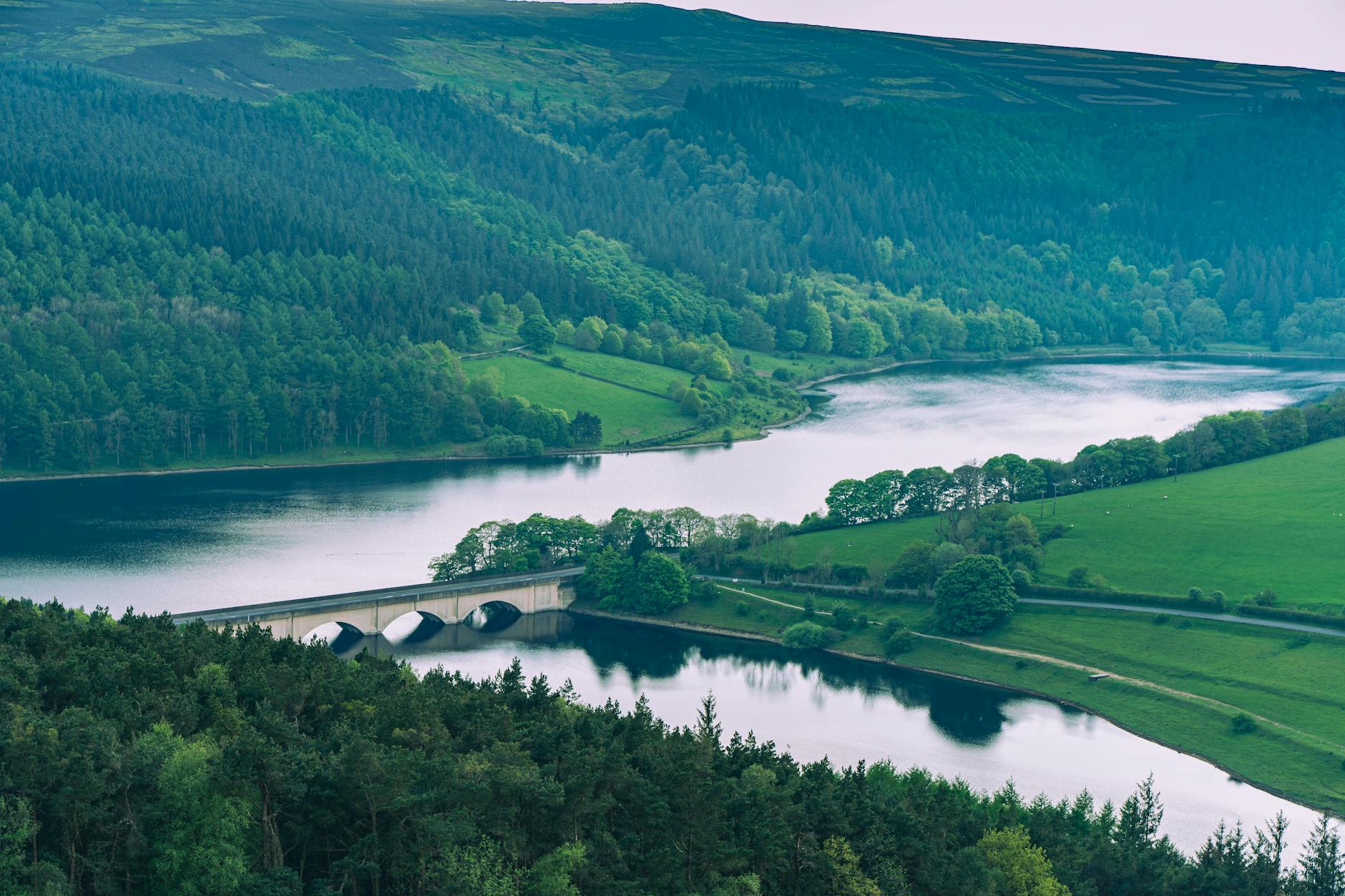
Take weather, daylight, and gear seriously
Manchester outdoor planning is weather planning. Rain, wind, low cloud, mud, short winter daylight, and changing hill conditions can reshape an active day quickly. The city itself may be manageable in light rain while moorland, reservoirs, and exposed ridges become poor choices for a casual visitor. A traveler should not judge a hill day by the hotel window or assume a dry morning means a dry return.
Useful gear is practical rather than theatrical: waterproof shoes or boots, rain layer, warm layer, water, snacks, phone power, offline maps, a compact first-aid kit, and a dry bag or spare layer for the return. If the trip mixes outdoor activity with dining, work, or events, the traveler should plan where wet gear goes, how shoes are cleaned, and whether the hotel can support drying and laundry. The best outdoor day is still part of the whole trip.
- Check city and hill forecasts separately when leaving Manchester for moors, reservoirs, or Peak District routes.
- Pack waterproof footwear, layers, water, snacks, phone power, offline maps, and a small first-aid kit.
- Choose lodging that can handle wet gear, drying, laundry, storage, and post-activity reset time.
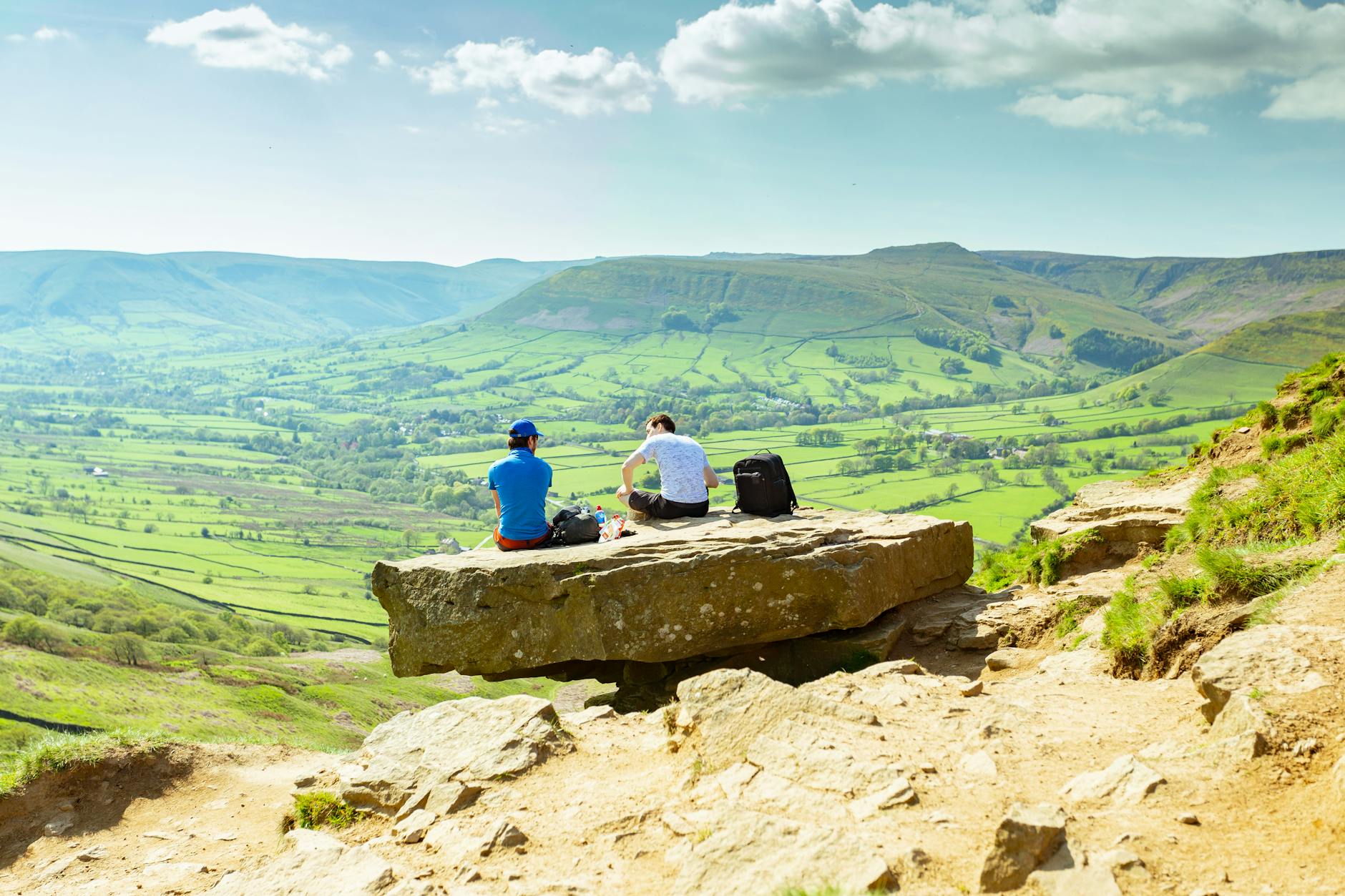
Manage safety without overstating the risk
Most Manchester outdoor risk is ordinary city and countryside risk: wet surfaces, traffic, water edges, tired navigation, phone distraction, cold wind, fading light, poor footwear, missed transport, and overcommitting to a route after fatigue sets in. The traveler should respect those risks without turning the city into something it is not. A canal walk in daylight is different from an isolated towpath after dark; a marked reservoir loop is different from exposed moorland in low cloud.
Solo travelers should be careful with late routes, real-time location posting, and quiet areas after dark. Groups should set meeting points before splitting up. Families and older travelers should plan toilets, seating, food, medication, and a return that does not depend on everyone keeping the same pace. A good plan names the exit before the route starts, so changing weather or energy is a decision, not a small crisis.
- Use daylight for quieter canals, reservoirs, moorland, and park-edge routes when traveling alone.
- Plan toilets, seating, food, medication, meeting points, and exits for families or mixed-ability groups.
- Avoid routes that depend on perfect weather, full phone battery, or everyone keeping the fastest pace.
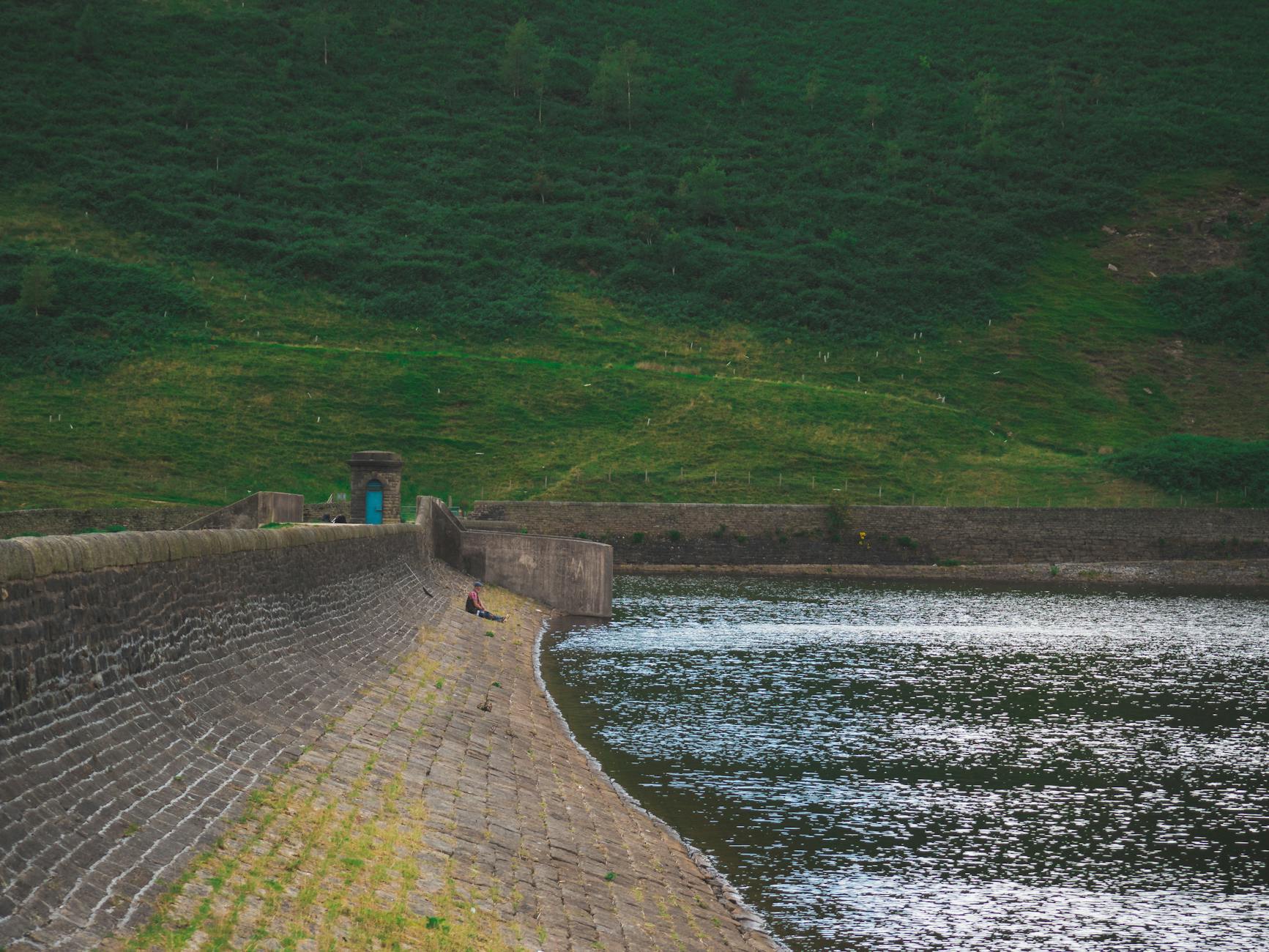
When to order a short-term travel report
A traveler planning one casual canal walk or park run may not need a custom report. An adventure or outdoor traveler should consider one when the trip includes Peak District hiking, reservoir walks, cycling, climbing, running routes, children, older travelers, medical constraints, outdoor content creation, car rental, rail-linked day trips, activity bookings, or a short schedule that depends on weather and return timing. Those are the trips where generic outdoor suggestions do not answer the practical questions.
The report should test the hotel base, city outdoor anchors, canal and park routes, Peak District or reservoir feasibility, transport choices, weather risks, gear storage, daylight, current disruptions, recovery windows, and backup activities. The value is a Manchester outdoor plan that keeps the active parts real without letting one wet route, late train, closed path, gear problem, or overambitious day-trip plan dominate the stay.
- Order when outdoor goals depend on weather, gear, transit, regional routes, bookings, or mixed traveler abilities.
- Provide activities, dates, fitness level, gear, hotel candidates, transit preference, medical limits, and day-trip targets.
- Use the report to balance city outdoor time, regional adventure, comfort, and reliable return timing.