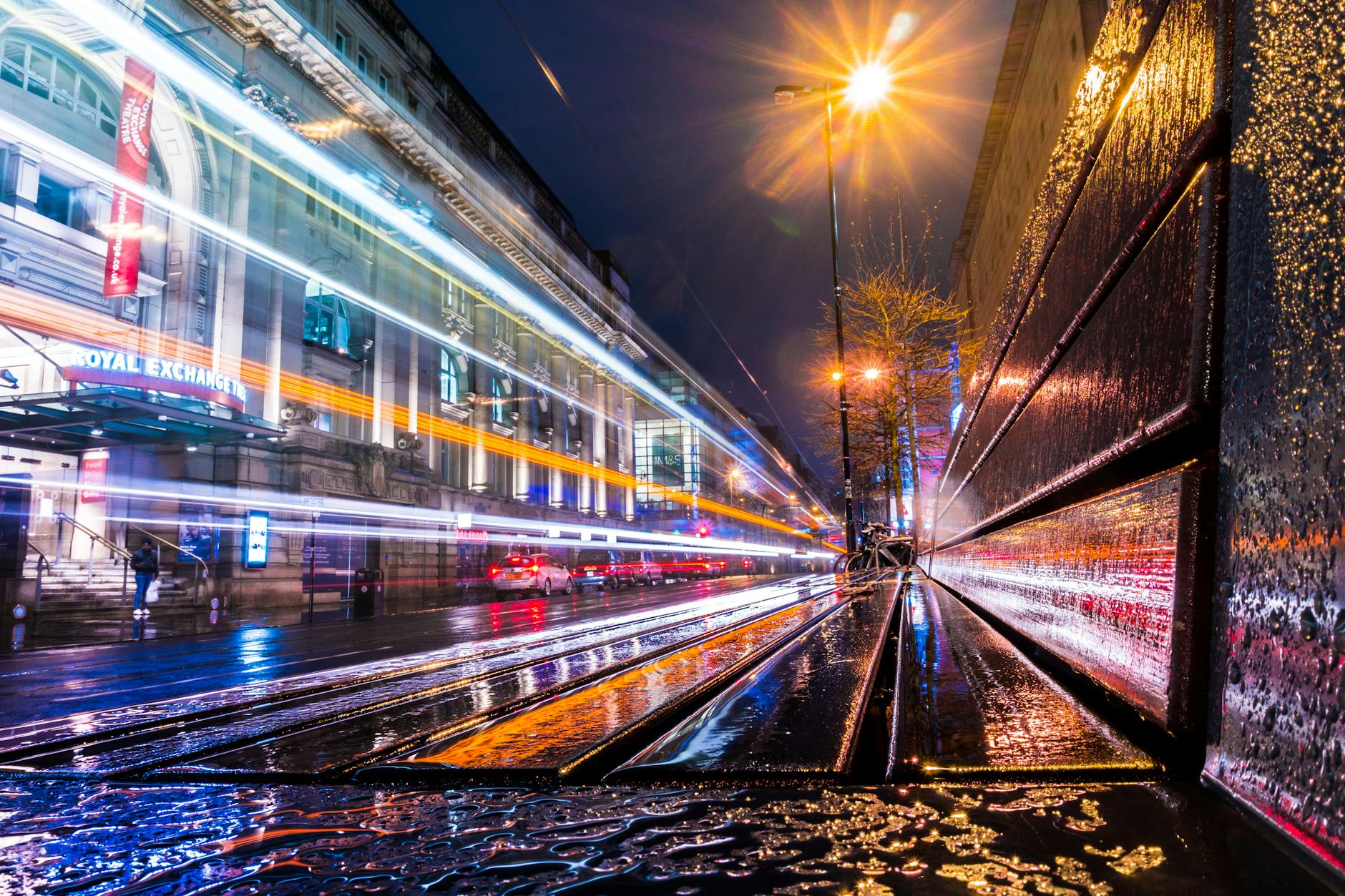
Manchester is a productive academic conference city when the attendee treats it as more than a generic UK conference stop. A meeting may be based around the University of Manchester, Manchester Metropolitan, Manchester Central, a hotel venue, a research institute, or a partner site near Salford Quays. Those places are close enough to look simple and distinct enough to matter. The attendee who arrives with a paper, poster tube, laptop, grant conversation, panel obligation, and evening reception needs a plan for venue geography, arrival timing, daily movement, weather, and recovery. The city can support strong academic travel, but it rewards preparation.
Confirm the real conference geography
The first Manchester planning task is to identify the real venue, not only the host institution. An academic event may list the University of Manchester while sessions happen in a specific Oxford Road building, business school, library, lecture theatre, hotel, or civic venue near St Peter's Square. A conference branded around Manchester Central is a different daily movement problem from one spread across university rooms, poster halls, and evening receptions.
Attendees should collect exact addresses for registration, plenaries, posters, parallel sessions, receptions, and any off-site dinner. Manchester is walkable in pieces, but a rainy cross-town transfer with a laptop, poster, or formal clothing can feel much longer than the map suggests. The event plan should begin with the building doors that matter, not with the city name.
- Confirm exact addresses for registration, plenaries, posters, panels, receptions, and dinners.
- Do not assume a university-hosted conference is all on one campus or one corridor.
- Check whether Manchester Central, Oxford Road, St Peter's Square, or Salford Quays controls the schedule.
Choose the hotel for attendance discipline
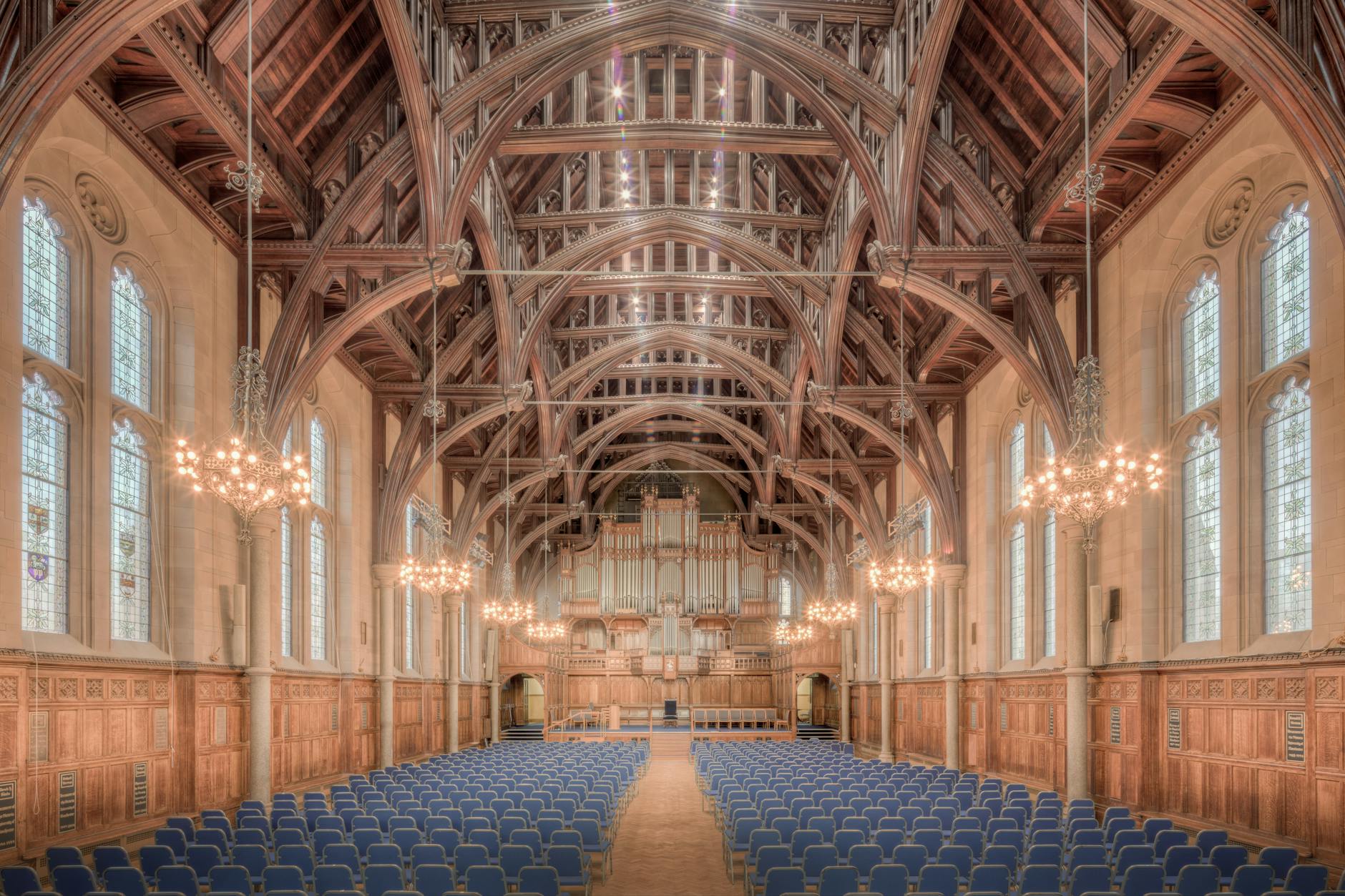
Hotel choice should protect attendance, not just comfort. A conference attendee may need to reach an 8:30 registration desk, return for a midday call, change before a reception, store a poster tube, or leave early for a train. A hotel near the main venue can make those ordinary movements easy. A hotel chosen for nightlife, price, or a familiar brand can create repeated friction if it sits on the wrong side of the daily route.
For Manchester Central or St Peter's Square, a central hotel may be efficient. For Oxford Road academic sessions, the university corridor may matter more. For Salford Quays or MediaCity-linked events, the waterfront base can be sensible if the main program stays there. The attendee should also check quiet, desk space, breakfast timing, luggage storage, and a predictable route back after evening networking.
- Choose the hotel by the first session, final reception, and most repeated daily movement.
- Check desk space, quiet, breakfast, luggage storage, and poster or sample handling before booking.
- Avoid a charming location if it forces repeated wet or late transfers across the city.
Build arrival around the first obligation
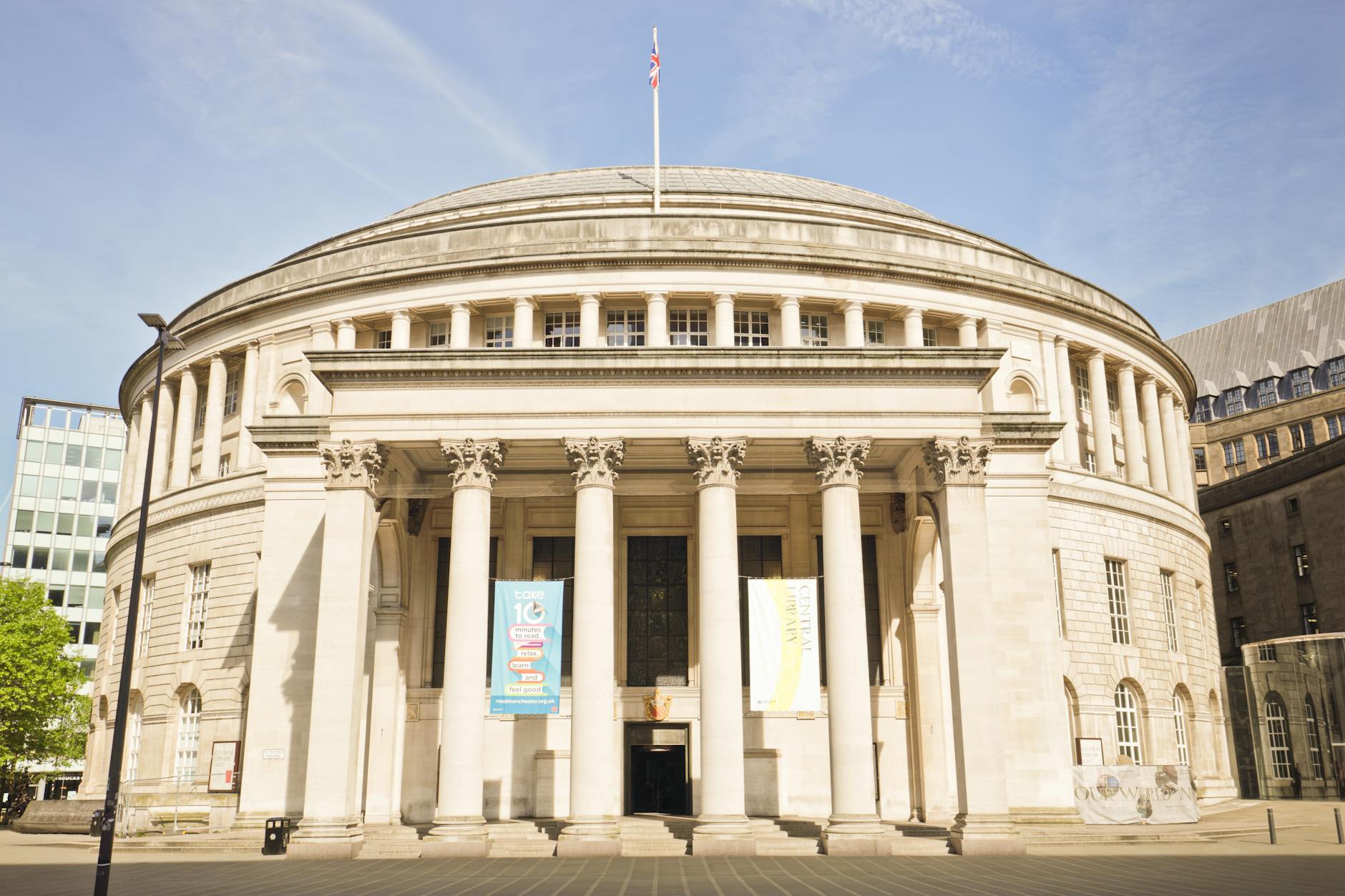
Manchester arrival should be planned backward from the first non-movable obligation: registration, workshop, panel, speaker dinner, poster setup, or pre-conference meeting. Manchester Airport, Piccadilly Station, Oxford Road Station, Deansgate, and tram links can all work, but not every route works with luggage, jet lag, rain, and a narrow first-day window. A paper presenter should not count on arriving polished if the transfer plan is optimistic.
The attendee should separate arrival-day capacity from conference-day capacity. If landing in the morning before an afternoon session, protect time for border control if relevant, baggage, train or taxi movement, hotel storage, food, device charging, and a review of slides. If arriving by rail, know whether Piccadilly, Oxford Road, or Deansgate best matches the venue. A clean arrival is part of the academic work.
- Plan backward from registration, poster setup, workshop, panel, or speaker dinner.
- Give airport and rail arrivals enough room for luggage, weather, food, charging, and hotel storage.
- Use the station that fits the venue instead of assuming Piccadilly is always the best endpoint.
Test daily movement before the first panel
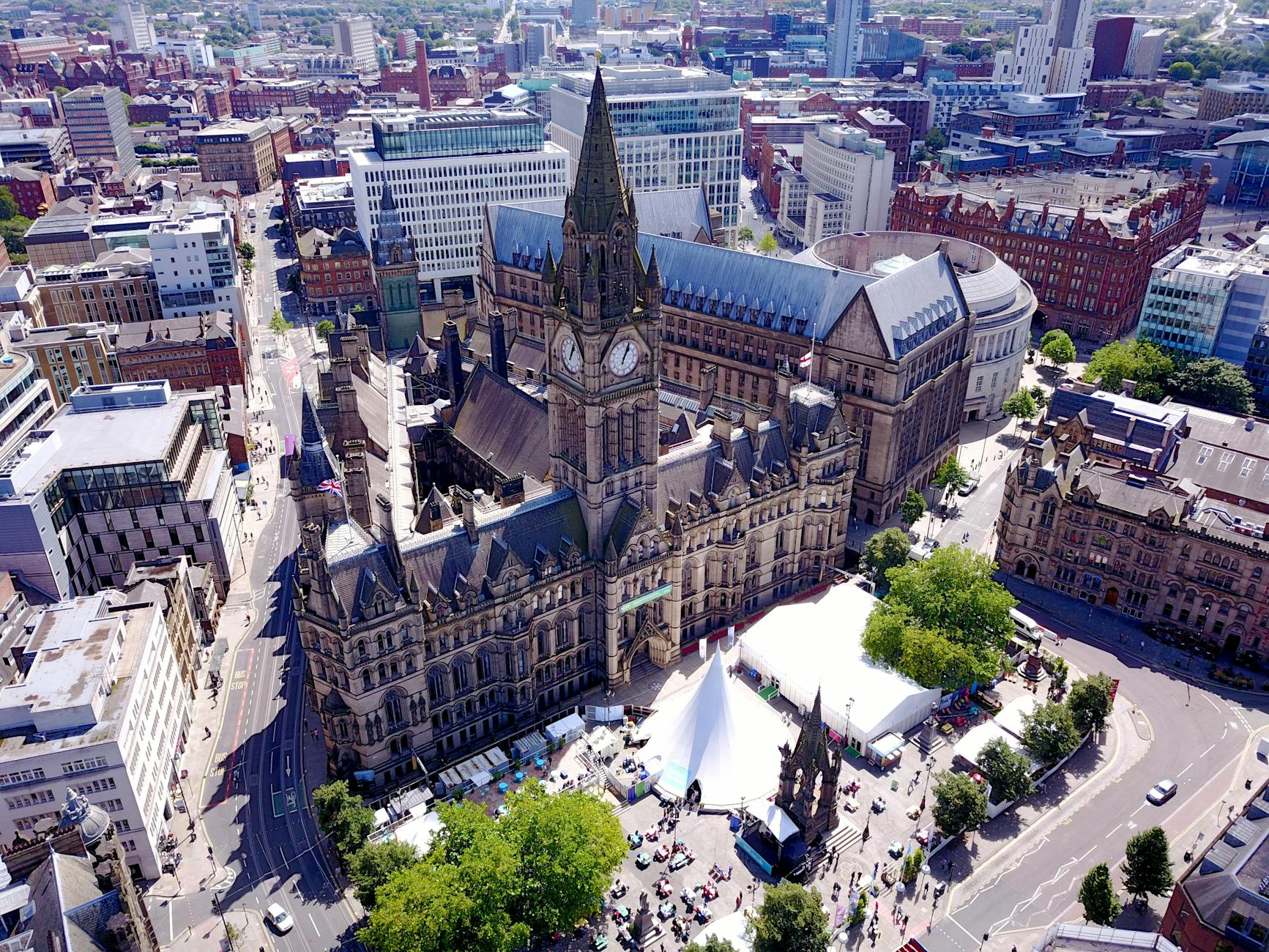
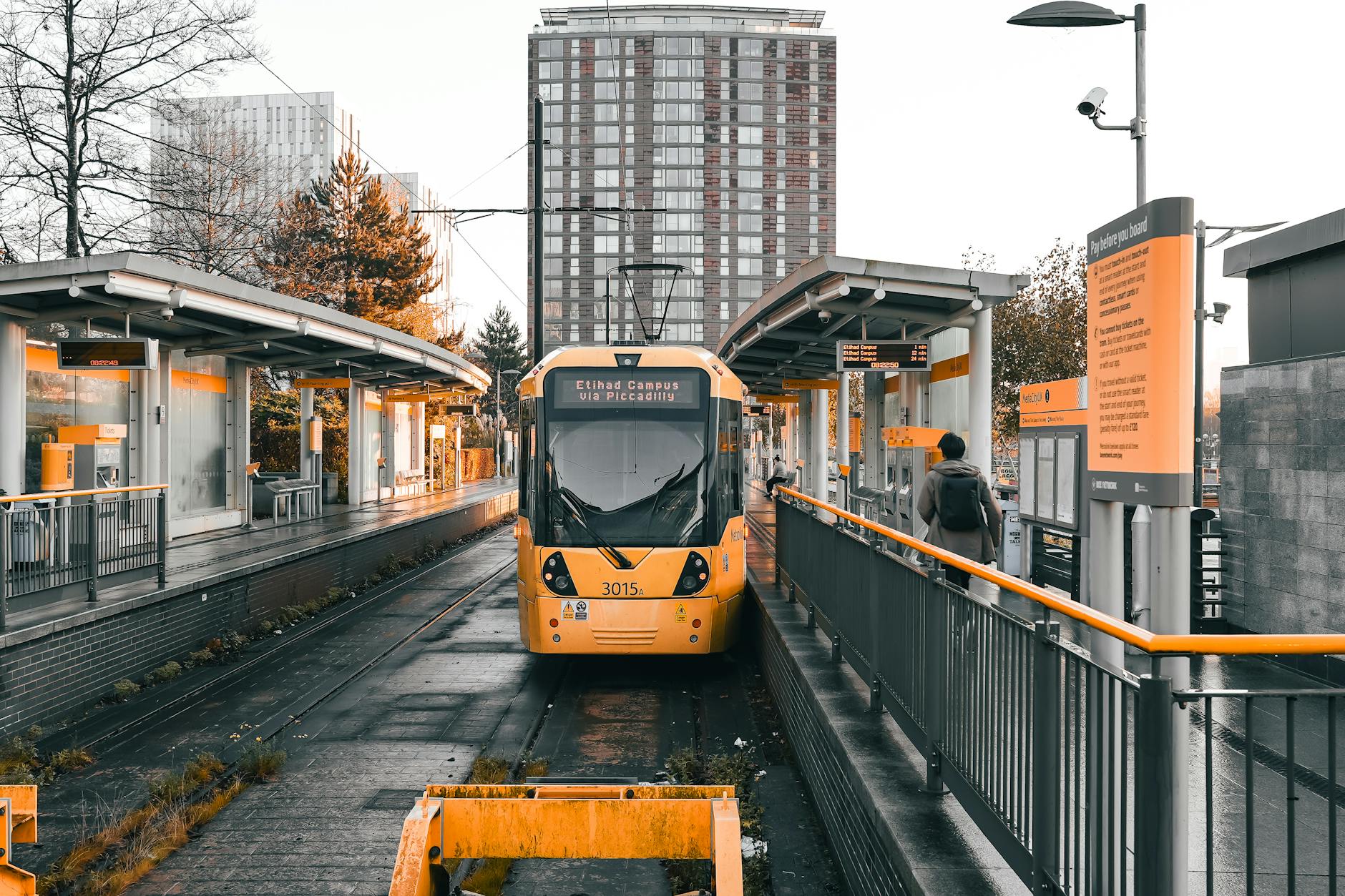
Daily movement in Manchester can be simple, but an academic conference attendee should test it before the first high-stakes session. Walking may be easiest between central hotels and Manchester Central. The tram may be useful for Salford Quays or some cross-city links. Taxis can solve weather, formal clothing, or accessibility needs, but pickups can be awkward around event crowds and narrow streets. The best mode changes with the venue and the time of day.
A useful conference plan includes a primary route, backup route, and switch point. If rain is heavy, take the taxi. If the tram is delayed, walk only if the route is known and the attendee is not carrying materials. If a session ends late, do not improvise the route to a reception with people waiting. Manchester supports efficient movement when the attendee avoids last-minute decisions.
- Test the route from hotel to venue before the first important session.
- Name a backup for rain, tram disruption, event crowds, or tired late-evening returns.
- Avoid carrying posters, samples, or formal clothing through unnecessary walking transfers.
Protect presentation materials and attention
Academic conference travel is vulnerable because the important assets are often small: laptop, charger, adapter, poster, notes, USB backup, passport, medication, name badge, and a few conversations that may matter more than the formal talk. Manchester is not unusually risky, but conference days create distracted moments in cafes, libraries, lobbies, trains, crowded halls, and receptions. The attendee should plan for focus, not just possession.
A presenter should travel with redundant slide access, offline files, power backup, and a clear plan for poster or sample transport. A scholar using the trip for interviews, peer meetings, or grant conversations should also protect calendar blocks and quiet space. The best Manchester conference day leaves enough attention for the question after the paper, the hallway introduction, and the follow-up note that should be sent before the trip blurs.
- Carry redundant slides, offline files, chargers, adapters, and a plan for poster or sample transport.
- Keep laptops, badges, documents, and medication controlled during cafes, trains, lobbies, and receptions.
- Reserve quiet blocks for calls, edits, and follow-up notes instead of filling every gap with city movement.
Make networking useful without overextending
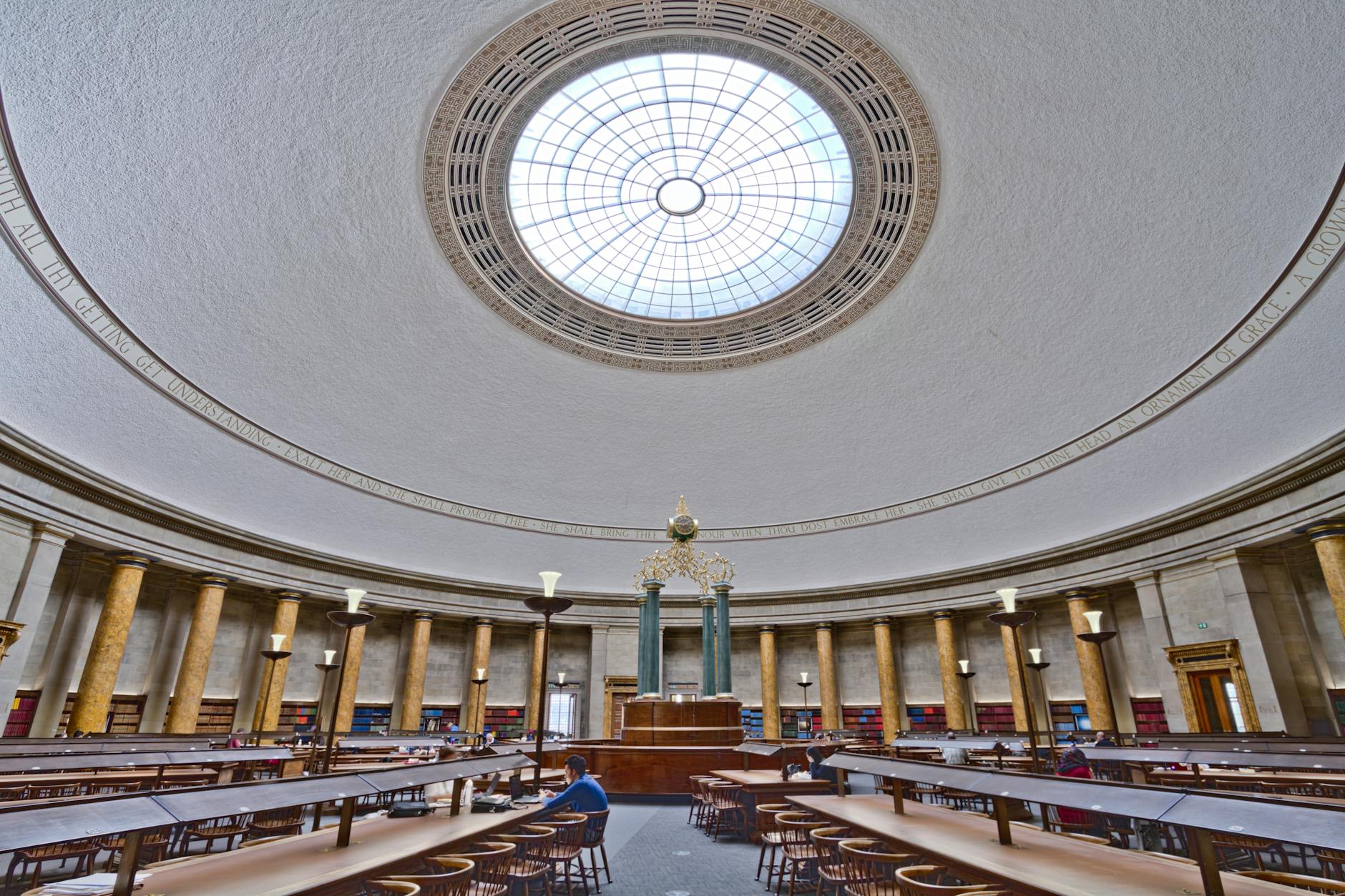
Manchester has strong settings for academic networking: campus spaces, central restaurants, hotel bars, library-adjacent meetings, Salford Quays, and post-session walks that can turn into real conversations. The danger is overextending the trip because the city feels friendly and compact. A conference attendee still has to protect sleep, presentation quality, and the next morning's sessions.
Networking should be planned by purpose. A senior colleague dinner may deserve a reservation near the venue. A group reception can work better when the return route is clear before the first drink. A one-on-one meeting may need a quieter cafe or hotel lobby than the conference crowd naturally chooses. Manchester can support good academic relationships, but the attendee should leave each evening with enough capacity to use the next day well.
- Match dinners, receptions, and one-on-one meetings to the academic purpose of the conversation.
- Choose quieter venues when the conversation matters more than the scene.
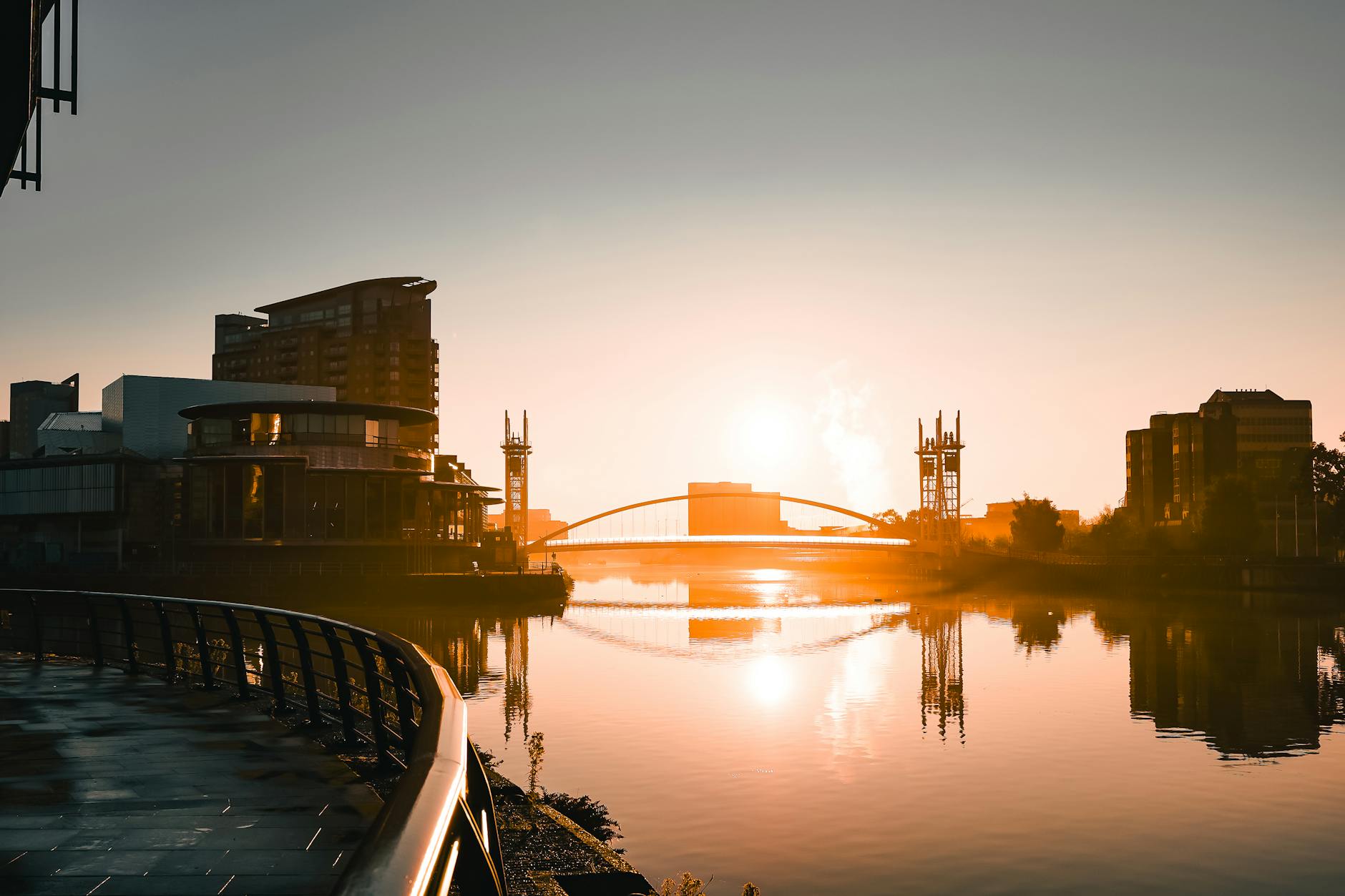
- Know the return route before late networking, especially from Salford Quays or busy city-centre areas.
When to order a short-term travel report
A conference attendee with a familiar venue, a flexible schedule, and no presentation may not need a custom Manchester report. A report becomes useful when the attendee is presenting, chairing, interviewing, traveling with poster materials, arriving close to the first session, managing accessibility or medical needs, balancing multiple venues, attending a Salford Quays or Oxford Road program, or trying to add meaningful city time without losing academic focus.
The report should test venue addresses, arrival path, hotel base, daily movement, weather exposure, presentation logistics, luggage and poster handling, networking geography, current events, food and quiet-space options, and departure timing. The value is a Manchester conference plan that protects the scholarship: arrive composed, attend the right sessions, meet the right people, and leave with the work advanced.
- Order when presenting, chairing, interviewing, carrying materials, or managing tight arrival and departure timing.
- Provide venue addresses, session schedule, hotel options, arrival details, presentation needs, and networking priorities.
- Use the report to protect the academic purpose while keeping Manchester logistics realistic.