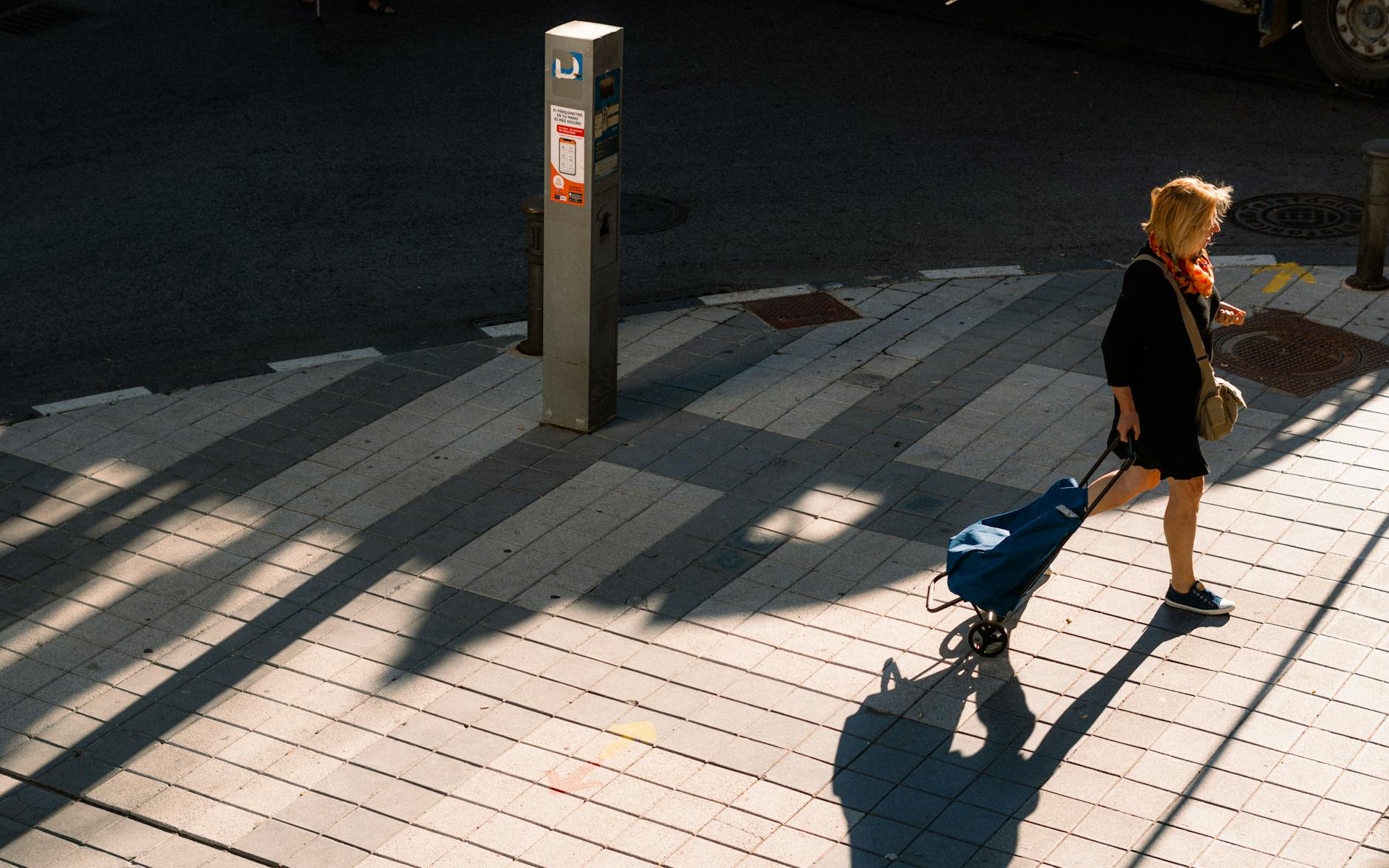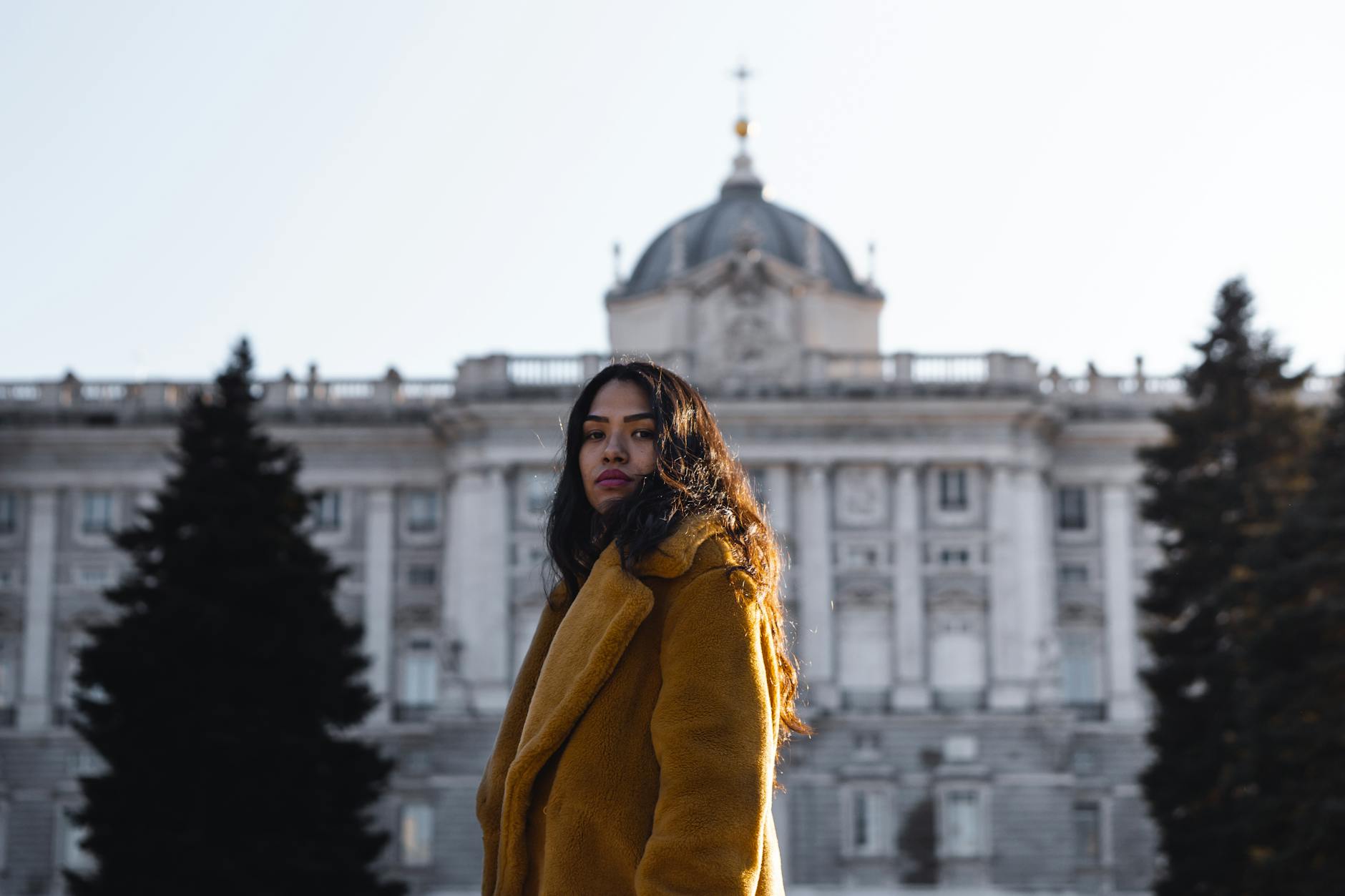
Madrid is generally a strong city for women travelers because it is active, walkable, well connected, culturally rich, and full of public places where a woman can spend time without needing a group around her. Museums, cafes, Retiro, Salamanca shopping, Barrio de las Letras, Gran Via, the palace area, and central plazas can all work well for a short stay. The city rewards confidence and curiosity. That does not mean the planning standard is identical for every traveler. A woman traveling alone, with another woman, for work, for study, or as part of a mixed group may care more about the hotel street, late returns, taxi choices, visible valuables, unwanted attention, crowded transport, and the ability to change plans without feeling exposed. The best Madrid plan does not exaggerate risk. It removes avoidable friction so the traveler can focus on the city.
Choose the hotel for the street around it
For a woman traveler, the hotel decision should include the street-level experience. A property can be close to major sights but still feel wrong if the return route is noisy, poorly lit, isolated, or awkward after dinner. Sol and Gran Via offer convenience, transport, and late activity, but they also bring crowds and noise. Barrio de las Letras can be useful for museums, cafes, and walkable evenings. Salamanca is calmer and polished, with good dining and shopping. Retiro and Atocha can work well when park, rail, or museum access matters.
The exact block matters more than the neighborhood label. Check reception hours, elevator access, room quiet, taxi access, and whether the traveler can confidently walk in and out alone. A hotel that makes the first and last ten minutes of the day easy does more for the trip than a hotel that only looks central on a map.
- Judge the hotel by the street, return route, reception, taxi access, and room quiet.
- Use Sol, Gran Via, Barrio de las Letras, Salamanca, Retiro, or Atocha for different travel styles.
- Prioritize the first and last ten minutes of the day, not only landmark distance.
Make arrival feel controlled
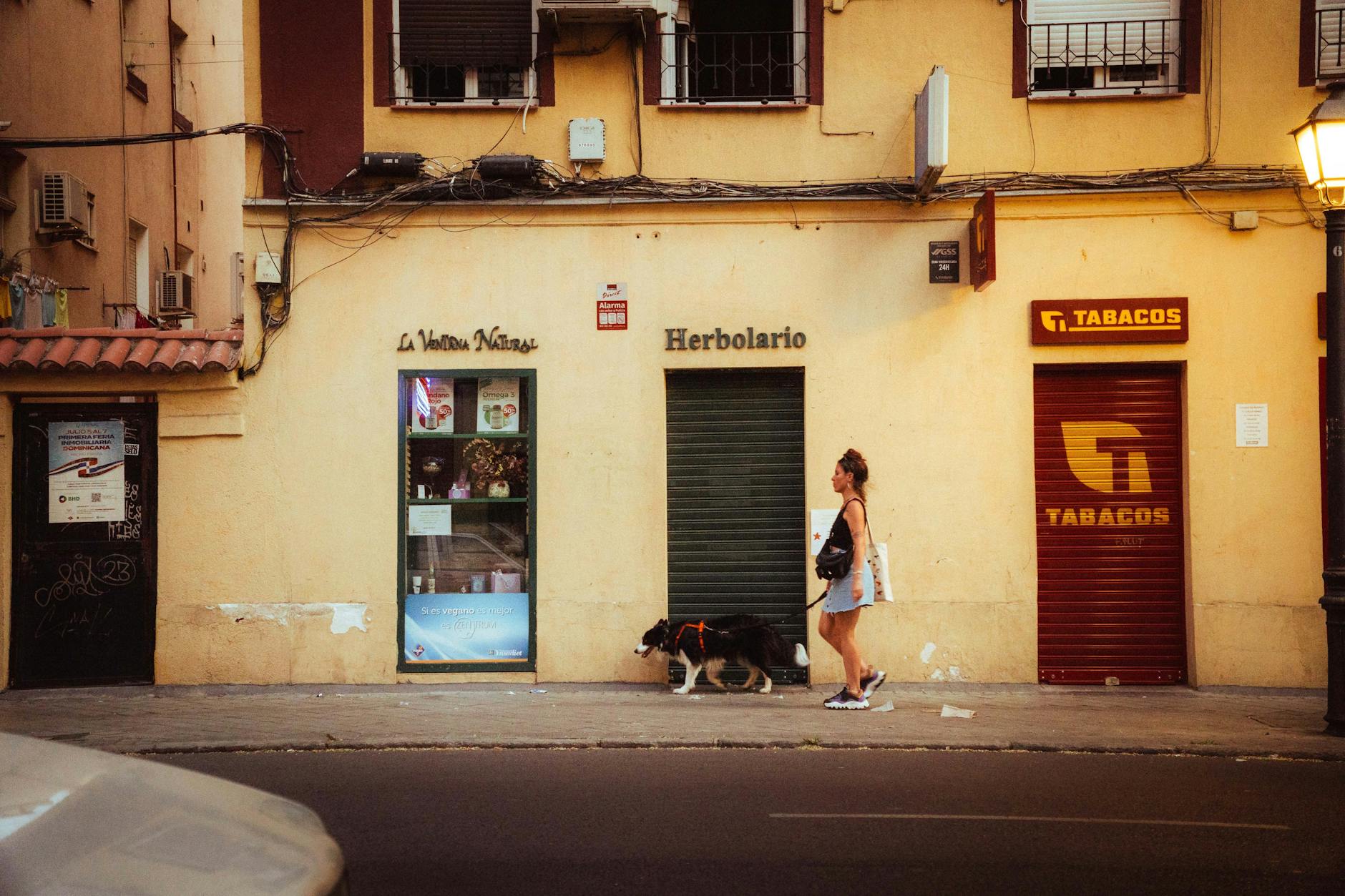
Madrid-Barajas, Atocha, and Chamartin are manageable arrival points, but a woman traveler should not have to improvise while tired, carrying luggage, managing a phone, and reading signs. A fixed-price taxi or prearranged car can be the best first move after a long flight, a late landing, or a first visit. Public transit can be excellent, but only when the route, transfer, luggage load, and arrival time make sense.
The first evening should create orientation rather than test the traveler's confidence. Know the hotel entrance, nearby food, a pharmacy or convenience option, and the simplest way back if dinner runs late. A controlled arrival gives the rest of the trip a stronger foundation.
- Choose taxi, car, rail, or metro based on fatigue, luggage, arrival time, and route simplicity.
- Know the hotel entrance, nearby food, and return route before the first evening expands.
- Use the arrival window to get oriented rather than proving the whole city can be handled immediately.
Use public Madrid without over-scheduling it
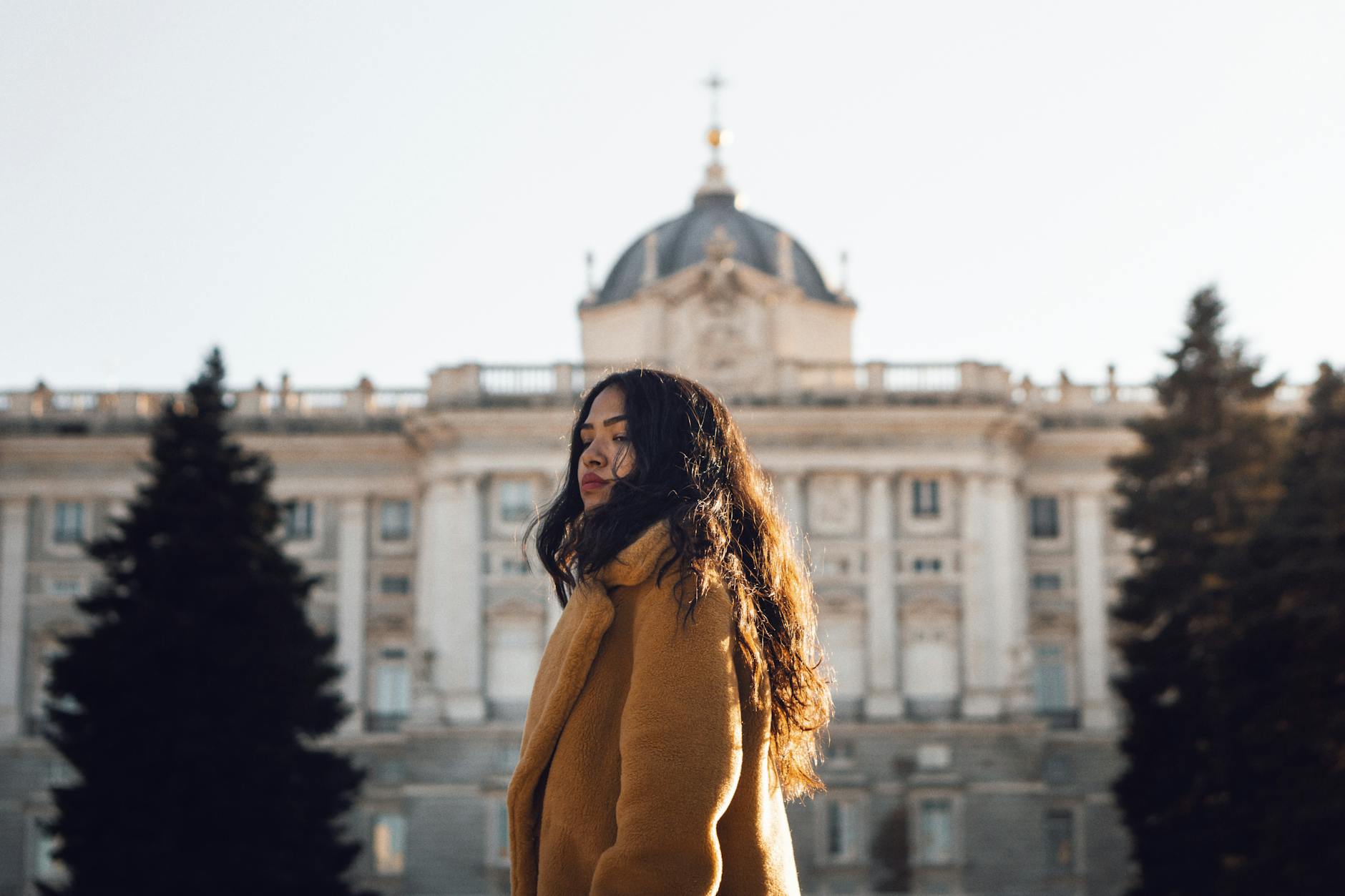
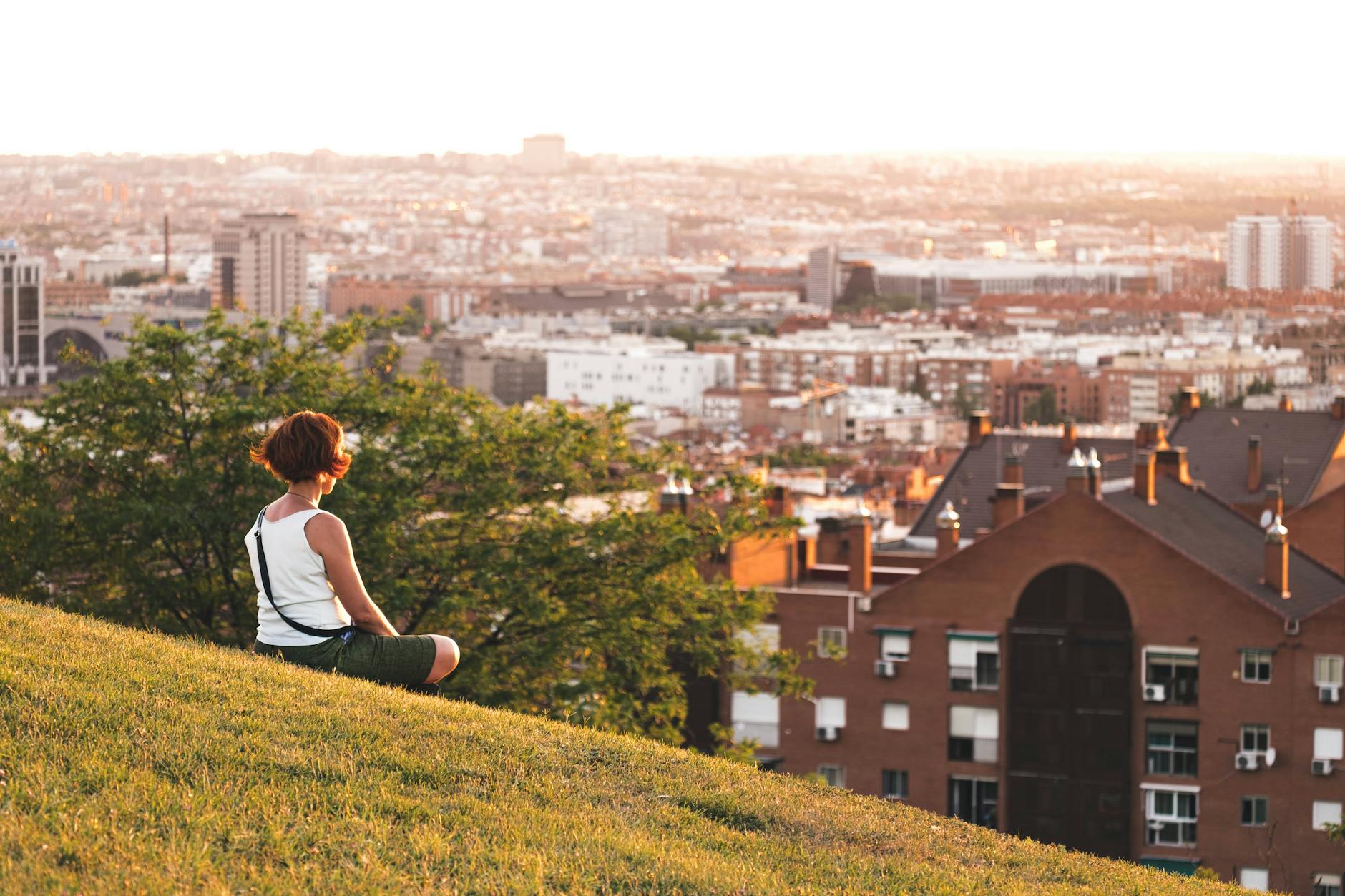
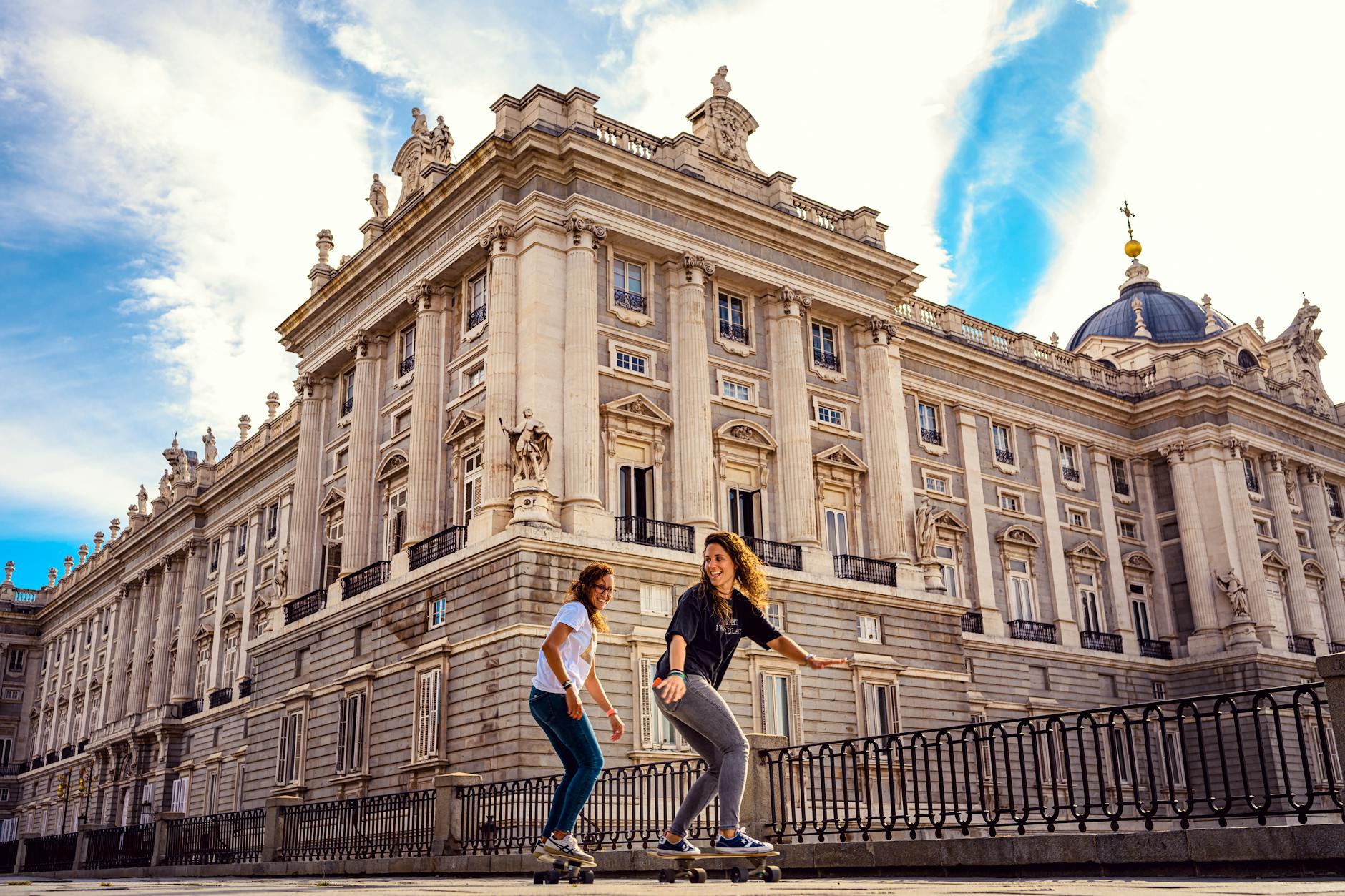
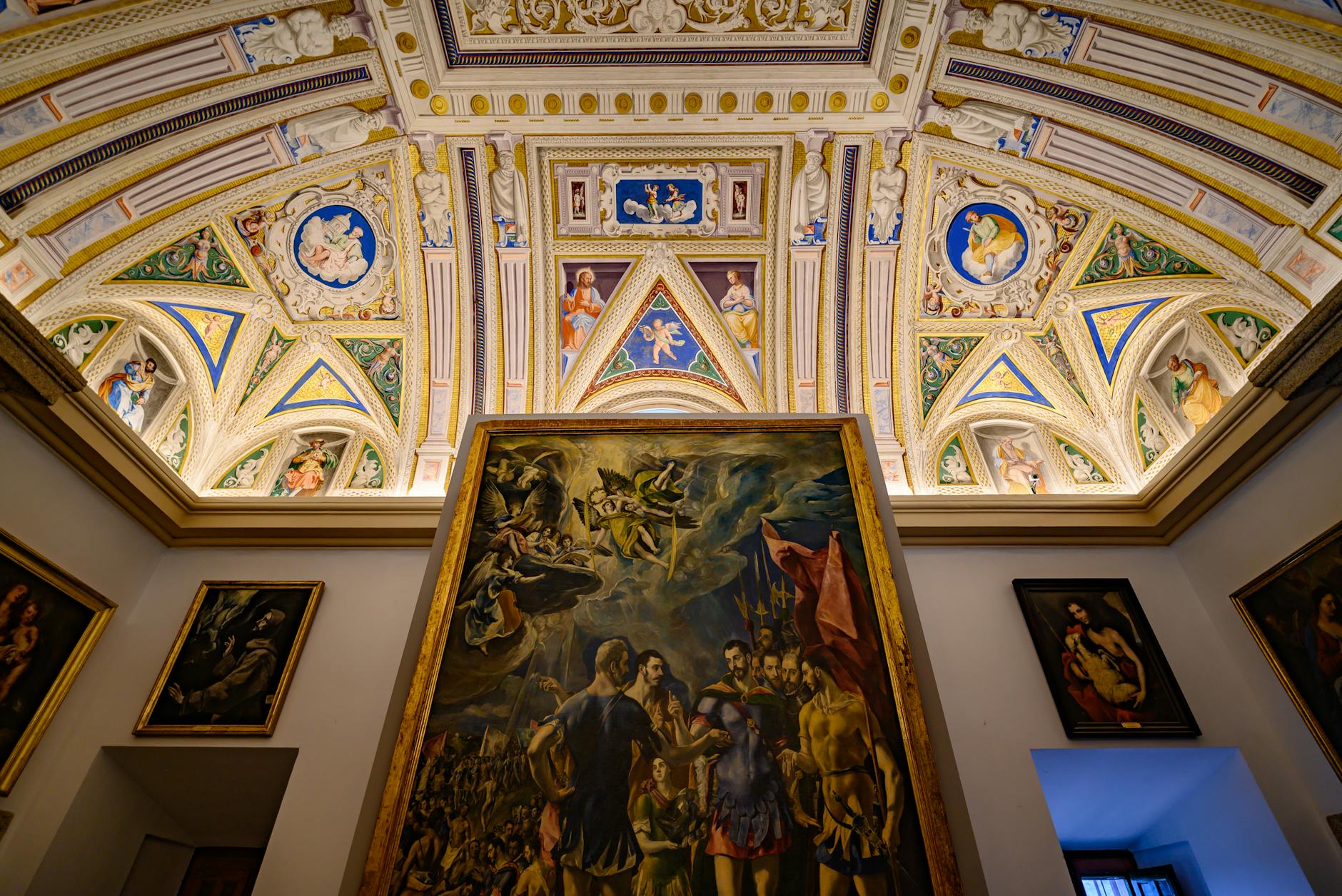
Madrid gives women travelers many comfortable public spaces: Retiro, the Prado corridor, museum cafes, palace viewpoints, Salamanca streets, Barrio de las Letras, and busy central plazas. The best short stay usually mixes one main anchor with room to walk, sit, shop, read, or have coffee. That flexibility can be one of the pleasures of traveling as a woman in Madrid.
The plan should still preserve energy. Summer heat, long museum visits, crowded plazas, and cross-city movement can drain a day quickly. A woman traveler should know when to use a taxi, when to pause, and when to trade a distant stop for a better nearby experience. A good Madrid day can be rich without being crowded.
- Use Retiro, museums, cafes, Salamanca, Barrio de las Letras, and palace viewpoints as comfortable public anchors.
- Build days around one main experience plus flexible time nearby.
- Use taxis and pauses when heat, distance, or fatigue would weaken the rest of the day.
Plan dining so it feels chosen, not awkward
Madrid can be very good for women dining alone or in small groups, but meal planning still matters. Cafes, hotel restaurants, museum-area restaurants, markets, tapas bars, and neighborhood bistros all create different levels of comfort. A woman traveler may want one memorable reservation, one easy first-night meal, one casual lunch area, and a backup near the hotel. That is better than deciding every meal while hungry and tired.
Madrid's late dinner rhythm also affects comfort. A late meal can be enjoyable, but the return route should be clear before the wine, crowding, or fatigue begins. Lunch can carry more of the food experience if the traveler wants lighter evenings. Dining should feel like part of the trip, not a nightly logistics problem.
- Plan one memorable meal, one easy first-night meal, one casual lunch area, and one hotel-area backup.
- Choose dining formats that feel comfortable for solo or small-group women travelers.
- Decide the late-night return route before dinner begins.
Handle crowds as visibility and control issues
The main practical risk in central Madrid is often not personal danger but distraction. Sol, Gran Via, Plaza Mayor, Mercado de San Miguel, metro stations, museum entrances, and restaurant terraces can be dense enough that phones, wallets, passports, bags, and jewelry need attention. A woman traveler taking photos, checking directions, paying a bill, or carrying shopping is more exposed when she is multitasking.
Good habits are simple: carry less, keep the phone controlled, avoid leaving bags on chair backs, step aside before reading maps, and use direct routes when carrying valuables, camera gear, or work equipment. These habits do not make Madrid smaller. They make it easier to enjoy with fewer preventable mistakes.
- Control phones, passports, wallets, jewelry, cameras, shopping, and bags in dense central areas.
- Step out of pedestrian flow before checking maps, messages, or payments.
- Use direct routes when carrying valuables, work equipment, or camera gear.
Set evening rules before the city gets late
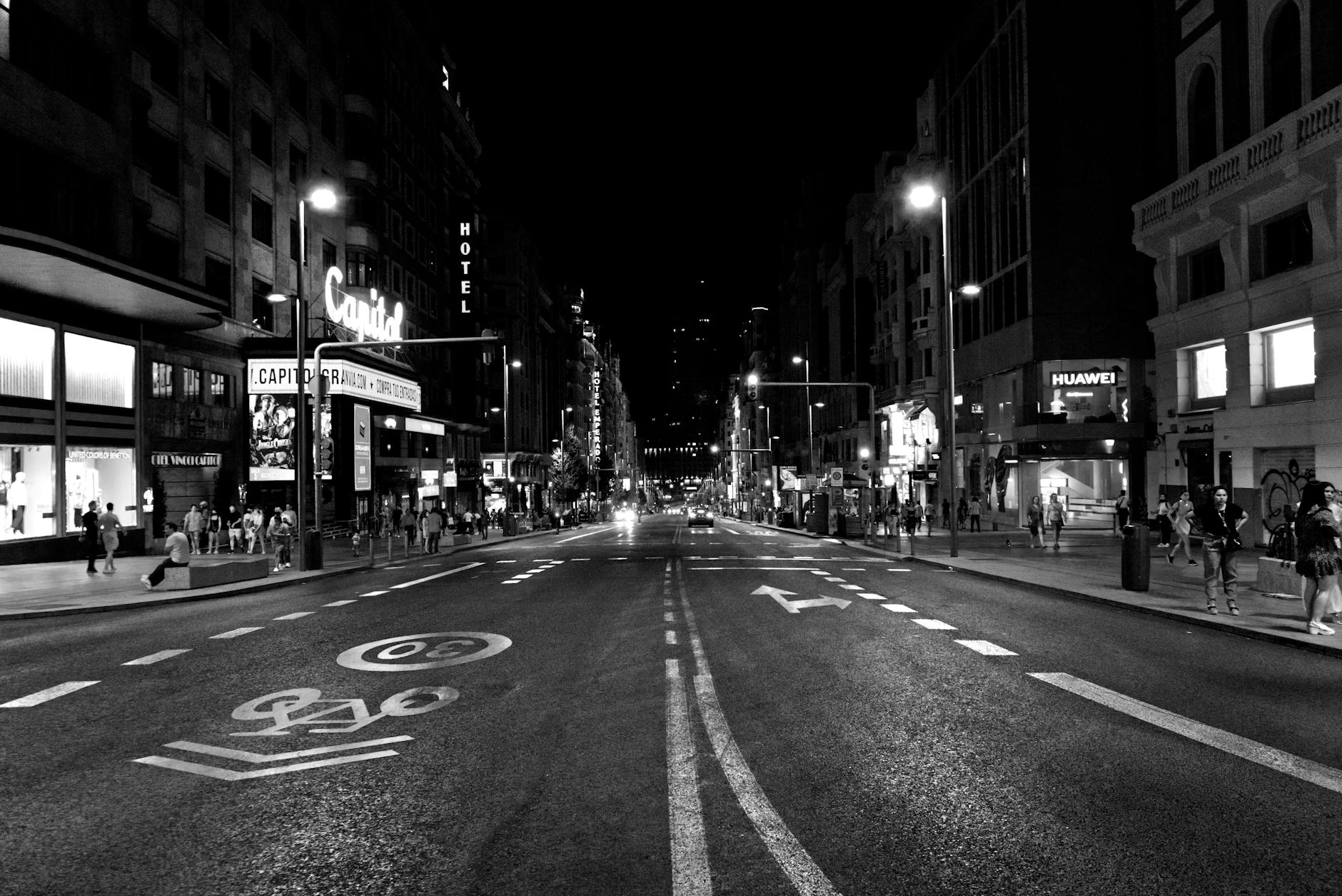
Madrid's late evenings are part of the city's appeal, but women travelers should make the key decisions before the evening is underway. Decide which nights are for late dinners, which are for a short hotel-area walk, and which should stay simple. Gran Via, Chueca, Malasana, theater areas, rooftop bars, and tapas streets can be lively and rewarding, but the traveler should know how she is getting back.
A taxi is often the right choice when tired, dressed up, carrying purchases, low on phone battery, or unsure about the route. Avoid isolated shortcuts, keep the hotel address accessible, and leave early without treating that as a failed night. The best evening plan gives the traveler permission to enjoy the city and permission to stop.
- Decide late-night limits before dinners, rooftops, theater, tapas, or nightlife begin.
- Use taxis when fatigue, clothing, purchases, phone battery, or route uncertainty make walking or transit less appealing.
- Keep the hotel address accessible and avoid isolated shortcuts after dark.
When to order a short-term travel report
A confident woman traveler with a simple hotel choice and flexible schedule may not need a custom Madrid report. A report becomes more useful when the trip is short, arrival is late, the traveler is choosing between neighborhoods, solo evenings or nightlife are part of the plan, visible valuables or work equipment are involved, medical or mobility concerns matter, or this is the traveler's first time handling Madrid alone.
The report should test the hotel base, arrival route, first-evening plan, solo or small-group dining, neighborhood fit, late-return options, crowd exposure, current local disruptions, weather and clothing implications, and backup choices. The value is a Madrid trip where confidence comes from preparation rather than constant vigilance.
- Order when late arrival, neighborhood choice, solo evenings, visible valuables, equipment, or medical concerns raise the stakes.
- Provide hotel candidates, arrival details, dining style, walking tolerance, evening plans, valuables, and any constraints.
- Use the report to make Madrid feel confident, flexible, and personally workable.