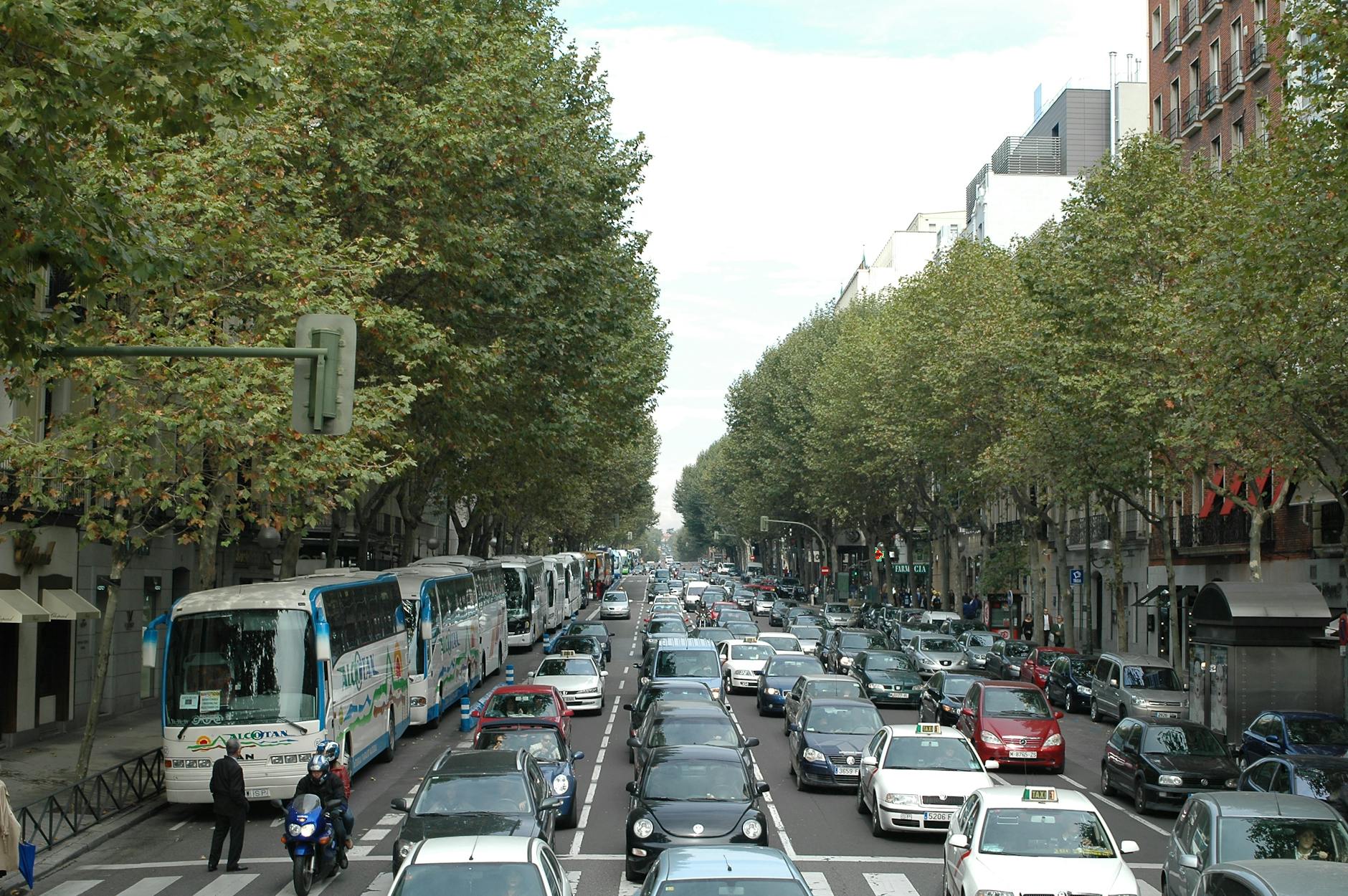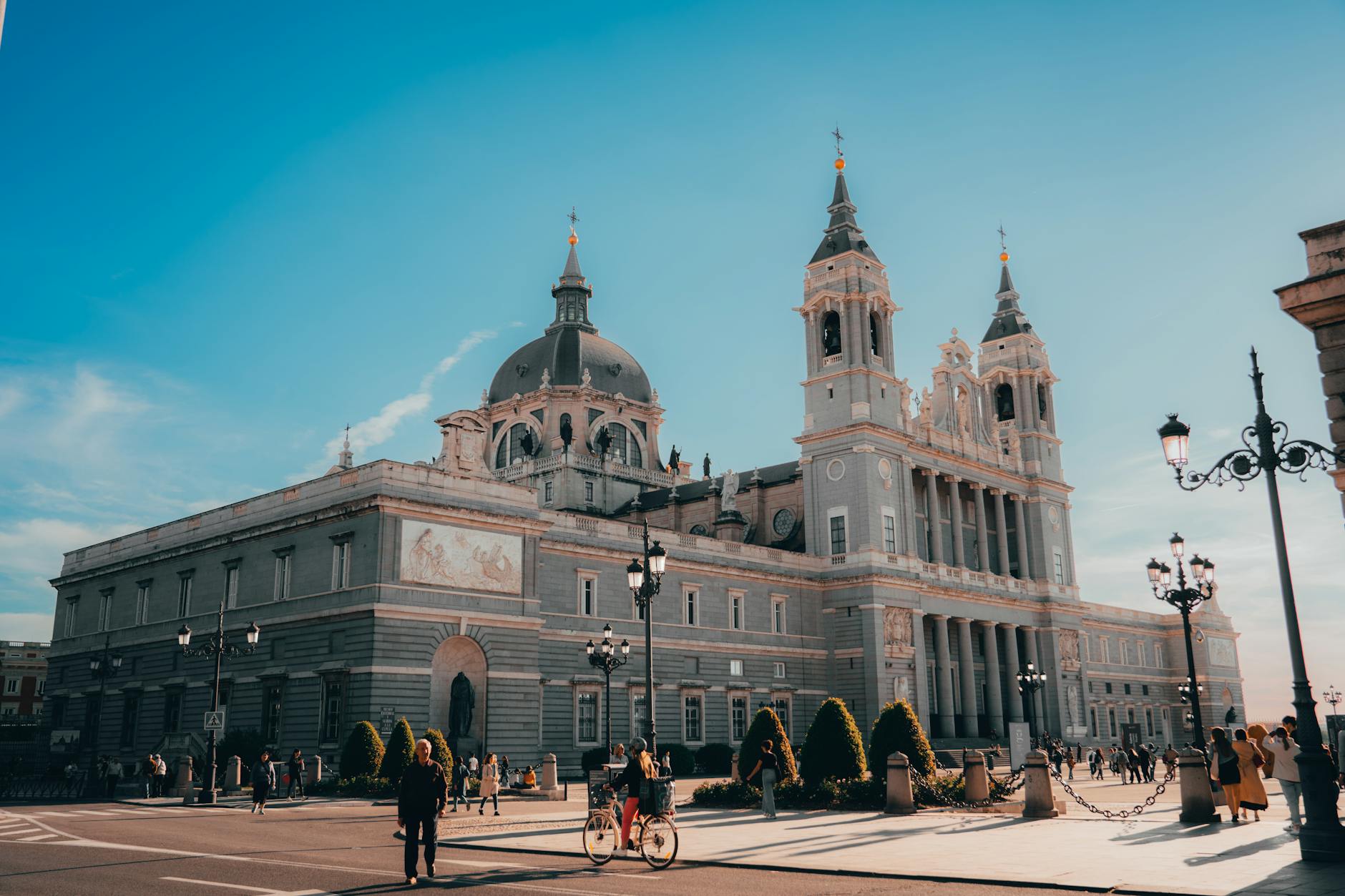
Madrid can work well for travelers with mobility limitations, but it should not be treated as uniformly easy because the city is walkable on a map. The experience changes block by block. Broad plazas, taxis, major museums, Retiro, and many central streets can be manageable with a good plan. Older lanes, curb cuts, construction, slopes, crowds, metro entrances, station transfers, cobblestones, scooter clutter, heat, and long museum standing time can make the same day feel very different. The planning question is not whether Madrid is possible. It is which version of Madrid fits the traveler's actual mobility: wheelchair, rollator, cane, joint pain, limited standing tolerance, variable stamina, post-surgical recovery, balance concerns, or a companion-assisted pace. A strong short stay starts with the hotel entrance and the first transfer, then builds each day around route surfaces, places to sit, bathroom access, taxi options, timed entries, and an easy way to stop before the day becomes a recovery problem.
Start with the hotel entrance, not the neighborhood label
The hotel is the mobility decision that affects every other decision. A good neighborhood can still produce a bad stay if the hotel entrance has steps, the elevator is too small, the bathroom is awkward, the taxi stop is hard to use, or the surrounding sidewalks are crowded and uneven. A traveler should verify the exact entrance, elevator, room layout, shower or tub setup, bed height, lobby seating, breakfast access, and whether staff can reliably help with taxis or luggage.
Sol and Gran Via can be convenient but busy. Barrio de las Letras can support museums and cafes but should be checked street by street. Salamanca may offer calmer sidewalks and hotel stock, though it can place some sights farther away. Atocha can help with rail and museum access if the exact block works. Retiro can be pleasant for park time. The right base is the one that makes the first and last movement of the day manageable.
- Verify the exact hotel entrance, elevator, bathroom, room layout, taxi access, lobby seating, and breakfast path.
- Judge Sol, Gran Via, Las Letras, Salamanca, Atocha, and Retiro block by block rather than by reputation.
- Choose a base that makes morning departure and evening return predictable.
Make arrival assistance explicit
Madrid-Barajas, Atocha, and Chamartin can all be workable, but arrival should be planned as the first mobility test. Airport assistance, baggage handling, distance to taxi or metro, elevator availability, station platforms, crowds, and the traveler's post-flight stamina all matter. A public transport route that looks efficient may not be the best answer after a long flight with luggage, medication, pain, swelling, or limited standing tolerance.
The traveler should request assistance where appropriate, confirm how it works, keep mobility equipment and medication protected, and choose the transfer based on the weakest likely hour. A taxi or prearranged car may be the right choice for the arrival even if metro or rail is used later. The first evening should stay narrow: check in, recover, eat nearby, and confirm the next day's route before trying to prove the whole city is accessible.
- Request and confirm airport or rail assistance when needed rather than assuming it will be obvious on arrival.
- Choose taxi, car, metro, or rail by fatigue, luggage, equipment, platform access, and standing tolerance.
- Keep the first evening close to the hotel so arrival does not consume the next day.
Treat the metro as useful but not automatic
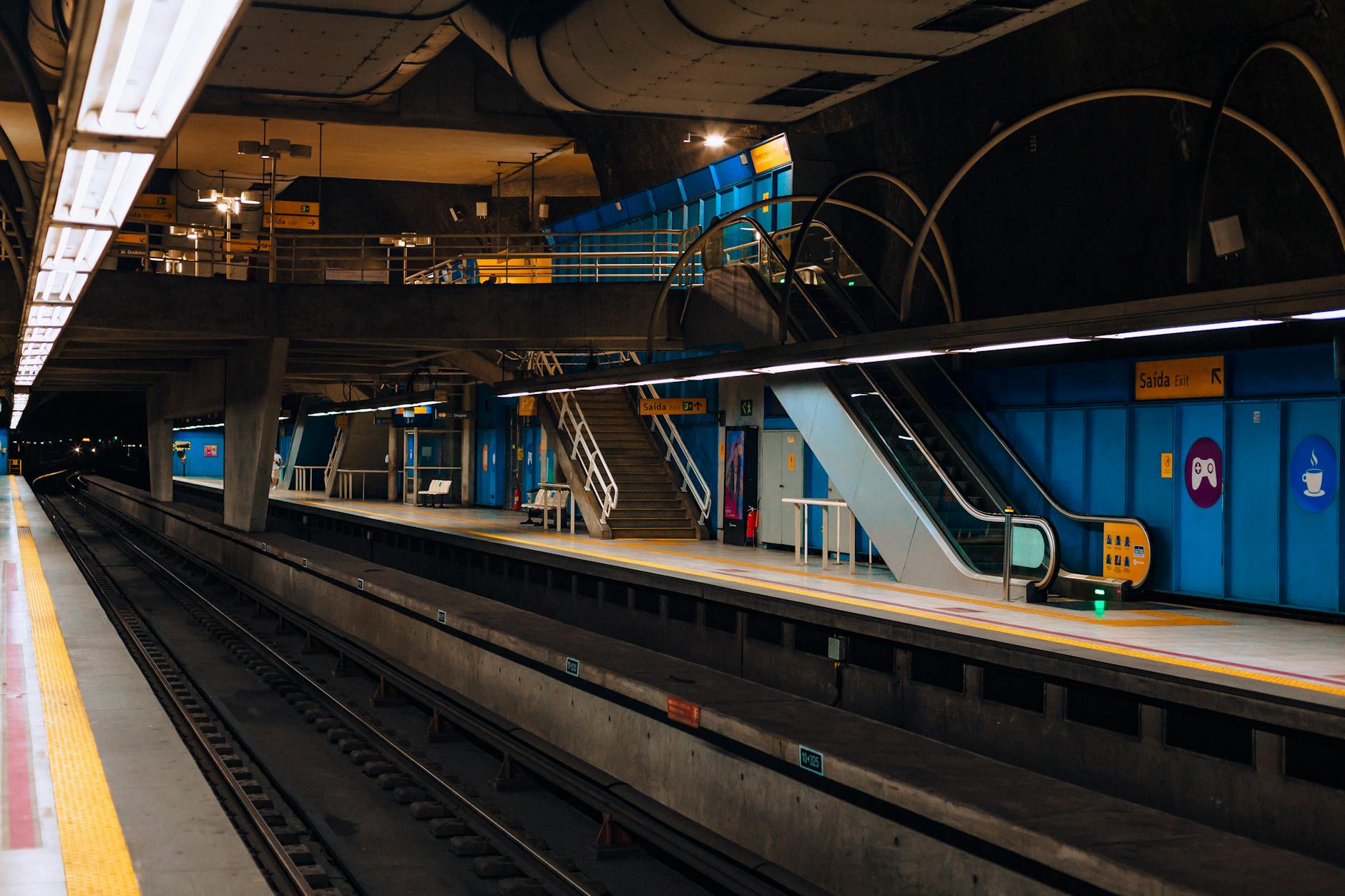
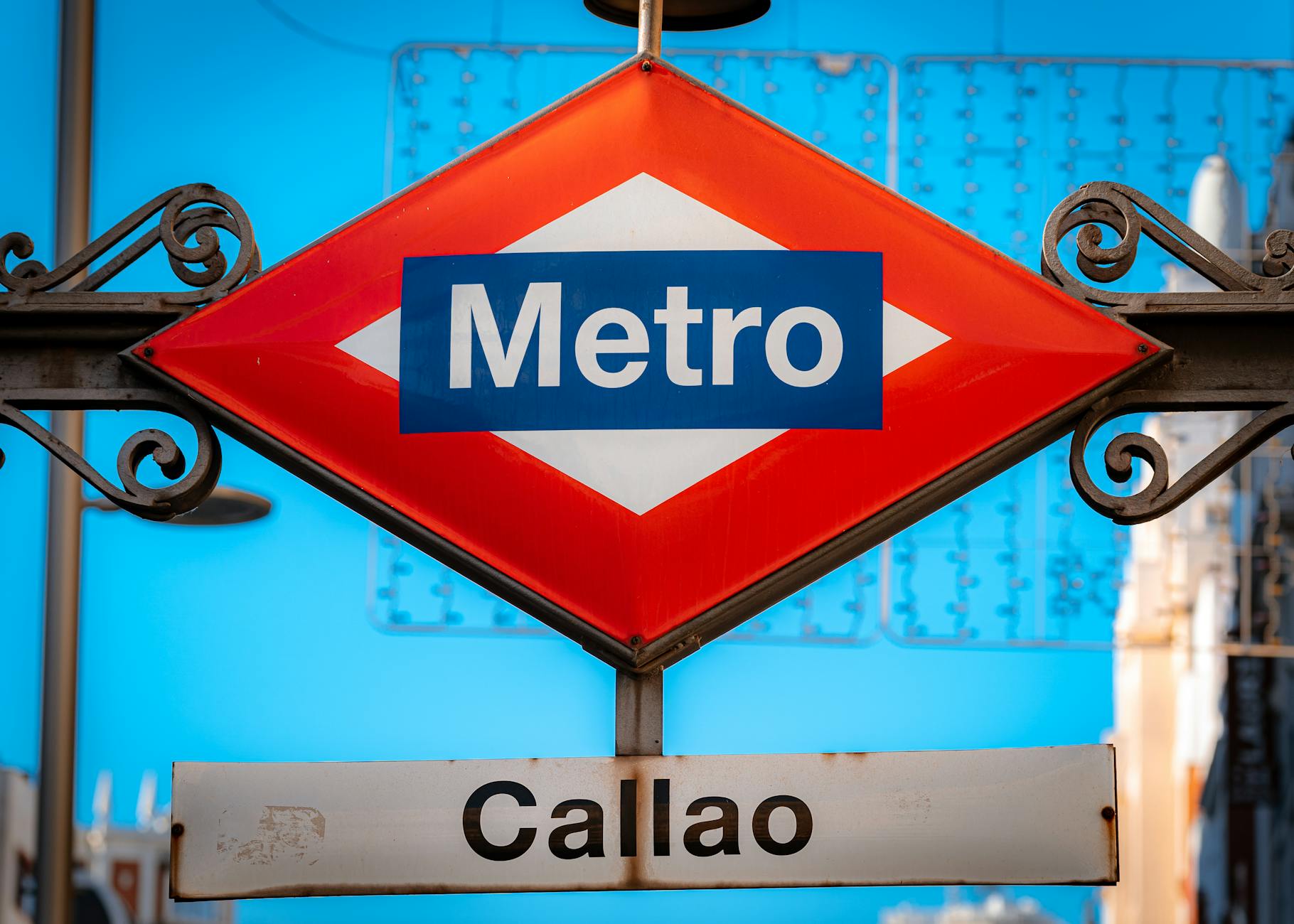
Madrid's metro can be very useful, but a traveler with mobility limitations should not assume every station, entrance, transfer, or platform path will fit their needs. Elevators, escalators, stair-free routes, long corridors, crowding, service changes, and the final distance from station to destination all need checking. A station name alone does not prove that the route is easy.
The better method is to test each critical movement. Hotel to first sight. Museum to lunch. Dinner to hotel. Station to platform. Platform to street. If the route has too many uncertainties, a taxi may be the more efficient and safer mobility tool. The goal is not to avoid public transport. It is to use it where it genuinely reduces effort.
- Check elevator, escalator, transfer, platform, and street-exit details for each essential metro route.
- Do not assume the nearest station entrance is the usable entrance.
- Use taxis when public transport uncertainty would drain the day or create avoidable risk.
Read the old center for surfaces and exits
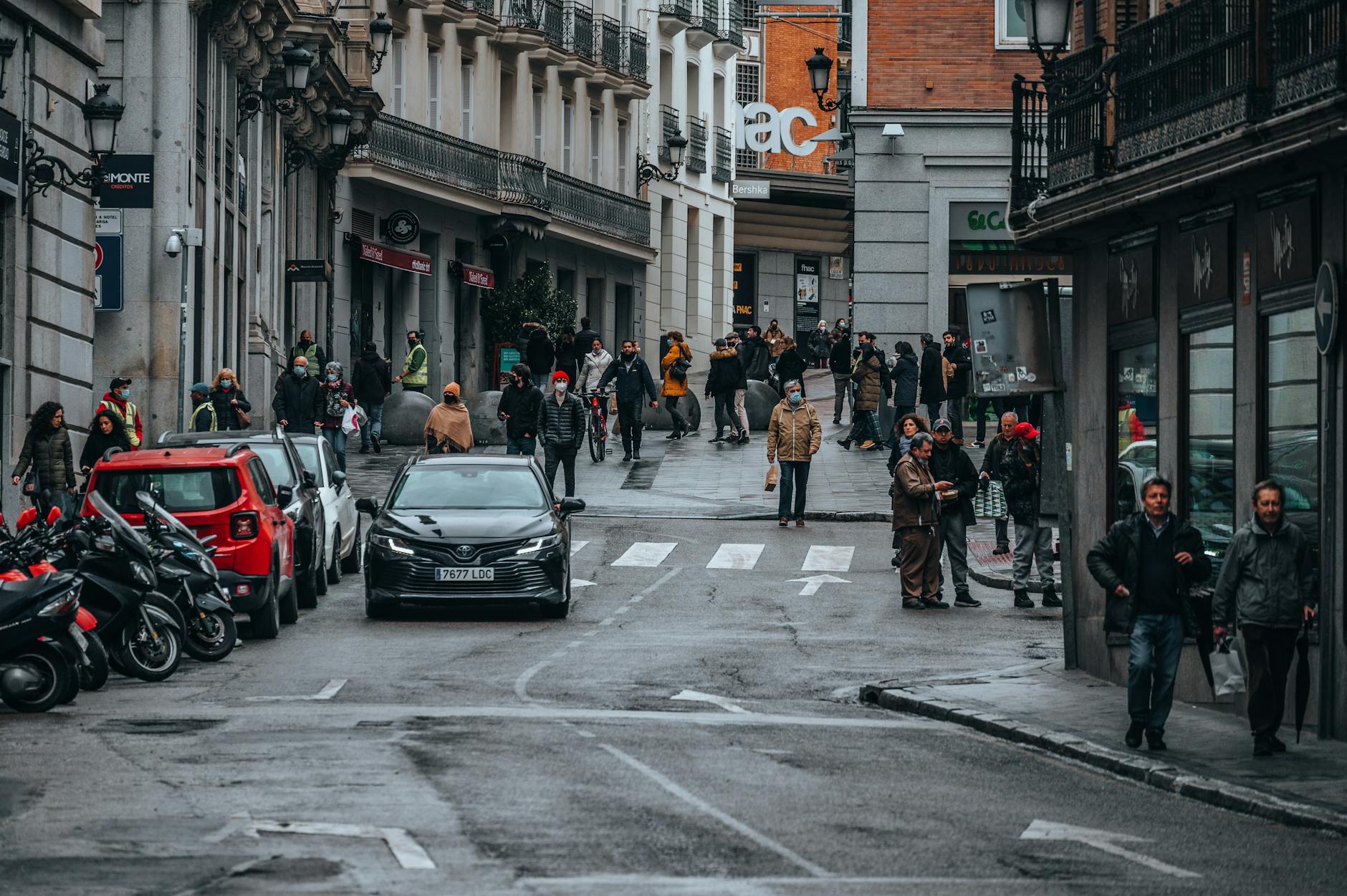
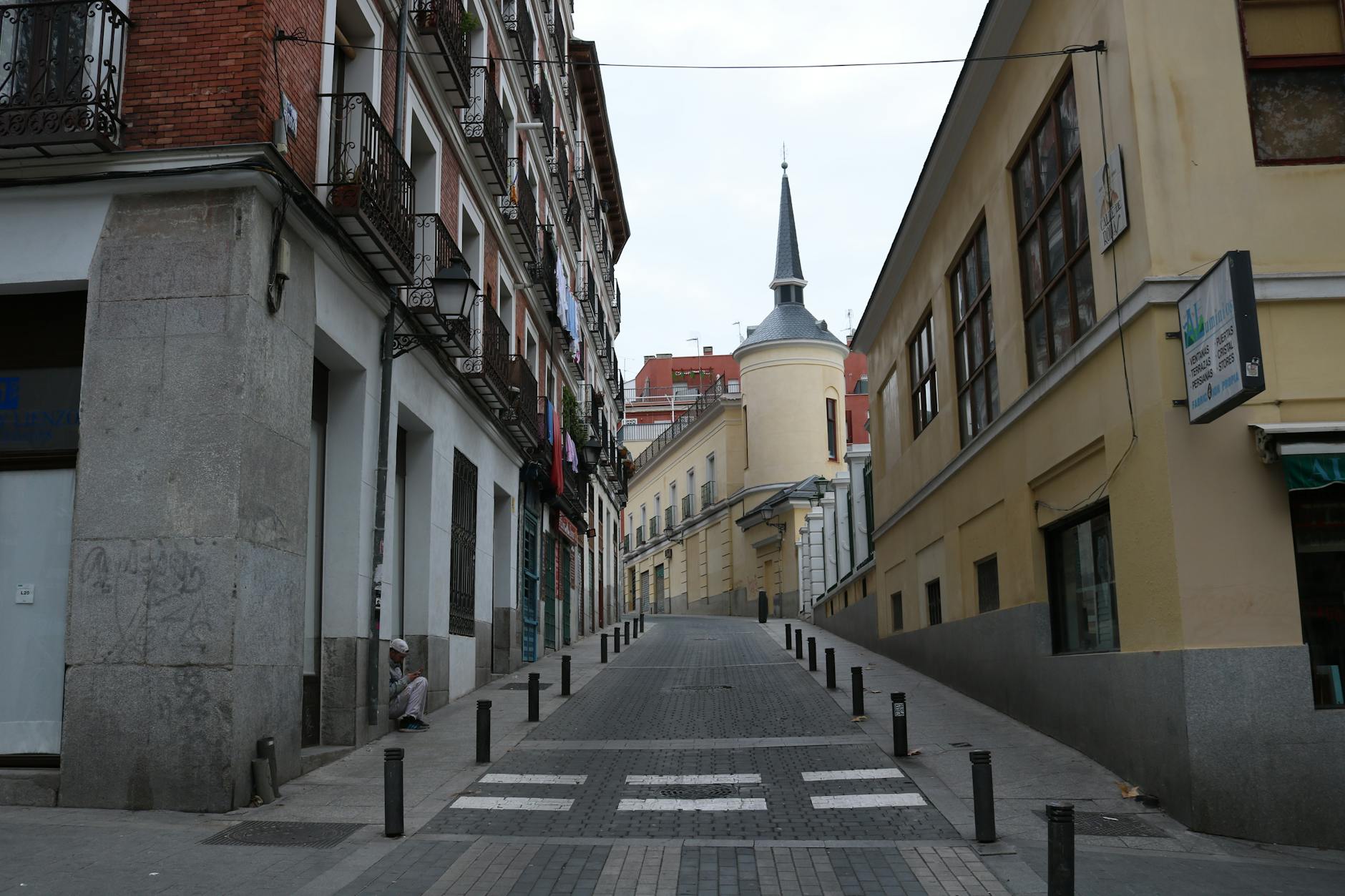
Madrid's old center is one of the pleasures of the city, but it should be read as a surface map. Plaza Mayor, Puerta del Sol, the palace area, Las Letras, La Latina, and streets around classic sights can include uneven paving, crowds, curb transitions, delivery vehicles, restaurant terraces, scooters, construction, and narrow sidewalks. A traveler using a wheelchair, rollator, cane, or limited-stamina walking plan should not build the day around continuous wandering.
Routes should be broken into short segments with a reason to stop: a cafe, a plaza edge, a museum lobby, a taxi point, a shaded bench, or a hotel return. The old center works better when the traveler chooses one anchor and nearby options rather than trying to drift through every famous street. The exit plan matters as much as the entry plan.
- Assess paving, curb transitions, crowds, terraces, scooters, construction, and sidewalk width before committing to long walks.
- Break the old center into short segments with known pauses and taxi options.
- Use one strong anchor plus nearby choices instead of continuous wandering.
Use museums and palace visits with entrance logic
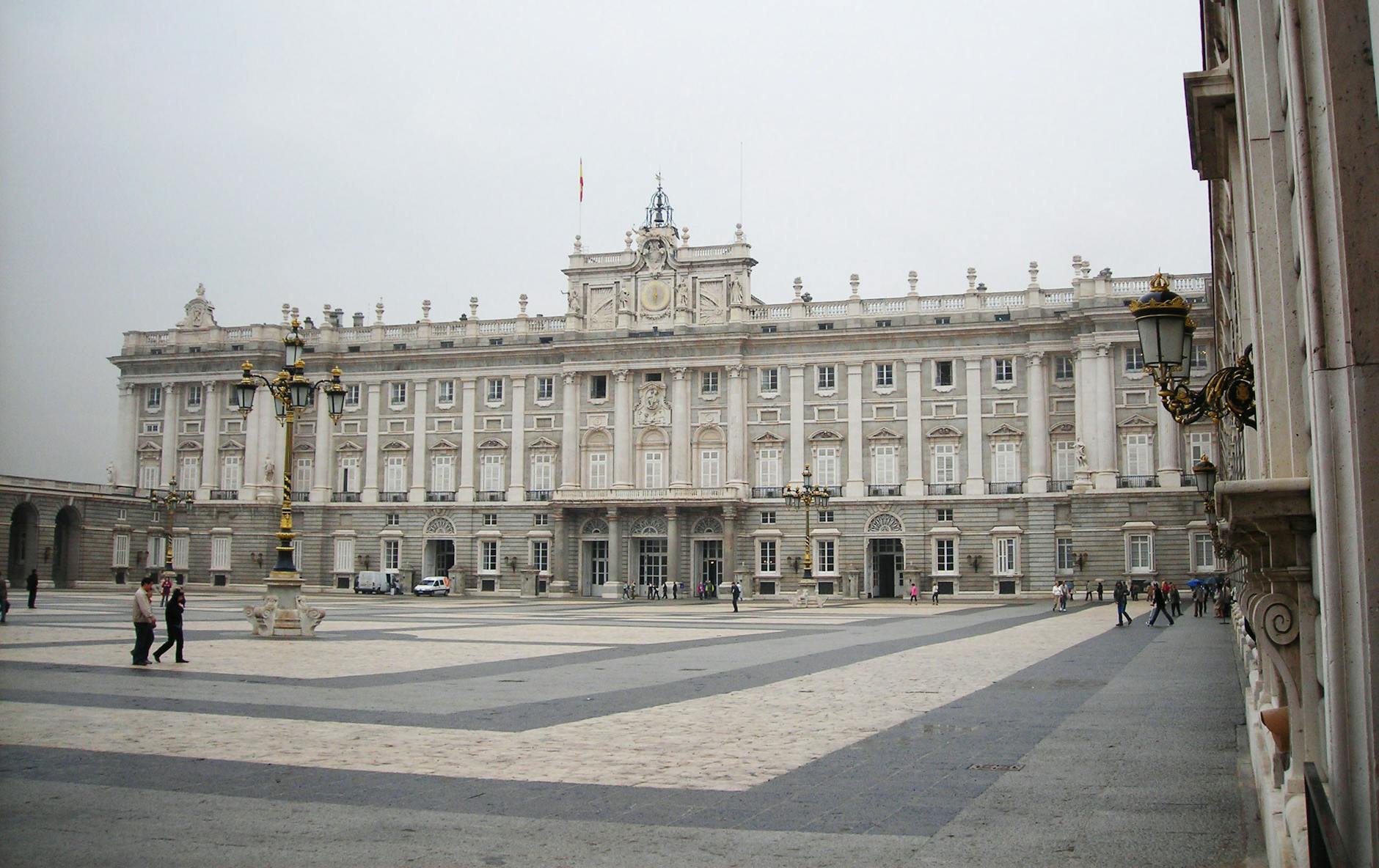
The Prado, Reina Sofia, Thyssen, Royal Palace, Almudena area, and other major sights can be excellent for travelers with mobility limitations when the entrance, ticket timing, bag rules, lifts, bathrooms, seating, and taxi drop-off are understood in advance. The challenge is often not the attraction itself but the approach, queue, security process, standing time, and route to the next meal or rest stop.
A timed ticket should be treated as a mobility structure. Leave margin before the slot. Confirm the most suitable entrance. Avoid combining too many large interiors in one day. Decide whether a shorter, focused visit will produce a better experience than an exhaustive one. A museum day should end with enough energy for dinner and the return route.
- Check entrance, ticket, lift, bathroom, seating, bag, security, and taxi-drop details before major sights.
- Use timed entries as pacing tools, not reasons to rush.
- Prefer focused visits over exhaustive museum or palace days when standing tolerance is limited.
Use Retiro and taxis as active tools
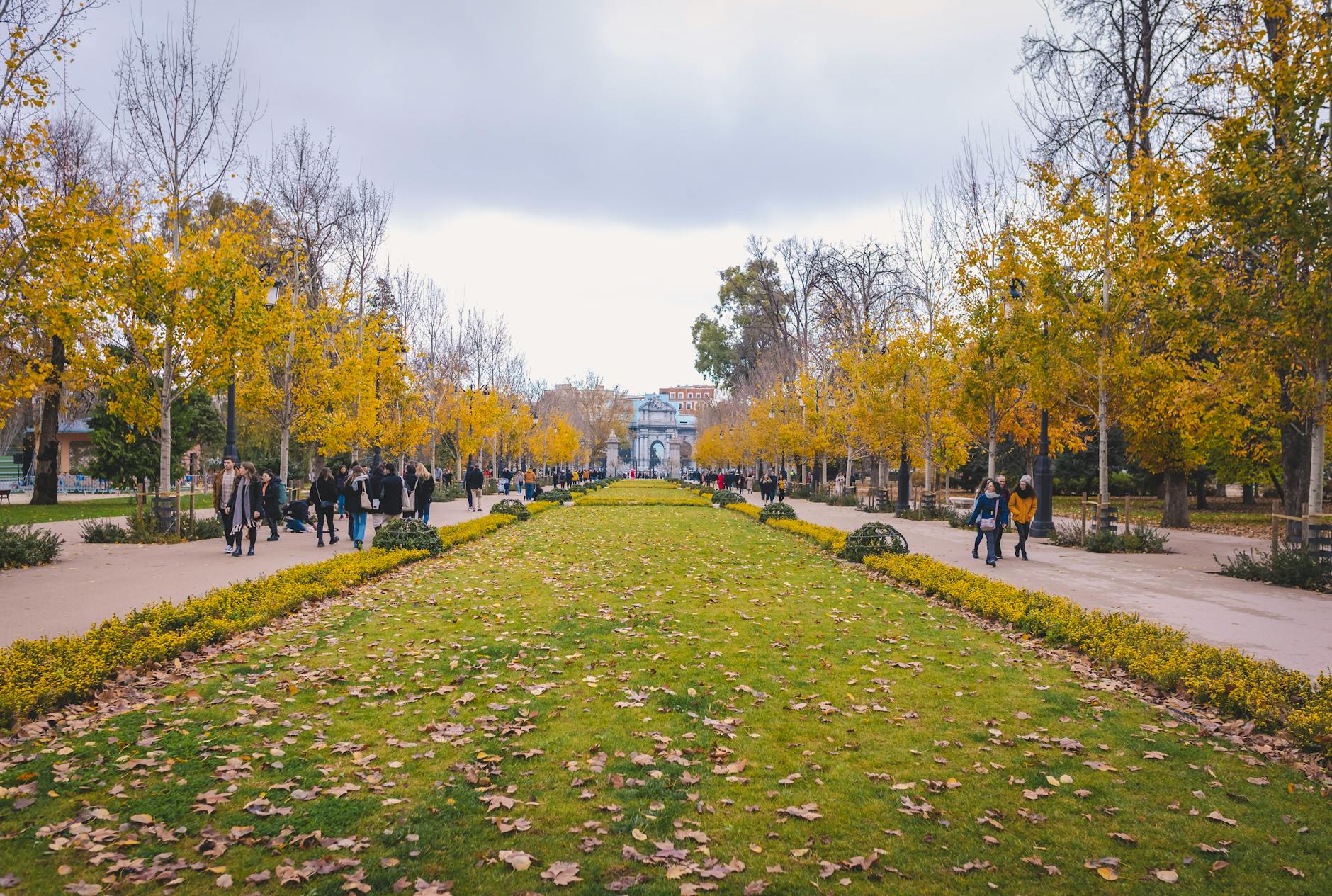
Retiro can be one of Madrid's most useful spaces for travelers with mobility limitations, but it still needs route judgment. Some paths, entrances, slopes, surfaces, shade, bathroom locations, and distances will work better than others. The park can provide a softer block after museums or shopping, a place to pause in shade, or a lower-pressure alternative to another crowded sight. It should be placed where it protects the day, not squeezed in after the traveler is already exhausted.
Taxis should also be treated as active planning tools. A taxi between hotel and museum, museum and lunch, or dinner and hotel can preserve the trip. The traveler should know pickup points, hotel address, payment method, and whether mobility equipment requires a specific vehicle type. Saving steps is not failure. It is the point of a mobility-aware plan.
- Use Retiro for planned shade, pauses, lower-pressure walking, and recovery after museums or shopping.
- Check park entrances, surfaces, slopes, bathrooms, and distances before assuming a route will work.
- Use taxis deliberately to preserve energy for the experiences that matter.
When to order a short-term travel report
A traveler with mild limitations, a familiar hotel, and a very light Madrid plan may not need a custom report. A report becomes more useful when the traveler uses a wheelchair, rollator, cane, or companion support; has variable stamina; is choosing between hotels; has a late arrival; wants museums, palace sights, restaurants, or Retiro without guessing at surfaces and distances; or needs to know when taxis should replace walking and metro.
The report should test the hotel entrance, room and bathroom fit, arrival transfer, station choices, metro and taxi logic, old-center surface exposure, museum and palace entrance planning, Retiro route choices, bathroom and rest opportunities, current local disruptions, weather implications, and fallback routes. The value is not generic accessibility optimism. It is a Madrid plan built around the traveler's actual movement limits.
- Order when hotel access, arrival, metro elevators, route surfaces, museums, taxis, heat, or variable stamina could define the trip.
- Provide mobility equipment, walking and standing tolerance, hotel candidates, arrival details, must-see sights, and taxi preferences.
- Use the report to replace assumptions with a route plan the traveler can actually use.