
Madrid can be a useful stopover city because Barajas airport, high-speed rail, Metro, taxis, and central neighborhoods can connect reasonably well when the plan is realistic. A traveler may be changing planes, sleeping overnight before a long-haul flight, connecting from rail to air, breaking a Spain itinerary between cities, or adding a few hours around Atocha, Chamartin, Sol, Retiro, or the Royal Palace. That can work, but only if the traveler plans usable time rather than scheduled time. The risk is treating Madrid as easier than it is when tired, carrying bags, facing immigration or security, or moving between terminals and stations. A six-hour connection is not six hours in the city. An overnight stop is not automatically a relaxed visit. The Madrid stopover plan should answer one practical question first: what can the traveler do without endangering the onward flight, train, hotel check-in, or basic energy needed for the next leg?
Calculate usable time, not scheduled time
A Madrid stopover should begin with subtraction. Scheduled connection time is reduced by deplaning, immigration if relevant, terminal movement, baggage rules, security re-entry, boarding cutoffs, rail-station transfers, ticket changes, and the simple fact that tired travelers move slowly. A traveler who sees eight hours on an itinerary may only have three or four usable hours after the real controls are counted.
The decision to leave the airport, station, or hotel path should come after that calculation. If the connection is tight, the best Madrid plan may be a meal, shower, lounge, airport hotel, or controlled taxi to one nearby district. If the margin is larger, a compact city loop can be worthwhile. The goal is not to prove Madrid is possible. It is to avoid turning a stopover into a missed flight, rushed train, or exhausted next day.
- Subtract immigration, terminal movement, luggage, security re-entry, boarding cutoffs, and transfer time from the scheduled layover.
- Decide whether to leave the transit path only after the usable-time calculation is clear.
- Choose rest, food, lounge, hotel, or one compact city loop according to the actual margin.
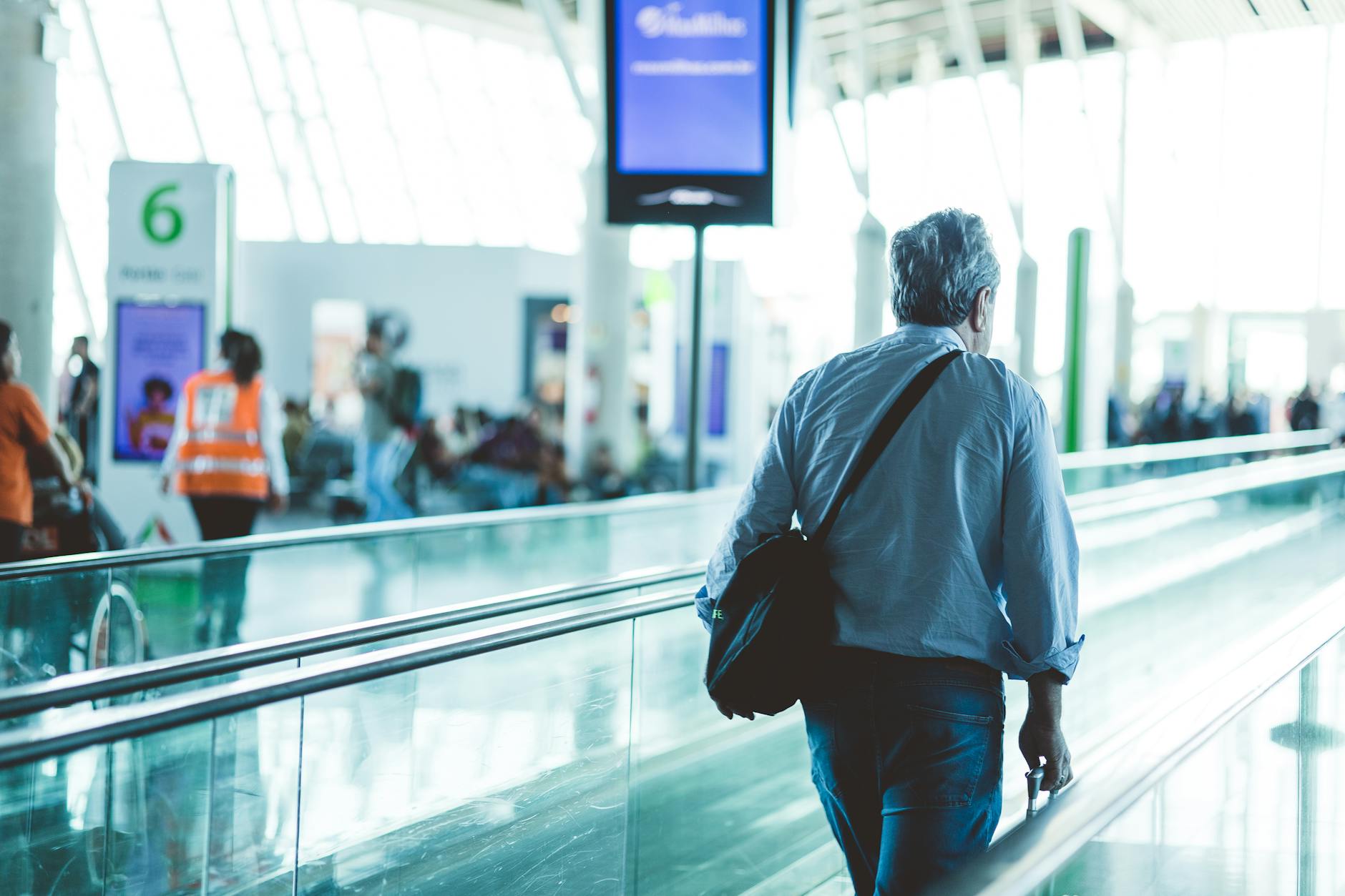
Understand the airport and rail geography
Madrid transit planning depends on knowing which node matters. Barajas is not the same problem as Atocha, Chamartin, Principe Pio, Mendez Alvaro, or a hotel near Gran Via. A traveler connecting between airport and rail should know the exact terminal, station, platform logic, transfer mode, and ticket timing. A traveler arriving by high-speed rail with an afternoon flight should not assume that a central lunch fits if luggage, station transfer, and airport security are unresolved.
Atocha is useful for some city stops because Retiro, the Prado edge, and central routes are close. Chamartin can be efficient for other rail links but may not feel like a natural sightseeing base. Airport hotels can protect early departures but can make a city evening feel more distant. The right geography is the one that protects the onward movement first and the Madrid experience second.
- Confirm exact terminal, station, rail departure point, transfer mode, and ticket timing before adding sightseeing.
- Use Atocha, Chamartin, airport hotels, and central hotels for different stopover problems.
- Let the onward flight or train control the Madrid route, not the other way around.
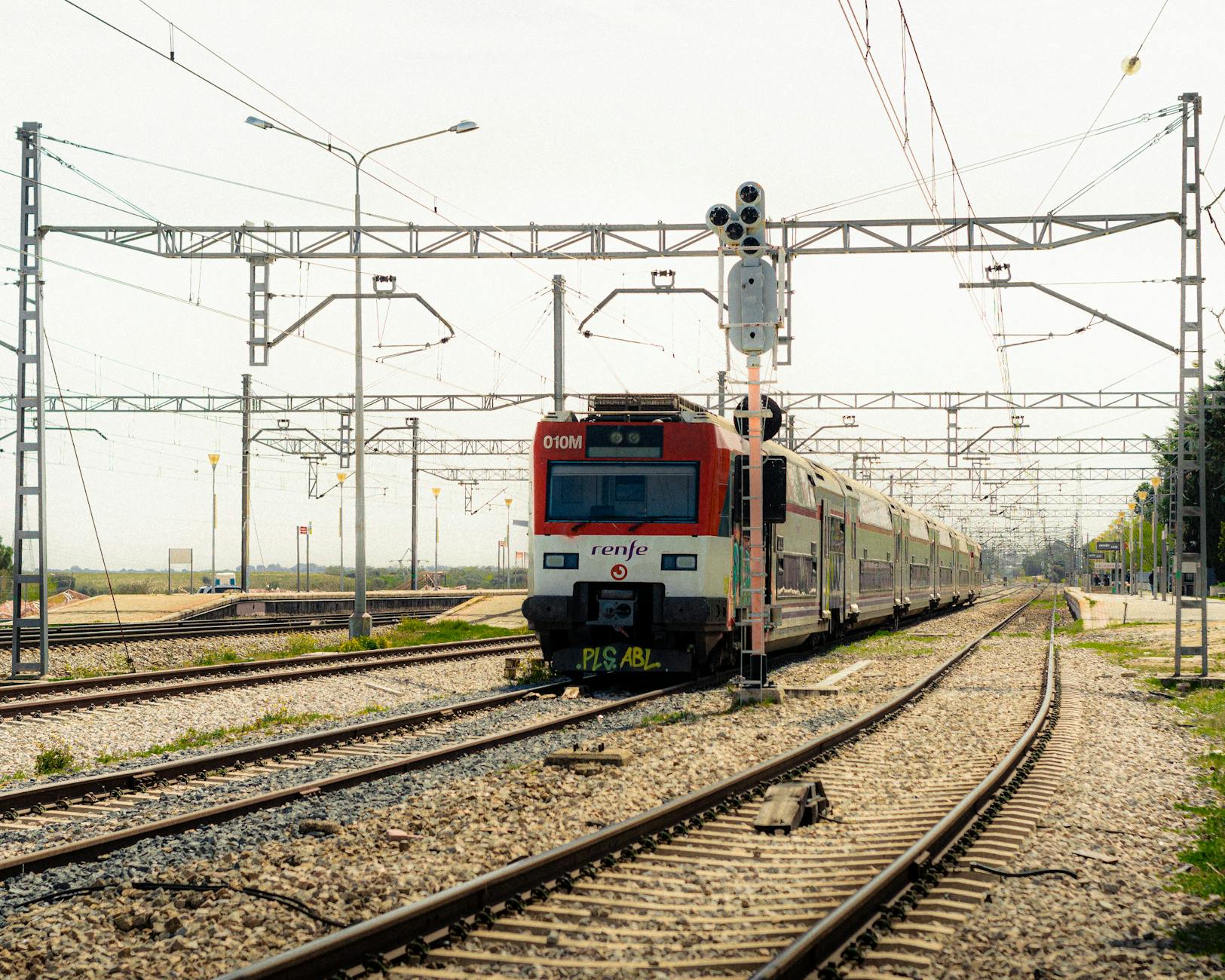
Make luggage the first practical decision
Luggage determines whether a stopover is pleasant or clumsy. A traveler with only a small backpack can move through Sol, Retiro, or a quick restaurant stop differently from someone managing checked bags, a garment bag, children's equipment, medication, or work gear. Madrid's Metro stairs, station concourses, hotel check-in rules, lockers, taxi pickups, and crowded sidewalks all feel different with luggage.
The traveler should decide where the bags are before deciding what to see. That may mean through-checking bags, using airport or station storage, booking a hotel with early luggage drop, taking a taxi directly to a base, or choosing an airport-lounge plan instead of the city. Passports, medication, electronics, chargers, valuables, and the next-leg documents should stay accessible. A stopover is too short to recover from a luggage mistake gracefully.
- Decide where luggage will be stored before choosing the city plan.
- Keep passports, medication, chargers, valuables, and onward documents accessible.
- Avoid sightseeing with large bags unless the route is genuinely door-to-door.

Choose one compact Madrid experience
Madrid stopovers work best when the traveler chooses one compact experience rather than a checklist. Atocha can support a Prado edge, Retiro walk, or simple museum-adjacent meal. Sol and Plaza Mayor can work for a central first impression, food, and a short walk through the Austrias district. The Royal Palace area can make sense when the traveler has more margin and a clear taxi plan. A quick neighborhood meal near the hotel may be better than forcing a famous sight into a tired evening.
The route should be reversible. If a queue is long, weather is bad, the traveler is tired, or the return transfer becomes uncertain, the plan should shrink without collapsing. Stopover travelers do not need to optimize Madrid. They need one satisfying piece of the city that can be completed cleanly before the next leg.
- Pick one compact experience: Retiro and Prado edge, Sol and Plaza Mayor, Austrias, or a hotel-adjacent meal.
- Build the route so it can be shortened quickly if queues, weather, fatigue, or transfer risk appear.
- Avoid citywide checklists during a stopover; one coherent Madrid slice is enough.
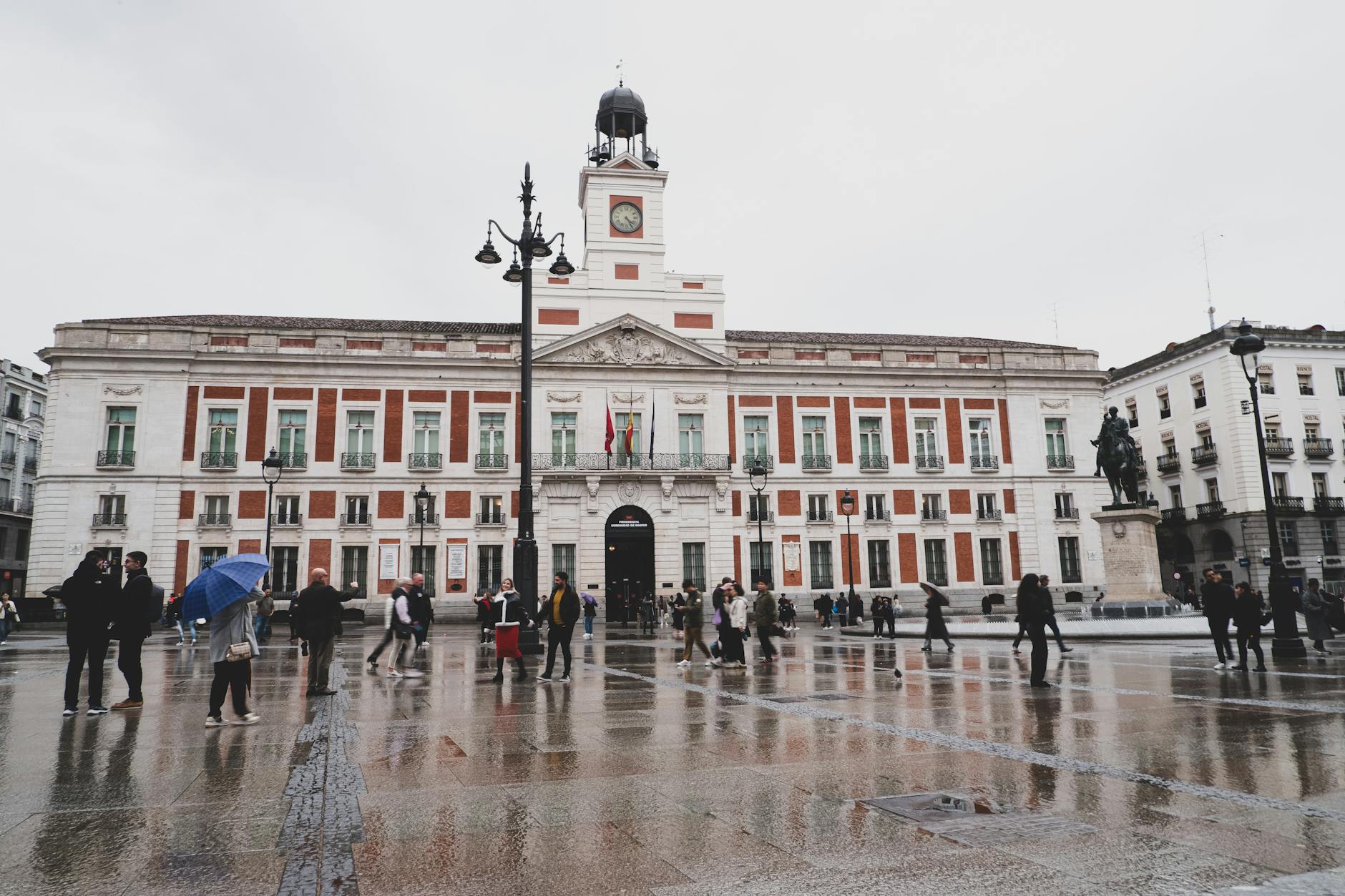
Use transport with a fallback, not optimism
Madrid has useful transport, but a stopover traveler should plan with fallbacks. Metro, Cercanias, airport express buses, taxis, rideshare, hotel shuttles, and rail links can all be correct in the right situation. The wrong choice is the one that depends on perfect timing, full phone battery, easy luggage handling, and no confusion while the traveler is already tired. The transfer that works for a resident may not be the transfer that works for a visitor with a deadline.
A good plan names the primary route, backup route, and threshold for switching. If the Metro connection becomes awkward, take a taxi. If a taxi queue is long, know the rideshare pickup point or hotel desk option. If a rail transfer is essential, arrive early enough to absorb platform confusion. Madrid stopovers should be built around controlled returns, not confidence that everything will feel obvious on arrival.
- Name the primary route, backup route, and switch point before leaving the airport, station, or hotel.
- Choose taxis or car service when luggage, fatigue, weather, or timing makes public transport fragile.
- Protect phone battery, offline addresses, payment backup, and enough margin for station or terminal confusion.
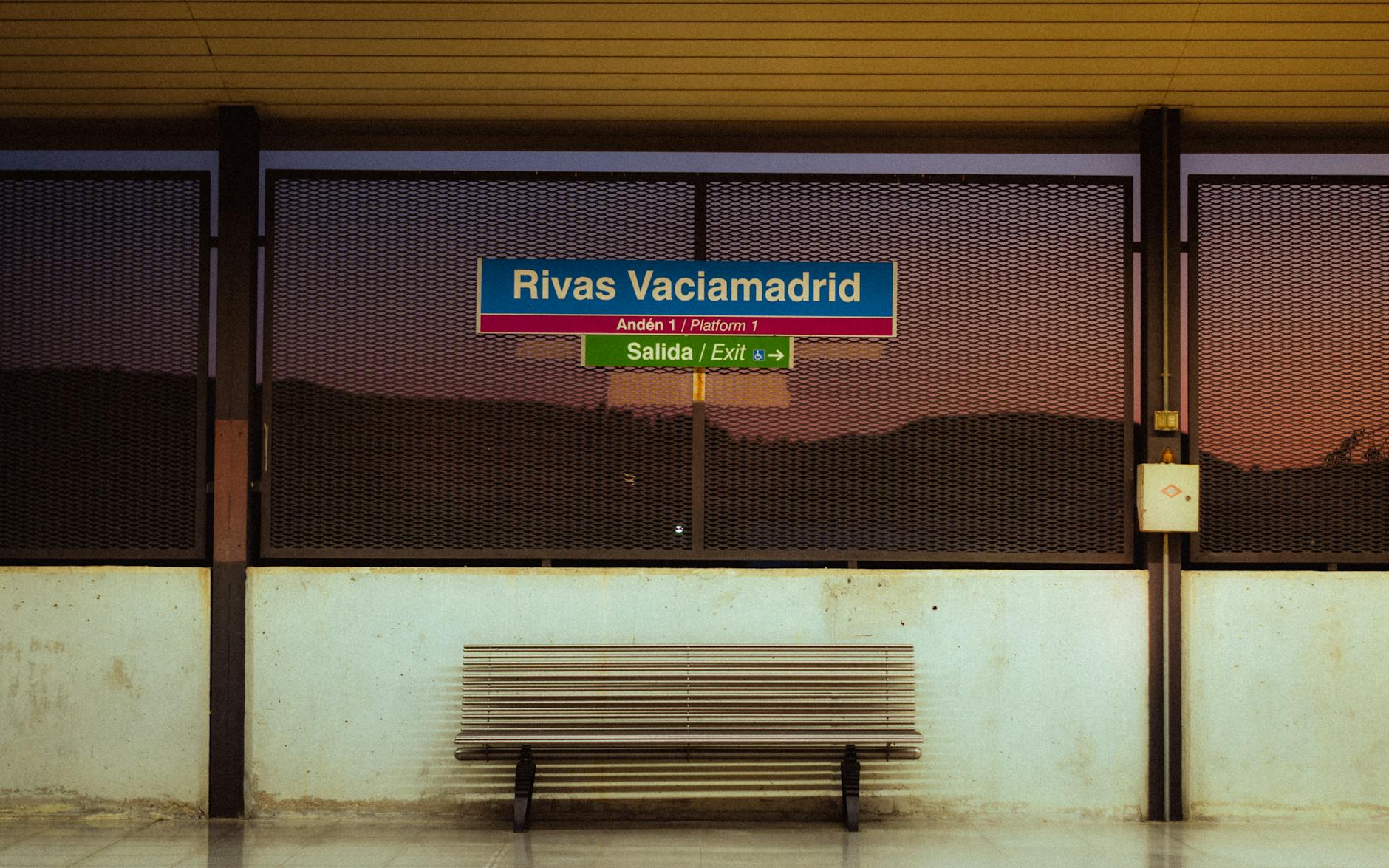
Plan for fatigue, food, and re-entry
Transit travelers often underestimate fatigue. A Madrid stopover may follow a red-eye flight, long rail day, cruise transfer, or multi-city itinerary. The traveler may be hungry at the wrong hour, dehydrated, jet-lagged, under-dressed for weather, or carrying documents they cannot afford to lose. A stopover plan should include food, bathrooms, charging, quiet time, and a realistic return to the airport or station.
Re-entry is the final control. Airport security, boarding groups, passport checks, terminal changes, rail-platform announcements, and baggage rules can all take longer when the traveler is tired. The traveler should not spend the whole Madrid stop watching the clock, but the clock has to remain visible. A good stopover ends with the traveler seated comfortably at the next gate or platform, not sprinting because lunch ran late.
- Plan food, bathrooms, charging, hydration, weather layers, and quiet time into the stopover.
- Return early enough for security, passport control, terminal changes, platform confusion, and boarding cutoffs.
- Keep documents, phone, payment, and essential medication controlled through the full stop.
When to order a short-term travel report
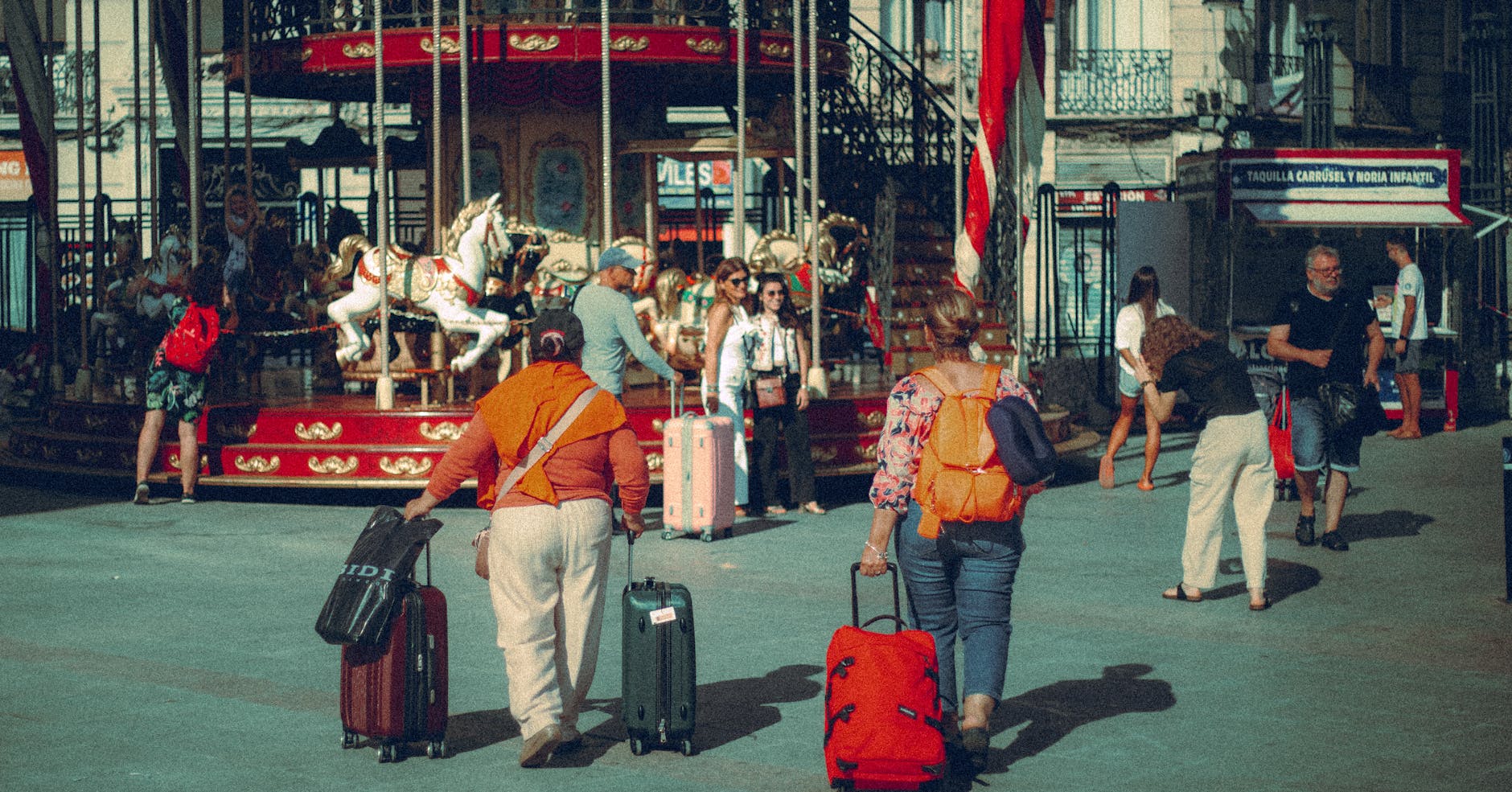
A traveler staying overnight in Madrid with no tight connection may not need a custom report. A transit or stopover traveler should consider one when the margin is narrow, the itinerary connects airport and rail, the traveler has luggage complications, older or mixed-ability companions, children, medical needs, late arrival, early departure, separate tickets, a cruise connection, or a desire to see the city without risking the onward leg. Those are the situations where generic advice is too loose.
The report should test usable time, terminal and station geography, luggage storage, hotel base, compact city route, primary and backup transport, food options, fatigue, security re-entry, current disruptions, and the threshold for staying inside the transit path. The value is a Madrid stopover that feels deliberate: enough city to be worthwhile, enough margin to keep the journey intact.
- Order when a stopover depends on tight timing, luggage, separate tickets, rail-air transfer, cruise links, or mixed traveler needs.
- Provide flight or train times, terminal or station details, luggage status, hotel candidates, group composition, and must-see priorities.
- Use the report to decide whether leaving the transit path is worthwhile and how to return cleanly.