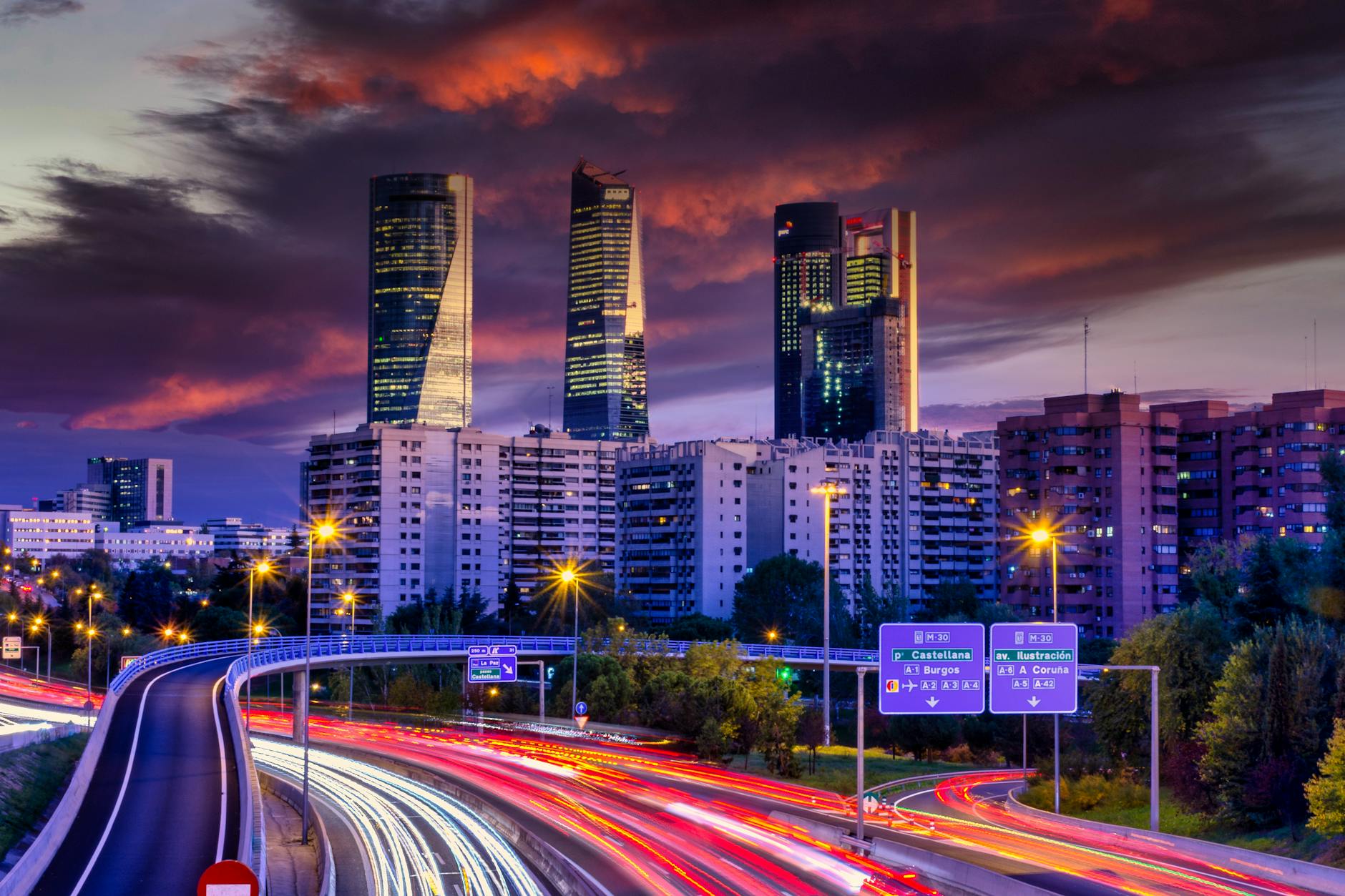
A trade-show trip to Madrid is not the same as a normal business visit or a passive conference. The traveler may be carrying samples, display material, catalogs, demonstration devices, chargers, formal clothes, giveaway items, order sheets, and a schedule that starts before the public opening of the hall. IFEMA Madrid and other exhibition, hotel, or business-district venues create a logistics problem first and a networking opportunity second. The best trip plan protects both. Madrid can support a strong trade-show visit because Barajas is close to the major exhibition corridor, the city has good hotels, taxis, restaurants, and business districts, and after-hours meetings can be useful when they are sequenced well. The risk is that attendees plan as if the booth, badge, freight, buyers, dinners, and return route will solve themselves. They will not. A trade-show attendee needs a Madrid plan that works from airport arrival through setup, peak show hours, side meetings, late dinners, teardown, and departure.
Start with the exact hall and operating hours
The first trade-show question in Madrid is not where the traveler wants to stay, eat, or relax. It is the exact venue, hall, entrance, badge pickup, exhibitor access, setup window, delivery point, and public opening rhythm. IFEMA-style venues are not experienced as one pin on a map. The correct hall, entrance, taxi point, security gate, and freight or sample route can determine whether the first morning starts cleanly or becomes a scramble.
The attendee should identify the difference between visitor access and exhibitor access. A buyer walking in with a badge has a different problem from a company representative bringing display material, samples, a demo kit, or booth supplies. The hotel, transport, meal timing, and evening plan should be built around the real operating pattern: setup, show hours, side meetings, receptions, teardown, and departure.
- Confirm the exact venue, hall, entrance, badge pickup, setup window, exhibitor access, and delivery point.
- Separate visitor logistics from exhibitor logistics before booking hotel or transport.
- Build the trip around setup, show hours, meetings, receptions, teardown, and departure timing.
Choose the hotel for booth rhythm, not charm
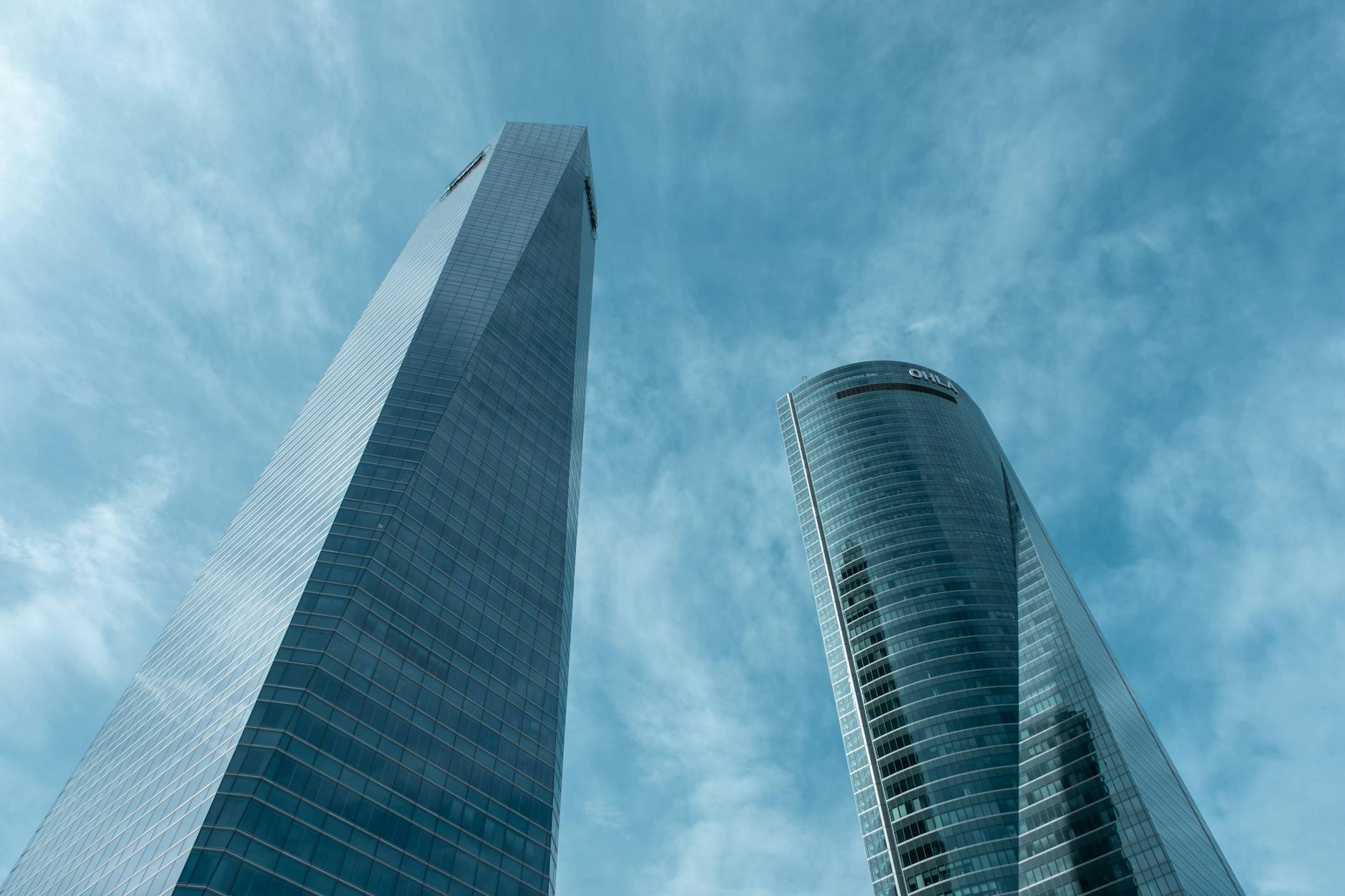
A trade-show hotel is partly bedroom, partly storage room, partly workroom, partly wardrobe base, and partly transport decision. A charming central hotel can be wrong if it forces a difficult early commute with boxes, samples, garment bags, or tired staff. A venue-area hotel can be right when setup, morning booth duty, and quick returns matter. A central or Castellana-area base can be better when buyer dinners, private meetings, or multiple office visits matter more than hall proximity.
The hotel should be tested against the full trade-show day: early breakfast, taxi access, lobby storage, elevator size, room desk, parcel handling, laundry or wardrobe needs, quiet sleep, late return, and the ability to reset between show floor and dinner. The best hotel is not the one that photographs best. It is the one that keeps the commercial purpose of the trip from being weakened by friction.
- Choose lodging by hall access, storage, taxi pickup, sleep, breakfast, desk space, and late-return logic.
- Stay near the venue when setup, booth duty, samples, and quick returns matter most.
- Stay more central only when buyer meetings and dinners justify the extra movement.
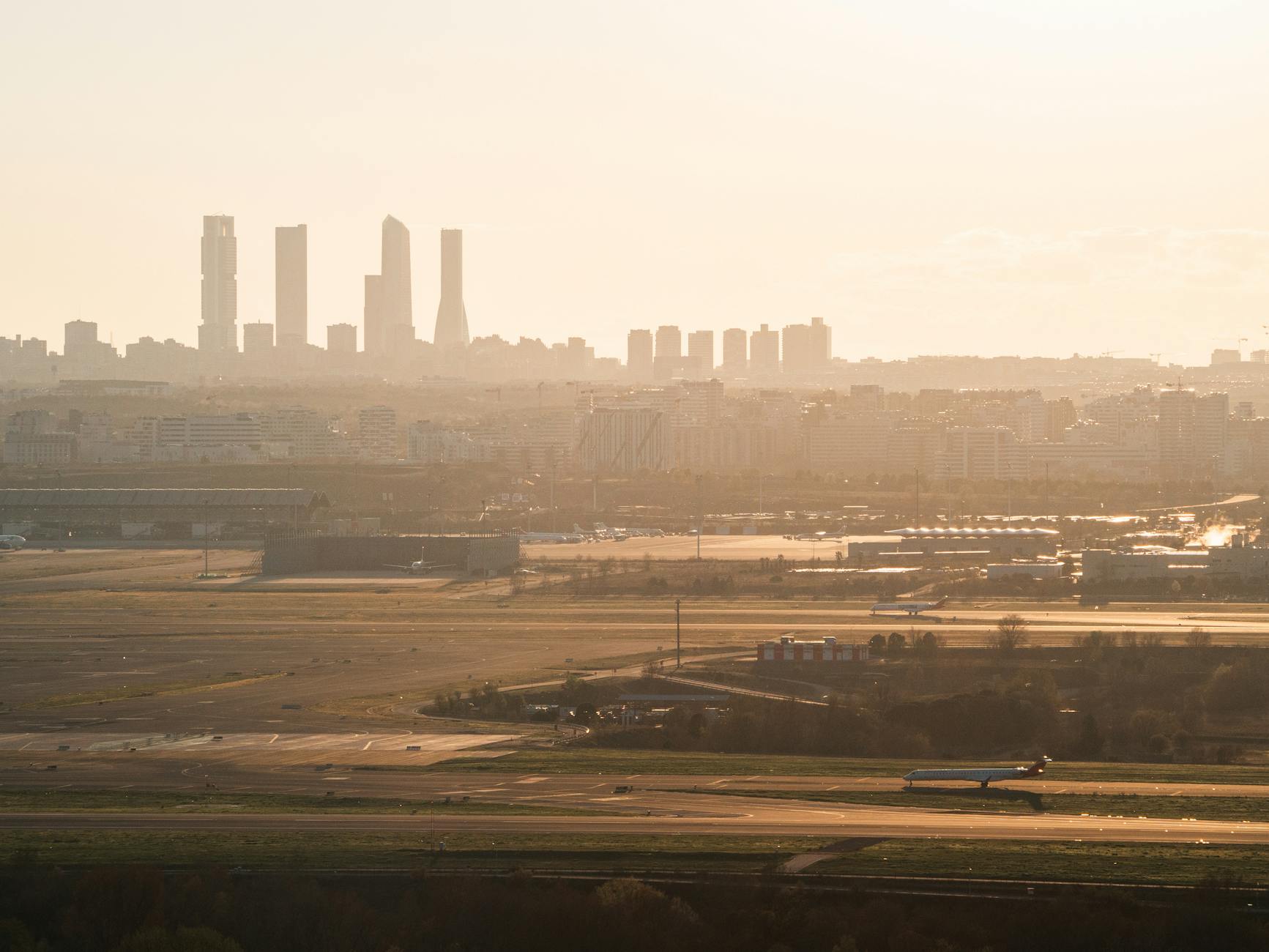
Plan Barajas arrival around equipment and fatigue
Madrid-Barajas can be convenient for exhibition travel, but arrival still needs a trade-show plan. Samples, prototypes, devices, printed material, demo kits, tools, chargers, and formal clothes should not be treated like ordinary luggage. The traveler should know what must stay in carry-on, what can be checked, what needs documentation, what can be replaced in Madrid, and what would make the booth fail if delayed.
A late arrival before setup is a risk. So is a same-morning arrival before a buyer meeting or booth shift. The transfer should be chosen around fatigue, luggage volume, equipment sensitivity, and the first real obligation. A taxi or prearranged car may be a practical business expense, not a luxury, if it protects the booth setup and the first show day.
- Separate critical booth items from replaceable luggage before departure.
- Plan airport transfer around samples, devices, formal clothes, luggage volume, and first show obligation.
- Use a car or taxi when it protects setup, equipment, or first-day performance.
Control the booth day before the hall opens
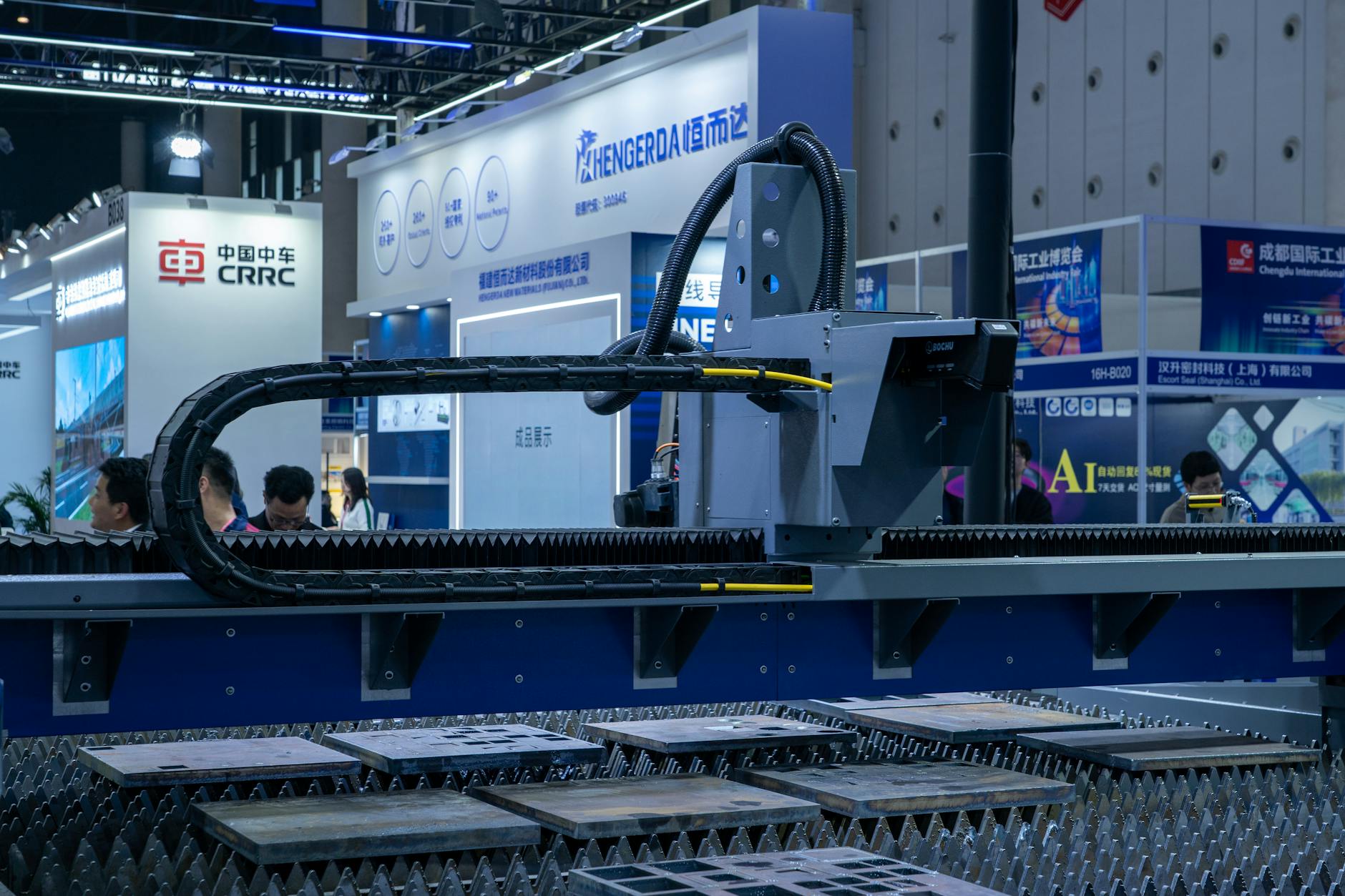
Trade-show days are physically and commercially dense. The attendee may stand for hours, talk continuously, handle samples, scan badges, manage leads, answer technical questions, restock material, coordinate staff, and still leave the hall with enough energy for dinner meetings. Madrid's weather, hall distance, taxi lines, and meal timing can add pressure. The day needs a booth plan, not just enthusiasm.
Before the hall opens, the attendee should know who covers each shift, where water and food come from, where backup chargers and adapters are, how leads will be captured, what can be left at the booth, and what must return to the hotel. Comfortable shoes, light layers, portable power, printed fallback material, and a realistic lunch plan can matter more than another evening invitation.
- Set booth shifts, lead capture, food, water, chargers, adapters, sample control, and material storage before the hall opens.
- Protect stamina for buyer conversations and evening meetings, not just booth presence.
- Bring practical backups for demos, printed material, and device power.
Treat buyer meetings as geography
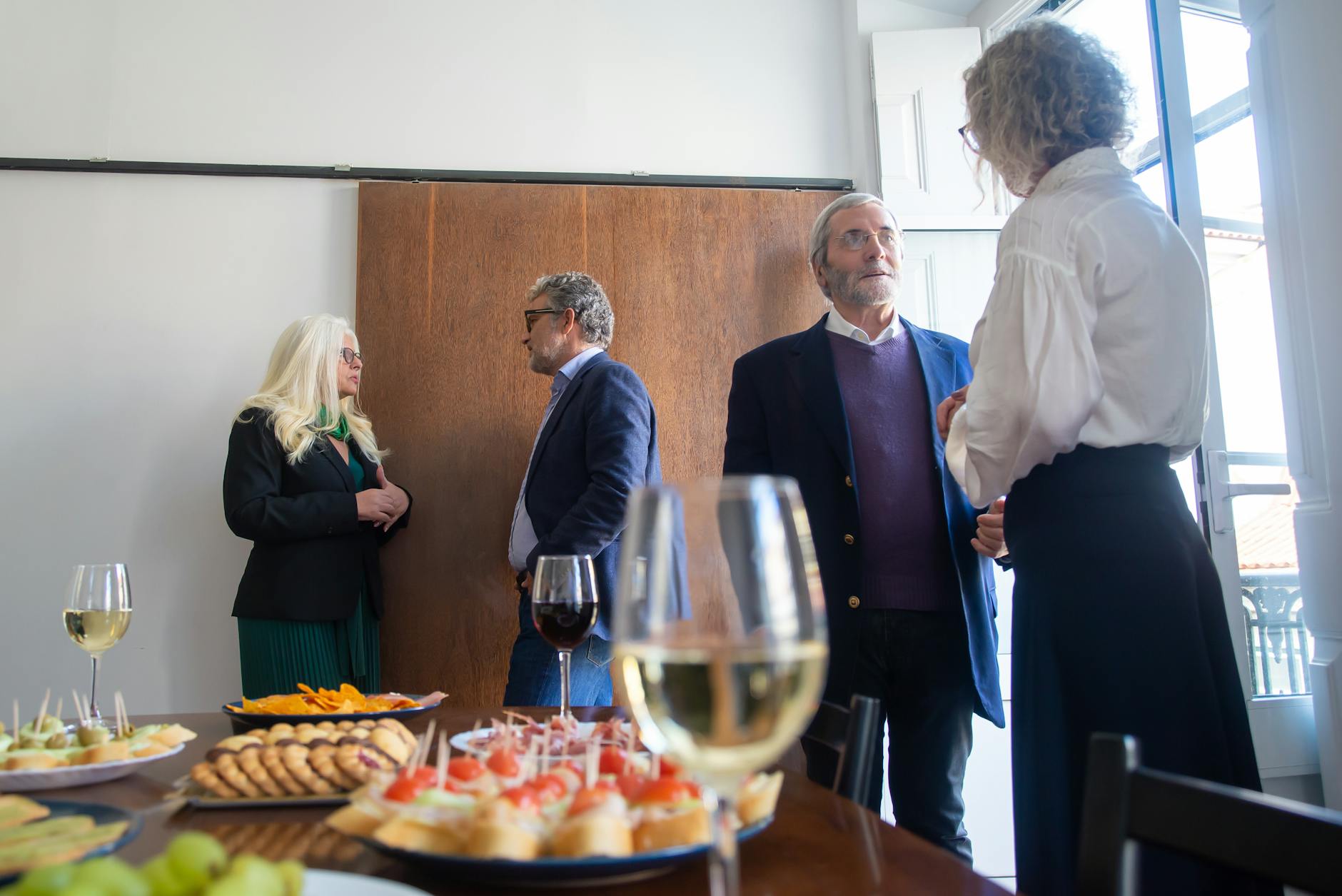
A Madrid trade show often expands beyond the hall. Buyers may ask for coffee near the venue, a hotel-lobby meeting, a dinner in Salamanca, a conversation around Castellana, or a late follow-up in the city center. These meetings can be the point of the trip, but only if they are not scattered carelessly. A meeting that looks easy on a phone map can become a long taxi queue, a traffic delay, or a dinner return that damages the next morning.
The attendee should cluster meetings where possible: venue-area coffees during show hours, business-district meetings on one side of the day, and dinners that match the hotel or buyer geography. Not every invitation deserves a cross-city movement. The stronger plan protects the conversations most likely to produce business and lets weaker invitations stay optional.
- Cluster buyer meetings by venue, hotel, Castellana, Salamanca, or central dinner geography.
- Do not cross Madrid for low-value side meetings during peak show hours.
- Use dinner geography to protect the next morning, not just the current invitation.
Plan transport for surges, teardown, and late returns
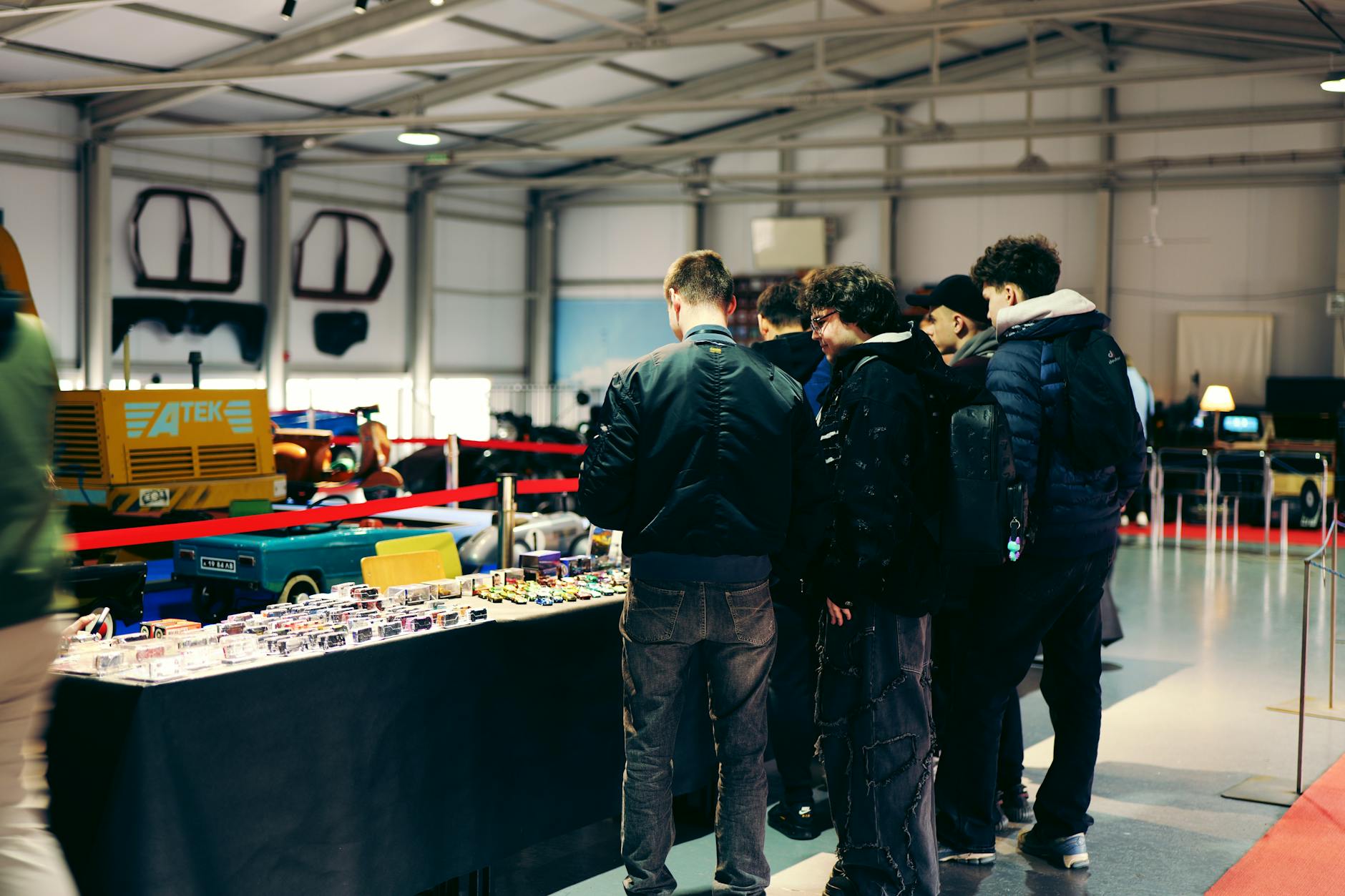
Trade-show transport is not ordinary sightseeing transport. Opening mornings, closing afternoons, receptions, rain, airport departures, and teardown can create surges. A metro route may be useful for a light visitor, while a taxi or car may be necessary for samples, display material, or exhausted staff. The attendee should not wait until the last booth hour to decide how people and material leave the venue.
Teardown deserves its own plan. What leaves with staff? What ships? What returns to the hotel? What can be discarded? What needs documentation, tracking, or protection overnight? A late dinner after teardown is possible, but only if the material plan is already solved. The best Madrid trade-show visit ends cleanly rather than turning the final night into a logistics argument.
- Expect venue surges around opening, closing, receptions, rain, and teardown.
- Choose metro, taxi, or car based on staff fatigue, samples, display material, and timing.
- Plan what ships, returns to the hotel, stays with staff, or gets discarded before teardown starts.
When to order a short-term travel report
A local attendee walking the floor for a few hours may not need a custom Madrid report. A traveler exhibiting, carrying samples, staffing a booth, meeting buyers, coordinating colleagues, arriving close to setup, choosing between venue-area and central hotels, or planning dinners and departure around the show should plan more carefully. The report should test the exact venue and hall, hotel candidates, Barajas arrival, exhibitor access, material handling, transport fallbacks, buyer meeting geography, dinner districts, teardown, current local disruptions, and departure timing.
The value is not a generic business-travel checklist. It is a Madrid operating plan for the trade-show trip: where to stay, how to reach the hall, when to leave, how to protect booth materials, which meetings deserve movement, when to use a car, and how to finish without losing the trip's commercial value in logistics.
- Order when exhibiting, carrying samples, staffing a booth, coordinating colleagues, or meeting buyers raises the stakes.
- Provide venue, hall, setup times, hotel candidates, arrival details, material list, meeting targets, dinners, and departure timing.
- Use the report to protect commercial value rather than merely attending the show.