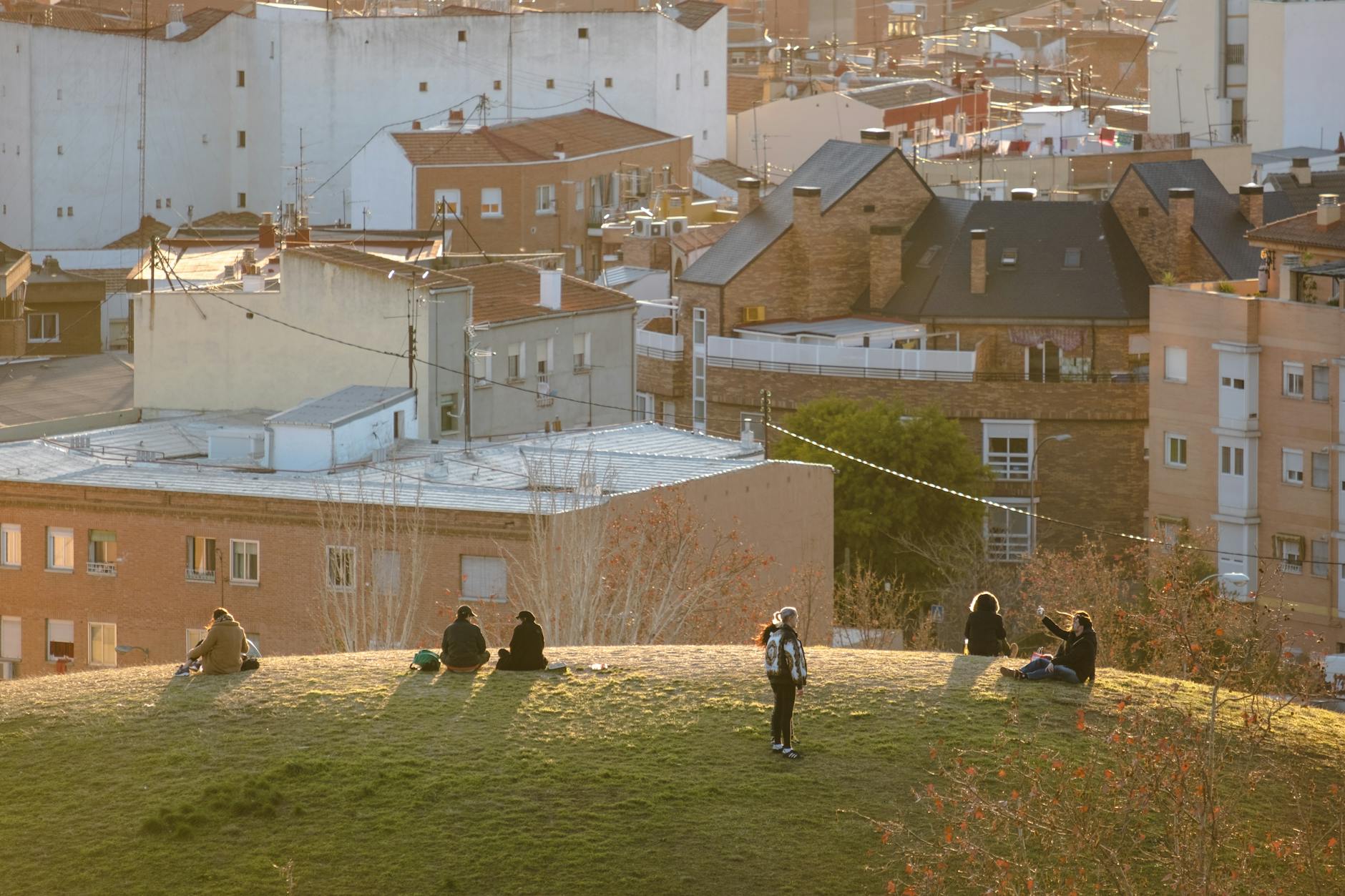
A short student program in Madrid is not just a vacation with a classroom attached. The traveler may be in the city for a summer course, language program, January term, studio, internship-linked module, field school, business-school block, or university-run study abroad program. The stay is short enough that early mistakes matter, but structured enough that the student still has to manage attendance, assignments, housing, transport, money, health, and social life. Madrid is a strong classroom because museums, archives, government institutions, companies, markets, neighborhoods, parks, and cultural sites can all become part of the program. It also asks students to handle a real capital city: late meal times, summer heat, crowded Metro stations, nightlife pressure, pickpocket risk in busy areas, and housing that may be farther from class than it appears on a map. A good short-program plan makes the daily routine reliable before the student starts filling every spare hour.
Start with the program geography
The first question is where the program actually happens. Madrid short programs can be based near Ciudad Universitaria, Complutense, IE, ICADE, Carlos III connections, a language school in the center, a museum or arts site, a business district, or rotating field locations around the city. A brochure may say Madrid, but a student needs the classroom address, residence address, orientation site, field-trip meeting points, and evening return route before the daily routine is clear.
This matters because short programs do not give students much time to recover from a poor base. A commute that looks manageable once can become tiring if classes start early, the student is still adjusting to Spanish meal times, or group activities end late. The right plan connects classroom, housing, groceries, Metro, study space, and social areas into one routine. Attendance should be easy before sightseeing becomes ambitious.
- Confirm the exact classroom, residence, orientation, and field-site addresses before arrival.
- Treat Ciudad Universitaria, Salamanca, Moncloa, Chamberi, Sol, Atocha, and outer campuses as different routines.
- Choose housing and transport that protect attendance before optimizing for nightlife or landmarks.

Check housing for the whole day
Short-program housing can mean a university residence, shared apartment, homestay, hostel, serviced apartment, or independent rental. The label matters less than the daily reality: room sharing, bathroom setup, kitchen access, laundry, quiet hours, building security, guest rules, stairs, air conditioning, desk quality, Wi-Fi, and the route home after dinner. Madrid summer heat and late social schedules make these details more important than they look on a booking page.
Neighborhood fit should be judged by the program, not by a generic travel ranking. Moncloa and Argueelles may work well for university routines. Chamberi can be practical and residential. Salamanca may suit some business or culture programs but cost more. Sol, Gran Via, and La Latina can be exciting but noisy and distracting. The student should know whether the housing supports sleep, study, groceries, and safe returns before assuming central is automatically better.
- Check room type, bathroom, kitchen, laundry, quiet, Wi-Fi, desk, air conditioning, stairs, and building security.
- Match the neighborhood to class location and daily routine rather than a general central-Madrid preference.
- Confirm late-return routes and after-hours support before the student is tired or alone.
Make the first forty-eight hours practical
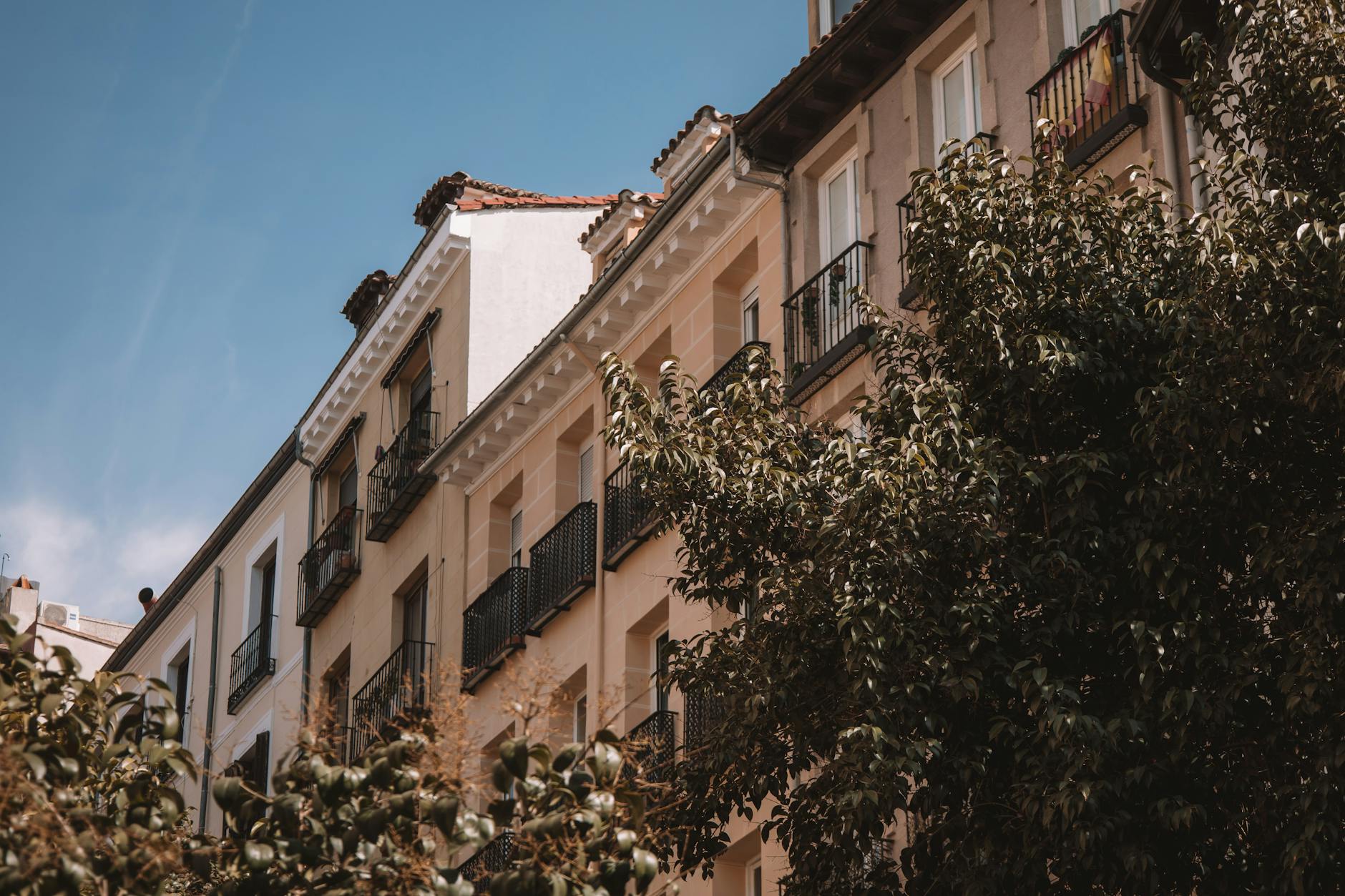
Arrival should be treated as part of the program. A student may enter through Madrid-Barajas, Atocha, Chamartin, or another rail connection, often with more luggage than is comfortable on stairs or crowded trains. Barajas can be efficient, but a tired student still needs working phone service, payment access, the housing address, check-in instructions, and a backup if the first transfer does not work.
The first two days should answer basic questions before the student starts exploring widely. Where is class? Which Metro or bus route is reliable in the morning? Where are groceries, a pharmacy, an ATM, a phone shop, and a safe place to eat near housing? Who answers after-hours problems? A short program should not lose its opening week to preventable uncertainty. The boring first routine is what gives the student confidence later.
- Plan Barajas, Atocha, or Chamartin transfer with luggage, check-in timing, and a backup route.
- Set up phone service, payment, emergency contacts, and the first class route immediately.
- Use the first days to locate groceries, pharmacy, ATM, transit stop, and after-hours support.

Build Metro use into the academic routine
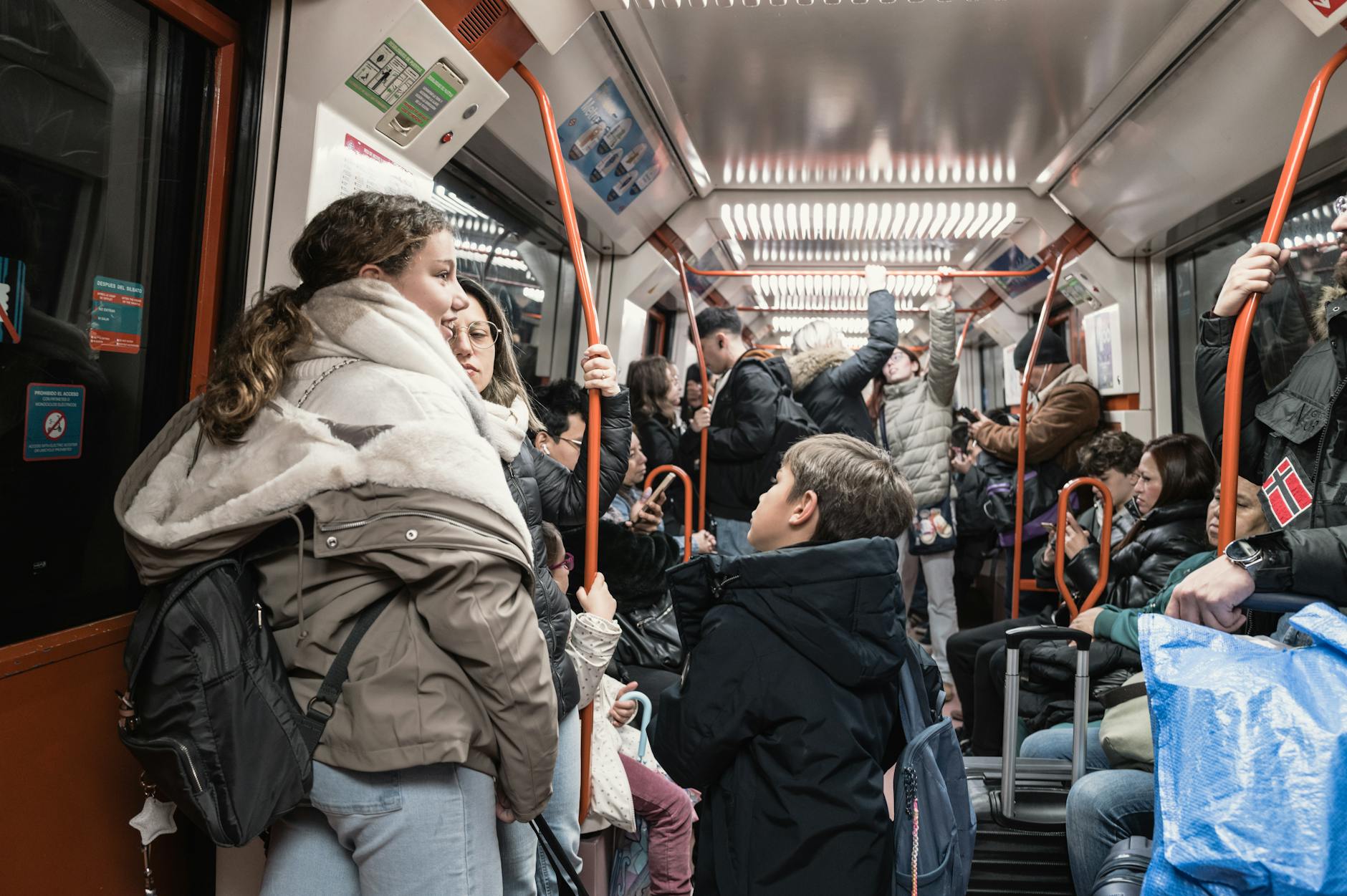
Madrid's Metro is one of the city's advantages for students, but it still has to be learned as a routine. The student should know the normal class route, the late-evening route, the route if a line is disrupted, and the point where a taxi is a better choice. A route that feels simple in daylight may feel different after a long program dinner, in summer heat, with a low phone battery, or after a crowded event near Sol, Gran Via, Chueca, or Malasana.
Transit planning is also social planning. Students should not depend on one classmate who knows the way home. Offline maps, charged phones, saved housing addresses, group return agreements, and basic Spanish transit vocabulary can prevent small problems from becoming stressful nights. Students also need ordinary urban discipline around phones, wallets, backpacks, and crowded platforms.
- Know the normal class route, late route, disruption fallback, and taxi threshold.
- Use offline maps, battery discipline, saved addresses, and group return plans after evening events.
- Keep phones, wallets, and backpacks controlled in crowded stations and nightlife areas.
Keep the academic work visible
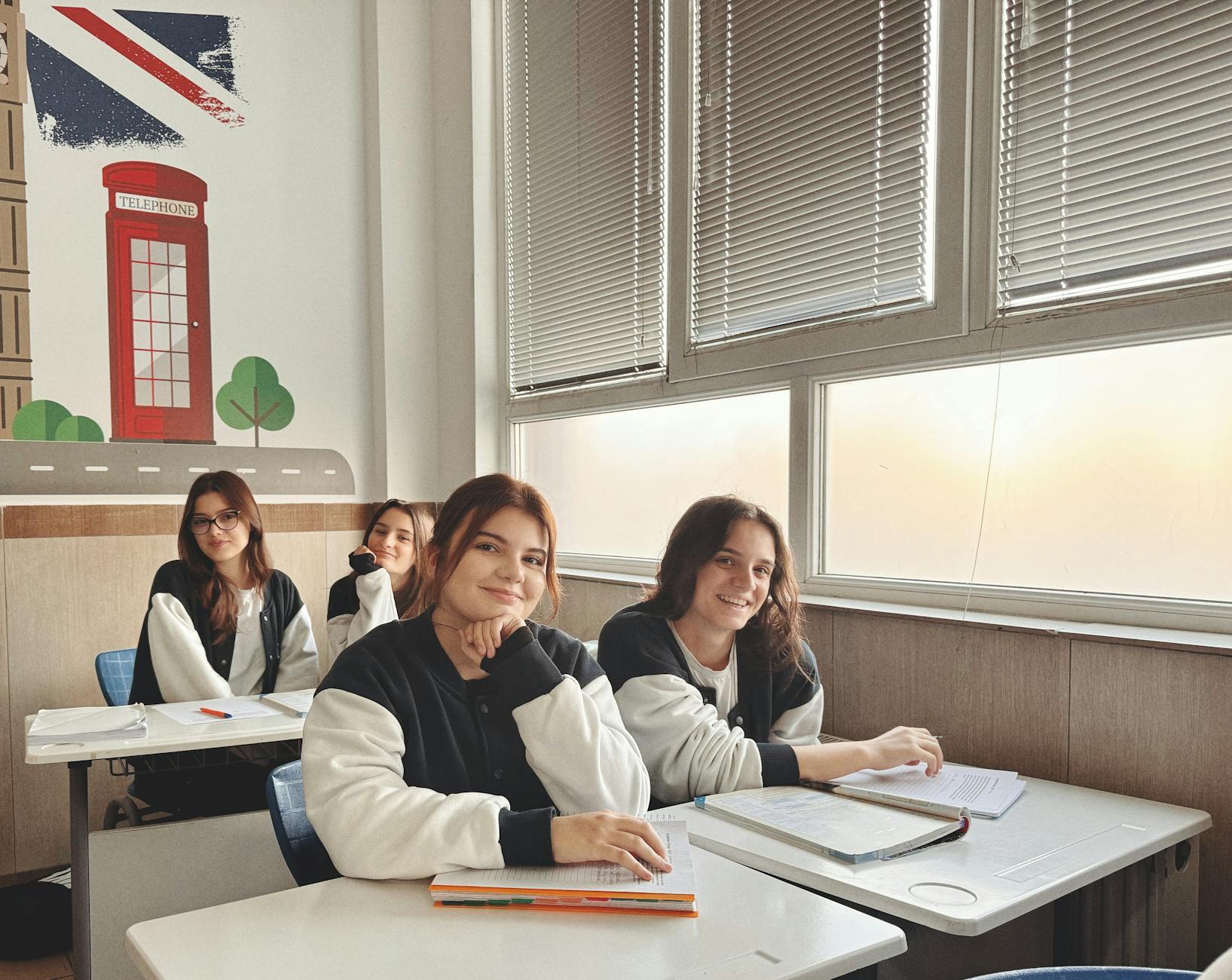
The common short-program mistake is treating the course as something that will fit around Madrid. In reality, attendance rules, language work, field visits, studio sessions, internships, journals, group projects, readings, and assessments can claim more time than expected. Missing one morning or arriving unprepared for one site visit matters more on a three-week program than it would during a long semester.
Students should identify the real workload before building the social calendar. Which sessions are mandatory? Which assignments need quiet study space? Do field visits require ID, tickets, specific clothing, or punctual meeting points? Does the program use a Spanish-language platform, local library, or group chat? Madrid is rewarding when class content and city experience reinforce each other, but the student has to protect the work blocks deliberately.
- Identify mandatory sessions, assignments, field visits, group work, and internship hours before arrival.
- Find reliable study space near housing or campus during the first week.
- Keep ID, tickets, dress requirements, and meeting points clear for site visits.
Budget for Madrid as daily life
Madrid can feel affordable compared with some European capitals, but students still need a daily budget rather than a sightseeing budget. Coffee, casual meals, Metro trips, laundry, phone data, museum extras, weekend trains, replacement chargers, pharmacy items, and late rides add up quickly. A student who only budgets for attractions may feel pressure by the final week.
The practical plan should separate fixed program costs from daily decisions. Groceries, market stalls, simple lunch menus, student discounts, park time, and neighborhood routines can keep the stay sustainable. The student should also know when spending is worth it: a taxi after a late event, air-conditioned study space during heat, or a direct transfer with luggage. Good budgeting does not make the program smaller. It keeps money from controlling the student.
- Budget for meals, groceries, transit, laundry, phone data, pharmacy needs, late rides, and weekend plans.
- Use groceries, markets, student discounts, and neighborhood routines to reduce daily pressure.
- Keep a reserve for safety-related transport, heat relief, and unexpected program needs.
Set social and safety boundaries early
Short programs compress independence, friendships, homesickness, dating, nightlife, alcohol, group travel, and peer pressure into a small window. Madrid's late-night rhythm can be exciting, but it can also move students farther from housing, sleep, and judgment than they intended. The student should decide boundaries before the group is already out late and nobody wants to be the cautious person.
Useful boundaries are specific: return with trusted classmates, keep the housing address saved, protect the phone, avoid isolated walks while impaired, know when Metro has stopped being the best option, and keep passport and spare cards secure at housing. Families and program staff should avoid vague advice. The practical question is how the student will get home, whom they call, and which choices require a taxi or group return.
- Plan late returns, group check-ins, phone security, alcohol limits, and emergency contacts before social pressure starts.
- Treat nightlife, dating, and weekend travel as part of the safety plan, not separate from it.
- Use a taxi or rideshare when fatigue, alcohol, weather, or route uncertainty makes transit a poor choice.
When to order a short-term travel report
A confident student joining a highly structured Madrid program with arranged housing, airport support, and strong on-site orientation may need only the program's own materials. A report becomes more useful when the student is choosing independent housing, arriving alone, managing medical or accessibility needs, balancing several campuses or field sites, joining an internship component, planning weekend travel, or worrying about safety, budget, heat, or support gaps. It can also help families understand the student's actual daily environment rather than relying on promotional language.
The report should test the exact campus or classroom address, housing candidates, Barajas or rail arrival, morning route, late return route, Metro and taxi logic, grocery and pharmacy access, study locations, social-life geography, current disruption risks, heat exposure, and neighborhood fit for the student's age, independence, Spanish ability, budget, and health needs. The value is a working plan for a short academic stay: not a tourist itinerary, but a practical brief that helps the student start steady and use the limited time well.
- Order when housing, arrival, health, access, language, budget, several sites, or limited program support creates uncertainty.
- Provide campus addresses, housing options, arrival details, schedule pattern, budget, health needs, and weekend plans.
- Use the report to make the daily academic routine reliable before building the social and cultural plan around it.