A short sales trip to Madrid is a commercial campaign compressed into a few days. The traveler may be calling on an enterprise buyer near Paseo de la Castellana, meeting a partner around AZCA, taking a procurement lunch in Salamanca, visiting a customer near Barajas, hosting a dinner close to Gran Via, and trying to turn every conversation into clean follow-up before the next flight. Madrid has the transport, hotels, restaurants, and business infrastructure to support that work, but only if the account plan drives the travel plan. A sales traveler has different concerns from a general business visitor. The trip depends on punctuality, confidence, materials, memory, relationship judgment, and rapid follow-through. A strong Madrid plan ranks account value, reduces fragile movement, protects buyer-facing energy, and leaves enough private time after meetings to record objections, promises, pricing issues, and next steps while they are still specific.
Build the trip around the account map
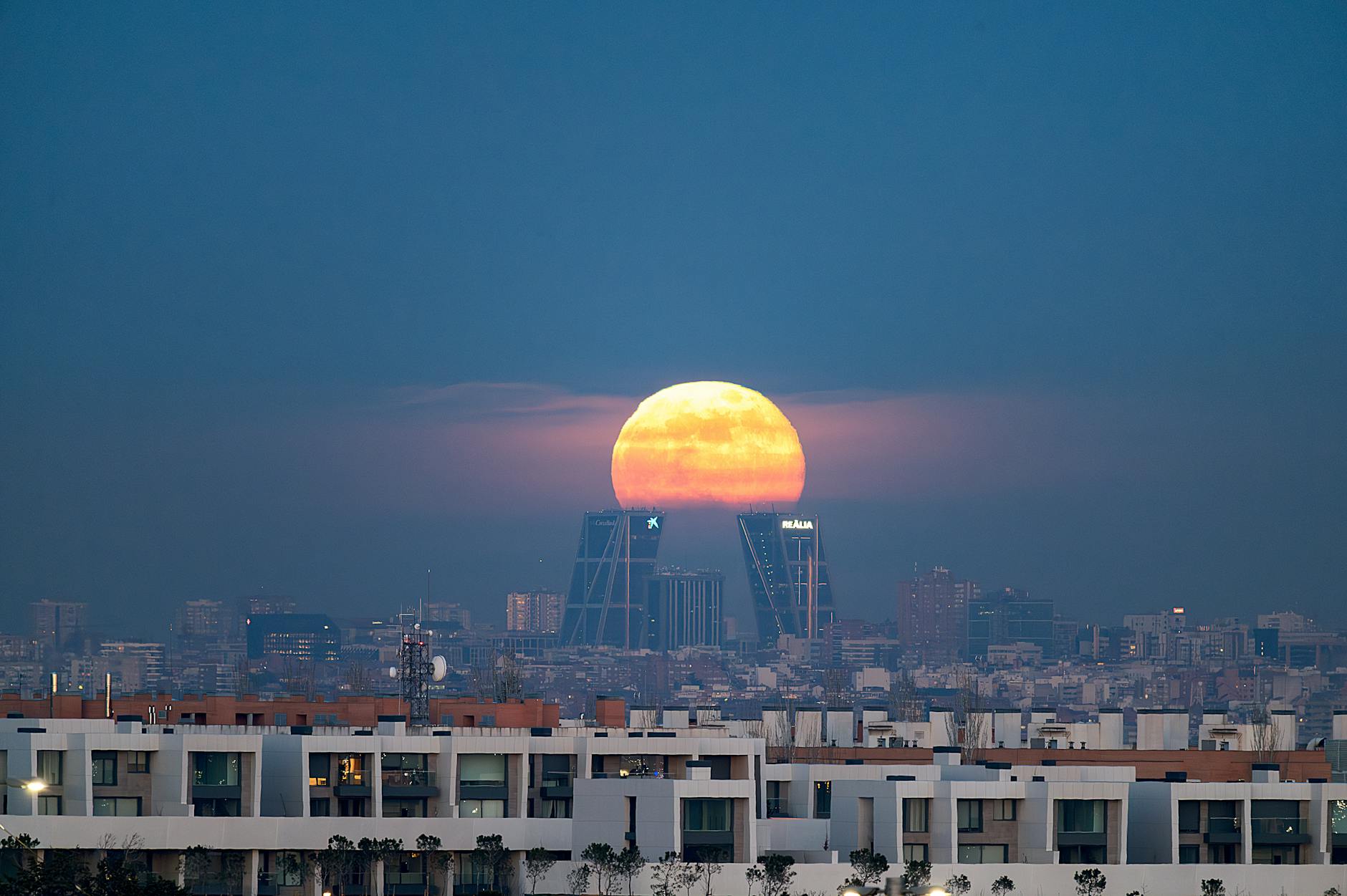
Sales travel should begin with the account map, not the hotel search. Madrid can put a strategic buyer along Castellana, a partner near AZCA, a finance contact near Cuatro Torres, a hospitality or luxury buyer in Salamanca, a public-sector or institutional contact near the center, and a logistics, aviation, or industrial customer closer to Barajas or an outer zone. Those meetings may all look like Madrid on a calendar, but they do not create the same working day.
The traveler should rank commercial value and route fragility together. A meeting that could open a major account deserves the least fragile route and the largest arrival buffer. A courtesy visit may fit around a stronger prospect rather than split the day. Sales momentum is easier to preserve when the hotel, transport, and meal geography serve the accounts most likely to move.
- Map prospects, existing accounts, partners, buyer meals, and side meetings before choosing lodging.
- Treat Castellana, AZCA, Cuatro Torres, Salamanca, Gran Via, Barajas, and outer business zones as different operating areas.
- Give the highest-value account the simplest arrival and the strongest timing buffer.
Protect punctual arrivals and buyer confidence
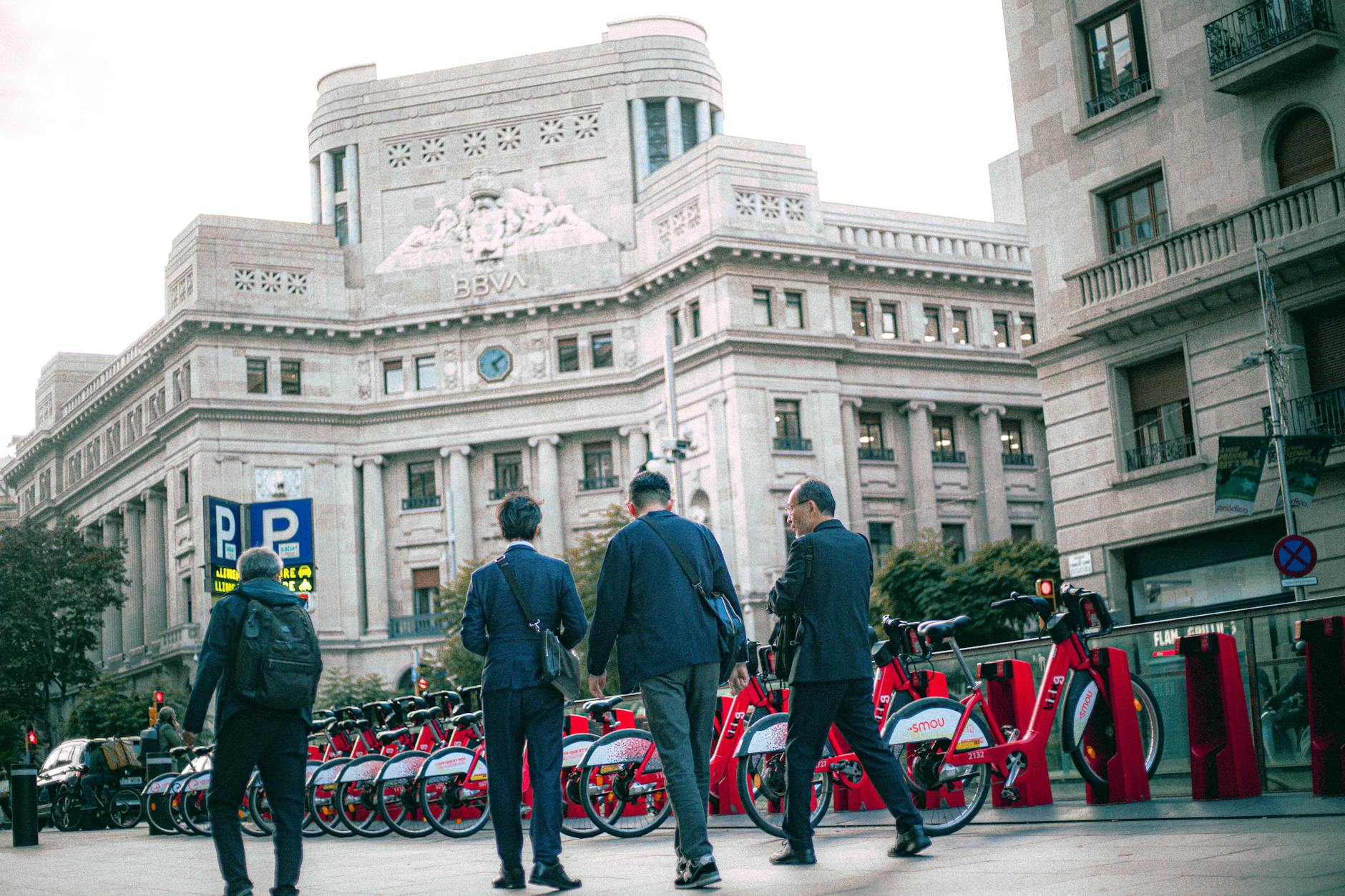
For a sales traveler, being late is not only a logistics problem. It can shorten discovery, weaken the pitch, and make the buyer feel that the relationship is being handled casually. Madrid's metro, taxis, app-based cars, Cercanias, high-speed rail, and airport links can all be useful, but the useful route is the one that gets the traveler to the reception desk composed, prepared, and not already apologizing.
Every high-value meeting needs door-to-door timing. That includes Barajas or Atocha arrival, hotel departure, traffic patterns, station exits, security desks, elevator waits, weather, and the actual walk from drop-off to entrance. If the traveler is carrying samples, a demo device, or printed material, a car may be worth the cost. If the buyer is near a congested central area, transit may be more reliable. The choice should be made for punctuality and composure, not habit.
- Plan to the buyer's reception desk, not merely to the district or nearest station.
- Build fallback routes for high-value meetings and airport-to-client sequences.
- Choose transit, taxi, or car by punctuality, materials, weather, and buyer stakes.
Keep proof materials ready and portable
Sales trips fail in small practical ways before they fail strategically. A missing charger, blocked cloud demo, weak roaming connection, unavailable pricing sheet, forgotten adapter, damaged sample, or deck that depends on guest Wi-Fi can make a strong buyer meeting feel improvised. Madrid has good business infrastructure, but the traveler should still assume that client networks, security desks, room screens, and time pressure may not cooperate.
Core proof should stay under direct control: the main deck, demo access, case studies, references, pricing logic, product samples, compliance notes, and offline or low-bandwidth alternatives. If a meeting depends on showing a buyer something concrete, the traveler should know how it will work without a perfect connection. The material plan should also shape transport; carrying a sample case across town is different from arriving with a laptop and a notebook.
- Keep core deck, demo access, samples, pricing support, references, and chargers under direct control.
- Prepare offline or low-bandwidth proof points for client sites with restrictive networks.
- Match the route and vehicle choice to the actual material load.
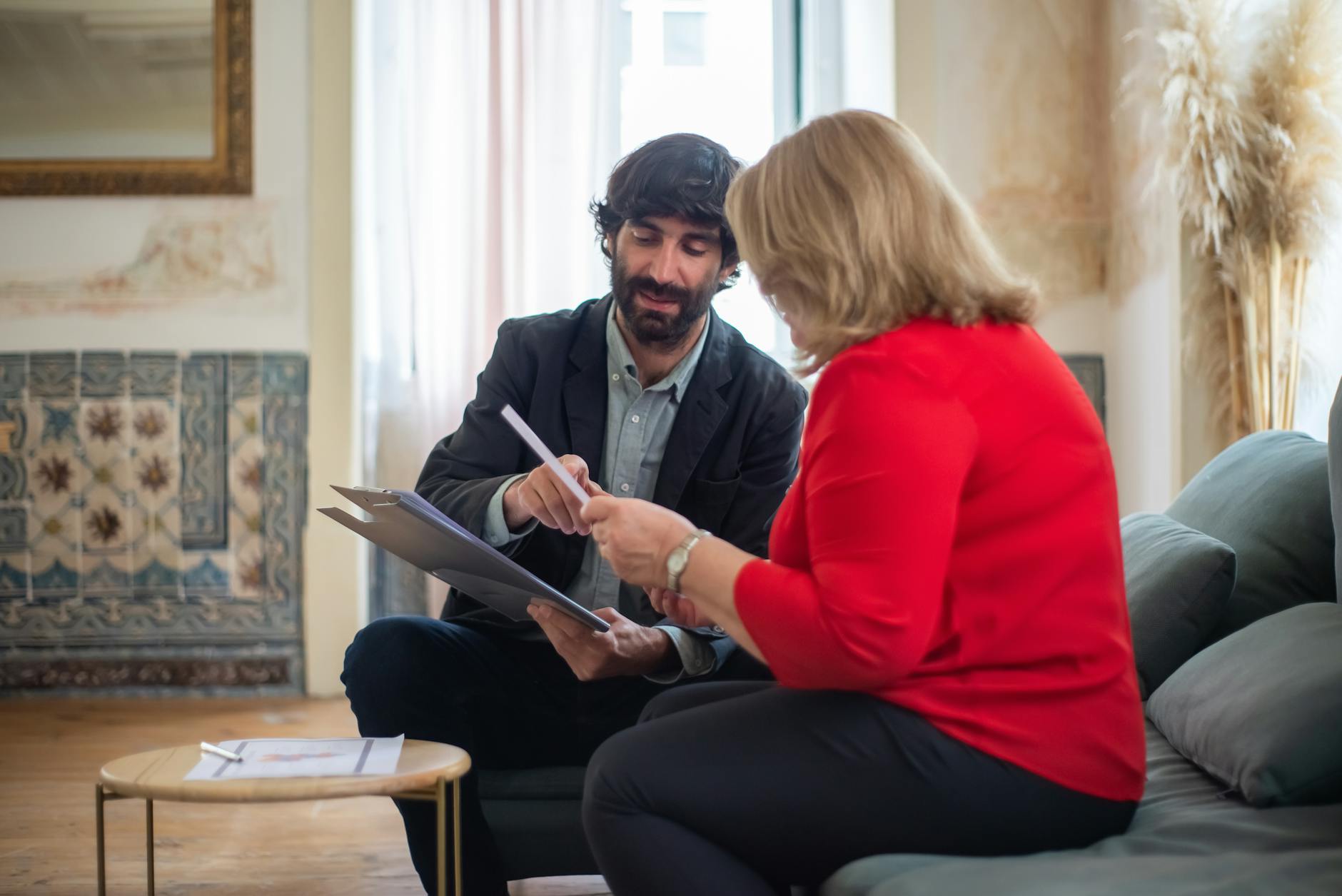
Choose a hotel that supports selling and follow-up
A sales hotel needs to support preparation, recovery, and follow-up. The traveler may need a quiet early call, a usable desk, strong Wi-Fi, room for samples, fast breakfast, pressing or laundry, a clean pickup point, nearby food after a late meeting, and enough privacy to update CRM notes without working from a noisy lobby. An attractive Madrid hotel can still be wrong if it steals time from the account plan.
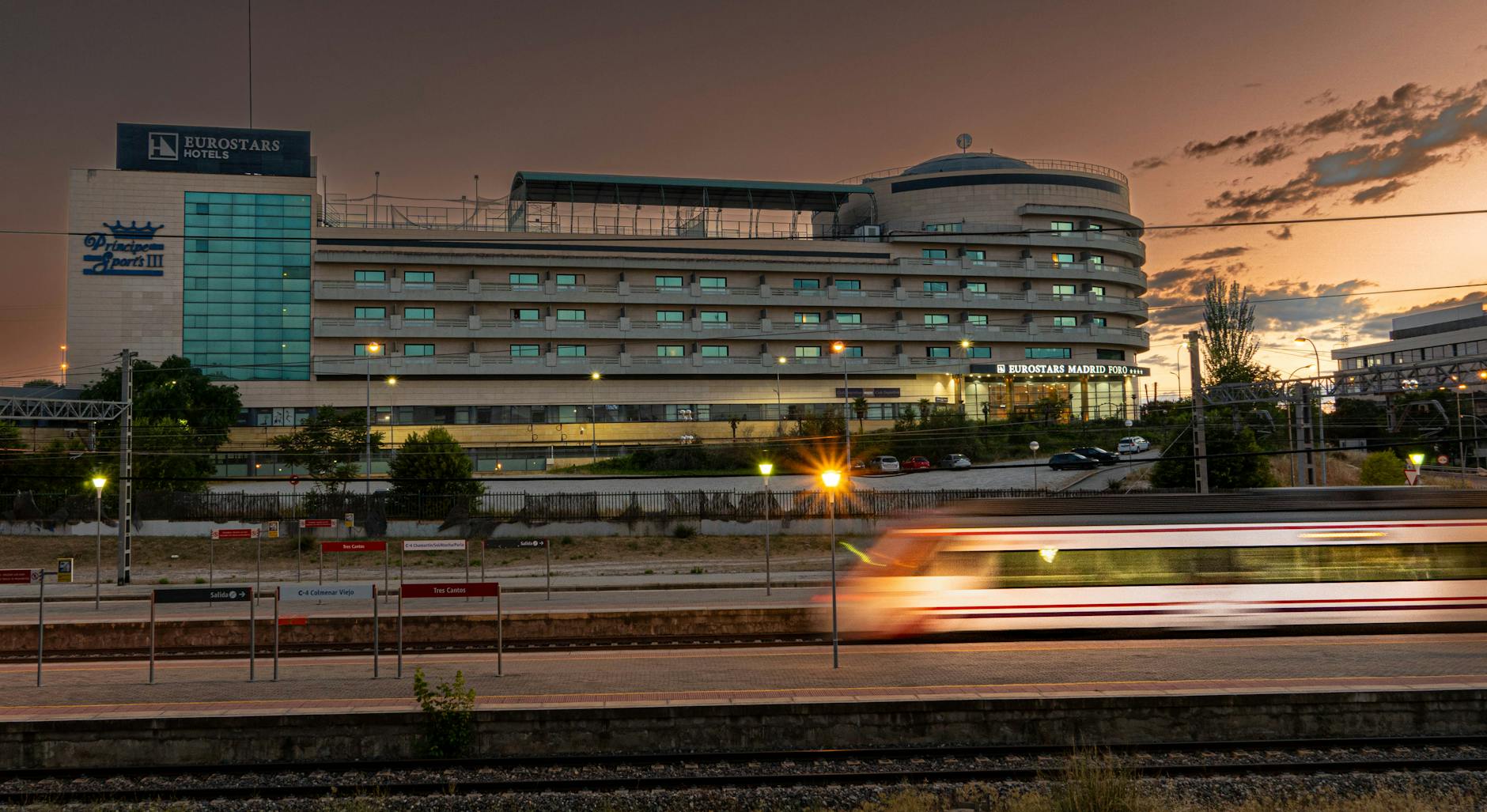
Hotel geography should follow the meeting pattern. A Castellana or AZCA base may work for enterprise and finance meetings. Salamanca can be strong for polished client meals and central access. Gran Via can help with central dinners and movement, but it may be busy when the traveler needs quiet recovery. Barajas-area lodging can be sensible for airport-linked accounts or very early departures. The right hotel lets the traveler prepare, arrive, regroup, and send clean follow-up.
- Check desk, Wi-Fi, quiet, sample storage, breakfast timing, laundry, late food, and pickup access.
- Use hotel geography to protect the strongest account cluster rather than a generic tourist preference.
- Avoid rooms and public spaces that make confidential account work or rapid follow-up difficult.
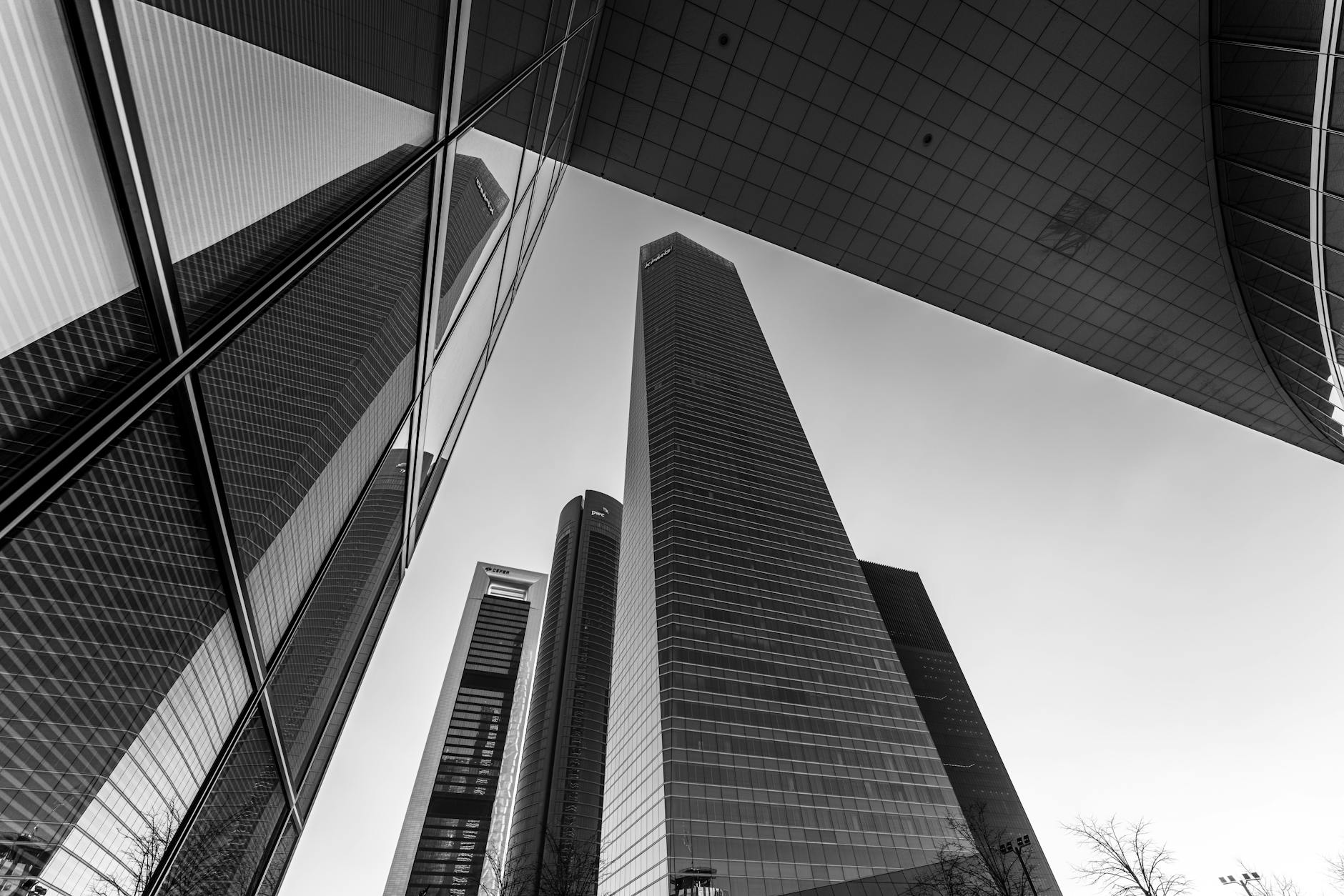
Use every meeting to move the account
A busy Madrid sales itinerary can create the illusion of progress. Coffee, a procurement call, a showroom visit, a distributor conversation, a technical demonstration, and an executive meeting are not equal wins. Each meeting should have a purpose: discovery, validation, champion development, executive sponsorship, competitive displacement, renewal protection, or procurement movement. Without that discipline, the trip becomes activity rather than pipeline progress.
The traveler should also prepare for buyer style. Spanish business conversations may combine warmth with direct questioning, and senior buyers may expect substance quickly once the relationship frame is clear. The traveler should be ready with specific proof, a realistic next step, and a way to document commitments. If the buyer group includes Spanish and English speakers, written follow-up may need more precision than the meeting itself.
- Define each meeting as discovery, validation, executive buy-in, procurement, renewal, or relationship repair.
- Bring specific proof points, pricing logic, references, and next-step options rather than a generic pitch.
- Plan language and written-follow-up needs when the buyer group mixes Spanish and English speakers.
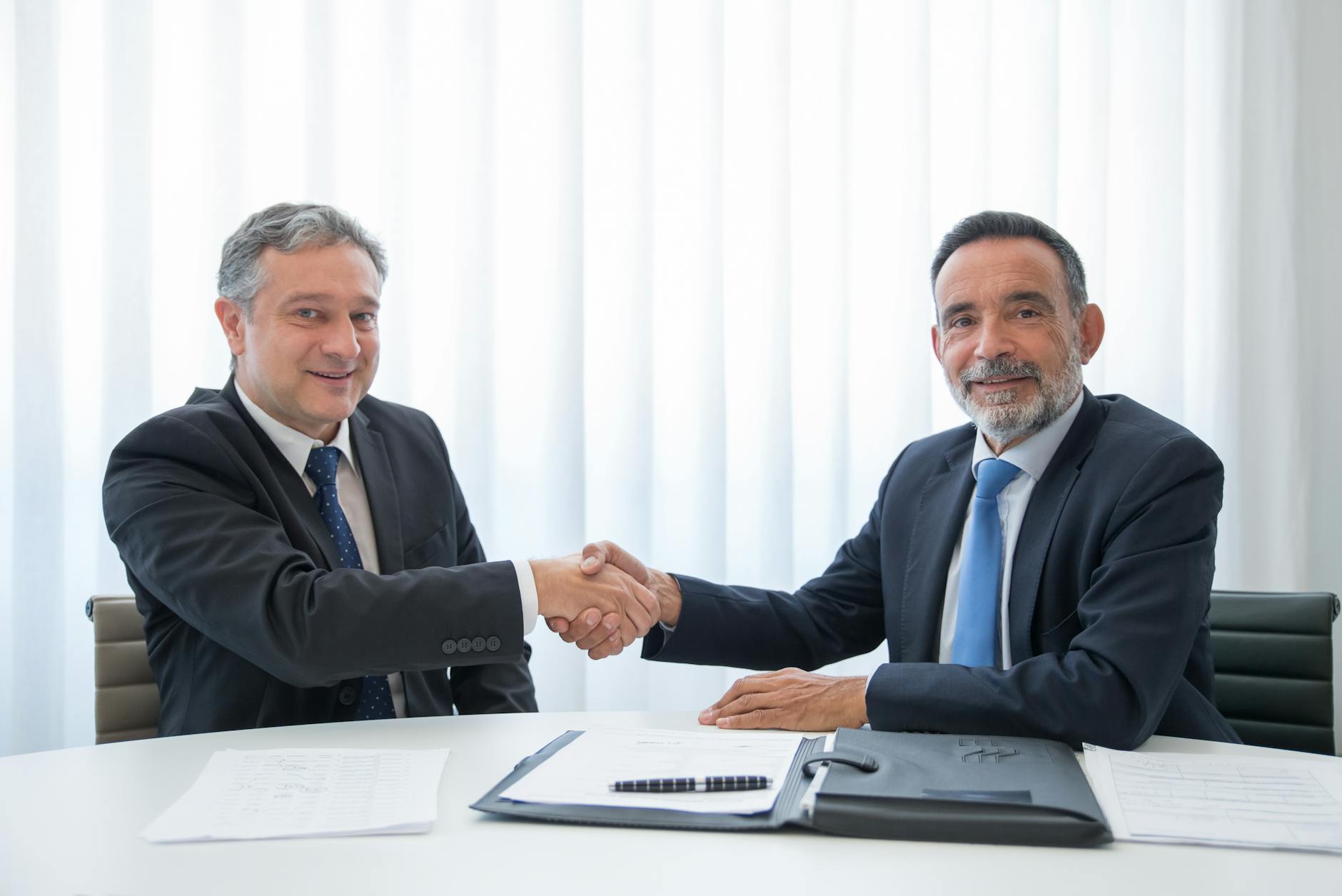
Treat client meals as account strategy
Madrid is an excellent city for client meals, which makes meal choices commercially important. A coffee near the buyer's office, a lunch around Castellana, a dinner in Salamanca, a quieter table in Chamberi, or a central meal near Gran Via can all serve different account purposes. The mistake is choosing a place because it sounds impressive while ignoring noise, transport, buyer seniority, dietary needs, privacy, or the next morning's obligation.
A client meal should support the relationship and the next action. A late dinner can deepen trust, but it can also erase the time needed to capture objections, update the opportunity, and prepare for the next buyer. The traveler should know whether a meal is for rapport, negotiation, technical clarification, renewal reassurance, or simple hospitality. That purpose should decide the neighborhood, restaurant style, length, and return route.
- Choose meals by buyer fit, conversation quality, privacy, location, timing, and the next obligation.
- Use Salamanca, Castellana, Chamberi, Gran Via, or hotel-adjacent dining according to the account purpose.
- Protect time after client meals to record commitments, objections, and follow-up while details are fresh.
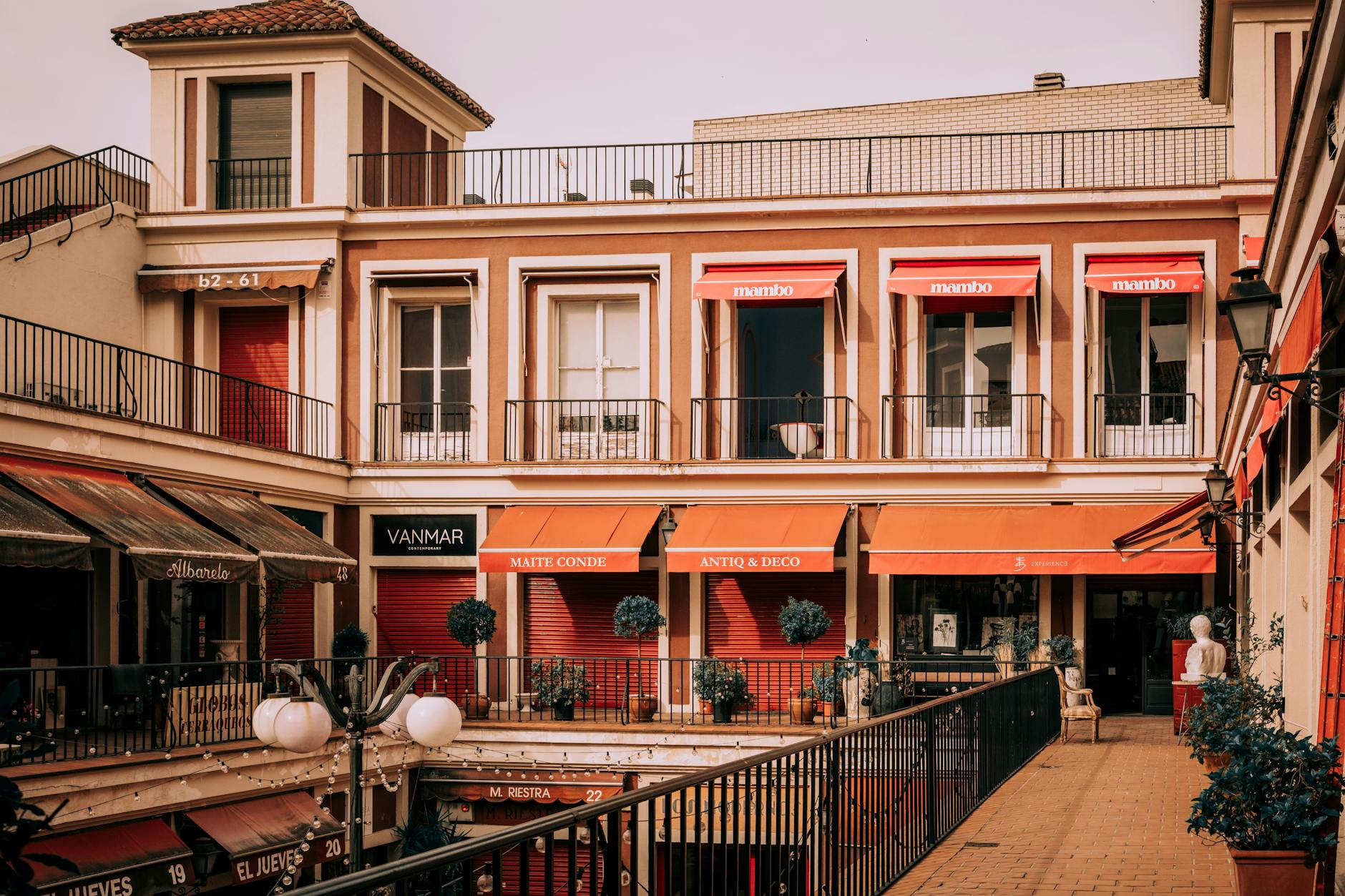
When to order a short-term travel report
A salesperson with one familiar Madrid account and flexible timing may not need a custom report. A report becomes more useful when the trip includes several prospects, a major pitch, product samples, buyer entertainment, airport-to-meeting pressure, outer business zones, or meetings split across Castellana, AZCA, Salamanca, Gran Via, Barajas, and suburban client sites. These are the trips where small travel errors can weaken commercial outcomes.
The report should test account geography, hotel candidates, arrival route, meeting sequence, transport fallbacks, material handling, client-meal options, current disruptions, and the follow-up windows needed to keep the pipeline clean. The value is not a generic Madrid guide. It is an account-aware operating plan that helps a short trip create real commercial movement.
- Order when account value, geography, samples, buyer meals, or airport timing makes improvisation expensive.
- Provide account addresses, meeting sequence, hotel candidates, materials, arrival details, and buyer-meal plans.
- Use the report to protect punctuality, buyer confidence, and follow-up quality across the full sales trip.