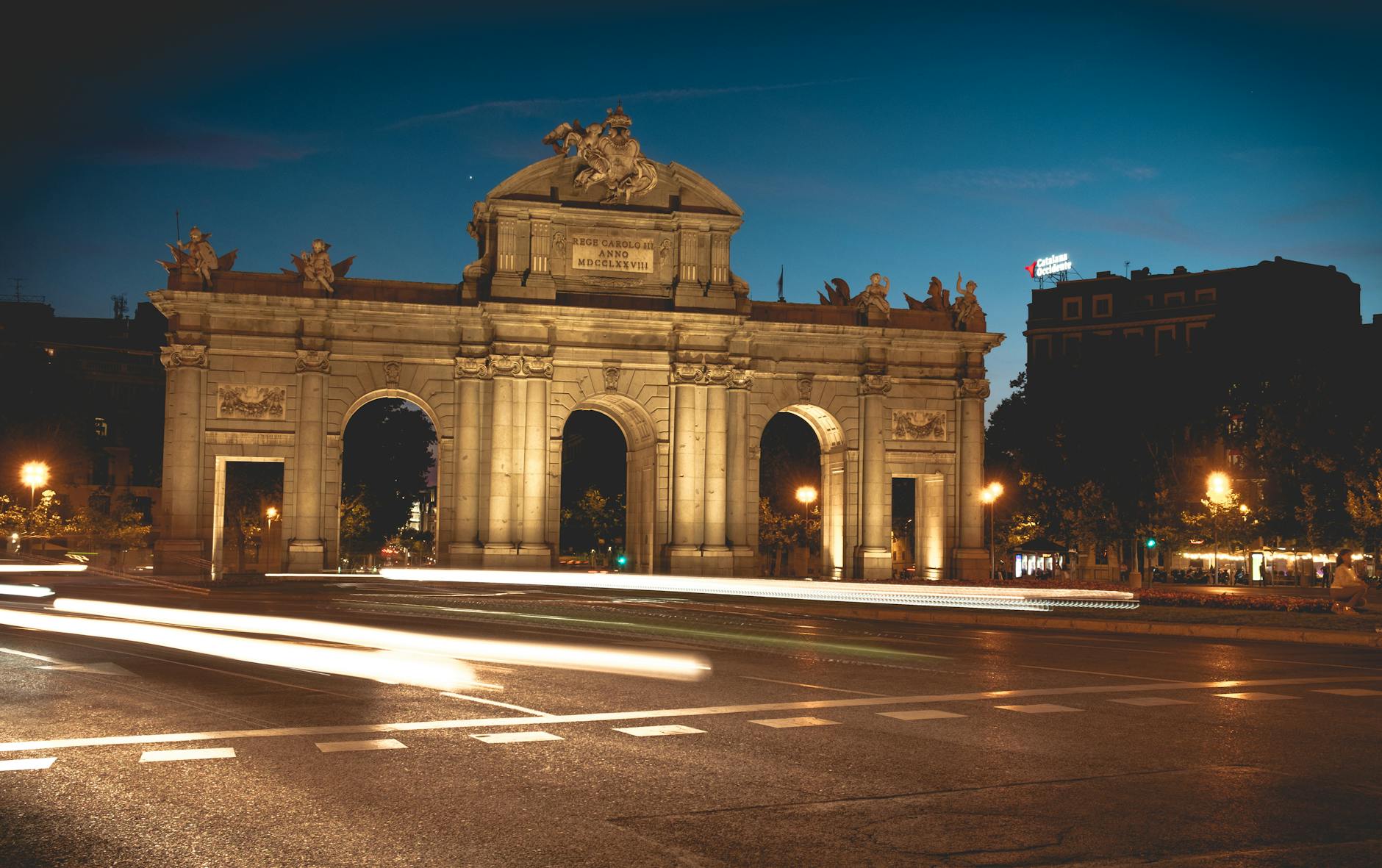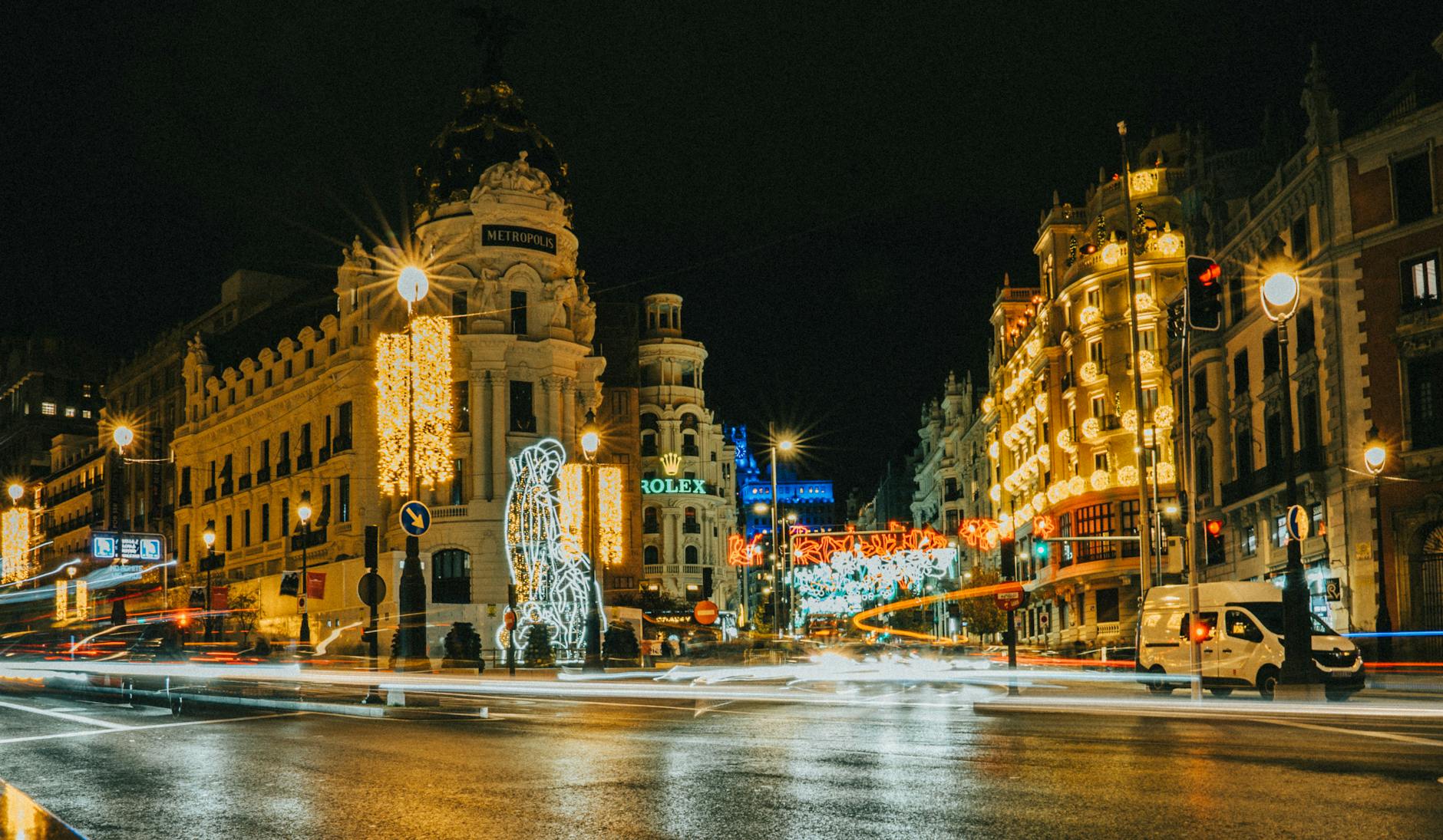
Madrid can be one of Europe's best cities for a nightlife-focused short trip, but the night works on Madrid's rhythm. Dinner may start late, bars may fill later than visitors expect, clubs may not become serious until well after midnight, and a good evening can move through tapas, vermouth, terraces, cocktail bars, live music, queer nightlife, flamenco, rooftop views, or a long walk through illuminated streets before it ever becomes a club night. The city rewards travelers who plan the night as a sequence rather than a mood. The weak points are usually not the first venue. They appear when the group has had several drinks, the Metro assumption is wrong, the hotel is farther away than it felt before dinner, phones are out near the curb, one traveler wants to keep going, another wants food, and nobody has decided how the night ends. Good Madrid nightlife planning protects the fun by choosing the right district, knowing the late return, and leaving enough control for the next morning.
Choose the night before choosing the district
Madrid nightlife is not one scene. A traveler who wants tapas, vermouth, and street atmosphere may build around La Latina, Austrias, Huertas, or Chamberi. A traveler who wants cocktail bars, fashion, and late social energy may look toward Chueca, Malasana, Salesas, or Salamanca. A club-focused traveler may need a specific event, door policy, and late return rather than a neighborhood name. Flamenco, live music, rooftop bars, football nights, student areas, LGBTQ venues, hotel bars, and casual plaza evenings all create different operating plans.
The traveler should decide how much movement is acceptable after dinner. One primary zone with nearby fallback options usually works better than chasing Sol, Malasana, Chueca, La Latina, and a club in one night. Madrid distances feel manageable early and less simple at 3 a.m. The right district is the one that fits the night and the return, not the loudest recommendation online.
- Match the district to the actual night: tapas, cocktails, rooftops, clubs, flamenco, live music, queer nightlife, or relaxed bars.
- Use one primary nightlife zone with nearby backups instead of crossing the city after midnight.
- Choose hotel placement with the late return in mind, not only the daytime sightseeing plan.
Understand venue rules before the door
Madrid can feel informal, but nightlife details still matter. Age checks, physical ID requirements, guest lists, ticketed events, dress expectations, last-entry times, bag policies, cloakrooms, private parties, restaurant reservations, rooftop minimum spends, and club door discretion can all affect the night. A traveler who assumes every bar, terraza, tablao, club, or music venue works the same way may lose time, money, or the group at the door.
The plan should separate fixed events from flexible options. A flamenco booking, concert, rooftop reservation, restaurant, or club ticket has a clock attached. Casual tapas, a neighborhood bar loop, or a late plaza walk can absorb more change. Travelers should know whether the venue requires reservation confirmation, whether a passport or local ID is needed, how strict the dress standard is, and what the fallback is if the door does not work.
- Check ID, ticket, reservation, dress, bag, cloakroom, guest-list, and last-entry rules before leaving the hotel.
- Separate fixed-time bookings from flexible nearby fallback venues.
- Do not build the night around a venue whose entry rules are unclear.
Plan the return before the first drink
Late movement is the core nightlife planning issue in Madrid. The Metro is useful but not the answer to every late return, and its schedule should be checked for the exact night. Night buses, taxis, rideshare, hotel cars, and walking can all work, but not for every traveler, district, group, or hour. A route that feels easy before dinner can become annoying after alcohol, fatigue, rain, low phone battery, or a long queue outside a busy venue.
The return plan should be simple enough to follow at the end of the night. That may mean staying within walking distance of the hotel, choosing venues near a reliable taxi pickup point, setting a rideshare threshold before midnight, saving the hotel address offline, or deciding that the group stops moving between districts after a certain hour. A good Madrid night has an ending built into it before the night starts.
- Check the exact late return route for the date, hour, district, and group comfort level.
- Set a taxi or rideshare threshold before fatigue, alcohol, or weather changes judgment.
- Save hotel address, payment backup, and enough phone battery to end the night without improvising.
Treat alcohol, phones, and bags as the main exposure
Most nightlife trouble for short-term visitors is ordinary and preventable: losing a phone, leaving a bag under a chair, overdrinking before a transfer, accepting ambiguous drinks, separating from friends, or trying to solve transport while distracted on a busy street. Madrid's nightlife areas can be lively and welcoming, but crowded sidewalks, terraces, plazas, clubs, taxi queues, and Metro entrances create the conditions for opportunistic theft and poor decisions.
Drink discipline is a practical travel control, not a lecture. Know what is being consumed, keep drinks under personal control, watch for sudden impairment, keep one payment method separate from the main wallet, and avoid holding a phone loosely at the curb while ordering a car. Travelers should also decide whether passports stay at the hotel or are needed for ID at a specific venue. The night is easier when ID, phone, cards, medication, and hotel key each have a deliberate place.
- Keep phones, bags, cards, medication, ID, and hotel keys controlled in bars, queues, plazas, taxis, and Metro areas.
- Do not leave drinks unattended or accept unclear drinks from strangers.
- Keep payment and phone backup separate from the main wallet or primary device.
Keep the group together without flattening the night
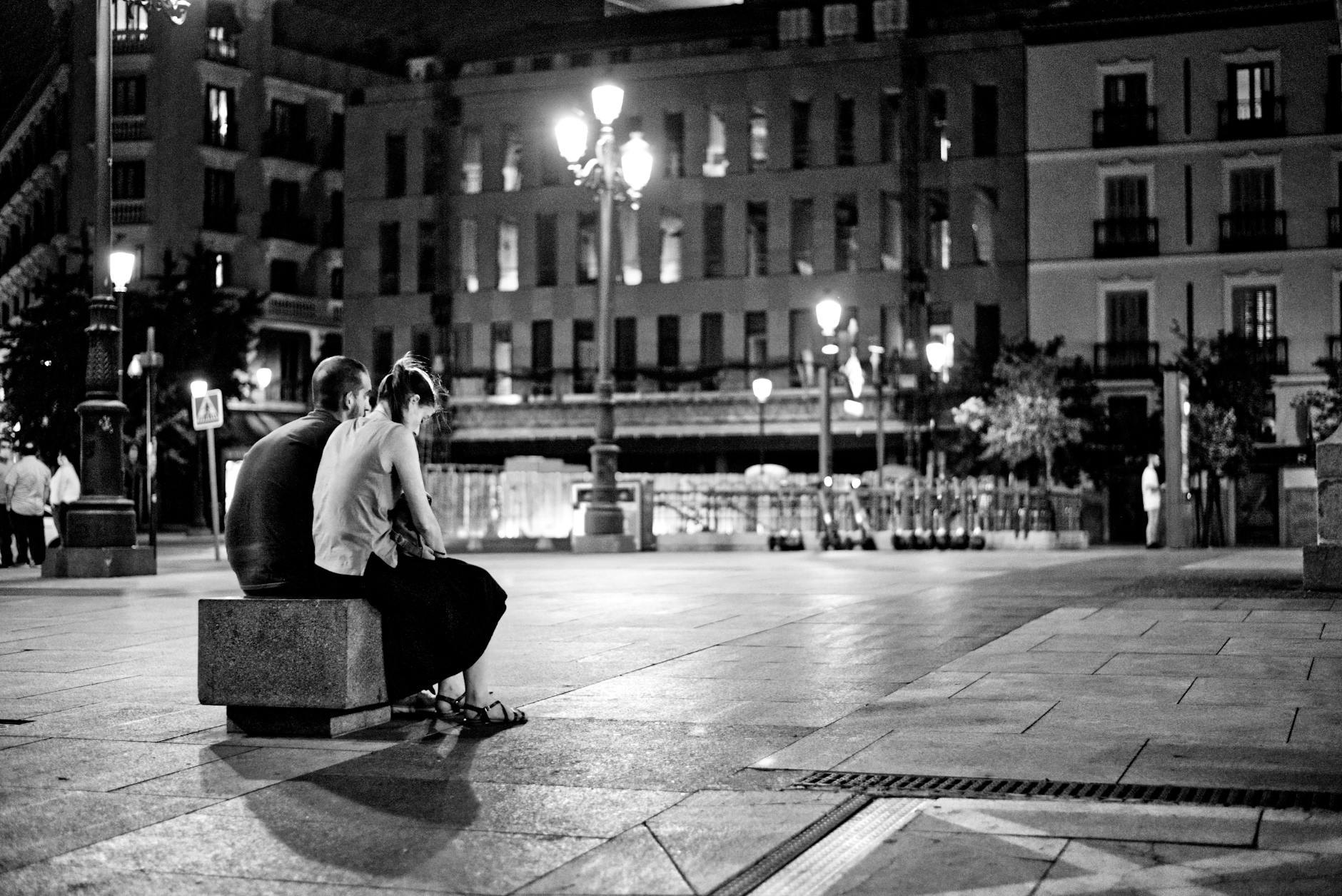
Madrid nights often split naturally. One person wants another bar, another wants churros or a taxi, another meets new people, and another is ready for the hotel. That does not need to kill the evening, but it should not be unmanaged. Travelers should agree on check-ins, hotel return rules, and what happens if phones die, a venue rejects someone, or the group divides between a relaxed ending and a late club.
This matters for students, solo travelers joining new acquaintances, women travelers, LGBTQ travelers, older travelers, and any group with mixed alcohol tolerance or confidence after dark. If the night splits, the split should be intentional: who is leaving, how they are traveling, whether they are sober enough, what route they are taking, and when someone expects confirmation. A flexible night is different from an abandoned traveler.
- Agree on check-ins, split rules, venue fallback points, and hotel-return expectations before the group starts moving.
- Avoid letting the most impaired or least confident traveler travel alone late at night.
- Use clear meeting points outside crowded venues rather than vague promises to reconnect nearby.
Let food and recovery shape the night
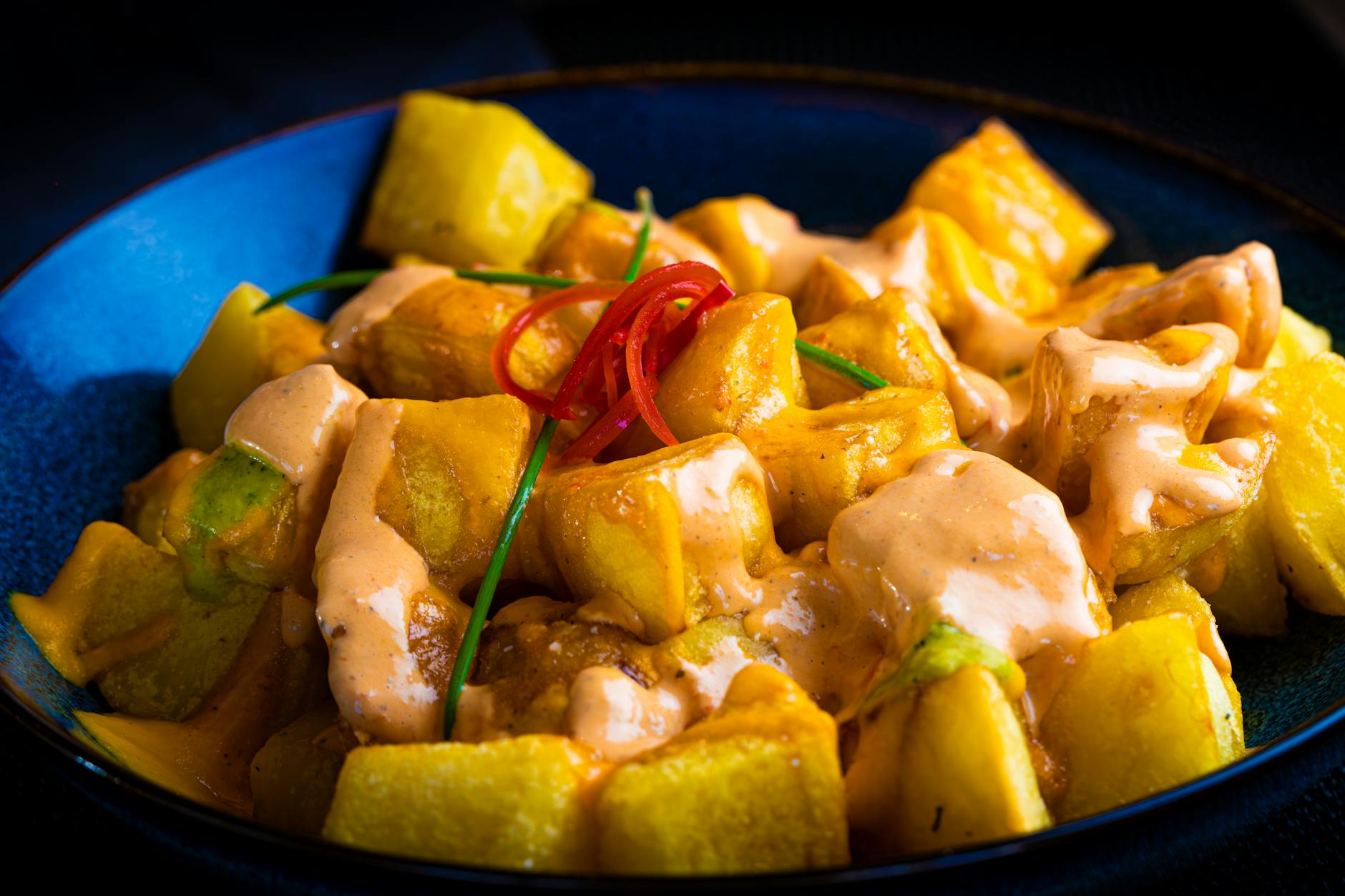
Madrid's late dining culture is part of the appeal, but it still needs planning. A strong night may start with tapas, a restaurant reservation, a market-adjacent meal, a terrace, or simple late food near the final district. The mistake is assuming every area will have the right food at the right hour for every traveler. Dietary needs, medication timing, alcohol pacing, and group energy should shape where dinner or late food sits in the evening.
Recovery also matters. If the next morning includes a flight, train, museum booking, business meeting, family plan, or long walk, the night needs a real endpoint. A hotel near nightlife can help, but noise, street crowding, and late returns may damage sleep. A nightlife-focused traveler should decide whether the goal is a long dinner, a late social night, a club finish, or a clean return that preserves the next day. Madrid can support each, but not all at once.
- Plan dinner and late food around alcohol pacing, dietary needs, medication, and the final nightlife district.
- Set a hard endpoint when the next morning has a flight, train, meeting, tour, or family commitment.
- Balance hotel proximity to nightlife against noise, sleep quality, and after-dark street conditions.
When to order a short-term travel report
A traveler planning one nearby tapas dinner or a single arranged show probably does not need a custom report. A nightlife-focused traveler should consider one when the trip involves several districts, clubs, late returns, solo travel, LGBTQ nightlife, high-value lodging, public visibility, VIP or guest-list access, students or young travelers, unfamiliar transport, private vehicles, or a schedule that has to recover quickly the next morning.
The report should test the hotel base, district selection, venue sequence, entry rules, dinner timing, late transport, phone-theft exposure, group movement, current local signals, and fallback options. The value is not telling the traveler that Madrid is lively at night. The value is making the night enjoyable without losing control of the route, the group, the hotel return, or the next day.
- Order when late movement, multiple venues, solo travel, VIP access, group dynamics, or next-day commitments create risk.
- Provide venue names, hotel candidates, dates, group composition, mobility needs, and the desired type of night.
- Use the report to plan a good ending, not only a good start.