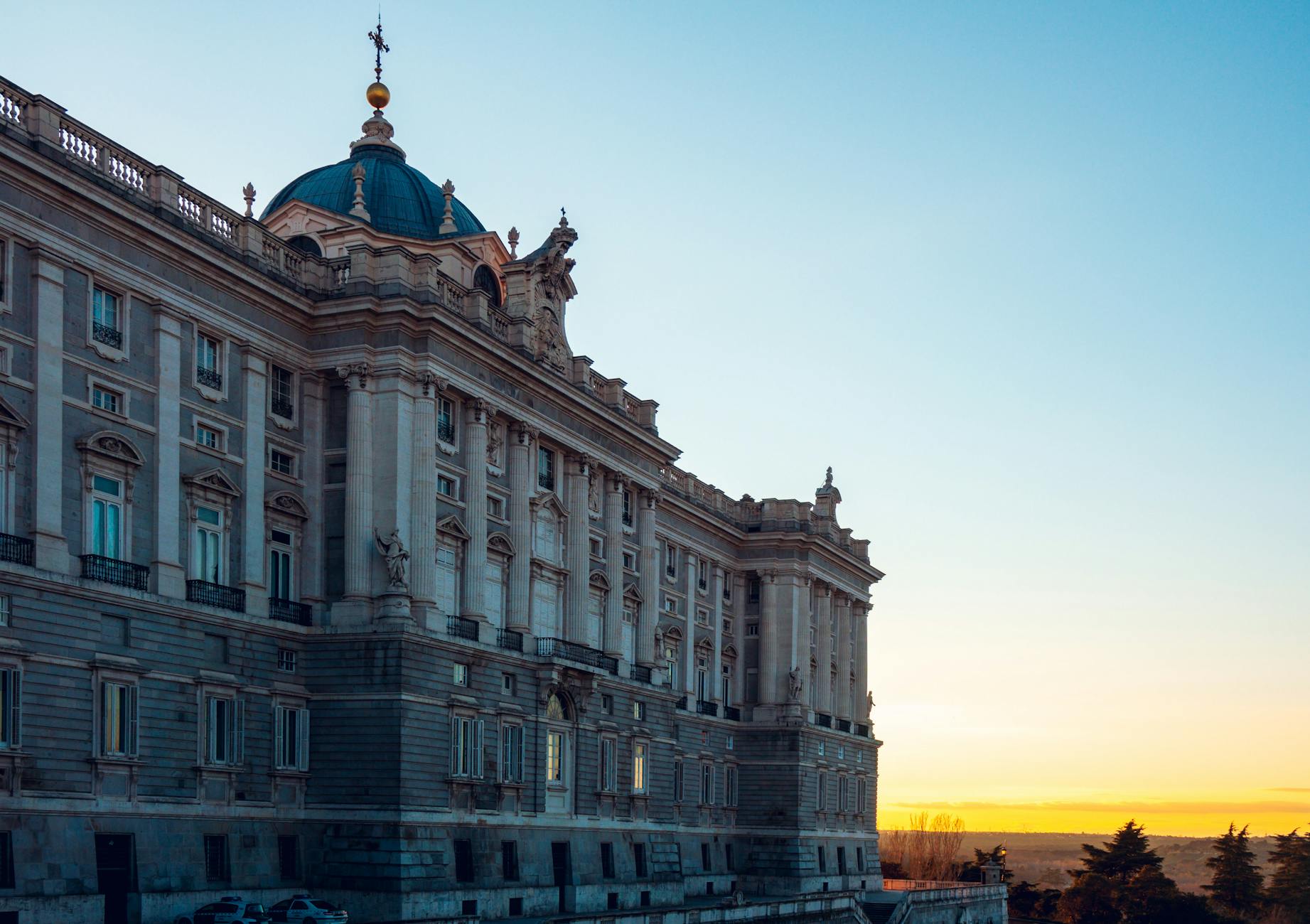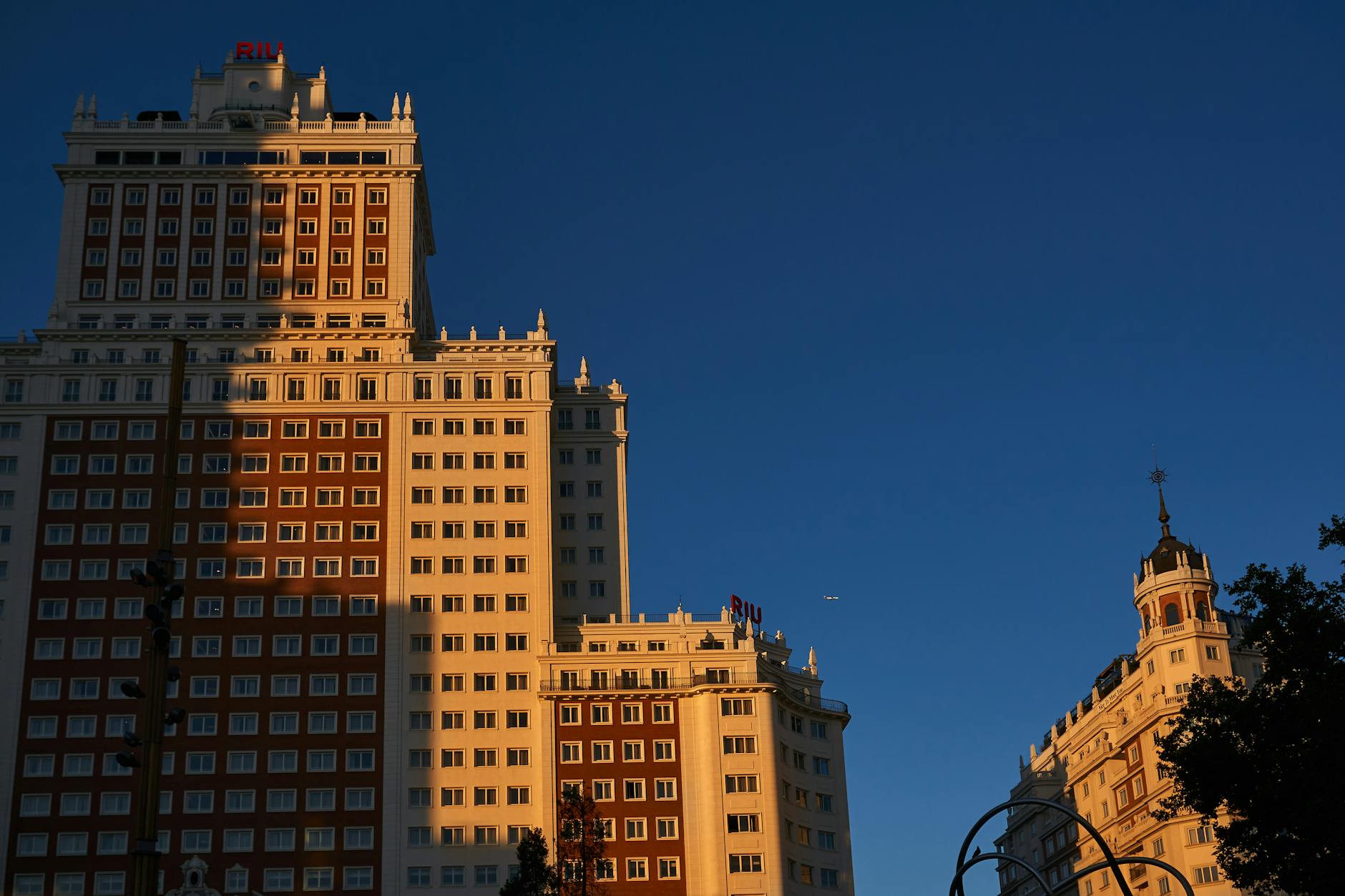
Madrid is an unusually good luxury travel city because it can be grand without feeling sealed off. A traveler can stay near the palace, base in Salamanca, dine seriously, use private guides for the Prado or Royal Palace, shop well, and still feel the street life that makes Madrid distinct. The mistake is treating luxury as a simple upgrade of every ordinary choice. The better question is what kind of ease, privacy, cultural access, food, and neighborhood rhythm will make the short stay feel coherent. For a luxury traveler, the practical details matter because expectations are higher. Airport arrival, driver timing, hotel entrance, room quiet, restaurant reservations, museum access, shopping routes, evening returns, and discretion all shape whether the trip feels polished or merely expensive. Madrid can deliver a very strong short luxury stay, but it rewards planning that understands both the city's elegance and its ordinary urban friction.
Decide what kind of luxury Madrid should be
Madrid luxury can mean several different trips. It can be palace views, grand hotels, and chauffeur movement. It can be a quieter Salamanca base with shopping, polished restaurants, and private cultural visits. It can be art-led, with the Prado, Thyssen, Reina Sofia, galleries, and expert guiding. It can be food-led, built around reservations, wine, markets, and late dinners. Those trips should not be planned the same way.
The traveler should define the trip before choosing the hotel or reservations. A short Madrid stay can easily become a collection of expensive fragments if the palace, Prado, Salamanca, Gran Via, Retiro, and restaurant map are not organized around a clear purpose. Luxury is not only access. It is the absence of avoidable friction.
- Choose whether the trip is palace-led, art-led, food-led, shopping-led, or a calmer urban luxury stay.
- Build hotel, driver, dining, and cultural choices around that trip identity.
- Avoid expensive fragmentation by clustering the high-value parts of the city.
Choose the hotel by neighborhood and operating style
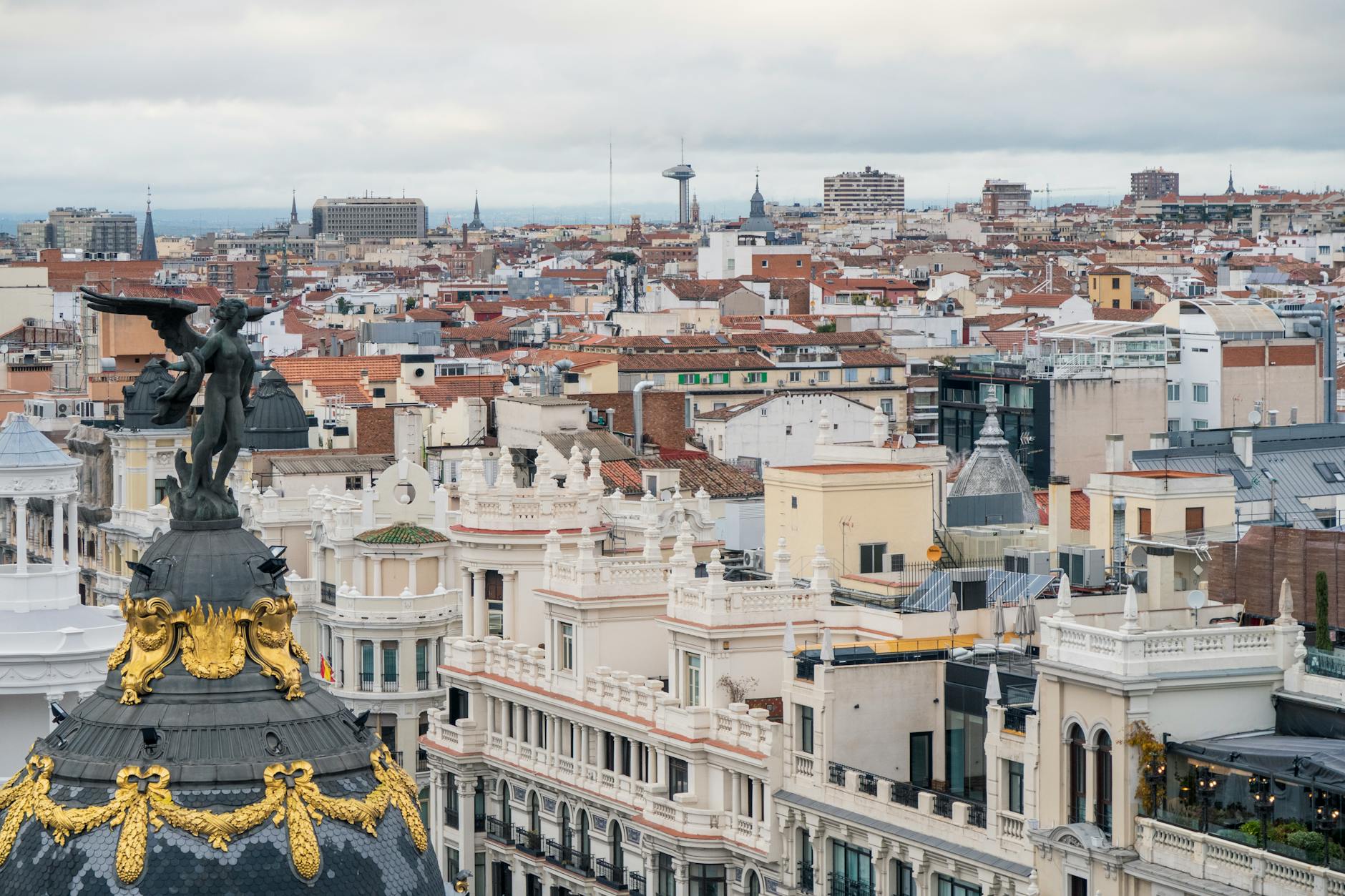
Madrid has several credible luxury bases, but they produce different trips. Salamanca is strong for shopping, restaurants, calmer streets, and a polished residential feel. Retiro and the Prado corridor work well for art, walking, and quieter cultural days. Gran Via and Plaza de Espana can be convenient and dramatic, but they bring more traffic, crowds, and nightlife energy. The palace side of the city can feel ceremonial and scenic, but it may not be the best base for every dinner or shopping plan.
The hotel should also be judged operationally. Arrival forecourt, driver staging, porter service, room soundproofing, lift speed, suite layout, breakfast privacy, concierge competence, spa timing, and easy taxi or chauffeur movement matter. A luxury hotel that photographs well can still be wrong if every exit route is congested or the traveler needs discretion.
- Use Salamanca, Retiro, Prado, Gran Via, or the palace area for different luxury trip styles.
- Check arrival forecourt, driver handling, room quiet, suite layout, concierge depth, and departure logistics.
- Prioritize operational fit over a generic luxury ranking.
Make Barajas and driver timing feel invisible
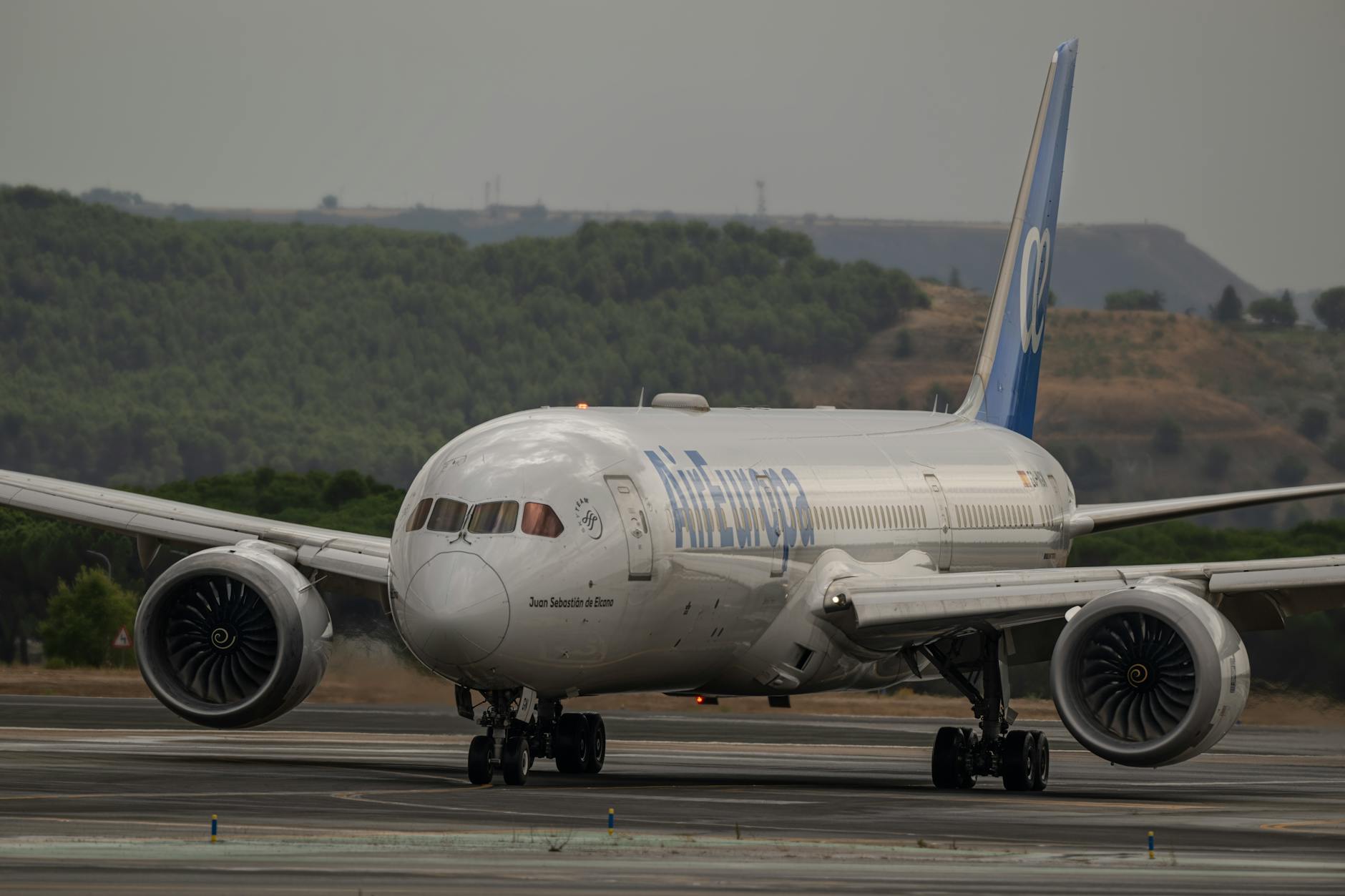
A luxury Madrid trip should not begin with improvised airport decisions. Madrid-Barajas is strong, but terminal layout, luggage, passport control, car pickup, traffic into the center, hotel arrival, and early check-in all need coordination. A meet-and-assist or carefully arranged driver may be worthwhile when the traveler is arriving after a long flight, carrying valuables, traveling with family, or moving directly to a lunch, meeting, or event.
Driver planning should be realistic rather than theatrical. Madrid traffic, pedestrian zones, hotel entrances, and restaurant drop-off points can affect timing. The car should support the day, not create unnecessary waiting or awkward curbside moments. For a short stay, the most luxurious transfer is often the one nobody has to think about.
- Plan airport terminal, luggage, meet-and-assist, driver contact, hotel arrival, and early check-in together.
- Use chauffeur movement where fatigue, privacy, valuables, family travel, or tight timing justify it.
- Account for traffic, pedestrian zones, hotel entrances, and restaurant drop-off points.
Reserve dining around rhythm, not prestige alone
Madrid dining can be one of the strongest reasons to travel, but a luxury itinerary should not simply stack famous names. Late Spanish meal timing, tasting-menu length, wine pacing, jet lag, next-morning plans, and cross-town transfers all matter. A major dinner on the arrival night may be a mistake. A long lunch may be perfect if the evening is lighter. A market or tapas stop can be valuable when handled with care rather than treated as a crowded tourist obligation.
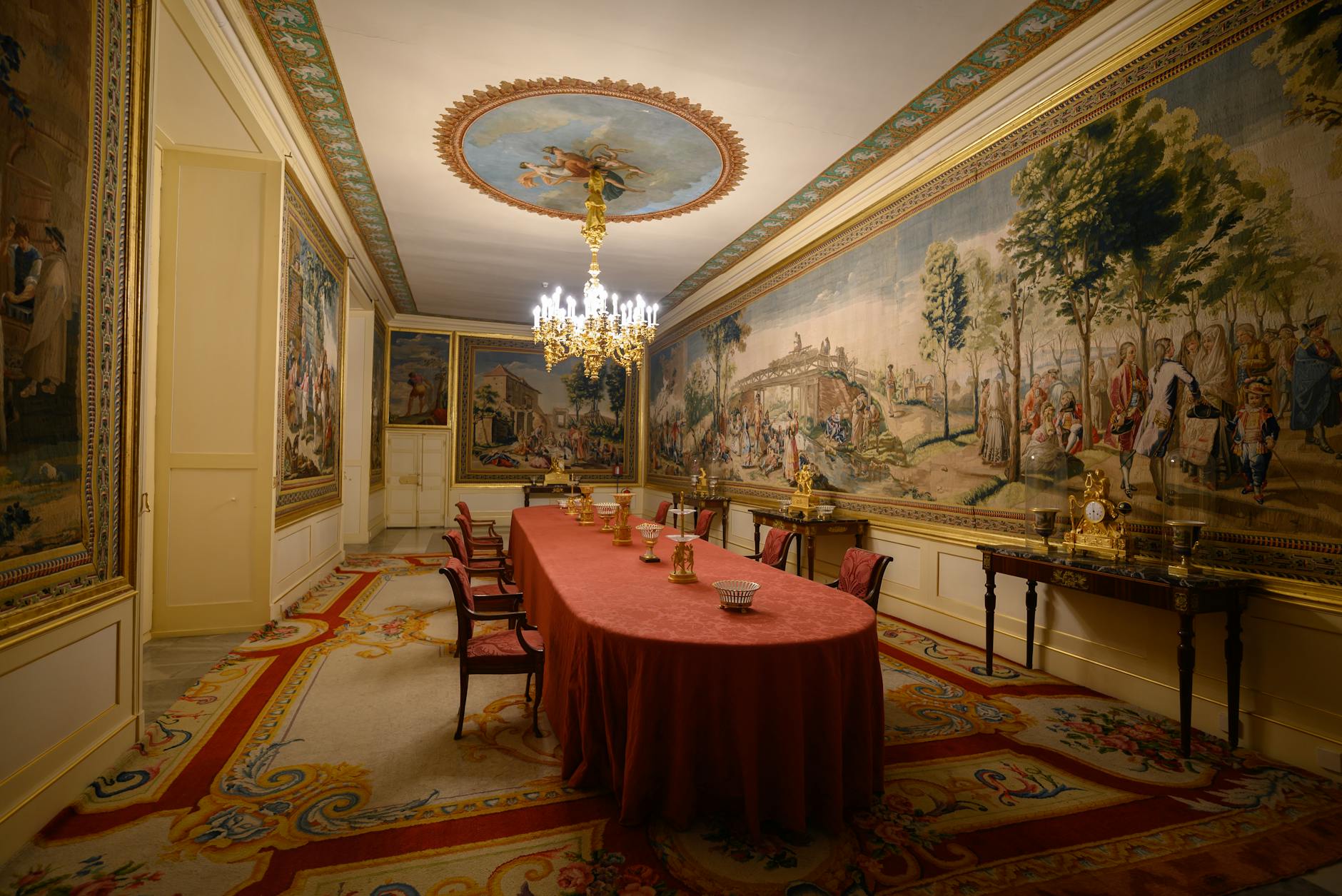
The best dining plan should balance seriousness and comfort. It may include one destination restaurant, one hotel or near-hotel meal, one classic Madrid experience, and one flexible evening. Dietary needs, table privacy, car drop-off, dress expectations, and cancellation rules should be known before the trip. The reservation list should serve the traveler, not dominate the trip.
- Match major reservations to jet lag, late dining hours, wine pacing, and next-day commitments.
- Balance destination restaurants with near-hotel meals, classic Madrid food, and flexible evenings.
- Confirm dietary needs, privacy, dress, car access, and cancellation rules in advance.
Use private culture to avoid museum fatigue
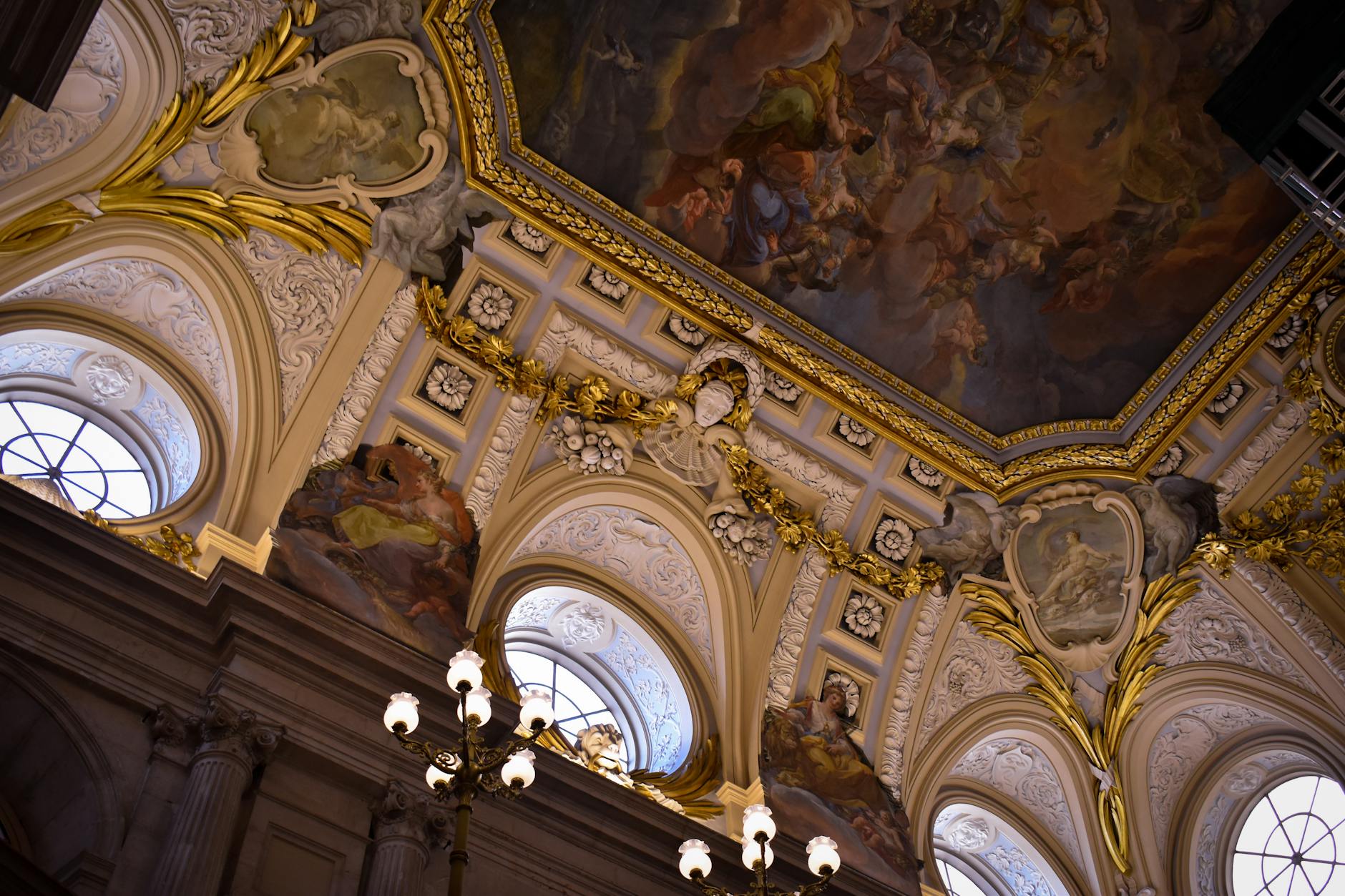
Madrid's cultural strength is deep enough that a luxury traveler can do better than a rushed museum circuit. A private Prado guide, a tightly focused Royal Palace visit, a curated walk through the art triangle, or a specialist visit tied to architecture, wine, fashion, or design can make a short stay feel more intelligent. The goal is not to see more rooms. The goal is to make the rooms seen matter more.
Private access still needs pacing. The Prado, palace interiors, and major collections involve standing, security, crowds, timed entry, and mental load. A strong plan chooses the right time of day, the right entrance logic, and a recovery point afterward. A great guide can be wasted if the traveler is hungry, overheated, or rushing to dinner.
- Use private guides for the Prado, Royal Palace, art triangle, architecture, fashion, wine, or design themes.
- Choose focused cultural access rather than exhausting museum accumulation.
- Plan timing, entry, standing time, and the meal or rest period after major visits.
Protect privacy, valuables, and evening movement
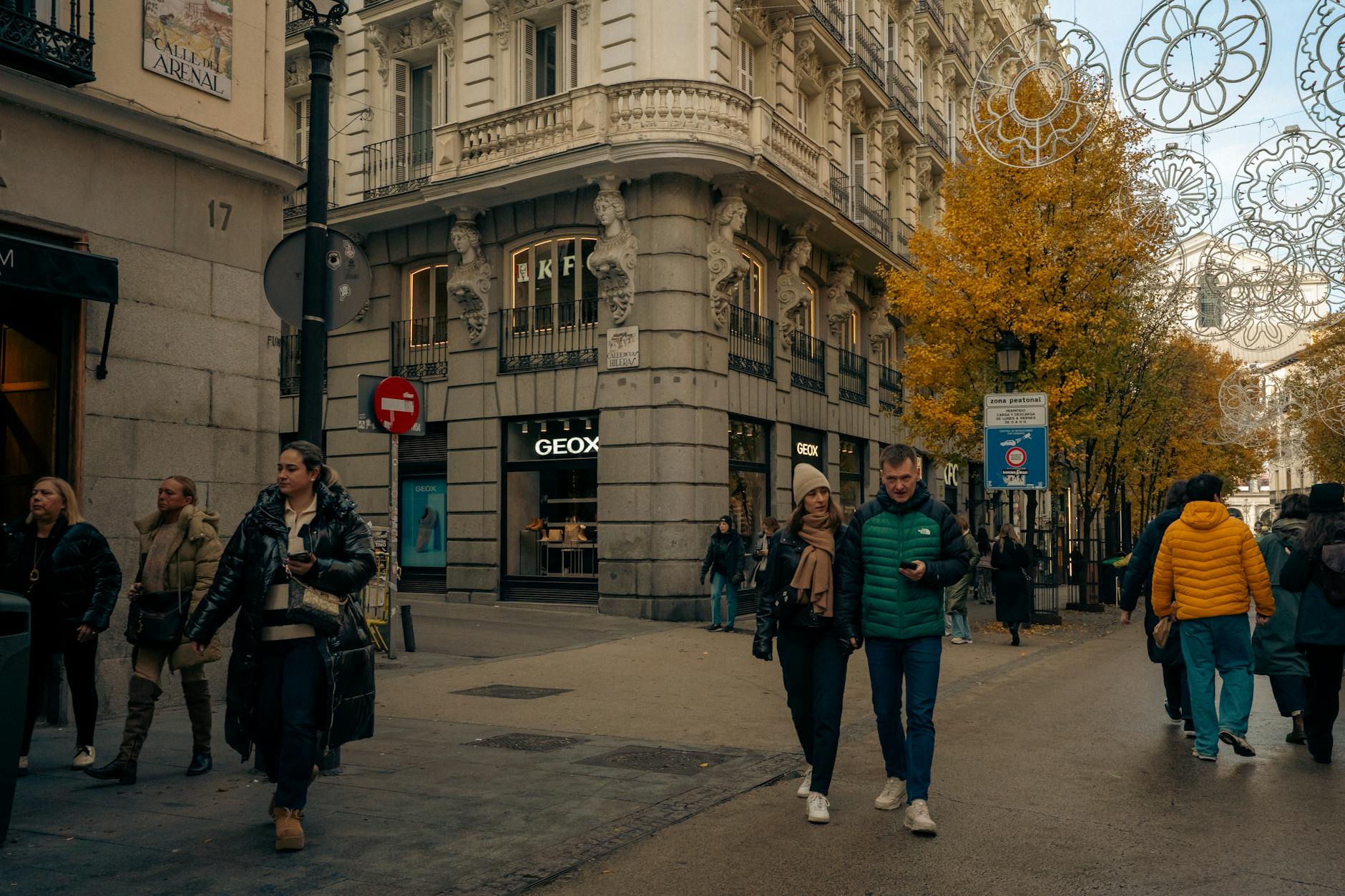
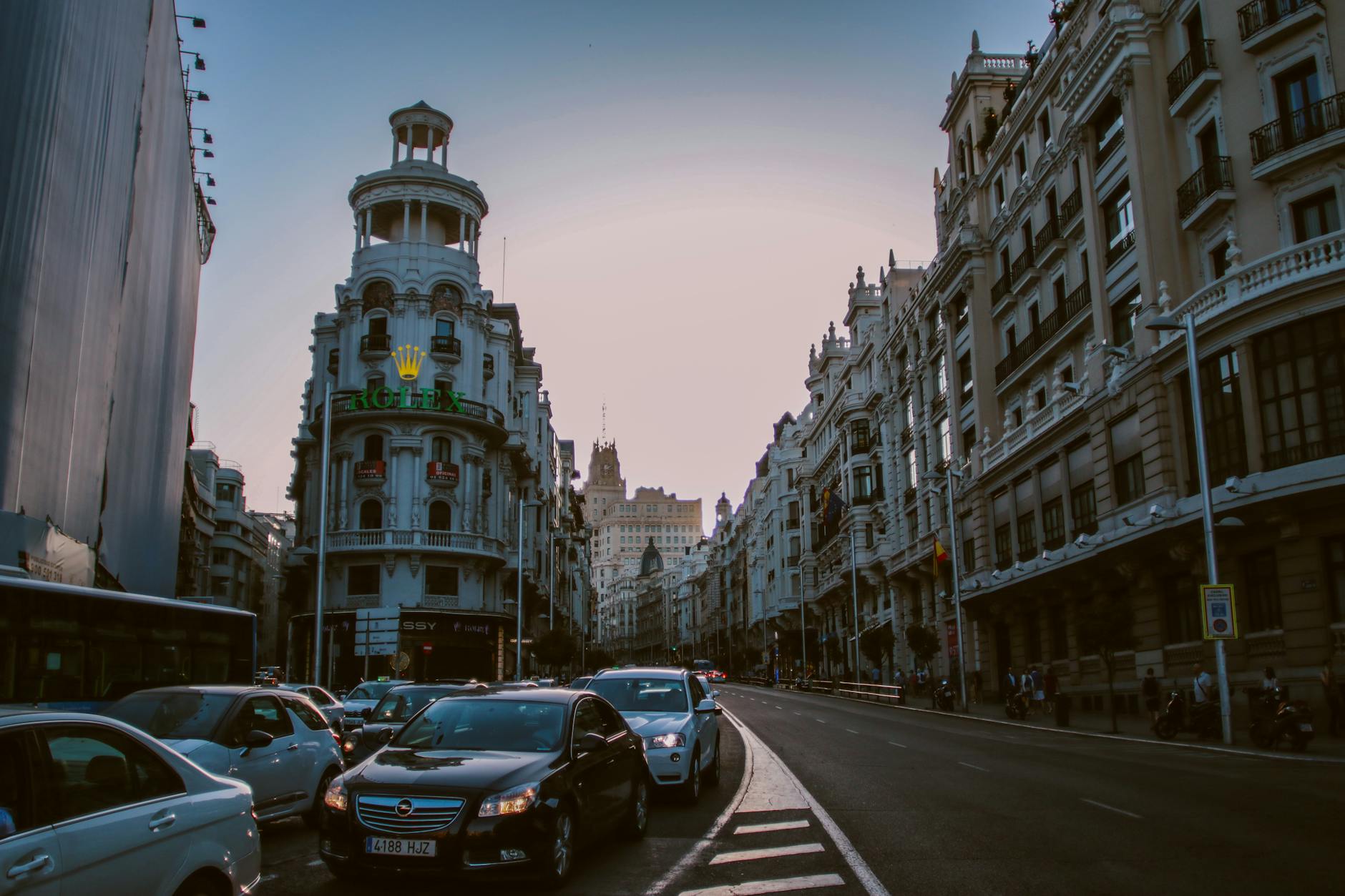
Luxury travelers are not immune from ordinary city issues. Sol, Gran Via, Plaza Mayor, busy restaurants, hotel lobbies, luxury shopping areas, and crowded cultural sites can create exposure for watches, jewelry, bags, phones, passports, cameras, and shopping purchases. Madrid is not a city to fear, but a traveler carrying visible value should be deliberate about routes, drivers, table choice, hotel returns, and what is carried in public.
Evening movement deserves special attention. Madrid can be lively late, which is part of its appeal, but late dinners, rooftop bars, and cross-town returns should have a clear plan. A discreet car, a short taxi ride, or a restaurant near the hotel may be better than a long walk through crowded nightlife zones. Luxury travel works best when the traveler can relax because the edges of the evening have already been solved.
- Protect watches, jewelry, bags, passports, phones, cameras, and shopping purchases in crowded areas.
- Use direct routes, discreet cars, and sensible table or lobby choices when visibility is high.
- Plan late dinner, rooftop, and hotel-return logistics before the evening begins.
When to order a short-term travel report
A luxury traveler with a trusted Madrid concierge, a simple hotel stay, and flexible plans may not need a custom report. A report becomes more useful when the trip includes competing hotel options, VIP arrival handling, family or staff coordination, high-value shopping, visible jewelry or watches, major restaurant reservations, private guides, medical or mobility concerns, multiple drivers, or limited time in the city.
The report should test the hotel base, arrival and departure handling, chauffeur timing, dining geography, cultural access, shopping routes, crowd and privacy exposure, current local disruptions, evening returns, and backup choices. The value is a Madrid luxury trip that feels calm, personal, and precisely staged rather than expensive but improvised.
- Order when hotel choice, VIP arrival, drivers, dining, private guides, shopping, visibility, or limited time raise the stakes.
- Provide hotel candidates, arrival details, dining priorities, shopping plans, valuables, staff needs, and privacy concerns.
- Use the report to make Madrid feel curated, not over-scheduled.