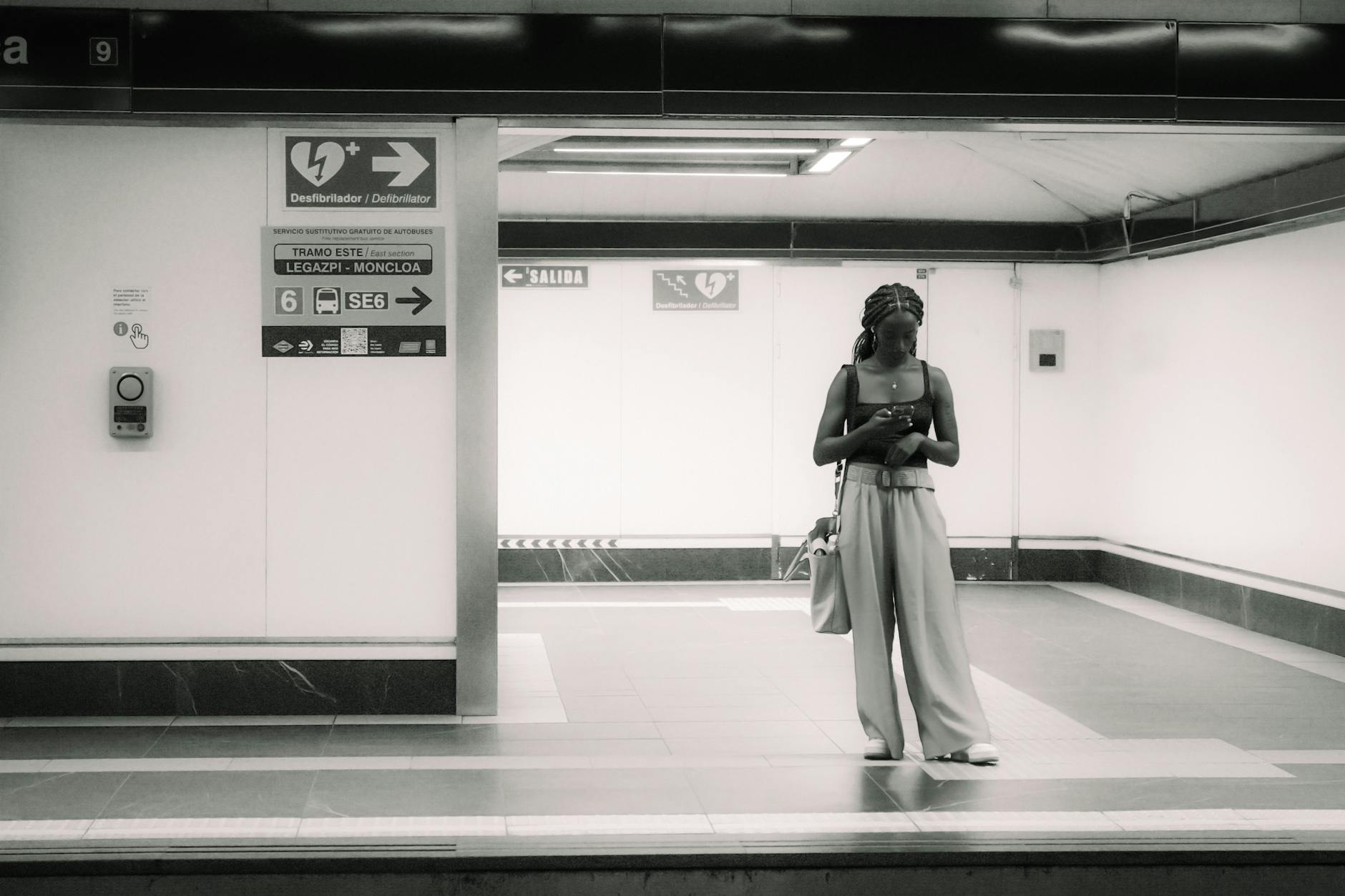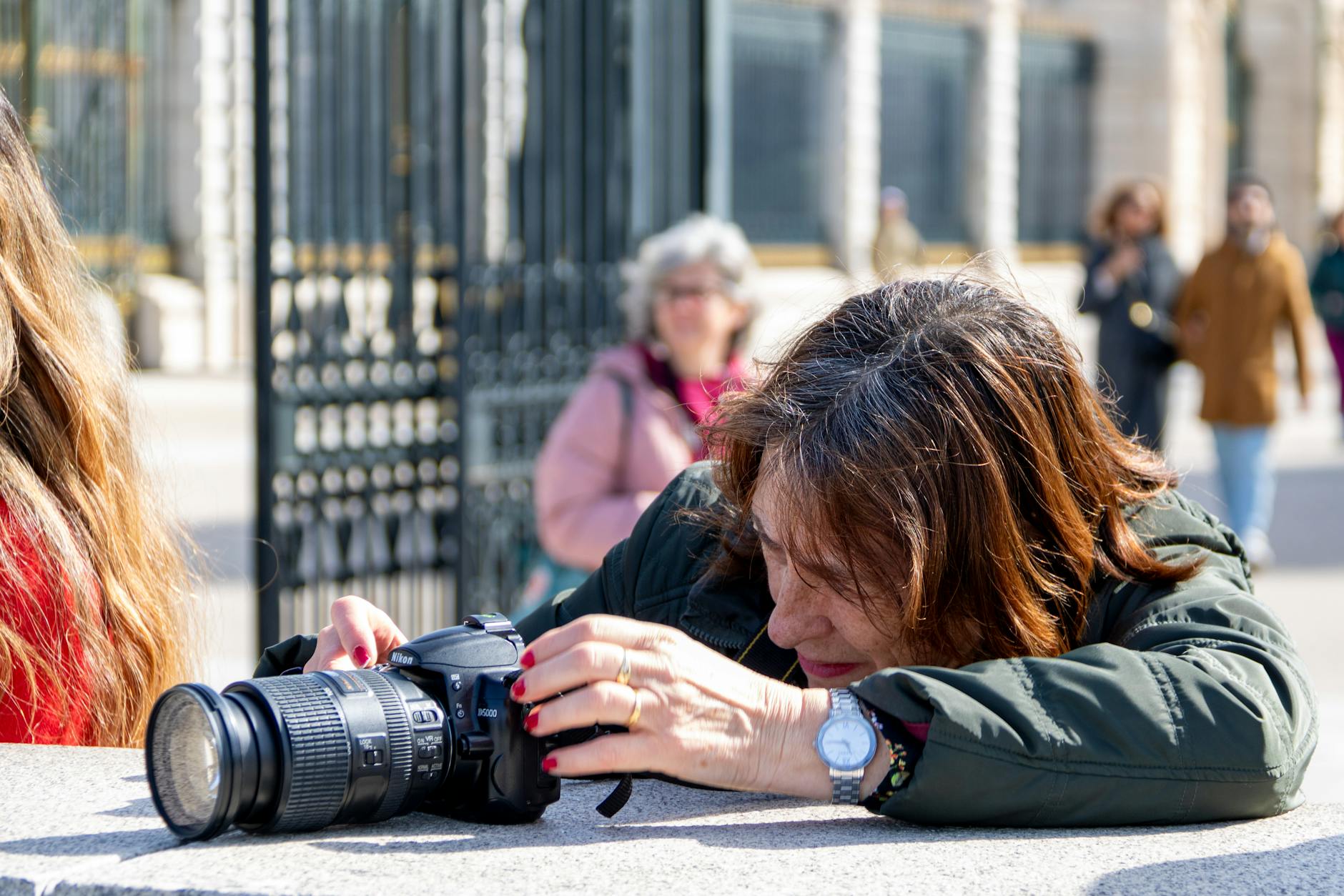
Madrid is a strong reporting city because national politics, courts, ministries, major companies, cultural institutions, football, migration stories, neighborhood change, demonstrations, and European policy questions sit close enough to be covered in a short trip. That density is useful, but it can also mislead a visiting journalist. A day that looks simple on a map can become difficult if an interview runs long, a press entrance is different from the public entrance, a protest route shifts, or a source is uncomfortable speaking in the place the journalist chose. The Madrid plan should be built as an assignment plan, not a visitor plan. The journalist has to protect access, movement, equipment, notes, source privacy, filing time, and personal safety while still leaving enough room to follow the story. A good short-term trip makes the city workable before the journalist arrives: where to stay, where to meet, how to reach institutions, how to leave a crowd, where to file, and how to avoid making logistics the reason the story gets smaller.
Map the assignment before booking
Madrid rewards journalists who know the geography of the assignment before they choose flights and lodging. National politics may pull the day toward the Congreso de los Diputados, Moncloa, ministries, embassies, party headquarters, or government-adjacent offices. Legal stories may involve courts, law firms, police facilities, or advocacy groups. Business reporting can run along Paseo de la Castellana, AZCA, Cuatro Torres, Salamanca, Chamartin, or company offices scattered outside the center. Culture, sport, migration, housing, labor, nightlife, and education stories each create a different Madrid map.
The practical mistake is assuming Centro is always the best base. It may be ideal for a cultural feature, demonstrations near Sol, or interviews around Gran Via, but less useful for a morning in Chamartin followed by a late filing deadline and a source meeting in Usera. The journalist should place every confirmed interview, institutional entrance, press time, court appearance, protest route, photo location, and filing block on one map before booking. The hotel should shorten the reporting day, not merely look convenient for a tourist.
- Map interviews, institutions, court calls, protest routes, filming locations, and filing blocks before choosing lodging.
- Do not assume Centro is the right base if the assignment is in Castellana, Chamartin, Usera, Vallecas, or outer districts.
- Build the schedule around real transfer time, security queues, source comfort, and deadline pressure.
Clarify access, credentials, and recording rules
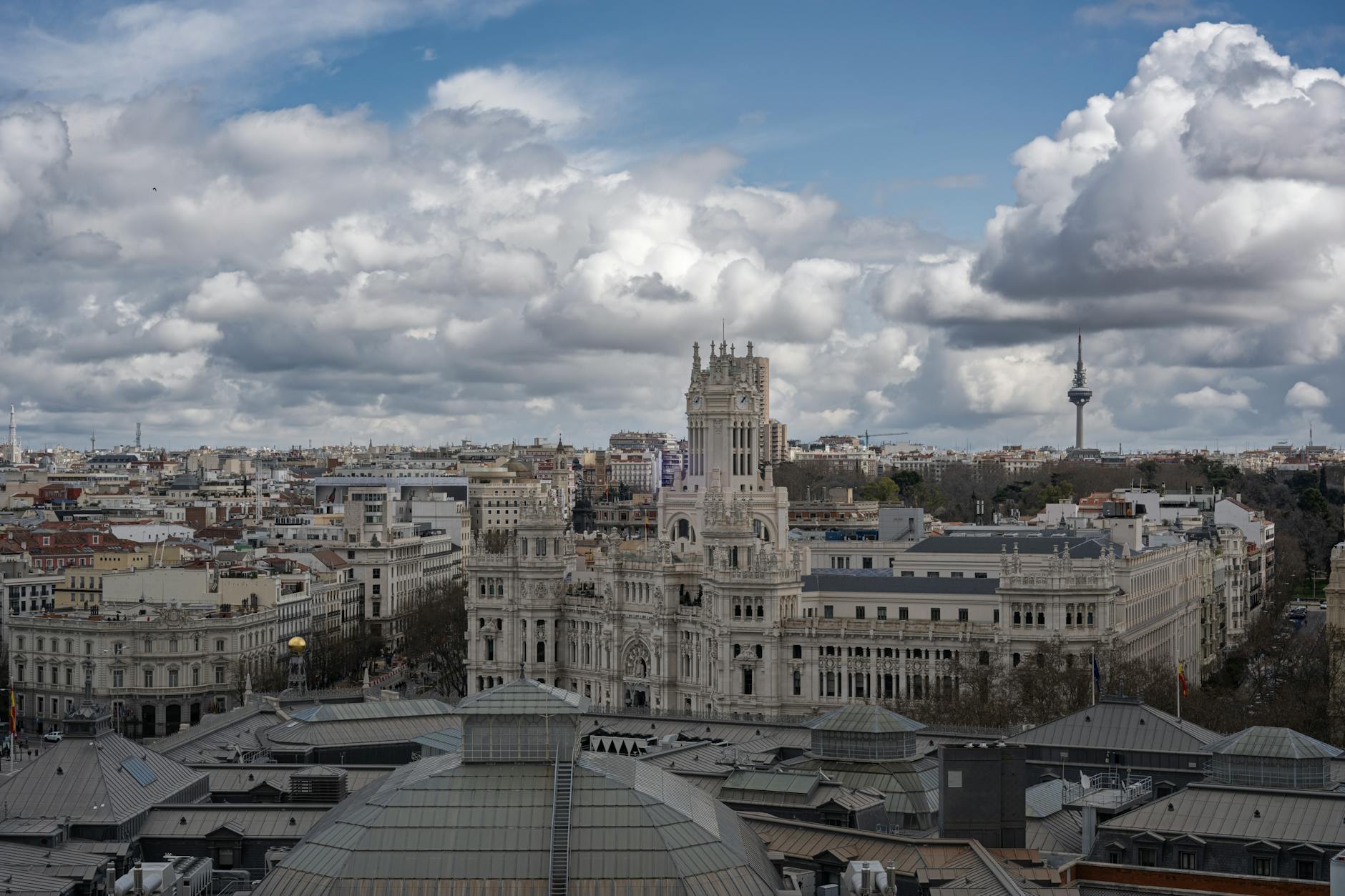
A press card or outlet letter does not automatically solve Madrid access. Government buildings, courts, sports venues, conference centers, museums, hotels, private offices, universities, and event spaces can all have different rules for cameras, tripods, audio recorders, microphones, bags, arrival windows, identification, embargoes, and where a journalist may stand. The public entrance may not be the press entrance, and the person at reception may not be able to improvise if the journalist arrives without the right name or email confirmation.
Before travel, the journalist should know whether accreditation is required, which document must be shown, whether passport details have been submitted, whether the outlet needs to be named in advance, and whether a local contact can answer a Spanish-language question at the door. Filming in private interiors, recording in sensitive meetings, photographing security arrangements, and using drone footage are separate decisions. Good access work is unglamorous, but it prevents the worst kind of Madrid delay: being close enough to the story to see it, but not properly cleared to cover it.
- Confirm accreditation, press entrance, identification, outlet letter, arrival window, bag rules, and local contact before each appointment.
- Separate permission for attending, recording audio, filming, photographing, using a tripod, and publishing images.
- Prepare Spanish-language names, addresses, confirmations, and phone numbers for reception and security desks.
Protect equipment, data, and sources
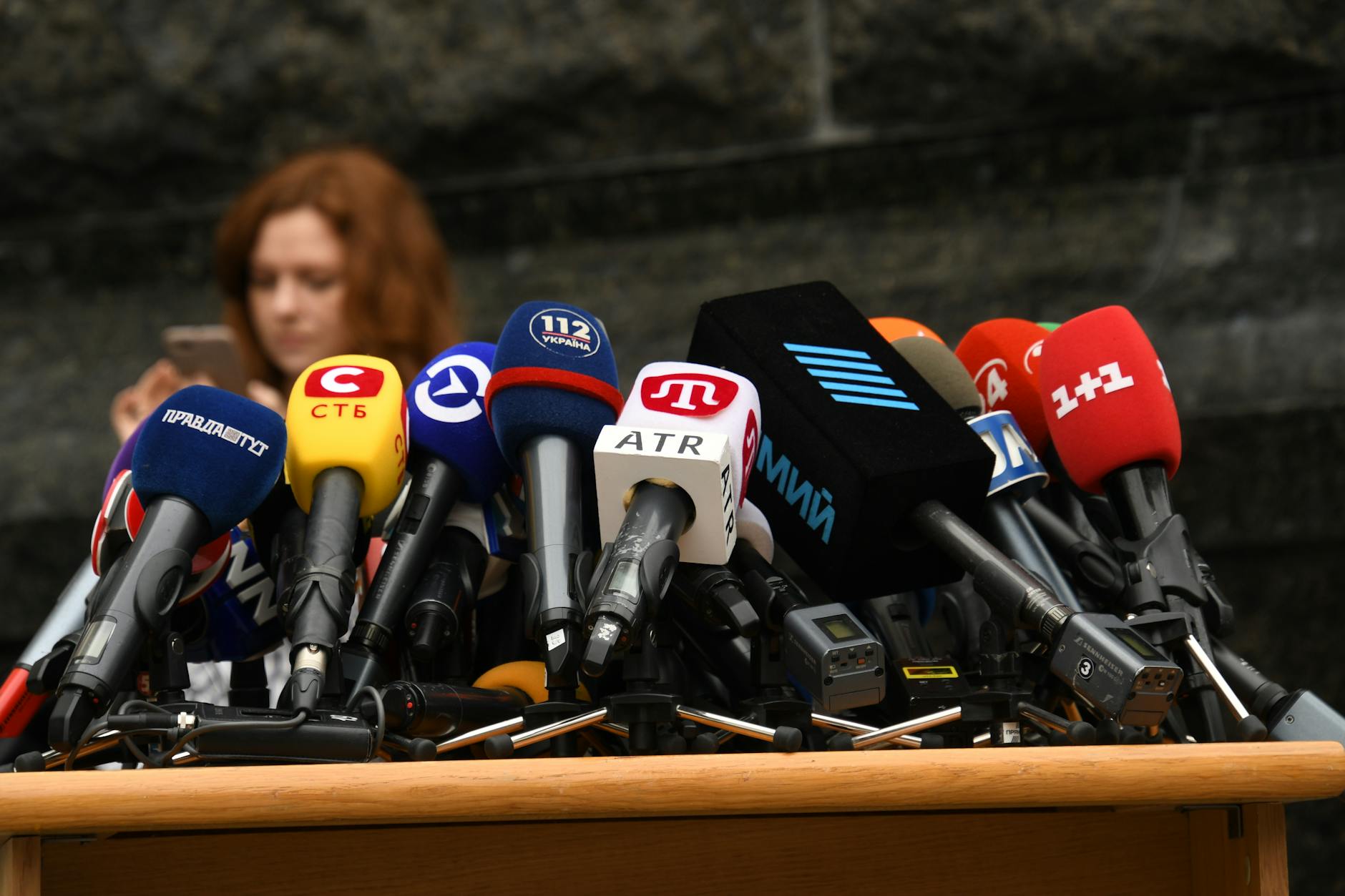
The journalist's kit should match the assignment rather than the packing list they use everywhere. A Madrid reporting day may require camera bodies, lenses, microphone options, recorder, laptop, adapters, mobile data, backup battery, spare storage, weather protection, press credentials, printed confirmations, and enough physical simplicity to move through Metro, taxis, crowds, and security checks. A conspicuous bag can slow the day down and draw attention in crowded stations or busy public squares.
Data and source protection deserve the same attention as equipment. Interviews about legal cases, labor disputes, protest organizing, migration, domestic violence, business conflict, or political pressure should not be handled casually in hotel lobbies, crowded cafes, or loud terraces. The journalist should decide how notes are stored, how recordings are backed up, what happens if a phone is lost, which communications should stay off open Wi-Fi, and how to avoid exposing a source's identity on a screen or call log. Madrid is not an impossible operating environment, but a short trip gives little time to recover from a lost device or compromised source.
- Match cameras, audio, laptop, storage, batteries, mobile data, weather gear, and bag size to the assignment day.
- Plan encrypted backups, device locking, offline copies, and lost-phone contingencies before fieldwork begins.
- Protect sensitive sources from exposure in cafes, hotel lobbies, crowded transit, visible screens, and casual calls.
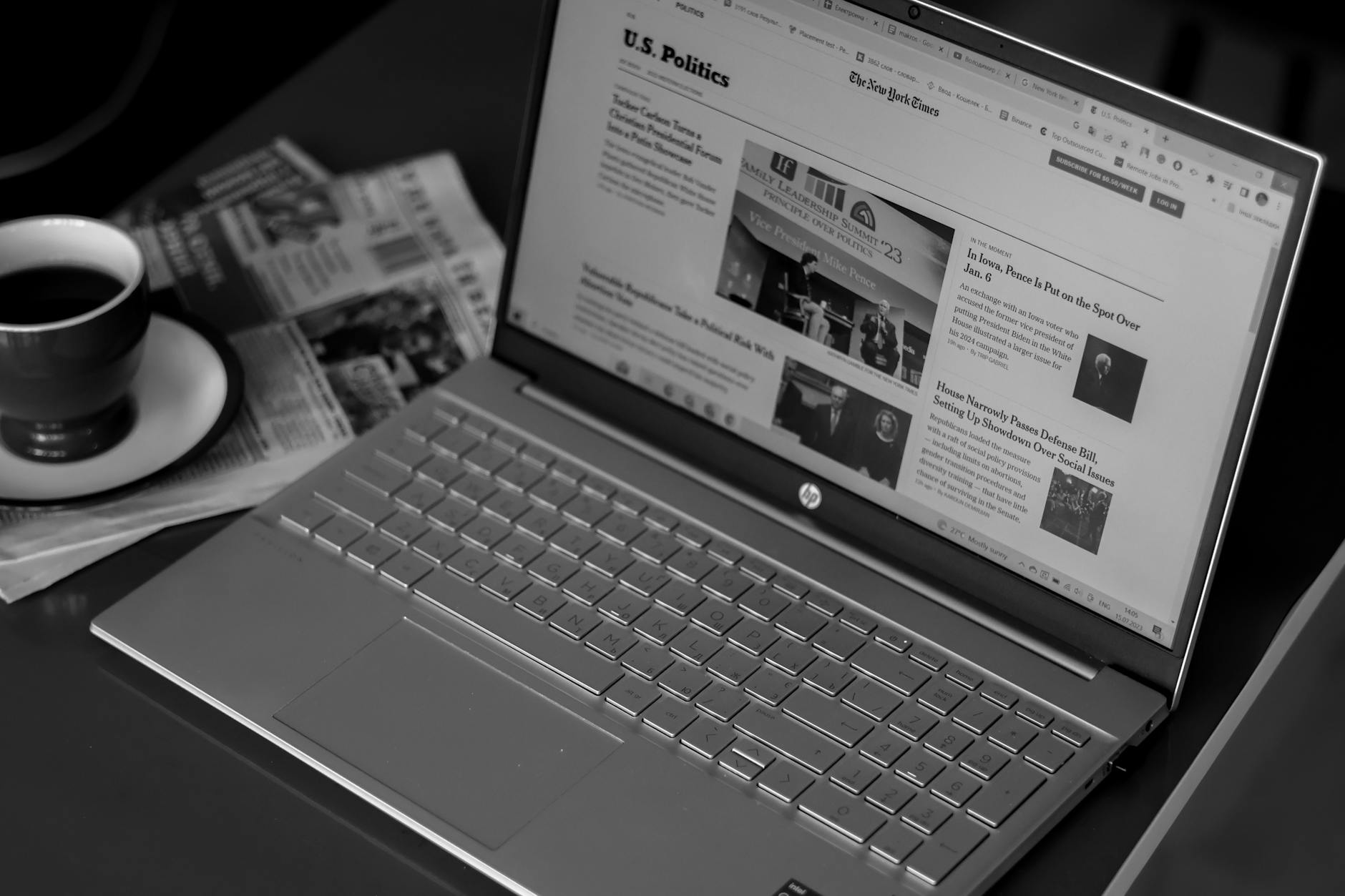
Treat demonstrations as fieldwork
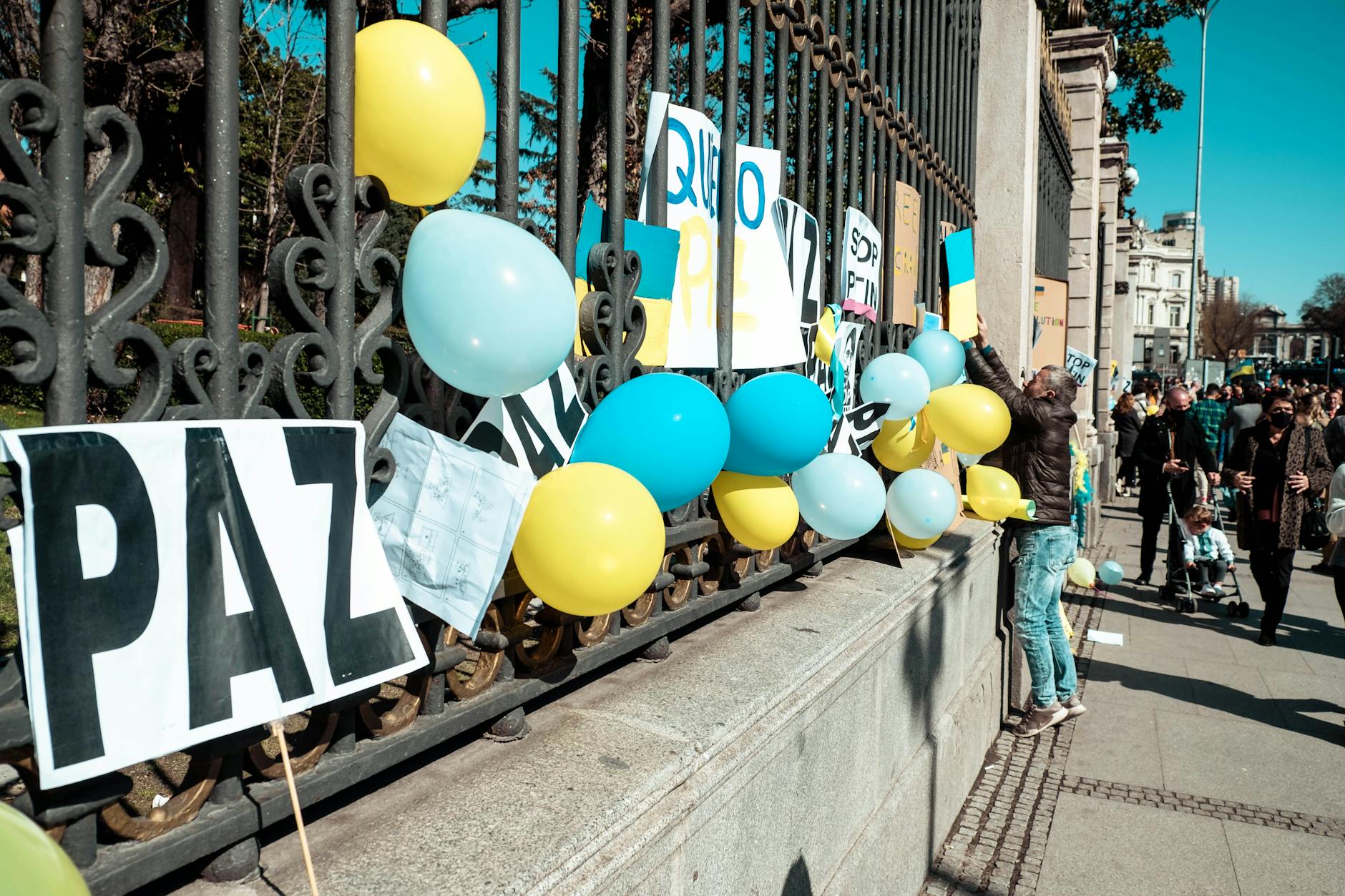
Madrid's civic life can become part of an assignment even when the story is not primarily about protest. Demonstrations, labor actions, student gatherings, political rallies, football celebrations, and counter-demonstrations can affect Sol, Cibeles, Gran Via, Atocha, the Congreso area, embassies, university districts, and major transit corridors. Some events are well announced; others change shape as crowds, police lines, traffic closures, or counter-groups appear. A journalist should not treat these scenes as casual sightseeing with a camera.
The plan should include an approach route, exit route, meeting point, check-in rhythm, battery reserve, footwear, water, weather layer, identification, and a decision about whether the journalist is observing, interviewing, photographing, filming, or only monitoring from the edge. The journalist should avoid blending into the demonstration, carrying unnecessary valuables, posting real-time location in a way that compromises the work, or assuming that police movement will be intuitive. The purpose is to stay close enough to report and far enough to keep judgment.
- Plan approach, exit, check-ins, battery reserve, water, footwear, and identification before entering a demonstration area.
- Know whether the task is observation, interviews, photography, filming, or route monitoring before the crowd forms.
- Avoid real-time posts, crowd immersion, or source exposure that undermines safety or editorial independence.
Respect police, courts, and sensitive sites
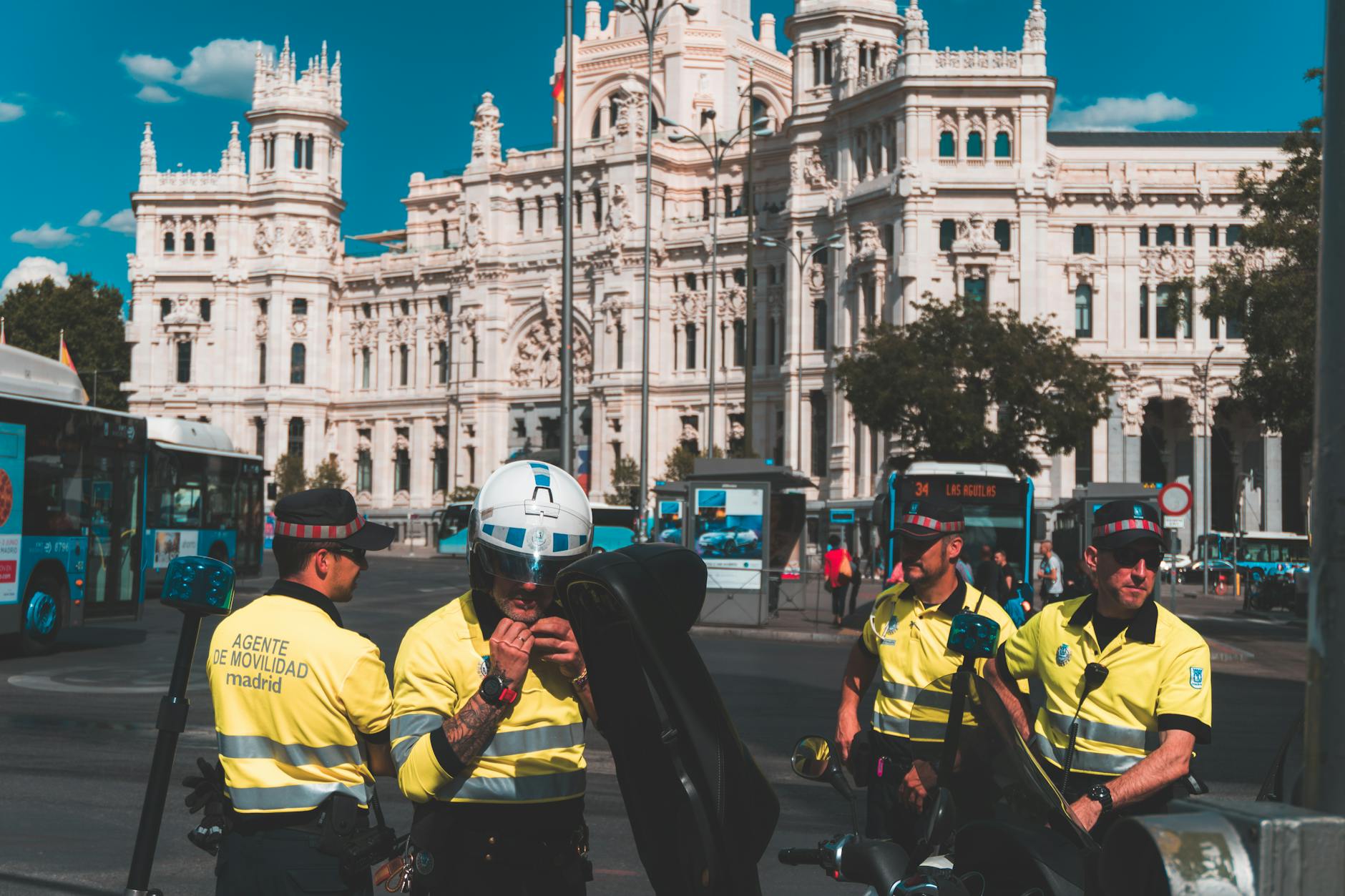
Madrid assignments can touch sites where the normal instincts of a reporter need extra discipline: courts, police stations, hospitals, schools, shelters, ministries, religious institutions, private homes, protected residences, and offices dealing with vulnerable people. The question is not only whether a scene is newsworthy. It is whether the journalist is allowed to record, whether names or faces should be protected, whether a doorway or waiting area can be photographed, and whether an editor will be able to defend the method afterward.
Public-order encounters should also be planned rather than improvised. A journalist should carry identification and editor contact information, know how to explain the assignment calmly, and understand when moving away is smarter than pressing a point on the street. The same logic applies to courts and sensitive interviews: confirm restrictions, arrive early, ask permission when the site is private, and avoid turning a vulnerable person's location into part of the story unless that exposure is essential and consented to.
- Check recording and photography limits around courts, police sites, hospitals, shelters, schools, ministries, and private offices.
- Carry identification, editor contact details, and assignment confirmations for public-order or access questions.
- Protect vulnerable sources, addresses, faces, and waiting areas unless disclosure is essential, consented, and editorially defensible.
Make interviews, movement, and filing easier
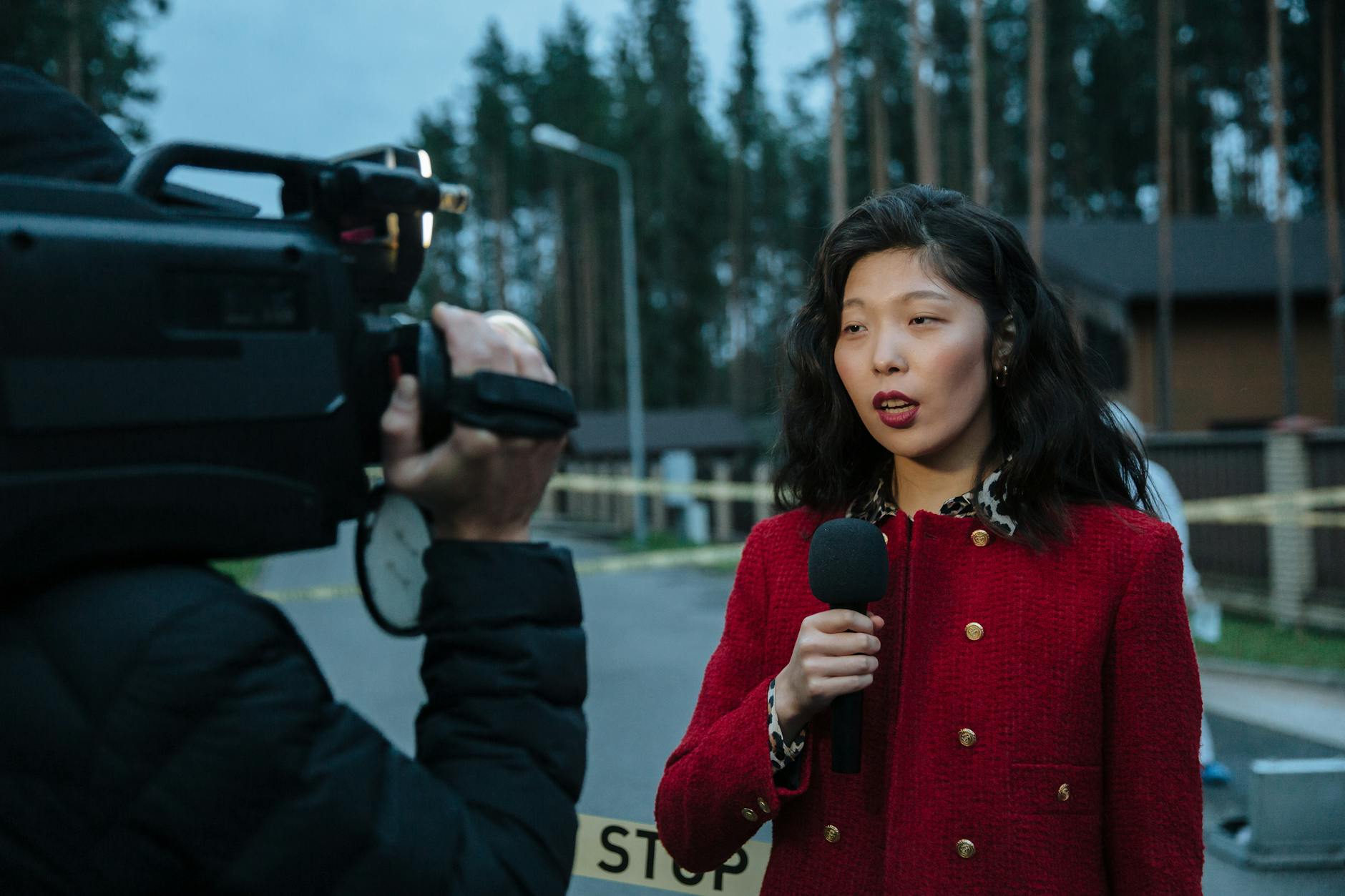
A Madrid interview plan should serve the source, not only the journalist's route. Officials, lawyers, executives, activists, artists, students, migrants, residents, and witnesses will have different comfort levels with language, location, visibility, recording, and being seen with a reporter. A quiet side street, office meeting room, park bench, or neighborhood cafe may produce better material than a famous plaza. The journalist should offer clear choices: on the record, background, audio only, photographed, filmed, translated, or not quoted until details are checked.
Filing logistics should be built into the same day. Madrid can offer excellent connectivity, but deadlines often collide with heat, late lunches, evening interviews, football crowds, Metro transfers, venue security, and the simple fatigue of moving through a capital with equipment. The journalist should know where they can sit, charge, upload, translate notes, verify names, call an editor, and rewrite without exposing source material. If the story depends on rapid filing, that location is part of the assignment, not an afterthought.
- Choose interview locations around privacy, noise, consent, language, source comfort, and the risk of being observed.
- Prepare clear options for on-record, background, audio, filming, photography, translation, and quote confirmation.
- Reserve filing blocks with power, data, quiet, source privacy, editor access, and realistic transfer time.
When to order a short-term travel report
A journalist covering a single arranged interview in Madrid with local support may not need a custom report. A report becomes useful when the assignment involves several neighborhoods, sensitive sources, demonstrations, public institutions, courts, camera equipment, limited Spanish, tight filing deadlines, or no local fixer. It is especially useful when the journalist must make fast choices about where to stay, how to move, which access points matter, and how to protect sources while still getting enough reporting done in a short window.
The report should test the assignment map, hotel options, Barajas or rail arrival, institutional entrances, protest and public-order conditions, interview locations, source-protection needs, filing locations, transport routes, language friction, and current disruption risks. The value is not a generic Madrid overview. It is a field brief that turns a compressed reporting trip into a workable sequence of access, interviews, movement, and filing.
- Order when the assignment involves sensitive sources, protests, courts, institutions, several neighborhoods, gear, or tight deadlines.
- Provide target addresses, interview types, access confirmations, language ability, equipment, filing deadline, and source risks.
- Use the report to turn Madrid from a broad destination into a practical assignment map.