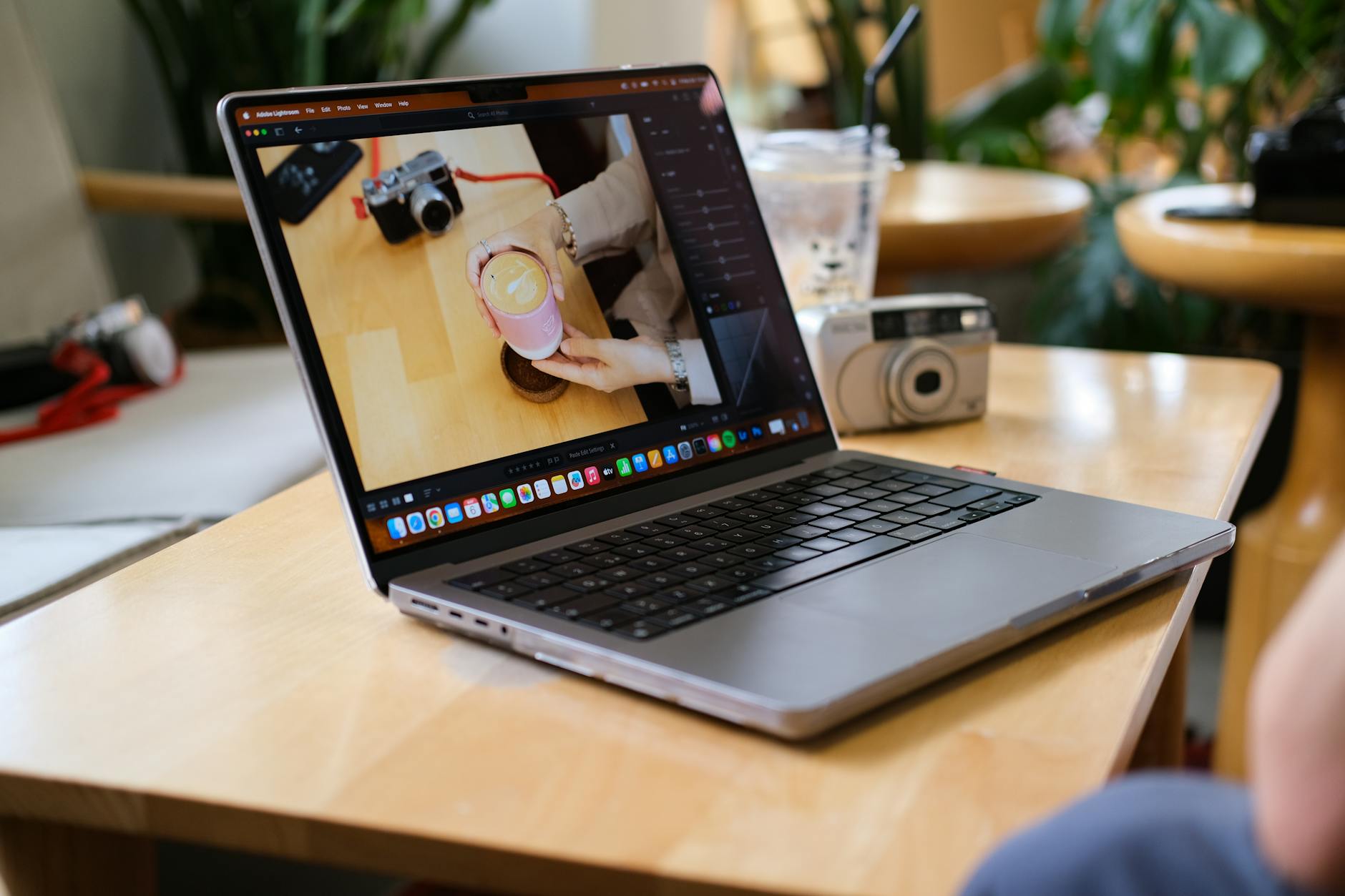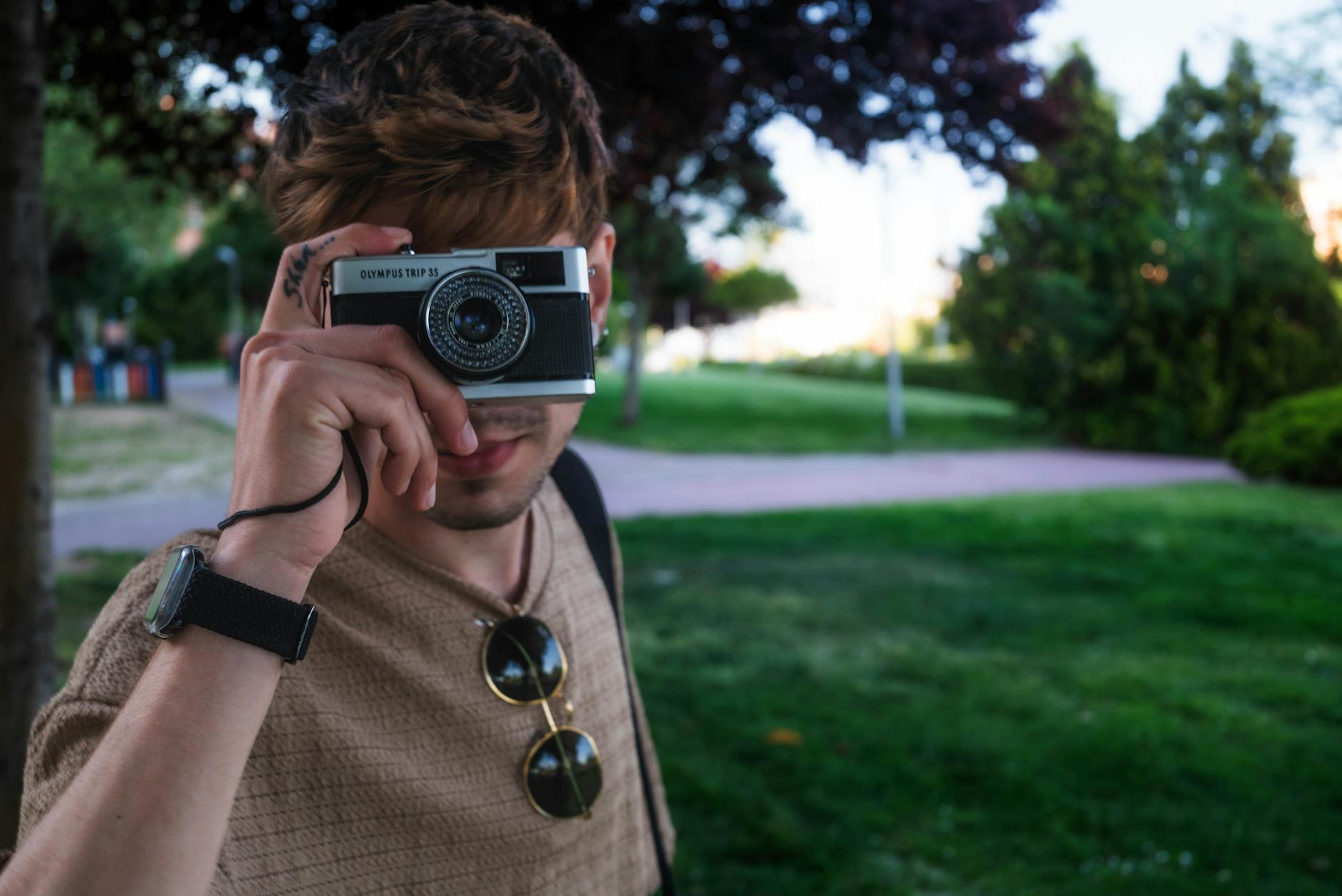
Madrid gives content creators an unusually wide range of material in a short stay: Gran Via energy, Plaza Mayor architecture, Retiro light, museum districts, football culture, rooftop views, markets, cafes, nightlife, fashion, student neighborhoods, immigrant communities, and quiet residential streets that can make a travel story feel more honest than another landmark montage. The opportunity is real, but Madrid does not become a production set just because it photographs well. The useful plan starts with the kind of work being made. A food creator, fashion creator, short-form travel vlogger, architecture channel, luxury-hotel partner, solo photographer, student-life creator, and small brand crew need different neighborhoods, permissions, timing, and safety controls. Madrid can be generous to creators who work lightly and respectfully. It can also punish overpacked routes, obvious gear, late-night improvisation, weak upload plans, and filming that treats residents or workers as background props. The goal is to make the city workable without flattening it.
Start with the Madrid story
Madrid is easy to film badly because the obvious material is so close together. A creator can collect clips of Gran Via, Plaza Mayor, Puerta del Sol, churros, Retiro, rooftops, and tapas without producing a point of view. The first decision should be what the audience is supposed to understand: how to spend a first weekend, where Madrid feels local, how food works, what a study stay looks like, where fashion and nightlife sit, how neighborhoods differ, or what a sponsored hotel or restaurant actually offers.
That thesis should control the route. A food creator may need markets, bakeries, vermouth bars, lunch timing, and restaurant permission. A fashion creator may need Salamanca, Chueca, Malasana, Salesas, or controlled hotel interiors. A budget creator may need Metro rides, menu del dia prices, grocery shops, and free viewpoints. A visual city essay may need light over rooftops, old streets, and quieter Madrid rather than another crowded landmark loop.
- Define the audience, platform, story angle, deliverables, and visual standard before choosing locations.
- Match neighborhoods to the content lane: food, fashion, budget, luxury, student life, nightlife, architecture, or local routines.
- Avoid a Madrid montage that looks attractive but says nothing specific.
Build shoot days as neighborhood clusters
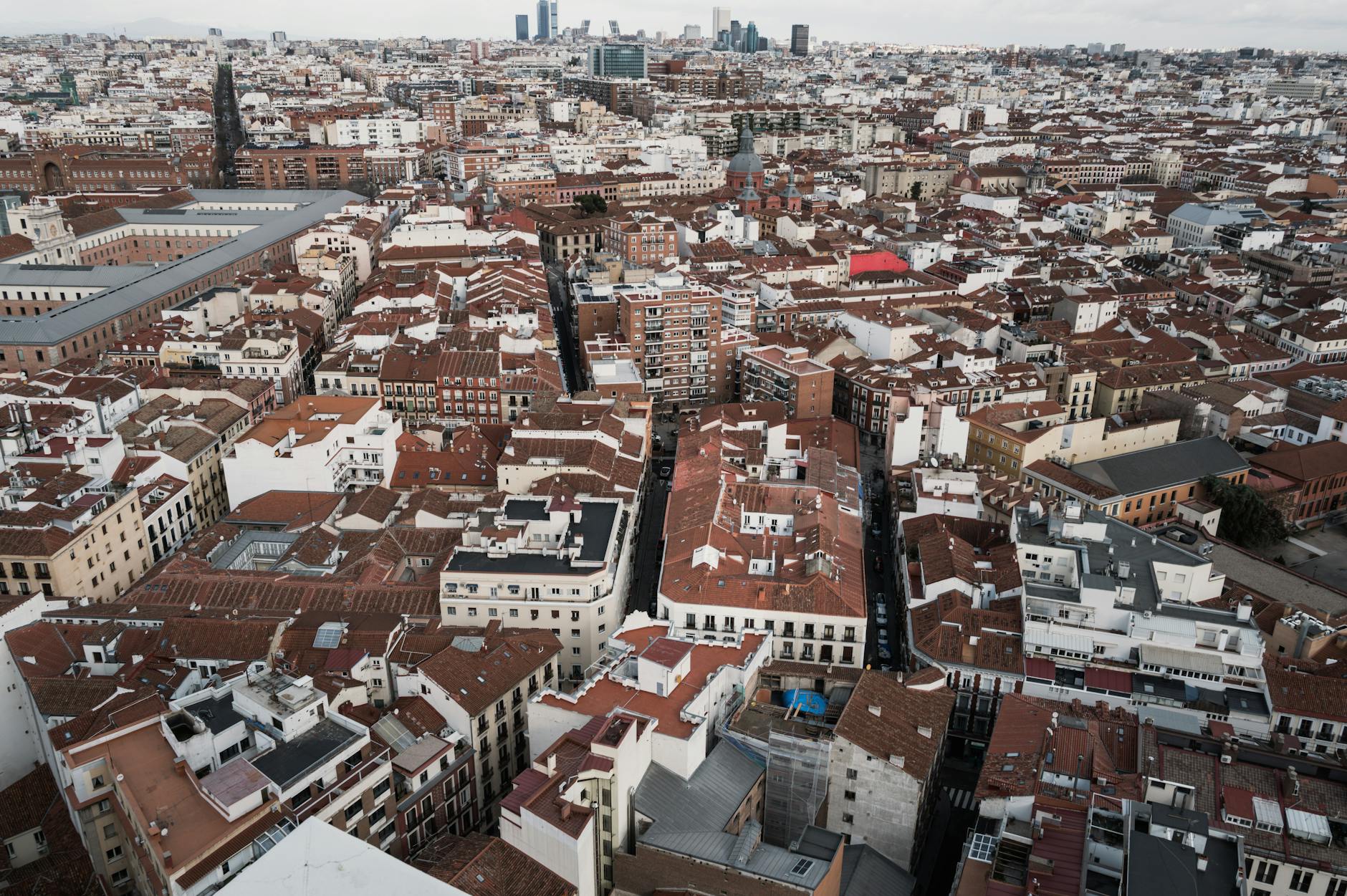
Madrid creator days work best when they are clustered. Sol, Plaza Mayor, Austrias, La Latina, Lavapies, Malasana, Chueca, Retiro, Prado, Atocha, Salamanca, Chamberi, Matadero, Legazpi, and the Bernabeu area can all produce useful material, but not all in one day. A route that zigzags for variety may waste light, battery, patience, and the mental attention needed to notice better scenes.
Each day should have an anchor and supporting scenes. A central Madrid day might pair Plaza Mayor, San Miguel, Sol, Austrias, and La Latina. A contemporary culture day might use Malasana, Chueca, Conde Duque, and Salesas. A calmer visual day might use Retiro, the Prado edge, Jeronimos, and a cafe block. The creator should decide which stops are must-shoot, which are optional, and which are only useful if the light, crowds, and energy are right.
- Cluster each day around one anchor area instead of chasing unrelated locations across the city.
- Plan Sol, Austrias, La Latina, Lavapies, Malasana, Chueca, Retiro, Salamanca, and Matadero as different shoot environments.
- Protect light, battery, rest, and editing time by cutting weak locations early.
Know where filming may create friction
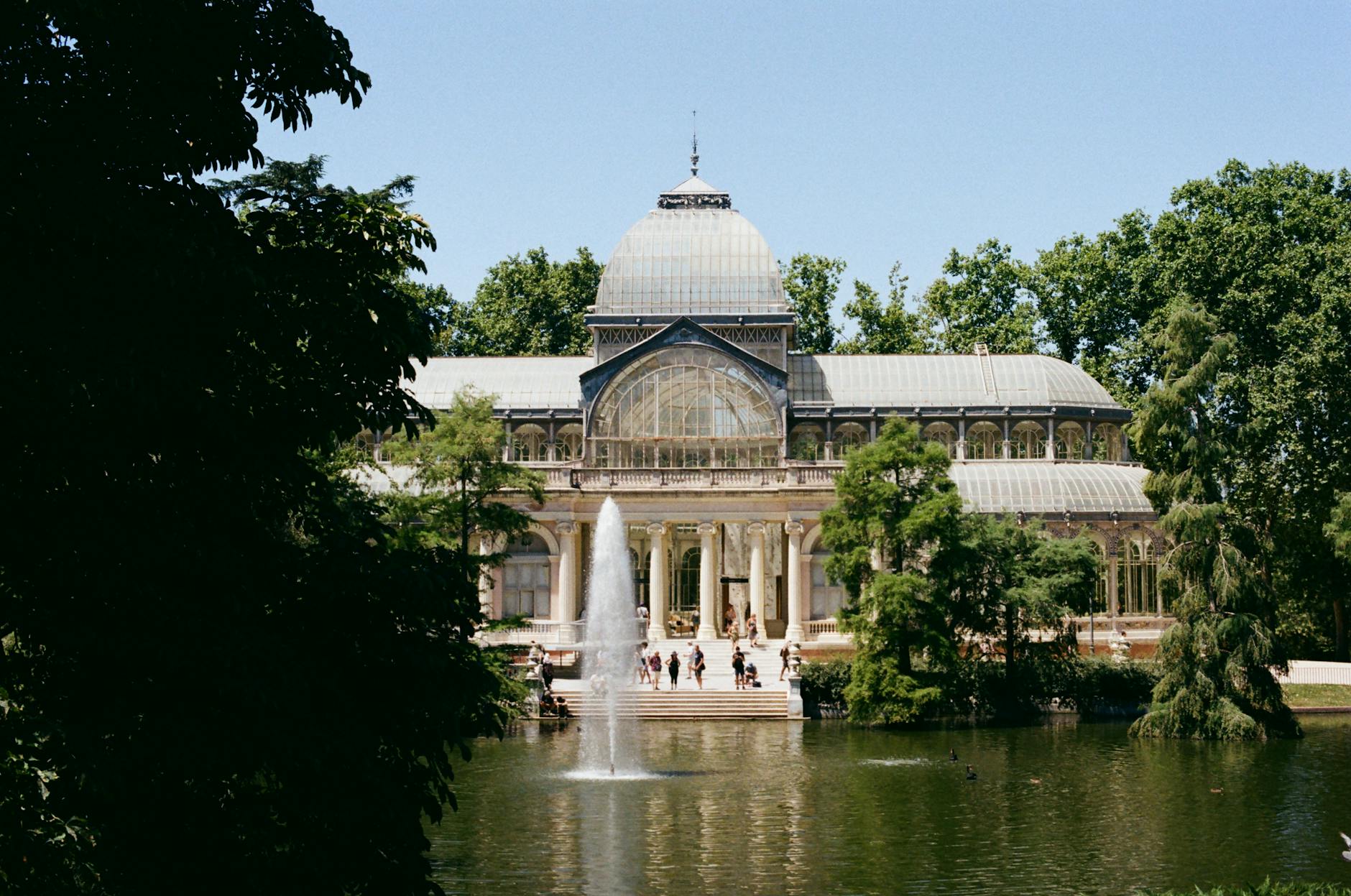
A phone clip on a public street is different from a tripod, gimbal, drone idea, microphone, repeated take, lighting setup, or sponsored shoot. Madrid has many places that feel open but still have rules: museums, private courtyards, hotel rooftops, shops, restaurants, markets, Metro property, event spaces, religious sites, and managed attractions. Retiro and the Crystal Palace may look effortless on camera, but interiors, queues, exhibitions, commercial work, and equipment can change the situation quickly.
Creators should settle permission questions before the content depends on them. If a brand deliverable requires a restaurant, hotel, shop, event, museum exterior, or transport scene, ask directly and explain the use. Drones should not be improvised. Filming around children, worship, police activity, medical settings, protests, or people in distress should be handled with restraint even when a scene is technically visible from public space.
- Treat tripods, gimbals, microphones, lighting, drones, and repeated takes as higher-friction production behavior.
- Check rules for museums, Metro property, restaurants, shops, hotel rooftops, markets, religious sites, and private courtyards.
- Use extra restraint around children, worship, police activity, medical settings, protests, and vulnerable people.
Respect people who become part of the frame
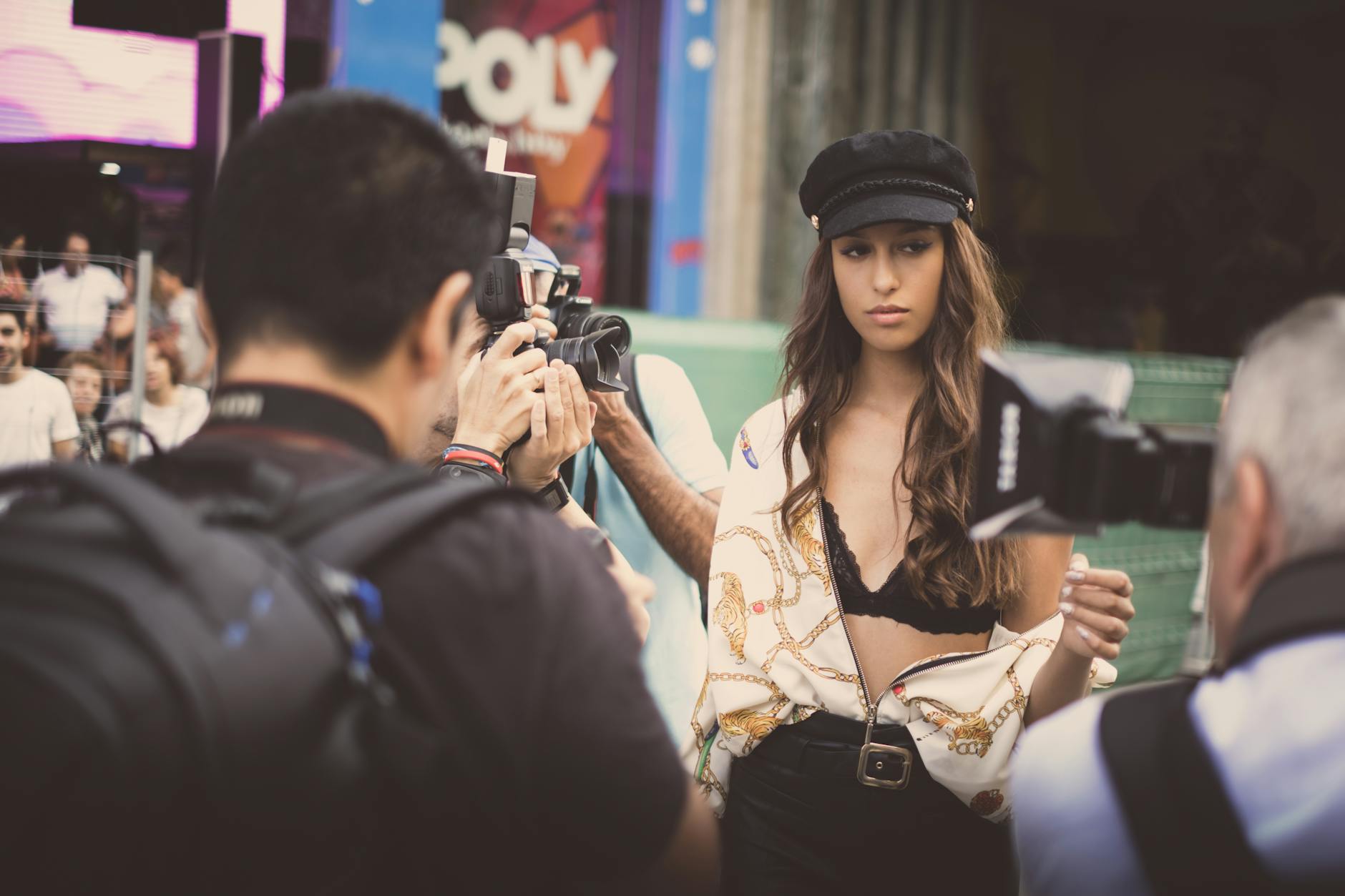
Madrid content often becomes stronger when it includes people: vendors, waiters, commuters, skaters, football fans, musicians, students, fashion subjects, market workers, and friends in plazas. The risk is treating them as free atmosphere. A person who is central to the shot, recognizable in a sensitive context, working at a counter, serving a table, or being used to sell a brand story deserves more care than a distant figure crossing a square.
This is especially important for food, nightlife, fashion, and neighborhood content. Ask before filming staff closely. Avoid putting restaurant workers, children, unhoused people, private conversations, or awkward moments into a monetized post because they make the scene feel authentic. Madrid has plenty of texture without exploiting anyone. The better creator plan is to capture place, rhythm, and permission together.
- Ask when a person is central to the shot, especially workers, performers, vendors, and collaborators.
- Be cautious with children, unhoused people, religious practice, private conversations, nightlife, and vulnerable moments.
- Hold sponsored or monetized content to a higher consent and dignity standard.
Protect gear, footage, and working attention
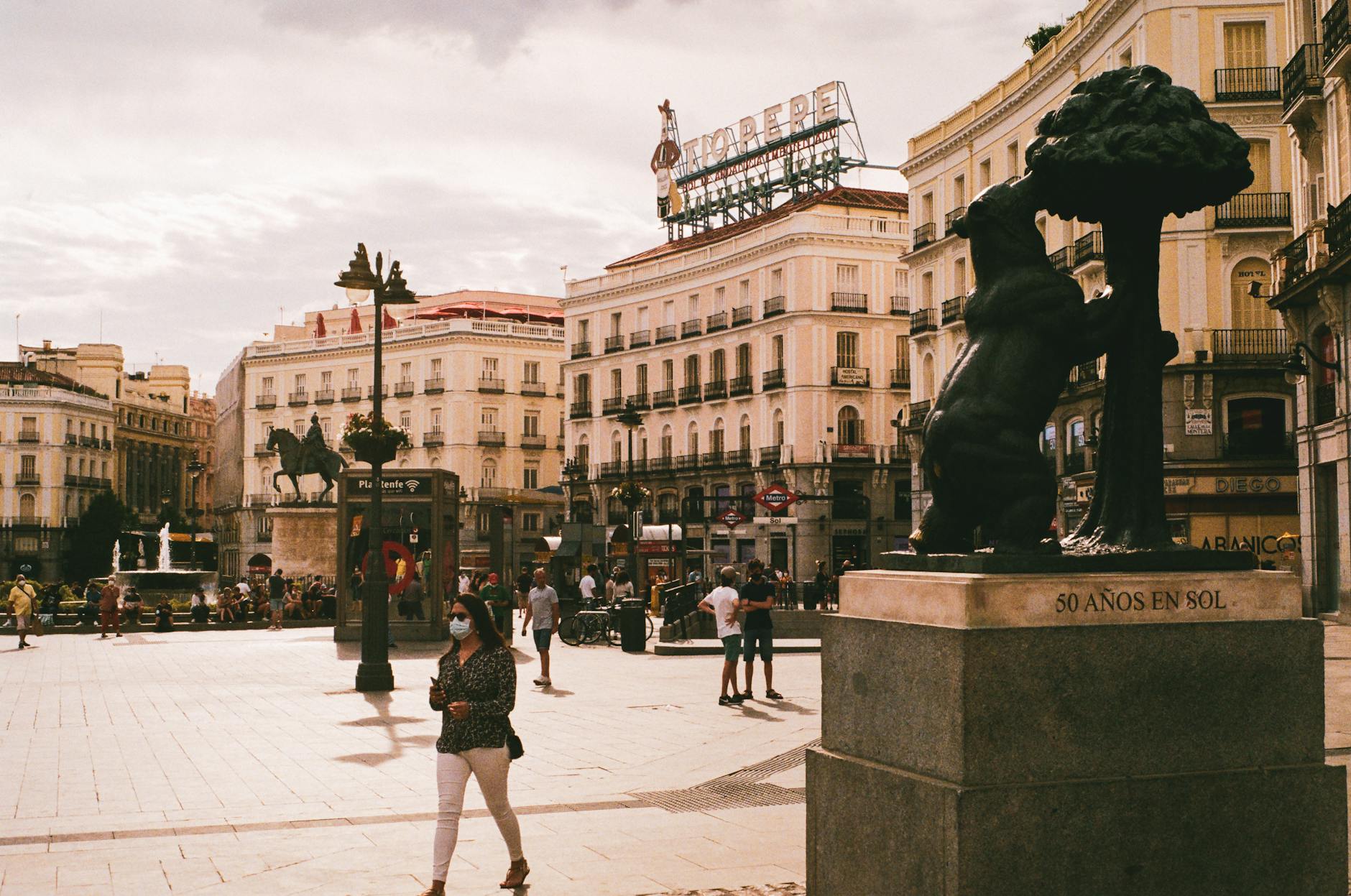
Madrid is manageable, but creators often carry the exact combination that makes small losses expensive: phone, camera body, lenses, gimbal, microphones, tripod, laptop, hard drive, memory cards, chargers, power bank, wardrobe, products, and a second phone. Crowded areas such as Sol, Gran Via, Plaza Mayor approaches, busy Metro platforms, markets, nightlife streets, and terrace zones require bag discipline. The creator should carry the smallest viable kit for the day and avoid casual gear swaps in the middle of a crowd.
Working attention is also a safety issue. A creator focused on framing, sound, captions, and audience engagement may stop noticing who is near the bag, whether the route is drifting, or whether a late shoot has become too exposed. Real-time location sharing, hotel reveals, predictable routines, and solo night filming should be planned carefully. The content should not make the creator easier to track or separate from their equipment.
- Carry the smallest viable kit and separate primary footage from backup storage.
- Avoid casual gear swaps in Sol, Gran Via, Plaza Mayor approaches, markets, Metro platforms, and nightlife areas.
- Limit real-time location sharing, hotel reveals, predictable routines, and solo late-night filming.
Plan movement around light and deliverables
Madrid's schedule can fight a creator who plans like a tourist. Light, heat, lunch timing, dinner timing, museum hours, reservations, football crowds, weekend shopping patterns, Metro transfers, and late nightlife can all affect whether a shot is usable. A creator who needs clean audio, fresh makeup, food content, product shots, or a golden-hour skyline should not depend on a route with too many weak links.
The hotel or apartment base matters because Madrid production days often need returns: changing clothes, dropping gear, charging, copying files, cooling down, or preparing for evening material. Sometimes a taxi or rideshare is more rational than forcing every movement through transit with equipment. The creator should also know where backup scenes are nearby if a plaza is too crowded, a restaurant refuses filming, or weather makes the planned exterior unusable.
- Plan routes around light, heat, reservations, museum hours, football crowds, wardrobe, gear, and upload windows.
- Choose lodging partly for returns, charging, file transfer, wardrobe changes, and access to evening shoots.
- Keep nearby backup scenes for crowding, weather, permission problems, and failed audio.
When to order a short-term travel report
A casual creator making personal posts in Madrid may not need a custom report. A report becomes useful when the trip involves sponsored deliverables, several shoot neighborhoods, restaurant or hotel content, paid photography, solo filming, expensive gear, limited Spanish, night shoots, tight upload deadlines, or a client who expects reliable production rather than good intentions. Those are the trips where generic lists of photogenic places are not enough.
The report should test the shoot map, hotel base, location clusters, light windows, restaurant and venue permissions, Metro and taxi logic, backup scenes, crowd exposure, gear movement, weather contingencies, current disruption risks, editing environment, and upload plan. The value is a creator-aware operating brief for Madrid: where to shoot, when to move, what to ask, where friction may appear, and how to protect the work after the camera stops recording.
- Order when paid content, gear, permissions, solo work, multiple neighborhoods, night shoots, or deadlines raise the stakes.
- Provide platform, deliverables, visual style, shot list, hotel candidates, gear, brand obligations, language ability, and deadlines.
- Use the report to protect production quality, personal safety, and delivery commitments.