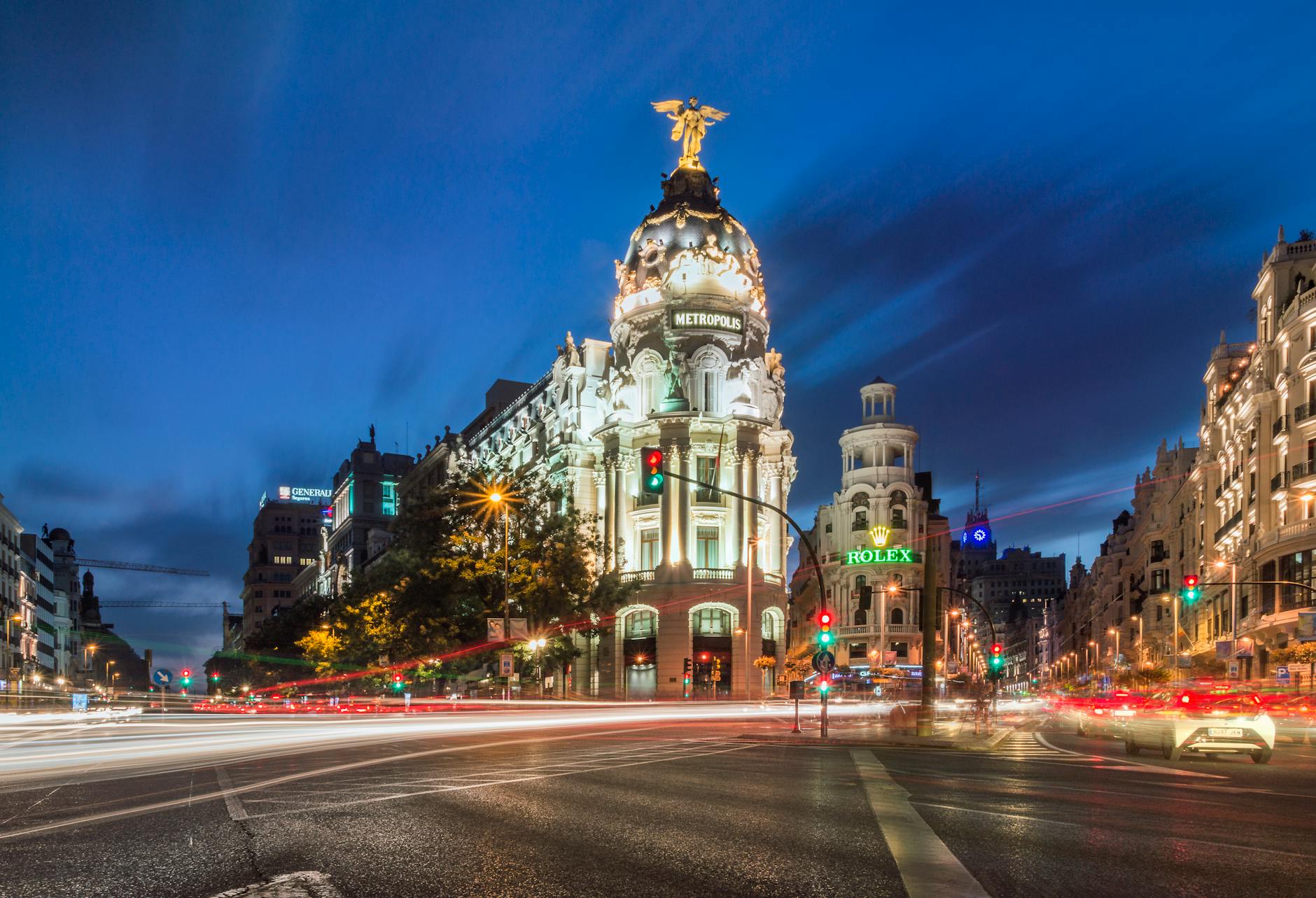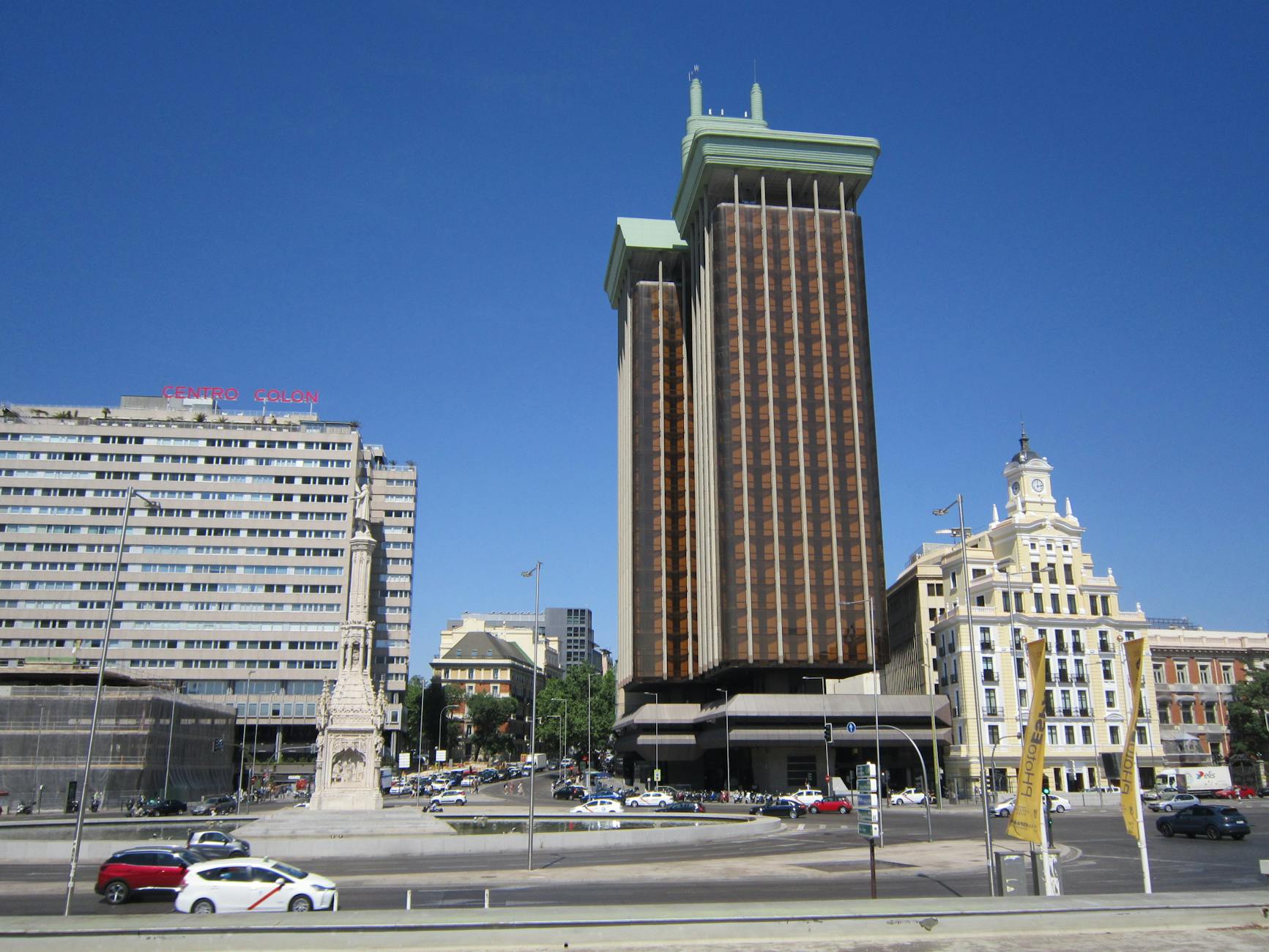
A conference trip to Madrid is not just a city break with a badge attached. The attendee may be arriving with a laptop, formal clothes, presentation notes, sponsor material, medicine, chargers, and a schedule that does not forgive wasted movement. Madrid can support a very productive short conference visit, but the plan has to start with the venue. IFEMA, a Castellana business venue, a hotel near Colon, a Gran Via event, a university setting, a private office, or a conference attached to a cultural venue all create different hotel, transport, meal, and networking decisions. The best Madrid conference plan protects the work value of the trip. It gets the attendee to registration without panic, keeps the hotel useful between sessions, preserves enough stamina for the conversations that matter, and prevents late dinners or scattered side meetings from damaging the next morning. Madrid is rewarding after hours, but a conference attendee should use the city deliberately rather than letting every invitation and every cross-town movement become part of the schedule.
Start with the venue, not Madrid in general
Madrid is compact compared with some global capitals, but it is still too large for a conference attendee to plan around the idea of being generally central. IFEMA is an airport-side event trip with different timing from a hotel conference around Gran Via, a business program on Paseo de la Castellana, a government or institutional event near Colon, or a private corporate venue north of the center. A hotel that looks convenient for sightseeing may be weak for registration, morning keynotes, booth shifts, or an evening reception tied to the venue.
The attendee should identify the main entrance, badge pickup, nearest reliable transit, taxi drop-off, lunch options, cloakroom or storage assumptions, and official evening sites before booking. Madrid rewards precise geography. It punishes vague geography when the traveler is carrying a laptop, wearing formal clothes, managing a badge, and trying to arrive composed.
- Treat IFEMA, Castellana, Colon, Gran Via, university, hotel, and private office venues as different conference trips.
- Map the entrance, registration point, transit, taxi drop-off, lunch options, and evening venues before choosing a hotel.
- Do not choose a hotel for sightseeing appeal if it weakens every program day.
Choose a hotel that supports the program rhythm
A conference hotel is not just a bed. It is a wardrobe base, workroom, charging station, storage point, recovery space, and transport decision. A Madrid attendee may need to drop a laptop after a panel, change before a sponsor dinner, take a private call, print or retrieve material, or rest between a long morning and a late evening. If the hotel is too far from the venue or poorly connected to side events, the attendee loses useful time every day.
For IFEMA, staying near the venue or near a direct route may matter more than a central address. For Castellana or Colon events, a polished business-hotel base can make the day easier. For programs with dinners in Salamanca, Chamberi, Las Letras, or around Gran Via, evening geography may change the lodging logic. The right hotel supports the agenda that actually exists, not the Madrid trip the attendee would take on vacation.
- Judge the hotel by registration timing, session breaks, calls, clothes, sleep, breakfast, and evening returns.
- Stay near the venue when the program is dense or when materials and wardrobe changes matter.
- Balance venue proximity against side meetings, dinners, and the return route after long days.
Protect arrival and registration
The first conference obligation begins before the opening session. Madrid-Barajas, Atocha, Chamartin, taxis, luggage, hotel check-in, and badge pickup can all determine whether the attendee starts the program calm or already behind. A traveler landing the morning of a presentation, panel, workshop, client meeting, or booth shift should plan the transfer around that obligation, not around the cheapest theoretical route.
Registration should be treated as a movement problem. Does the attendee need ID, a QR code, proof of affiliation, printed materials, a laptop, samples, or sponsor items? Is luggage storage available if the room is not ready? Is the badge pickup inside the main entrance or somewhere else on the site? Is there enough time to reach the hotel before the first real session, or does everything needed for the day have to travel from arrival to venue? These details are unglamorous until one fails.
- Plan Barajas, Atocha, or Chamartin arrival around the first real program obligation.
- Know badge pickup, ID needs, QR codes, luggage storage, and whether the hotel can be reached before sessions start.
- Add buffer before presentations, panels, workshops, booth shifts, and client meetings.
Control what enters the venue bag
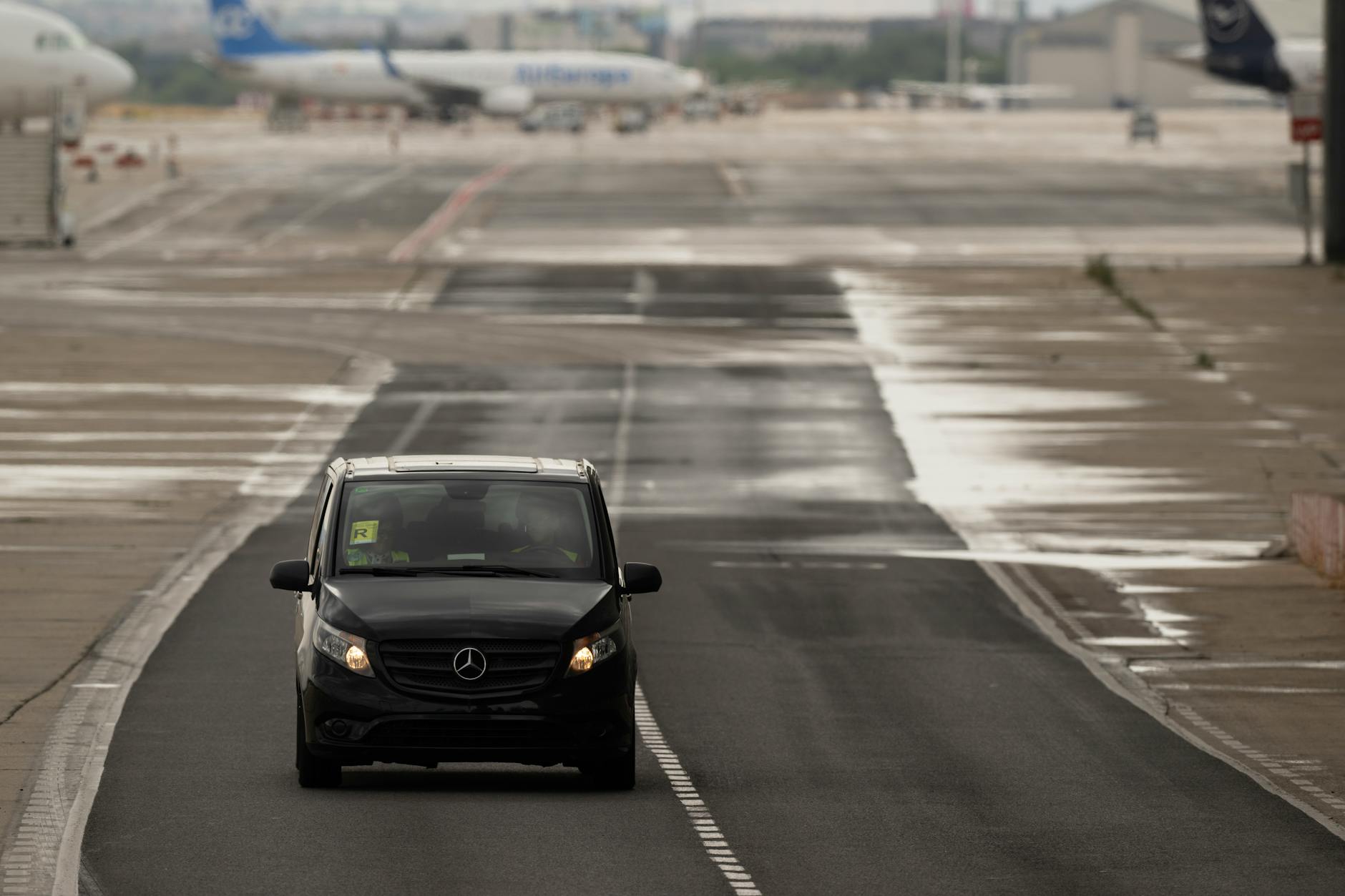
Conference days often become harder because of what the attendee carries. Laptop, charger, adapter, power bank, badge, passport or ID, medication, business cards, printed notes, water, jacket, promotional material, and small purchases all compete for attention. Madrid weather can add heat, rain, or a jacket that is useful at night but annoying inside the venue. A traveler who carries too much becomes less mobile and less useful in hallway conversations.
The attendee should separate what belongs in the venue from what belongs at the hotel. Presentation files should not live on one device. Badge, ID, payment card, medication, and charger should have fixed places. If security checks, badge scans, restricted rooms, or cloakrooms are likely, the attendee should know that before arrival. The more important the session, the less the day should depend on improvisation.
- Carry only what supports the program day, and know whether cloakroom or storage exists.
- Keep badge, ID, payment card, charger, adapter, power bank, and medication consistently placed.
- Back up presentation files, QR codes, and notes beyond a single laptop or cloud connection.
Networking needs geography and restraint
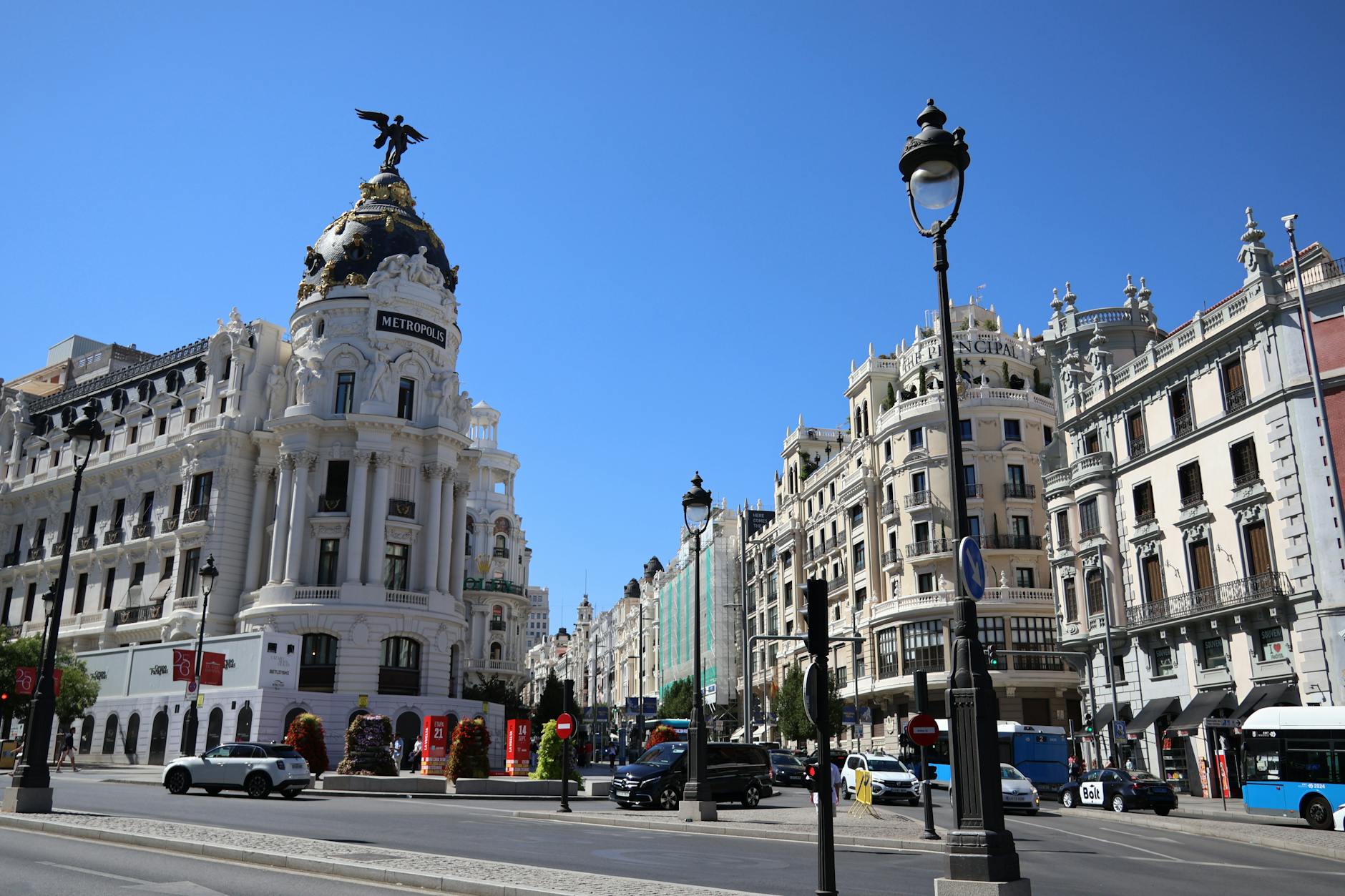
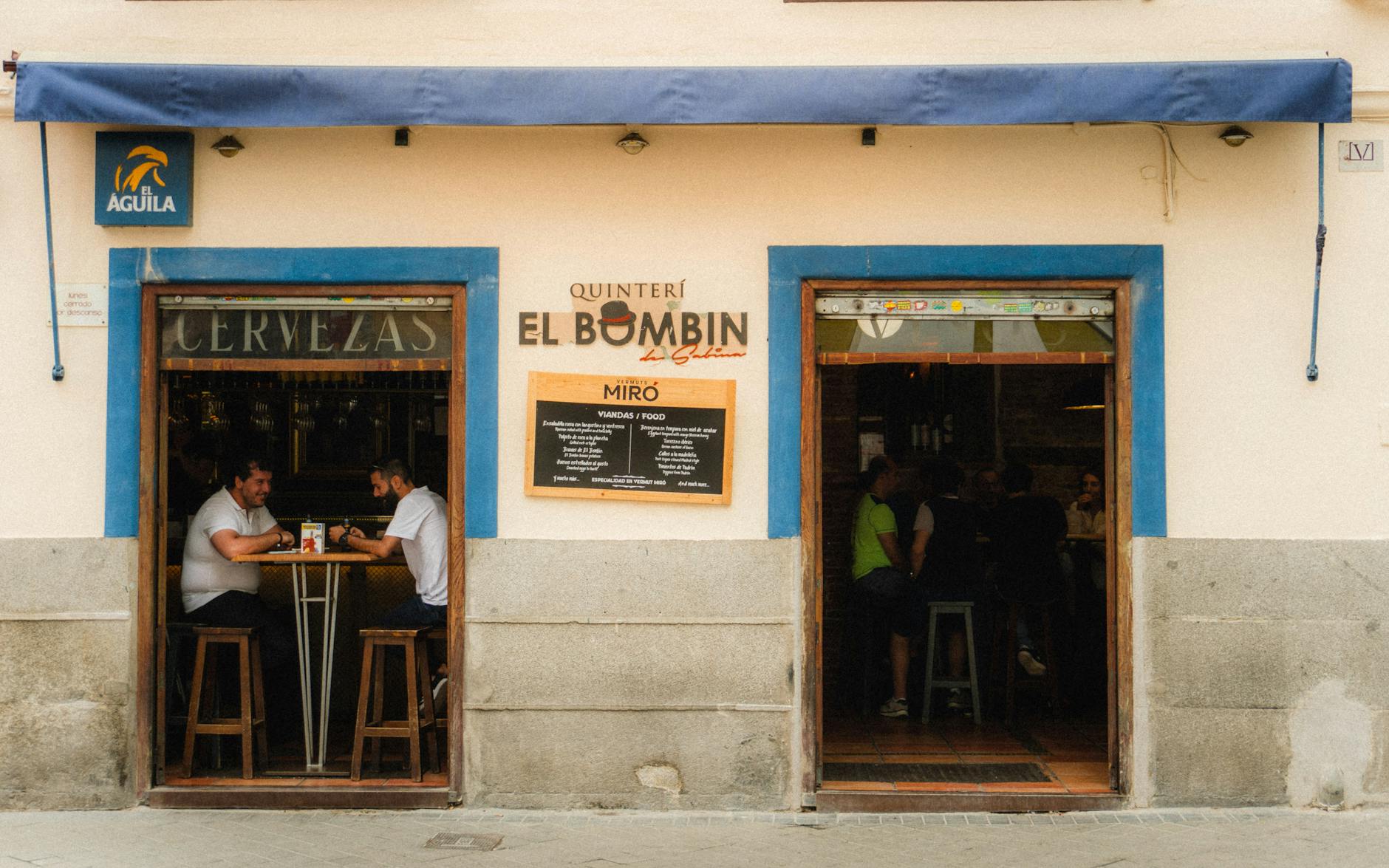
The value of a conference often happens outside the formal session: coffee breaks, hallway introductions, sponsor dinners, private breakfasts, client meals, and late invitations. Madrid can make those moments enjoyable, but the city also encourages attendees to overextend. A dinner in Salamanca, a reception near the venue, a drink around Gran Via, and a meeting near Colon may all be possible in theory and still become a tiring pattern after eight hours indoors.
The attendee should decide which networking moments are worth protecting. One well-chosen dinner may be more valuable than three scattered events. A meeting near the hotel or venue may beat a cross-city dash. Madrid's late dining culture is a strength when it is planned around the next morning. It becomes a liability when a marginal invitation weakens the highest-value session of the trip.
- Prioritize the networking moments that justify real travel time and evening energy.
- Cluster side meetings around the venue, hotel, Salamanca, Colon, Castellana, or Gran Via where possible.
- Use Madrid's late dinners selectively so they do not damage the next morning's program.
Plan movement around crowds and evening returns
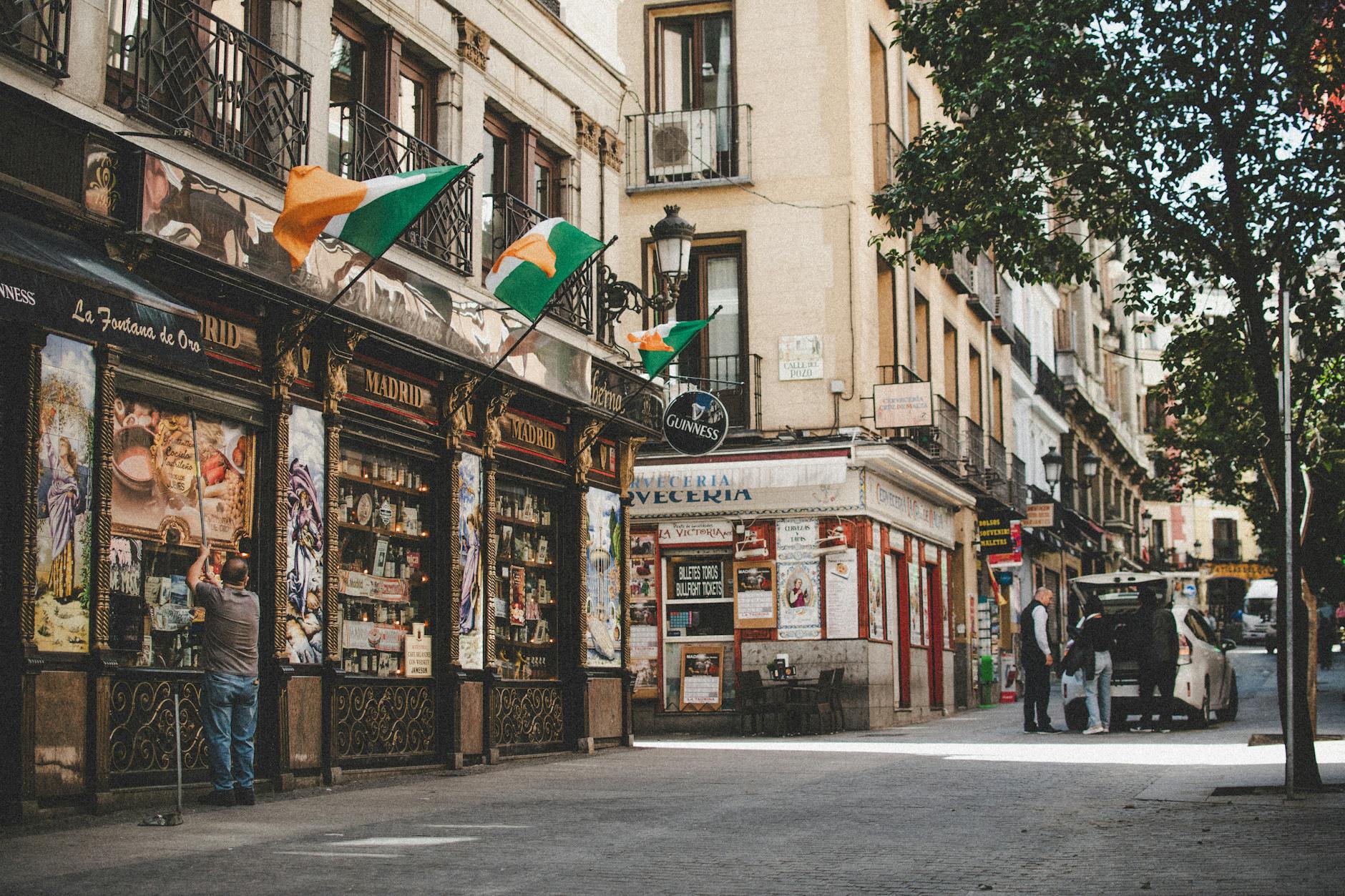
Madrid movement is usually workable, but conference timing makes it less flexible than leisure travel. Metro, taxi, walking, airport routes, venue shuttles, and ride-hail options can all be reasonable, but the right answer changes with rain, heat, luggage, formal clothes, strikes, street closures, event surges, and the hour after a reception. Sol, Gran Via, Plaza de Espana, Colon, Atocha, Chamartin, and airport-area roads each have moments when a simple route becomes slow or crowded.
The attendee should know the primary route and fallback for every critical movement: hotel to venue, venue to side meeting, side meeting to dinner, dinner to hotel, and hotel to departure point. A late return after a sponsor event should not be the first time the traveler thinks about taxi access, phone battery, luggage, or the safest direct route back.
- Check primary and fallback routes before registration windows, side meetings, dinners, and departure.
- Account for rain, heat, luggage, formal clothes, street closures, event surges, and transport disruption.
- Plan late returns before the reception starts, especially around Gran Via, Sol, Colon, and hotel districts.
When to order a short-term travel report
A repeat attendee going to a familiar one-day event may need little more than current transport checks. A traveler coming from overseas, attending a multi-day conference, presenting, staffing a booth, carrying materials, entertaining clients, or moving between the venue and several dinner or reception sites should plan more carefully. Madrid is manageable, but the wrong hotel, wrong transfer, or wrong evening sequence can reduce the value of the trip quickly.
The report should test the exact venue, hotel candidates, Barajas or rail arrival, registration timing, entrance and taxi logic, transport fallbacks, materials plan, side-meeting geography, dinner districts, current local disruptions, weather implications, and departure timing. The value is not a generic conference checklist. It is a Madrid-specific operating plan so the attendee knows where to stay, when to leave, what to carry, where to meet people, and when not to cross town.
- Order when the trip includes an unfamiliar venue, presentation duties, booth materials, client meetings, or multiple evening events.
- Provide the venue, agenda, arrival point, hotel candidates, dinner plans, materials, constraints, and departure timing.
- Use the report to protect conference value rather than filling every free hour.